For the best rolled sugar cookies, cream 1 1/2 cups of softened unsalted butter with 2 cups of granulated sugar, add 4 eggs and vanilla, then mix in 5 cups of flour, baking powder, and salt. Chill the soft dough for at least 1 hour, roll it about 1/2 inch thick, cut the shapes, and bake at 400°F for 6–8 minutes. The key to soft cookies is removing them when the centers are still pale and the edges are just set.
These easy cut-out sugar cookies have tender centers, lightly crisp edges, and a buttery vanilla flavor that makes every bite taste homemade. The dough is sturdy enough for festive cookie cutters but remains soft after baking, making this a reliable recipe for holidays, birthdays, school parties, and weekend baking projects.
Jump to RecipeWhy You’ll Love This Recipe

This is the kind of sugar cookie recipe worth keeping in your family recipe box. The dough rolls smoothly after chilling, holds the outline of nearly any cookie cutter, and bakes into cookies that are soft without being fragile.
The flavor is simple and classic: rich butter, sweet sugar, and fragrant vanilla. Because the cookies are baked only until set, the centers stay tender while the edges develop a very light crispness for a pleasant bite.
The generous batch makes about 4–5 dozen cookies, depending on the size of your cutters and how thickly you roll the dough. That makes this recipe especially useful when you need enough cookies for decorating parties, cookie exchanges, or gift tins.
Planning a full comfort-food menu for a baking day? A warm bowl of homemade tomato soup is a cozy savory option to serve before dessert.
Ingredients You’ll Need
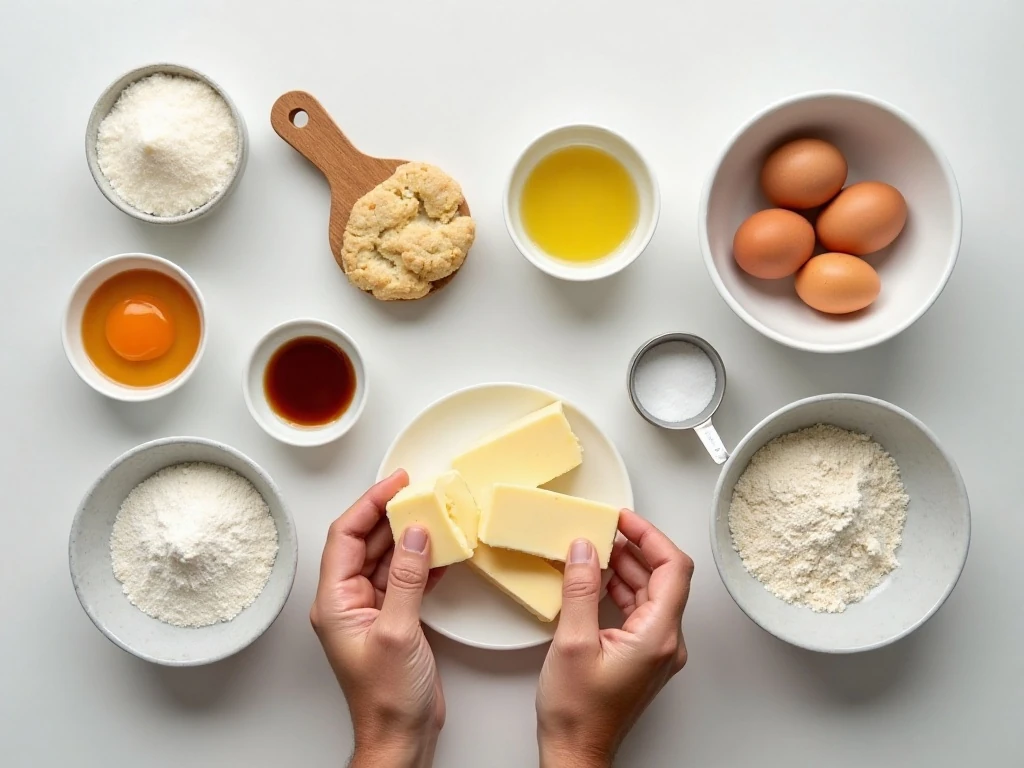
The ingredient list is short, but each item has an important job. Use softened unsalted butter so it creams properly with the sugar, and choose fresh eggs for the best structure and color.
- Unsalted butter: Use 1 1/2 cups, or 340 grams, softened to room temperature. It should press easily but should not look oily or melted.
- Granulated sugar: Two cups provide sweetness and help create the delicate texture associated with classic rolled sugar cookies.
- Eggs: Four large eggs add moisture, richness, and structure to this large-batch dough.
- Vanilla extract: One teaspoon gives the cookies their familiar bakery-style aroma.
- All-purpose flour: Use 5 cups, weighing about 600–625 grams. Measuring by weight is helpful, but spooning flour into cups and leveling them also works.
- Baking powder: Two teaspoons provide gentle lift without turning the cookies into thick, cakey biscuits.
- Salt: One teaspoon balances the sweetness and makes the butter and vanilla flavors more noticeable.
Do not add extra flour unless the dough is genuinely too sticky to handle. Too much flour can make the cookies firm and dry instead of soft.
When you want a hearty meal to balance a tray of sweets, you can also serve this easy chicken tortilla soup before bringing out the cookies.
How to Make It Step-by-Step
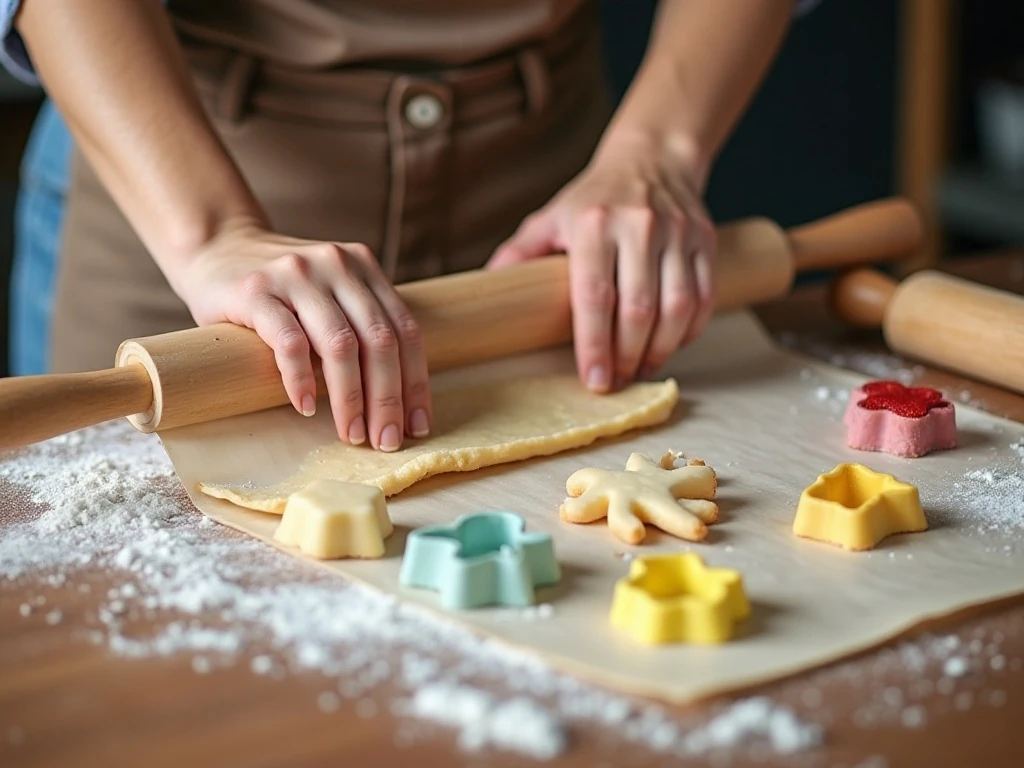
Step 1: Bring the butter to a soft room-temperature texture before mixing. Place it in a large bowl with the granulated sugar and beat until the mixture is smooth, creamy, and evenly combined, scraping the sides of the bowl as needed.
Step 2: Add the eggs one at a time, beating well after each addition. This helps the eggs blend into the butter mixture instead of leaving streaks, and it creates a smooth base for the flour.
Step 3: Mix in the vanilla extract. In another bowl, whisk the flour, baking powder, and salt together so the leavening and salt are distributed throughout the dough.
Step 4: Add the dry ingredients gradually to the butter mixture. Mix only until no large streaks of flour remain and a soft dough forms; overmixing can make the finished cookies less tender.
Step 5: Cover the bowl tightly and refrigerate the dough for at least 1 hour. Chilling firms the butter, makes the dough easier to roll, and helps the cut shapes maintain clean edges in the oven.
Step 6: Heat the oven to 400°F (205°C) and prepare your baking sheets. Parchment paper makes transfer and cleanup easier, although the cookies can also be placed on ungreased baking sheets.
Step 7: Roll a portion of the chilled dough to about 1/2 inch thick on a lightly floured surface. For a cleaner process with less added flour, place the dough between sheets of parchment paper and roll from the center outward.
Step 8: Cut the dough with your favorite cookie cutters, keeping the cuts close together to reduce scraps. Place the shapes about 1 inch apart on the baking sheets, then gently gather and reroll the remaining dough.
Step 9: Bake for 6–8 minutes. The cookies should look set, with pale centers and edges that are only barely beginning to color; visible browning is a sign that they have baked too long for the softest texture.
Step 10: Leave the cookies on the baking sheet for a short cooling period so they can firm up without breaking. Transfer them to a wire rack and cool completely before adding icing, sprinkles, or colored sugar.
Pro Tips for Soft, Perfect Cut-Out Cookies

Chill before rolling. This is the most important handling step. Warm dough sticks easily, spreads more quickly, and loses some of the crisp definition from the cutter.
Work in portions. Keep most of the dough refrigerated while rolling one portion. Smaller sections warm more slowly and are easier to move from the work surface to the baking sheet.
Use parchment for rolling. Rolling between parchment sheets reduces the need for flour, which helps preserve the tender texture. It also makes it easier to lift delicate shapes without stretching them.
Keep the thickness consistent. Aim for approximately 1/2 inch throughout the sheet. Thin areas may bake before thicker areas are set, while very thick cookies can require more time and may become cakier.
Watch the first tray closely. Oven temperatures and cutter sizes vary, so use the first batch to learn the exact timing for your kitchen. The recommended baking window is 6–8 minutes per tray.
Do not wait for a deep golden color. These cookies are meant to stay pale. Remove them as soon as the centers appear set and the edges have just started to color.
For a party menu that includes a savory appetizer, these slow cooker meatballs can cook while you roll and decorate the cookies.
Decorating and Serving Ideas

These cookies are delicious plain, but they are also an inviting blank canvas for decorating. Once completely cool, top them with a thin glaze, royal icing, buttercream, colored sugar, or a scattering of sprinkles.
For simple everyday cookies, brush the cut shapes lightly with milk before baking and sprinkle them with sugar. For holidays, use stars, trees, hearts, snowflakes, or round cutters, then decorate each shape with colors that match the occasion.
If you are preparing cookies for children, set up a decorating station with small bowls of sprinkles and icing. Let the cookies cool fully first, since warm cookies can soften icing and make decorations slide.
A cookie platter pairs nicely with a casual lunch spread. For another make-ahead favorite, try serving classic egg salad sandwiches before dessert.
Storage and Make-Ahead Tips
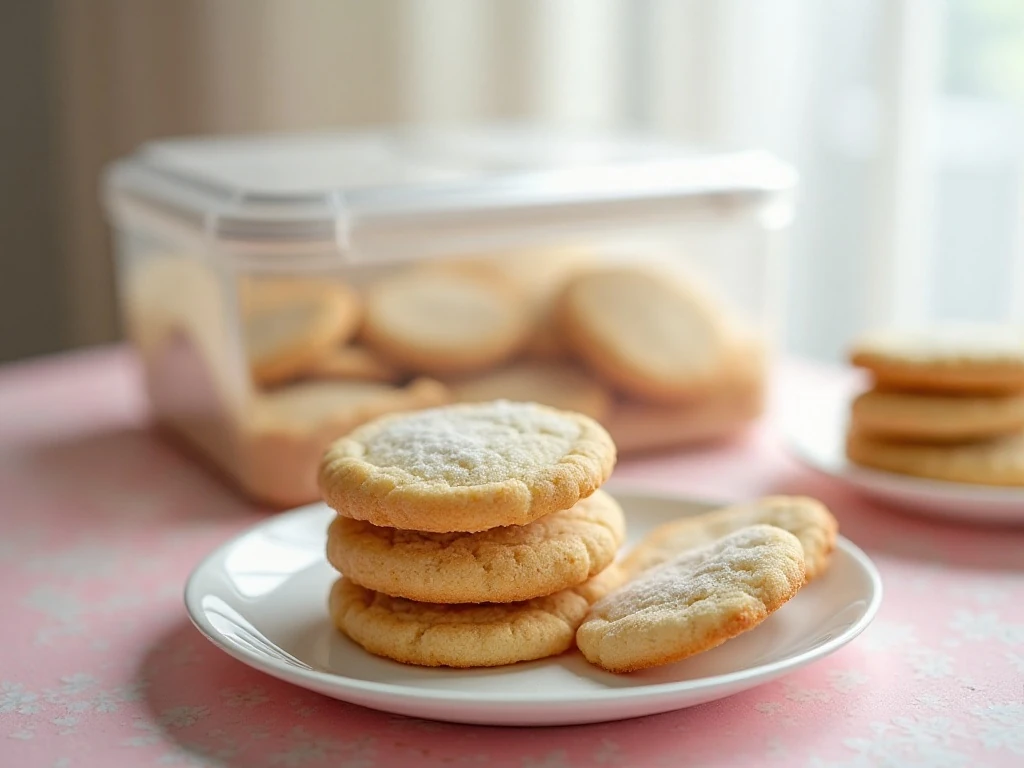
Store fully cooled cookies in an airtight container at room temperature. Place parchment between layers if the cookies are decorated or if you want to prevent the shapes from rubbing against one another.
The unbaked dough can be refrigerated overnight, which makes this recipe convenient for a two-day baking plan. Let the dough remain chilled until you are ready to roll it, working with small portions as needed.
Baked cookies are ideal for preparing ahead of a celebration. Cool them completely before packing, because trapped warmth can create condensation and soften the cookies unevenly.
Keep the cookies away from strong-smelling foods, since their buttery flavor can absorb nearby aromas. If your gathering includes a savory main course, a quick skillet balsamic chicken dinner leaves plenty of time for cookie decorating afterward.
Common Questions
Why did my cookies spread? The dough may have been too warm, the butter may have been partially melted, or the baking sheet may have been warm from a previous batch. Chill the cut shapes briefly before baking if your kitchen is warm.
Why are my cookies hard? Overbaking is the most common reason. Remove the cookies while the centers are still pale and the edges are barely colored, and measure the flour carefully to avoid adding too much.
Can I use different cookie cutter sizes? Yes. Smaller cutters will produce more cookies, while larger cutters will produce fewer than the typical 4–5 dozen yield. Keep similar-sized shapes on the same tray so they bake at a similar rate.
Can I reroll the scraps? Yes, but gather them gently and avoid excessive mixing. Rerolling a few times is practical, while repeated handling may make the last cookies slightly less tender.
The Best Rolled Sugar Cookie Recipe (Soft & Easy)
Ingredients
Method
- Soften the butter until it is pliable but not melted. In a large mixing bowl, cream the butter and granulated sugar until smooth and well combined.
- Beat in the eggs one at a time, mixing after each addition. Add the vanilla extract and stir until the mixture is evenly blended.
- In a separate bowl, whisk together the all-purpose flour, baking powder, and salt. Gradually add the dry mixture to the butter mixture, mixing just until a soft dough forms.
- Cover the dough and refrigerate it for at least 1 hour. The dough may also be chilled overnight for convenient baking the next day.
- Preheat the oven to 400°F (205°C). Line baking sheets with parchment paper, or leave them ungreased if preferred.
- Roll the chilled dough on a lightly floured surface to about 1/2 inch thick. For easier handling and less added flour, roll it between sheets of parchment paper.
- Cut the dough with cookie cutters and arrange the shapes about 1 inch apart on the prepared baking sheets. Gather scraps gently, reroll them, and continue cutting until the dough is used.
- Bake each tray for 6–8 minutes, just until the cookies are set and the edges are barely beginning to color. Do not let the cookies brown if you want soft centers.
- Let the cookies cool briefly on the baking sheet, then transfer them to a wire rack. Cool completely before decorating or storing.
Notes
Final Thoughts
This rolled sugar cookie recipe delivers everything a great cut-out cookie should: buttery flavor, soft centers, lightly crisp edges, and shapes that remain recognizable after baking. The process is straightforward, but chilling the dough and watching the oven closely make the biggest difference.
Roll the dough to about 1/2 inch, bake at 400°F for 6–8 minutes, and pull the cookies before they brown. Once cool, decorate them for a holiday table, package them as gifts, or enjoy them with coffee, tea, or a glass of milk.
Make a batch, invite everyone to decorate, and keep a few cookies aside for yourself. These soft, easy sugar cookies are sure to become a dependable favorite whenever a homemade treat is needed.
3 thoughts on “The Best Rolled Sugar Cookie Recipe (Soft & Easy)”