This Perfect Juicy Roast Turkey recipe produces a tender, flavorful 12- to 14-pound turkey with crisp golden skin and succulent breast meat. Roast the thawed, preferably unbrined turkey at 325°F (165°C) for approximately 3 to 3 3/4 hours, then rest it for 30 to 45 minutes before carving.
The secret is a fragrant garlic-herb butter tucked beneath the breast skin, a light coating over the outside, and a reliable instant-read thermometer. Every slice is richly seasoned with butter, parsley, sage, rosemary, and thyme while onion, lemon, and garlic perfume the meat from the inside.
Jump to RecipeWhy You’ll Love This Recipe
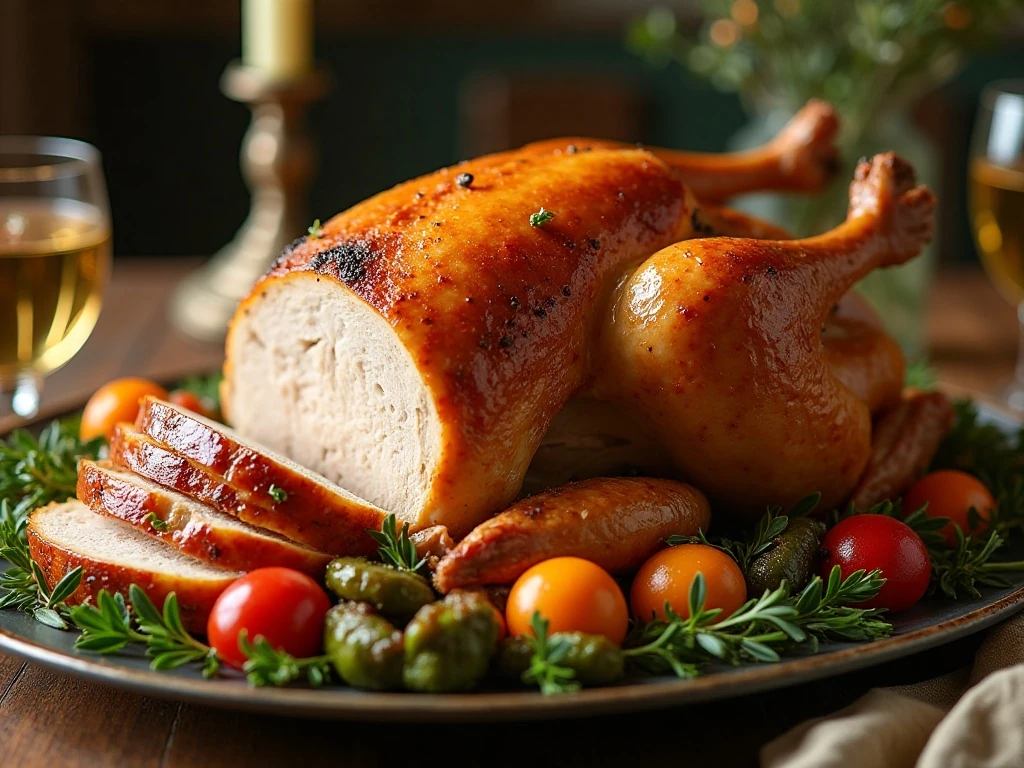
This roast turkey brings classic holiday flavor without requiring complicated equipment or a long list of specialty ingredients. The butter under the skin melts slowly into the breast meat while the herbs and garlic create a savory crust on the outside.
The aromatics inside the cavity add a gentle citrus, onion, and roasted-garlic fragrance without crowding the turkey. Meanwhile, the broth in the roasting pan catches flavorful drippings and helps keep the pan juices from scorching.
It is also a dependable centerpiece for a large dinner. The recipe yields 10 to 12 servings, making it suitable for Thanksgiving, Christmas, Sunday dinner, or any gathering that calls for a beautifully roasted bird.
If you are planning a full menu, a hearty roast is always welcome alongside this turkey; our garlic and herb pork roast is another comforting dinner option for a different occasion.
Ingredients You’ll Need
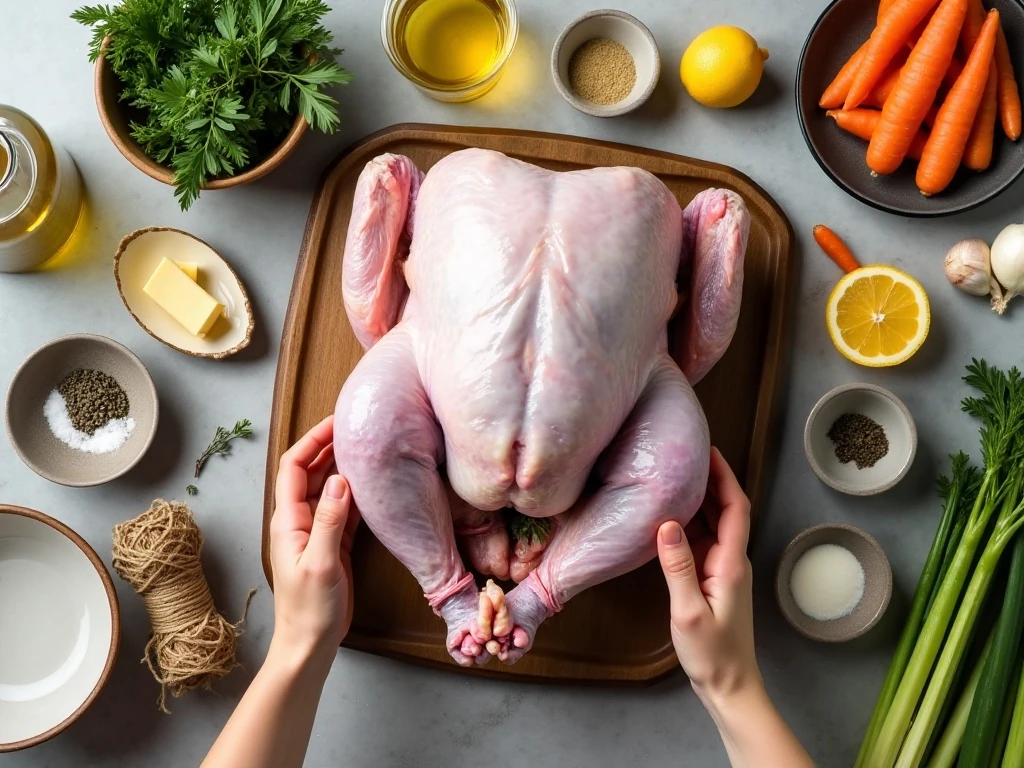
Choose a thawed 12- to 14-pound whole turkey, preferably one that has not already been brined or heavily seasoned. A dry surface is important because it helps the skin brown instead of steam.
- Butter and olive oil: Softened unsalted butter carries the herbs beneath the skin, while olive oil helps the exterior coating spread easily.
- Fresh herbs: Parsley, sage, rosemary, and thyme provide a balanced savory flavor that tastes especially good with turkey drippings.
- Seasonings: Kosher salt, black pepper, and four minced garlic cloves season the herb butter.
- Cavity aromatics: Quartered onion, halved lemon, and a halved garlic head release fragrance as the turkey roasts.
- Pan liquid: Two cups of low-sodium chicken or turkey broth protect the drippings and provide a flavorful base for gravy.
Carrots and celery are optional, but they make a useful bed beneath the rack and add flavor to the pan juices. If your turkey is brined or labeled pre-seasoned, reduce or omit the added salt so the finished meat does not become too salty.
How to Make It Step-by-Step
Step 1: Plan ahead and thaw the turkey in the refrigerator for 3 to 4 days, allowing enough time for the center to defrost safely. On roasting day, remove the packaging, neck, and giblets, then pat every surface very dry with paper towels.
Step 2: Let the turkey sit at room temperature for about 45 to 60 minutes while you prepare the oven and butter. This brief rest takes some chill off the bird and gives you time to position the roasting rack and gather the aromatics.
Step 3: Heat the oven to 325°F (165°C). If using them, scatter the roughly chopped carrots and celery in the bottom of a large roasting pan, pour in the two cups of broth, and place a rack above the liquid.
Step 4: Combine the softened butter, olive oil, kosher salt, black pepper, minced garlic, parsley, sage, rosemary, and thyme. Stir until the herbs and garlic are evenly distributed throughout the butter for consistent seasoning in every portion.
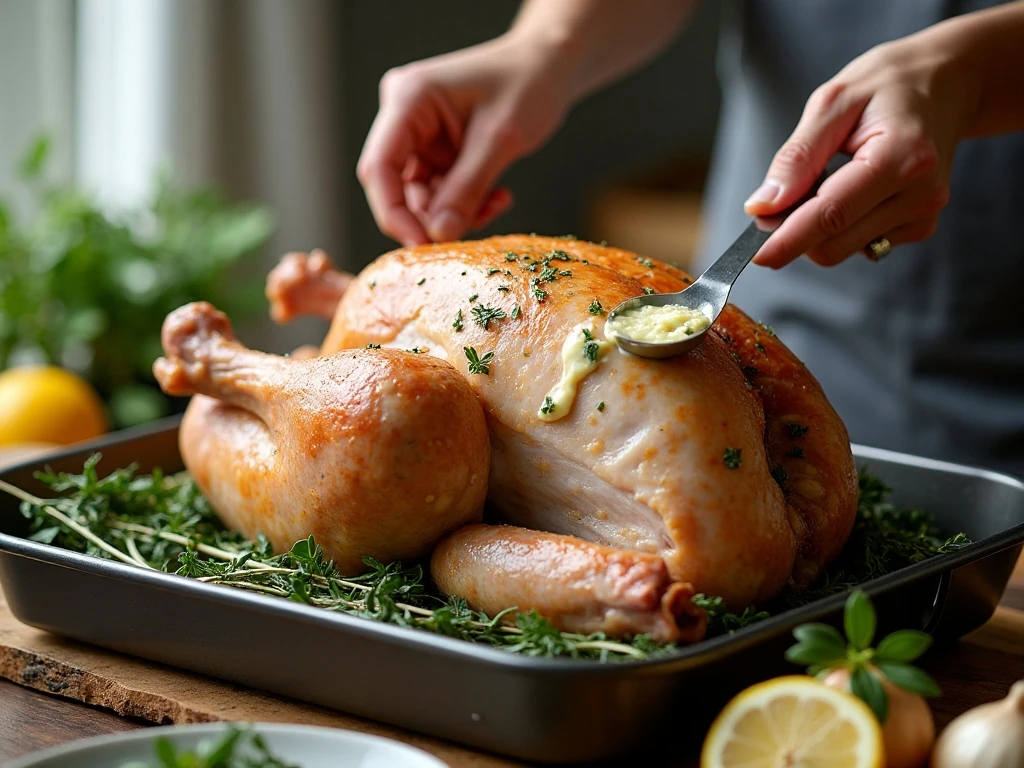
Step 5: Carefully slide your fingers beneath the breast skin to loosen it without tearing it. Spread about half of the herb butter underneath the skin, then rub the remaining butter over the entire outside of the turkey, including the legs and sides.
Step 6: Season the cavity lightly with salt and pepper. Add the quartered onion, lemon halves, and halved head of garlic, taking care not to pack the cavity tightly so hot air can circulate.
Step 7: Tie the legs loosely with kitchen twine and tuck the wing tips beneath the bird. Place the turkey breast-side up on the roasting rack, keeping it centered over the pan so the drippings collect evenly.
Step 8: Roast at 325°F for approximately 3 to 3 3/4 hours. You may baste once or twice with pan juices, but frequent oven opening lowers the temperature and can soften the skin, so let the herb butter do most of the work.
Step 9: Begin checking the temperature after about 2 1/2 hours. Insert an instant-read thermometer into the thickest part of the breast without touching bone, and check the thickest part of the thigh as well.
Step 10: Remove the turkey when the breast reaches about 160°F, provided the thigh has reached at least 165°F; the breast should reach 160 to 165°F overall. Carryover cooking during the rest will usually raise the temperature several degrees.
Step 11: Move the turkey to a cutting board and tent it loosely with foil. Rest for 30 to 45 minutes before carving so the juices settle back into the meat instead of running across the board.
Step 12: Remove the twine and carve the legs first, followed by the breasts sliced against the grain. Arrange the meat on a warm platter and spoon a little pan juice over the slices just before serving.
How to Get Crisp Skin and Juicy Meat
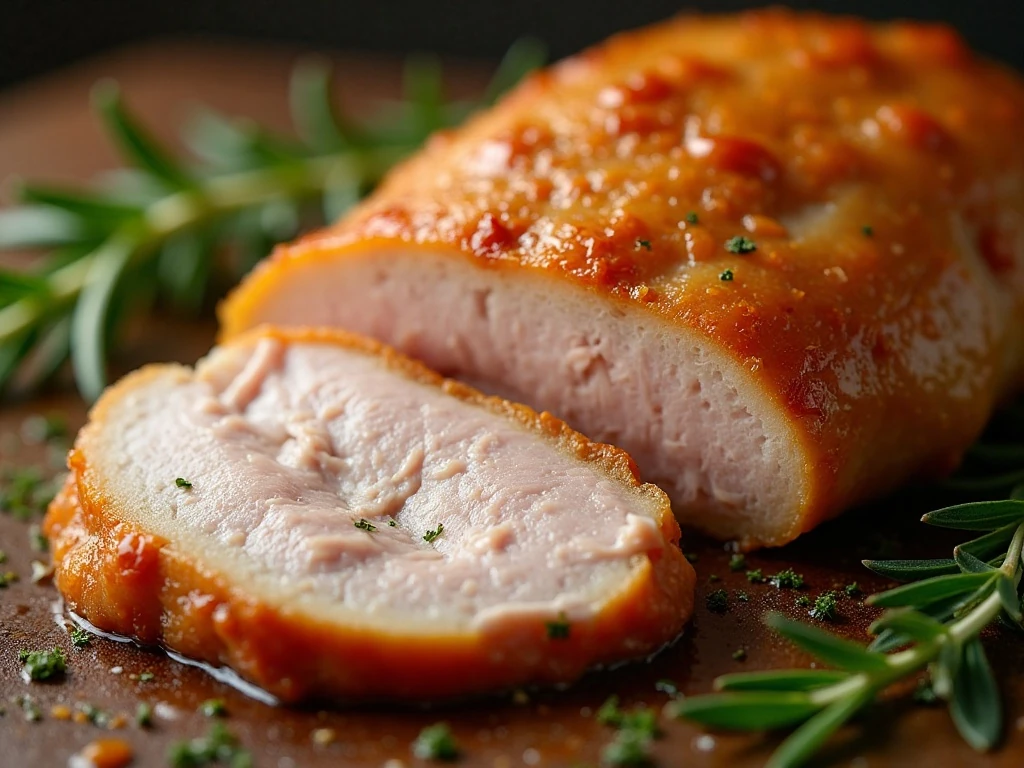
Drying the turkey thoroughly is one of the simplest ways to improve the final texture. For even better browning, place the uncovered turkey on a rack in the refrigerator overnight, then apply the butter shortly before roasting.
Keep the roasting temperature steady at 325°F and resist the urge to check constantly. Opening the door releases heat, extends cooking time, and introduces moisture that can prevent the skin from becoming crisp.
Use the thermometer as your final authority rather than relying only on the clock. The roasting guide for a 12- to 14-pound turkey is approximately 3 to 3 3/4 hours, but the exact time can vary with the turkey’s shape, starting temperature, and oven.
For another beef centerpiece when turkey is not on the menu, try this air fryer roast beef recipe, which also benefits from careful temperature checking and a proper resting period.
Carving and Serving Suggestions
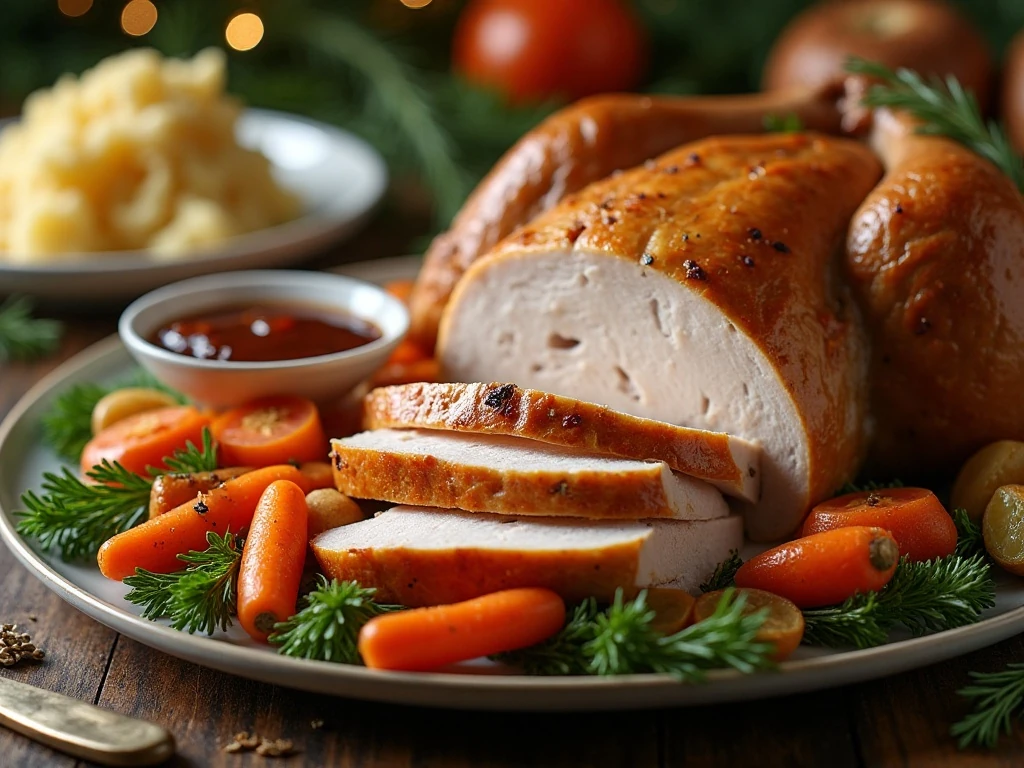
Use a sharp carving knife and a stable cutting board with a groove to catch juices. After removing the legs, slice each breast down along the breastbone and then cut across the grain into even pieces.
Serve the turkey with the pan juices or a simple gravy made from the drippings. Classic sides such as mashed potatoes, roasted vegetables, green beans, cranberry sauce, stuffing, and warm dinner rolls all pair naturally with the buttery herbs.
For a lighter first course before the main meal, a bowl of Mexican chicken tortilla soup offers a bright, warming contrast to the rich roast turkey.
Storage and Reheating
Cool leftover turkey promptly and store it in an airtight container in the refrigerator. For the best texture, keep slices with a little pan juice or broth so the meat does not dry out during storage.
Reheat gently in a covered baking dish with a splash of broth until warmed through. Avoid high heat and prolonged reheating, which can make the breast meat firm and dry.
Leftover turkey is delicious in sandwiches, salads, pot pies, casseroles, and soup. If you are building a leftover-friendly dinner spread, our slow cooker meatballs are another easy make-ahead option.
Make-Ahead Tips for Dinner
Thawing is the first task to schedule: a 12- to 14-pound turkey needs 3 to 4 days in the refrigerator. You can chop the herbs, quarter the onion, halve the lemon and garlic, and prepare the roasting pan earlier in the day.
Mix the herb butter several hours ahead and refrigerate it in a covered bowl, but bring it back to a spreadable consistency before applying it. The turkey can also be dried and placed uncovered on a rack overnight for improved skin texture.
Plan the meal around the 30- to 45-minute resting period. That pause gives you time to finish side dishes, make gravy from the pan juices, and carve without rushing.
For a simple cold side to add to the next day’s lunch, keep this creamy egg salad in mind as an easy companion to leftover turkey sandwiches.
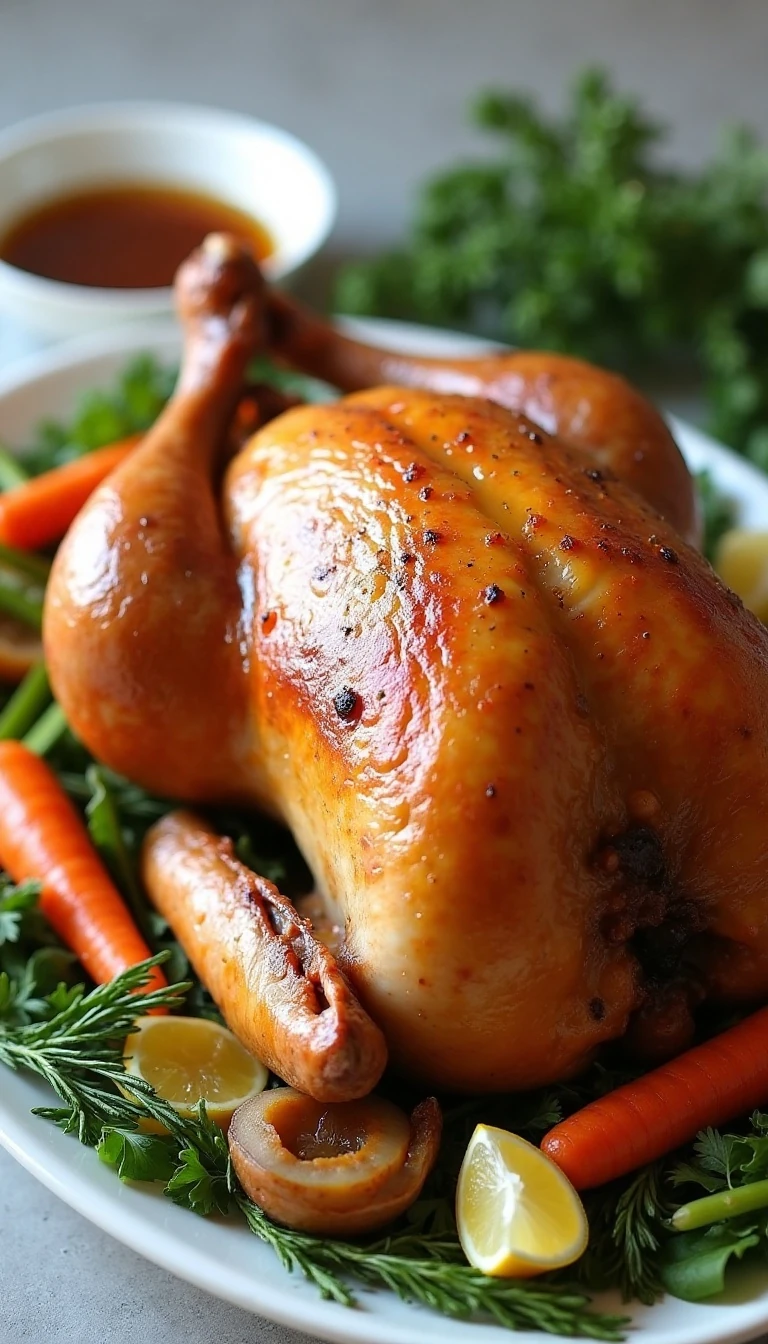
Perfect Juicy Roast Turkey
Ingredients
Method
- Thaw the turkey in the refrigerator for 3 to 4 days. Remove the packaging, neck, and giblets, pat the turkey very dry, and allow it to sit at room temperature for 45 to 60 minutes before roasting.
- Heat the oven to 325°F (165°C). Arrange the optional carrots and celery in the bottom of a large roasting pan, pour in the broth, and set a roasting rack over the vegetables.
- Mix the softened butter, olive oil, kosher salt, black pepper, minced garlic, parsley, sage, rosemary, and thyme in a bowl. Carefully loosen the breast skin and spread about half of the herb butter underneath it, then rub the rest over the turkey.
- Season the cavity lightly with salt and pepper. Place the quartered onion, lemon halves, and halved garlic head inside without packing the cavity tightly.
- Tie the legs loosely with kitchen twine and tuck the wing tips beneath the bird. Set the turkey breast-side up on the rack in the prepared roasting pan.
- Roast at 325°F for approximately 3 to 3 3/4 hours, beginning to check the temperature after about 2 1/2 hours. Baste once or twice with pan juices if desired, but avoid opening the oven repeatedly.
- Insert an instant-read thermometer into the thickest part of the breast without touching bone; it should reach 160 to 165°F. Check the thickest part of the thigh as well, which must reach at least 165°F.
- Transfer the turkey to a cutting board, tent it loosely with foil, and rest for 30 to 45 minutes. The temperature will usually rise several degrees during resting, and the juices will redistribute for cleaner, moister slices.
Notes
Final Thoughts
A perfect juicy roast turkey depends on a few well-timed details: thaw it completely, dry it thoroughly, season beneath the skin, roast steadily at 325°F, and check the meat with a thermometer. Most importantly, allow the cooked bird to rest for 30 to 45 minutes before carving.
The result is a golden centerpiece with crisp, herb-scented skin and tender slices that stay moist on the serving platter. With onion, lemon, garlic, and buttery fresh herbs working together, this classic dinner recipe is comforting, generous, and worthy of your best table.
Serve it with the pan juices and your favorite seasonal sides, then save the remaining meat for sandwiches, soup, salads, and casseroles. Once you have this method in your kitchen routine, a festive turkey dinner becomes much easier to plan and enjoy.