Roczki cookies are traditional Polish-style kolacky made with equal amounts of softened cream cheese and butter, all-purpose flour, thick fruit preserves, and powdered sugar. This reliable recipe makes about 36 to 48 tender cookies, with a preparation time of 30 to 45 minutes, 1 to 2 hours of chilling, and 12 to 15 minutes of baking per batch.
Every bite is buttery, lightly tangy, and delicately crisp at the edges while remaining soft inside. Apricot, raspberry, plum, prune, or poppy seed filling nestles into the center, and a generous snowfall of powdered sugar gives these classic cookies their unmistakable holiday-table finish.
Jump to RecipeWhy You’ll Love This Recipe
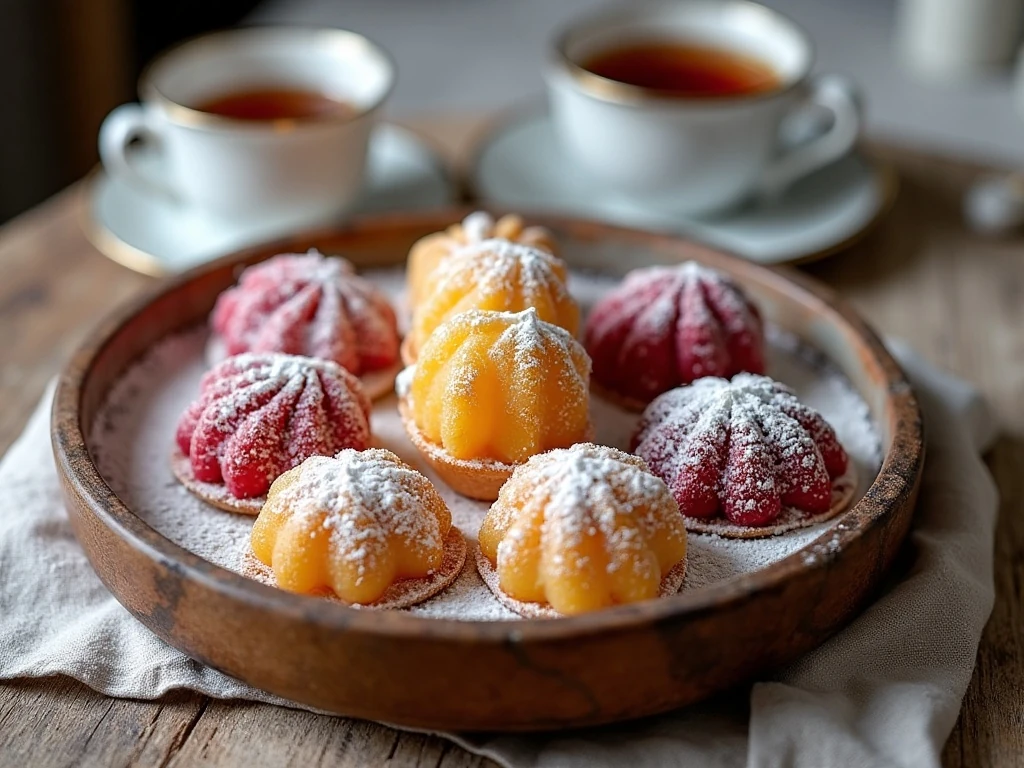
Roczki cookies have the charm of a treasured family recipe without requiring complicated pastry techniques. The dough comes together from only a few ingredients, yet the combination of cream cheese and butter creates a remarkably tender texture with a gentle tang that keeps the cookies from tasting overly sweet.
These cookies are also wonderfully flexible. You can fill one batch with bright apricot preserves, another with raspberry, and a third with plum or prune filling for a varied cookie tray that looks festive with very little extra work.
The traditional dough usually contains no granulated sugar. Instead, the fruit filling and powdered-sugar finish provide the sweetness, allowing the buttery pastry and fruit flavor to remain distinct.
If you enjoy delicate, melt-in-your-mouth treats, you may also like our soft Melting Moments cookies. Both recipes are especially lovely with coffee, tea, or a glass of cold milk.
Ingredients You’ll Need
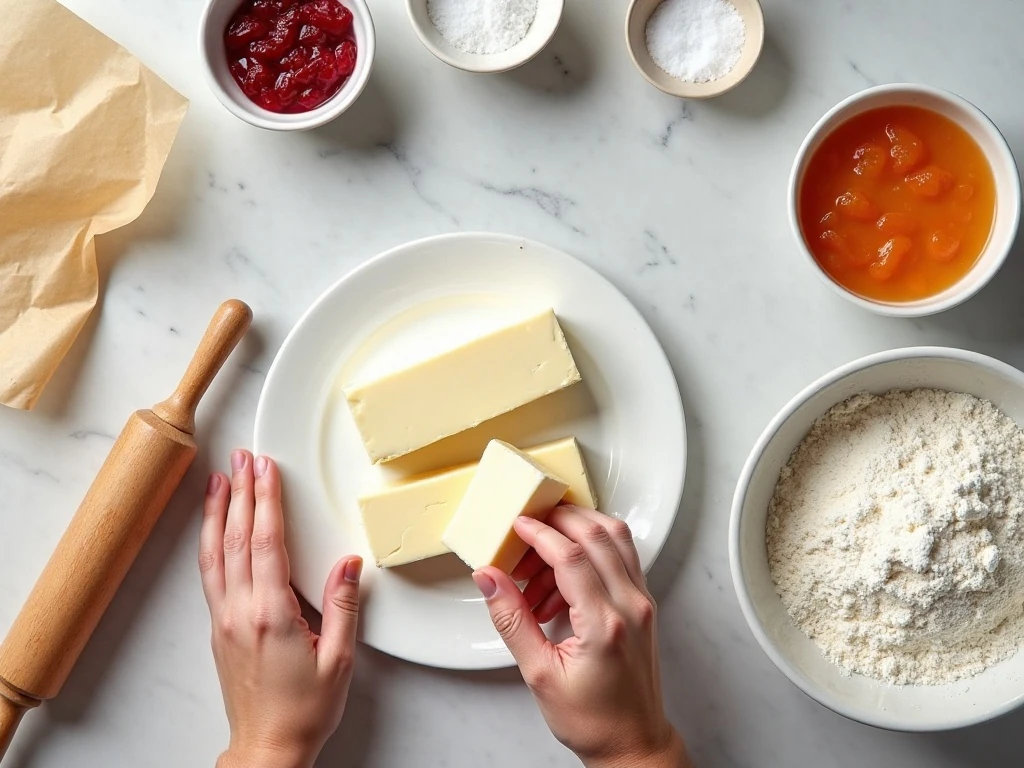
The ingredient list is short, so quality and texture matter. Use full-fat cream cheese rather than a whipped or reduced-fat variety, and soften it along with the butter before mixing.
- Cream cheese: Eight ounces of softened full-fat cream cheese gives the dough its characteristic tang and tender crumb.
- Unsalted butter: One cup, or two sticks, contributes richness and makes the pastry flaky and delicate.
- All-purpose flour: Use 2 1/2 cups, or approximately 300 to 315 grams. The dough should be soft but workable after chilling.
- Salt: A small 1/4 teaspoon is optional when using unsalted butter, but it helps sharpen the flavors.
- Thick filling: You will need about 1 cup of apricot, raspberry, plum, prune, poppy seed, or other thick pastry filling.
- Powdered sugar: Reserve 1/2 cup for a generous final dusting.
Some versions add 2 tablespoons of granulated sugar or 1 teaspoon of vanilla to the dough. Those additions are optional; the traditional-style formula keeps the dough unsweetened and lets the filling and powdered sugar do the work.
For another sweet recipe to add to a holiday baking list, our No Bake Peppermint Bark cookies offer a contrasting chocolate-and-mint option that requires no oven.
How to Make It Step-by-Step

Step 1: Set the cream cheese and butter out ahead of time so both are soft but not melted. Place them in a large mixing bowl and beat until smooth, creamy, and evenly blended, scraping the bowl once or twice as needed.
Step 2: Add the flour gradually, mixing on low speed or stirring gently after each addition. Add the optional salt, then stop as soon as the dough comes together; overmixing can make the cookies less tender.
Step 3: Turn the soft dough onto a lightly floured surface and divide it into two equal portions. Shape each portion into a flat disk, wrap tightly, and refrigerate for 1 to 2 hours, or leave it chilled overnight if you are preparing ahead.
Step 4: When the dough is firm, heat the oven to 350°F (175°C). Line one or more baking sheets with parchment paper, and keep the second dough disk refrigerated while you work with the first.
Step 5: Roll the dough on a lightly floured surface until it is about 1/8 inch, or 3 mm, thick. Cut neat squares measuring approximately 2 to 2 1/2 inches, gathering and rerolling scraps only as needed to avoid developing too much gluten.
Step 6: Spoon about 1/2 teaspoon of thick preserves into the center of each square. Do not overfill, because too much jam can bubble out and make the cookies difficult to seal.
Step 7: Fold two opposite corners toward the center and press lightly to seal, or bring one corner over the filling in the common kolacky style. Set each shaped cookie on the parchment-lined baking sheet, leaving a little space between pieces.
Step 8: Bake for 12 to 15 minutes, watching closely near the end of the baking time. The edges should be set and just lightly golden; avoid deeply browning the cookies, since their appeal is in their pale, tender pastry.
Step 9: Let the cookies cool on the baking sheet for several minutes so the warm dough can firm up. Transfer them to a wire rack, then dust generously with powdered sugar while they are still easy to arrange.
Choosing the Best Filling

Thick filling is one of the most important details in a successful batch of Roczki cookies. Apricot preserves provide a classic sunny flavor, while raspberry brings bright tartness and plum or prune creates a deeper, old-fashioned fruit note.
Commercial pastry fillings, lekvar, and thick fruit preserves generally stay in place better than loose jam. If your preserves seem runny, stir in a small amount of ground nuts or breadcrumbs to help thicken them before filling the dough.
Use a modest amount in each cookie. Approximately 1/2 teaspoon is enough to give every square a clear fruit center without forcing the filling through the seams during baking.
For a dessert spread after a savory meal, pair these cookies with Brown Rice Taco Bowls or Slow Cooked Beef Brisket Tacos. The bright fruit and powdered sugar make a pleasant finish after rich, seasoned dishes.
Pro Tips for Tender, Well-Shaped Cookies
- Chill thoroughly: Warm cream-cheese dough becomes sticky and may spread or lose its folded shape. If the dough starts clinging to the rolling pin, return it to the refrigerator rather than adding a great deal of flour.
- Work in portions: Keep one disk cold while rolling the other. This makes shaping easier and helps every batch bake with a neat appearance.
- Roll evenly: A consistent 1/8-inch thickness ensures the edges bake at the same rate as the centers. Very thick squares may remain doughy, while very thin ones can become fragile.
- Seal gently: Press the folded corners lightly rather than flattening the center. The goal is to hold the shape while leaving room for the filling to show.
- Watch the color: Roczki should be pale with lightly golden edges, not dark brown. Start checking at 12 minutes, especially if your baking sheets are dark.
- Dust after cooling: Powdered sugar melts into hot jam and warm pastry. Waiting until the cookies have cooled produces a prettier, more generous finish.
For a different buttery cookie texture, consider serving these alongside our caramel-stuffed cookie recipe. A mixed platter gives guests both fruit-filled pastry and a chewy caramel center.
Storage, Freezing, and Serving

Cool the cookies completely before storing them in an airtight container. Place parchment between layers if the powdered sugar or filling feels soft, and keep the container at room temperature for several days.
Because the cookies are delicate, handle them carefully when stacking. A fresh dusting of powdered sugar just before serving will restore their snowy appearance if some of the sugar absorbs into the pastry.
You can also prepare the dough ahead and refrigerate it overnight. For longer storage, wrap the chilled dough disks securely and freeze them, then thaw them in the refrigerator before rolling and shaping.
These cookies are at home on a Christmas platter, a wedding table, or a weekend coffee tray. Serve them with black tea, coffee, hot chocolate, or a simple glass of milk, and offer several fillings so everyone can choose a favorite.
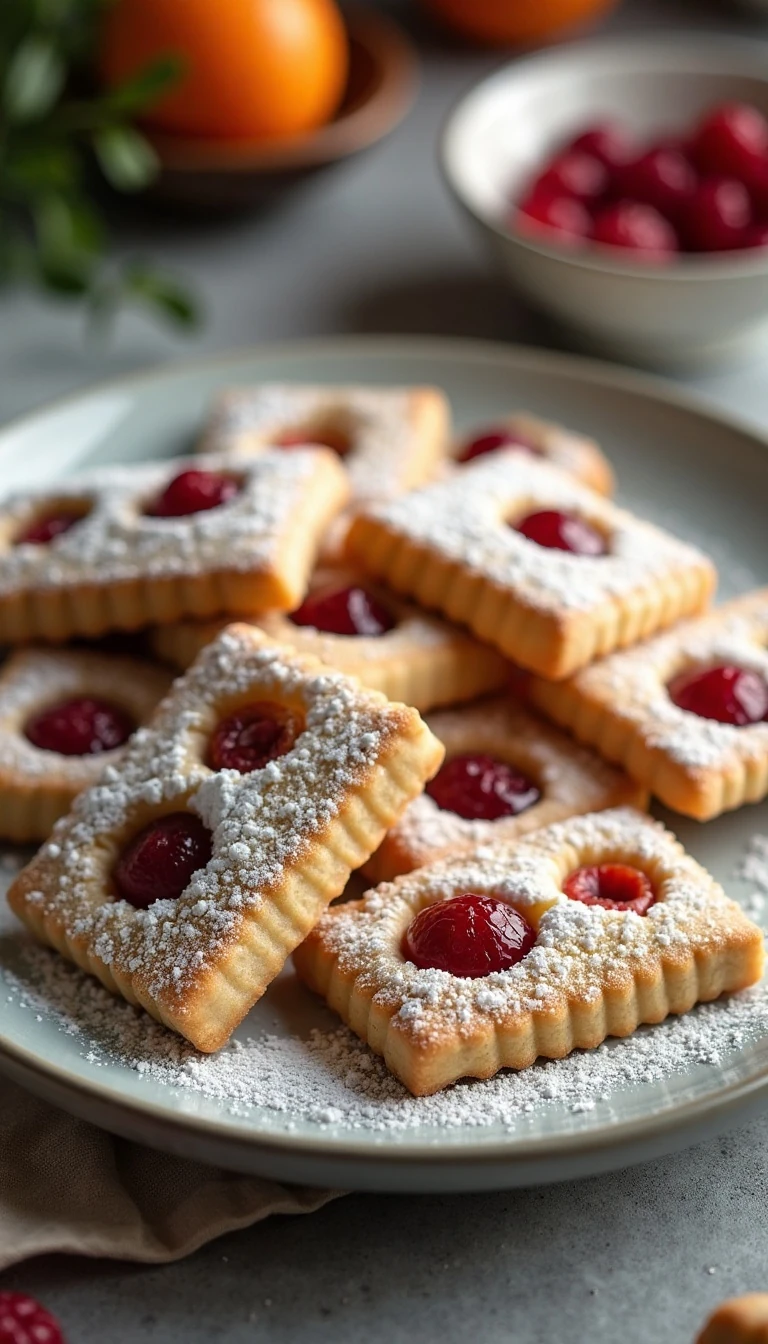
Roczki Cookies: Traditional Kolacky
Ingredients
Method
- Beat the softened cream cheese and butter together until completely smooth and creamy.
- Gradually mix in the flour and optional salt just until a soft dough forms. Avoid overmixing.
- Divide the dough into two disks, wrap each disk, and refrigerate for 1 to 2 hours, or until firm.
- Heat the oven to 350°F (175°C) and line baking sheets with parchment paper.
- Roll one dough portion on a lightly floured surface to about 1/8 inch thick. Cut it into approximately 2- to 2 1/2-inch squares.
- Place about 1/2 teaspoon of thick filling in the center of each square. Fold two opposite corners toward the center and press lightly to seal, or fold one corner over the filling in a common kolacky style.
- Arrange the cookies on the prepared baking sheet with a little space between them. Bake for 12 to 15 minutes, until the edges are set and just lightly golden.
- Cool the cookies on the baking sheet for several minutes, transfer them to a wire rack, and dust generously with powdered sugar.
Notes
Final Thoughts
Roczki cookies capture everything wonderful about traditional kolacky: a tender cream-cheese pastry, a jewel-like spoonful of fruit, and a snowy powdered-sugar finish. Their ingredients are simple, but careful chilling, gentle mixing, and thick preserves make a noticeable difference in the final texture and shape.
Make the dough a day ahead when convenient, bake one tray at a time, and resist the temptation to overbrown the edges. Once cooled and dusted, these Polish-style cookies are ready to share with family, friends, and anyone who appreciates an old-fashioned homemade treat.
Choose apricot for a classic version, raspberry for a lively tart contrast, or plum and prune for a deeper traditional flavor. However you fold and fill them, this Roczki recipe is a beautiful addition to a cookie exchange and a sweet way to keep Central European baking traditions on the table.