To make easy homemade crepes, whisk together 1 cup of all-purpose flour, 2 large eggs, 1/2 cup milk, 1/2 cup water, 1/4 teaspoon salt, and 2 tablespoons melted unsalted butter. Rest the thin batter for 20 to 30 minutes, then cook about 3 tablespoons to 1/4 cup at a time in a lightly buttered 8-inch skillet for 1 to 2 minutes per side. This reliable recipe makes about 8 tender, paper-thin crepes.
These homemade crepes have lightly crisp edges, soft centers, and a delicate buttery flavor that works with both sweet and savory fillings. Add berries and powdered sugar for breakfast, or fill them with ham, cheese, mushrooms, spinach, eggs, or roasted vegetables for a satisfying meal.
Jump to RecipeWhy You’ll Love This Recipe
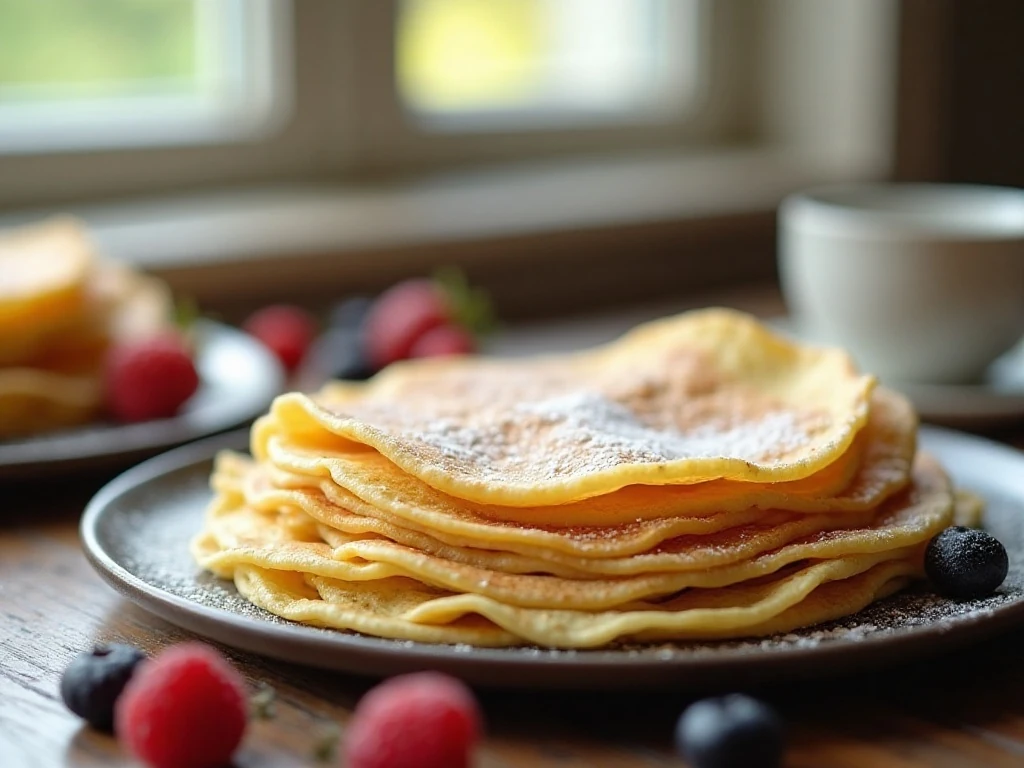
Crepes look delicate, but the batter is forgiving and the technique becomes easy after the first one. Unlike thick pancakes, crepes cook into thin, flexible rounds that can be folded, rolled, stacked, or filled with nearly anything you have in the kitchen.
This recipe uses everyday ingredients and takes only 5 to 10 minutes of active preparation. The optional 20- to 30-minute rest is worth making time for because it lets the flour hydrate and gives air bubbles a chance to dissipate, resulting in smoother crepes with fewer tears.
You also do not need a specialized crepe maker. An 8-inch nonstick skillet or a well-seasoned skillet is enough, and the first crepe gives you a chance to adjust the heat, batter thickness, and amount poured into the pan.
If you enjoy sweet breakfast projects, you may also like these soft cinnamon rolls for another comforting weekend treat.
Ingredients You’ll Need
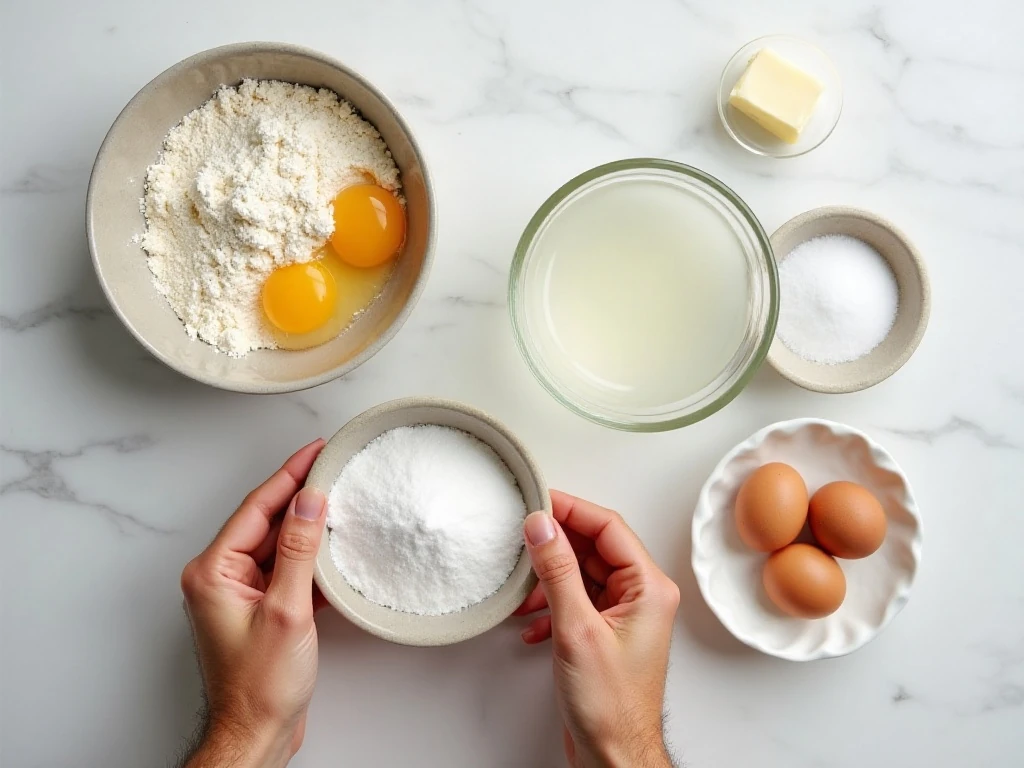
The ingredient list is short, but each item has a job. Flour provides structure, eggs help bind the batter, and the combination of milk and water keeps the crepes tender without making them too heavy.
- All-purpose flour: Use 1 cup, or 125 grams, for the proper batter balance.
- Eggs: Two large eggs add richness and help the crepes hold together when flipped.
- Milk and water: Use 1/2 cup, or 120 milliliters, of each. Milk contributes flavor and tenderness, while water keeps the batter light.
- Fine salt: Just 1/4 teaspoon sharpens the flavor.
- Melted unsalted butter: Two tablespoons go into the batter, with a little extra for the skillet.
- Optional sweet additions: Add 1 to 2 teaspoons granulated sugar and 1/2 teaspoon vanilla extract for a dessert-style or breakfast-style crepe.
Measure the flour carefully, especially if using volume measurements. Too much flour makes the batter thick and can produce crepes that feel more like pancakes.
How to Make It Step-by-Step

Step 1: Whisk the flour and salt together in a mixing bowl. Combining the dry ingredients first distributes the salt evenly and helps prevent small salty spots in the finished crepes.
Step 2: Add the eggs along with approximately half of the milk and water. Whisk this thicker mixture until it is fairly smooth before adding the remaining liquid, which helps reduce stubborn flour lumps.
Step 3: Gradually whisk in the rest of the milk and water, then stir in the melted butter. If you are making sweet crepes, add the optional sugar and vanilla, and check that the batter is thin and pourable, similar to heavy cream.
Step 4: Cover the bowl and let the batter rest for 20 to 30 minutes. This short pause allows the flour to fully hydrate and gives the batter a smoother, more flexible texture; you can also refrigerate it for several hours.
Step 5: Place an 8-inch nonstick or well-seasoned skillet over medium heat. Lightly grease it with butter, spreading the butter into a very thin film rather than leaving a pool in the center.
Step 6: Pour about 3 tablespoons to 1/4 cup of batter into the center of the skillet. Immediately tilt and rotate the pan in a circle so the batter reaches the edges and forms a thin, even layer.
Step 7: Cook the crepe for about 1 to 2 minutes. Look for dry, lightly browned edges and a surface that is set; these signs tell you it is ready to loosen.
Step 8: Run a thin spatula around the edges, then slide it carefully underneath and flip the crepe. Cook the second side for about 20 to 60 seconds, just until lightly colored and cooked through.
Step 9: Transfer the crepe to a plate and repeat with the remaining batter. Lightly grease the skillet only when needed, stack the finished crepes, and keep them covered to preserve their soft texture.
How to Get Thin, Flexible Crepes
The batter should flow quickly across the pan when you tilt it. If it sits heavily or spreads slowly, it may need a little more mixing to remove lumps, but avoid changing the measured recipe too quickly because resting naturally improves the texture.
Use a consistent amount of batter each time. For an 8-inch skillet, begin with about 3 tablespoons and increase toward 1/4 cup only if the crepe does not reach the edges.
Pan temperature matters more than speed. Medium heat should cook the crepe steadily without scorching the butter; if the edges brown immediately, lower the heat slightly, and if the batter remains wet for much longer than 2 minutes, raise it modestly.
Keep the first crepe as a test. It may be less attractive than the rest, but it tells you whether the pan needs more heat, less butter, or a slightly smaller pour.
Sweet Filling Ideas

For a simple breakfast, fold warm crepes with fresh berries, sliced bananas, powdered sugar, or a spoonful of jam. Lemon and sugar offer a bright, classic combination, while whipped cream or chocolate-hazelnut spread makes the plate feel more dessert-like.
Try warming the filling before adding it so the crepe stays soft and inviting. A thin layer is usually better than an overloaded center because it allows the crepe to fold neatly without splitting.
For a cozy seasonal menu, serve fruit-filled crepes alongside a slice of homemade pumpkin pie at a brunch gathering. The two dishes share warm, comforting flavors while giving guests a choice between a light breakfast and a richer dessert.
Savory Crepe Combinations

Omit the optional sugar and vanilla, then fill the crepes with ham and cheese, sautéed mushrooms, spinach, eggs, or roasted vegetables. You can fold each crepe into quarters or roll it around the filling and arrange several on a serving platter.
For a quick lunch, warm a crepe in the skillet, add cheese and cooked vegetables, and fold it while the cheese melts. Eggs and spinach make a hearty breakfast, while mushrooms and roasted vegetables bring a deeply savory flavor without requiring a complicated sauce.
These crepes can also be part of a larger brunch spread with quick homemade biscuits. Offer both with butter, jam, fruit, and savory fillings so everyone can build a plate suited to their appetite.
If you are planning a full savory dinner rather than breakfast, pair the same relaxed skillet spirit with steak and crisp fries for a more substantial menu.
Storage, Reheating, and Serving
Stack cooked crepes on a plate and cover them while you finish the batch. The trapped warmth helps keep them soft, which makes them easier to fold and fill.
For leftovers, let the crepes cool, stack them, cover them well, and refrigerate them. Rewarm a stack gently in the microwave or warm individual crepes in a skillet over medium-low heat until flexible.
You can serve them immediately or prepare the batter several hours ahead and refrigerate it. Give chilled batter a gentle whisk before cooking, then proceed with the same medium-heat method.
For another dramatic but simple breakfast idea, compare these thin crepes with an oven-baked German pancake. Crepes are cooked one by one on the stovetop, while a German pancake puffs in the oven, so each brings a different style to the breakfast table.
Common Crepe Mistakes to Avoid
Using too much butter: A heavy coating can make the batter slide unevenly and may produce greasy or overly lacy edges. Wipe the skillet with just enough butter to create a light film.
Skipping the rest: You can cook the batter immediately, but resting for 20 to 30 minutes generally gives smoother results and fewer tears.
Making the batter too thick: A crepe batter should be thin and pourable. If it resembles pancake batter, it will be difficult to swirl into an even layer.
Flipping too soon: Wait until the edges look dry and lightly browned and the surface is set. A premature flip can cause the center to fold or tear.
Overcooking the second side: The second side needs only about 20 to 60 seconds. Longer cooking can dry the crepe, especially if you plan to reheat it later.

Easy Homemade Crepes
Ingredients
Method
- Whisk the flour and salt together in a mixing bowl. If making sweet crepes, whisk in the optional sugar at this stage.
- Add the eggs and approximately half of the milk and water. Whisk until the mixture is fairly smooth, scraping the sides and bottom of the bowl as needed.
- Gradually whisk in the remaining milk and water, then stir in the melted butter and optional vanilla. The finished batter should be thin and pourable, similar to heavy cream.
- Cover the bowl and rest the batter for 20 to 30 minutes. For advance preparation, refrigerate it for several hours and whisk gently before cooking.
- Heat an 8-inch nonstick or well-seasoned skillet over medium heat. Lightly grease the surface with butter, using only enough to leave a thin film.
- Pour about 3 tablespoons to 1/4 cup of batter into the center of the hot skillet. Immediately tilt and rotate the pan so the batter spreads into a thin, even layer.
- Cook for about 1 to 2 minutes, until the edges look dry and lightly browned and the surface is set. The crepe should release more easily as it finishes cooking.
- Loosen the edges with a thin spatula, slide it underneath, and flip the crepe. Cook the second side for about 20 to 60 seconds, then transfer it to a plate.
- Continue with the remaining batter, lightly greasing the pan only as needed. Stack the finished crepes and keep them covered so they remain soft and flexible.
Notes
Final Thoughts
Once you learn the simple rhythm of pour, swirl, cook, and flip, homemade crepes become one of the most approachable breakfast recipes to keep in your rotation. The batter takes only a few minutes to assemble, and the 20- to 30-minute rest does most of the work needed for a smooth, flexible texture.
Start with a lightly buttered 8-inch skillet, use medium heat, and let the first crepe teach you what to adjust. After that, you will have about 8 thin crepes ready for berries, bananas, jam, powdered sugar, chocolate-hazelnut spread, ham, cheese, vegetables, or eggs.
Serve them warm for breakfast, brunch, lunch, or a relaxed dinner. With such a versatile base and so many filling options, this easy homemade crepes recipe truly belongs in every home cook’s collection.