This asparagus and egg brunch casserole is a comforting, make-ahead dinner or brunch made with fresh asparagus, fluffy eggs, melted cheddar, sautéed onion, and cubes of day-old bread. Prep it in about 20–25 minutes, let it rest briefly so the bread absorbs the custard, and bake at 350°F for 35–45 minutes until puffed and set.
Every bite combines tender green asparagus, savory onion, creamy egg custard, tangy cheese, and rustic bread with lightly crisp edges. It is filling without being heavy, easy to serve to a group, and especially useful when you want a warm meal that can be assembled ahead of time.
Jump to RecipeWhy You’ll Love This Recipe
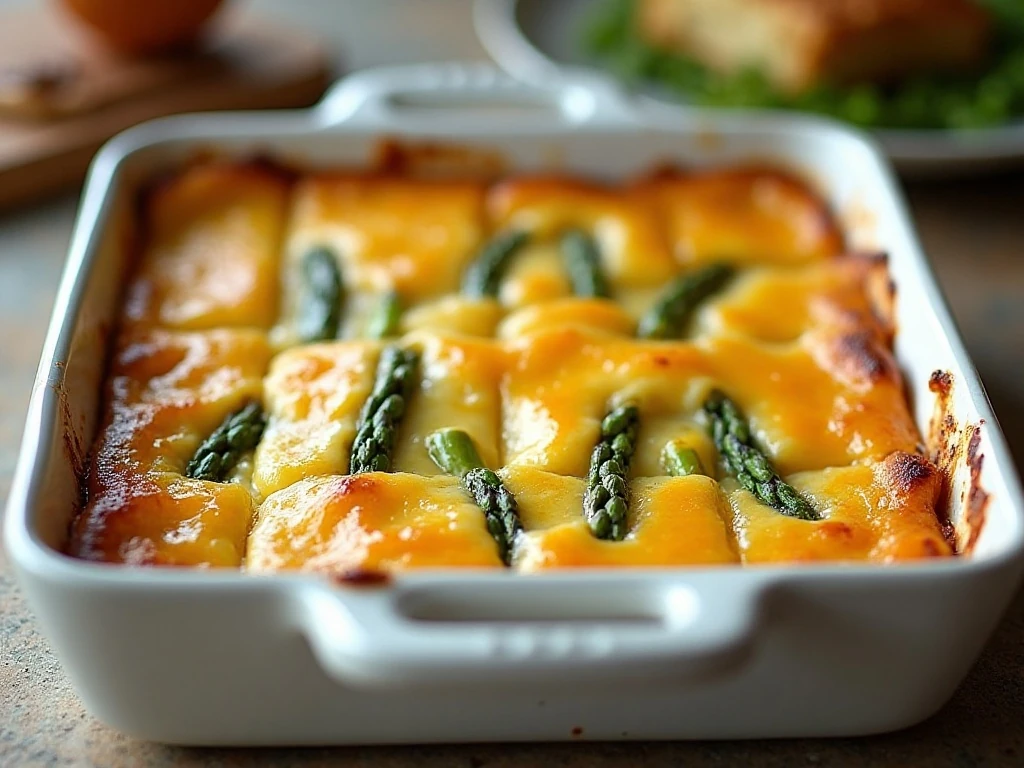
This casserole brings together the best parts of a hearty egg bake and a comforting bread pudding, but the flavor stays fresh and savory thanks to the asparagus. Blanching the asparagus first keeps it tender and bright instead of forcing the eggs to bake too long while the vegetables soften.
The recipe is also wonderfully practical. You can prepare the dish in the evening, refrigerate it overnight, and bake it the next day for a relaxed meal that requires very little last-minute work.
Although it is often called a brunch casserole, it belongs just as comfortably on a dinner table. If your household enjoys cozy baked meals, you might also like this chicken casserole dinner for another satisfying option.
- Comforting texture: Soft custard surrounds tender bread while the top turns golden and cheesy.
- Fresh vegetable flavor: Asparagus adds color, gentle sweetness, and a pleasant bite.
- Flexible timing: Assemble it ahead, rest it briefly, or refrigerate it overnight.
- Easy serving: The finished casserole cuts into neat squares for family-style meals.
Ingredients You’ll Need

Start with one pound of fresh asparagus. Choose firm spears with compact tips, then trim away the woody ends and cut the stalks into one-inch pieces so each serving gets a good balance of vegetable and egg.
Four cups of day-old French bread or sourdough provide the sturdy base. Slightly dry bread absorbs the egg mixture more evenly than very fresh bread, which can become overly soft before the center sets.
The custard uses ten large eggs, one cup of whole milk or half-and-half, one teaspoon of salt, and half a teaspoon of black pepper. Whole milk keeps the casserole creamy, while half-and-half gives it a richer finish.
You will also need one medium yellow onion, one tablespoon of butter or olive oil, one and one-half cups of shredded cheddar, and two tablespoons of grated Parmesan if you want an extra savory, browned topping. For a different cheese profile, Gruyère or sharp white cheddar can replace some or all of the cheddar.
How to Make It Step-by-Step

Step 1: Heat the oven to 350°F (175°C) and grease a 9-by-13-inch baking dish. Coat the bottom and corners well so the baked egg mixture releases easily when you serve it.
Step 2: Bring a pot of water to a boil and blanch the asparagus for 2–3 minutes. Drain it promptly and let it cool briefly; the pieces should look bright green and be barely tender, not limp.
Step 3: Melt the butter or heat the olive oil in a skillet over medium heat. Add the chopped onion and cook for 4–5 minutes, stirring now and then, until it is soft and fragrant.
Step 4: Spread the four cups of bread cubes in the greased baking dish. Distribute the asparagus, sautéed onion, and about one cup of the cheddar evenly across the bread rather than piling the ingredients in the middle.
Step 5: Whisk the eggs, milk or half-and-half, salt, and black pepper in a mixing bowl. Continue whisking until the whites and yolks are fully blended, then pour the mixture slowly over the casserole so it reaches the bread throughout.
Step 6: Scatter the remaining cheddar over the surface and add the Parmesan if using. Let the dish rest for 10–15 minutes before baking, giving the bread time to soak up the custard evenly.
Step 7: Bake the casserole uncovered for 35–45 minutes. It is ready when the center is puffed and set, the top is lightly golden, and a knife inserted near the middle comes out mostly clean rather than coated with wet egg.
Step 8: Remove the dish from the oven and let it stand for 5–10 minutes before slicing. This short pause helps the custard finish setting and makes the portions easier to lift from the baking dish.
Pro Tips for the Best Casserole

Do not skip blanching the asparagus. A quick 2–3 minute blanch locks in its fresh color and gives it the right tenderness while the casserole bakes, preventing either crunchy stalks or overcooked eggs.
Day-old bread is one of the most important details. If your bread is fresh, cube it and leave it uncovered for a little while so the surface dries slightly before it goes into the dish.
Pour the egg mixture slowly and evenly. If a few bread cubes remain dry on top, gently press them down with the back of a spoon so they can absorb some custard without compacting the whole casserole.
For an overnight version, cover the assembled dish and refrigerate it. Add roughly 10 minutes to the baking time when starting from cold, and check that the center is fully set before serving.
Keep the seasoning simple so the asparagus remains noticeable. Cheddar supplies familiar sharpness, while Parmesan adds a salty browned finish; half-and-half offers a richer custard without changing the method.
If you are planning a full comfort-food spread, a savory side such as this biscuits and gravy bake can make the meal especially generous. For a tangy vegetable-centered dish, this sauerkraut casserole offers a completely different flavor direction.
Serving, Storage & Reheating
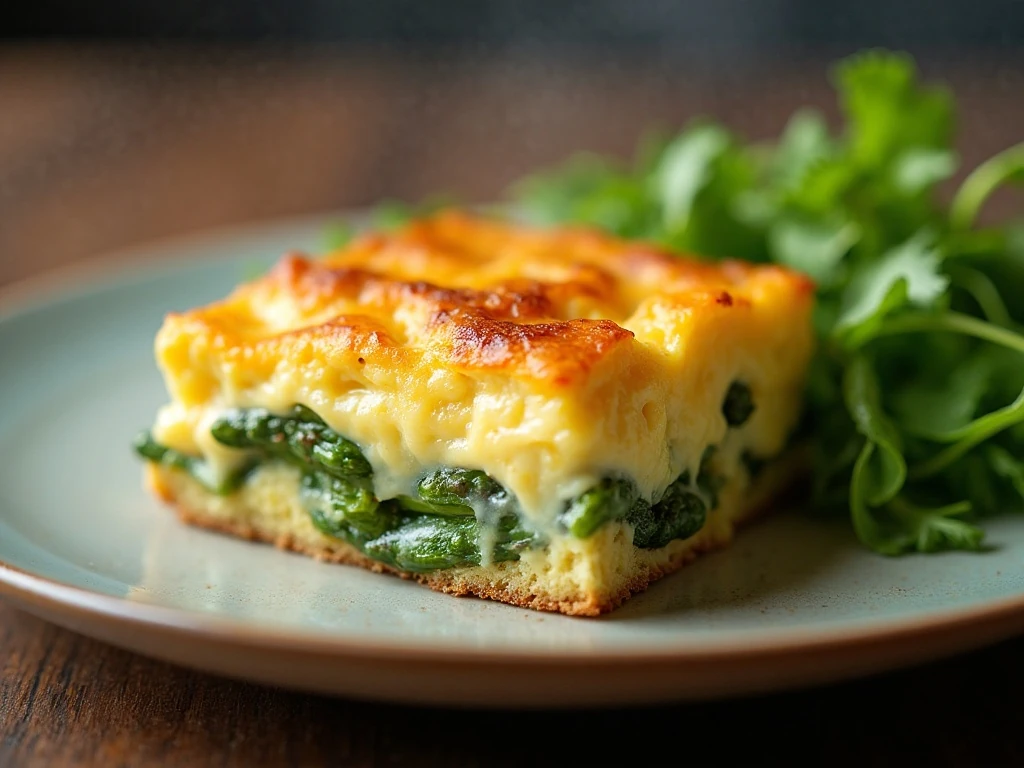
Serve the casserole warm after its 5–10 minute resting period. A simple green salad, sliced tomatoes, roasted potatoes, or fresh fruit can balance the rich egg and cheese mixture without competing with the asparagus.
For dinner, cut larger squares and add a crisp salad or lightly dressed greens. For brunch, smaller portions work well beside coffee, juice, or a selection of fruit and pastries.
Store cooled leftovers covered in the refrigerator. Reheat individual portions gently until warm, taking care not to overcook the eggs and make them rubbery.
This casserole is also a useful holiday-season centerpiece. If you are serving a festive brunch drink, pair it with our homemade egg nog for a classic celebratory menu.
Variations and Pairing Ideas
Use half-and-half instead of whole milk when you want a more luxurious custard. Gruyère brings a nutty flavor, while sharp white cheddar gives the casserole a stronger cheese character without changing the amount of cheese called for.
You can serve it with fresh herbs if desired, though the base recipe is complete without them. A little chopped parsley or thinly sliced green onion added after baking can provide a fresh finish and a touch of color.
Keep additions modest so the bread and egg mixture still sets properly. The asparagus, onion, cheddar, and bread already create a balanced casserole with plenty of texture and flavor.
Finish the meal with something bright and sweet rather than another heavy dish. A colorful dessert such as this rhubarb poke cake makes a lovely contrast to the savory casserole.

Asparagus and Egg Brunch Casserole Everyone Will Love
Ingredients
Method
- Heat the oven to 350°F (175°C) and grease a 9-by-13-inch baking dish. Blanch the asparagus in boiling water for 2–3 minutes, until bright green and barely tender, then drain and cool briefly.
- Melt the butter or warm the olive oil in a skillet over medium heat. Sauté the chopped onion for 4–5 minutes, stirring occasionally, until softened but not deeply browned.
- Spread the cubed day-old bread evenly in the prepared baking dish. Scatter the asparagus, softened onion, and about 1 cup of the cheddar over the bread.
- Whisk the eggs, milk or half-and-half, salt, and black pepper in a bowl until well combined. Pour the custard slowly over the bread and vegetables, aiming to moisten the casserole evenly.
- Sprinkle the remaining cheddar over the top, followed by the Parmesan if using. Let the assembled casserole rest for 10–15 minutes before baking so the bread can absorb the custard.
- Bake the casserole uncovered for 35–45 minutes, until the center is set, puffed, and no longer wet. A knife inserted near the center should come out mostly clean.
- Let the baked casserole stand for 5–10 minutes before cutting. Serve warm in generous squares with a crisp salad, fresh fruit, or your favorite breakfast-style side.
Notes
Final Thoughts
This asparagus and egg casserole is the kind of recipe that makes hosting feel easy. The ingredients are familiar, the preparation is straightforward, and the finished dish looks inviting as soon as the golden cheese and puffed center come out of the oven.
For the best result, blanch the asparagus, use day-old bread, distribute every layer evenly, and allow the assembled casserole to rest before baking. Those small steps create a tender center, flavorful vegetables, and a top that is beautifully browned.
Whether you serve it as a relaxed dinner, a weekend brunch, or a make-ahead holiday meal, this casserole is warm, filling, and easy to share. Set it on the table with a simple side salad and let everyone enjoy a generous square while it is still warm.