This Christmas plum pudding recipe makes a traditional steamed British dessert packed with raisins, sultanas, currants, dried apricots, candied peel, apple, citrus zest, spices, stout, and brandy. The pudding serves 8–10 people, fits a 1.2-liter or 2-pint basin, and needs about 6 hours of gentle steaming before it can be cooled, matured, and reheated for Christmas Day.
Despite its name, classic plum pudding contains no fresh plums; “plum” is an old term for raisins and other dried fruits. Each slice is dense, moist, warmly spiced, and wonderfully fragrant, with a deep molasses flavor from dark brown sugar and stout, making it a memorable centerpiece for a festive feast.
Jump to RecipeWhy You’ll Love This Recipe
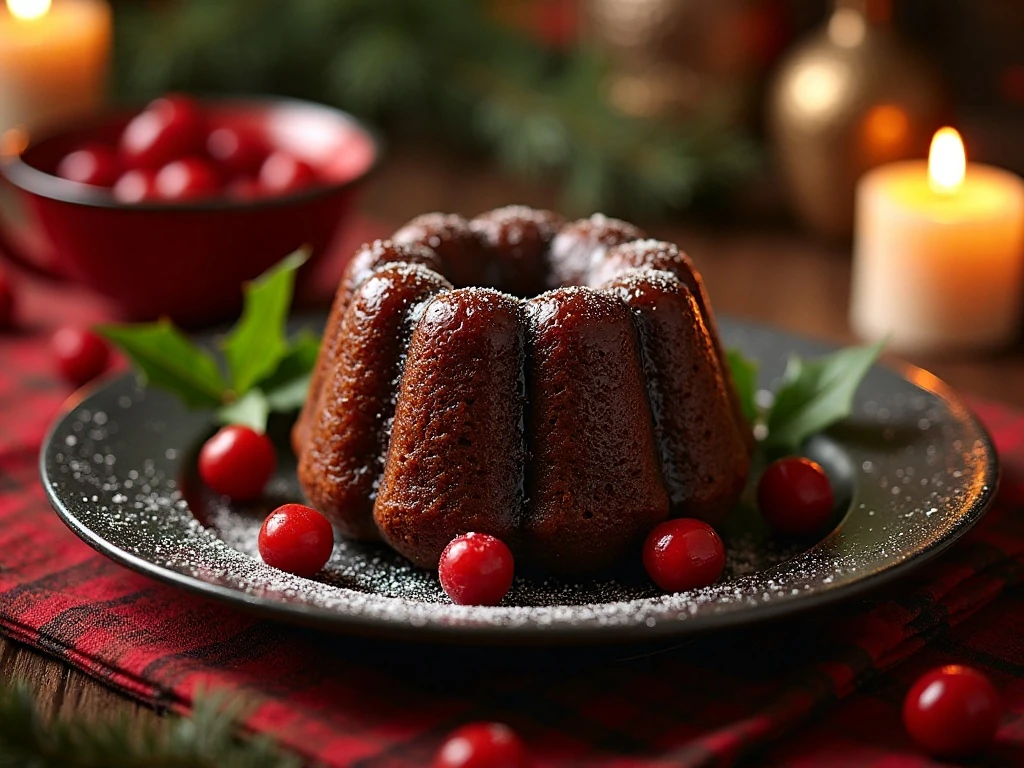
This is the Christmas dessert to make when you want tradition, anticipation, and plenty of rich flavor on one plate. The long, gentle steaming transforms simple pantry ingredients into a dark, tender pudding with a soft, yielding texture and a glorious aroma of spice, citrus, dried fruit, stout, and brandy.
It is also an excellent make-ahead dessert. Prepare it several weeks before Christmas, allow the flavors to mature, and the final reheating becomes wonderfully simple while your oven is free for the main meal.
The flavor is full but balanced. Sweet fruit and dark sugar are brightened by lemon and orange zest, while apple adds moisture and a subtle freshness that keeps every bite from feeling heavy.
If you enjoy comforting puddings throughout the year, you may also like this tangy rhubarb pudding cake for another warm, spoonable dessert.
Ingredients You’ll Need
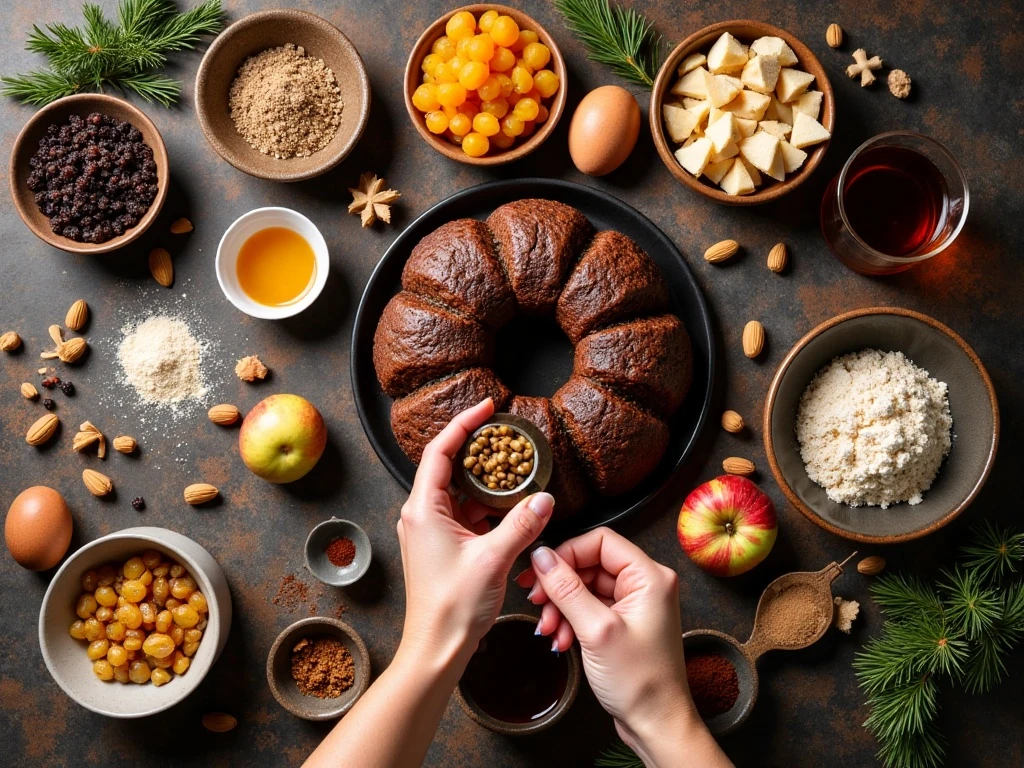
The dried fruit mixture is the heart of this pudding. Raisins, golden sultanas, currants, dried apricots, and candied peel create varied sweetness, chewiness, and color, while overnight soaking allows every piece to absorb stout and brandy.
- Use 250 g raisins, 250 g sultanas, 140 g currants, 140 g dried apricots, and 100 g finely chopped mixed candied peel.
- Add 140 g shredded beef or vegetarian suet, 100 g breadcrumbs, 100 g self-rising flour, 100 g dark muscovado or dark brown sugar, and 50 g chopped blanched almonds.
- Use one peeled, cored, finely grated apple, plus the finely grated zest of one orange and one lemon.
- Season with 1 teaspoon mixed spice, 1 teaspoon cinnamon, and ¼ teaspoon nutmeg.
- Bind the mixture with 2 large eggs, 150 ml stout, and 2 tablespoons brandy, reserving more brandy for feeding or flaming if desired.
Vegetarian suet works well and is a useful option for guests who do not eat beef. Keep it chilled until mixing so the pieces remain distinct instead of melting into the mixture too early.
How to Make It Step-by-Step
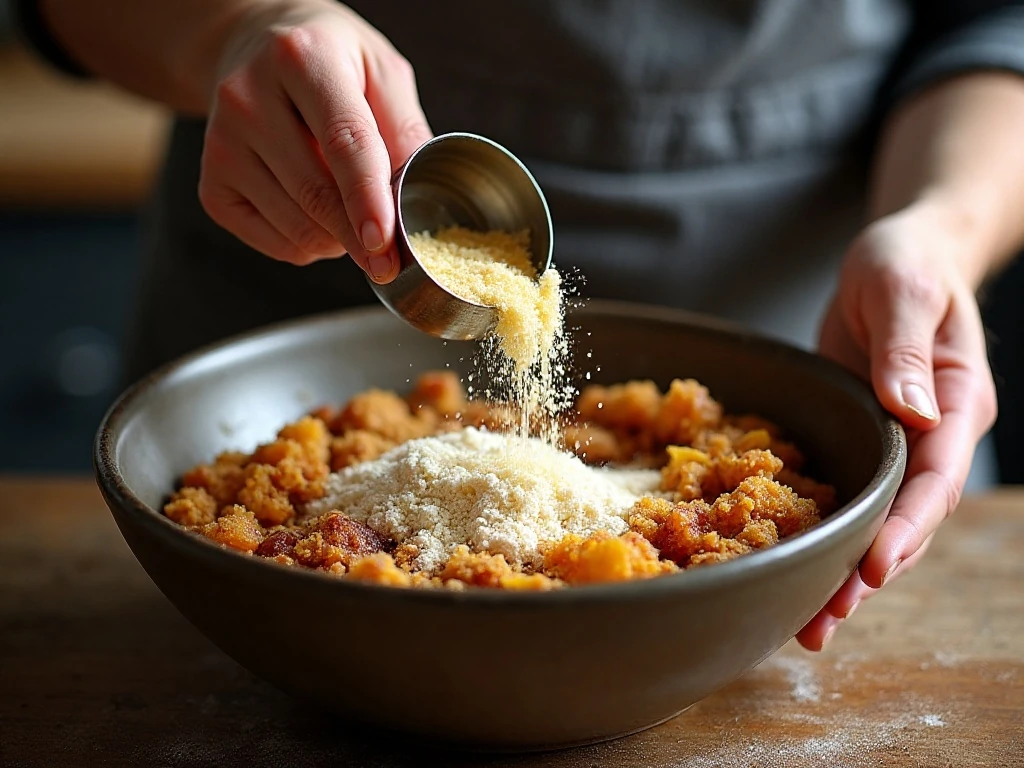
Step 1: Start the fruit soak by placing the raisins, sultanas, currants, apricots, and candied peel in a large bowl. Pour over the stout and brandy, stir well, cover the bowl, and leave it overnight or for at least 4 hours.
Step 2: Grease a 1.2-liter or 2-pint pudding basin thoroughly with butter or vegetable shortening. A small circle of baking parchment in the bottom is optional, but it can make releasing the pudding easier.
Step 3: Add the suet, breadcrumbs, self-rising flour, dark sugar, almonds, grated apple, orange zest, lemon zest, mixed spice, cinnamon, and nutmeg to the soaked fruit. Mix slowly and thoroughly so the fruit is evenly distributed and no dry pockets remain.
Step 4: Beat the eggs in a separate bowl, then stir them into the pudding mixture. Check the consistency before filling the basin; it should be moist and fairly firm, with just enough liquid to hold everything together, so add a little extra stout only if necessary.
Step 5: Spoon the batter into the prepared basin and press it down firmly with the back of a spoon. Remove air pockets and leave approximately 2.5 cm of room at the top for expansion during steaming.
Step 6: Cover the basin with a pleated layer of greaseproof paper followed by a larger layer of foil. The pleat gives the pudding room to expand, while the foil helps stop steam condensation from making the surface soggy; tie the covering securely with kitchen string.
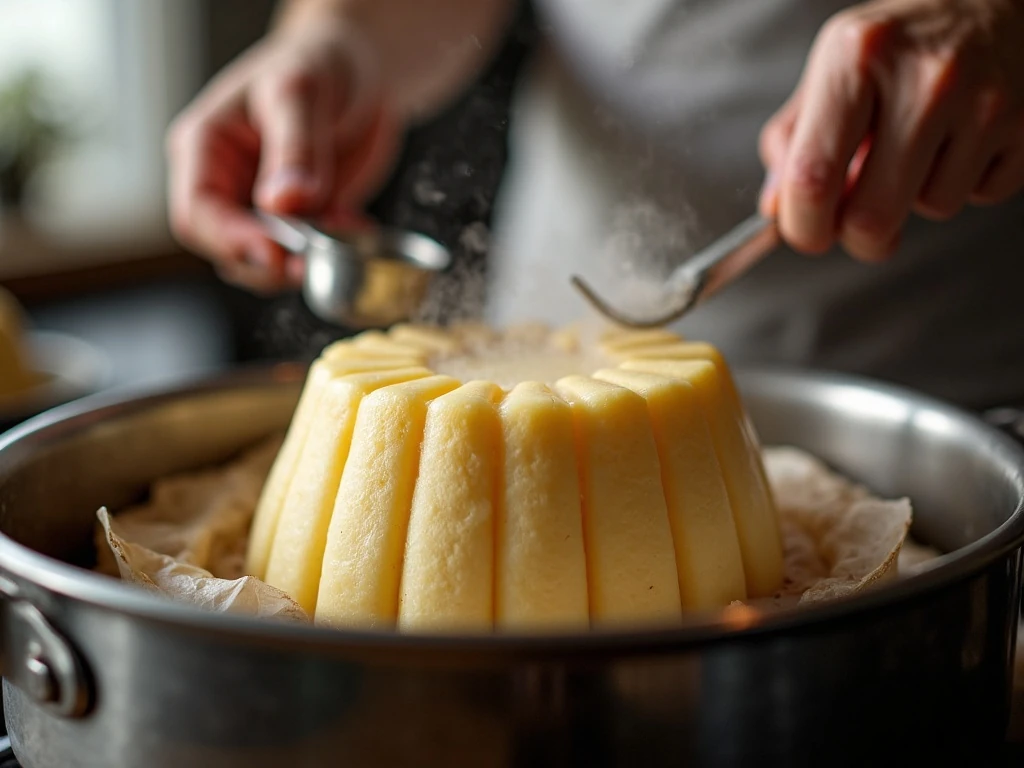
Step 7: Place the basin on a trivet or folded cloth in a large pot. Add boiling water until it comes halfway up the basin, cover the pot tightly, and keep the water at a gentle simmer for approximately 6 hours.
Step 8: Check the pot from time to time, adding more boiling water whenever the level drops. Never allow the pan to boil dry, and avoid a vigorous boil because steady, moderate steam produces a more evenly cooked pudding.
Step 9: Test the pudding when it feels firm to the touch and a skewer inserted into the center comes out mostly clean. Cool it promptly, replace the covering, and store it safely in a cool, dry place or in the refrigerator.
Step 10: If you are maturing the pudding, spoon 1–2 tablespoons of brandy over it every week or two. On Christmas Day, steam it again for 1½–2 hours until piping hot, then turn it out carefully and serve.
Pro Tips for the Best Pudding
Do not rush the fruit soak. Dried fruit that has absorbed the stout and brandy stays plump during steaming and is less likely to draw moisture from the batter, which helps produce a tender result.
Take the covering seriously. A securely tied, watertight foil layer protects the pudding from excess condensation, while the pleated paper prevents the top from splitting as the mixture expands.
For the deepest traditional flavor, make the pudding several weeks before Christmas. Small, regular additions of brandy allow the fruit, spice, and dark sugar notes to mingle as the pudding rests.
Use a roomy pot with a dependable lid and check the water more than once during the first steaming. Adding boiling water, rather than cold water, keeps the cooking temperature steady and prevents the simmer from dropping sharply.
For another dessert with a soft, creamy texture, see this easy banana pudding cake. It is a lighter, casual option when you want a festive sweet without the long steaming time.
Storage and Reheating
After the first steaming, let the pudding cool promptly before replacing its covering. Store it in a genuinely cool, dry place only if those conditions are reliable; otherwise, refrigerate it for safe keeping.
When Christmas Day arrives, steam the pudding for 1½–2 hours. Keep the basin covered and maintain the water level halfway up its sides, adding boiling water if needed so the pot does not boil dry.
Allow the hot pudding to rest briefly before turning it out. Run a thin knife around the edge if necessary, place the serving plate firmly over the basin, and invert with care.
Leftover slices can be wrapped and refrigerated, then reheated thoroughly before serving. The dense texture makes this pudding especially satisfying the next day, when it can be served warm with custard or cream.
Festive Serving Ideas
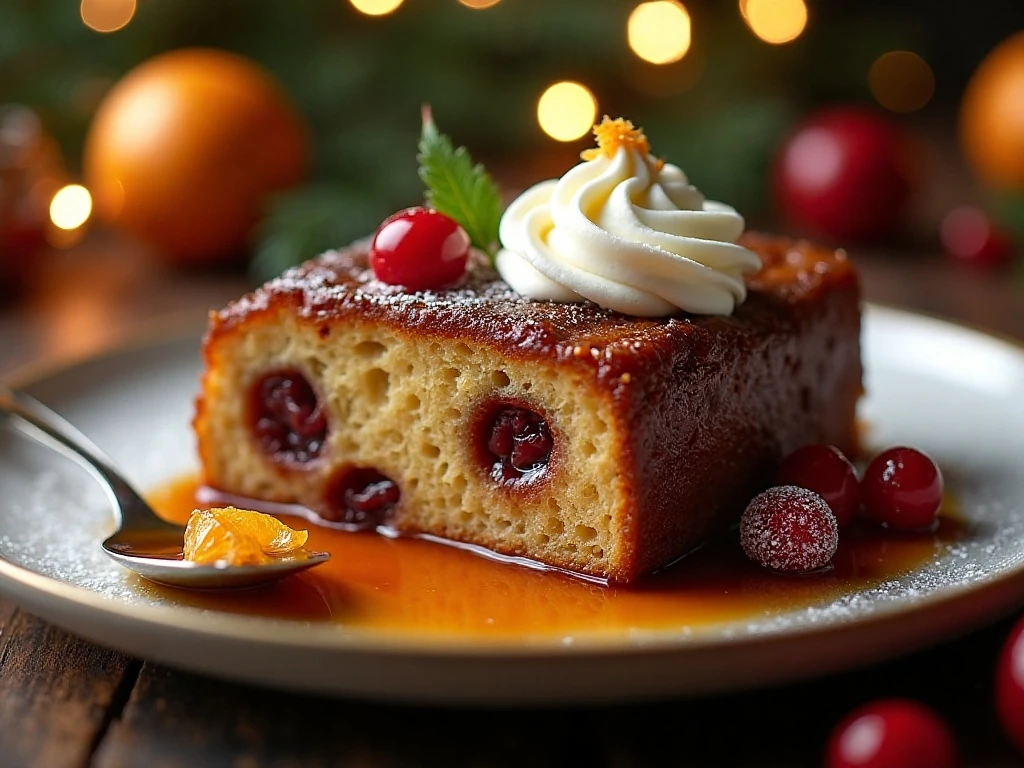
Serve each slice warm with brandy butter for a classic pairing, or choose silky custard, softly whipped cream, or brandy sauce for a gentler finish. A little extra orange zest or a few sugared cranberries can add color without competing with the pudding’s rich flavor.
For drinks, a warmly spiced cider makes a lovely companion; try our mulled apple cider for a festive option scented with seasonal spices. The apple and citrus notes echo the pudding while the warmth of the drink suits a long Christmas dinner.
Balance the table with something bright and fresh, such as this strawberry mango salsa served as a colorful starter or palate-cleansing side. For a second baked dessert, our double banana pound cake brings a familiar, buttery finish to a holiday dessert spread.
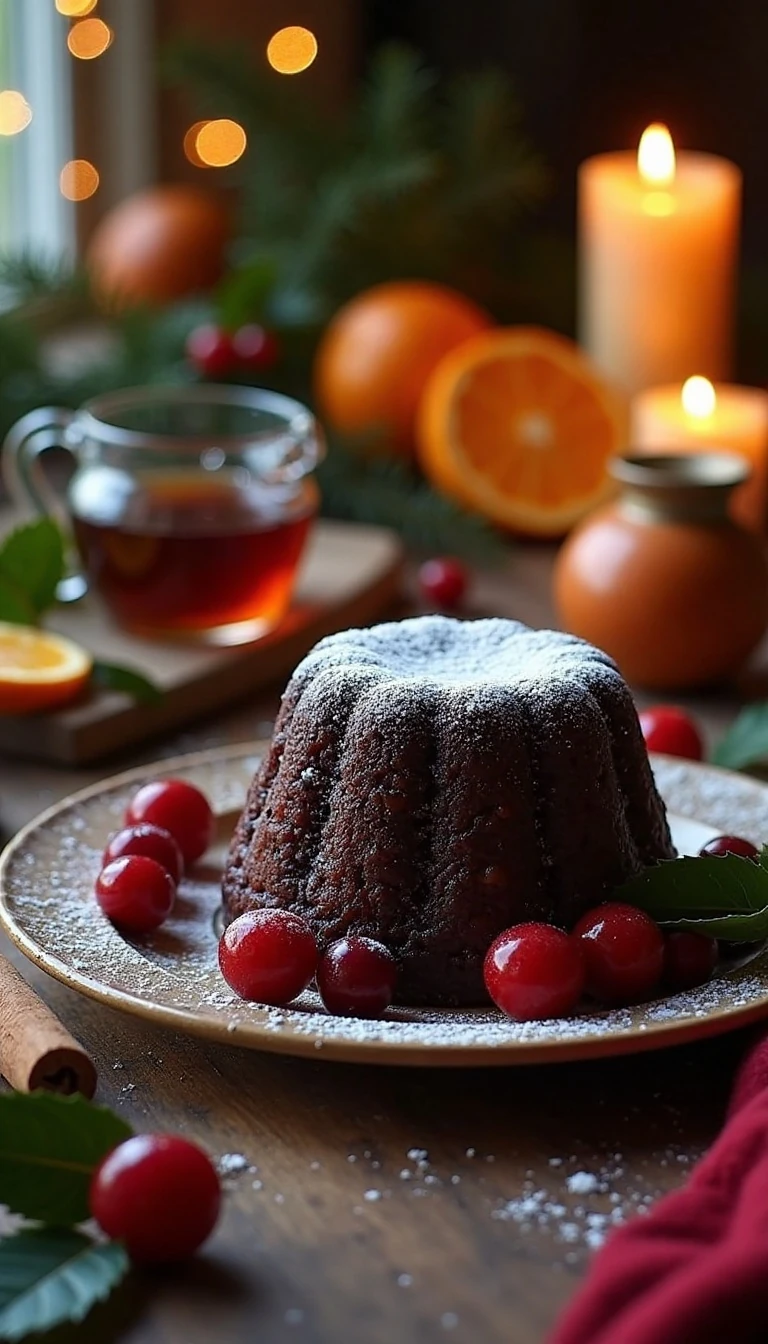
Christmas Plum Pudding Recipe for a Festive Feast
Ingredients
Method
- Combine the raisins, sultanas, currants, dried apricots, candied peel, stout, and 2 tablespoons of brandy in a large bowl. Cover and soak overnight, or for at least 4 hours.
- Grease a 1.2-liter or 2-pint pudding basin and add a small parchment circle to the base if desired. Stir the suet, breadcrumbs, flour, sugar, almonds, grated apple, orange zest, lemon zest, mixed spice, cinnamon, and nutmeg into the soaked fruit.
- Beat the eggs separately, then stir them into the fruit mixture. The batter should be moist and fairly firm; add a little extra stout only if it seems dry.
- Spoon the mixture into the basin, pressing it down firmly to remove air pockets while leaving about 2.5 cm of space at the top. Cover with pleated greaseproof paper and a larger piece of foil, then tie securely with kitchen string.
- Set the basin on a trivet or folded cloth inside a large pot. Pour in boiling water until it reaches halfway up the sides of the basin, cover the pot tightly, and steam gently for about 6 hours.
- Check the water level periodically and add more boiling water as needed so the pan never boils dry. The pudding is ready when it feels firm and a skewer inserted into the center comes out mostly clean.
- Cool the pudding promptly, replace the covering, and store it in a cool, dry place or refrigerate it. For a mature pudding, feed it with 1–2 tablespoons of brandy every week or two.
- On Christmas Day, steam the pudding again for 1½–2 hours until thoroughly hot. Turn it out carefully and serve with brandy butter, custard, whipped cream, or brandy sauce.
Notes
Final Thoughts
A traditional Christmas plum pudding rewards patience with a dessert that tastes unmistakably festive. The soaked fruit becomes tender and fragrant, the suet gives the crumb its characteristic richness, and the long steaming time brings together dark sugar, stout, citrus, spice, and brandy.
Make it ahead, feed it carefully if you want a mature flavor, and reheat it slowly on Christmas Day. Once turned out and surrounded by warm sauce, cream, or brandy butter, this handsome pudding becomes more than dessert—it becomes a delicious holiday tradition.
For the best presentation, bring the whole pudding to the table on a warmed platter, garnish it simply with holly placed around the base, and slice with a sharp knife. The first spoonful should be moist, dense, richly fruity, and warmly spiced—the perfect ending to a festive feast.