To season pinto beans for rich, savory flavor, simmer soaked dried beans with sautéed onion, garlic, optional jalapeño, cumin, chili powder, oregano, bay leaves, black pepper, and kosher salt. Start with 8 cups of water or unsalted stock, keep the beans covered by 1–2 inches of liquid, and finish with lime juice or cider vinegar only after the beans are tender.
This method produces about 6 servings, or 8–9 cups of creamy, flavorful beans. Bacon adds smoky richness, while a final mash of some of the beans thickens the pot naturally and helps every spoonful taste deeply seasoned.
Jump to RecipeWhy You’ll Love This Recipe

These pinto beans are built around layers of flavor rather than a heavy topping added at the end. Bacon creates a smoky, savory foundation, onion brings sweetness, garlic adds warmth, and the cumin, chili powder, and oregano give the pot a gently spiced character.
The beans remain useful in many meals because you can leave them brothy for a comforting bowl or reduce the liquid for a thicker side dish. They are also hearty enough to serve with rice, tortillas, grilled meats, or roasted vegetables.
If you enjoy bean recipes with a sweet-smoky profile, you may also like these bacon and brown sugar baked beans for a potluck-style variation.
Ingredients You’ll Need
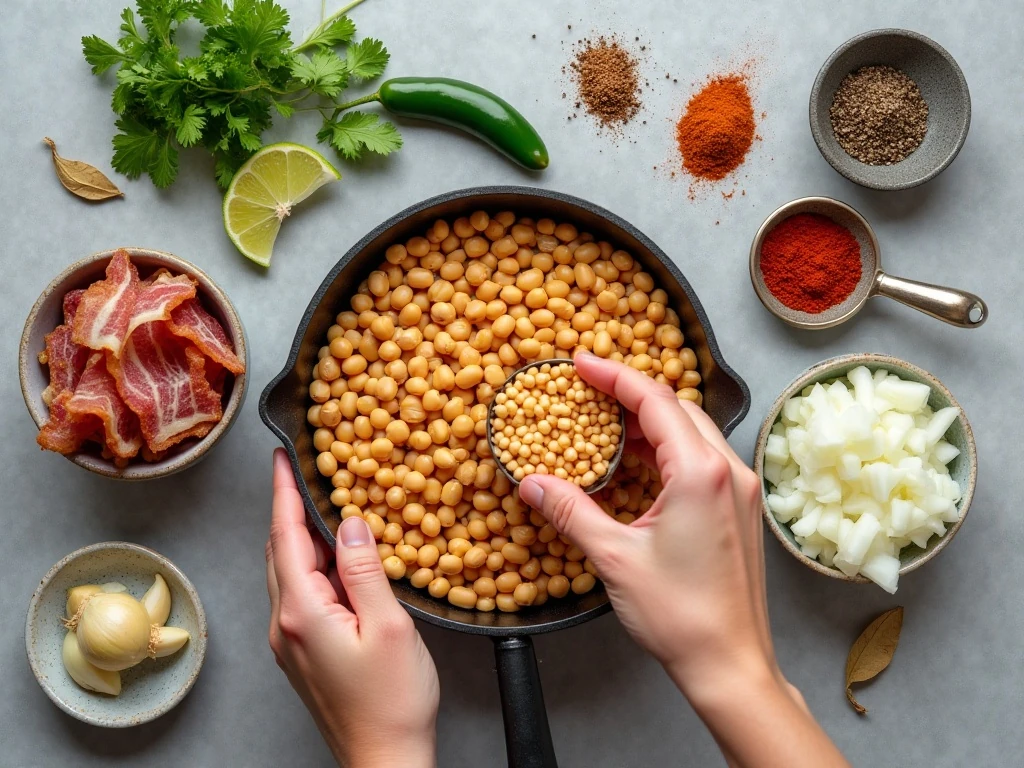
Dried pinto beans are the heart of this recipe, and soaking helps them cook more evenly. Begin with 1 pound, or about 2 1/2 cups, and pick through them carefully before rinsing.
- Cooking liquid: Use 8 cups of water or unsalted chicken or vegetable stock, plus more as needed.
- Richness: Four ounces of diced thick-cut bacon add smoky depth. If you leave it out, use 1 tablespoon of bacon fat or olive oil.
- Aromatics: One diced yellow onion, four minced garlic cloves, and an optional seeded jalapeño create the savory base.
- Spices: Cumin, chili powder, oregano, black pepper, and bay leaves provide warmth and complexity.
- Finishing touches: Start with 1 1/2 teaspoons of kosher salt, then add more to taste. One tablespoon of lime juice or cider vinegar gives the finished beans a fresh edge.
Unsalted stock is especially helpful because it lets you control the final salt level. If using regular stock or salty bacon, wait until the beans begin to soften before making final seasoning adjustments.
How to Make It Step-by-Step

Step 1: Sort and rinse the beans before soaking. Remove any stones, shriveled beans, or damaged pieces, then place the beans in a large bowl and cover them generously with water for 8 hours or overnight.
Step 2: Drain and rinse the soaked beans. If you need a faster option, boil them for 2 minutes, remove them from the heat, cover the pot, and let them stand for 1 hour before draining and rinsing.
Step 3: Build the savory base in a heavy pot. Cook the diced bacon over medium heat until lightly crisp, reserving a little for garnish if you like; without bacon, warm the olive oil or bacon fat instead.
Step 4: Add the onion and cook for 5–7 minutes. Stir occasionally until it softens and begins to smell sweet, then add the garlic and minced jalapeño and cook for about 1 minute.
Step 5: Bloom the seasonings directly in the pot. Add the cumin, chili powder, oregano, and black pepper, stirring for 30 seconds so the spices become fragrant and coat the onion mixture.
Step 6: Add the drained beans, bay leaves, and 8 cups of water or unsalted stock. Check that the liquid covers the beans by 1–2 inches, adding a little more if needed.
Step 7: Bring everything to a boil, then immediately reduce the heat to a gentle simmer. Partially cover the pot and cook soaked beans for 1 1/2–2 1/2 hours, or unsoaked beans for 2–3 1/2 hours, stirring occasionally and adding hot water to keep the beans covered.
Step 8: Add the salt during cooking or when the beans begin to soften, then taste and adjust once they are tender. Remove the bay leaves, stir in lime juice or cider vinegar, and mash about 1 cup of beans against the pot before mixing them back in for a creamy texture.
How to Balance the Seasoning
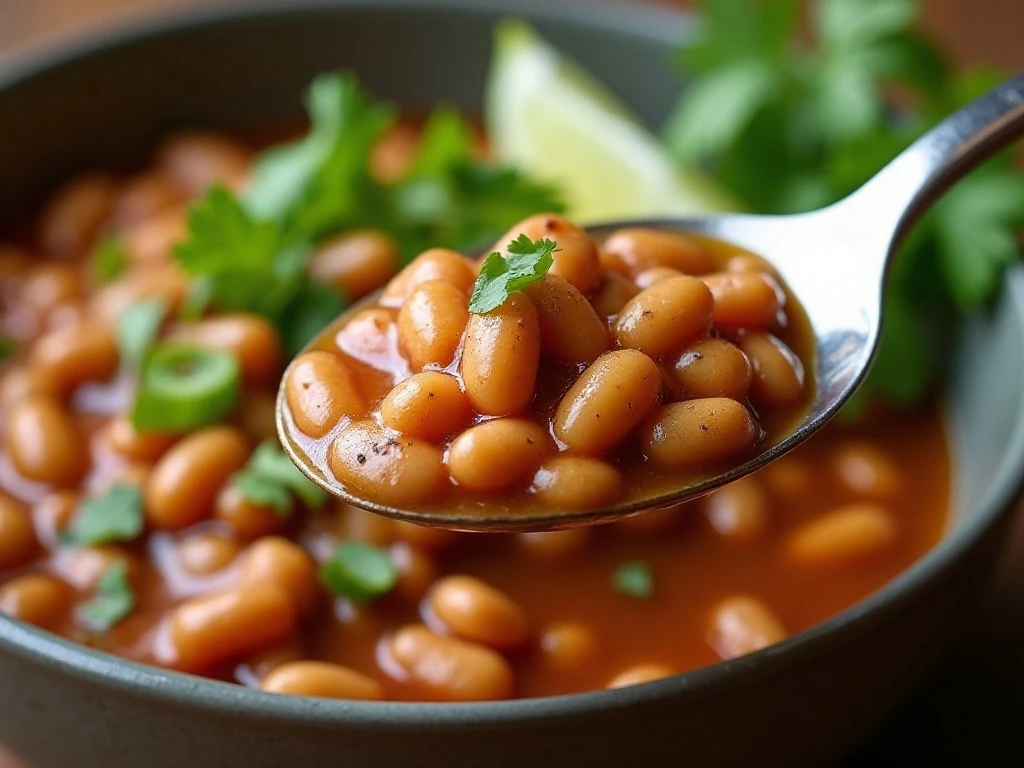
Seasoning pinto beans is about balance: salt wakes up the beans, bacon supplies savoriness, spices add warmth, and acid keeps the finished dish from tasting flat. Taste a spoonful of beans with some cooking liquid rather than tasting only the broth.
If the beans taste dull, add salt in small amounts. If they taste heavy, add the optional tablespoon of lime juice or cider vinegar at the end; the bright note should be noticeable but not sour.
For a milder pot, skip the jalapeño and keep the chili powder as written. For more heat, leave some jalapeño seeds in the pepper, but add heat gradually because it becomes more noticeable as the beans cook down.
For another dinner idea built around bold savory seasoning, serve these beans beside honey garlic pork chops. The creamy beans provide a comforting contrast to crisp-edged pork.
Pro Tips for Creamy, Flavorful Beans
- Keep the simmer gentle: Aggressive boiling can split the skins before the centers become creamy. A quiet simmer helps the beans cook evenly while keeping them mostly intact.
- Maintain the liquid level: Beans absorb a surprising amount of water. Add hot water as needed so they remain covered by about 1–2 inches throughout cooking.
- Season thoughtfully: Start with 1 1/2 teaspoons of kosher salt, then taste again as the beans soften. Bacon and stock can contribute salt, so the final amount may vary.
- Wait on acid: Lime juice, vinegar, and tomatoes can delay softening when added too early. Add the lime juice or cider vinegar only after the beans are tender.
- Thicken naturally: Mash approximately 1 cup of cooked beans against the side of the pot and stir them back into the liquid. This gives the pot a creamy body without flour or a blender.
- Choose your finish: Serve the beans brothy for spooning over rice, or simmer them uncovered for several minutes to reduce and thicken the cooking liquid.
These beans can also take the place of a meatier side dish at a barbecue. For a slow-cooker option with a different flavor direction, compare them with this loaded crock-pot baked bean recipe.
Serving Ideas, Storage & Reheating
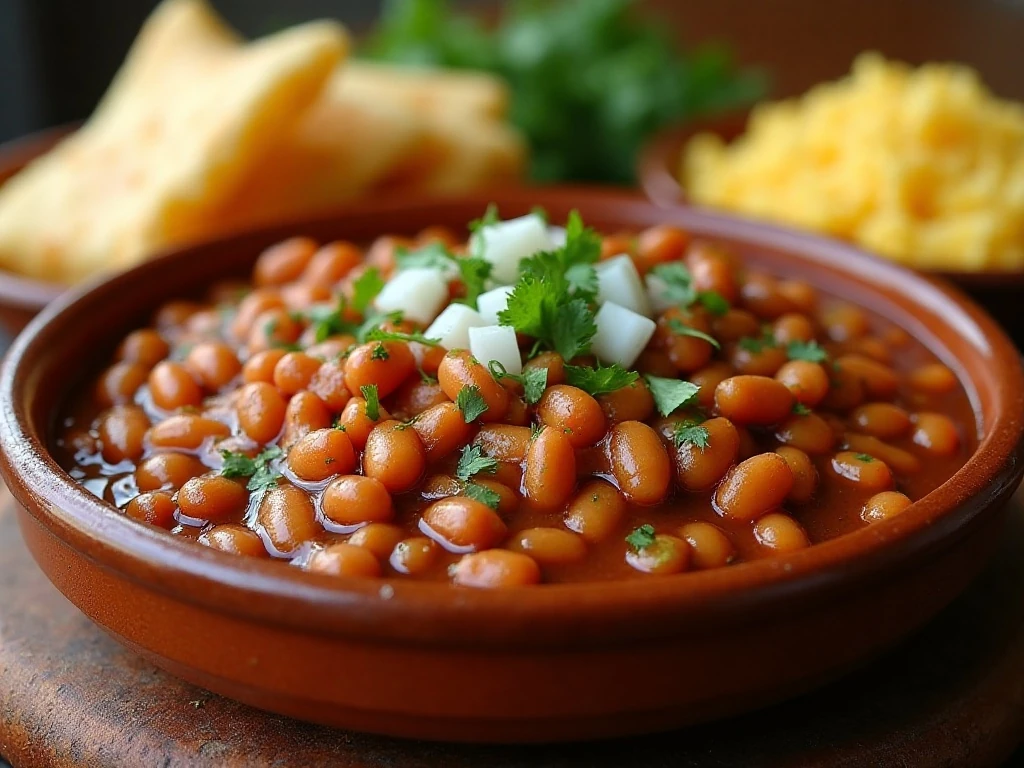
Serve the beans hot in their cooking liquid with chopped cilantro, sliced scallions, or diced onion. They are excellent alongside warm tortillas, cornbread, rice, roasted vegetables, or grilled chicken, and they can be spooned into tacos or burritos.
For a fresh contrast after dinner, a slice of key lime pound cake echoes the citrus finish used in the beans. If you prefer a sweet sauce for another meal, keep this butterscotch sauce in mind for dessert.
Cool leftover beans promptly and store them with enough cooking liquid to keep them moist. Refrigerate them in a covered container and reheat gently on the stovetop, adding a splash of water or stock if the beans have thickened too much.
When reheating, taste again before serving. The beans may need a small pinch of salt or another drop of lime juice or cider vinegar after spending time in the refrigerator.

Rich and Savory Seasoned Pinto Beans
Ingredients
Method
- Pick over the dried pinto beans to remove stones or damaged beans. Rinse them well, then soak them overnight in plenty of water; drain and rinse before cooking.
- For a quick soak, boil the beans for 2 minutes, remove the pot from the heat, cover, and let them stand for 1 hour. Drain and rinse before continuing.
- In a heavy pot, cook the diced bacon over medium heat until lightly crisp. Remove a little bacon for garnish if desired; if omitting bacon, heat 1 tablespoon of bacon fat or olive oil instead.
- Add the diced onion and cook for 5–7 minutes, until softened. Add the garlic and jalapeño, if using, and cook for about 1 minute.
- Stir in the cumin, chili powder, oregano, and black pepper. Cook for 30 seconds to bloom the spices without letting them scorch.
- Add the soaked beans, bay leaves, and 8 cups of water or unsalted stock. The liquid should cover the beans by about 1–2 inches.
- Bring the pot to a boil, then reduce it to a gentle simmer. Partially cover and cook for 1 1/2–2 1/2 hours after soaking, stirring occasionally and adding hot water as needed; unsoaked beans may take 2–3 1/2 hours.
- Add the kosher salt during cooking or once the beans begin to soften, then adjust to taste. When the beans are creamy and tender, remove the bay leaves, stir in lime juice or cider vinegar if using, and mash about 1 cup against the side of the pot before stirring it back in.
Notes
Final Thoughts
The best way to season pinto beans is to build flavor in stages: start with bacon or oil, soften the onion, briefly bloom the spices, and let the beans cook slowly in well-seasoned liquid. Salt during cooking, wait until tenderness before adding acid, and mash some of the beans back into the pot for a naturally creamy finish.
With only a handful of everyday ingredients, this recipe creates a generous pot of beans that tastes smoky, savory, gently spicy, and bright. Make them for a weeknight meal, a family gathering, or meal prep, and serve each bowl with your favorite fresh garnish.