To make homemade bread without yeast, combine self-rising flour, baking powder, salt, buttermilk, and olive oil into a soft dough, shape it into a round loaf, cut a deep cross on top, and bake at 200°C conventional, 180°C fan, or 400°F for 35–40 minutes. The complete recipe takes about 10 minutes to prepare and 45–50 minutes from start to finish, so you can have warm bread on the table without waiting for dough to rise.
This quick bread has a crisp, golden crust and a tender, slightly dense center with a pleasant biscuit-like texture. Buttermilk gives the loaf a gentle tang and helps keep it moist, while the baking powder provides enough lift for a satisfying everyday bread that is especially delicious on the day it is baked.
Jump to RecipeWhy You’ll Love This Recipe
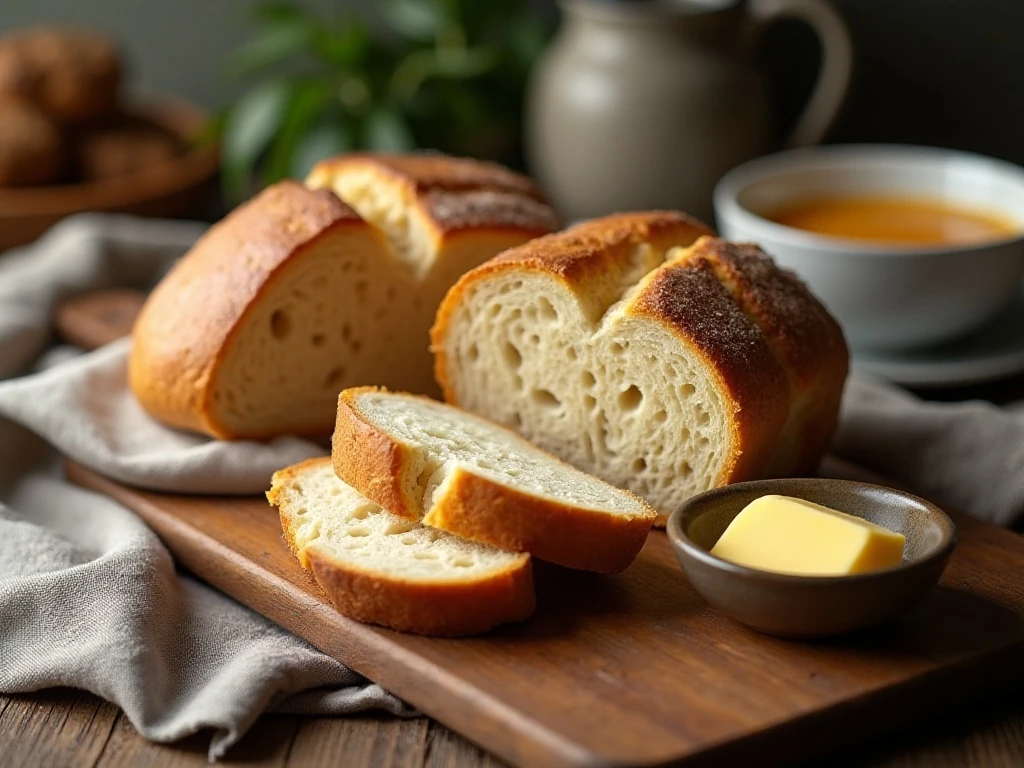
There are days when you want fresh bread but do not have yeast, time for proofing, or patience for a long baking project. This loaf solves that problem with a simple baking powder method that goes from mixing bowl to oven in minutes.
The recipe is friendly to beginners because the dough does not need to be kneaded until elastic or shaped with precision. A rustic round is exactly what you want, and the deep cross helps the loaf open as it bakes.
Expect a loaf that is denser than traditional yeast bread, but not heavy when mixed gently. Its crumb is closer to a savory biscuit, making it wonderful with soup, eggs, butter, cheese, or a hearty stew.
If you enjoy trying different homemade loaves, our dilly bread recipe offers a flavorful contrast when you have more time for a yeast-based bake.
Ingredients You’ll Need
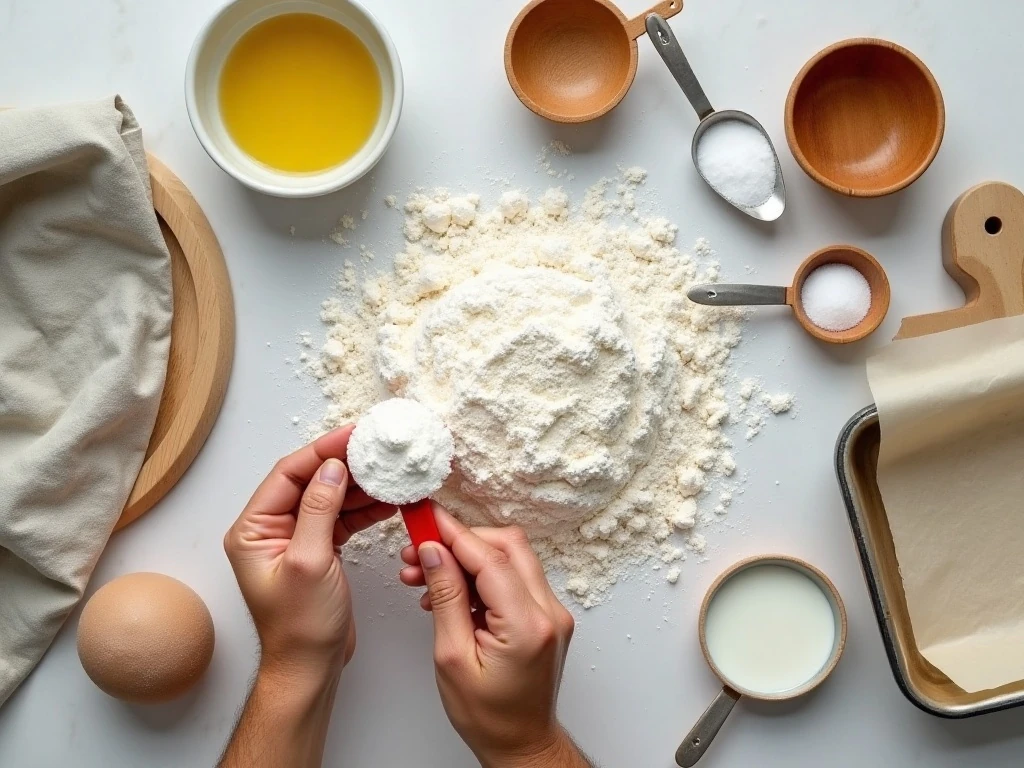
The ingredient list is short, but each item has an important job. Self-rising flour supplies the flour and part of the leavening, while the extra baking powder gives the loaf additional lift and a lighter bite.
- Self-rising flour: Use 350 g, or about 2 3/4 cups, for the main structure of the loaf.
- Baking powder: One teaspoon supports the rise without yeast.
- Fine salt: One teaspoon keeps the flavor balanced and prevents the bread from tasting flat.
- Buttermilk: Use 300 ml, or 1 1/4 cups, for moisture, tang, and a soft crumb.
- Olive oil: One tablespoon adds richness and helps the interior stay pleasantly tender.
If you do not have buttermilk, combine 300 ml milk with 1 tablespoon lemon juice or white vinegar. Let the mixture stand for 5–10 minutes before using it in the dough.
For the best texture, measure the flour carefully. Too much flour can turn this quick loaf dry, so keep extra flour nearby only for dusting the work surface and making small corrections.
For another fruit-forward baking idea, you can browse this rustic rhubarb bread when you are in the mood for a sweeter loaf.
How to Make It Step-by-Step
Step 1: Heat your oven to 200°C conventional, 180°C fan, or 400°F. Lightly grease a baking sheet with a little olive oil, or line it with baking parchment so the loaf can be moved easily after baking.
Step 2: Add the self-rising flour, baking powder, and fine salt to a large mixing bowl. Whisk or stir the dry ingredients briefly so the salt and baking powder are distributed evenly before the liquid is added.
Step 3: Make a well in the middle of the flour mixture. Pour in the buttermilk and olive oil, keeping the liquid mostly in the center while you prepare to combine everything.
Step 4: Stir with a knife or fork just until a rough, slightly sticky dough forms. Stop as soon as no large pockets of dry flour remain because vigorous mixing develops a tougher texture.
Step 5: Lightly flour your work surface and transfer the dough onto it. Gently gather and shape the dough into a round loaf, using only enough flour to prevent excessive sticking.
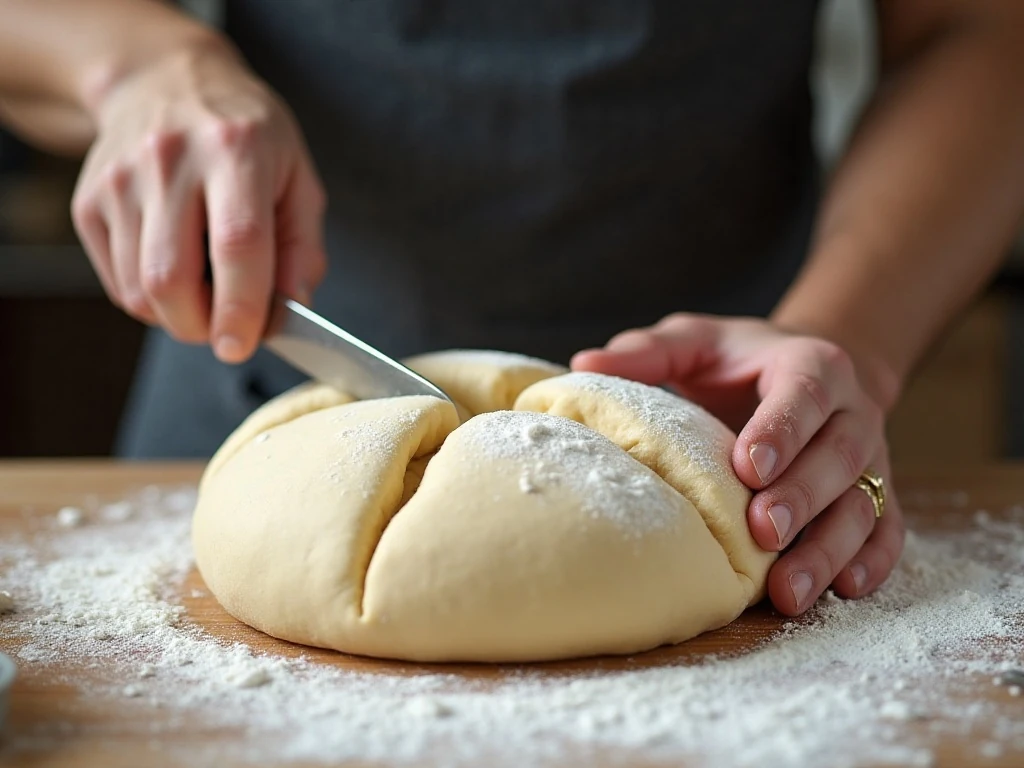
Step 6: Place the shaped loaf on the prepared baking sheet. Use a sharp knife to cut a deep cross across the top, which gives the bread room to expand and creates its characteristic rustic appearance.
Step 7: Bake for 35–40 minutes, checking near the end of the cooking time. The loaf should be golden brown, and the bottom should sound hollow when tapped.
Step 8: Transfer the bread to a cooling rack and let it cool before slicing. Waiting allows the crumb to settle, helping you cut neat slices instead of compressing the warm center.
Pro Tips for a Tender Loaf
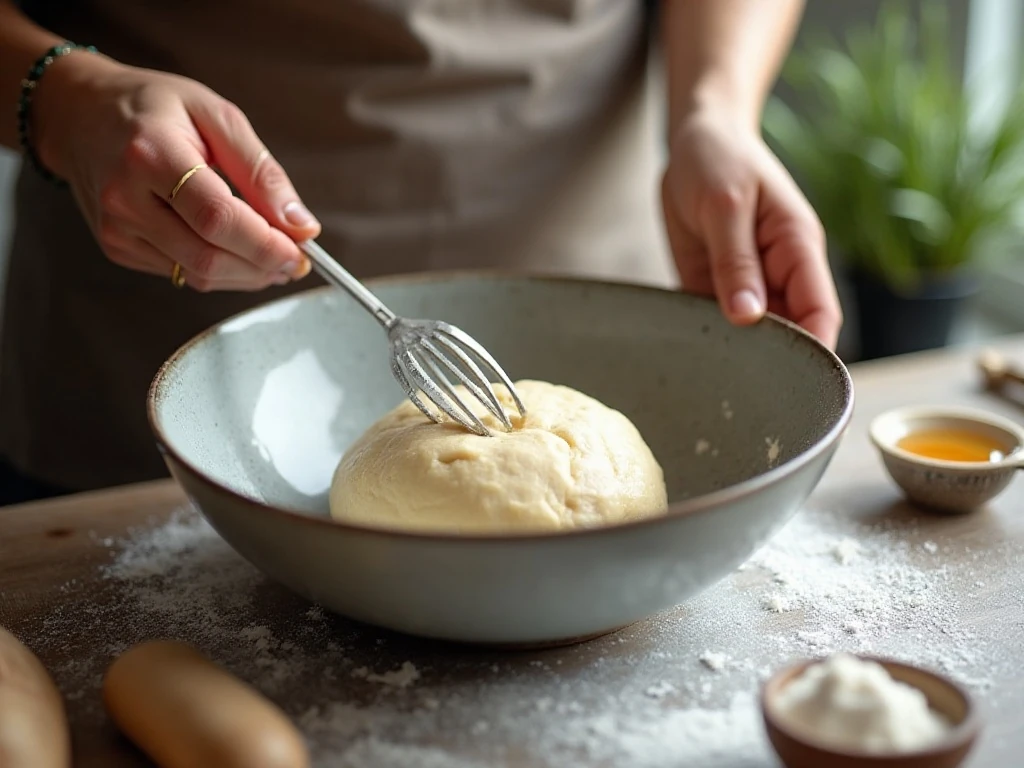
The most important rule is to handle the dough as little as possible. Yeast-free bread does not benefit from extensive kneading, and too much mixing can make the finished loaf tough, tight, and dense.
The dough should feel soft and slightly sticky rather than dry and stiff. If it is difficult to handle, add extra flour only one tablespoon at a time; a small amount is useful, but too much flour produces a dry loaf.
- Use a large bowl so the liquid can be incorporated without flour spilling over the sides.
- Work quickly once the wet ingredients meet the dry ingredients.
- Do not expect the dough to look smooth like yeast bread dough.
- Make the cross deep enough to reach well into the loaf, but avoid cutting all the way through.
- Use the hollow-tap test along with the golden color to judge doneness.
Because baking powder begins working as the dough is mixed and heated, avoid letting the shaped loaf sit around for a long time before baking. Have the tray and oven ready before you start combining the ingredients.
For a special topping, serve warm slices with butter, or pair them with a spoonful of homemade whipped cream if you are serving the bread alongside a sweet breakfast spread.
Serving Ideas
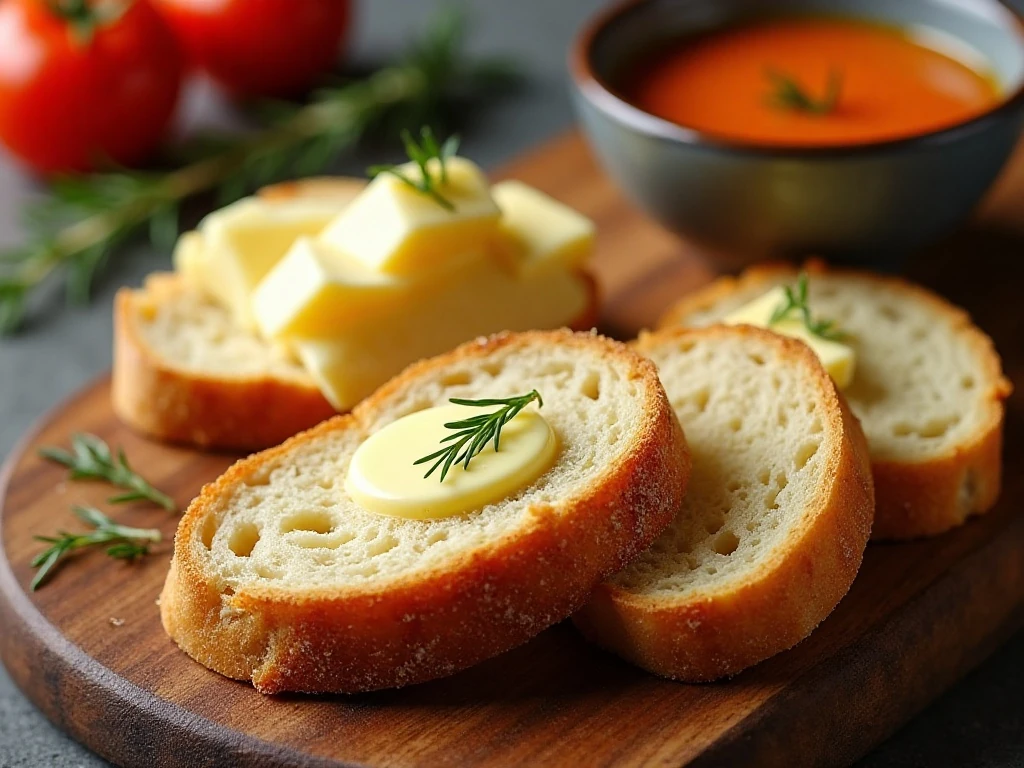
This loaf is at its best while still fresh. Slice it thickly and serve it with salted butter, sharp cheddar, soft goat cheese, or a bowl of tomato soup.
The mildly tangy crumb also works well for breakfast. Toast slices and top them with scrambled eggs, avocado, jam, honey, or roasted tomatoes for a quick meal that feels homemade without much effort.
For a party table, cut the bread into wedges and arrange it beside dips and spreads. The firm, biscuit-like texture makes it useful for soaking up sauces without falling apart immediately.
When you want a more traditional crusty loaf, compare this quick method with our one-hour French bread for another fresh-bread option.
Storage and Reheating
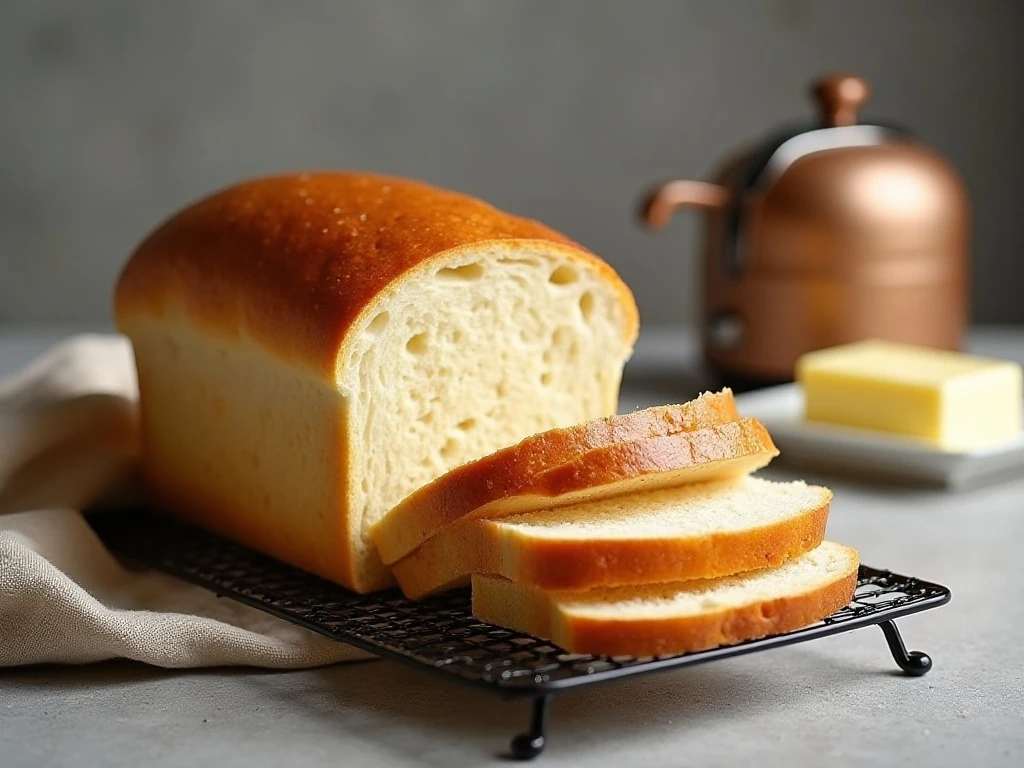
Yeast-free bread is best eaten the day it is made, when the crust is crisp and the crumb is soft. Once completely cool, wrap leftovers in a clean cloth or place them in an airtight container for short-term storage.
To refresh a slice, toast it until warm and lightly crisp. You can also rewarm the whole loaf briefly in a moderate oven, but avoid leaving it uncovered for too long because the bread can dry out.
If you know you will not finish the loaf on the first day, slice it once cool and freeze the slices in a sealed freezer-safe bag. Toast slices directly from frozen for a convenient breakfast or side dish.
Do not judge this recipe by yeast-bread standards. Its compact crumb is part of its character, and its greatest strength is the speed with which it delivers warm, homemade comfort.
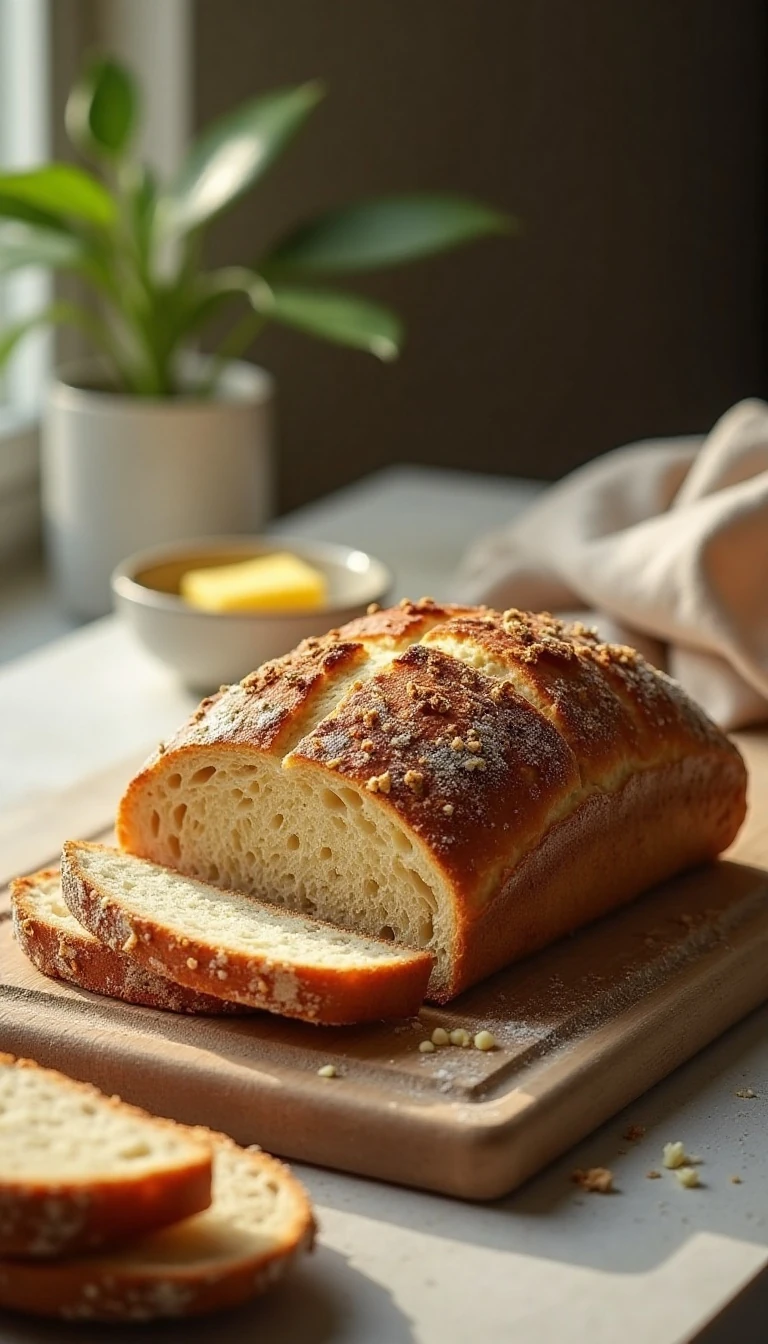
Homemade Bread Without Yeast
Ingredients
Method
- Heat the oven to 200°C conventional, 180°C fan, or 400°F, and lightly grease or line a baking sheet.
- Mix the self-rising flour, baking powder, and salt in a large bowl.
- Make a well in the center, then add the buttermilk and olive oil.
- Stir with a knife or fork just until a rough, slightly sticky dough forms. Do not knead heavily.
- Transfer the dough to a lightly floured surface and gently shape it into a round loaf.
- Place the dough on the prepared baking sheet and cut a deep cross across the top.
- Bake for 35–40 minutes, until golden brown and the bottom sounds hollow when tapped.
- Cool the loaf on a rack before slicing and serving.
Notes
Final Thoughts
Homemade bread without yeast is a practical recipe to keep in your back pocket. With self-rising flour, baking powder, buttermilk, salt, and olive oil, you can create a golden round loaf in about 45–50 minutes from start to finish.
Remember to mix gently, keep the dough soft and slightly sticky, and add flour sparingly. Once the loaf is baked and cooled, slice it thickly and enjoy it the same day with butter, soup, cheese, eggs, or your favorite spread.
It may not have the airy chew of a long-fermented yeast loaf, but this quick bread has its own appeal: a crisp crust, tender center, lightly tangy flavor, and wonderfully simple preparation.
For a festive bread pairing, try serving slices beside cranberry and Brie bread at your next brunch or casual gathering.