This easy homemade meat sauce recipe makes a rich, savory pasta topping in about 1 hour using ground beef, crushed tomatoes, aromatic vegetables, tomato paste, and a gentle simmer. The recipe yields about 4–6 servings and is perfect for spaghetti, rigatoni, or any sturdy pasta that can hold a hearty sauce.
The secret to full flavor is building the sauce in layers: soften the onion, carrot, and celery, brown the beef thoroughly, cook the tomato paste briefly, then simmer everything uncovered until thick and savory. A splash of red wine or beef stock and optional whole milk round out the tomatoes, while Parmesan and fresh herbs finish every bowl beautifully.
Jump to RecipeWhy You’ll Love This Recipe
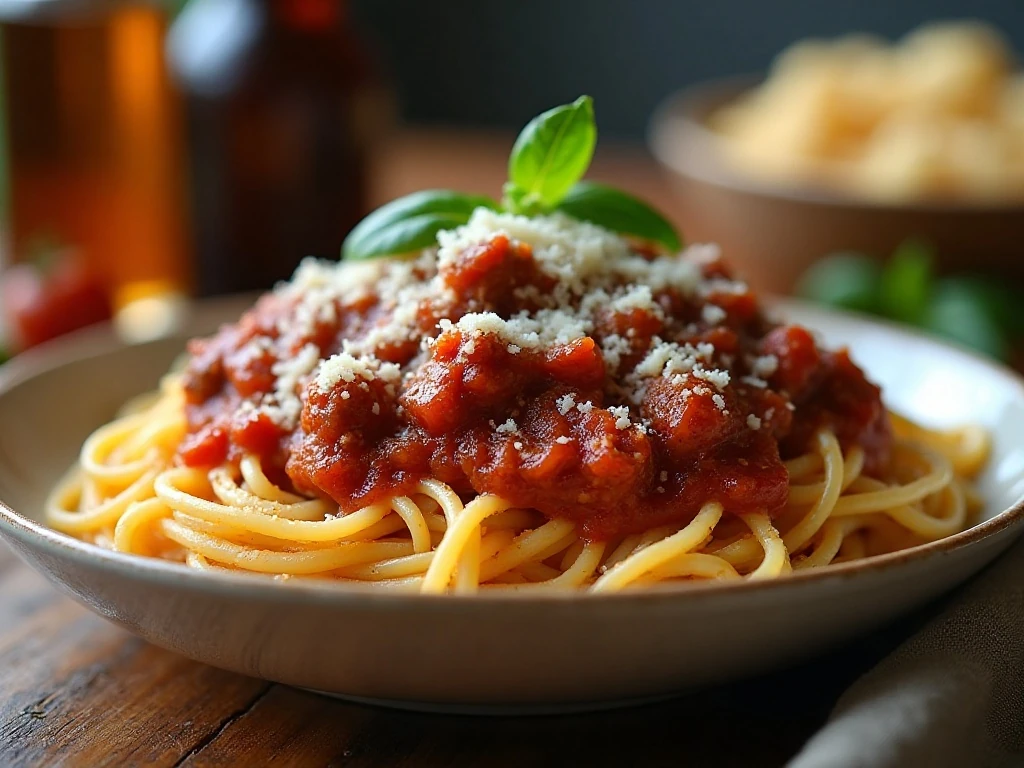
There is something wonderfully comforting about a pot of homemade meat sauce bubbling on the stove. It fills the kitchen with the aroma of browned beef, sweet vegetables, garlic, and tomatoes, then turns an ordinary box of pasta into a satisfying family dinner.
This recipe is easy enough for a weeknight but has the layered flavor people often expect from a sauce that cooked all afternoon. The total cooking time is about 1 hour, including 15–20 minutes of preparation and 45–60 minutes on the stove.
The ingredient list is familiar and flexible without losing the character of the dish. Ground beef supplies hearty savoriness, the vegetable base adds natural sweetness, and tomato paste gives the sauce a concentrated flavor that crushed tomatoes alone cannot provide.
If you enjoy adding homemade condiments to dinner, you may also like the bold, sweet-and-smoky flavor in this homemade barbecue sauce. It is a different style of sauce, but the same idea applies: careful cooking creates deeper flavor.
Ingredients You’ll Need
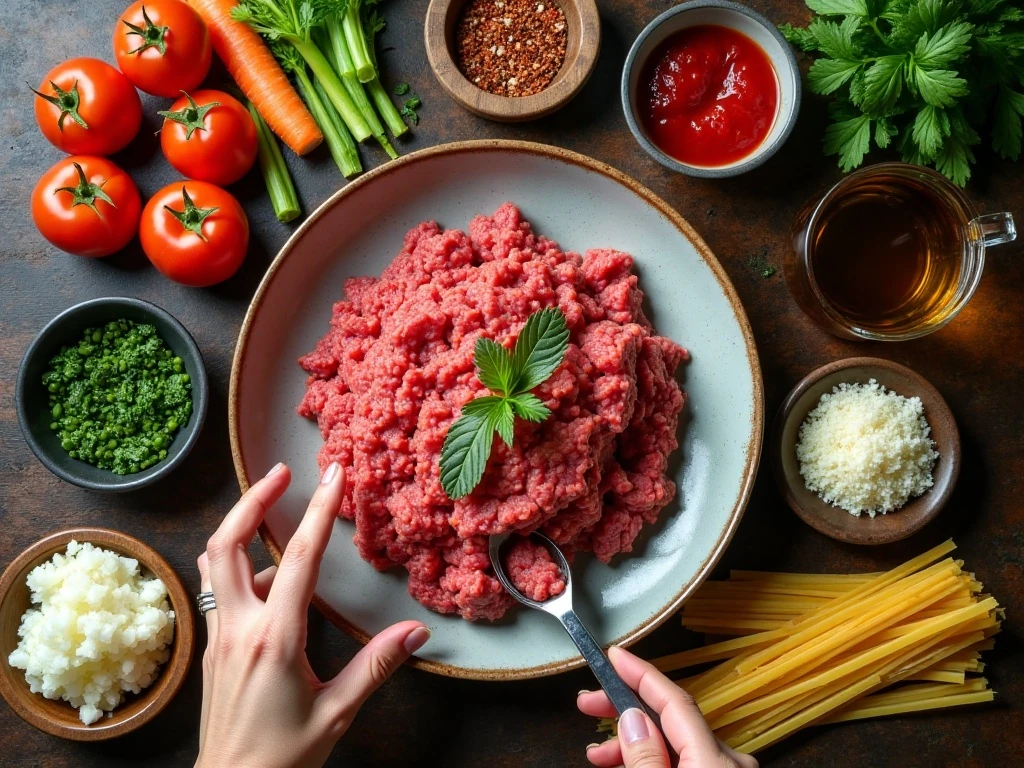
Choose a large Dutch oven or heavy-bottomed saucepan so the ingredients cook evenly and the sauce has room to simmer without splattering everywhere. A pan with a wide base is especially useful because it gives the beef enough contact with the hot surface to brown properly.
- Aromatics: One medium yellow onion, one small carrot, one celery stalk, and three garlic cloves form the vegetable foundation. Dice the onion, carrot, and celery finely so they soften into the sauce.
- Meat: One pound of ground beef that is 80–85% lean provides a good balance of beef flavor and moisture. Leaner beef can work, but it may produce a less luscious sauce.
- Tomatoes: Two tablespoons of tomato paste and one 28-ounce can of crushed tomatoes create both concentrated and smooth tomato flavor.
- Liquid: Use one-half cup of dry red wine or beef stock for deglazing, plus up to one-half cup of water or low-sodium beef stock as needed while the sauce simmers.
- Seasoning: Kosher salt, black pepper, dried Italian seasoning or oregano, one bay leaf, and optional red pepper flakes provide a balanced savory profile.
- Optional finish: Whole milk softens tomato acidity and adds richness. Fresh parsley or basil and grated Parmesan bring freshness and a salty finish at the table.
Red wine gives the sauce a deeper, more rounded taste, while beef stock is a practical alcohol-free alternative. If you use stock, low-sodium is helpful because it gives you more control over the final salt level.
For another sauce idea to serve alongside grilled vegetables, bread, or roasted meats, keep this buttery dipping sauce in mind. It has a lively garlic-and-herb profile that contrasts nicely with this tomato-based recipe.
How to Make It Step-by-Step
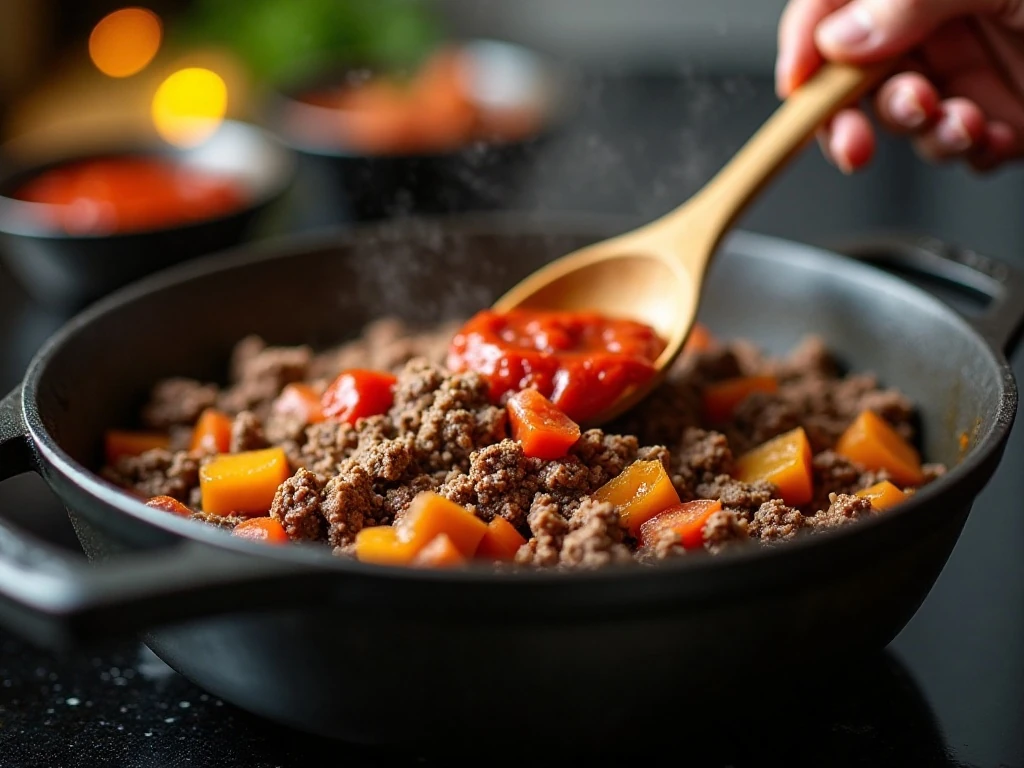
Step 1: Set a large heavy-bottomed saucepan or Dutch oven over medium heat and add the olive oil. Once the oil is warm and shimmering, add the diced onion, carrot, and celery, then cook for 6–8 minutes, stirring occasionally. The vegetables should become soft and fragrant without taking on dark color.
Step 2: Add the minced garlic and stir it into the softened vegetables. Cook for about 30 seconds, just until the garlic smells fragrant. Garlic cooks quickly, so avoid leaving it in the pan long enough to scorch.
Step 3: Add the ground beef and use a wooden spoon to break it into small pieces. Cook for 8–10 minutes, stirring and turning the meat as it browns, until it is no longer pink. If the pan is crowded, brown the meat in batches so it sears instead of steaming, then return all of it to the pan.
Step 4: Season the beef with the kosher salt and black pepper. If the meat releases a large amount of fat, carefully drain the excess, leaving enough behind to keep the sauce flavorful and moist.
Step 5: Stir in the tomato paste and cook for 1–2 minutes. Let the paste coat the meat and vegetables while it darkens slightly; this short cooking step takes away its raw edge and builds a more concentrated tomato flavor.
Step 6: Pour in the dry red wine or beef stock. Immediately scrape the bottom of the pot with your spoon to loosen the browned bits created during cooking. Simmer for 2–3 minutes, allowing the liquid to reduce slightly and blend with those savory pan juices.
Step 7: Add the crushed tomatoes, one-half cup of water or low-sodium beef stock, dried Italian seasoning or oregano, bay leaf, and optional red pepper flakes. Stir thoroughly so the meat, vegetables, and tomatoes are evenly combined.
Step 8: Bring the sauce to a gentle simmer, then reduce the heat to low. Cook uncovered for 35–50 minutes, stirring occasionally so the bottom does not catch. The sauce will gradually become thicker, darker, and more savory as excess moisture cooks away.
Step 9: Watch the consistency during the simmer. If the sauce becomes thicker than you prefer before the cooking time is complete, add a little water or stock and stir well. Keeping the pot uncovered helps concentrate the flavor, while the added liquid prevents the sauce from becoming dry.
Step 10: If you want a richer, softer tomato flavor, stir in the one-half cup of whole milk during the final 10–15 minutes of cooking. The milk is optional, but it adds a traditional ragù-style creaminess without making the sauce taste like cream sauce.
Step 11: Remove the bay leaf and taste the finished sauce. Adjust the salt, black pepper, and dried seasoning gradually, then stir in chopped parsley or basil if desired. Spoon the sauce over cooked spaghetti, rigatoni, or another sturdy pasta and finish with grated Parmesan.
Pro Tips for the Best Meat Sauce
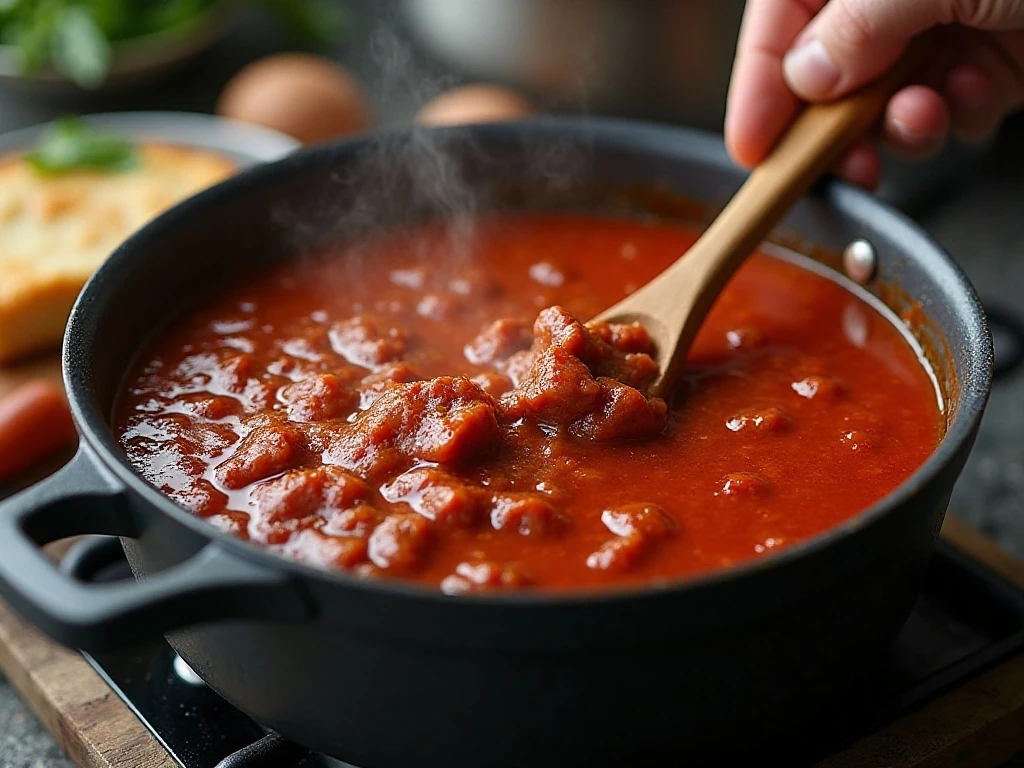
The most important flavor-building step is browning the beef. Give the meat time to contact the hot pan, and resist stirring constantly during the first few minutes. Small browned bits on the bottom of the pot dissolve into the sauce when you add the wine or stock.
Finely diced vegetables are also important. Large chunks can remain firm and make the sauce feel less cohesive, while small pieces soften and blend into the tomatoes. A sharp chef’s knife makes quick work of the onion, carrot, and celery.
- Do not rush the soffritto: Cook the vegetables for the full 6–8 minutes so their raw flavor fades and their natural sweetness develops.
- Season in stages: Add the initial salt and pepper with the meat, then taste again after the sauce reduces. Tomato products and stock vary in saltiness.
- Keep the simmer gentle: A short, hard boil can make the sauce splatter and cook unevenly. Low heat allows the flavors to mingle gradually.
- Taste before adding sugar: If the sauce tastes sharp, let it reduce first. Whole milk is the suggested way to soften the acidity, although a small pinch of sugar may be used only after tasting.
- Use a sturdy pasta: Rigatoni, penne, ziti, and spaghetti all pair well because they can support the thick meat sauce.
For a fresh side dish with a different flavor direction, serve a small bowl of fresh homemade salsa with toasted bread or alongside a simple salad. Its bright tomato, herb, and pepper notes can add contrast to a rich pasta dinner.
Serving Ideas and Pairings
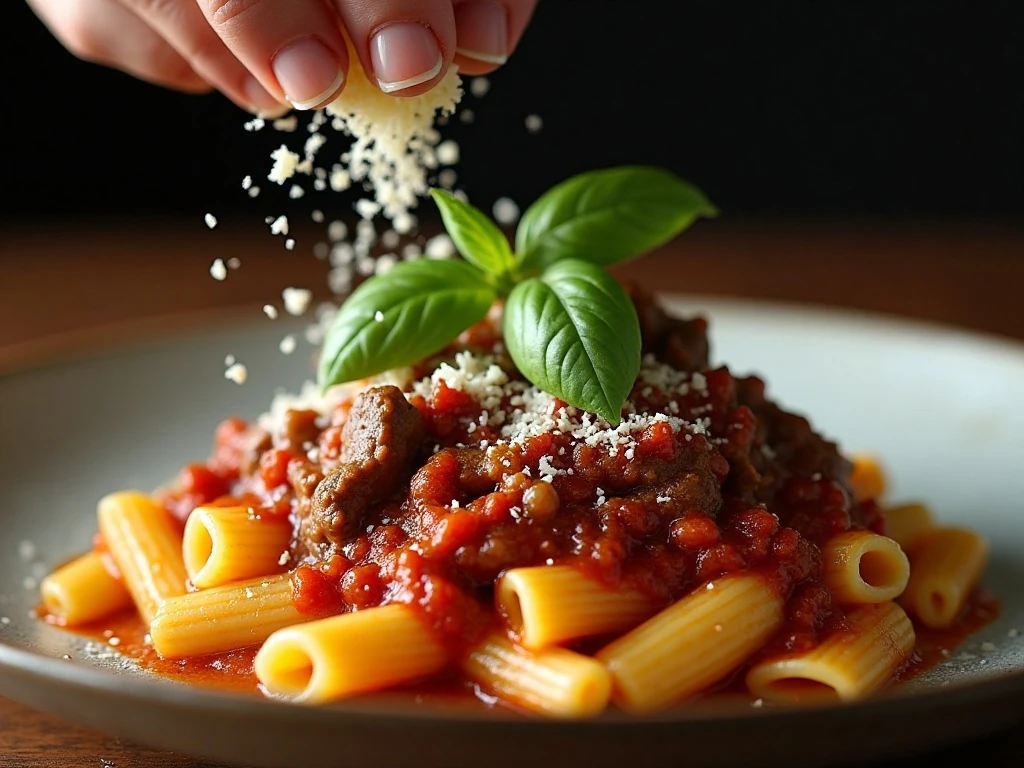
Tossing the sauce with pasta before serving helps every strand or piece become coated. Reserve a little pasta cooking water if needed, then add it a spoonful at a time while tossing the pasta and sauce together. This can help loosen a thick sauce and make it cling smoothly.
Spaghetti is the classic choice, but rigatoni and other ridged shapes are excellent for catching the small pieces of beef and vegetable. For a baked pasta dish, mix the finished sauce with cooked pasta, top with cheese, and bake until hot and bubbling.
Serve each portion with grated Parmesan and a sprinkling of fresh parsley or basil. Warm garlic bread, a crisp green salad, or roasted vegetables will complete the meal without competing with the sauce.
If you are planning a meal with seafood as another course, this creamy shrimp dipping sauce offers a completely different, tangy option. Keep it separate from the meat sauce so each dish retains its own character.
Storage, Freezing, and Reheating
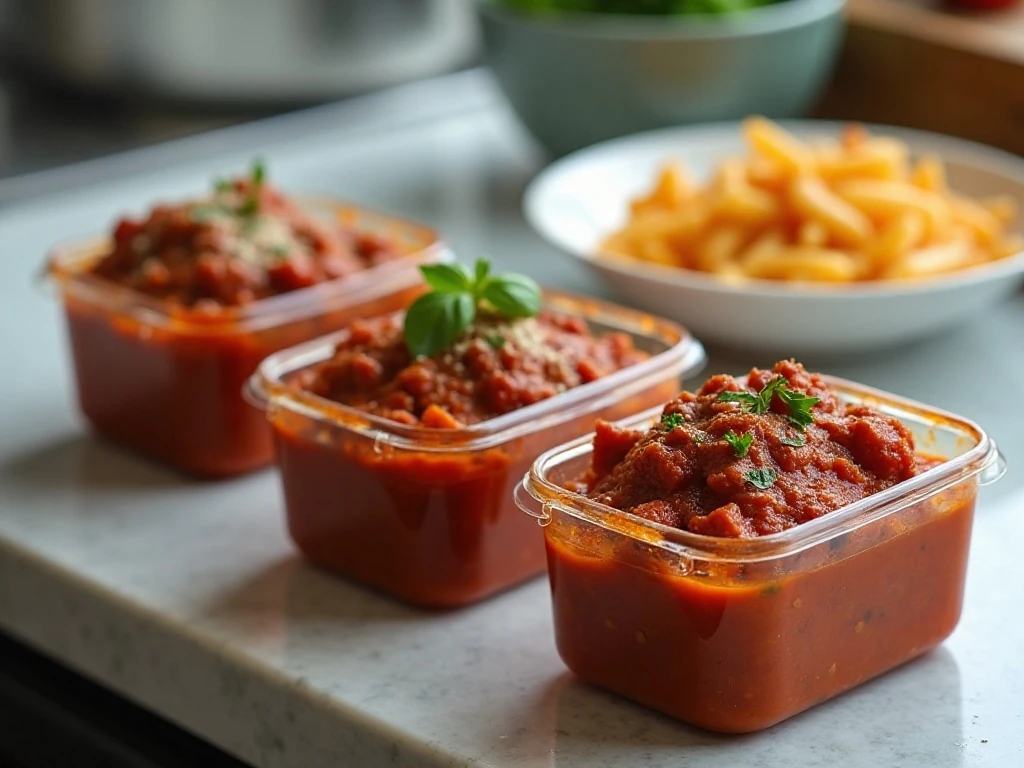
Cool leftover meat sauce promptly, then transfer it to an airtight container. Refrigerate it for up to 4 days, keeping the pasta separate when possible so it does not absorb all the sauce and become soft.
To reheat, place the sauce in a saucepan over low to medium-low heat and stir occasionally. Add a splash of water or low-sodium beef stock if it has thickened in the refrigerator, and heat until steaming hot throughout.
The sauce also freezes well. Portion it into freezer-safe containers, leave a little room for expansion, and freeze for longer storage. Thaw it in the refrigerator before reheating, or warm it gently from frozen with a small amount of stock added as needed.
For dessert after a comforting pasta dinner, a spoonful of homemade blueberry sauce over vanilla ice cream or cheesecake makes an easy sweet finish. Preparing it ahead lets you enjoy a relaxed meal from savory first course to dessert.
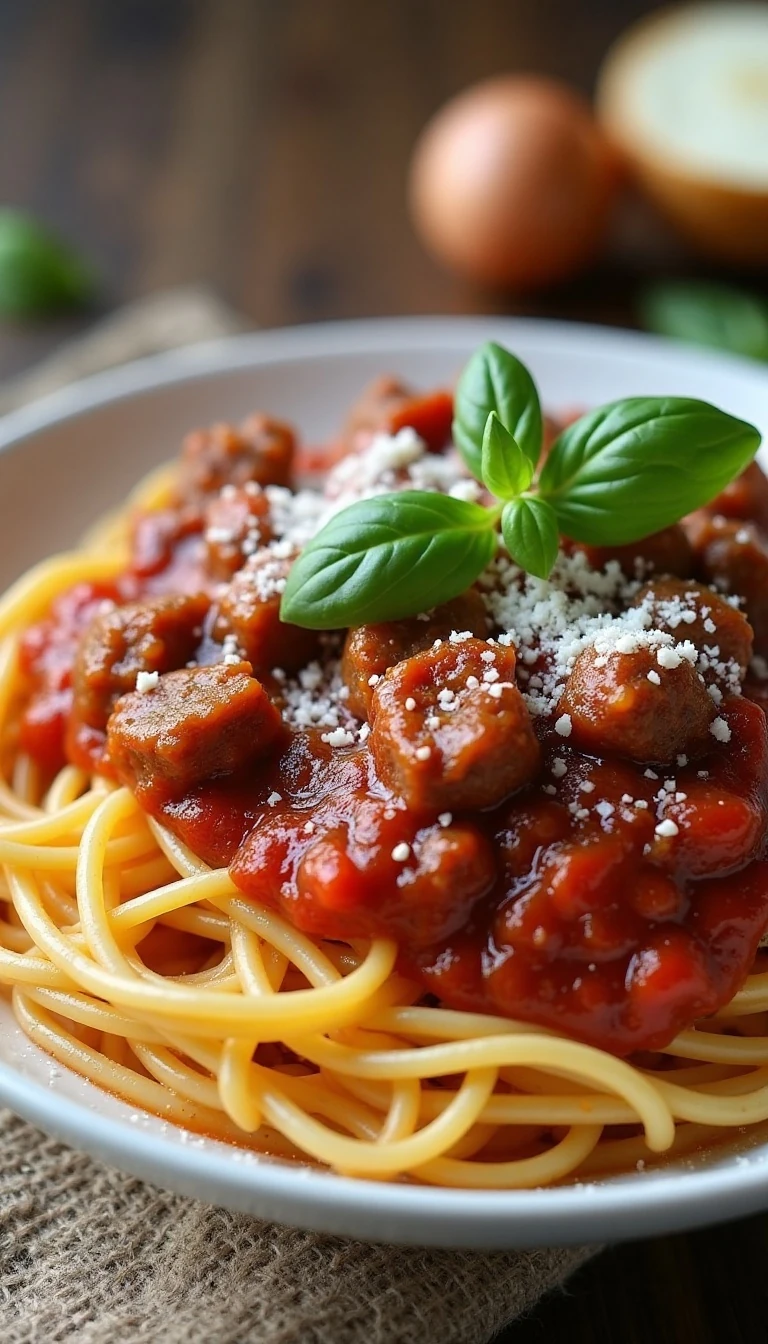
Easy Homemade Meat Sauce Recipe for Rich, Savory Flavor
Ingredients
Method
- Heat the olive oil in a large heavy-bottomed saucepan or Dutch oven over medium heat. Add the onion, carrot, and celery, and cook for 6–8 minutes until softened.
- Add the minced garlic and cook for about 30 seconds, stirring constantly so it becomes fragrant without browning.
- Add the ground beef, break it into small pieces, and cook for 8–10 minutes until browned and no longer pink. Drain excess fat if necessary.
- Stir in the tomato paste and cook for 1–2 minutes to deepen its color and reduce its raw tomato taste.
- Pour in the red wine or beef stock, scraping the browned bits from the bottom of the pan. Simmer for 2–3 minutes.
- Add the crushed tomatoes, water or stock, Italian seasoning, bay leaf, and optional red pepper flakes.
- Bring the sauce to a gentle simmer, reduce the heat to low, and cook uncovered for 35–50 minutes. Stir occasionally and add a little water or stock if the sauce becomes too thick.
- If using whole milk, stir it into the sauce during the final 10–15 minutes of cooking.
- Remove the bay leaf and taste the sauce. Adjust the salt, pepper, and seasoning as needed.
- Stir in the fresh parsley or basil if desired. Toss with cooked spaghetti, rigatoni, or another sturdy pasta, and serve with grated Parmesan.
Notes
Final Thoughts
This easy homemade meat sauce proves that a few everyday ingredients can create a deeply satisfying dinner when each one is cooked with care. Softened vegetables, properly browned beef, toasted tomato paste, and a patient uncovered simmer give the sauce its rich color and savory depth.
Use red wine for a fuller flavor or beef stock for a simple pantry-friendly version, and decide whether the optional milk fits your preferred style. Taste near the end, adjust the seasoning gradually, and add a little liquid if the sauce becomes too thick.
Once the pot is ready, all that remains is to choose your pasta, grate some Parmesan, and gather everyone around the table. The leftovers may be even better the next day, making this a dependable recipe for busy evenings, relaxed weekends, and hearty family meals.