Japanese pork dumplings, also called gyoza, are pan-fried dumplings filled with seasoned ground pork, salted napa cabbage, aromatics, and chives. This homemade recipe makes about 35–40 dumplings in roughly 1 hour, with crisp golden bottoms, tender wrappers, juicy filling, and a bright soy-vinegar dipping sauce.
Each dumpling delivers savory pork, fragrant ginger and garlic, toasted sesame, and just enough sweetness to round out the flavor. The classic fry-steam-fry method makes these gyoza especially satisfying: the bottoms turn beautifully crisp while the wrappers stay tender and the pork cooks through.
Jump to RecipeWhy You’ll Love This Recipe
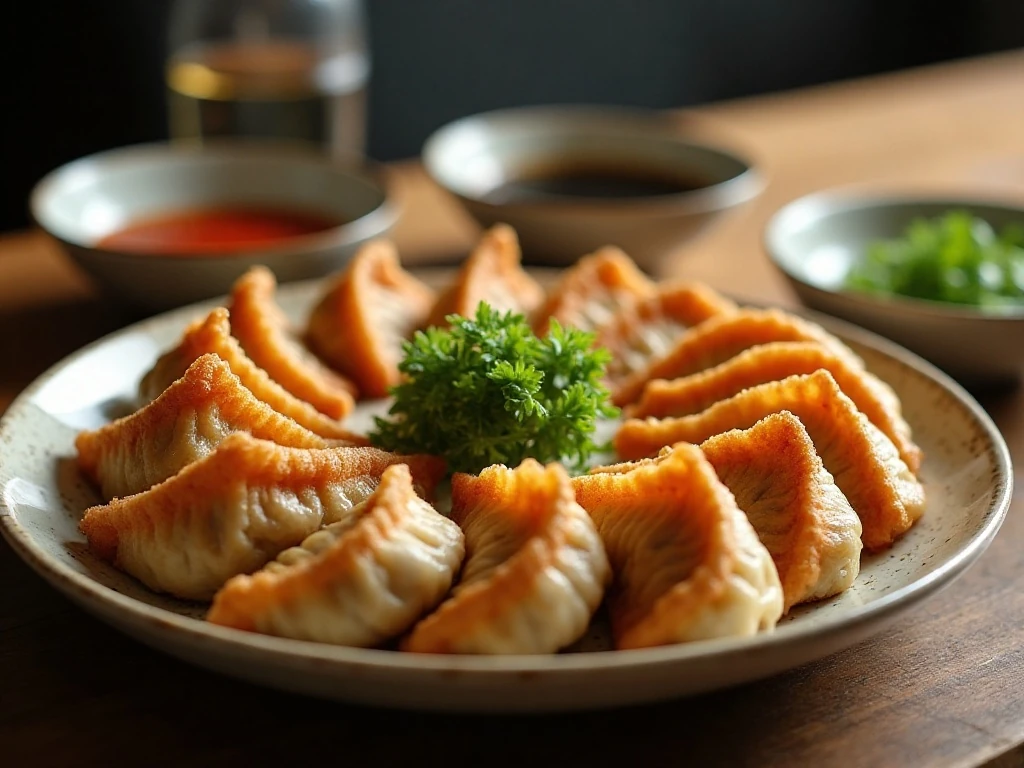
There is something wonderfully rewarding about making gyoza at home. The filling comes together from everyday ingredients, and the cooking technique creates several textures in one pan: sizzling browned bottoms, tender wrapper edges, and a moist, savory center.
These Japanese pork dumplings are also flexible enough for a relaxed family cooking project. One person can prepare the filling while another folds wrappers, and the finished dumplings can be cooked in batches so everyone gets a hot, crisp serving.
- Balanced flavor: Soy sauce, sake, sesame oil, ginger, garlic, sugar, and white pepper season the pork without masking it.
- Excellent texture: Napa cabbage adds tenderness and moisture after it has been properly salted and squeezed.
- Reliable technique: Pan-frying, steaming, and uncovering the skillet produces crisp bottoms and fully cooked filling.
- Perfect for sharing: A batch makes approximately 35–40 dumplings for an appetizer, snack, or complete meal with sides.
If you are planning an Asian-inspired spread, you can pair these dumplings with a comforting bowl of homemade orzo soup for a hearty contrast of textures and temperatures.
Ingredients You’ll Need
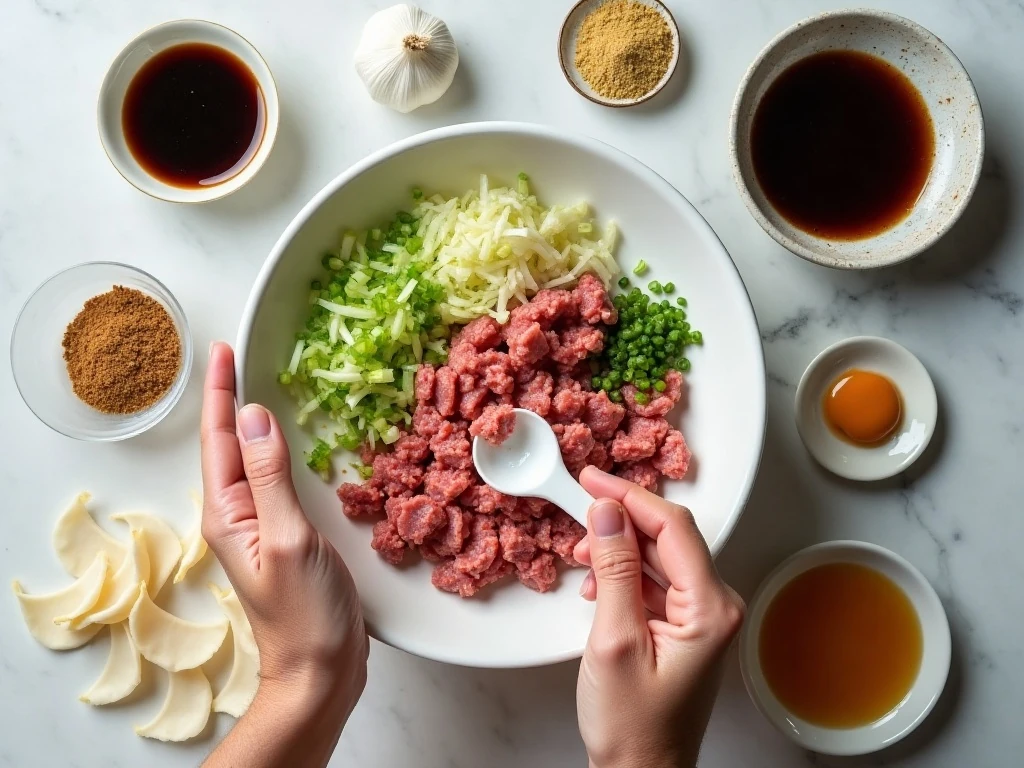
Choose ground pork that is not ultra-lean. A modest amount of fat keeps the filling juicy while the dumplings steam, and it also carries the flavor of the aromatics throughout each bite.
Napa cabbage is the vegetable base of the filling. Salting it for 10–15 minutes draws out water before it reaches the bowl, which is important because watery filling can make wrappers difficult to seal and prone to splitting.
- Ground pork: Use 450 g (1 lb), preferably with enough fat to remain succulent.
- Napa cabbage: Finely chop 300 g, then salt and squeeze it thoroughly.
- Aromatics: Add 50 g garlic chives or Chinese chives, or substitute 3–4 green onions. The ingredient list also includes 2 green onions if you are not using garlic chives, along with 2 garlic cloves and 1 tablespoon grated ginger.
- Seasonings: Japanese soy sauce, sake, toasted sesame oil, sugar, and white pepper create the traditional savory profile.
- Wrappers: Use 35–40 round gyoza wrappers measuring about 3 1/2 inches (9 cm) across.
For the sauce, stir together 2 tablespoons soy sauce and 2 tablespoons rice vinegar, then add chili oil or Japanese chili paste to taste. The sharp vinegar and gentle heat cut through the rich pork beautifully.
For another pork-centered meal idea, browse this pork roast with roasted vegetables recipe when you want a more substantial dinner.
How to Make It Step-by-Step
Step 1: Finely chop the napa cabbage into small, even pieces so it distributes throughout the filling. Toss it with 1 teaspoon fine salt and let it stand for 10–15 minutes, then squeeze it firmly in a clean towel or with your hands until very little liquid remains.
Step 2: Add the pork, squeezed cabbage, chives or green onions, garlic, ginger, soy sauce, sake, toasted sesame oil, sugar, and white pepper to a large bowl. Mix in one direction for 2–3 minutes, pressing and turning the mixture until it becomes noticeably tacky and cohesive.
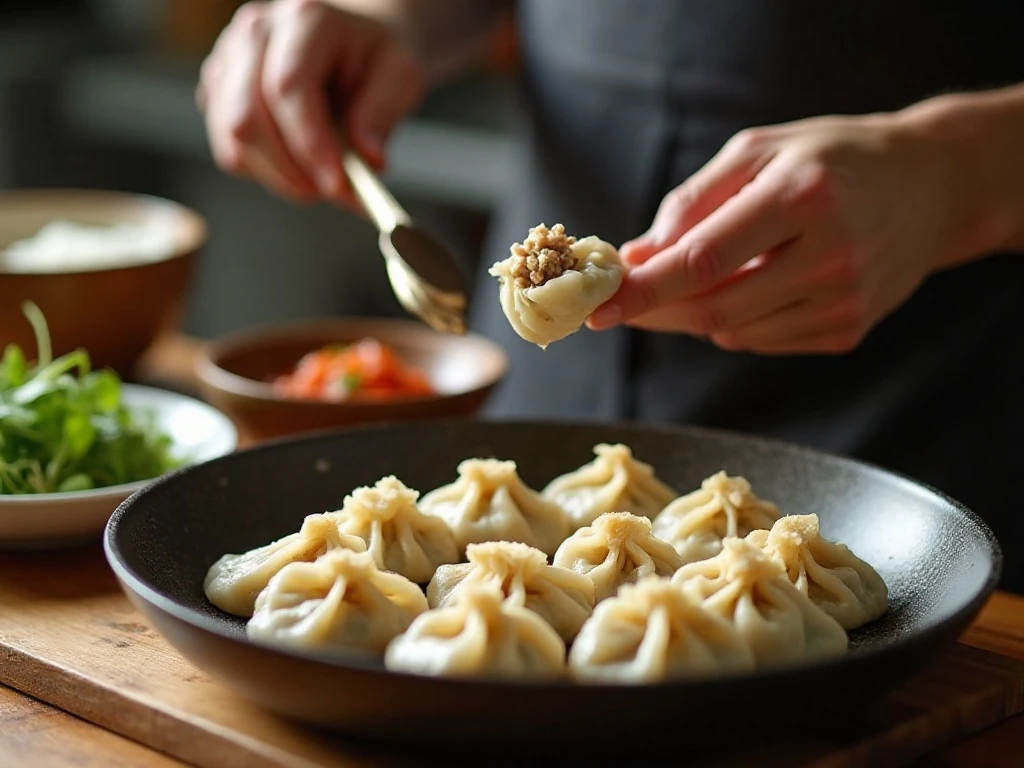
Step 3: Set one wrapper on your work surface and place approximately 1 tablespoon of filling in the center. Avoid adding extra filling, since an overstuffed wrapper is harder to seal and may burst during steaming.
Step 4: Moisten the wrapper edge with water, fold it in half over the filling, and press the edges together. Pleat one side if you like the classic gyoza shape, or make a firm, simple seal; place each completed dumpling under a slightly damp towel to prevent drying.
Step 5: Heat 1 tablespoon neutral oil in a large nonstick skillet over medium-high heat. Arrange the dumplings flat-side down in a single layer with a little space between them, working in batches if the pan is crowded.
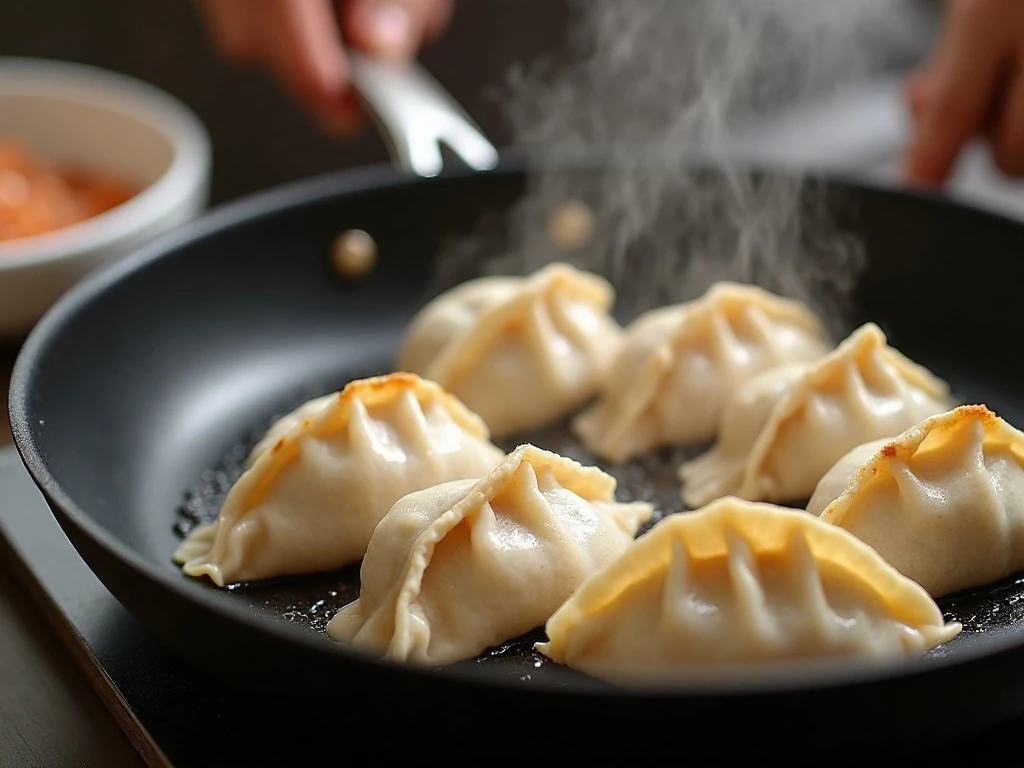
Step 6: Fry for 2–3 minutes, watching for golden-brown bottoms. Carefully pour in approximately 120 ml (1/2 cup) water and immediately cover the skillet to trap the steam.
Step 7: Steam for 5–7 minutes, until the wrappers are tender and the pork is fully cooked. Remove the lid and continue cooking until the remaining water has evaporated and the bottoms crisp again.
Step 8: Drizzle the dumplings with 1 teaspoon toasted sesame oil if desired. Serve hot with the soy-vinegar dipping sauce, and verify that the pork filling reaches an internal temperature of 71°C (160°F).
Folding and Pan-Frying Tips
Gyoza wrappers dry quickly once they are exposed to air. Keep the stack covered while you work, and cover filled dumplings with a slightly damp towel so the edges remain pliable enough to seal.
The filling should feel moist but not wet. Thoroughly squeezed cabbage and a sticky pork mixture are the two main defenses against leaking dumplings, so do not rush either preparation step.
For a simple fold, wet half of the wrapper edge, bring the opposite edge over it, and press firmly around the entire perimeter. If you want pleats, make small folds along one side while pressing that side against the flat edge, but a secure seal matters more than elaborate shaping.
Use a nonstick skillet for the cleanest release. Water should be added carefully because it will meet hot oil, and the lid should go on right away so the steam cooks the wrappers and filling evenly.
Do not serve the dumplings as soon as the water disappears. Give the pan another moment, if needed, so the bottoms dry and crisp again; this final stage is what gives restaurant-style gyoza its appealing contrast.
Serving Ideas and Dipping Sauce
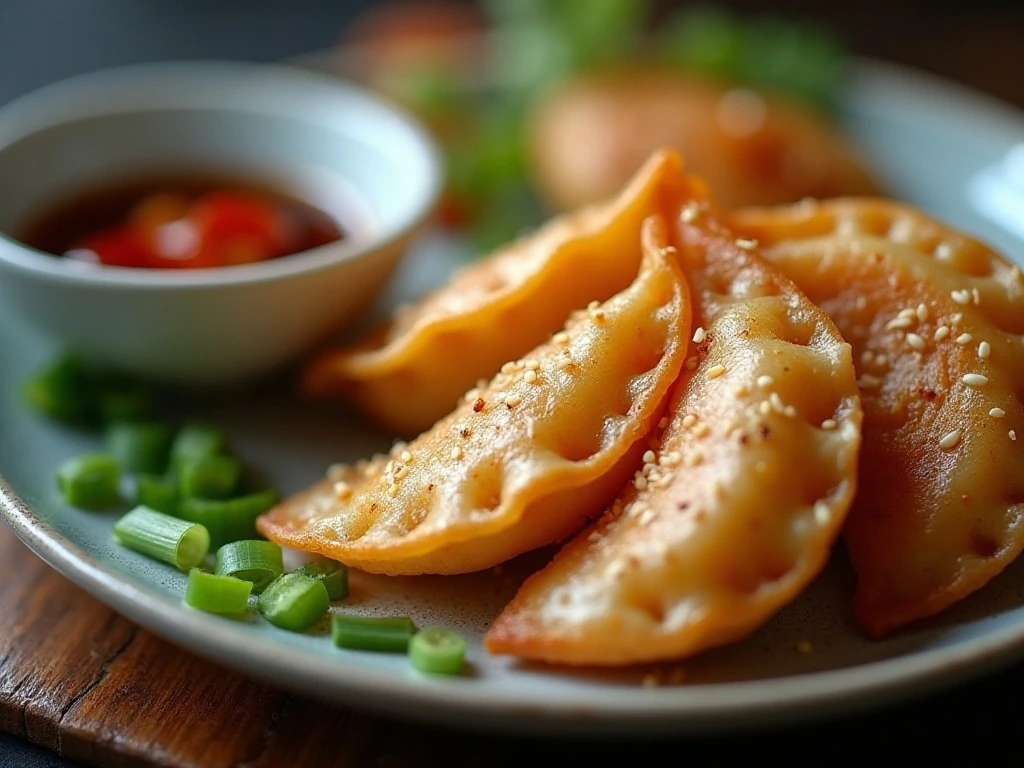
Serve the dumplings directly from the skillet or transfer them to a warmed platter with the crisp sides facing up. A small dipping bowl for each guest makes it easy to adjust the balance of salty soy sauce, bright rice vinegar, and spicy chili oil.
- Add sliced green onions or a few drops of extra sesame oil just before serving.
- Offer chili oil or Japanese chili paste separately for guests with different heat preferences.
- Serve with lightly dressed greens, steamed vegetables, or a simple cucumber salad.
- Make the dumplings the centerpiece of a casual dinner alongside rice and a light soup.
Although gyoza are often served as an appetizer, 35–40 dumplings make a generous meal for a group when paired with fresh sides. Their rich filling also works nicely with crisp, acidic accompaniments, much like the tangy bite found in this homemade pickled beets recipe.
Storage, Freezing, and Reheating
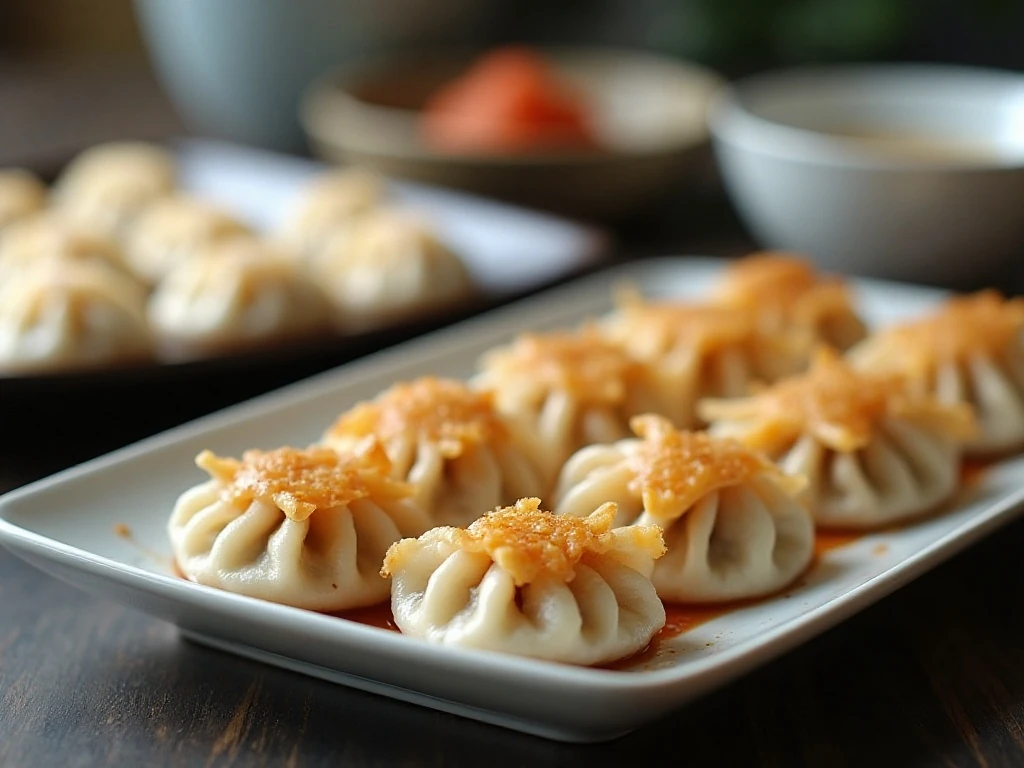
Uncooked dumplings are best cooked soon after folding, but they can be arranged in a single layer and frozen until firm before being transferred to a freezer-safe container. Keeping them separate during the first freeze prevents the wrappers from sticking together.
When cooking frozen gyoza, do not thaw them first. Arrange them in the oiled skillet and allow extra steaming time as needed, checking that the pork reaches 71°C (160°F) before serving.
Cooked leftovers can be refrigerated and reheated in a nonstick skillet. Add a small splash of water, cover briefly to warm the centers, then uncover so the bottoms regain some crispness.
For a satisfying menu with other homemade favorites, these dumplings can be served alongside a crusty loaf from our homemade wheat bread recipe, especially when the meal includes a variety of small plates.
Common Questions
Can I use green onions instead of garlic chives? Yes. Substitute 3–4 green onions for the 50 g garlic chives or Chinese chives. If you are not using garlic chives, the recipe also specifies 2 green onions, finely sliced, as the alternative.
Why did my wrappers split? The most common causes are excess water in the cabbage, too much filling, dry wrapper edges, or aggressive steaming. Squeeze the cabbage very thoroughly, use approximately 1 tablespoon filling, moisten the edge lightly, and keep unused wrappers covered.
How do I know the pork is done? The pork filling should reach an internal temperature of 71°C (160°F). A food thermometer is the most dependable way to check, particularly when dumplings vary slightly in size.
Can I make the bottoms extra crisp? Yes. Use a nonstick skillet, steam with hot water, then remove the lid and let every bit of moisture evaporate before serving. The dumplings should sit undisturbed long enough for the browned bottoms to firm up.
For a side with a crisp, tangy character, consider serving a small portion of salt-and-vinegar broiled potatoes alongside the dumplings. The contrasting textures make a casual spread feel especially abundant.
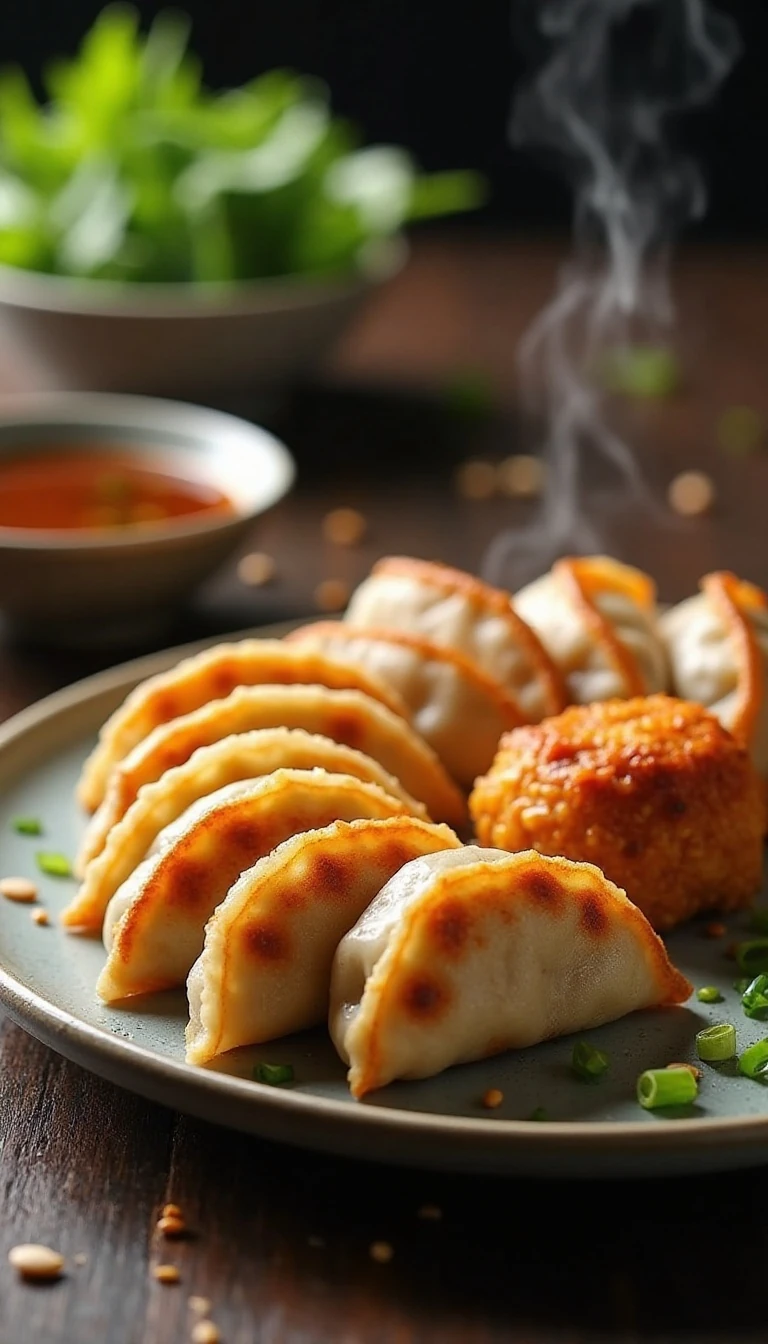
Japanese Pork Dumplings
Ingredients
Method
- Finely chop the napa cabbage, toss it with 1 teaspoon salt, and leave it for 10–15 minutes. Squeeze it very firmly in a clean towel or with your hands until excess moisture is removed.
- Combine the pork, drained cabbage, chives or green onions, garlic, ginger, soy sauce, sake, sesame oil, sugar, and white pepper in a large bowl. Mix in one direction for 2–3 minutes until the mixture becomes sticky and cohesive.
- Place approximately 1 tablespoon of filling in the center of each wrapper. Moisten the edge with water, fold the wrapper in half, then pleat or firmly seal the edges; cover finished dumplings with a slightly damp towel.
- Heat the neutral oil in a large nonstick skillet over medium-high heat. Arrange the dumplings flat-side down in one layer, leaving a little space between them.
- Fry the dumplings for 2–3 minutes, or until the bottoms are golden brown. Carefully add about 120 ml water and immediately cover the skillet.
- Steam the dumplings for 5–7 minutes, until the wrappers are tender and the pork is fully cooked. Remove the lid and continue cooking until all water evaporates and the bottoms become crisp again.
- Drizzle with 1 teaspoon toasted sesame oil if desired and serve immediately with soy sauce, rice vinegar, and chili oil or Japanese chili paste. Confirm the pork filling reaches 71°C (160°F).
Notes
Final Thoughts
Japanese pork dumplings are one of those recipes that reward a little hands-on time with an irresistible result. Salting the cabbage, mixing the pork until tacky, sealing carefully, and allowing the bottoms to crisp after steaming are the key details that turn simple ingredients into excellent gyoza.
Serve them hot with soy sauce, rice vinegar, and chili oil, and do not forget to check that the filling reaches 71°C (160°F). Once you master the fry-steam-fry method, this homemade favorite is sure to become a regular choice for weeknight dinners, weekend gatherings, and generous shared appetizers.