This authentic pork carnitas recipe makes tender, juicy pork shoulder with crisp, browned edges in about 4 hours. The pork is seasoned with cumin, Mexican oregano, garlic, citrus, and onion, slowly braised at 300°F until it pulls apart, then broiled or skillet-crisped in its rendered fat and cooking juices.
Every bite delivers rich pork, bright orange and lime, fragrant spices, and the irresistible contrast between soft meat and crunchy edges. Serve these carnitas in warm corn tortillas with onion, cilantro, salsa, lime, and radishes for a classic Mexican-style dinner that feeds 6 to 8 people.
Jump to RecipeWhy You’ll Love This Recipe
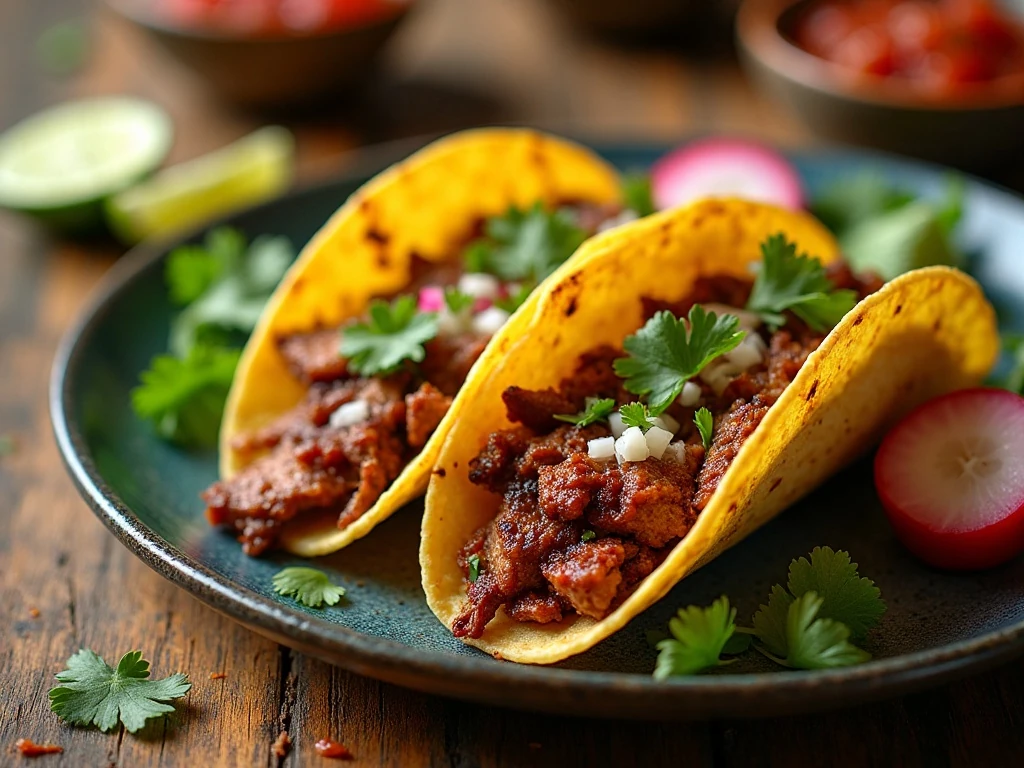
These carnitas have everything a satisfying dinner should offer: deeply seasoned pork, juicy shredded centers, and crisp edges that catch every drop of citrusy cooking liquid. The oven does most of the work while the covered braise slowly softens the pork shoulder.
The recipe is also flexible at serving time. Set out tortillas and toppings so everyone can build tacos, or use the pork in rice bowls, nachos, quesadillas, or salads.
If you enjoy rich, slow-cooked pork dinners, you may also like this slow-cooked pork belly idea for another tender and flavorful meal.
Ingredients You’ll Need
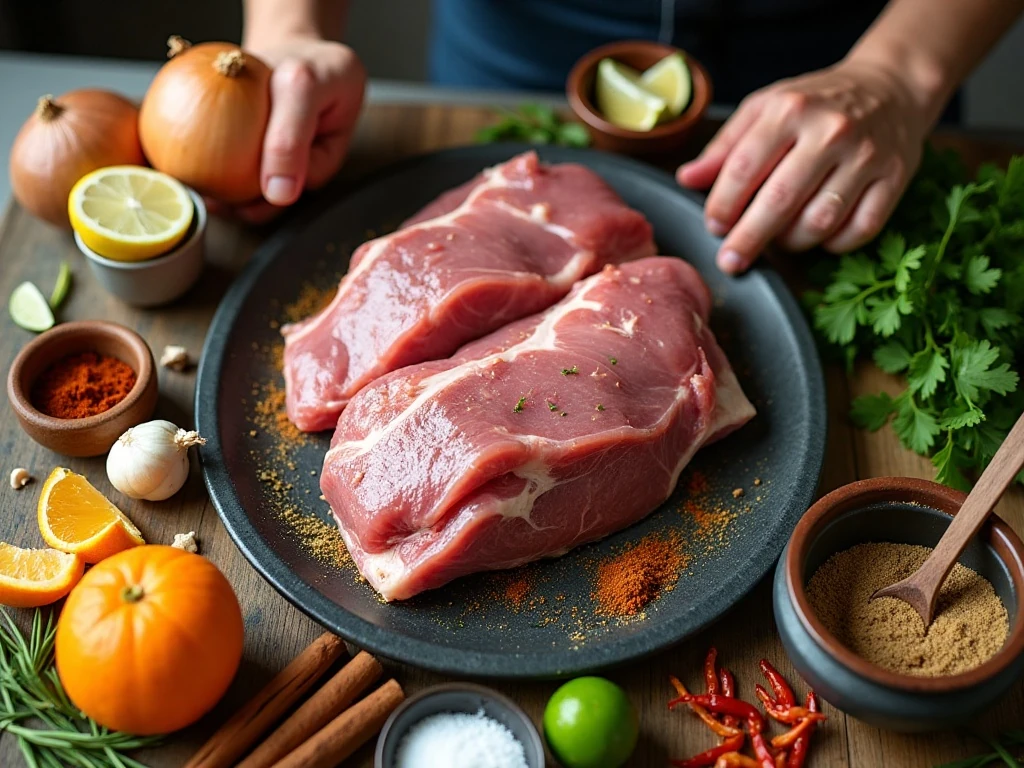
Choose a boneless pork shoulder or pork butt with visible marbling and some surface fat. Fat is important here because it renders into the braising liquid and helps the meat stay succulent.
- Pork: Four pounds of pork shoulder cut into 2-3-inch chunks gives the best balance of tenderness and manageable cooking time.
- Seasonings: Kosher salt, cumin, Mexican oregano, and black pepper form the savory base.
- Aromatics: Yellow onion, crushed garlic, orange, lime, bay leaves, and optional cinnamon create a fragrant, citrus-scented cooking liquid.
- Heat and moisture: Add one split jalapeño or serrano if desired, plus one cup of water, chicken stock, or a water-and-orange-juice mixture.
- Optional richness: Two tablespoons of lard can help if the pork is unusually lean.
Traditional versions are often cooked in lard, while some recipes include milk or evaporated milk for additional richness and browning. This method keeps the ingredient list straightforward while preserving the familiar citrus, garlic, and spice profile.
How to Make It Step-by-Step
Step 1: Heat the oven to 300°F (150°C), then prepare the pork. Trim away only excessive surface fat, leaving some fat attached to the meat because it will render slowly and help protect the pork from drying out.
Step 2: Combine the kosher salt, cumin, Mexican oregano, and black pepper, then coat the pork chunks thoroughly. Seasoning the meat before it enters the pot allows the spices to cling to every piece throughout the long braise.
Step 3: Arrange the seasoned pork in a Dutch oven or deep roasting pan. Add the quartered onion, crushed garlic, orange quarters and their juice, lime juice and squeezed lime halves, bay leaves, cinnamon stick, and split chile.
Step 4: Pour in one cup of water, chicken stock, or a combination of water and fresh orange juice. The liquid should come about one-third to halfway up the pork, since carnitas braise gently rather than simmer completely submerged.
Step 5: Cover the pot tightly and place it in the oven for about 3 to 3 1/2 hours. Turn the pork once or twice during cooking, and check for doneness when it is fork-tender and pulls apart easily; a temperature of at least 195°F is suitable for shredding.
Step 6: Move the cooked pork to a tray and reserve the liquid and rendered fat in the pot. Discard the onion, citrus peels, bay leaves, and cinnamon stick, then let the meat cool for 10 minutes before pulling it into large chunks.
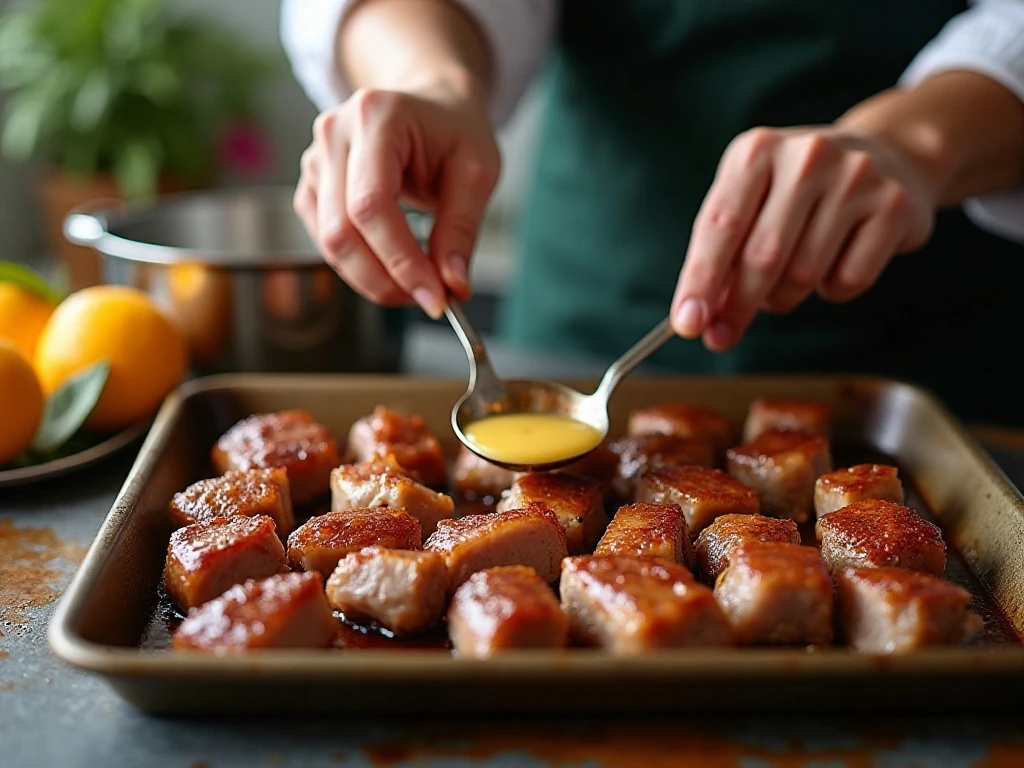
Step 7: Spread the chunks across a baking sheet in a single layer. Spoon several tablespoons of the reserved fat or cooking liquid over the pork so the surface remains juicy as the edges brown.
Step 8: Broil the pork 4-6 inches from the heat for 5-10 minutes, turning it once, until the edges are crisp and browned. You can also heat a skillet and crisp the meat in batches, which gives excellent control over the amount of browning.
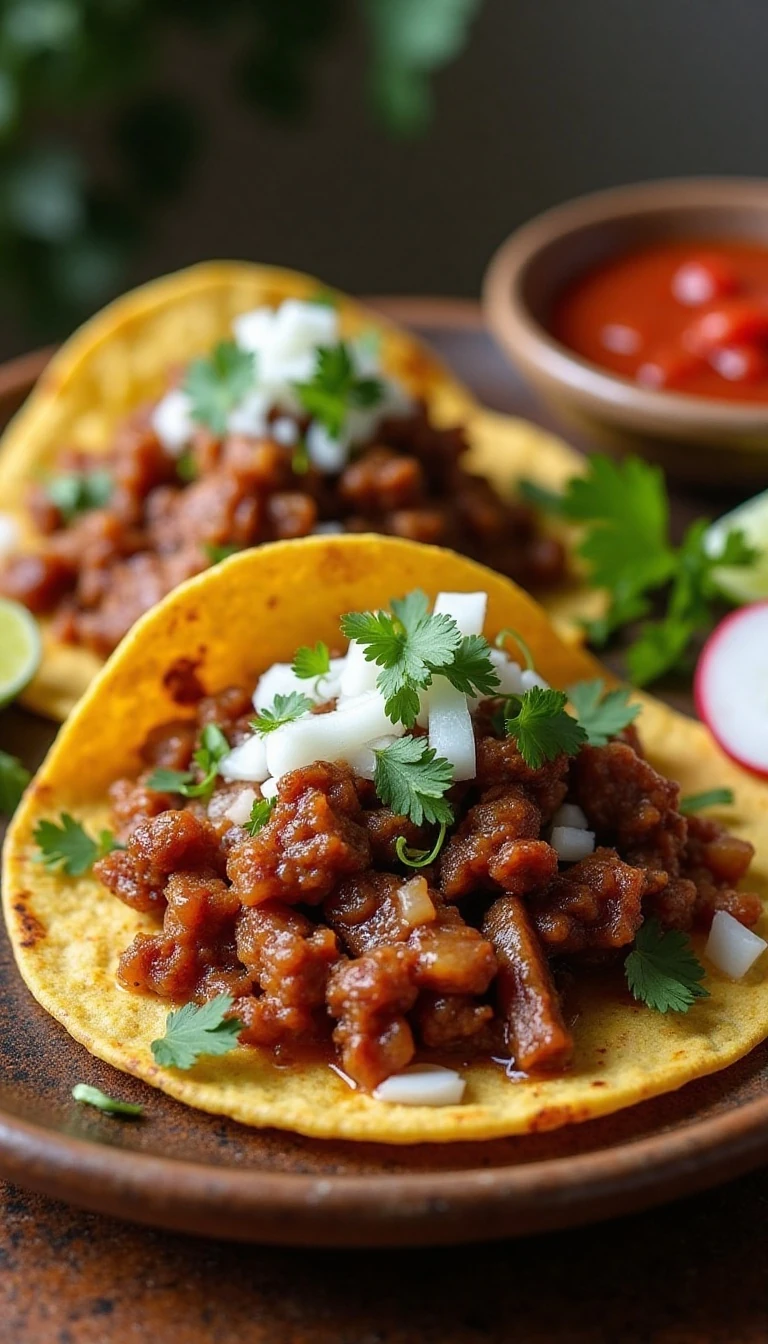
Step 9: Taste the finished carnitas and add more salt if needed. Serve them right away in warm corn tortillas with onion, cilantro, salsa, lime wedges, and radishes or pickled onions.
How to Get Tender, Crispy Carnitas
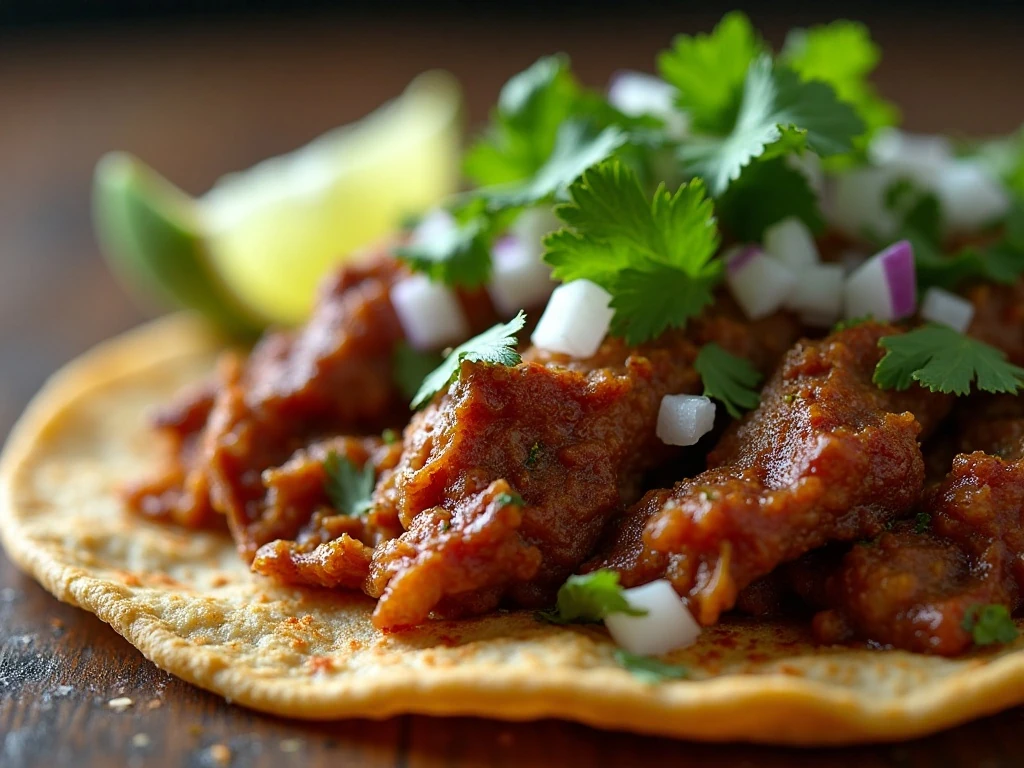
The most important rule is to wait for complete tenderness before crisping. If the pork still resists a fork, it needs more braising time; trying to brown it early can create dry edges while the center remains firm.
Keep the chunks fairly large during the covered cooking stage. Very fine shreds expose too much surface area and can lose moisture before they reach the broiler.
Do not throw away the cooking liquid. Spoon a little rendered fat over the pork before broiling, or use a few tablespoons of the concentrated juices if the reserved fat is limited.
For a complete Mexican-style dinner, serve the tacos with a fresh salsa and something crisp on the side. A slow-cooked cabbage dish such as this comforting kielbasa and cabbage recipe is also useful inspiration when planning hearty family meals.
Serving Ideas and Toppings
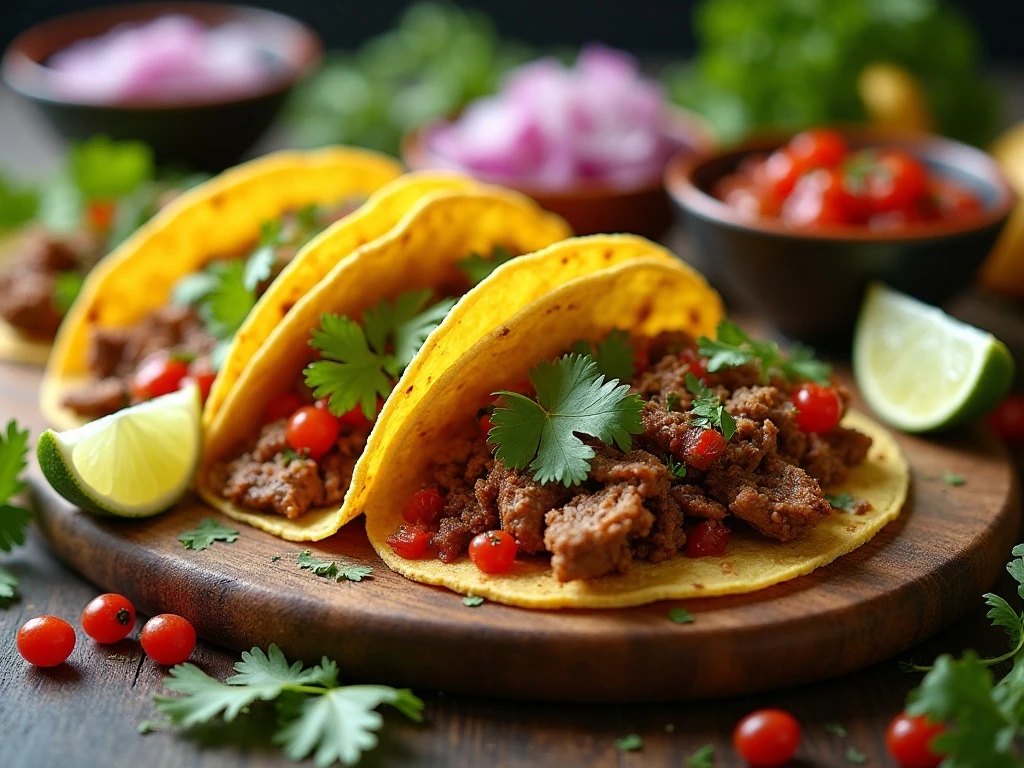
Warm corn tortillas are the classic choice because their earthy flavor complements the rich pork. Heat them briefly in a dry skillet, on a griddle, or wrapped in a clean towel so they become soft and flexible.
- Chopped white onion and cilantro provide freshness and bite.
- Fresh lime wedges brighten the fatty pork just before eating.
- Red or green salsa adds acidity and chile heat.
- Radishes bring a crisp, peppery contrast.
- Pickled onions offer tangy color and a soft crunch.
For a larger dinner spread, serve the carnitas with beans, rice, guacamole, or a simple slaw. Leftover meat is especially good folded into quesadillas or scattered over tortilla chips with melted cheese.
After dinner, finish with something chocolatey such as these soft double chocolate pudding cookies. For a lighter breakfast the next day, these bakery-style blueberry muffins make a useful make-ahead option.
Storage and Reheating
Cool leftover carnitas promptly and store them with a little of the reserved cooking juice in an airtight container. Refrigerate for up to several days, or freeze portions for longer storage.
To reheat, warm the pork gently in a skillet with a spoonful of its juices, then let the edges crisp once the center is hot. You can also spread it on a baking sheet and broil briefly, watching closely so the meat browns without drying.
Keep the pork in larger chunks until reheating whenever possible. Break it into smaller pieces only as needed for tacos, since larger pieces retain moisture more effectively.
Make-Ahead Dinner Planning
The braising stage can be completed ahead of time, making this recipe practical for entertaining. Chill the pork and its juices separately, then remove any excess solidified fat if desired before reheating and crisping.
Prepare the toppings while the pork warms so everything reaches the table together. Tortillas, chopped onion, cilantro, salsa, lime, and radishes can all be arranged on a serving board for an easy taco dinner.
If you prefer a meatless companion for another night, this one-pot farmers market pasta offers a completely different way to use seasonal vegetables with minimal cleanup.
Authentic Pork Carnitas Recipe (Crispy & Tender)
Ingredients
Method
- Heat the oven to 300°F (150°C). Trim only excessive surface fat from the pork, leaving some attached so it can render during cooking and keep the meat moist.
- Season the pork chunks with kosher salt, cumin, dried Mexican oregano, and black pepper. Place them in a Dutch oven or deep roasting pan.
- Add the onion, garlic, orange quarters and juice, lime juice and halves, bay leaves, cinnamon stick, chile, and water or stock. The liquid should reach roughly one-third to halfway up the pork, not cover it.
- Cover the pot tightly and cook for about 3 to 3 1/2 hours, turning the pork once or twice. It is ready when fork-tender and easy to pull apart; the meat should reach at least 195°F internally for shredding.
- Transfer the pork to a tray and discard the onion, citrus peels, bay leaves, and cinnamon. Reserve the cooking liquid and rendered fat, then cool the pork for 10 minutes and pull it into large chunks.
- Spread the pork on a baking sheet and spoon several tablespoons of reserved fat or cooking liquid over it. Broil 4-6 inches from the heat for 5-10 minutes, turning once, until the edges are browned and crisp; alternatively, crisp it in a hot skillet in batches.
- Taste the carnitas and adjust the salt. Serve immediately in warm corn tortillas with chopped onion, cilantro, salsa, lime wedges, and radishes or pickled onions.
Notes
Final Thoughts
Authentic-style pork carnitas are built on a simple but essential sequence: season well, braise the pork shoulder until completely tender, then crisp the edges in reserved fat or cooking juices. Orange, lime, garlic, onion, cumin, and oregano give the meat its inviting fragrance without overpowering the pork.
Take the pork to the table while the edges are still hot and crunchy, with plenty of tortillas and bright toppings nearby. Once you taste the contrast between the juicy interior and browned exterior, this slow-cooked dinner is likely to become a regular favorite.