This light and fluffy lemon chiffon cake recipe makes one tender 10-inch tube cake with a cloud-soft crumb, bright fresh lemon flavor, and a delicate golden crust. It serves 12 to 16 people, bakes at 325°F (165°C) for 50 to 60 minutes, and must cool upside down so its airy structure stays tall.
Fresh lemon juice and finely grated zest give every bite a clean citrus taste, while neutral oil keeps the cake moist without making it heavy. Finish it with confectioners’ sugar for a simple presentation or add the optional lemon glaze for a glossy, sweet-tart finish.
Jump to RecipeWhy You’ll Love This Recipe
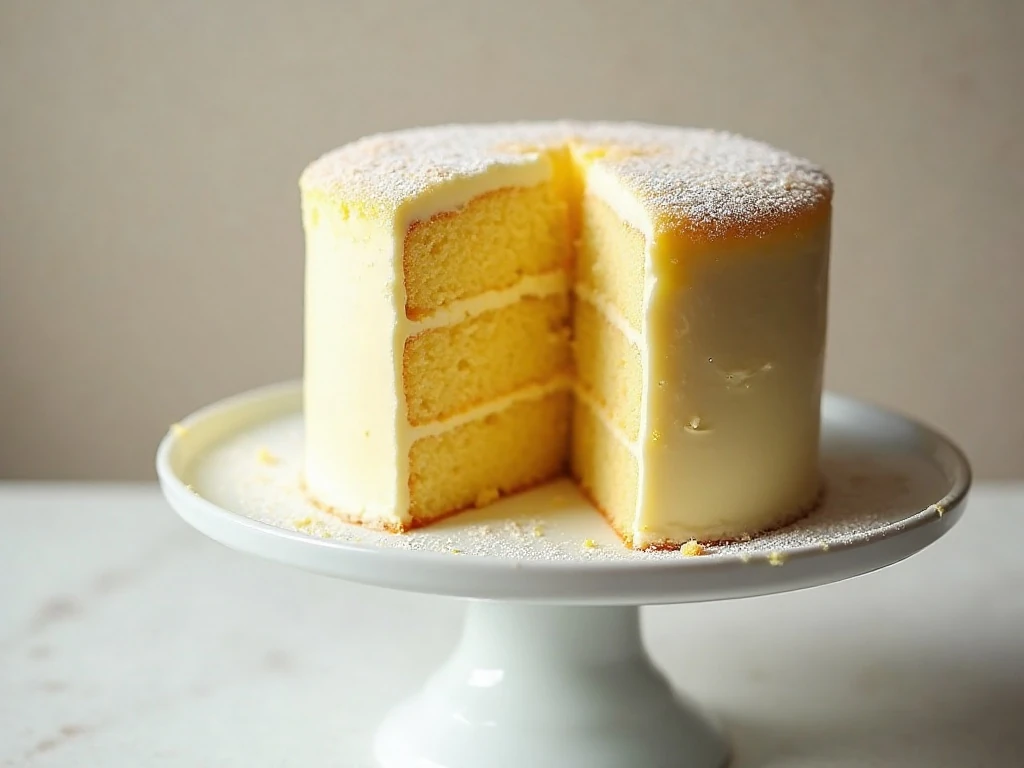
This lemon chiffon cake is the dessert to make when you want something impressive but not dense. The cake rises high in the tube pan, has a springy, delicate crumb, and carries a fresh lemon fragrance from real zest rather than bottled flavoring.
Unlike a butter cake, this recipe uses neutral oil, so the finished texture stays moist even after cooling. Whipped egg whites provide the lift, while the yolk-based batter supplies richness and enough structure for clean slices.
The flavor is bright without being sharp. Serve it plain with a veil of confectioners’ sugar, or add the optional glaze for a sweeter citrus finish.
If you enjoy desserts with layers of texture and plenty of personality, you may also like this crumb cake favorite for another excellent baking project.
Ingredients You’ll Need
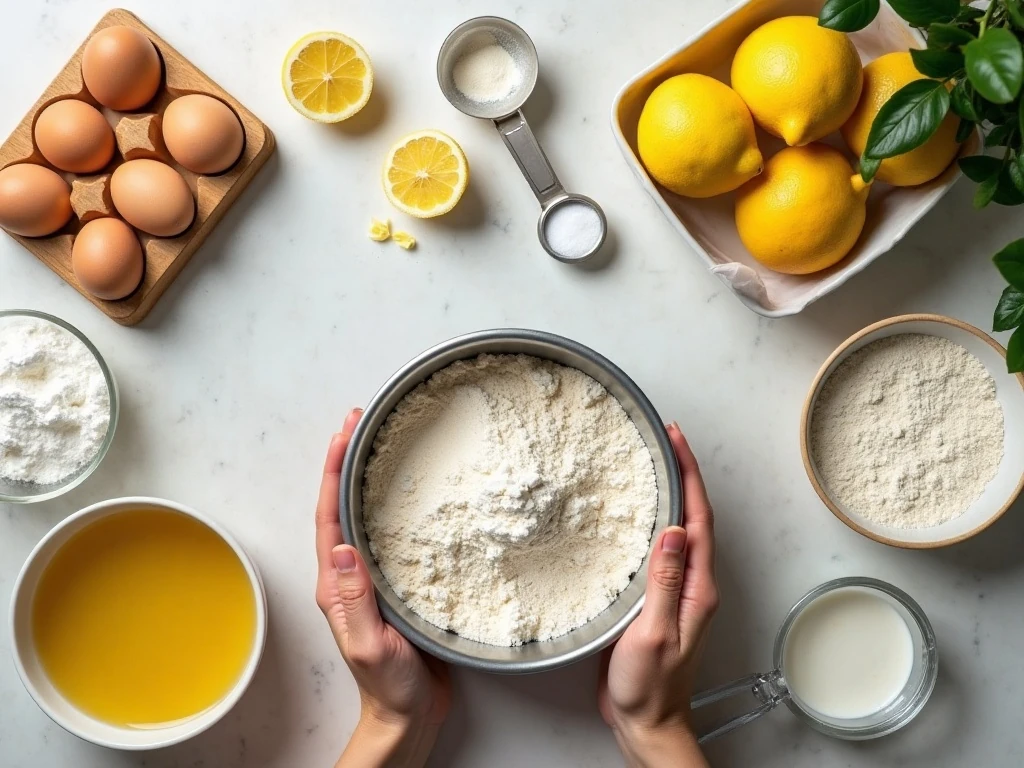
Gather the ingredients before beginning, especially because the egg whites need to be folded in soon after whipping. Weighing the flour and sugar gives the most reliable result, but cup measurements are included for convenience.
- 2 cups (227 g) cake flour
- 1 1/2 cups (300 g) granulated sugar, divided
- 1 tablespoon baking powder and 1 teaspoon fine salt
- 7 large eggs, separated and at room temperature
- 3/4 cup (180 ml) cold water
- 1/2 cup (120 ml) neutral vegetable oil
- 2 tablespoons fresh lemon juice
- 1 tablespoon finely grated lemon zest
- 1/2 teaspoon cream of tartar
For the optional glaze, combine 1 1/2 cups (170 to 180 g) confectioners’ sugar with 2 to 3 tablespoons fresh lemon juice and 1 tablespoon melted butter or water, as needed. The glaze should be thick enough to cling to the cake while still flowing slowly over the sides.
Choose lemons with firm, brightly colored skin and wash them before zesting. Grate only the yellow outer layer; the white pith underneath can make the cake taste bitter.
For another comforting baked dessert to add to your list, take a look at this cozy oatmeal cake.
How to Make It Step-by-Step
Step 1: Heat the oven to 325°F (165°C) and place a rack in the lower-middle position. Prepare an ungreased 10-inch tube pan with a removable bottom, making sure it is clean and completely dry.
Step 2: Sift the cake flour, baking powder, salt, and about 3/4 cup of the sugar into a large mixing bowl. Sifting distributes the leavening evenly and helps prevent flour pockets in the finished cake.
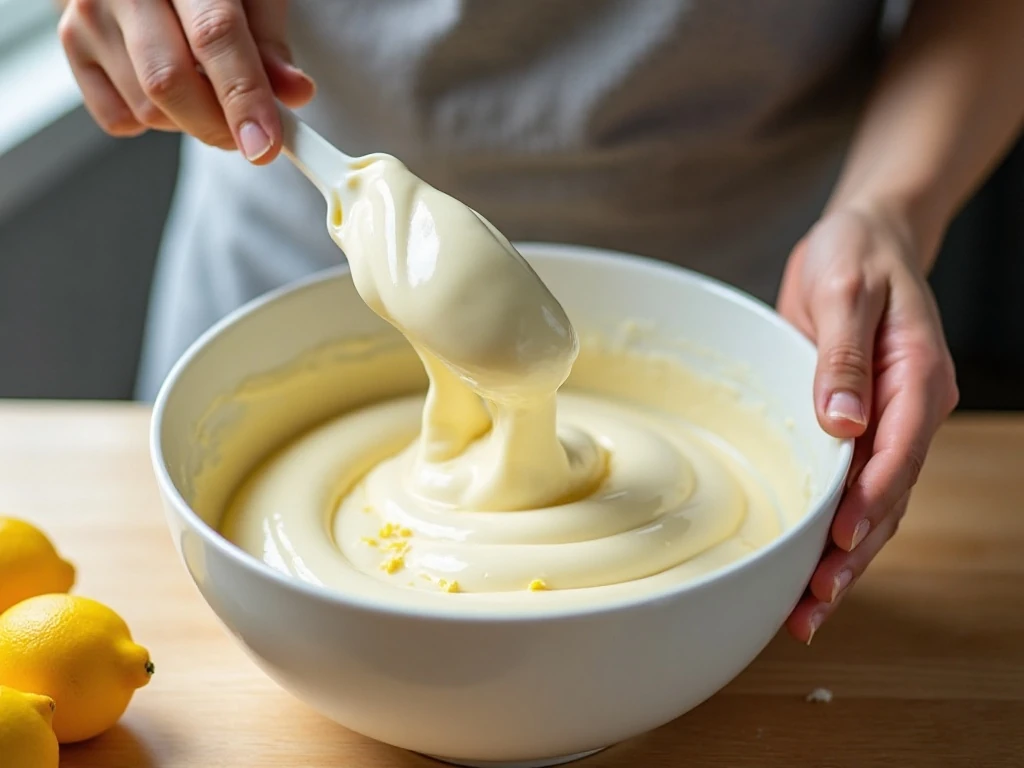
Step 3: Make a well in the center of the dry ingredients and add the egg yolks, cold water, oil, lemon juice, and lemon zest. Beat until smooth, stopping as soon as the ingredients are combined so the batter does not become overworked.
Step 4: Put the egg whites in a separate bowl that is completely free of grease and yolk. Add the cream of tartar, beat until foamy, then gradually add the remaining sugar and continue beating until the whites are glossy and hold medium-stiff peaks.
Step 5: Add one-third of the whipped whites to the lemon batter and fold gently to lighten it. Fold in the remaining whites in two more additions, lifting from the bottom of the bowl and turning the batter over rather than stirring.
Step 6: Pour the batter into the ungreased tube pan and smooth the surface lightly. Bake for 50 to 60 minutes, checking for a top that springs back lightly and a skewer that comes out clean or with a few moist crumbs.
Step 7: As soon as the cake leaves the oven, invert the pan onto its feet or over a sturdy bottle. Let it cool completely upside down for 1 to 2 hours, since cooling upright can cause the delicate cake to collapse.
Step 8: Run a thin knife around the outer edge and the center tube to release the cake, then remove it from the pan. Dust with confectioners’ sugar or drizzle with the prepared lemon glaze before slicing with a serrated knife.
For a different style of moist, layered dessert, you can also try this Biscoff poke cake when planning a larger dessert table.
Pro Tips for a Light Chiffon
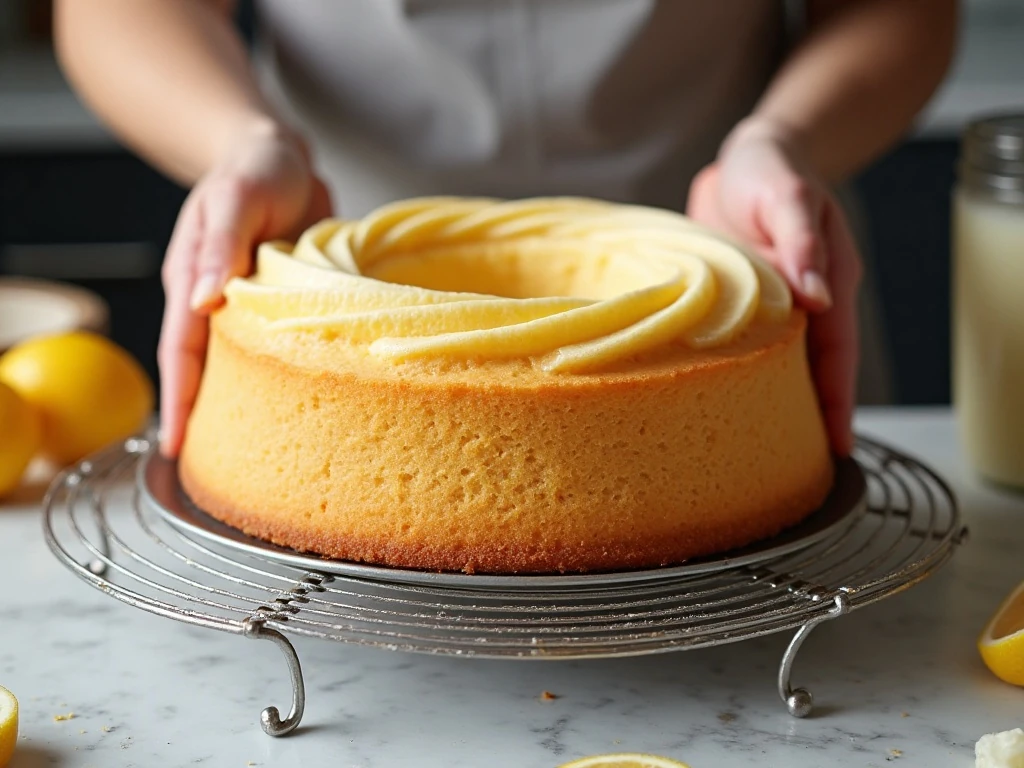
The whipped whites are the heart of this cake, so handle them with care. Room-temperature whites whip to greater volume, but even a small amount of yolk can prevent them from becoming properly airy.
- Separate the eggs while cold, then let the whites and yolks come to room temperature.
- Use a spotless, dry metal or glass bowl for the whites, and avoid a greased bowl.
- Stop beating at medium-stiff, glossy peaks; dry, grainy whites are harder to fold into the batter.
- Fold in three additions with a broad spatula and use gentle lifting motions.
- Never grease the sides of the tube pan because the batter needs traction as it rises.
- Invert the pan immediately after baking and leave it undisturbed until fully cool.
Fresh zest makes a noticeable difference in this recipe. A fine grater releases fragrant citrus oils while avoiding the bitter white pith, and fresh juice gives the glaze a much cleaner taste than bottled lemon flavoring.
When measuring cake flour by volume, spoon it lightly into the cup and level it rather than packing it down. Too much flour can make the crumb less tender and reduce the cake’s delicate, airy character.
If you are planning a savory meal before dessert, the bright flavors in this lemon parsley potato side dish pair naturally with a citrus-themed menu.
Serving, Storage & Make-Ahead Ideas

Let the cake cool fully before glazing so the icing does not melt into the crumb. Pour the glaze slowly over the crown and allow it to drip naturally down the sides, then add a little extra lemon zest for a pretty finish.
For the cleanest slices, use a serrated knife and a gentle sawing motion. The cake is lovely with tea or coffee, but it also works beautifully with softly whipped cream, fresh berries, or a spoonful of lemon curd.
Keep the unglazed cake covered at room temperature for up to 2 days. If glazed, cover it carefully once the icing has set; refrigeration can extend storage, although the cake is best served after it returns toward room temperature.
This cake is also a useful make-ahead dessert because the full cooling period gives the crumb time to settle. Bake it earlier in the day, cool it upside down, and decorate shortly before serving.
For a richer chocolate-and-coconut option at another gathering, save this chocolate coconut almond poke cake for your next dessert menu.
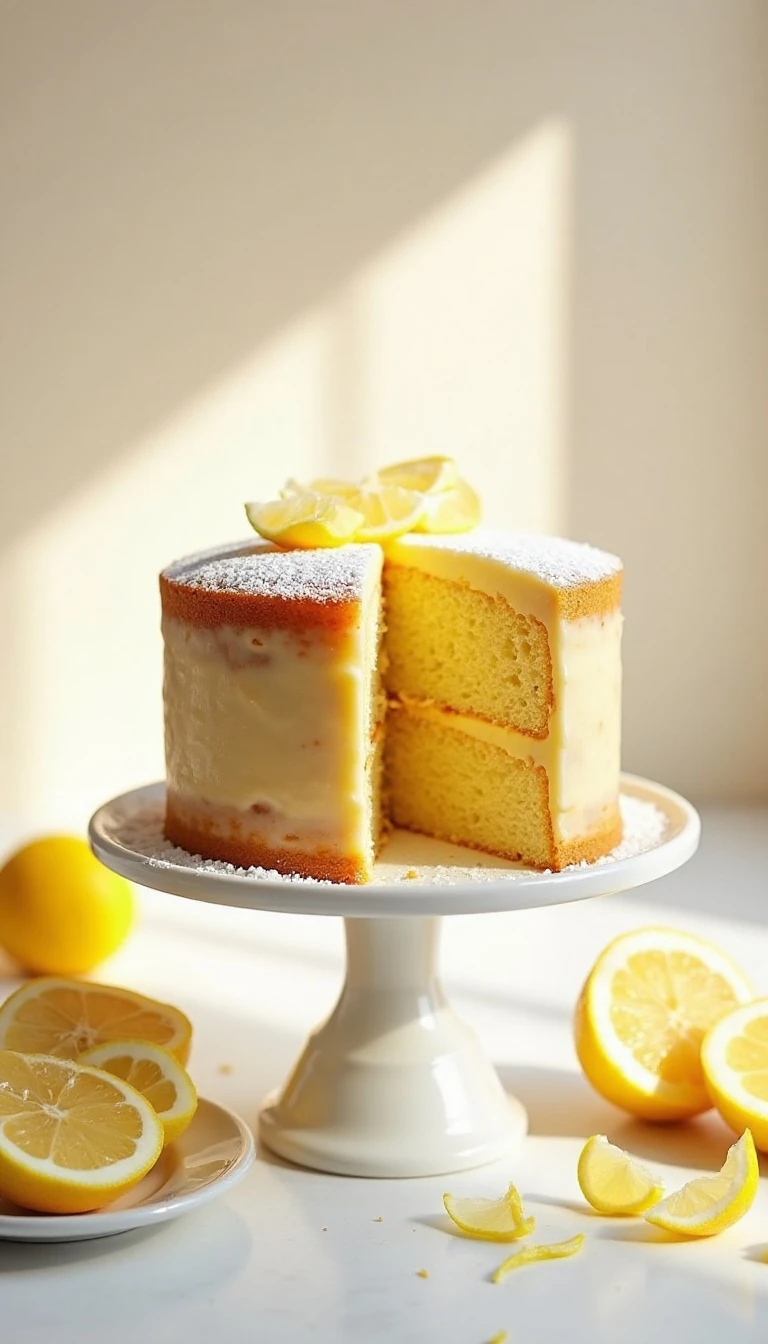
Light and Fluffy Lemon Chiffon Cake
Ingredients
Method
- Heat the oven to 325°F (165°C). Set out an ungreased 10-inch angel-food or chiffon tube pan with a removable bottom.
- Sift the cake flour, baking powder, salt, and about 3/4 cup of the granulated sugar into a large bowl.
- Make a well in the dry ingredients. Add the egg yolks, cold water, vegetable oil, lemon juice, and lemon zest, then beat just until the batter is smooth.
- In a completely clean bowl, beat the egg whites with the cream of tartar until foamy. Gradually add the remaining 3/4 cup sugar and beat until medium-stiff, glossy peaks form.
- Fold the beaten egg whites into the lemon batter in three additions, using a gentle lifting motion to preserve the air.
- Pour the batter into the ungreased tube pan and smooth the top. Bake for 50 to 60 minutes, until the top springs back lightly and a skewer inserted in the center comes out clean or with a few moist crumbs.
- Immediately invert the pan onto its feet or over a bottle and cool completely upside down for 1 to 2 hours. Run a thin knife around the edges to release the cake.
- Dust the cooled cake with confectioners’ sugar, or whisk together the optional glaze ingredients and drizzle it over the top before serving.
Notes
Final Thoughts
This light and fluffy lemon chiffon cake earns its name with every slice: tall, tender, moist, and full of fresh citrus flavor. The method is simple once you remember the three essentials—whip the whites properly, fold gently, and cool the cake upside down.
Choose the finish that suits the occasion. Confectioners’ sugar keeps the cake refined and lightly sweet, while the lemon glaze adds extra sparkle and a pleasant tang.
With its 12-to-16-serving yield, this is an excellent choice for birthdays, brunches, afternoon tea, and spring celebrations. Make it once, and the careful folding and upside-down cooling will become a small price to pay for such a beautifully airy homemade dessert.