This Famous Firemen’s Grilled Chicken Recipe features bone-in chicken marinated in vegetable oil, apple-cider vinegar, egg, salt, poultry seasoning, and black pepper, then cooked over a medium 350–400°F grill for approximately 40–60 minutes. The best method uses a two-zone fire, frequent turning, and a meat thermometer so the chicken cooks evenly without burning.
The result is juicy chicken with tangy, savory flavor and beautifully browned skin. The vinegar keeps the marinade bright, the egg helps it cling to the chicken, and the poultry seasoning gives every bite the comforting taste of a classic firehouse barbecue.
Jump to RecipeWhy You’ll Love This Recipe
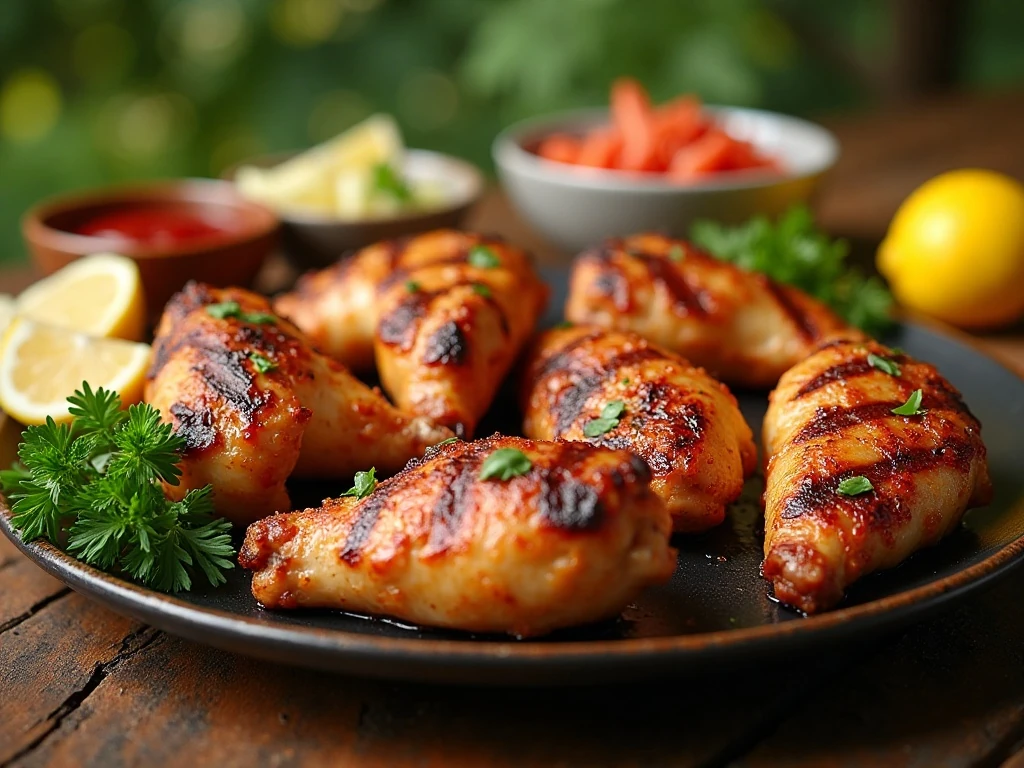
There is a reason this chicken has remained popular at firehouse fundraisers, community picnics, and backyard cookouts. The ingredient list is short, the preparation is straightforward, and the marinade creates a wonderful balance of tangy vinegar, mellow oil, savory seasoning, and pepper.
Bone-in pieces are especially well suited to the grill because they stay juicy during the longer cooking time needed for the skin and exterior to brown. The marinade also gives the chicken a glossy, flavorful coating without requiring a thick barbecue sauce.
This recipe makes about 4–5 pounds of chicken, enough for 6–8 servings. Serve it with corn on the cob, potato salad, coleslaw, grilled vegetables, or crisp bread for a generous warm-weather meal.
If you enjoy fruit-forward grilled chicken too, our grilled pineapple chicken is another excellent choice for the barbecue menu.
Ingredients You’ll Need
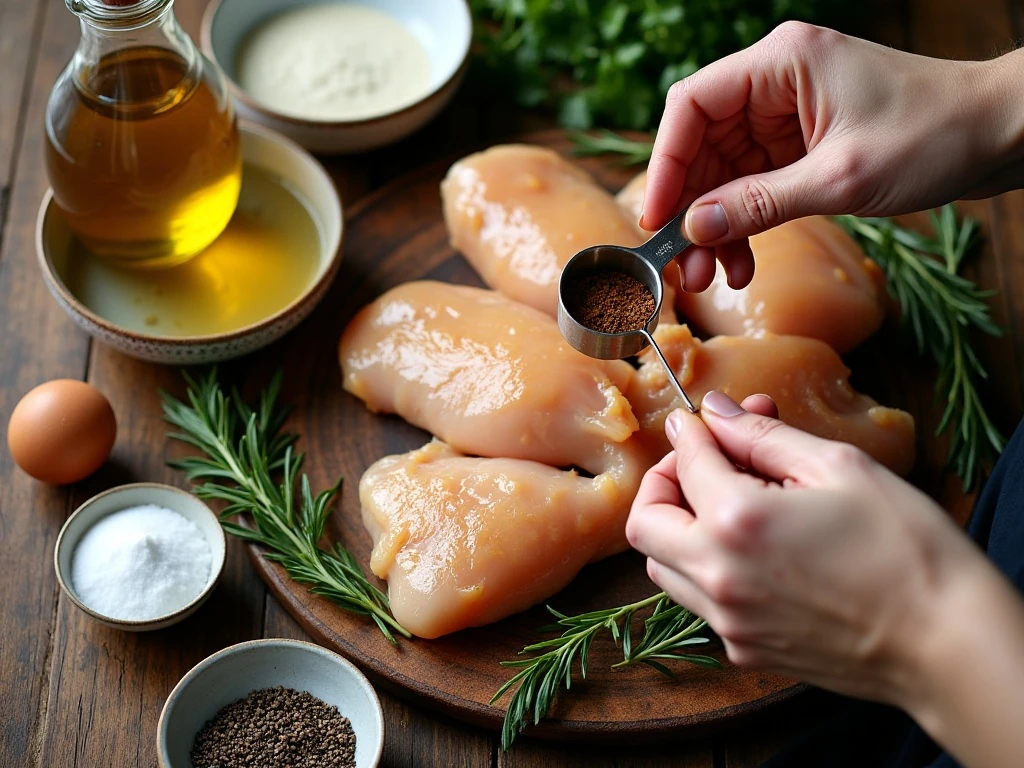
The foundation of this recipe is 4–5 pounds of bone-in chicken pieces. Split breasts, thighs, legs, and leg quarters all work well, and using a mixture gives guests a choice between lighter and darker meat.
- 4–5 pounds chicken pieces: Choose skin-on, bone-in pieces for the juiciest result and the best grilled texture.
- 1 cup vegetable oil: The oil carries flavor and helps protect the chicken as it cooks.
- 1/2 cup apple-cider vinegar: This adds the signature sharp, fruity acidity associated with firehouse chicken.
- 1 large egg: The egg helps the oil and vinegar form a clingy emulsion that coats the chicken.
- 1 tablespoon salt: Salt seasons the meat while it marinates.
- 1 teaspoon poultry seasoning: This supplies the familiar herb-and-spice character.
- 1/2 teaspoon ground black pepper: Pepper adds gentle heat and a savory finish.
Use a glass, stainless-steel, or food-safe plastic container for marinating. Because the mixture contains vinegar, a nonreactive container is the safest choice for preserving the intended flavor.
For another family-friendly grilled option, take a look at these herb and honey chicken tenders, which cook more quickly and are easy to serve to children.
How to Make It Step-by-Step
Step 1: Make the marinade by adding the vegetable oil, apple-cider vinegar, egg, salt, poultry seasoning, and black pepper to a bowl. Whisk steadily until the mixture looks cohesive and emulsified, with the egg fully incorporated and no loose streaks of yolk or white.
Step 2: Arrange the chicken in a large resealable bag or nonreactive container. Pour the marinade over the pieces and turn them several times so the mixture reaches the skin, sides, and exposed meat around the bones.
Step 3: Cover the container or seal the bag, then refrigerate the chicken for at least 4 hours. An overnight marinade, or a marinating time of up to 24 hours, is common; turn the pieces occasionally so the seasoning is distributed evenly.
Step 4: Before grilling, prepare a charcoal or gas grill for medium heat between 350 and 400°F. A two-zone setup is very helpful, with a hotter direct-heat area for browning and a cooler indirect-heat area for pieces that need more time or begin to flare.
Step 5: Remove the chicken from the marinade and allow excess liquid to drip away briefly. Discard the used marinade because it has touched raw chicken, unless it is boiled thoroughly before any possible reuse.
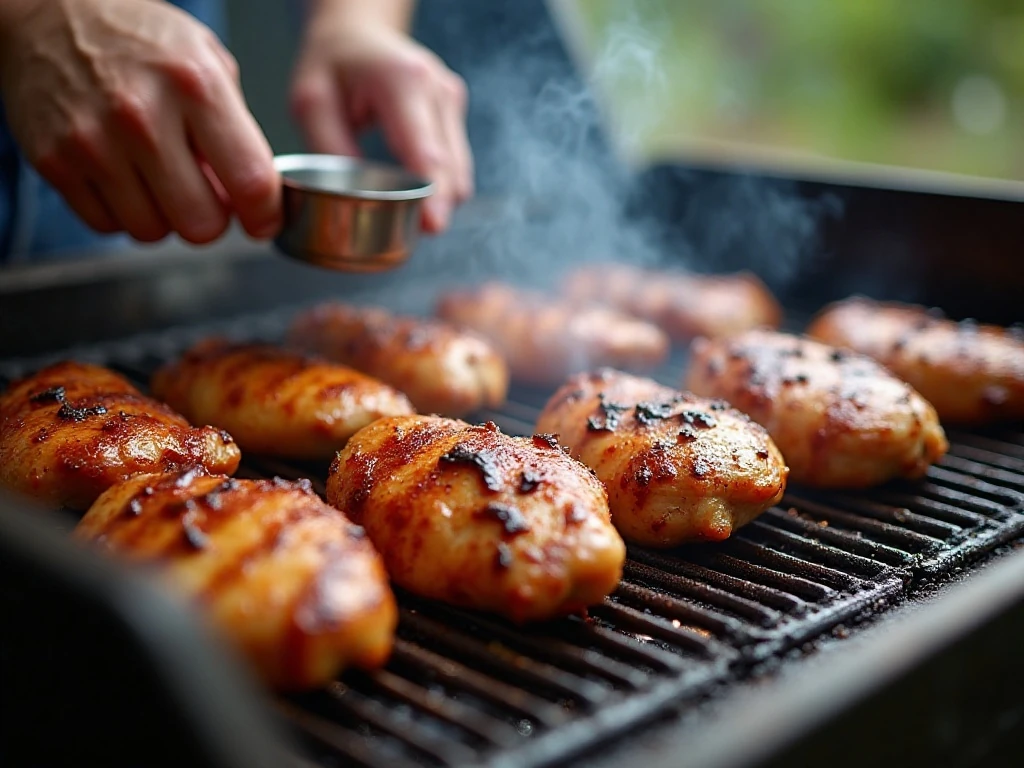
Step 6: Place the chicken skin-side down initially over medium heat. Grill for approximately 40–60 minutes, turning every 5–10 minutes so the skin browns gradually instead of scorching in one position.
Step 7: Watch the grill closely whenever fat or oil causes flames. Move the chicken to the cooler zone as needed, close the lid briefly to settle flare-ups, and continue cooking until the thickest portion reaches at least 165°F.
Step 8: Check dark-meat pieces carefully because thighs and leg quarters are often more tender around 175–185°F. Transfer finished chicken to a clean platter and let it rest for about 5 minutes before serving.
For a sweet-and-savory variation on your next cookout, you can also browse this Hawaiian grilled chicken sandwich recipe.
Grilling Tips for Juicy Chicken
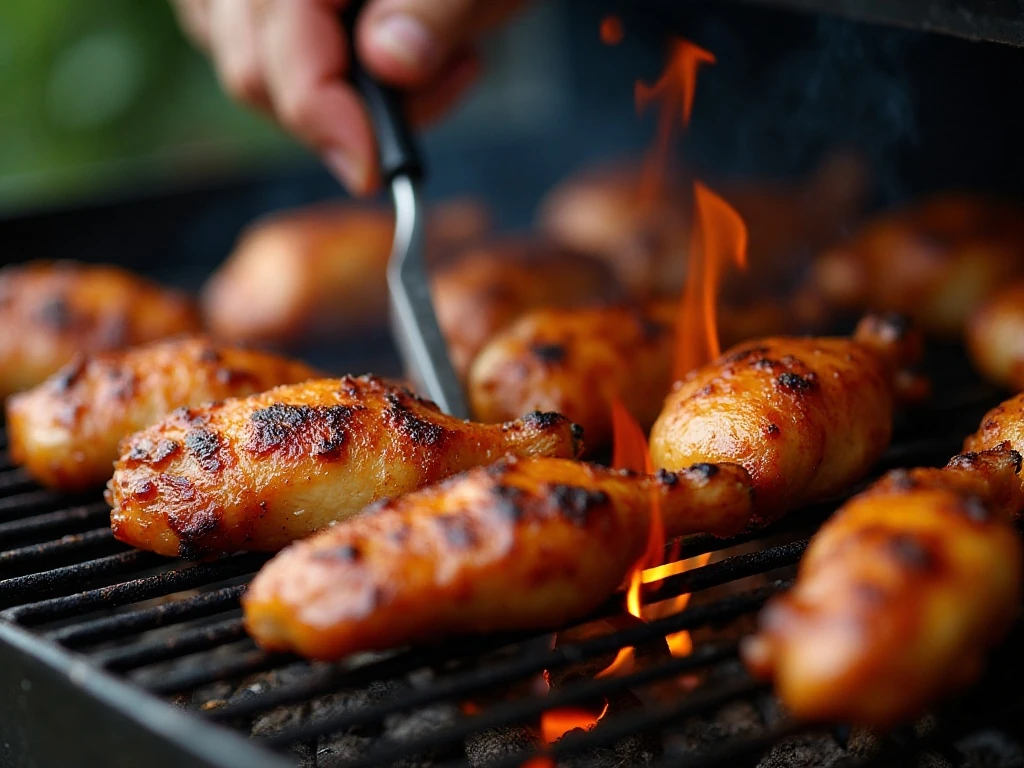
The most important technique is controlling the heat. Oil-based marinades can drip onto hot coals or burners, so cooking over direct high heat from start to finish may produce blackened skin before the interior is ready.
Keep one section of the grill cooler than the other. If a piece begins to brown too quickly, move it to indirect heat while the remaining chicken continues over the warmer section.
Frequent turning is another key to success. Turn the chicken every 5–10 minutes rather than leaving it skin-side down for a long stretch, which helps prevent burning while allowing the vinegar marinade to brown the skin slowly.
A thermometer is more reliable than color alone. Insert it into the thickest part of the meat without touching the bone, and confirm that it reaches at least 165°F; dark meat can be taken to 175–185°F for a softer, more tender texture.
If you want to baste during cooking, reserve a clean portion of marinade before the chicken is added. Never brush raw-chicken marinade directly onto cooked or nearly cooked chicken unless you first boil it thoroughly.
Serving Ideas and Menu Pairings
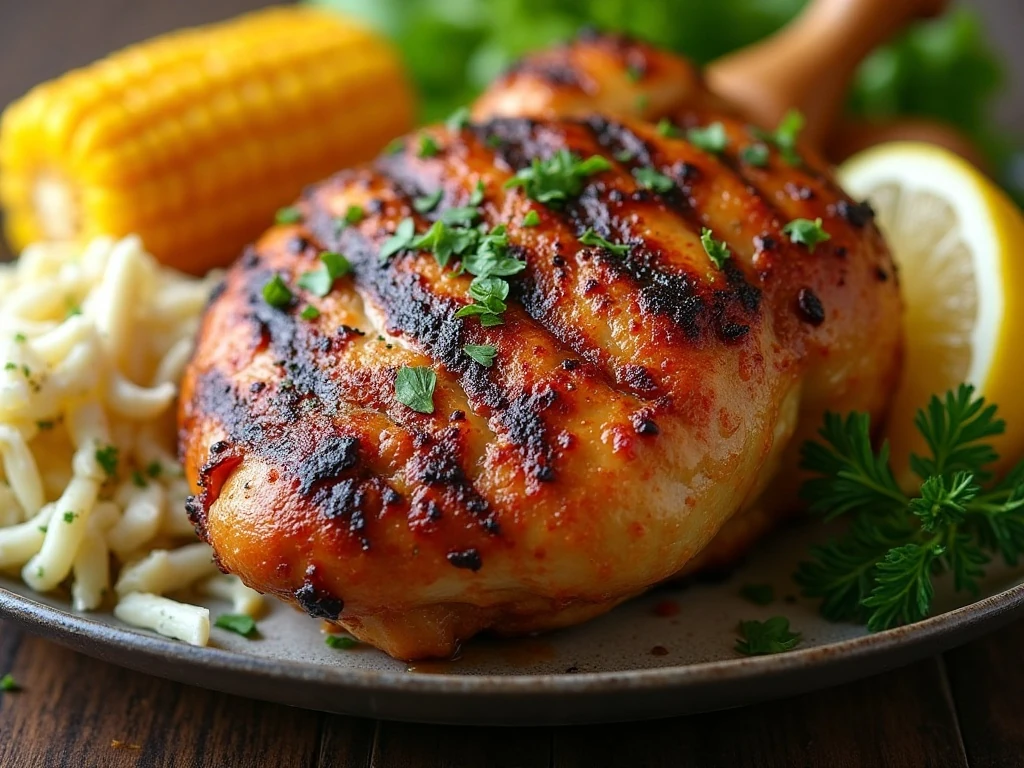
Serve the chicken hot from the grill after its five-minute rest. The platter looks especially inviting with lemon wedges, chopped parsley, grilled scallions, or a simple bowl of crisp cucumber salad alongside it.
Classic picnic sides are a natural match. Creamy potato salad, vinegar slaw, baked beans, grilled corn, macaroni salad, and toasted rolls all complement the bright marinade without competing with it.
For a lighter plate, pair one chicken piece with grilled zucchini, tomatoes, or a green salad. The savory chicken also works well with rice, roasted potatoes, or a chilled grain salad.
When planning a broader chicken dinner, our pineapple ginger chicken offers a different sweet, fragrant direction for another meal.
Storage and Reheating
Cool leftover chicken promptly and store it in a covered container in the refrigerator. For the best texture, keep pieces whole rather than removing all the meat before storage.
Reheat gently in a covered skillet with a small splash of water, or warm it in a low oven until heated through. Avoid prolonged high heat, which can dry the breast meat and toughen the skin.
Leftover meat is delicious pulled from the bones and added to salads, wraps, sandwiches, rice bowls, or soup. For a comforting use of leftover chicken, compare it with our Southern-style chicken and dumplings recipe.
Remember to use clean utensils and a clean platter for cooked chicken. Any plate or tongs that held raw chicken should be washed thoroughly before touching the finished food.
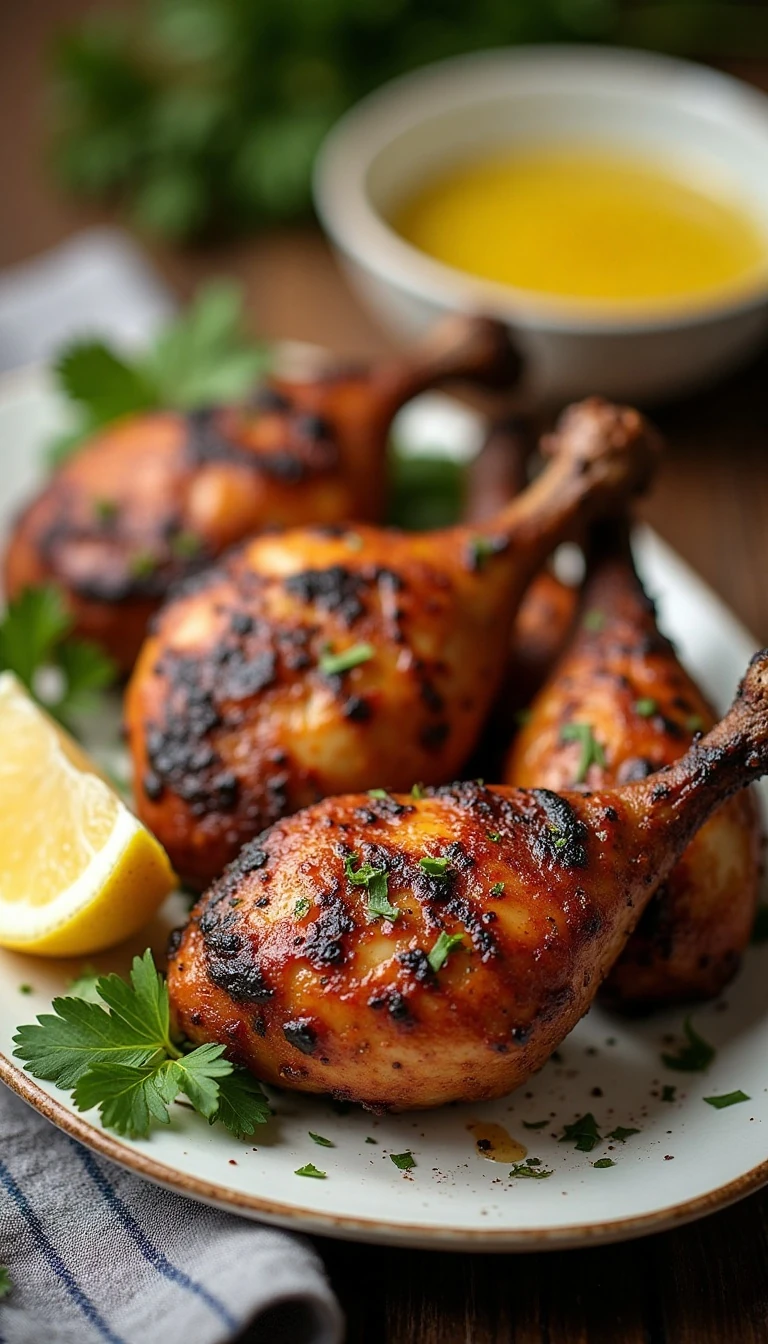
Famous Firemen's Grilled Chicken
Ingredients
Method
- Whisk the vegetable oil, apple-cider vinegar, egg, salt, poultry seasoning, and black pepper until the mixture is well emulsified.
- Place the chicken in a nonreactive container or large resealable bag. Pour the marinade over the chicken, turn the pieces to coat, cover, and refrigerate for 4–24 hours, turning occasionally.
- Prepare a charcoal or gas grill for medium heat, approximately 350–400°F. Set up a two-zone fire with a hotter area and a cooler area for managing flare-ups.
- Remove the chicken from the marinade and discard the used marinade. Grill the chicken skin-side down initially, turning every 5–10 minutes and moving pieces to the cooler zone when needed.
- Continue grilling for approximately 40–60 minutes, depending on the size of the pieces. Cook until the thickest part reaches at least 165°F; thighs and leg quarters are often more tender at 175–185°F.
- Transfer the cooked chicken to a clean platter and rest for about 5 minutes before serving.
Notes
Final Thoughts
Famous Firemen’s Grilled Chicken is the kind of recipe that earns a permanent place in a summer cooking rotation. Its simple oil-and-cider-vinegar marinade seasons every piece deeply, while careful medium-heat grilling produces juicy meat and richly browned skin.
Give the chicken at least 4 hours in the refrigerator, prepare a two-zone grill, turn the pieces every 5–10 minutes, and rely on internal temperature rather than appearance alone. After a short five-minute rest, you will have a platter of tender, tangy, savory chicken ready for a crowd.
Keep the method in mind for family reunions, neighborhood cookouts, and casual weeknight grilling. The recipe is practical, generously sized, and full of the unmistakable character that makes firehouse-style chicken so memorable.