The best lemon shortbread cookies are made with softened unsalted butter, confectioners’ sugar, fresh lemon zest, a little lemon juice, flour, and salt. This easy recipe produces about 24–30 buttery cookies with pale centers, lightly golden edges, a delicate crunch, and a tender texture that melts in your mouth.
Fresh lemon zest supplies the brightest citrus flavor, while a short chill keeps the dough firm and the cookies beautifully shaped. Add the optional lemon glaze after cooling for an extra sweet-tart finish that makes these cookies perfect for holidays, afternoon tea, cookie exchanges, or a simple homemade dessert.
Jump to RecipeWhy You’ll Love This Recipe

These lemon shortbread cookies offer the best of several dessert textures in one small bite. The edges have a gentle crispness, the centers are tender and sandy, and the butter gives every cookie a rich finish without making the dough complicated.
Unlike many soft lemon cookies that depend on a large amount of juice, this recipe gets most of its fragrance from fresh zest. Lemon zest contains the aromatic oils that give the cookies a vivid citrus character, while a modest amount of juice adds brightness without making the dough wet.
The dough is also wonderfully flexible. Roll it and cut it into rounds, flowers, stars, or scalloped shapes, or form it into a log and slice it when you want a quick, tidy batch with minimal scraps.
If you enjoy comparing citrus-forward cookie recipes, you may also like these blueberry lemon cookies, which bring fruitiness and a softer cookie texture to the same sunny flavor family.
Ingredients You’ll Need
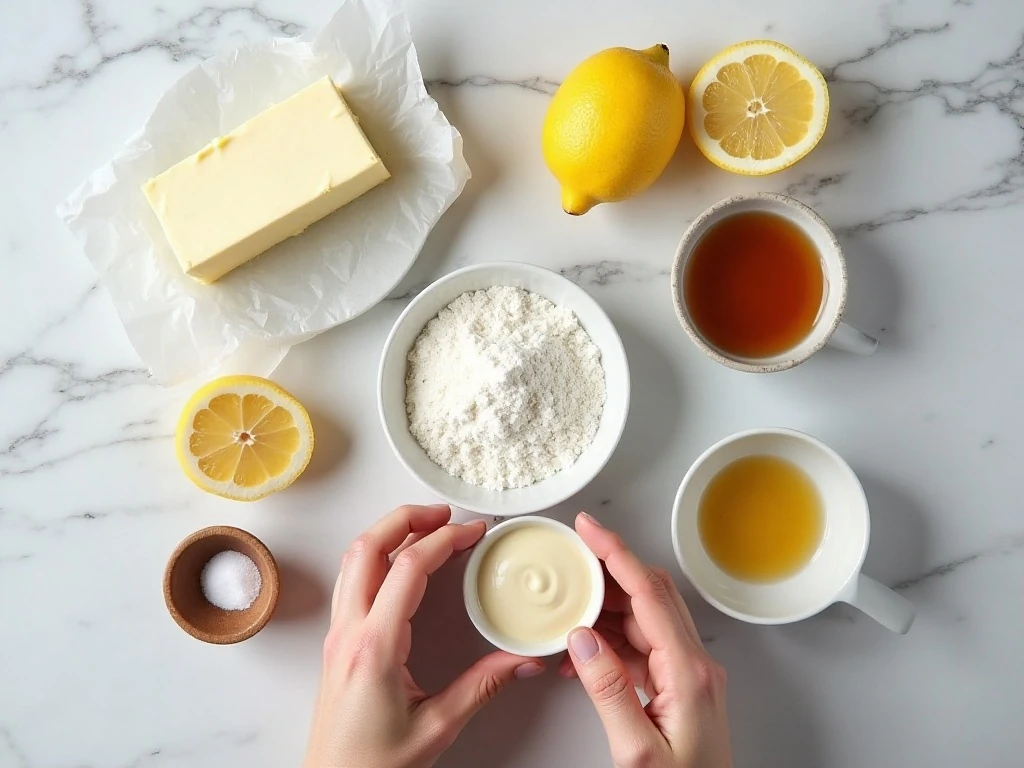
The ingredient list is short, so the quality and temperature of each item matter. Use real unsalted butter and allow it to soften at room temperature until it is pliable but still cool, rather than melting it in the microwave.
- Butter: One cup of unsalted butter creates the rich foundation and delicate texture associated with classic shortbread.
- Confectioners’ sugar: This dissolves smoothly into the butter and keeps the finished cookies fine-textured and tender.
- Lemon zest: Finely grate the yellow outer peel from two lemons, yielding about two tablespoons. Avoid the white pith, which can taste bitter.
- Lemon juice: Use one to two tablespoons of freshly squeezed juice for a clean, tart note.
- Flour and salt: All-purpose flour gives the cookies structure, while fine salt balances the butter and sugar.
- Vanilla: One teaspoon is optional, but it rounds out the lemon and adds a soft bakery aroma.
For the optional glaze, combine one cup of confectioners’ sugar with one to two tablespoons of lemon juice and one teaspoon of finely grated zest if desired. Add the juice gradually so the glaze stays thick enough to cling to the cookies instead of running off the edges.
For another style of citrus cookie, keep our lemon meringue cookie recipe in mind when planning a varied dessert tray.
How to Make It Step-by-Step

Step 1: Prepare the lemons before beginning the dough. Wash and dry them, grate only the yellow peel, and then squeeze the juice; zesting first is much easier while the fruit is firm and whole.
Step 2: Place the softened butter and confectioners’ sugar in a mixing bowl. Beat for only 1-2 minutes, just until smooth and pale, because excessive whipping incorporates too much air and can encourage the cookies to spread.
Step 3: Add the lemon zest, one to two tablespoons of fresh lemon juice, and the vanilla if using. Mix until the citrus is evenly distributed and the butter mixture smells intensely lemony.
Step 4: Add the all-purpose flour and fine salt. Mix on low speed or stir by hand just until no obvious dry patches remain and a soft dough forms; stop promptly to protect the short, tender texture.
Step 5: Gather the dough and shape it into a disk for cutout cookies or a compact log for slice-and-bake rounds. Wrap it tightly and refrigerate for at least 30 minutes, allowing the butter to firm and the flour to hydrate.
Step 6: Heat the oven to 350°F (175°C) and line baking sheets with parchment. If making cutouts, roll the chilled dough to approximately 1/4 inch (6 mm) thick on a lightly floured surface, then cut shapes as close together as possible.
Step 7: If making rounds, use a sharp knife to slice the chilled log into even pieces. Try to keep the slices the same thickness so every cookie finishes baking at the same time.
Step 8: Arrange the cookies on the prepared sheets with a small amount of space between them. When the dough has softened during rolling or cutting, refrigerate the shaped cookies for another 10-15 minutes for sharper edges and less spreading.
Step 9: Bake for 10-14 minutes per tray. The cookies should look set, remain relatively pale, and show only lightly golden edges; deep browning usually means the delicate shortbread flavor has gone too far.
Step 10: Let the cookies cool on the baking sheet for 5 minutes before transferring them to a wire rack. They are fragile when hot, but they will firm as they cool while retaining their tender center.
Step 11: Make the glaze only after the cookies are completely cool. Whisk the confectioners’ sugar with lemon juice and optional zest, then drizzle or spread it over the tops and allow it to set before stacking.
Pro Tips for Buttery, Tender Cookies
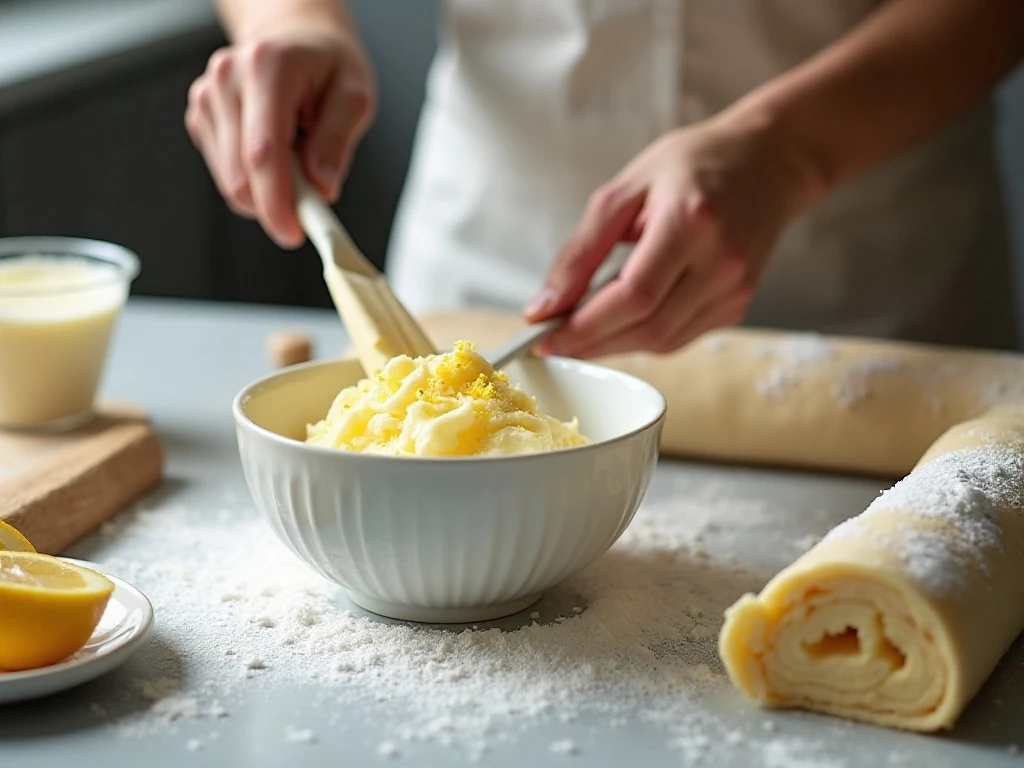
Butter temperature is the first major texture clue. Properly softened butter should yield when pressed with a fingertip but should not look shiny, greasy, or partially melted; melted butter changes the dough structure and makes shaping more difficult.
Measure flour carefully by weight when possible, using 240-250 grams for the two cups. If measuring by volume, fluff the flour, spoon it into the cup, and level it rather than scooping directly from a packed container.
Mixing is another place where restraint pays off. Once the flour disappears, stop; continued mixing develops gluten and can replace the desired melt-in-your-mouth quality with a firmer, chewier bite.
- Use fresh zest for the strongest lemon aroma instead of relying only on juice.
- Keep the dough chilled whenever it becomes soft or sticky.
- Roll cutout dough evenly so thin edges do not brown before thicker centers are set.
- Bake one test cookie if you are unsure about your oven’s heat or the dough thickness.
- Let the baking sheet cool between batches so the next tray does not begin melting before it reaches the oven.
For a chocolate variation that uses the same classic buttery cookie idea, see these dark chocolate shortbread cookies. The contrast between rich cocoa and crisp shortbread makes a beautiful companion to this lemon version.
Glazing, Decorating, and Serving Ideas

A thin lemon glaze adds shine, sweetness, and a concentrated citrus finish. For a more delicate look, drizzle it in narrow lines; for a stronger sweet-tart coating, spread a small amount over each cookie with the back of a spoon.
The glaze should be thick but pourable. If it seems too loose, add a little more confectioners’ sugar; if it is too thick to drizzle, add lemon juice a few drops at a time rather than adding a large splash.
Leave the cookies plain if you prefer the clean taste of butter and zest. You can also finish the wet glaze with a tiny pinch of fresh zest, edible yellow sugar, or very fine lemon curls, keeping the decoration light so the cookies remain the focus.
Serve them with black tea, herbal tea, coffee, or a small scoop of vanilla ice cream. They also make a thoughtful homemade gift when layered between sheets of parchment in a lidded tin.
For a softer, tangier option on the same dessert table, try these cream cheese cookies alongside the crisp lemon shortbread.
Storage and Make-Ahead Advice
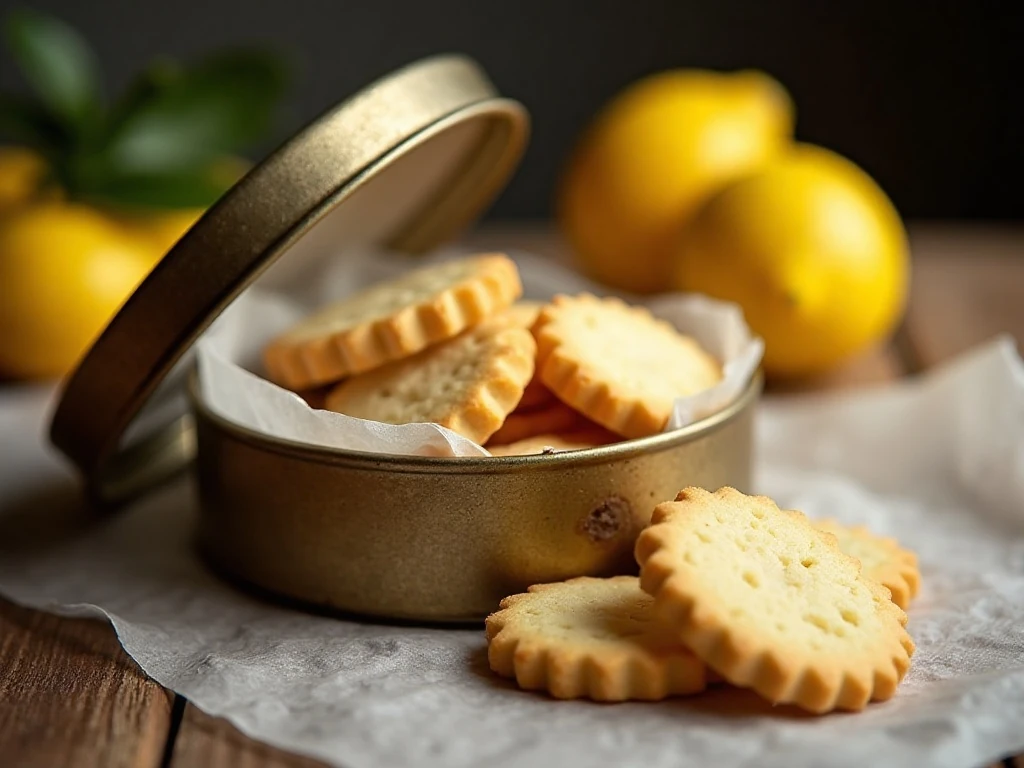
Allow glazed cookies to dry completely before storing them. Place the cookies in an airtight container at room temperature, separating layers with parchment if the glaze remains slightly tacky.
Plain cookies generally keep their best texture for several days when protected from humidity. The container should be kept away from heat and direct sunlight, since warmth can soften the butter and make the glaze melt.
The unbaked dough can be prepared ahead and refrigerated after being shaped into a disk or log. When using a chilled log, let it sit briefly if it is too firm to slice cleanly, but do not allow it to become warm and floppy.
Cutout dough can also be rolled and shaped in advance, then chilled on the baking sheet for 10-15 minutes before baking. This makes it easier to coordinate a fresh batch for guests while preserving crisp outlines.
Common Questions About Lemon Shortbread
Why are my cookies spreading? The butter may have been too warm, the dough may not have chilled long enough, or the shaped cookies may have softened before baking. Chill the cut cookies for 10-15 minutes and check that your flour measurement is accurate.
Why are the cookies hard? Overmixing after adding the flour, adding too much flour, or baking until deeply brown can all produce a firmer cookie. Mix only until the dough comes together and remove the tray when the centers are set and the edges are just lightly golden.
Can I use bottled lemon juice? Fresh juice is recommended because it tastes cleaner and brighter. Even more important, use freshly grated zest, since the zest supplies most of the lemon’s fragrant oils.
Should shortbread be brown? No. Lemon shortbread should remain relatively pale, with only a slight golden color around the edges; judging doneness by deep browning can result in dry, overbaked cookies.

The Best Lemon Shortbread Cookies
Ingredients
Method
- Cream the softened butter and confectioners’ sugar until smooth and pale, about 1-2 minutes. Mix in the lemon zest, lemon juice, and vanilla if using.
- Add the flour and salt, then mix just until a soft dough forms. Do not overmix, since too much mixing can make shortbread tough.
- Shape the dough into a disk or log, wrap it well, and refrigerate for at least 30 minutes. Roll the chilled dough to about 1/4 inch thick for cutouts, or slice a chilled log into rounds.
- Arrange the cookies on parchment-lined baking sheets with a small amount of space between them. If the dough feels soft after cutting, chill the shaped cookies for another 10-15 minutes.
- Bake at 350°F (175°C) for 10-14 minutes, until the cookies look set and the edges are only lightly golden. Cool on the baking sheet for 5 minutes, then transfer to a rack.
- For the glaze, whisk confectioners’ sugar with lemon juice and optional zest until smooth. Spread or drizzle it over completely cooled cookies and let it set before serving.
Notes
Final Thoughts
This lemon shortbread recipe is a reliable way to make an elegant cookie from a handful of everyday ingredients. Soft butter, confectioners’ sugar, fresh zest, and a patient chill create the signature buttery texture, while the optional glaze adds a lively finish.
Take your time with the lemon zest, avoid overmixing, and watch the oven closely during the final minutes. When the cookies look set but still pale, let them cool before deciding whether they need decoration; their delicate flavor and tender crumb are delicious either way.
Make a batch for a celebration, package them as a gift, or keep a tin ready for afternoon coffee. Once you taste the bright lemon aroma against the rich shortbread, these simple cookies are likely to become a regular favorite.