This easy homemade basil pesto recipe makes about 1 cup of fresh, fragrant sauce in just 10 minutes with no cooking required. Blend packed basil leaves, pine nuts, garlic, Parmesan, extra-virgin olive oil, salt, and optional lemon juice, then toss it with 12 ounces of pasta or spoon it over vegetables, chicken, fish, or crusty bread.
Every bite is creamy, herbaceous, nutty, and richly savory, with a fresh green flavor that jarred pesto rarely matches. The method is simple, but a few chef-approved details—drying the basil thoroughly, adding oil slowly, and pulsing briefly—keep the sauce smooth, vibrant, and wonderfully fresh.
Jump to RecipeWhy You’ll Love This Recipe
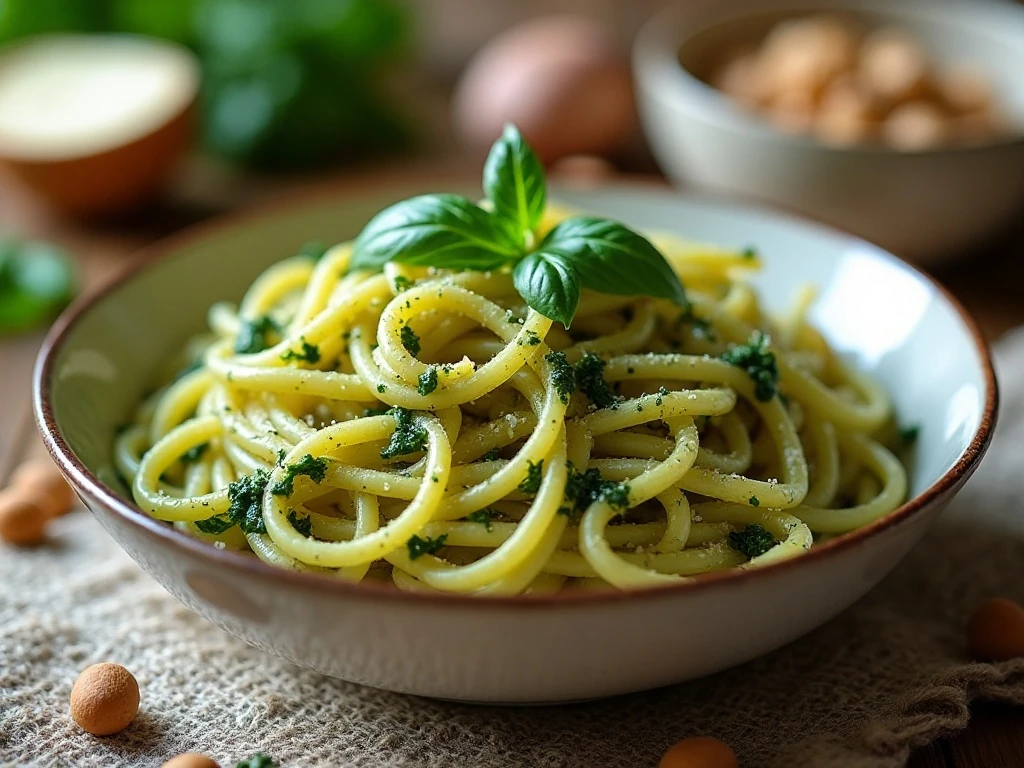
Homemade pesto is one of the quickest ways to turn simple ingredients into a memorable meal. It takes about 10 minutes from start to finish, requires no stovetop cooking, and produces enough sauce for 12 ounces of pasta or approximately 4–6 servings.
The flavor is especially appealing because each ingredient remains recognizable. Fresh basil brings a peppery, garden-like aroma; Parmesan adds salty richness; pine nuts provide a gentle buttery note; garlic gives the sauce its familiar bite; and olive oil ties everything together.
This recipe is also wonderfully flexible. Use it as a pasta sauce, sandwich spread, dip, topping for roasted vegetables, or finishing sauce for chicken and fish. If you enjoy fresh tomato sauces too, pair this pesto with our tomato basil sauce for an Italian-inspired dinner with plenty of color and flavor.
Ingredients You’ll Need
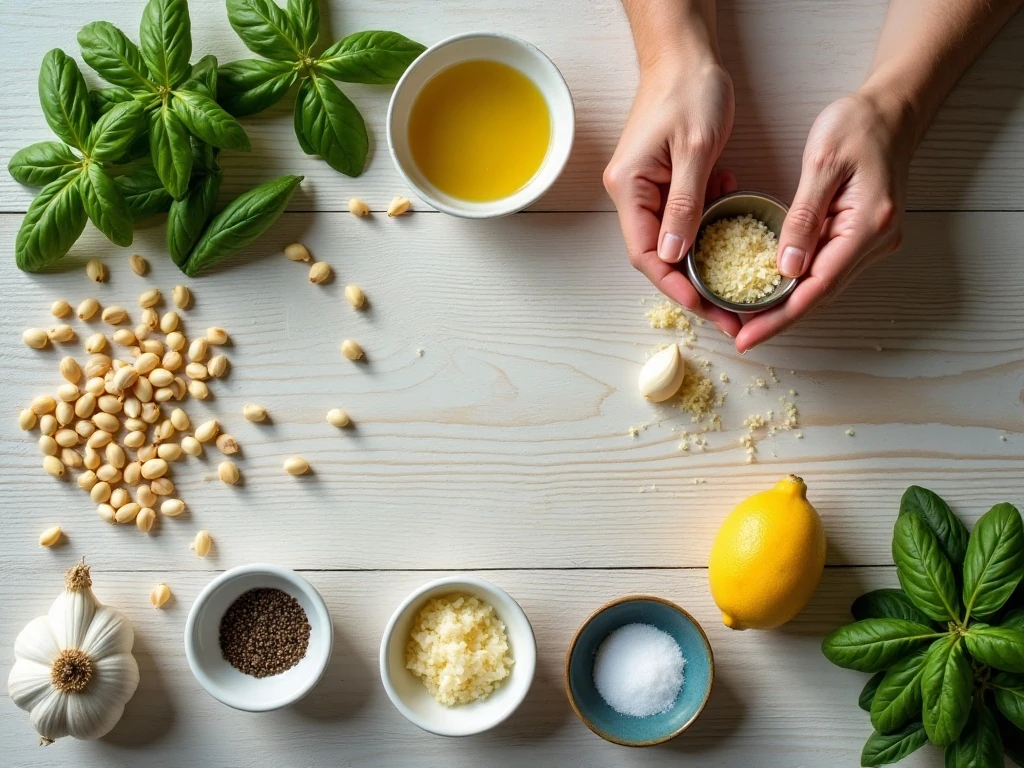
The ingredient list is short, so quality and preparation matter. Choose fragrant basil leaves with a vivid green color, finely grate the Parmesan for easy blending, and use a flavorful extra-virgin olive oil that you would enjoy in a salad dressing.
- Fresh basil: Use 2 cups of packed leaves after removing tough stems. Wash them gently and dry them very well.
- Parmesan: One-half cup of finely grated cheese adds savory depth and a smooth, cohesive texture.
- Pine nuts: One-third cup gives the pesto its classic buttery nuttiness. Raw pine nuts are traditional, though lightly toasted nuts are an optional variation.
- Garlic: Two peeled cloves provide a balanced garlic flavor without overpowering the basil.
- Olive oil: One-half cup creates the sauce-like consistency. Add it gradually so you can control the texture.
- Seasonings: Start with one-half teaspoon kosher salt and optional one-eighth teaspoon freshly ground black pepper.
- Lemon juice: One teaspoon is optional and adds a fresh, lightly citrusy note.
For another comforting homemade accompaniment, you can also browse this easy bread stuffing when planning a generous family-style meal.
How to Make It Step-by-Step
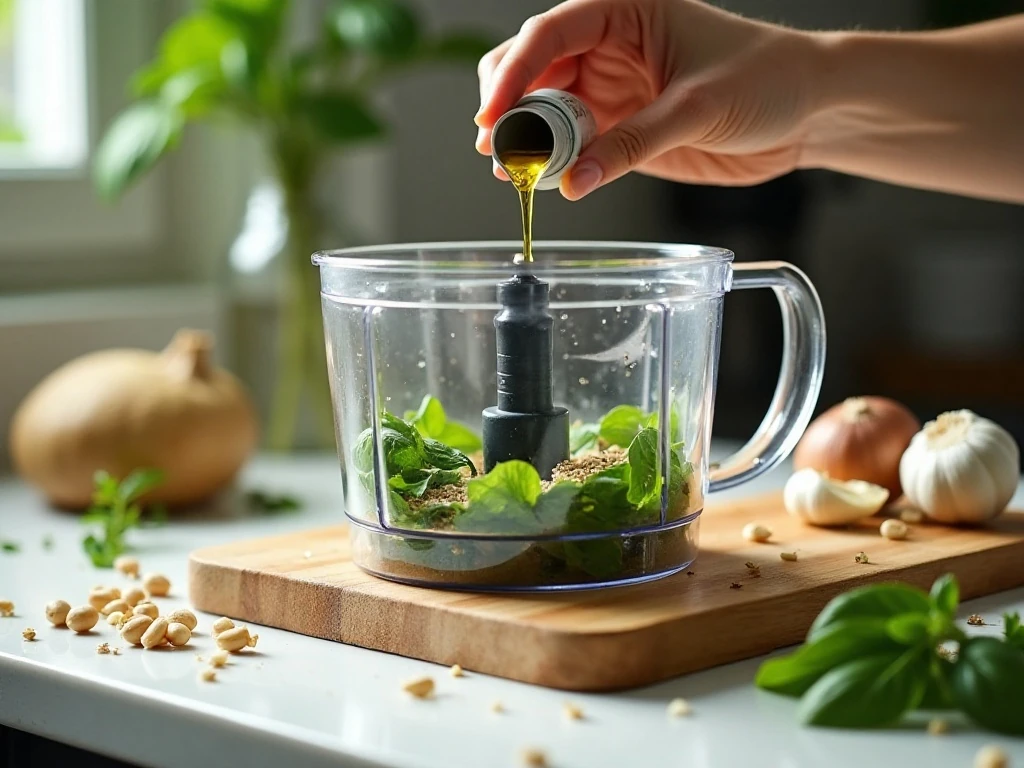
Step 1: Prepare the basil by removing any tough stems, then wash the leaves gently under cool water. Dry them thoroughly with a salad spinner and clean towels, because extra water can thin the pesto and dilute its concentrated flavor.
Step 2: Place the basil, pine nuts, garlic, kosher salt, and optional black pepper in the bowl of a food processor. Pulse several times until the ingredients are finely chopped, pausing before the mixture becomes completely smooth.
Step 3: Turn the processor on and slowly stream in the extra-virgin olive oil. Pouring gradually helps the ingredients come together evenly, and stopping once or twice to scrape down the sides prevents stray basil or nuts from remaining at the top of the bowl.
Step 4: Add the finely grated Parmesan after the basil, nuts, garlic, and oil have been blended. Pulse only until the cheese is incorporated; prolonged processing can make the cheese pasty and take away from the pesto’s pleasant texture.
Step 5: Taste the pesto with a clean spoon and adjust the seasoning. Add a little more salt, pepper, olive oil, or the optional teaspoon of lemon juice according to your preference, remembering that Parmesan already contributes saltiness.
Step 6: Serve the pesto immediately or transfer it to a clean container for storage. If serving with pasta, reserve a little pasta water, then stir it into the pesto before tossing so the sauce coats every strand instead of sitting heavily on the noodles.
Chef Tips for Fresh, Green Pesto
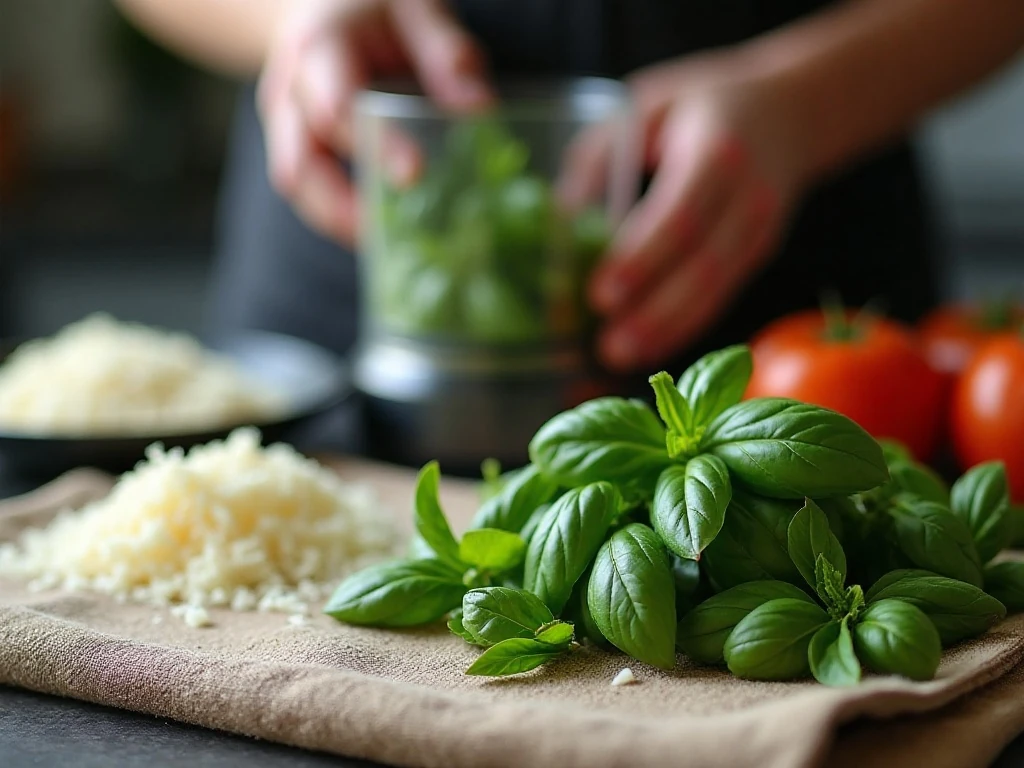
The most important preparation detail is drying the basil. Water left on the leaves can make the sauce loose and faint in flavor, so take an extra minute to remove as much moisture as possible.
Keep the ingredients chilled or at room temperature rather than warm. Avoid running the food processor for a long time, since heat can darken the basil and cause the olive oil to taste bitter.
Add the Parmesan at the end. This small change helps prevent the cheese from turning pasty and gives the finished pesto a smoother, more spoonable consistency.
Traditional Genoese-style pesto generally uses raw pine nuts, which offer a delicate flavor. If you prefer a toastier, deeper nut taste, lightly toast them, let them cool completely, and then add them to the processor.
For a different finishing touch, use pesto alongside our fresh basil sauce ideas when preparing sandwiches, grain bowls, or appetizer plates.
Serving Ideas and Pairings
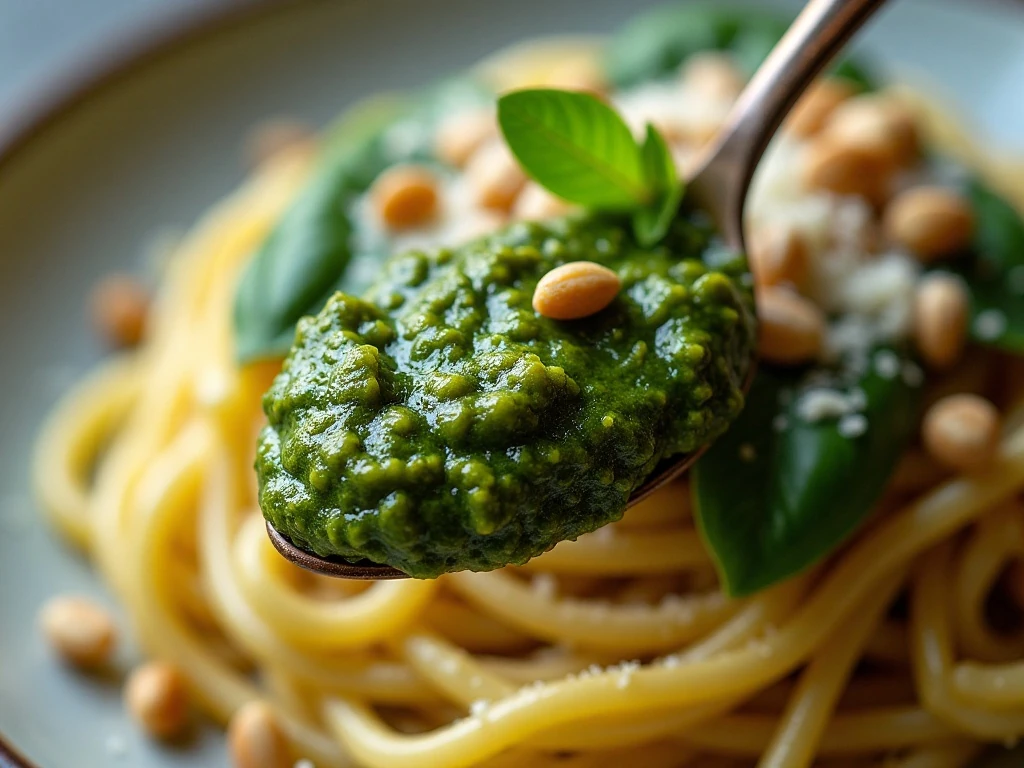
The classic choice is pasta, and this recipe makes enough for 12 ounces. Cook the pasta according to its package directions, reserve a little cooking water, and toss the hot noodles with pesto loosened by a spoonful of that starchy water.
Pesto also makes ordinary vegetables feel special. Spoon it over roasted zucchini, green beans, potatoes, or cauliflower, or swirl it into a bowl of warm grains for a quick lunch.
- Spread it on toasted bread for an easy appetizer.
- Dot it over grilled or baked chicken.
- Spoon it over cooked fish just before serving.
- Use it as a sandwich spread with mozzarella and tomato.
- Stir a small amount into soup for a fresh basil finish.
For dessert after a pesto-centered meal, keep our bright lime bars in mind. Their sweet-tart flavor makes a refreshing contrast to the savory richness of the sauce.
Storage and Make-Ahead Advice
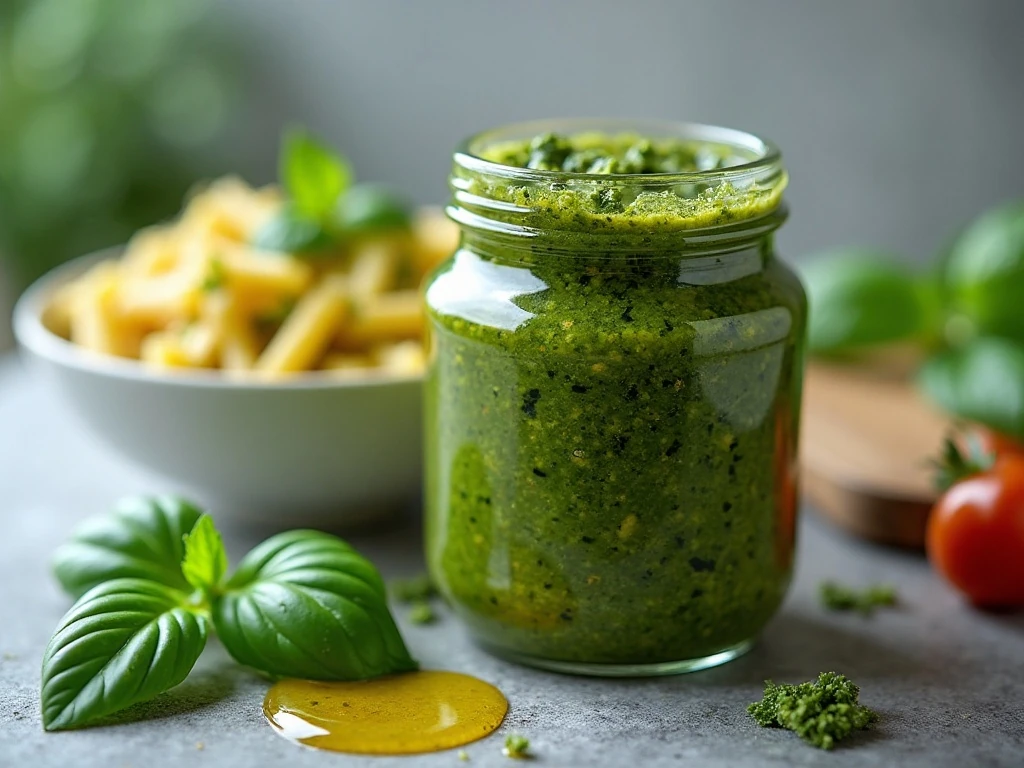
Fresh pesto is best used immediately, when the basil is most aromatic and the color is at its brightest. If you need to make it ahead, place it in an airtight container and refrigerate it promptly.
Press a piece of plastic wrap directly against the surface or add a very thin layer of olive oil to reduce air exposure. The basil may naturally darken slightly over time, but the pesto should still be stirred and tasted before serving.
When refrigerated, the olive oil may firm up. Let the pesto sit briefly at room temperature, stir it well, and add a small amount of olive oil or reserved pasta water if the texture needs loosening.
Make a simple dinner party menu by serving pesto pasta as the main dish, followed by our stovetop caramel apples for a warm, cozy dessert.
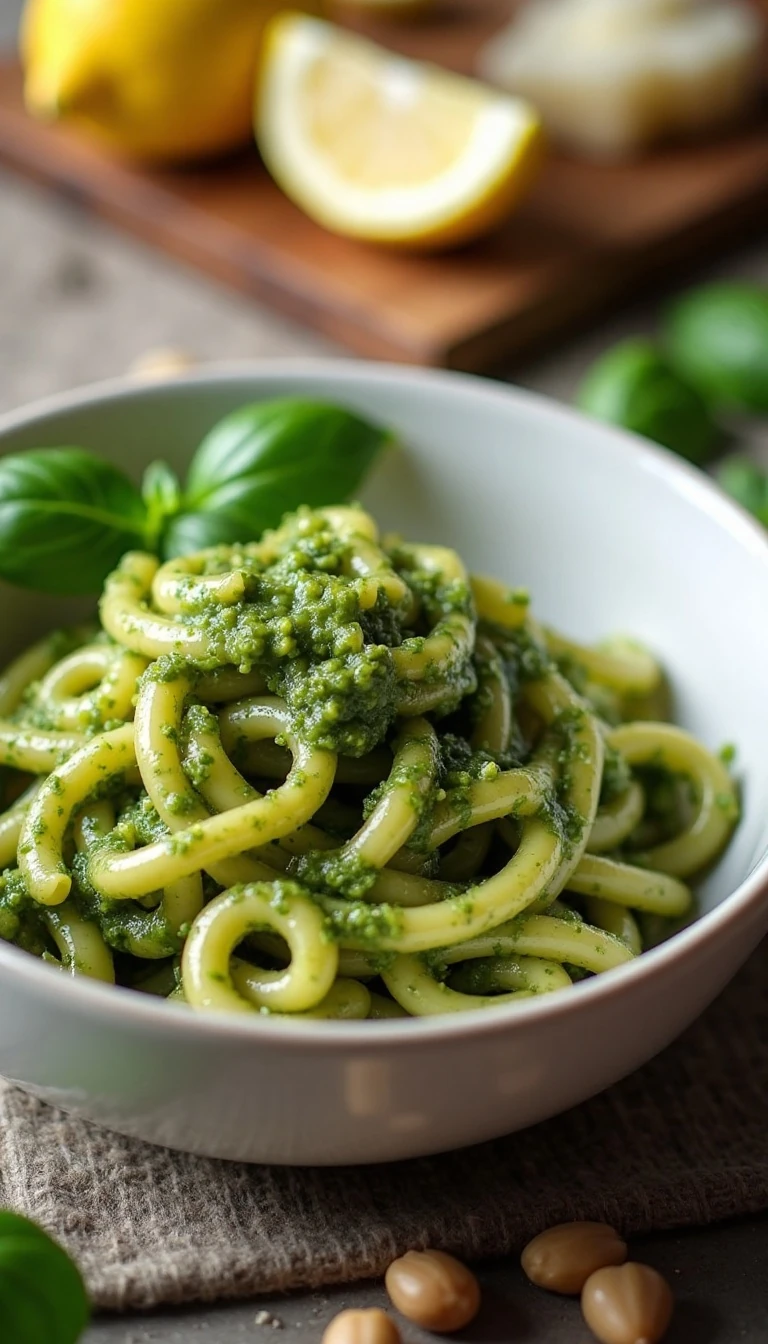
Easy Homemade Basil Pesto Recipe
Ingredients
Method
- Remove any tough basil stems and make sure the leaves are thoroughly dry. Add the basil, pine nuts, garlic, kosher salt, and optional black pepper to a food processor, then pulse several times until finely chopped.
- With the food processor running, slowly pour in the extra-virgin olive oil. Stop occasionally to scrape down the sides, pulsing only until the mixture looks finely blended and spoonable.
- Add the finely grated Parmesan and pulse just until incorporated. Taste the pesto and adjust with more salt, pepper, olive oil, or the optional lemon juice.
- Use the pesto immediately, or cover and refrigerate it for later. For pasta, loosen the sauce with a little reserved pasta water before tossing.
Notes
Final Thoughts
This easy homemade basil pesto recipe proves that a handful of fresh ingredients can create an exceptional sauce in almost no time. Dry the basil carefully, pulse briefly, add the olive oil slowly, and stir in the Parmesan at the end for a fresh, savory pesto with a beautifully balanced texture.
Keep a batch ready for pasta, vegetables, bread, chicken, or fish, and adjust the optional lemon juice and seasonings to suit your table. Once you taste the bright basil aroma and nutty Parmesan richness of homemade pesto, it is sure to become a favorite 10-minute recipe.