This easy homemade basil pesto recipe makes about 1 cup of fresh, spoonable sauce in just 10 minutes with no cooking required. Blend packed basil leaves, pine nuts, garlic, Parmesan cheese, extra-virgin olive oil, and salt for a classic pesto that is ready for pasta, sandwiches, vegetables, chicken, fish, eggs, or toasted bread.
The flavor is bright, garlicky, nutty, creamy, and intensely herbaceous, with olive oil carrying the fresh basil through every bite. A little optional lemon juice adds brightness, while lightly toasted pine nuts bring a deeper, nuttier character to this simple homemade condiment.
Jump to RecipeWhy You’ll Love This Recipe
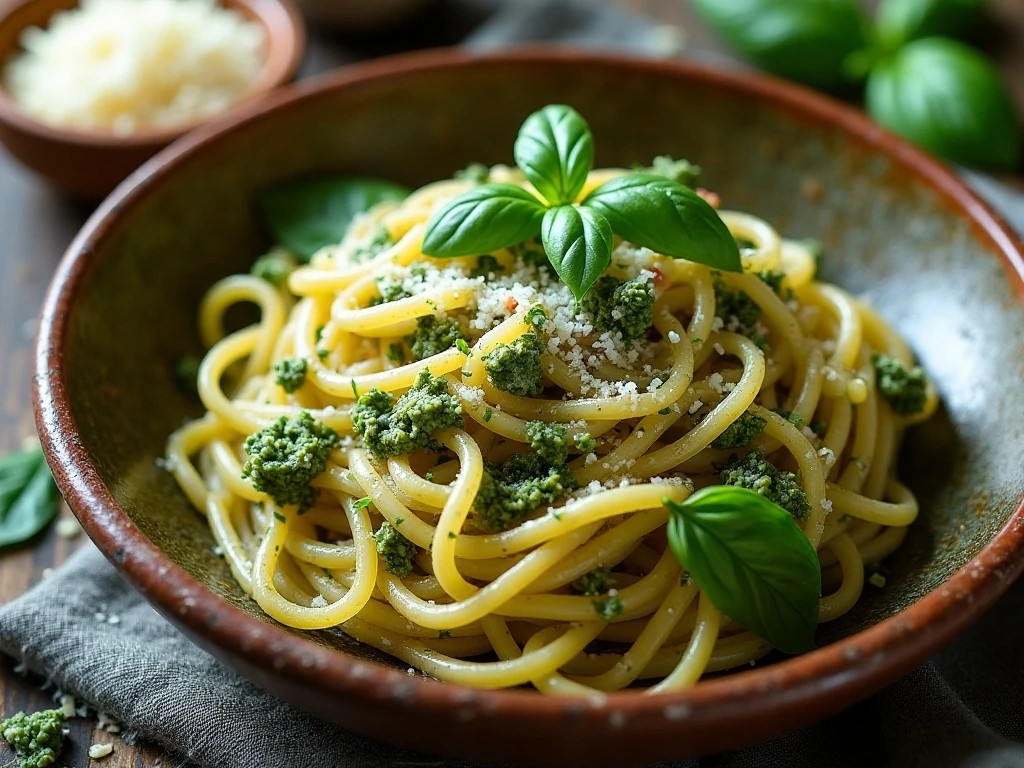
Fresh pesto is one of the quickest ways to turn everyday ingredients into a memorable meal. It takes about 10 minutes, requires no stovetop cooking, and produces a generous cup of sauce with a much fresher flavor than most jarred versions.
The texture is loose enough to coat pasta but thick enough to spread on bread or spoon over grilled vegetables. The basil provides a clean, fragrant flavor, Parmesan adds savory richness, pine nuts contribute gentle sweetness, and garlic gives the sauce its unmistakable bite.
This recipe also fits into many meals beyond pasta night. Spoon it onto grilled chicken or fish, swirl it into eggs, spread it inside a sandwich, or serve it with toasted bread as a quick appetizer.
If you enjoy sauces made from fresh ingredients, our tomato basil sauce is another excellent recipe to keep in your kitchen rotation.
Ingredients You’ll Need
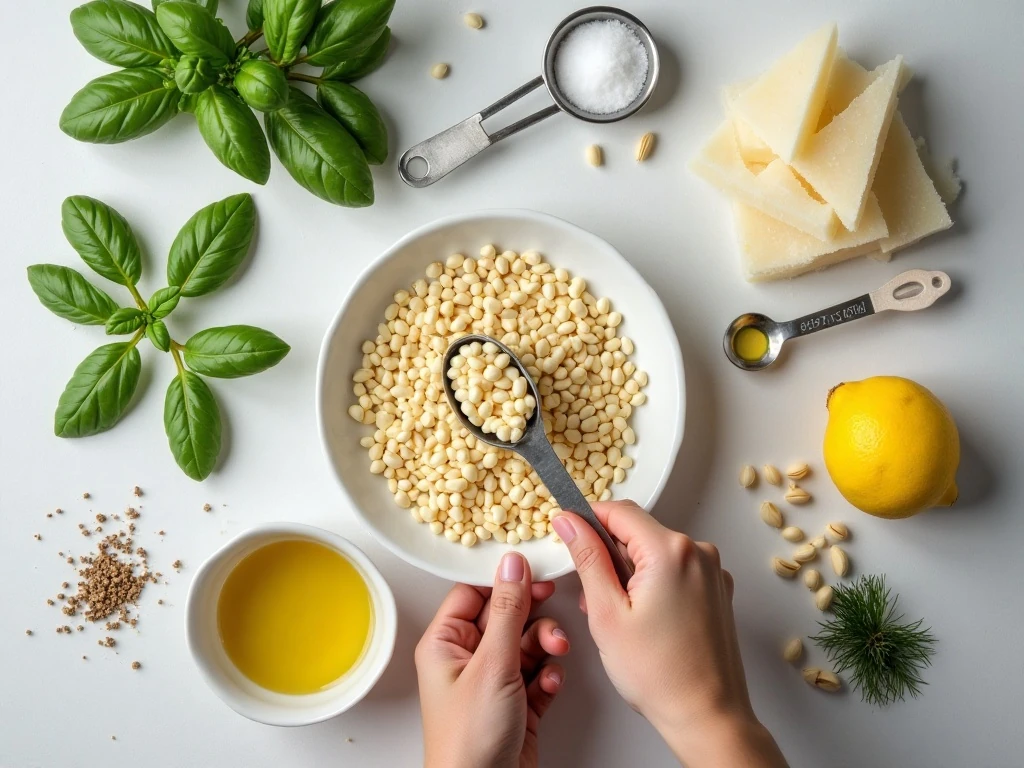
The ingredient list is short, so each item matters. Choose fresh, fragrant basil and a good extra-virgin olive oil because their flavors will be easy to notice in the finished pesto.
- Fresh basil: Use 2 packed cups, about 2 ounces or 55 to 60 grams, with the stems removed. Wash the leaves and dry them very well before blending.
- Pine nuts: One-third cup, or about 45 grams, gives pesto its classic buttery nuttiness.
- Garlic: Two roughly chopped cloves provide a savory, aromatic foundation without requiring any cooking.
- Parmesan: One-half cup of finely grated Parmesan adds saltiness, body, and a creamy finish.
- Olive oil: One-half cup of extra-virgin olive oil brings the ingredients together and creates a spoonable sauce.
- Seasonings: Start with one-half teaspoon of fine salt. Freshly ground black pepper and 1 to 2 teaspoons of lemon juice are optional.
Traditional Italian-style variations sometimes include a smaller amount of Pecorino Romano alongside Parmesan. That combination can be delicious, but Parmesan alone works beautifully for this easy version.
For another comforting recipe that pairs well with savory sauces and party snacks, try this easy cheeseburger dip for your next casual gathering.
How to Make It Step-by-Step
Step 1: Wash the basil leaves under cool water, remove the stems, and dry the leaves thoroughly. A salad spinner is helpful, but you can also pat the basil gently between clean kitchen towels; excess water can make the pesto thin and dilute its flavor.
Step 2: Add the pine nuts and roughly chopped garlic to a food processor. Pulse several times until the mixture is roughly chopped, pausing before it becomes a smooth paste so the finished pesto retains a pleasant texture.
Step 3: Add the dry basil leaves to the processor and pulse until finely chopped. Scrape the sides of the bowl as needed so the leaves and aromatics are processed evenly without running the machine longer than necessary.
Step 4: Add the finely grated Parmesan and one-half teaspoon of salt. Pulse briefly just until the cheese is distributed throughout the chopped basil mixture.
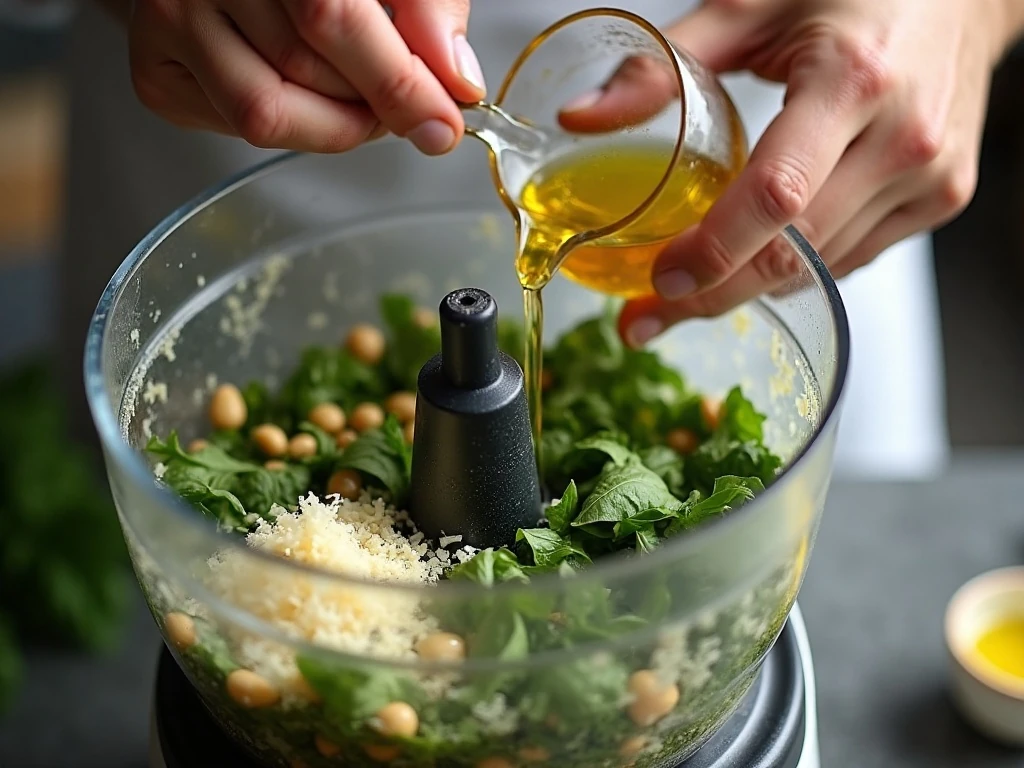
Step 5: Turn the processor on and slowly drizzle in the olive oil. Adding it gradually helps the sauce come together smoothly; stop as soon as the pesto looks loose and spoonable rather than processing it until completely silky.
Step 6: Taste the pesto with a clean spoon and adjust it to suit your meal. Add more salt for savoriness, more olive oil for a looser texture, extra Parmesan for richness, black pepper for warmth, or 1 to 2 teaspoons of lemon juice for a brighter finish.
Step 7: Serve the pesto right away or transfer it to an airtight container. If serving with pasta, toss the hot pasta with pesto and add a splash of pasta water to loosen the sauce and help it coat every strand.
Pro Tips for Fresh, Flavorful Pesto
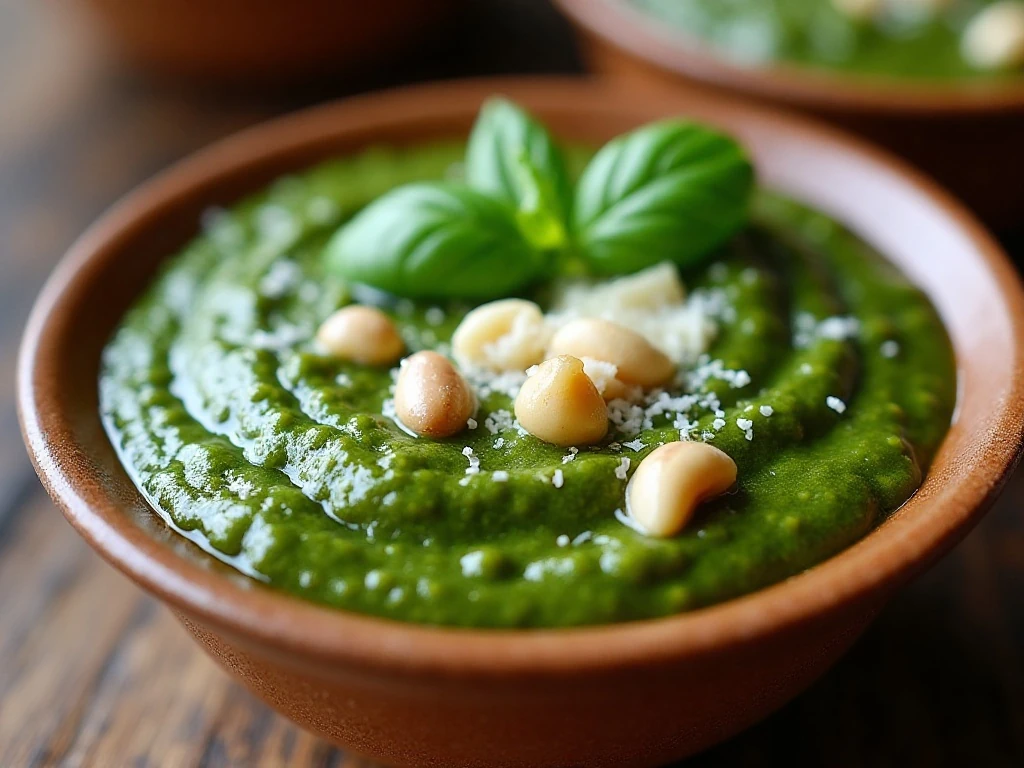
Dry basil is one of the most important details in this recipe. Water left on the leaves can weaken the flavor and create a thinner sauce, so take a moment to dry them carefully.
For a deeper flavor, lightly toast the pine nuts in a dry skillet over medium-low heat for 3 to 5 minutes. Stir frequently, watch them closely, and cool them completely before adding them to the food processor because hot nuts can warm the basil and affect its fresh color.
- Use short pulses: This gives you control over the texture and helps keep the basil from becoming overworked.
- Drizzle the oil slowly: A gradual addition makes it easier to reach the right consistency.
- Do not over-process: Excess processing can make the pesto oily and create heat that darkens the basil.
- Grate Parmesan finely: Fine shreds blend quickly and help create a cohesive sauce.
- Taste at the end: Parmesan and pine nuts vary in saltiness, so final seasoning should be adjusted after blending.
For a sharper cheese flavor, replace part of the Parmesan with a smaller amount of Pecorino Romano. Keep the total cheese amount close to one-half cup so the balance of oil, cheese, basil, and nuts remains consistent.
Ways to Serve Basil Pesto
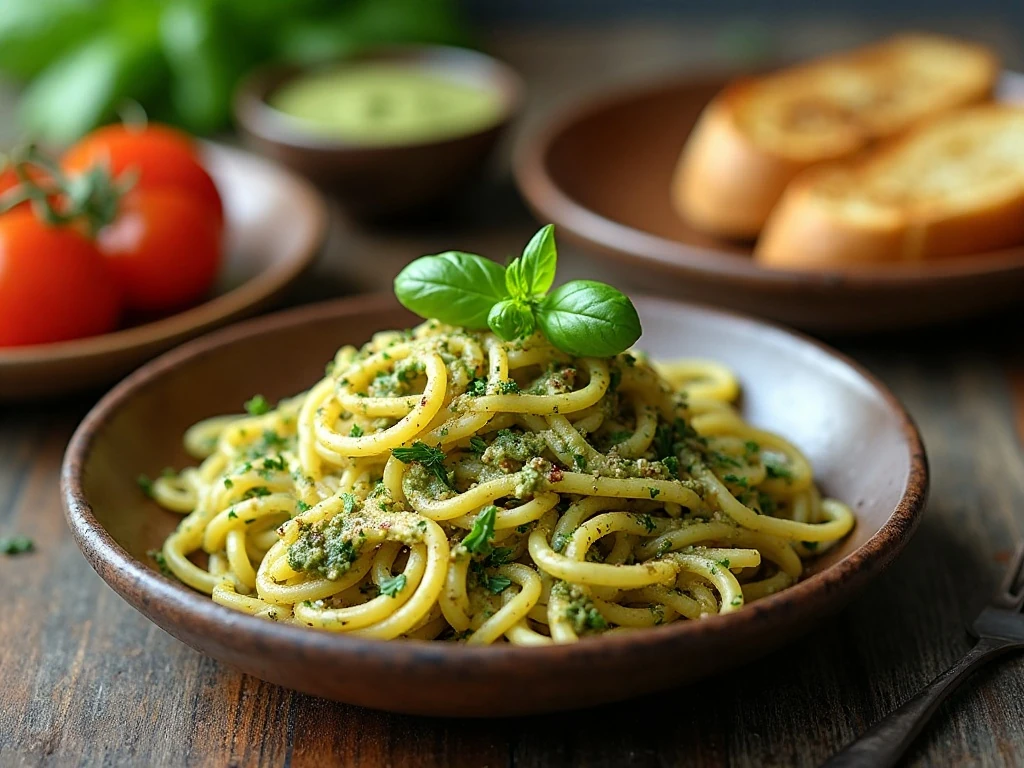
The classic preparation is pasta tossed with pesto while the noodles are still hot. Reserve a little pasta water before draining, then add it a splash at a time until the sauce looks glossy and coats the pasta without feeling heavy.
For a quick lunch, spread pesto on toasted bread and top it with sliced tomatoes, mozzarella, roasted vegetables, or a fried egg. It also makes a bright finishing sauce for grilled chicken, fish, zucchini, asparagus, potatoes, and other vegetables.
- Swirl it into scrambled or fried eggs.
- Spread it inside sandwiches and wraps.
- Dot it over pizza after baking.
- Serve it alongside toasted bread as an appetizer.
- Stir a spoonful into cooked grains, beans, or warm vegetables.
Its fresh basil flavor also pairs nicely with baked goods at a brunch table. For a sweet option to balance a savory spread, serve cinnamon maple muffins on the side.
Storage and Freezing
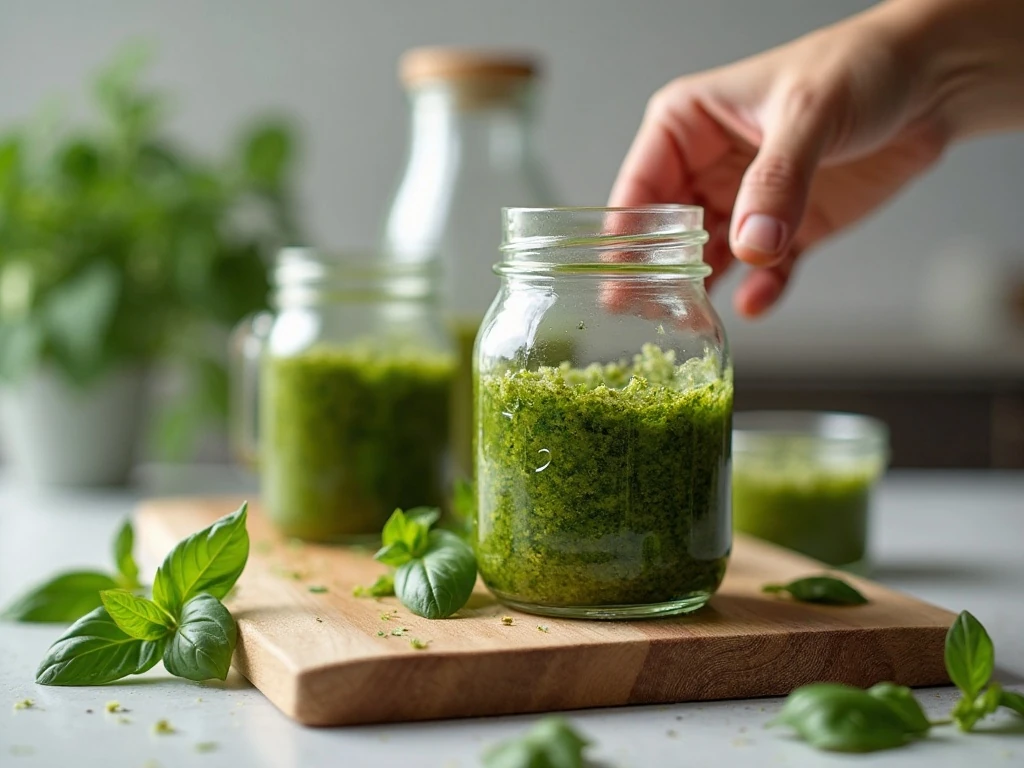
Transfer leftover pesto to an airtight container and refrigerate it for up to 5 days. Press plastic wrap directly onto the surface, or cover the top with a thin layer of olive oil, to reduce contact with air.
For longer storage, freeze the pesto in small portions or ice-cube trays for approximately 3 months for best quality. Once frozen, the portions are convenient to add to hot pasta, cooked vegetables, soups, sandwiches, or grilled proteins.
Thaw only the amount you need and stir it before serving. Pesto is not normally cooked, and heating it can dull the basil’s color and fresh flavor, so add it to warm food just before serving rather than simmering it.
When planning a brunch or buffet, this make-ahead sauce can sit alongside savory breads and snacks. These spicy honey cornbread muffins are a particularly tasty companion for a spread with vegetables, eggs, and grilled foods.
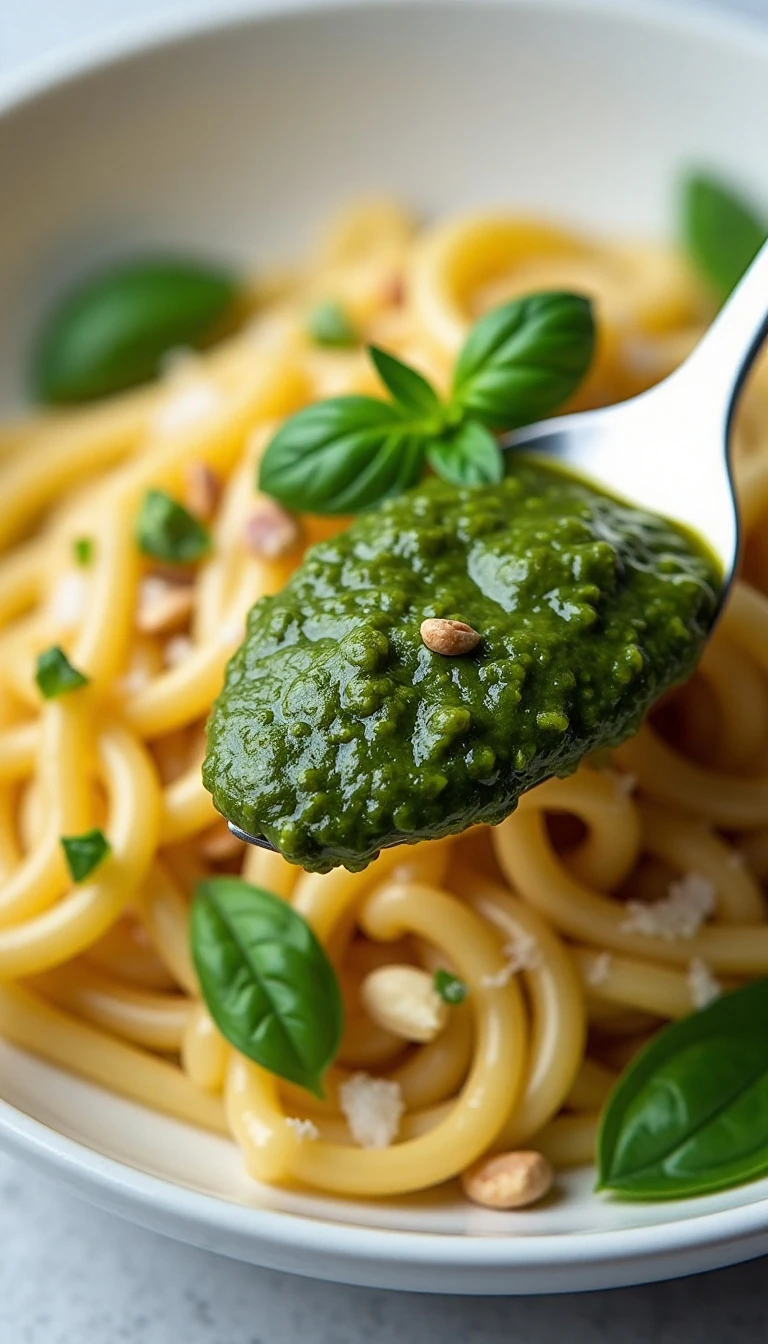
Easy Homemade Basil Pesto Recipe
Ingredients
Method
- Wash the basil leaves and dry them thoroughly. Place the pine nuts and roughly chopped garlic in a food processor, then pulse several times until roughly chopped.
- Add the basil leaves and pulse until finely chopped, scraping down the sides of the bowl as needed. Add the Parmesan and salt, then pulse briefly to combine.
- With the food processor running, slowly drizzle in the olive oil until the pesto reaches a loose, spoonable consistency. Stop processing as soon as the ingredients are combined.
- Taste the pesto and adjust with more salt, olive oil, Parmesan, black pepper, or 1 to 2 teaspoons of fresh lemon juice. Serve immediately or refrigerate in an airtight container for up to 5 days.
Notes
Final Thoughts
This easy homemade basil pesto recipe is a small kitchen project with a big payoff. With 2 cups of fresh basil, pine nuts, garlic, Parmesan, olive oil, and a few minutes of blending, you get a vibrant sauce that can refresh simple meals throughout the week.
Keep the basil dry, add the oil gradually, and stop processing as soon as the ingredients are combined. Those simple techniques protect the color, texture, and bright flavor that make fresh pesto so special.
Serve it with pasta, vegetables, chicken, fish, eggs, sandwiches, or toasted bread, and freeze any extra in small portions for later. If you are preparing an Italian-inspired dessert table afterward, our easy beignets recipe makes a lovely sweet finish.
1 thought on “Easy Homemade Basil Pesto Recipe”