Perfect air fryer eggs are easy to make: place six cold large eggs in a single layer in the air fryer basket, cook them at 250°F for 15–17 minutes, and immediately chill them in ice water. No oil or added water is needed in the air fryer, and beginning to check at 15 minutes helps account for differences between machines.
The finished eggs have fully set whites and yolks, making them ideal for breakfast, meal prep, salads, sandwiches, and snacks. A quick ice bath stops carryover cooking and helps the shells separate from the whites, while a little salt, black pepper, or paprika gives these simple eggs delicious flavor.
Jump to RecipeWhy You’ll Love This Recipe
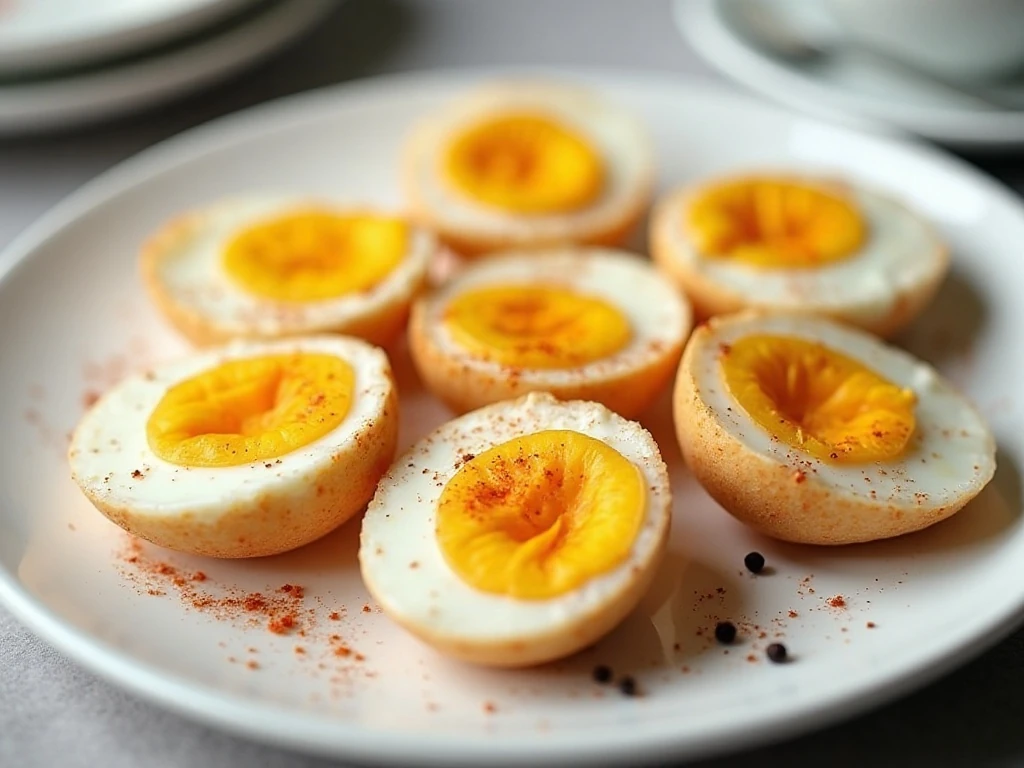
Air fryer eggs are one of the simplest ways to prepare a dependable batch of hard-boiled eggs. The air fryer keeps the process hands-off, and because the eggs cook without oil or water in the basket, cleanup is minimal.
This method is especially useful when you need breakfast ready for several days. Cook six eggs at once, chill them promptly, and keep them ready for quick snacks, packed lunches, salads, or toast.
The texture is pleasantly firm without requiring a pot of boiling water. Once the timing is right for your appliance, you can repeat the method whenever you need a convenient protein-rich ingredient.
For a broader breakfast spread, pair these eggs with our veggie breakfast cups. The soft vegetables and savory egg bites complement the firm, chilled eggs beautifully.
Ingredients You’ll Need
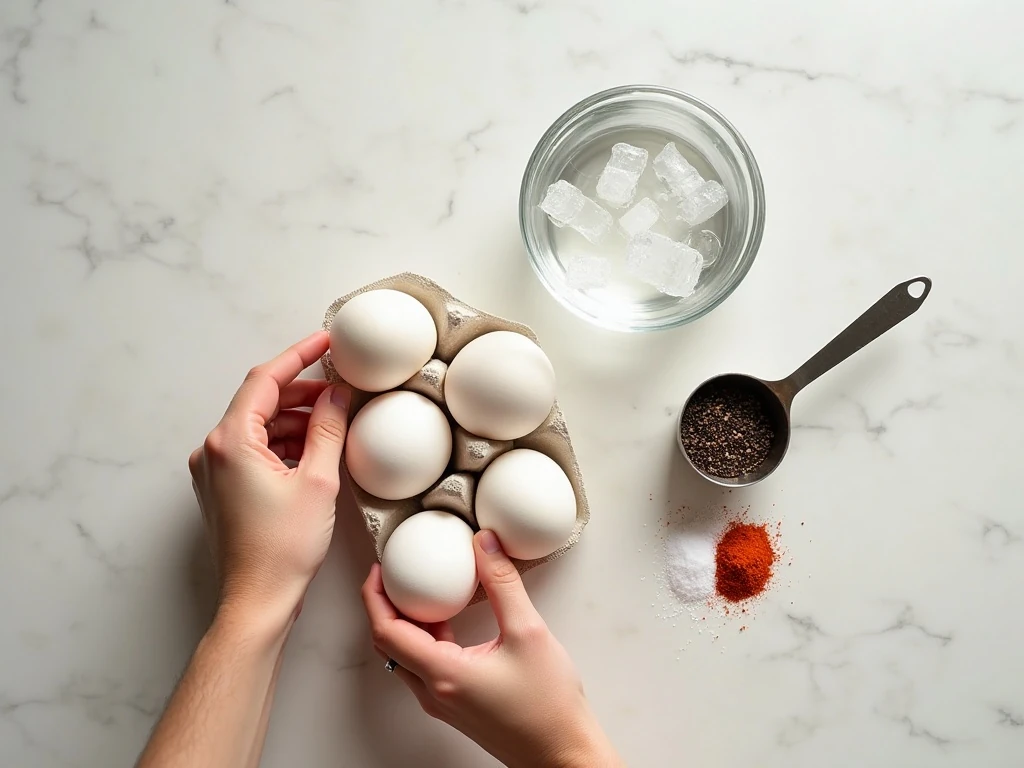
The ingredient list is wonderfully short, but each item has a purpose. Start with six large eggs straight from the refrigerator so your test batch reflects the timing described here.
- 6 large cold eggs: Arrange them in one layer so hot air can circulate around each egg.
- 4 cups cold water: This forms the cooling bath that rapidly lowers the egg temperature.
- 1 cup ice: The ice keeps the bath cold enough to stop carryover cooking.
- Optional seasonings: Salt, black pepper, paprika, or another favorite seasoning can be added just before serving.
There is no need for cooking spray, oil, or water inside the air fryer basket. Keep the eggs dry as they go into the appliance, and prepare the ice bath before cooking so it is ready the moment the timer ends.
If you enjoy preparing several breakfast components at once, these eggs can sit alongside a simple salad or lunch plate. Our easy ham and pineapple salad offers a sweet-savory pairing for a satisfying midday meal.
How to Make It Step-by-Step
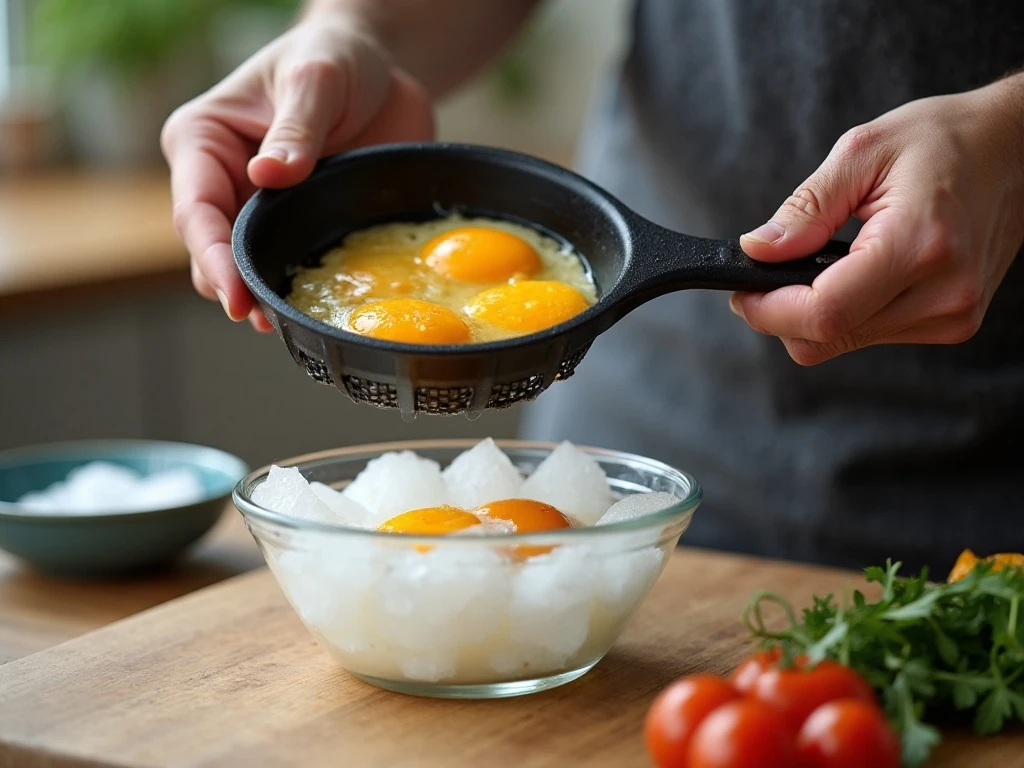
Step 1: Check your air fryer instructions and preheat it to 250°F if preheating is recommended by the manufacturer. Preheating is not necessary for every model, but following your appliance guidance gives you a more consistent starting temperature.
Step 2: Place the six cold eggs in the air fryer basket in a single layer. Leave a little space around them when possible, and do not add water or oil because the eggs cook directly in the dry, circulating heat.
Step 3: Air-fry the eggs at 250°F for 15–17 minutes. Start checking your first batch at 15 minutes, since different heating elements, basket designs, altitudes, and egg sizes can change the cooking speed.
Step 4: While the eggs cook, prepare the ice bath by combining 4 cups of cold water with 1 cup of ice in a bowl large enough to hold all six eggs. Having it ready is important because the eggs should be chilled immediately after cooking.
Step 5: When the cooking time is complete, carefully transfer the hot eggs straight into the ice water. Chill them for at least 5 minutes; a 10-minute bath is useful when you want the shells to release more easily.
Step 6: Tap each egg gently against the counter to create small cracks across the shell. Peel under running water if a small piece of shell clings to the white, then pat the eggs dry before seasoning or slicing.
Step 7: Serve the eggs with salt and black pepper, or add paprika for warm color and a mild, savory finish. You can also halve them for toast, chop them into a salad, or save them for another meal.
Pro Tips for Consistent Results

The most important tip is to test one egg first if you are using a new air fryer. Appliances can vary enough that your ideal timing may be slightly different from another cook’s timing, even when both machines display the same temperature.
- Begin at 15 minutes: This is the first checking point for fully set yolks. If the yolk is not as firm as you want, add 1–2 minutes to the next batch.
- Use cold eggs: Eggs straight from the refrigerator provide a consistent starting point and match the tested method.
- Keep one layer: Avoid stacking eggs, since crowded baskets can interfere with the hot air reaching every surface.
- Chill immediately: The ice bath stops carryover cooking and helps prevent the yolks from becoming overcooked.
- Try older eggs: Eggs that are not extremely fresh often peel more easily than very fresh eggs.
- Peel with care: Gentle tapping and running water can help lift stubborn shell fragments without tearing the egg white.
If you prefer especially firm yolks, use the longer end of the 15–17-minute range or add 1–2 minutes after testing. Avoid making a large timing change until you know how your particular air fryer behaves.
These eggs also make a useful side for a casual snack board. For a heartier air fryer menu, serve them before garlic Parmesan chicken wings or alongside other savory finger foods.
Serving, Storage & Meal Prep
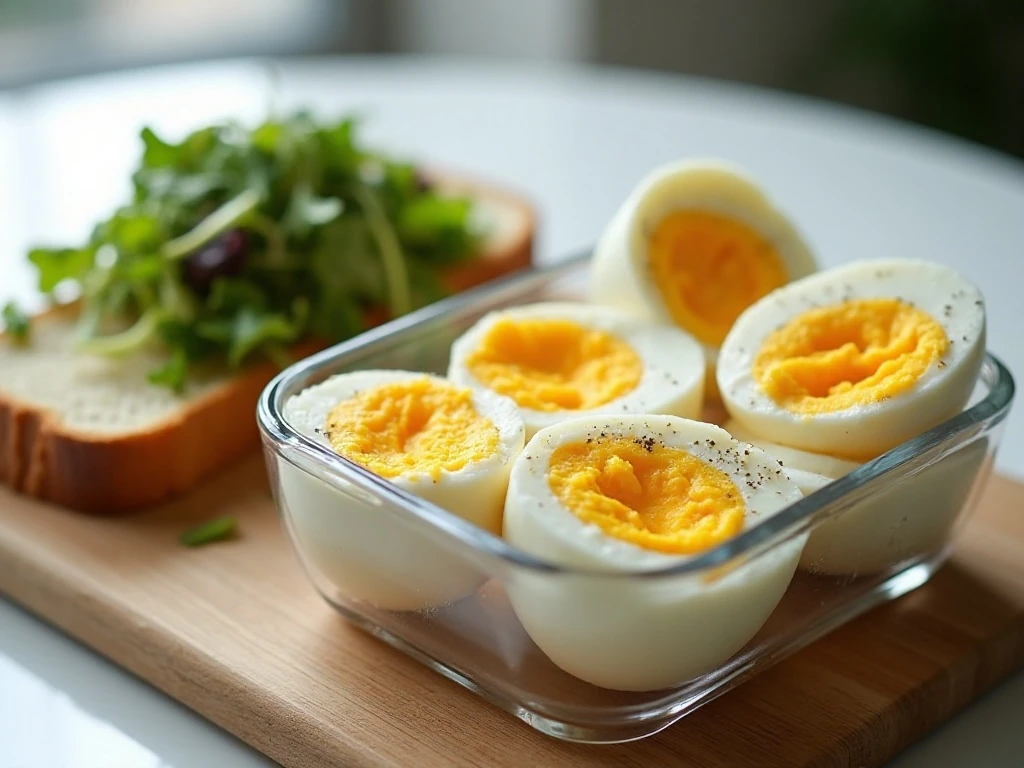
For the simplest breakfast, halve an egg and sprinkle it with salt, black pepper, and paprika. The creamy-looking yolk and clean white make an attractive topping for toast, grain bowls, or a green salad.
Chopped air fryer eggs are excellent in egg salad, while sliced eggs add substance to leafy salads and sandwiches. You can also pack one as a quick snack with fruit, crackers, or vegetables.
Allow the eggs to cool fully before storing them in the refrigerator. Keep them in a covered container, whether peeled or unpeeled, and follow your household food-safety practices for refrigerated cooked eggs.
For a brunch-style menu, serve the eggs with air fryer bacon-wrapped chicken for a savory centerpiece. A playful fruit side such as festive fruit skewers can add color to a holiday breakfast table.
Common Questions About Air Fryer Eggs
Do I add water to the basket? No. This method uses whole eggs in a dry air fryer basket, with cold water and ice reserved for the cooling bath after cooking.
Why do the eggs go into ice water? Immediate chilling stops carryover cooking and helps separate the shell from the egg white. Skipping the bath can make the eggs continue cooking and may make peeling more difficult.
Can I use another temperature? Some published methods use 270°F for about 15 minutes, but this recipe centers on 250°F for 15–17 minutes. If you try a different temperature, test one egg first and adjust for your appliance.
What if the yolks are not firm enough? Add 1–2 minutes to the next batch. Air fryer models, altitude, basket shape, and egg size can all affect the final texture.
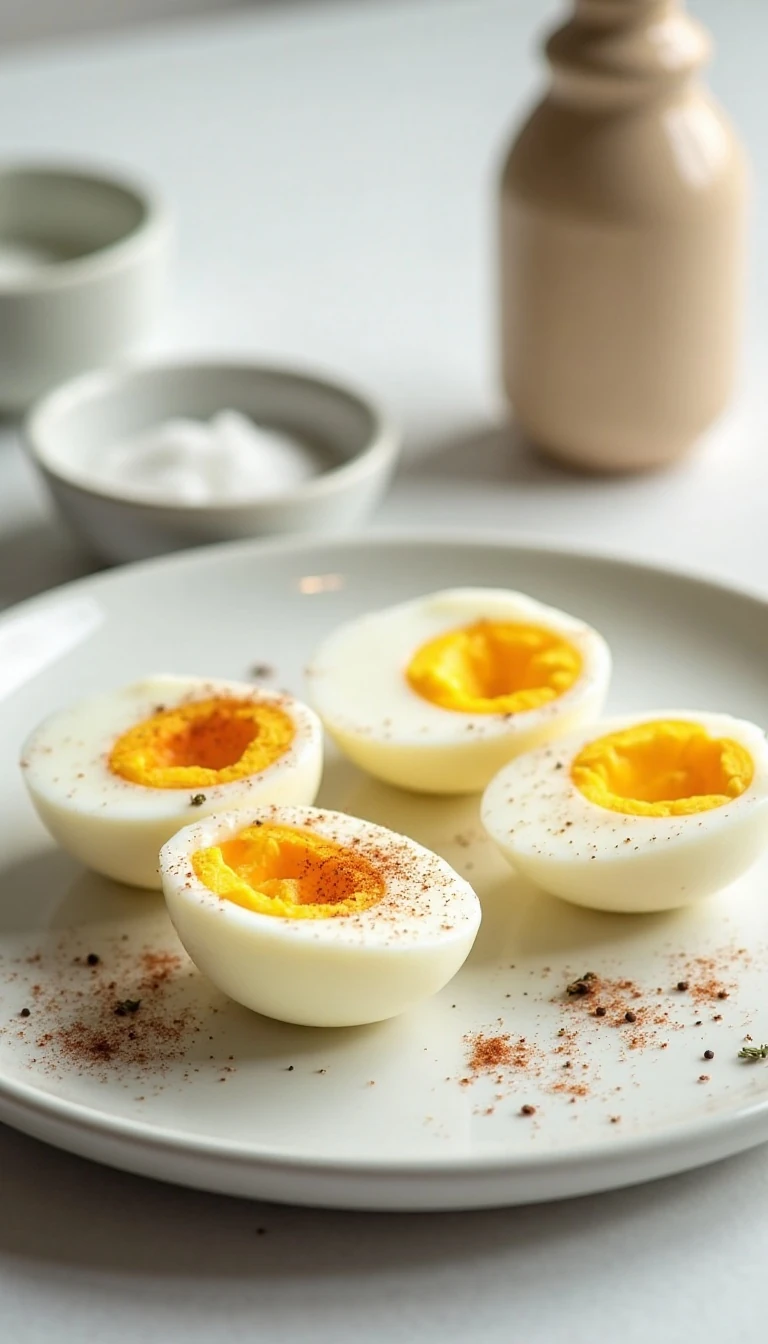
Perfect Air Fryer Eggs
Ingredients
Method
- Preheat the air fryer to 250°F if the manufacturer recommends preheating. Place the six cold eggs in the basket in a single layer, leaving a little space between them, and do not add oil or water.
- Air-fry the eggs at 250°F for 15–17 minutes. Begin checking a batch at 15 minutes because air fryer heating elements, basket size, altitude, and egg size can affect the result.
- Immediately transfer the hot eggs to a bowl filled with 4 cups of cold water and 1 cup of ice. Chill for at least 5 minutes, or 10 minutes for easier peeling.
- Crack each shell gently all over, then peel the eggs under running water if needed. Season with salt, pepper, paprika, or another favorite seasoning, or use the eggs in another recipe.
Notes
Final Thoughts
Perfect air fryer eggs are a practical breakfast staple because the method is quick, tidy, and easy to repeat. Six cold eggs, 15–17 minutes at 250°F, and an immediate ice bath are all you need for fully set eggs with a satisfying texture.
Remember to test one egg when working with a new appliance, chill the eggs right away, and peel them gently after cooling. Finish with salt, pepper, or paprika, then enjoy them on their own or add them to your favorite breakfast, lunch, and meal-prep recipes.