This traditional Scottish shortbread recipe uses the classic 3:2:1 ratio of 300 g plain flour, 200 g unsalted butter and 100 g caster sugar. The dough is pressed into a 20 cm square tin or rolled to about 1 cm thick, gently pricked, chilled if desired, and baked at 160°C conventional, 140°C fan or gas mark 3 for 20–30 minutes.
The finished shortbread is wonderfully buttery, tender and lightly crisp, with a fine sandy crumb that melts pleasantly in the mouth. Keep it pale with only the faintest golden color at the edges, then sprinkle it with caster sugar while warm for an authentic Scottish tea-time treat.
Jump to RecipeWhy You’ll Love This Recipe
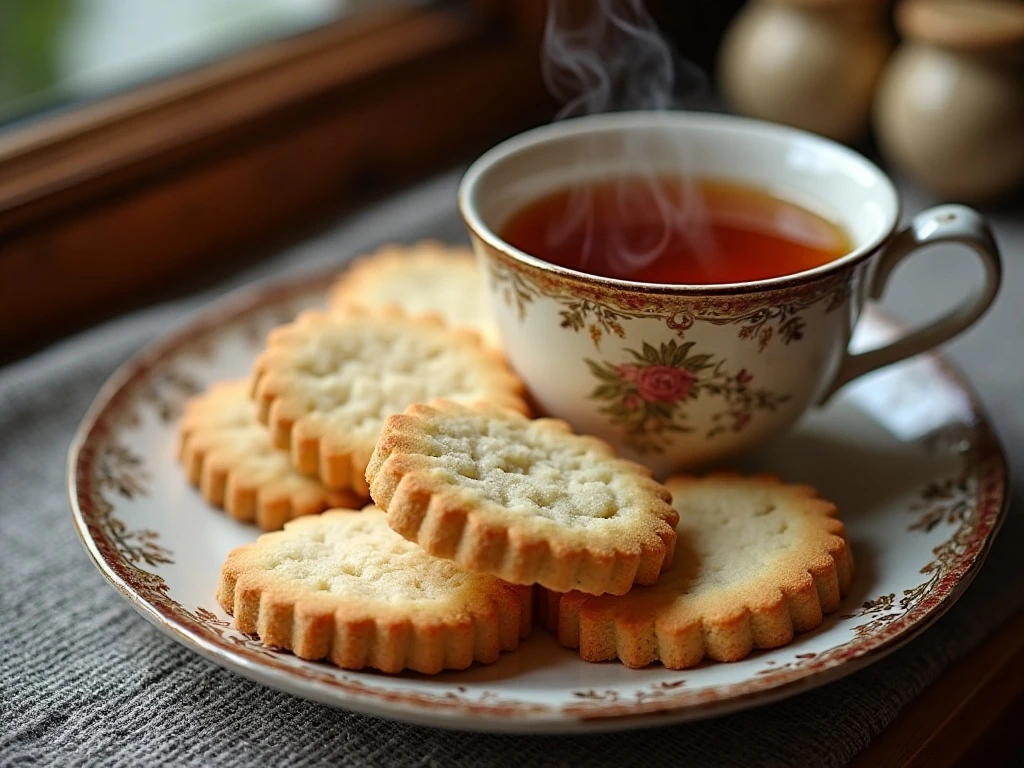
Traditional Scottish shortbread is one of the most satisfying bakes because it relies on a few simple ingredients and careful handling rather than a long list of flavorings. The classic 3:2:1 ratio gives the biscuits their recognizable balance: enough flour for shape, plenty of butter for richness and sugar for a gentle sweetness.
Each bite begins with a delicate snap before giving way to a soft, crumbly center. The flavor is clean and buttery, making these shortbread fingers ideal with black tea, coffee, hot chocolate or a glass of cold milk.
This recipe is also wonderfully adaptable in shape. Press the dough into a square tin for tidy fingers, or roll it and cut rounds, wedges or other simple shapes for a traditional biscuit tin.
Ingredients You’ll Need
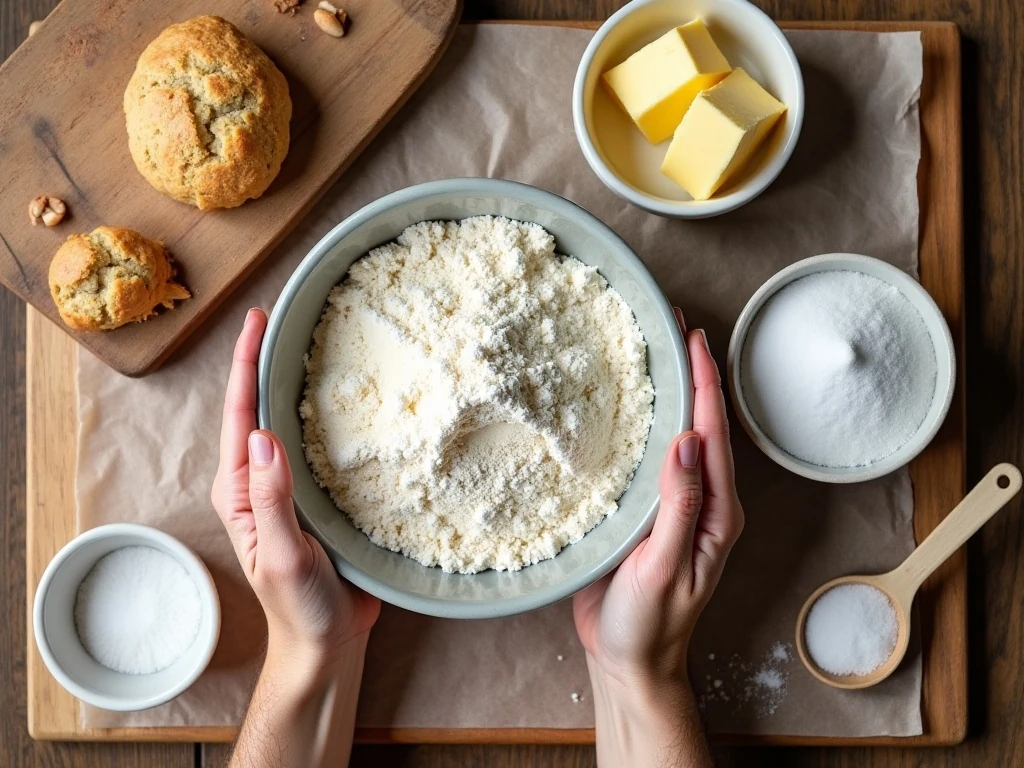
The ingredient list is short, so quality and accurate weighing make a noticeable difference. Use unsalted butter that has softened at room temperature but has not melted or become oily.
- Plain flour: Use 300 g of standard all-purpose flour for the classic version.
- Unsalted butter: Use 200 g of real butter for a rich dairy flavor and a firm, tender crumb.
- Caster sugar: Use 100 g for a fine sweetness that blends smoothly into the dough.
- Salt: Add a pinch if you enjoy a slightly more rounded buttery flavor.
- Extra caster sugar: Sprinkle it over the baked shortbread while warm.
For an optional traditional variation, replace 30–50 g of the plain flour with rice flour. Rice flour creates a more crumbly, sandy texture; some Scottish recipes also use cornflour for a similarly delicate result.
How to Make It Step-by-Step
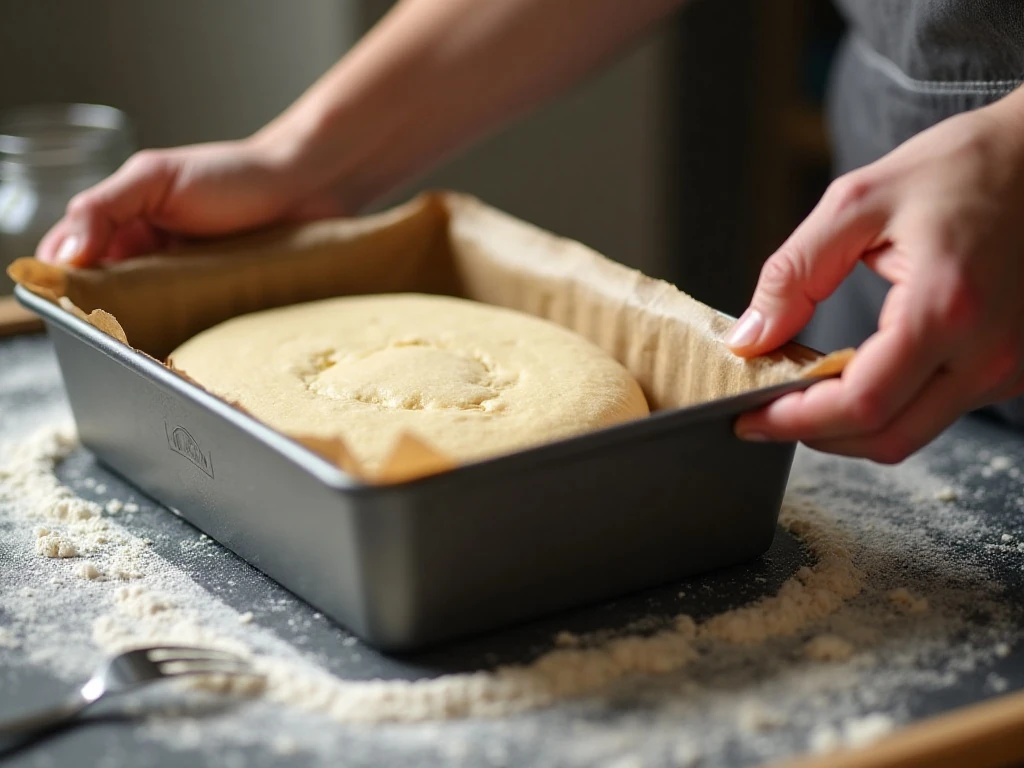
Step 1: Begin by heating the oven to 160°C conventional, 140°C fan or gas mark 3. Grease and line a 20 cm square tin with baking paper, leaving a little overhang to make lifting the cooled shortbread easier.
Step 2: Place the softened butter and caster sugar in a mixing bowl. Cream them lightly until smooth and blended, but do not whip the mixture excessively because traditional shortbread should be dense rather than airy.
Step 3: Add the flour and optional salt to the bowl. Mix with a wooden spoon or your hands using a light touch until the ingredients come together into a soft dough, stopping promptly to avoid developing too much gluten.
Step 4: Transfer the dough to the prepared tin and press it into an even layer. Use the back of a spoon or lightly floured fingertips to smooth the surface, paying special attention to the corners so the finished pieces have a consistent thickness.
Step 5: If you prefer individual biscuits, roll the dough to approximately 1 cm thick on a lightly floured surface. Cut fingers, rounds or wedges, and arrange them on a prepared baking tray with a little space between pieces.
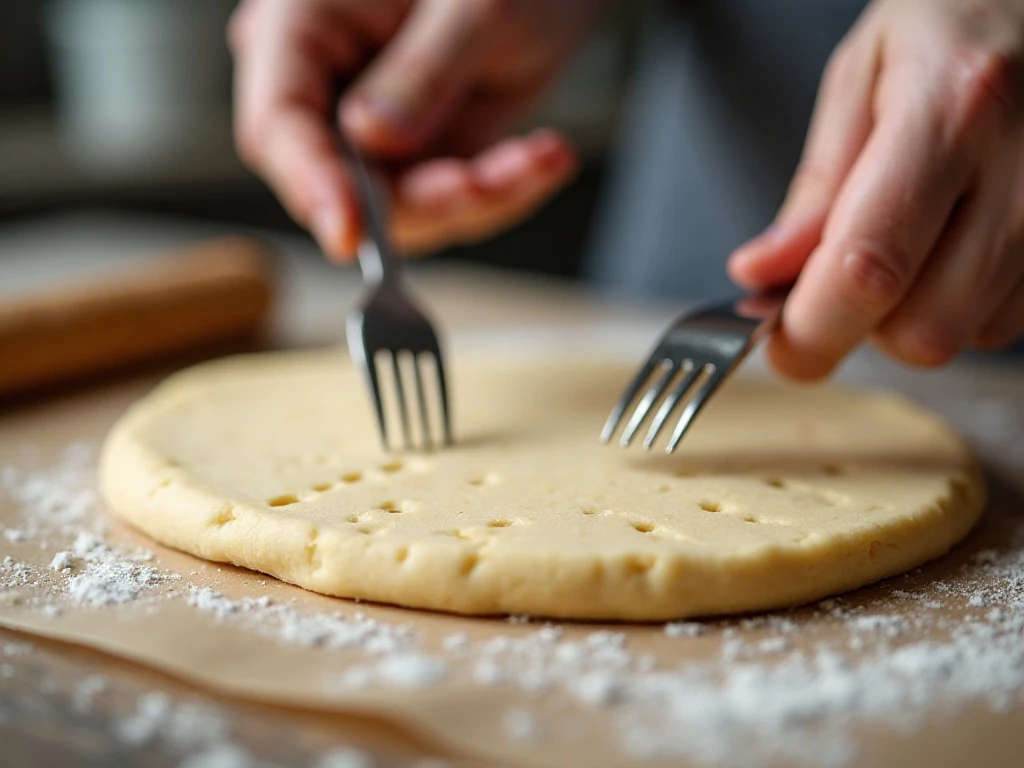
Step 6: Prick the surface with a fork, making a neat pattern if you are working with a single slab. The holes are more than decoration: they help release steam and reduce the chance of large air pockets forming inside the shortbread.
Step 7: Chill the shaped dough for 20–30 minutes if you have time. This brief rest firms the butter and helps the shortbread keep its clean edges during baking.
Step 8: Bake for 20–30 minutes, depending on the shape and thickness of the dough. Watch closely near the end and remove the shortbread when it is firm and pale, with only a very light golden color around the edges.
Step 9: Sprinkle extra caster sugar over the shortbread while it is still warm. Let it cool in the tin for 10–15 minutes, then transfer it carefully to a wire rack and wait at least another 15 minutes before removing or serving the pieces.
Pro Tips for Perfect Shortbread
The most important rule is to treat the dough gently. Overmixing can develop gluten in the flour, leaving you with shortbread that is tougher and less tender than it should be.
- Soften butter naturally: Leave it at room temperature until it yields easily when pressed, but do not melt it in the microwave.
- Measure by weight: The 300 g flour, 200 g butter and 100 g sugar ratio is the foundation of this traditional recipe.
- Keep the mixture light: Cream the butter and sugar only until smooth rather than pale, fluffy and voluminous.
- Chill before baking: A 20–30 minute chill helps the dough retain its shape and limits spreading.
- Watch the color: Classic Scottish shortbread should remain pale. Deep browning produces a toasted flavor that is less typical.
- Cool before moving: Freshly baked shortbread is fragile, so give it time to firm up in the tin before transferring it.
If the dough seems crumbly while mixing, continue bringing it together gently rather than adding liquid. The butter will gradually bind the flour, and pressing the dough into the tin will help it form a smooth slab.
Shaping, Serving and Presentation
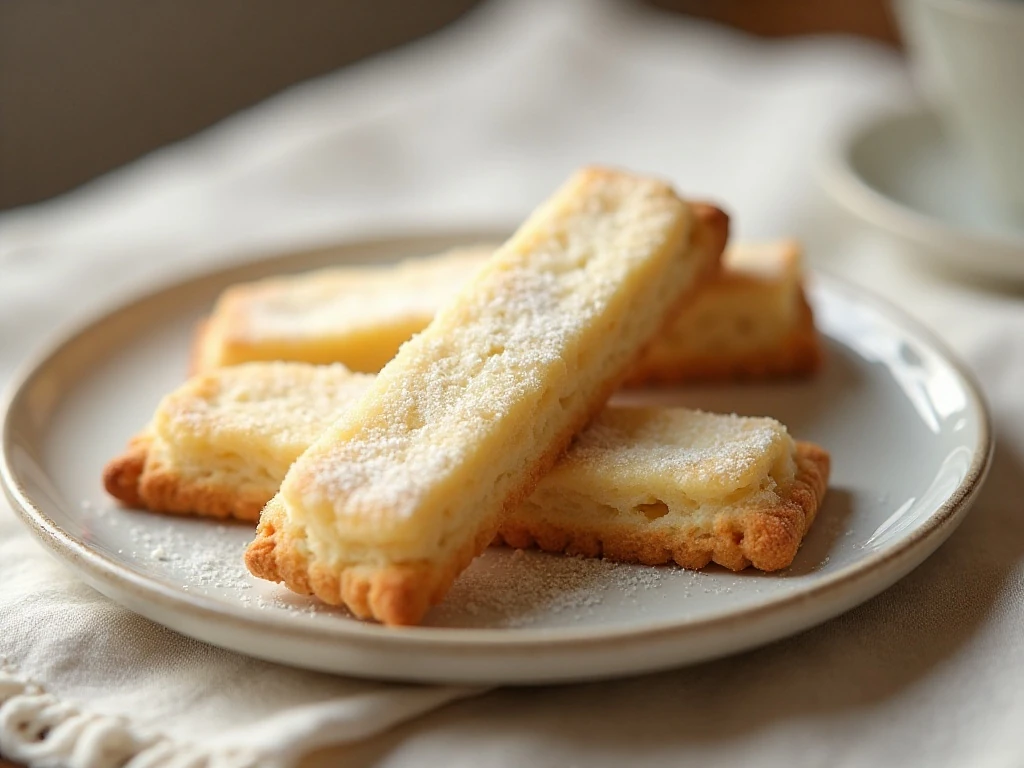
A square tin is the easiest route to traditional fingers. Once the dough is pressed into place, you can score it lightly into portions before baking, then prick each section with a fork.
For wedges, use a round baking tin or shape the dough into a circle on a tray. Score the circle into triangles before baking, keeping the cuts shallow so the dough stays together while it cooks.
Serve the shortbread at room temperature with tea or coffee. It also makes a lovely homemade gift when stacked in a parchment-lined tin, especially when the pieces are dusted with a delicate scattering of caster sugar.
Storage and Make-Ahead Advice
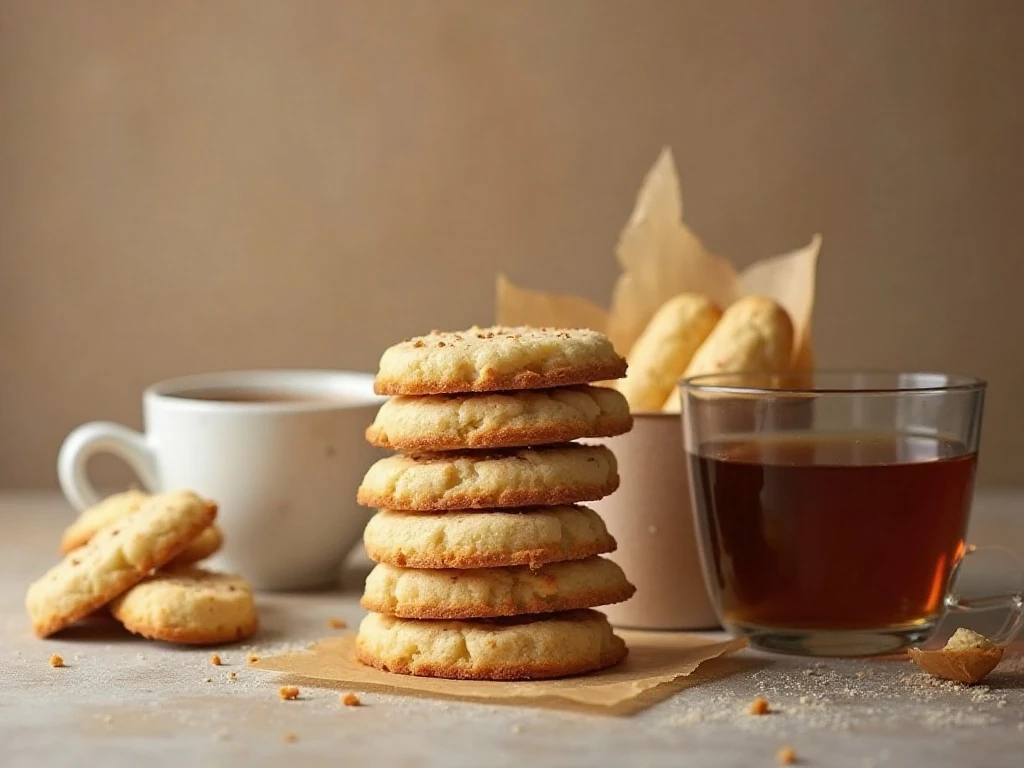
Allow the shortbread to cool completely before storing it. Place the fingers or wedges in an airtight container and keep them at room temperature, where they should retain their buttery texture and crisp edges.
Separate layers with baking paper if you want to protect the fork marks and sugar finish. Avoid sealing the container while the biscuits are warm, since trapped steam can soften the crumb.
The dough can also be prepared, shaped and chilled before baking. If you are planning ahead, keep the shaped dough cold and bake it according to the same temperature and color cues, ensuring the center is firm before removing it from the oven.
Common Questions About Scottish Shortbread
Can I use ordinary granulated sugar? Caster or superfine sugar is preferred because its smaller crystals blend easily into the butter. If using another sugar, the texture may be slightly different, but the traditional recipe is best with caster sugar.
Why is my shortbread too hard? The most common causes are overmixing, adding too much flour or baking for too long. Mix only until the dough forms and remove it while it is still pale with lightly golden edges.
Why did the shortbread spread? Warm butter and unchilled dough can cause spreading. Chilling the shaped dough for 20–30 minutes firms the butter and helps preserve the intended shape.
Can I make it with rice flour? Yes. Replace 30–50 g of the plain flour with rice flour for a more crumbly, sandy texture while keeping the total flour quantity at 300 g.
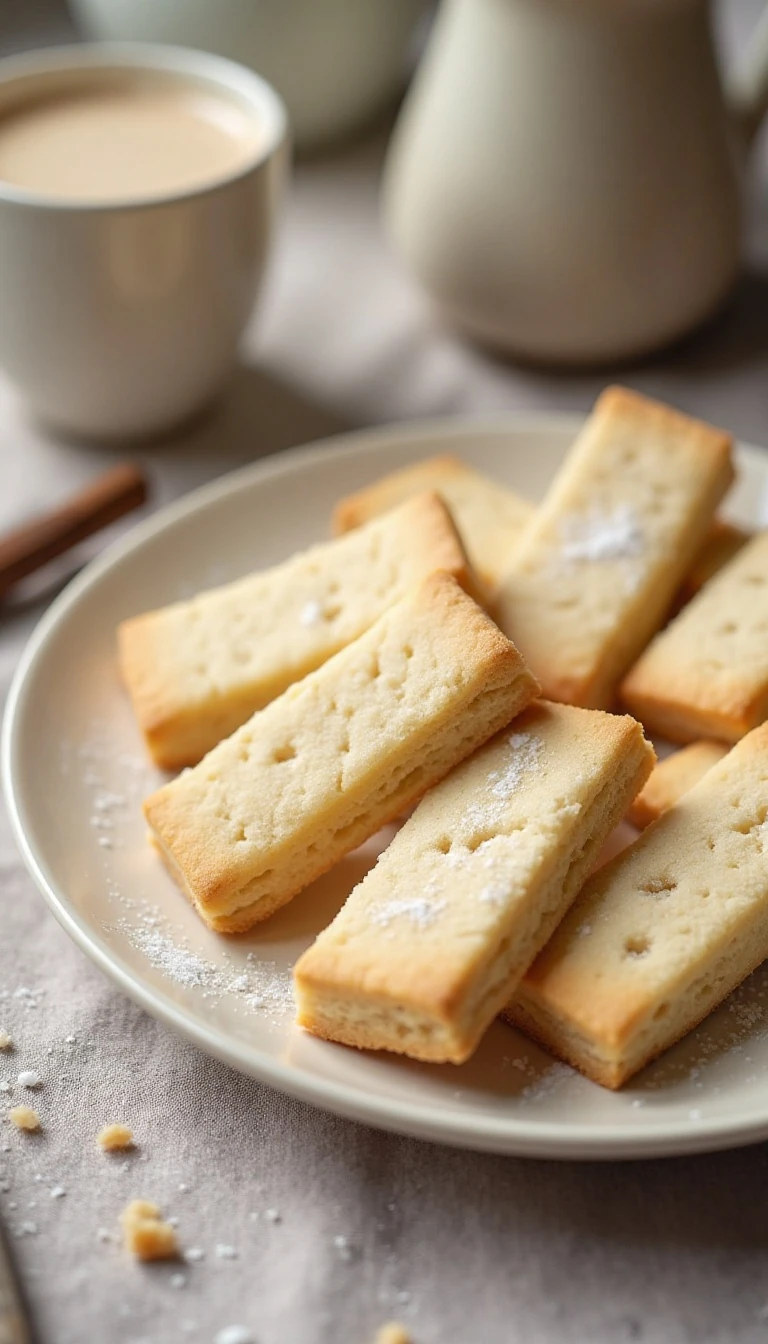
Traditional Scottish Shortbread Recipe
Ingredients
Method
- Heat the oven to 160°C conventional, 140°C fan or gas mark 3. Grease and line a 20 cm square tin, or prepare a baking tray if you plan to roll and cut the dough.
- Cream the softened butter and caster sugar lightly until smooth. Mix only until combined and creamy, because excessive whipping adds air and makes the shortbread less traditionally dense.
- Add the plain flour and optional pinch of salt to the butter mixture. Stir gently until a soft dough forms, stopping as soon as there are no obvious dry patches.
- Press the dough evenly into the prepared tin, or roll it to approximately 1 cm thickness and cut it into fingers or rounds. Aim for an even thickness so every piece bakes at the same rate.
- Prick the surface all over with a fork. These small holes are characteristic of shortbread and help prevent large air pockets while the dough bakes.
- Chill the shaped dough for 20–30 minutes if time allows. This firms the butter, helps the shortbread hold its shape and reduces spreading in the oven.
- Bake for approximately 20–30 minutes, checking toward the shorter end of the cooking time. The shortbread should feel firm and remain pale, with only very lightly golden edges.
- Sprinkle the hot shortbread with extra caster sugar as soon as it comes from the oven. Cool it in the tin for 10–15 minutes, then transfer it to a rack and allow it to cool for at least 15 minutes before serving.
25 mins
75 mins including optional chilling and cooling
20–24 fingers or wedges
Not calculated