For perfect asparagus every time, roast 1 pound of thoroughly dried asparagus at 425°F (220°C) with 1 to 2 tablespoons of extra-virgin olive oil, 1/2 teaspoon kosher salt, and 1/4 teaspoon freshly ground black pepper. Roast the spears in a single layer for 8 to 15 minutes, depending on thickness, until bright green, tender when pierced, and lightly browned at the tips.
This easy roasted asparagus recipe delivers crisp-tender stalks, savory golden edges, and fresh lemon flavor in about 15 to 25 minutes from start to finish. Add minced garlic before roasting or grated Parmesan after cooking for an especially delicious side dish that belongs beside everything from weeknight chicken to a special holiday meal.
Jump to RecipeWhy You’ll Love This Recipe
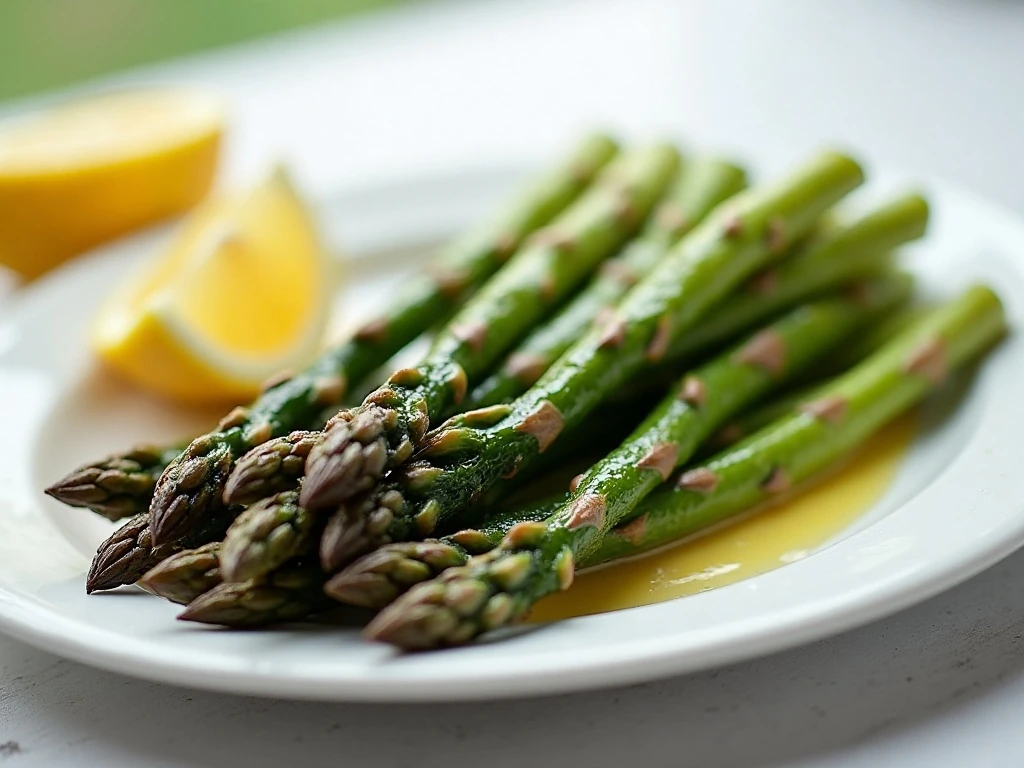
Roasting is one of the simplest and most reliable ways to cook asparagus. High oven heat concentrates the vegetable’s natural sweetness while giving the tips a little color and keeping the centers pleasantly tender.
The ingredient list is short, but each item has a clear purpose. Olive oil encourages browning, kosher salt sharpens the flavor, black pepper adds gentle warmth, and lemon cuts through the richness with a clean, lively finish.
This side dish is also wonderfully flexible. Serve it with roasted meats, fish, eggs, pasta, or grain bowls, or place it on a spring-inspired table next to a creamy main course such as creamy vegetable tortellini.
Ingredients You’ll Need
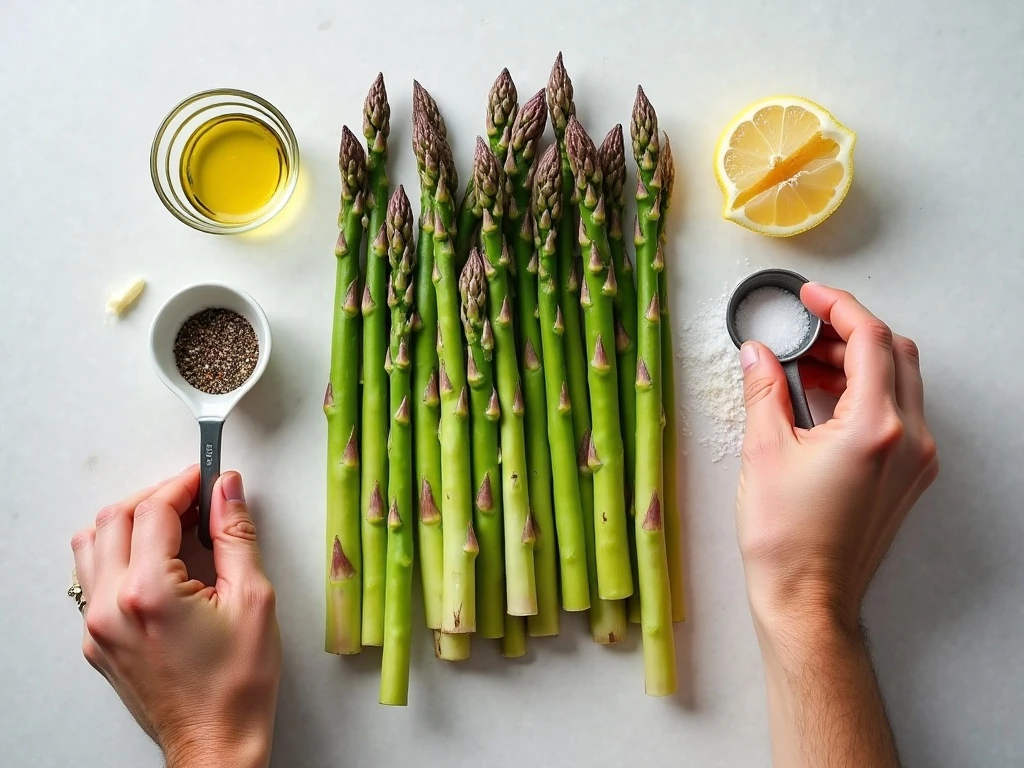
Begin with 1 pound of fresh asparagus. Look for firm, smooth stalks with compact tips and a vibrant green color; the stalks can be thin, medium, or thick, but try to roast spears of similar size together for the most even result.
- 1 pound fresh asparagus: The star of the dish, trimmed of its woody ends.
- 1 to 2 tablespoons extra-virgin olive oil: Use enough to lightly coat the spears without making them greasy.
- 1/2 teaspoon kosher salt: Add this before roasting, or adjust to taste.
- 1/4 teaspoon freshly ground black pepper: This adds a mild, savory bite.
- 1 lemon, cut into wedges: Serve it alongside for squeezing over the hot asparagus.
- Optional garlic: One small minced garlic clove adds savory depth.
- Optional Parmesan: One to 2 tablespoons of grated Parmesan create a salty, nutty finish.
For another recipe idea that makes good use of bright citrus flavor, save these lemon bar favorites for dessert after dinner.
How to Make It Step-by-Step
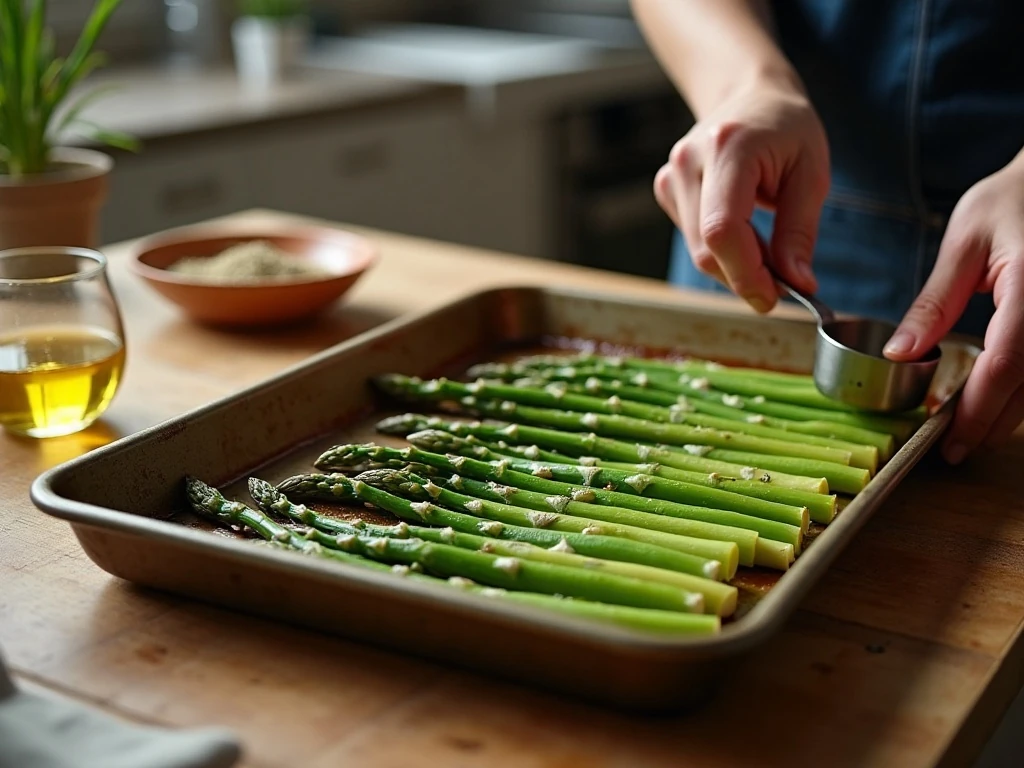
Step 1: Heat the oven to 425°F (220°C) and place a rimmed baking sheet nearby. Starting with a hot oven gives the asparagus enough heat to brown the tips while cooking the stalks quickly.
Step 2: Rinse the asparagus under cool water, then dry it thoroughly with clean kitchen towels or paper towels. This drying step matters because excess moisture can cause the spears to steam instead of roast.
Step 3: Remove the woody bottom ends by snapping each spear near its natural breaking point or by lining up the asparagus and cutting away about 1 to 2 inches. The tender upper portions should be similar in length so they are easy to serve.
Step 4: Arrange the spears in a single layer on the rimmed baking sheet, leaving a little space between them. Drizzle with 1 to 2 tablespoons of olive oil, then sprinkle with the kosher salt and black pepper; add the minced garlic if desired.
Step 5: Toss gently until every spear has a thin coating of oil and seasoning. If your asparagus includes mixed sizes, place the thickest spears together and keep the thinnest ones toward one side so they can be checked first.
Step 6: Roast until the asparagus is bright green, tender when pierced, and lightly browned at the tips. Thin spears generally need about 8 to 10 minutes, medium spears about 10 to 12 minutes, and thick spears about 12 to 15 minutes.
Step 7: Remove the baking sheet from the oven and finish the asparagus with lemon juice or lemon wedges. Add 1 to 2 tablespoons of grated Parmesan if desired, then serve immediately while the tips are warm and fragrant.
How to Choose and Trim Asparagus
Fresh asparagus should feel firm rather than limp, and the tips should look closed and compact. Slightly thicker spears are often juicy and substantial, while thin spears cook quickly and can be especially tender.
There are two easy trimming methods. You can bend each spear until the woody end naturally snaps away, or you can cut 1 to 2 inches from the bottoms with a chef’s knife after lining up the stalks.
Do not discard the trimmed ends if you are making stock or a blended vegetable soup. For this roasted preparation, however, removing those tough portions ensures every bite is pleasant.
Pro Tips for the Best Roasted Asparagus
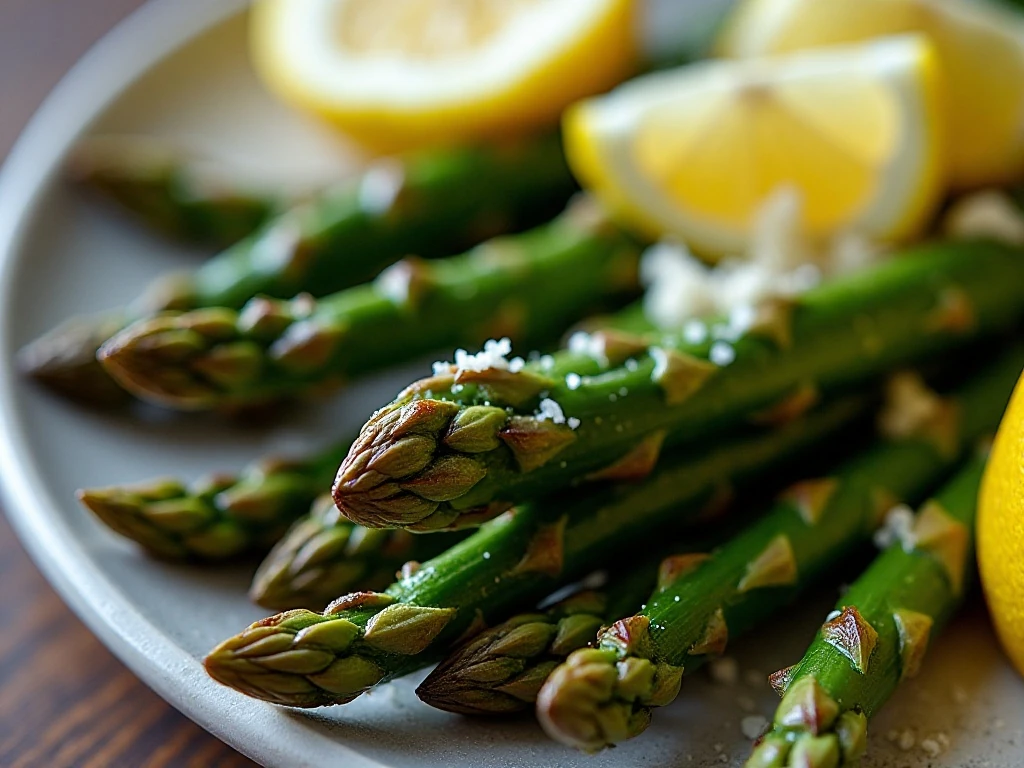
The most important tip is to dry the asparagus thoroughly after rinsing. Water left on the stalks lowers the surface temperature and encourages steaming, which can leave the vegetables soft and pale instead of lightly browned.
Use a rimmed baking sheet and avoid crowding. The spears need room for hot air to circulate, so spread them into one layer rather than piling them up.
- Watch the clock by thickness: Thin spears may be ready in 8 minutes, while thick spears may need as long as 15 minutes.
- Check early: Pierce a spear with a fork near the shorter end of the cooking range to prevent overcooking.
- Season simply: Lemon should be added after roasting so its fresh flavor remains bright.
- Serve promptly: Asparagus continues to soften as it sits, so bring it to the table soon after finishing.
If you are preparing a larger snack-style spread, these quick bacon instructions can help you add a crisp, savory accent to brunch or a dinner buffet.
Easy Ways to Serve Asparagus
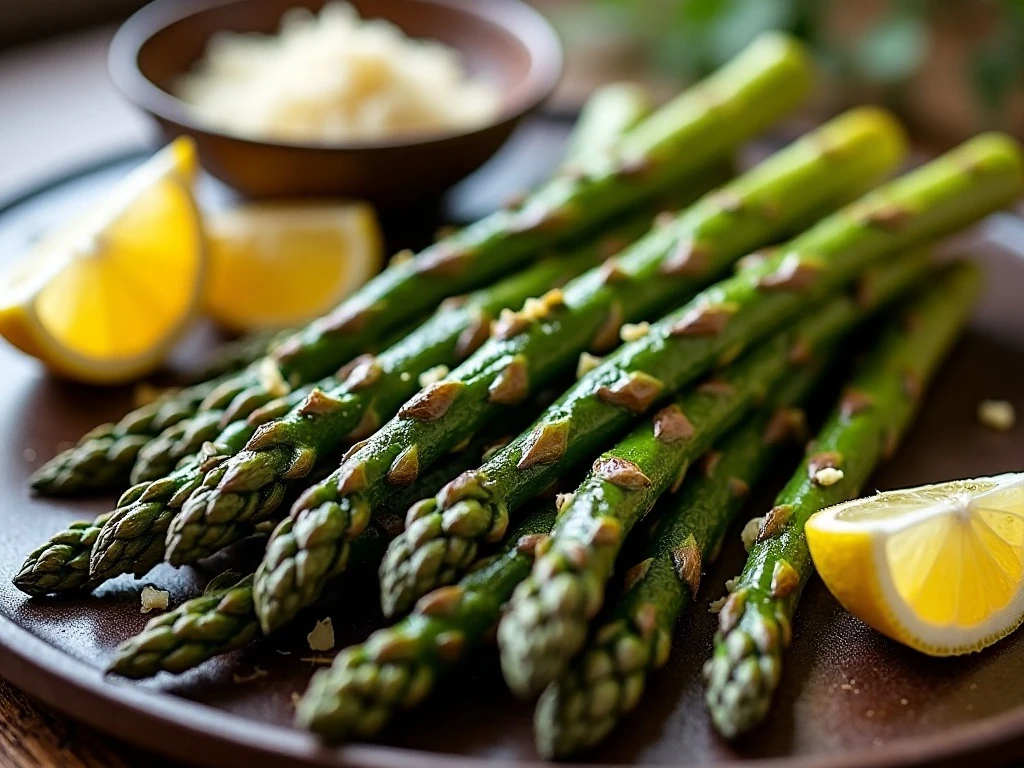
Roasted asparagus is excellent straight from the baking sheet with nothing more than lemon. Parmesan is a natural partner, adding salty richness without overwhelming the vegetable’s fresh flavor.
For breakfast, serve it beside eggs and toast. At lunch, chop the cooled spears into a salad or layer them over grains with a lemony dressing.
For dinner, place the asparagus beside roast chicken, grilled fish, pork, or pasta. It also works beautifully as part of an appetizer table alongside a warm dip; consider pairing it with this easy cheeseburger dip for a casual gathering with plenty of variety.
Storage and Reheating
Roasted asparagus is best served immediately, but leftovers can be cooled and stored in an airtight container in the refrigerator. For the best texture, enjoy them within a few days.
Reheat gently in a 425°F oven until warmed through, or use a skillet over medium heat. Avoid prolonged reheating, since the spears can become overly soft.
Cold leftovers are also useful. Slice them into an omelet, fold them into a pasta salad, or add them to a vegetable bowl with a fresh squeeze of lemon.
When planning a full meal, browse these five practical mix recipes for additional homemade ideas that can round out a busy cooking day.

Perfect Roasted Asparagus
Ingredients
Method
- Heat the oven to 425°F (220°C). Rinse the asparagus and dry it thoroughly, then snap or cut away the woody bottom ends, usually removing about 1 to 2 inches.
- Arrange the asparagus spears in a single layer on a rimmed baking sheet, leaving space between them. Toss with the olive oil, kosher salt, freshly ground black pepper, and minced garlic if using.
- Roast thin spears for about 8 to 10 minutes, medium spears for about 10 to 12 minutes, or thick spears for about 12 to 15 minutes. The asparagus is ready when it is bright green, tender when pierced, and lightly browned at the tips.
- Finish the roasted asparagus with fresh lemon juice or serve it with lemon wedges. Sprinkle with 1 to 2 tablespoons of grated Parmesan if desired, and serve immediately.
Notes
Final Thoughts
Perfect roasted asparagus does not require complicated equipment or a long ingredient list. Dry the spears well, trim away the woody ends, coat them lightly with olive oil and seasoning, and roast at 425°F until the stalks are tender and the tips are lightly browned.
Remember that thickness determines timing: thin asparagus may be ready in 8 to 10 minutes, medium spears in 10 to 12 minutes, and thick spears in 12 to 15 minutes. Finish with lemon and optional Parmesan, then serve while hot for the best color, texture, and flavor.
Once you master this dependable method, asparagus becomes an effortless addition to weeknight dinners and celebratory meals alike. It is simple, fresh, and satisfying enough to earn a regular place in your recipe rotation.
1 thought on “Perfect Asparagus Made Easy: The Ultimate Roasted Asparagus Cooking Guide”