This old-fashioned lemon meringue pie recipe makes one 9-inch pie with a buttery pastry crust, bright fresh-lemon filling, and billowy toasted meringue. The filling takes about 25–35 minutes to prepare, the meringue bakes for about 12–15 minutes, and the finished pie should cool and chill for at least 2 hours before slicing.
Every bite balances sweet, tart, creamy, and airy textures. Fresh lemon juice and finely grated zest give the custard a lively citrus flavor, while the soft meringue and lightly golden crust make this a treasured classic for Sunday dinner, holidays, or any afternoon that calls for a special dessert.
Jump to RecipeWhy You’ll Love This Recipe

There is a reason old-fashioned lemon meringue pie has stayed on dessert tables for generations. It is familiar without being ordinary: crisp pastry supports a smooth lemon custard, and a cloud of sweet meringue softens the citrus tang in every forkful.
This recipe uses a classic cooked filling thickened with cornstarch and egg yolks. The method is dependable when each stage is given the attention it needs, especially tempering the yolks and spreading the meringue over the filling while it is still hot.
The pie is also wonderfully make-ahead friendly. Prepare it earlier in the day, give it at least 2 hours to cool and chill, and you will have a polished dessert ready for family meals or guests.
If you enjoy sharing lemon desserts with someone special, you may also like this luscious lemon pie idea for another beautiful presentation.
Ingredients You’ll Need

Choose a fully baked and cooled 9-inch pie crust, or begin with an unbaked single-crust pastry shell. The filling is poured into the crust after it has baked, so do not use a raw shell at the filling stage.
- Fresh lemons: You will usually need 3–4 lemons for 1/2 cup juice and 1 tablespoon finely grated zest.
- Cornstarch: This gives the lemon layer its familiar sliceable custard texture.
- Egg yolks: Four yolks add richness and help the filling become glossy.
- Egg whites: Room-temperature whites whip more readily into a stable meringue.
- Cream of tartar: This supports the structure of the whipped whites.
- Butter and vanilla: Butter rounds out the lemon filling, while vanilla adds warmth to the topping.
Measure the ingredients before you begin. Since the filling thickens quickly once it boils, having the yolks, lemon juice, zest, and butter ready will keep the process calm and prevent overcooking.
For another bright lemon dessert, keep our raspberry lemon tartlets on your dessert list. They offer a different texture and require no oven for the pastry portion.
How to Make It Step-by-Step

Step 1: Prepare and bake the pastry shell if needed. Line the unbaked 9-inch crust with parchment and fill it with pie weights, then bake at 425°F for about 15 minutes; remove the weights and continue baking for 5–10 minutes, until lightly golden. Let the shell cool before adding the filling, or use a fully baked and cooled crust.
Step 2: Start the lemon base by whisking 1 1/4 cups granulated sugar, 1/3 cup cornstarch, and 1/4 teaspoon salt together in a saucepan. Gradually whisk in 1 1/2 cups water so the cornstarch disperses smoothly without leaving dry pockets.
Step 3: Cook the mixture over medium heat, whisking constantly. Once it reaches a boil and thickens, continue boiling for about 1 minute; steady stirring helps keep the bottom from scorching and creates a smooth filling.
Step 4: Temper the four lightly beaten egg yolks. Slowly whisk about 1 cup of the hot sugar mixture into the yolks in a separate bowl, adding it gradually so the eggs warm gently instead of scrambling.
Step 5: Pour the tempered yolk mixture back into the saucepan. Cook for another 1–2 minutes, stirring constantly, until the filling is thick and glossy; remove it from the heat as soon as it reaches that texture.
Step 6: Stir in the 1/2 cup fresh lemon juice, 1 tablespoon lemon zest, and 2 tablespoons unsalted butter. The lemon juice brings the sharp citrus flavor, the zest adds aroma, and the butter gives the custard a smooth finish.
Step 7: Pour the hot lemon filling into the baked pie crust and smooth the surface if necessary. Keep the filling hot while you prepare the meringue, because placing the topping over warm custard helps its underside cook properly.
Step 8: Beat four room-temperature egg whites with 1/2 teaspoon cream of tartar until foamy. Gradually add 1/2 cup granulated sugar and 1/2 teaspoon vanilla extract, continuing to beat until the meringue is glossy and holds stiff peaks.
Step 9: Spoon the meringue over the hot lemon filling and spread it completely to the crust edge. Pressing the meringue against the pastry all around the rim creates a seal that helps reduce moisture collecting underneath.
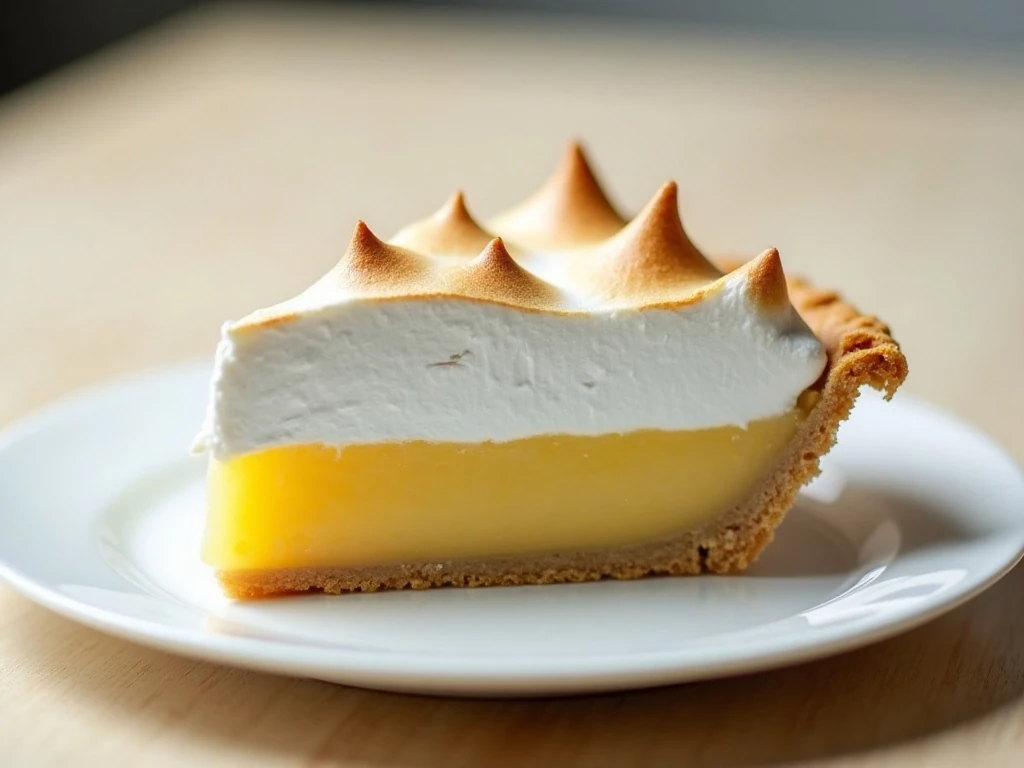
Step 10: Bake the assembled pie at 350°F for about 12–15 minutes, watching closely near the end. The peaks should be lightly browned, not deeply dark, and the meringue should look set.
Step 11: Cool the pie at room temperature before refrigerating it. Chill for at least 2 hours before slicing, although an overnight rest generally produces the neatest wedges.
Chef’s Tips for Stable Meringue
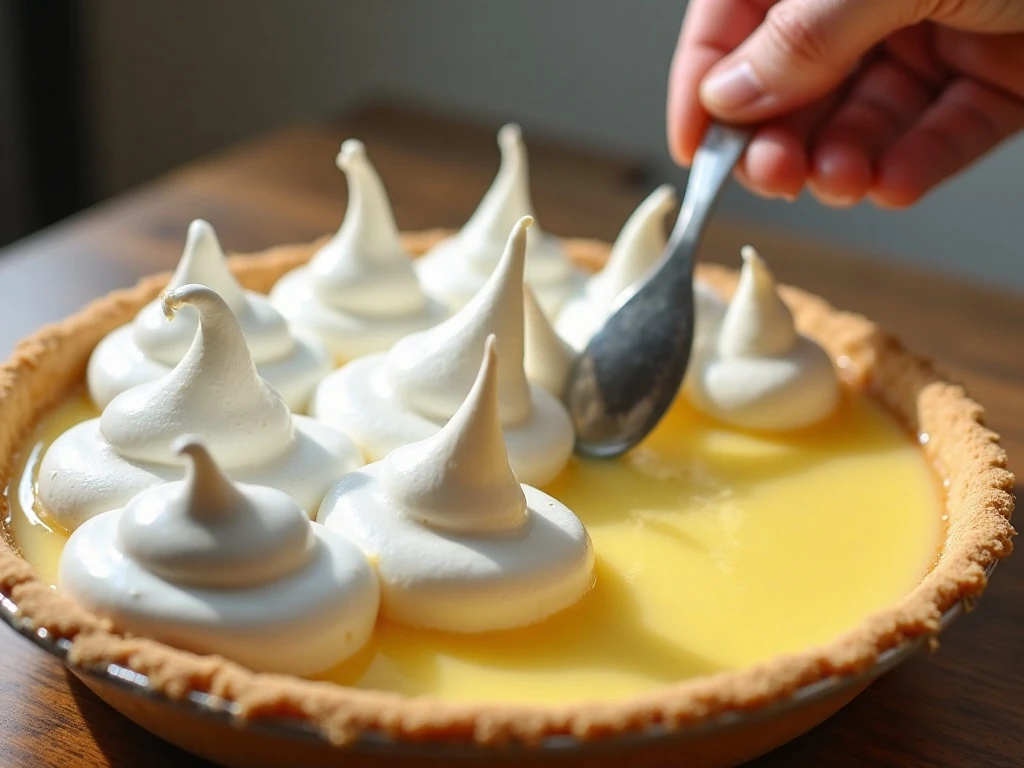
Meringue becomes much easier when the egg whites, bowl, and beaters are treated carefully. Bring the whites to room temperature, but make sure no yolk slips into them, because even a small amount of fat can interfere with whipping.
- Use a spotless, grease-free metal or glass bowl.
- Add the sugar gradually instead of dumping it in all at once.
- Stop beating when the peaks are glossy and stiff; dry, grainy whites can lose their smooth texture.
- Spread the topping over hot filling immediately after whipping it.
- Seal the meringue against the crust edge, with no open gaps around the rim.
Freshly squeezed lemon juice matters here. Bottled juice can taste flatter, while fresh juice and finely grated zest provide the clean, aromatic citrus character that makes this pie taste truly homemade.
For the most attractive finish, use the back of a spoon to create gentle swirls and peaks before baking. Those peaks catch the heat and develop the lightly toasted color associated with a classic lemon meringue pie.
Serving, Storage, and Slicing

Let the pie chill fully before cutting. A sharp thin knife will make the cleanest wedges; wipe the blade between cuts if the meringue or lemon layer clings to it.
Serve the slices cold or slightly cool, without heavy additions that could cover the lemon flavor. A small curl of lemon zest or a very thin lemon slice can provide a simple finishing touch.
Keep leftovers refrigerated. The pie is at its best when served after its required 2-hour chill, and overnight chilling gives the filling extra time to set for tidy portions.
When planning a meal around this dessert, a savory lemon dish such as our lemon pan-fried fish can make a fitting main course before the pie.
More Classic Baking Inspiration
This pie is a natural centerpiece for a traditional gathering, especially when served after a comforting meal. Its bright filling cuts through rich dishes and brings a cheerful finish to the table.
For a vegetable-forward menu, consider pairing it with a savory side such as this classic tomato pie. The contrast between savory pastry and sweet citrus dessert makes the meal feel thoughtfully planned.
If you want another treat with a fresh fruit flavor, our strawberry lemon blondies are a lovely alternative for picnics, lunch boxes, or casual dessert plates.

Old-Fashioned Lemon Meringue Pie
Ingredients
Method
- Bake the pastry shell until lightly golden and cool it completely. If starting with raw pastry, line it with parchment and pie weights, bake at 425°F for about 15 minutes, remove the weights, then bake 5–10 minutes more.
- Whisk the sugar, cornstarch, and salt in a saucepan. Gradually whisk in the water, cook over medium heat until boiling and thickened, then continue boiling for about 1 minute.
- Temper the egg yolks by slowly whisking about 1 cup of the hot sugar mixture into them. Return this mixture to the saucepan and cook for another 1–2 minutes, stirring constantly, until thick and glossy.
- Remove the filling from the heat and stir in the lemon juice, lemon zest, and butter. Pour the hot lemon filling into the baked crust.
- Beat the egg whites with the cream of tartar until foamy. Gradually add the sugar and vanilla, beating until glossy stiff peaks form.
- Spread the meringue over the hot filling, taking it all the way to the pastry edge to seal it. Bake at 350°F for about 12–15 minutes, until the peaks are lightly browned.
- Cool the pie at room temperature, then refrigerate until set for at least 2 hours. Chill overnight for the cleanest slices.
Notes
Final Thoughts
This old-fashioned lemon meringue pie rewards simple ingredients and careful timing. Bake the crust first, cook the lemon filling until glossy, whip the whites to stiff peaks, and spread the meringue over the filling while it is hot.
Give the finished pie at least 2 hours in the refrigerator before slicing, or let it chill overnight for especially clean wedges. With its crisp crust, sunny lemon center, and toasted cloud of meringue, this is the kind of dessert that turns an ordinary meal into a celebration.