Margarita-Style Pork Spare Ribs are tender, citrusy, lightly smoky, and finished with a bright tequila-lime glaze. To make them, marinate 3–4 pounds of pork spare ribs for 2–8 hours, slow-cook them covered at 300°F for about 2 1/2–3 hours, then grill or broil for 5–10 minutes until the edges are browned and lightly charred.
Fresh lime and orange juice bring the familiar margarita flavor, while blanco tequila, garlic, jalapeño, chili powder, cumin, smoked paprika, brown sugar, and cilantro create a savory-sweet crust. The result is juicy, pull-apart pork with enough zesty heat to make every bite taste lively without overwhelming the meat.
Jump to RecipeWhy You’ll Love This Recipe
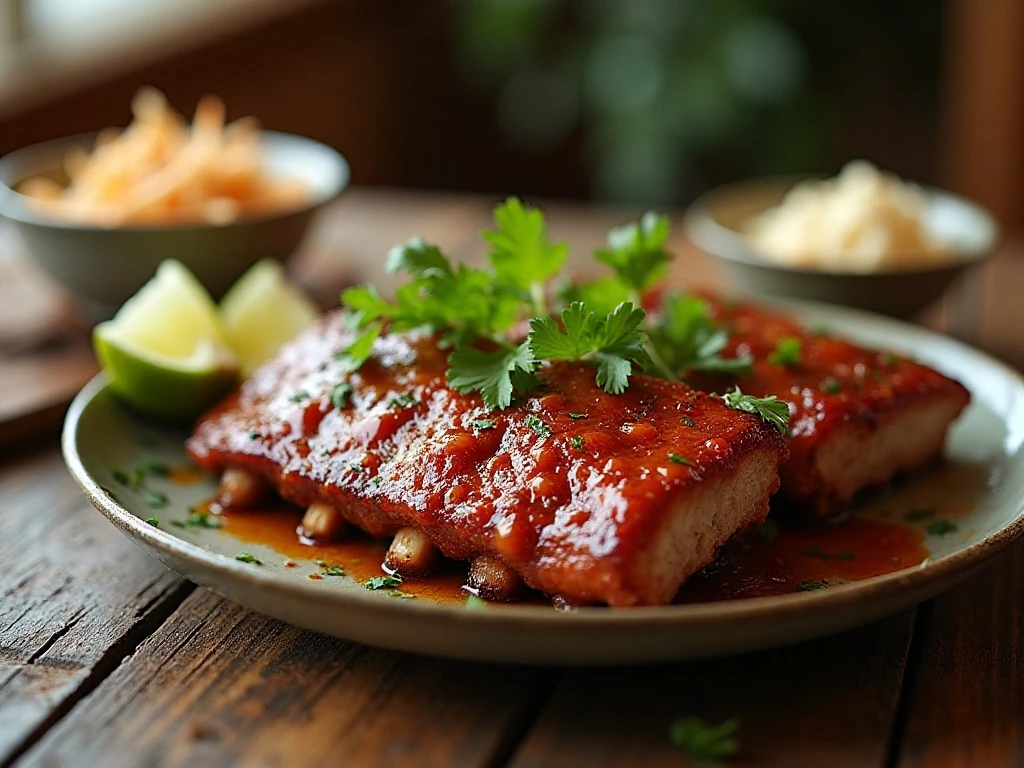
These ribs bring the pleasure of a backyard barbecue together with the bright flavor of a classic margarita. Lime provides a clean, sharp tang, orange juice softens that acidity with mellow sweetness, and tequila adds a distinctive warm note that stays savory rather than tasting like a cocktail poured over pork.
The cooking method is especially dependable for dinner. A tightly covered roasting pan protects the ribs from drying out while the low oven slowly softens the meat, and the short high-heat finish creates the browned edges that make ribs so irresistible.
The jalapeño gives the marinade a fresh chile flavor, while chili powder, cumin, smoked paprika, garlic, and cilantro build layers of seasoning. If you enjoy pork with a little more sweetness, honey or agave can be stirred into the finishing glaze instead of the long-cooking marinade.
For another pork dinner with a crisp coating, you can also try this crispy pork idea when you want something faster and pan-cooked.
Ingredients You’ll Need
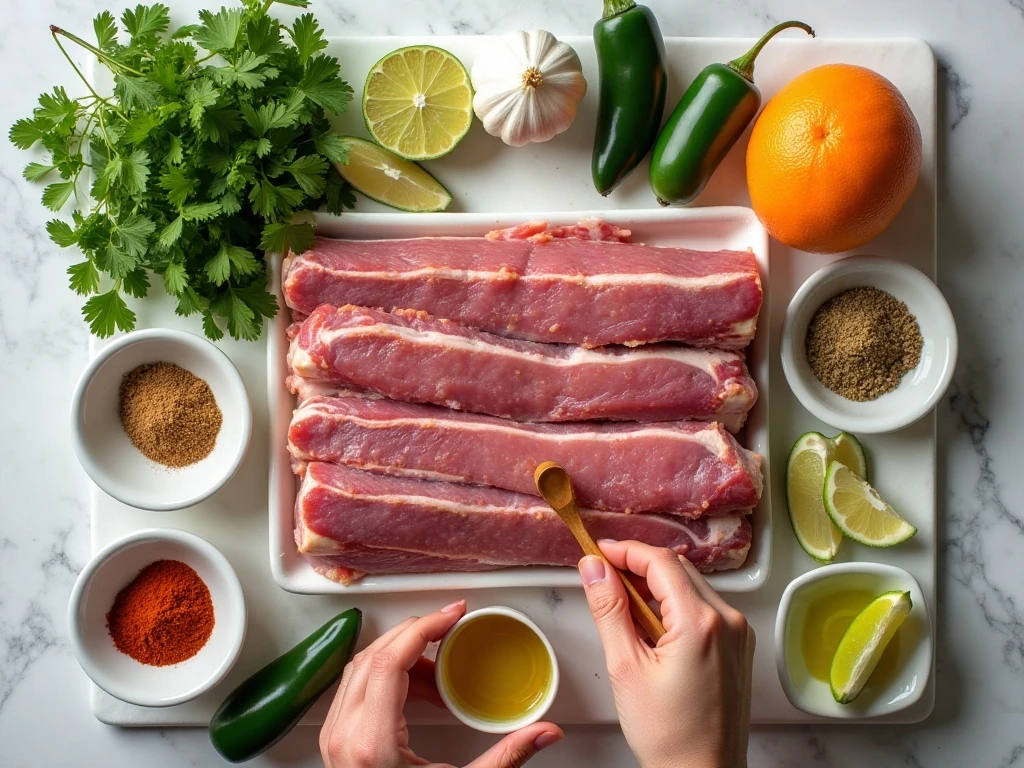
The recipe starts with 3–4 pounds of pork spare ribs. Spare ribs have generous marbling and connective tissue, making them well suited to the covered oven time; the finished meat should be tender enough to pull cleanly from the bones but still juicy.
- Citrus: Use 1/4 cup fresh lime juice, about 3–4 limes, plus 1/2 cup fresh orange juice and 1 tablespoon grated lime zest.
- Seasoning: Garlic, seeded jalapeño, chili powder, cumin, smoked paprika, kosher salt, black pepper, and cilantro give the ribs their savory margarita profile.
- Richness and balance: Two tablespoons of olive oil or neutral cooking oil help carry the seasoning, while two tablespoons of light brown sugar encourage browning.
- Tequila: Choose a blanco tequila with a clean flavor. The alcohol is for character, not for tenderizing or making the pork safe.
- Finishing touches: Keep extra cilantro and lime wedges ready, and use the optional tablespoon of honey or agave only in the final glaze.
Fresh juice makes a noticeable difference here. Bottled lime juice can taste flat or harsh, while freshly grated zest supplies fragrant oils that make the citrus flavor pop.
If you are planning a broader pork dinner menu, our slow-cooker pork chop dinner is another comforting option for a different evening.
How to Make It Step-by-Step
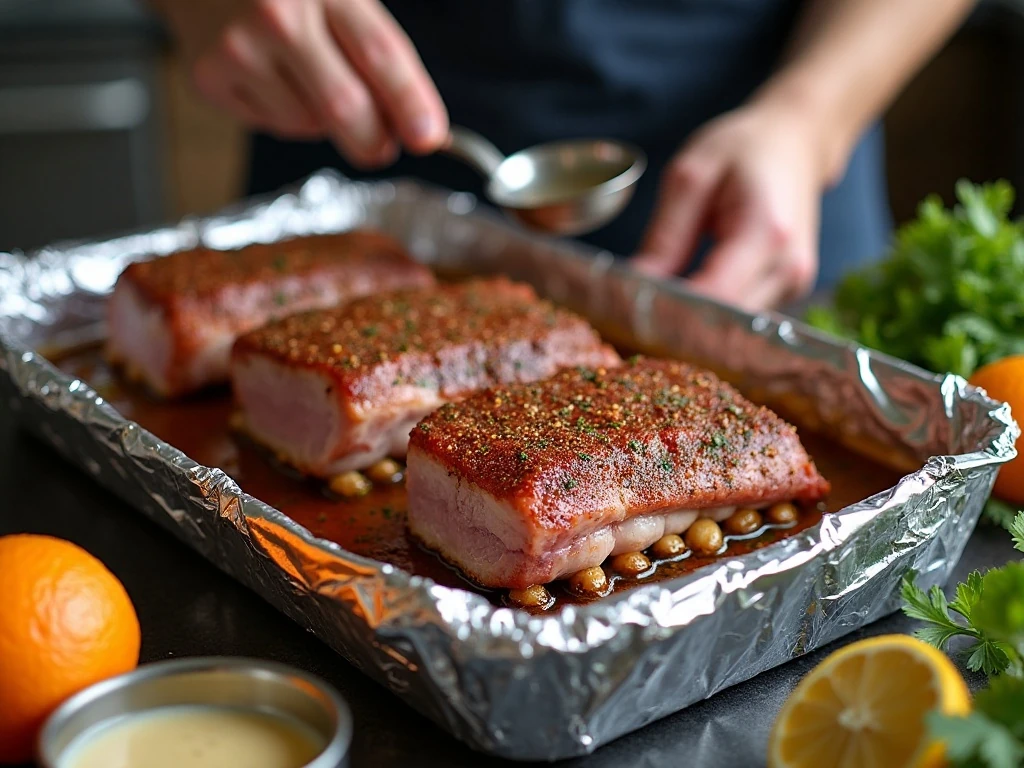
Step 1: Remove the thin membrane from the bone side of the ribs by slipping a dull knife beneath one corner and pulling it away with a paper towel. This layer can stay chewy after cooking, and removing it allows the marinade to reach the underside more effectively.
Step 2: Pat the ribs dry and cut them into manageable sections if they are too large for your roasting pan. Keeping the pieces reasonably sized makes it easier to coat every surface and later transfer them to the grill or broiler.
Step 3: In a bowl, combine the lime juice, orange juice, blanco tequila, oil, brown sugar, garlic, jalapeño, lime zest, chili powder, cumin, smoked paprika, kosher salt, black pepper, and chopped cilantro. Stir until the sugar and salt are distributed, then measure out and reserve about 1/2 cup before the raw pork goes into the bowl.
Step 4: Pour the remaining marinade over the ribs and turn them until every side is coated. Cover the ribs and refrigerate for 2–8 hours, but avoid a substantially longer marinade because the citrus can adversely affect the texture of the meat.
Step 5: Heat the oven to 300°F (150°C) and line a roasting pan with foil for easier cleanup. Arrange the ribs meat-side up, add a few tablespoons of water or orange juice to the pan, and cover everything tightly with foil.
Step 6: Cook the ribs for approximately 2 1/2–3 hours. They are ready for the finishing stage when they are very tender and a fork can slip into the meat easily, though the ribs should still hold together well enough to move.
Step 7: While the ribs cook, handle the reserved marinade carefully because it has been in contact with raw pork. Bring it to a simmer and cook for several minutes before brushing it onto the ribs; add the optional honey or agave now, when it can sweeten the glaze without burning during the long oven cook.
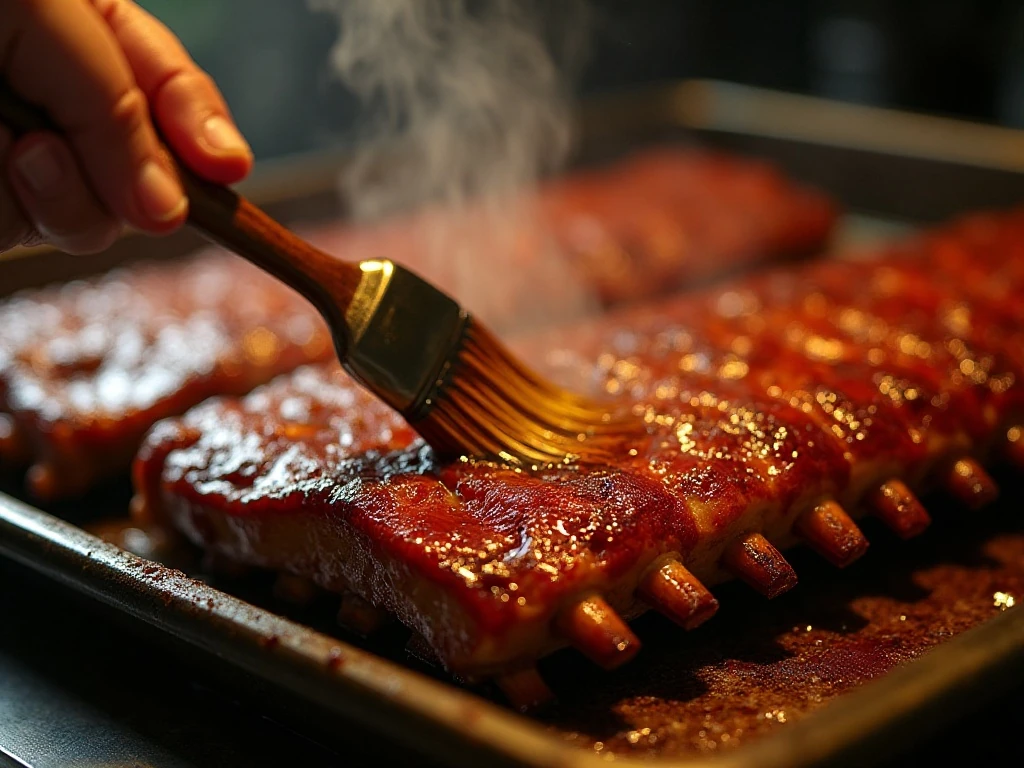
Step 8: Transfer the tender ribs to a hot grill or place them under a broiler. Brush them with the boiled marinade or glaze and cook for 2–5 minutes per side, watching closely as the brown sugar and optional sweetener can darken quickly.
Step 9: Rest the ribs for 10 minutes before cutting between the bones. Finish with chopped cilantro and lime wedges, then serve while the edges are still glossy and warm.
For a cocktail pairing that echoes the citrus notes, pour a refreshing mango margarita alongside the ribs. Its fruit-forward flavor is a pleasant contrast to the smoky chile seasoning.
Pro Tips for Tender, Zesty Ribs
Do not skip the membrane. The membrane on the bone side is thin but tough, and it can block seasoning from reaching the meat underneath. Removing it also improves the bite of the finished ribs.
Keep the pan tightly covered. The small amount of water or orange juice creates moisture inside the foil packet, while the gentle 300°F oven gives the connective tissue time to soften. A loose foil cover can allow too much steam and moisture to escape.
Reserve before marinating. The reserved portion is important because marinade that touched raw pork must be boiled before it is used on cooked food. If you forget to reserve it, make a fresh glaze rather than trying to reuse the uncooked mixture.
Watch the final heat. Grilling or broiling is meant to brown and lightly char the ribs, not cook them for another long stretch. Stay nearby, turn the ribs after 2–5 minutes, and pull them when the edges look caramelized.
Adjust the heat carefully. Seeding the jalapeño keeps its flavor while reducing some of its intensity. For more chile character, leave a small amount of the inner membrane attached, but do not change the measured salt or citrus if you want the recipe balance to remain consistent.
When you want another hands-off pork favorite, this easy crockpot pork barbecue offers a saucier style with a different flavor direction.
Serving Suggestions
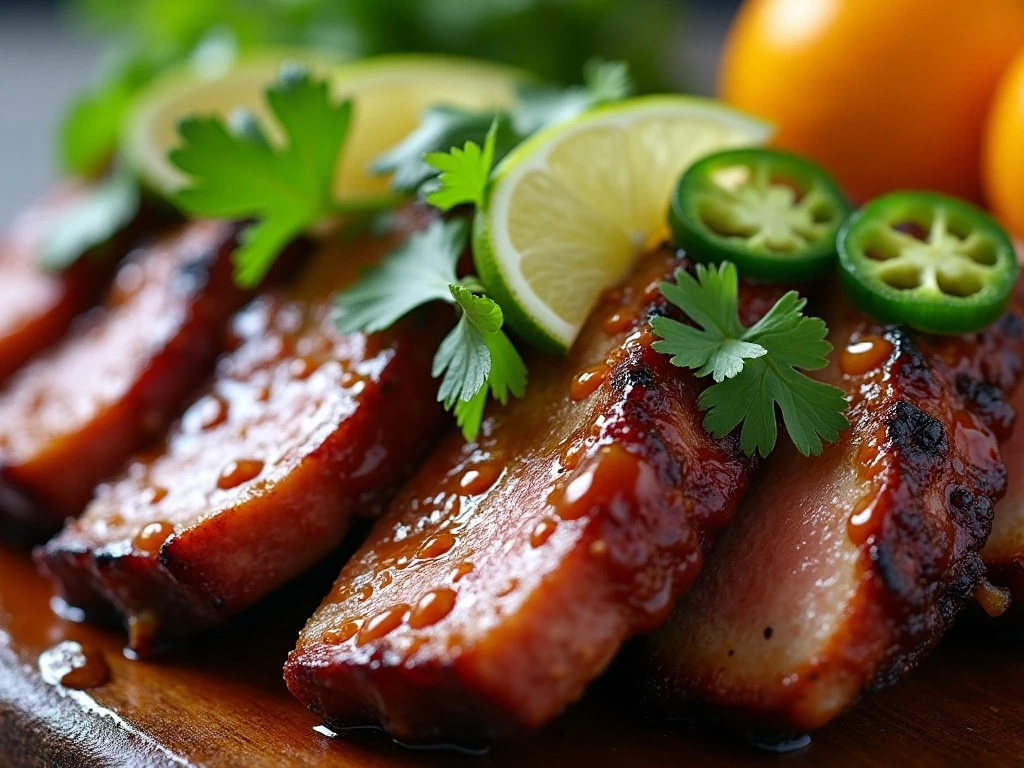
Serve the ribs with plenty of lime wedges so each person can add a fresh squeeze at the table. The acidity cuts through the richness of the pork and refreshes the smoky glaze.
For a complete dinner, pair the ribs with grilled corn, black beans, avocado salad, cilantro rice, or a crisp cabbage slaw. A simple side is often best because the ribs already provide strong citrus, chile, smoke, and sweetness.
- Fresh: Avocado, cucumber, tomato, and red onion salad with a light lime dressing.
- Comforting: Cilantro rice, warm tortillas, or creamy pinto beans.
- Grilled: Corn on the cob, zucchini, bell peppers, or thick slices of pineapple.
- Cooling: Cabbage slaw with a modest amount of lime and a creamy dressing.
Cut the rack only after the 10-minute rest. This keeps the juices from rushing out and makes it easier to portion cleanly between the bones.
Storage, Reheating, and Make-Ahead Advice
Cool leftover ribs promptly, remove the meat from the bones if desired, and store them in a covered container in the refrigerator. For the best texture, reheat them gently in a covered 300°F oven until warmed through, then uncover briefly under the broiler to refresh the glaze.
You can prepare the marinade and trim the ribs earlier in the day, then refrigerate the pork for the recommended 2–8 hour window. Do not leave the ribs marinating overnight or for substantially longer, since prolonged citrus exposure can make the surface texture unpleasant.
Leftover meat is excellent tucked into warm tortillas with avocado and slaw or scattered over rice. For another bold pulled-pork direction, keep our chipotle sweet pulled pork in mind for a future meal.
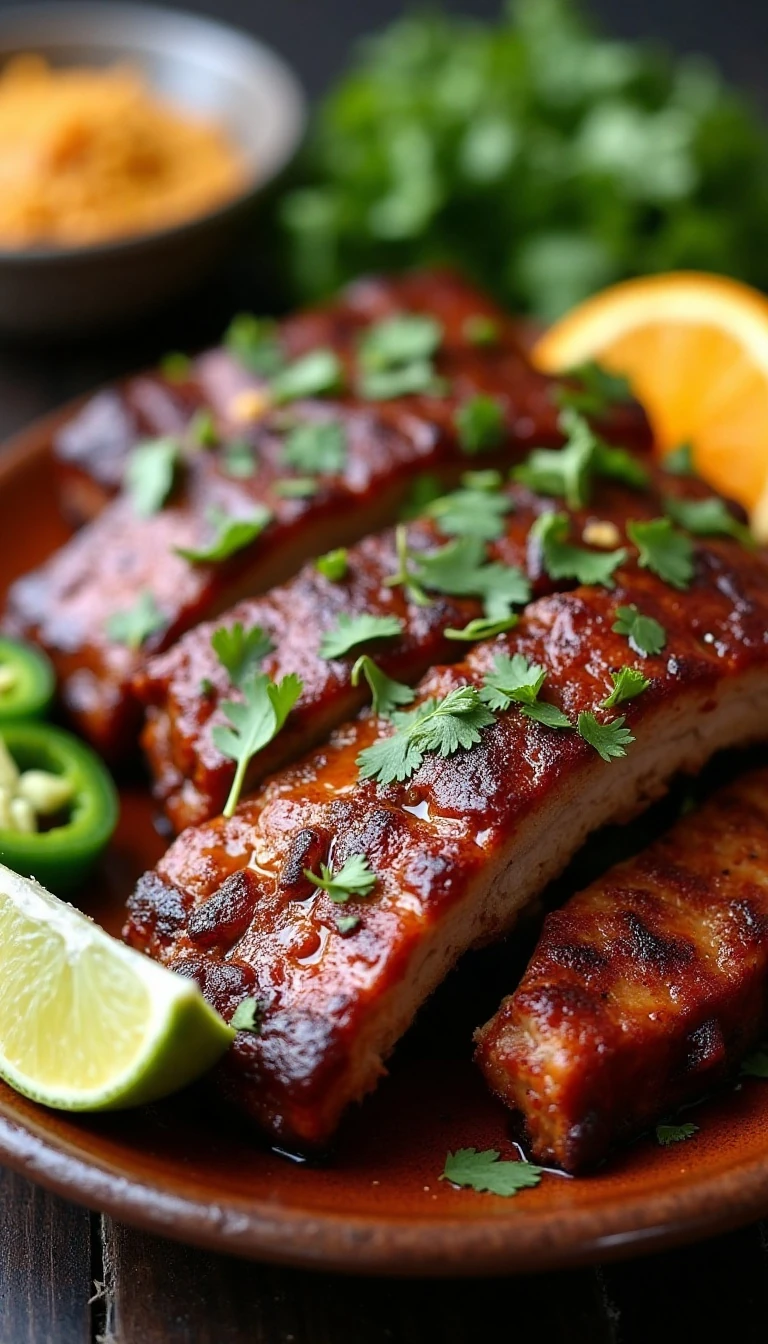
Margarita-Style Pork Spare Ribs With a Zesty Twist
Ingredients
Method
- Remove the thin membrane from the bone side of the ribs, pat the ribs dry, and cut them into manageable sections if needed.
- Whisk together the lime juice, orange juice, tequila, oil, brown sugar, garlic, jalapeño, lime zest, chili powder, cumin, smoked paprika, salt, pepper, and cilantro. Reserve about 1/2 cup of the mixture before adding the raw pork.
- Coat the ribs with the remaining marinade, cover, and refrigerate for 2–8 hours. Do not marinate substantially longer because the citrus may negatively affect the rib texture.
- Heat the oven to 300°F (150°C). Place the ribs meat-side up in a foil-lined roasting pan, add a few tablespoons of water or orange juice, cover tightly with foil, and cook for about 2 1/2–3 hours, until very tender.
- Simmer the reserved marinade for several minutes before using it as a glaze, or discard it and prepare a fresh glaze. Stir in the optional honey or agave during this final glazing stage.
- Transfer the cooked ribs to a hot grill or place them under a broiler. Brush with the boiled marinade or glaze, then grill or broil for 2–5 minutes per side, until browned and lightly charred.
- Rest the ribs for 10 minutes, cut between the bones, and garnish with cilantro and lime wedges before serving.
Notes
Final Thoughts
Margarita-Style Pork Spare Ribs deliver a memorable dinner with a straightforward two-stage cooking plan: slow, covered oven cooking for tenderness followed by a brief blast of high heat for color and char. The lime, orange, tequila, jalapeño, and cilantro make the flavor bright and distinctive, while the smoky spices and brown sugar keep the ribs deeply savory.
Give yourself enough time for the 2–8 hour marinade and the 10-minute rest, and reserve part of the marinade before it touches the pork. With those details handled, you will have ribs that are juicy inside, glossy at the edges, and ready for a platter surrounded by lime wedges and fresh cilantro.