These Low-Carb Almond Meringue Cookies are light, crisp, and delicately sweet, with less than 1 gram of net carbs per cookie in many batches. Made with egg whites, powdered erythritol or a monk-fruit erythritol blend, cream of tartar, almond extract, and optional almonds, they bake slowly at 225°F and finish drying in the turned-off oven.
The result is a small cookie with a shattering, airy texture and wonderful almond fragrance. This recipe yields about 24–30 cookies and takes approximately 2 to 2 1/2 hours from start to finish, including the cooling and drying time that helps each meringue become crisp.
Jump to RecipeWhy You’ll Love This Recipe
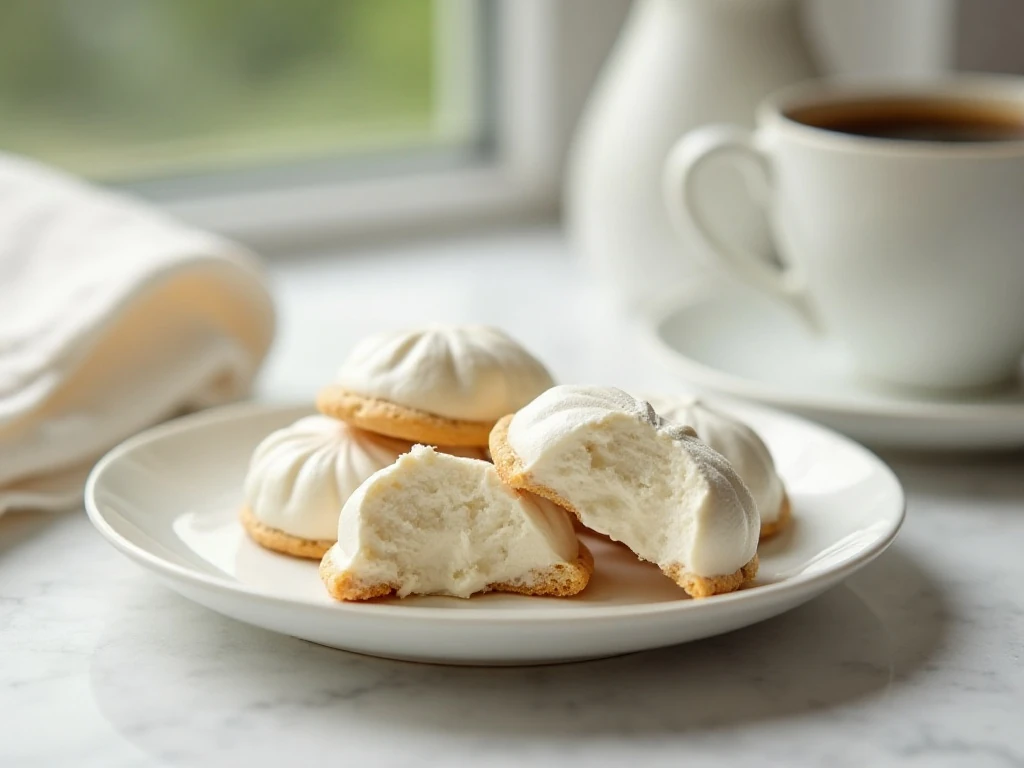
There is something special about a cookie that feels almost weightless when you pick it up. These almond meringues are crisp on the outside, airy throughout, and pleasantly fragrant without being heavy or rich.
They are also a useful low-carb choice when you want a sweet bite after dinner. Because the recipe uses a powdered sugar substitute instead of traditional sugar, the cookies are typically less than 1 gram of net carbs each, although the exact amount depends on the sweetener and almonds used.
The ingredient list is short, but the finished cookies still feel elegant enough for a dessert tray. Serve them with coffee, tea, or a small scoop of low-carb ice cream for a simple treat that does not overpower the rest of the meal.
If you are preparing a varied cookie platter, the delicate almond flavor pairs nicely with a richer option such as these chocolate truffle cookies. The contrast between crisp meringue and fudgy chocolate makes both cookies stand out.
Ingredients You’ll Need

Each ingredient has an important job in this recipe, so measuring carefully will give you the most reliable texture. Bring the egg whites to room temperature before whipping, and weigh the sweetener if your measuring cups are inconsistent.
- Egg whites: Three large egg whites, about 90 grams, provide the structure for the meringue. Room-temperature whites usually whip more readily.
- Cream of tartar: A quarter teaspoon helps stabilize the foam and supports a firm, lasting meringue.
- Powdered sweetener: Use one-half cup, about 90–100 grams, of powdered erythritol or a powdered monk-fruit erythritol blend. Powdered sweetener dissolves more smoothly than granulated erythritol.
- Almond extract: One-half teaspoon gives the cookies their clear, classic almond aroma.
- Almonds: One-third cup of finely chopped or sliced almonds is optional. They add gentle crunch and a more pronounced nutty flavor.
- Salt: A small pinch is optional, but it can sharpen the sweetness and almond notes.
For another dessert-table idea with a familiar spice profile, you can also browse our gingerbread cookie recipe. It offers a pleasant contrast to these pale, delicate meringues.
How to Make It Step-by-Step
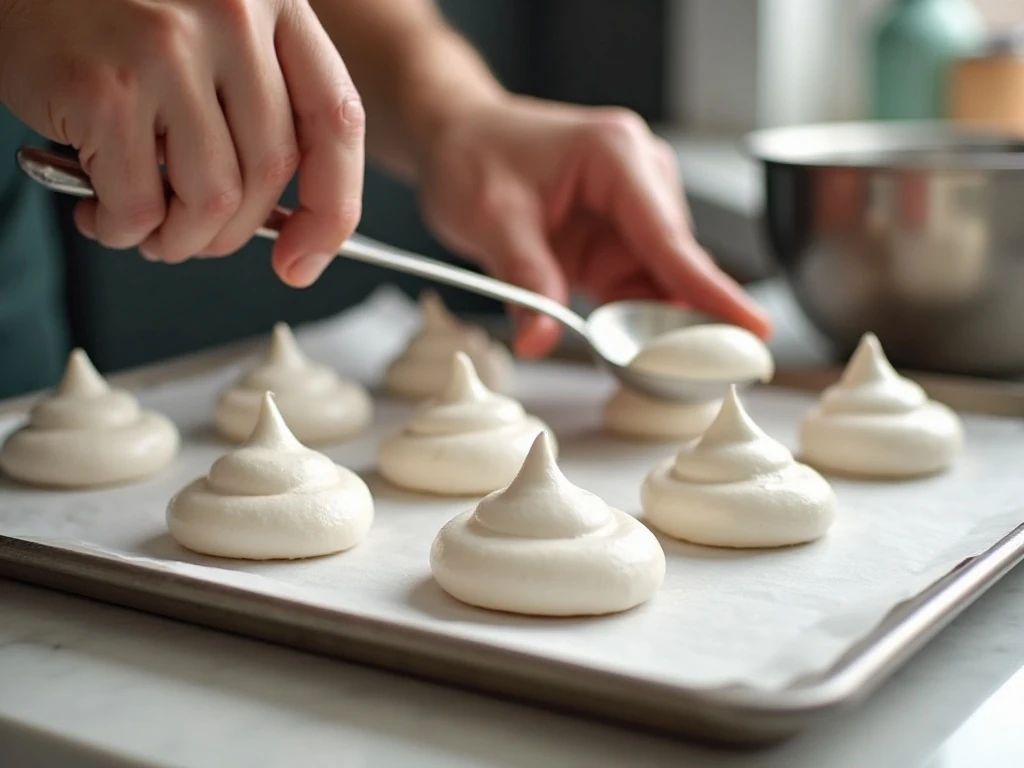
Step 1: Heat the oven to 225°F (110°C), then line one or two baking sheets with parchment paper. The low oven temperature is intentional because meringues need to dry gradually rather than brown quickly.
Step 2: Inspect your bowl and beaters carefully to make sure they are completely clean, dry, and free from grease. Add the room-temperature egg whites, cream of tartar, and optional salt, then beat until the mixture reaches soft peaks that gently fold over.
Step 3: Add the powdered sweetener slowly, about 1 tablespoon at a time, while the mixer continues running. Gradual addition helps it dissolve into the egg foam and reduces the gritty texture that can occur when a large amount is added all at once.
Step 4: Continue whipping until the meringue is very glossy and forms stiff peaks. When you lift the beaters, the peaks should stand upright, and the mixture should look thick enough to hold its shape.
Step 5: Beat in the almond extract just until combined. If you are using chopped or sliced almonds, fold them in gently with a spatula so you do not knock too much air out of the meringue.
Step 6: Pipe or spoon small mounds onto the prepared baking sheets. Aim for evenly sized cookies, since smaller mounds dry more evenly and are easier to remove from the parchment once baked.
Step 7: Bake for 60–75 minutes, watching for cookies that feel dry and lift easily from the parchment. They should be crisp rather than soft or sticky underneath.
Step 8: Turn off the oven and leave the cookies inside for at least 1 hour, preferably until they are completely cool and crisp. This extended drying period is a key part of the recipe and should not be rushed.
Chef’s Tips for Crisp Meringues
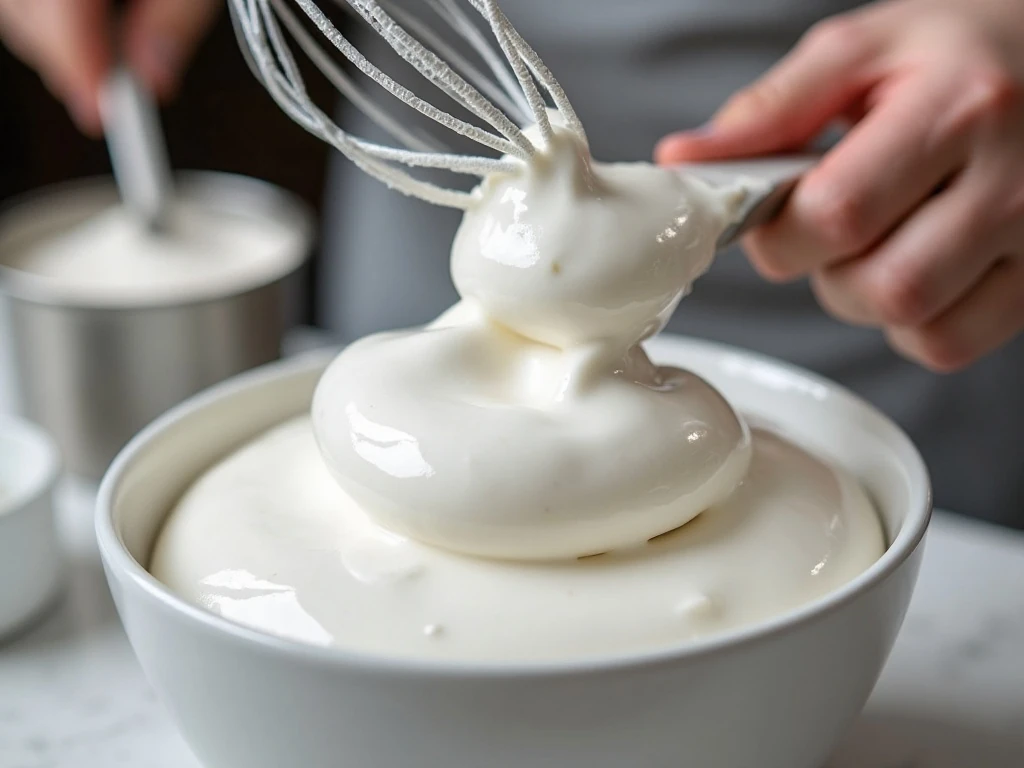
The biggest risk with meringue is contamination. Even a small amount of egg yolk, butter, oil, or residue in the bowl can keep the whites from reaching stiff peaks, so wipe the equipment clean before beginning.
Room-temperature egg whites are generally easier to whip than cold whites. Separate the eggs while cold if that is easier, then let the whites stand until they are no longer chilled before mixing.
Powdered sweetener is strongly preferred here. Granulated erythritol may leave visible crystals or a sandy sensation, while powdered erythritol or a powdered monk-fruit erythritol blend usually creates a smoother bite.
Do not rush the whipping stage after adding the sweetener. The meringue needs time to become glossy and firm, and stopping at soft peaks will produce cookies that spread more easily and may not dry properly.
Keep the cookies small and consistent. Very large meringues can remain soft in the center even when the outside feels dry, while small mounds are more likely to become crisp from edge to center.
If you are serving several homemade sweets, the nutty flavor also works well beside our classic chocolate chip cookies. Put the meringues on a separate plate so their crisp texture is protected from softer cookies.
How to Serve Almond Meringue Cookies

These cookies are lovely on their own, especially when served with freshly brewed coffee or unsweetened tea. Their light texture makes them a good after-dinner dessert when a dense slice of cake would feel like too much.
For a pretty presentation, arrange the meringues on a small cake stand or pale platter and scatter a few sliced almonds around the base. Avoid adding wet sauces directly to the cookies because moisture quickly affects their crispness.
You can also use them as a garnish for a low-carb mousse or a bowl of whipped cream. Add them at the last moment so they retain their delicate crunch.
When planning a brunch or dessert spread, a savory recipe such as low-carb sausage with peppers and onions can balance the sweetness of the cookie tray. The cookies are especially welcome after a hearty main dish because they finish the meal with a lighter bite.
Storage and Troubleshooting
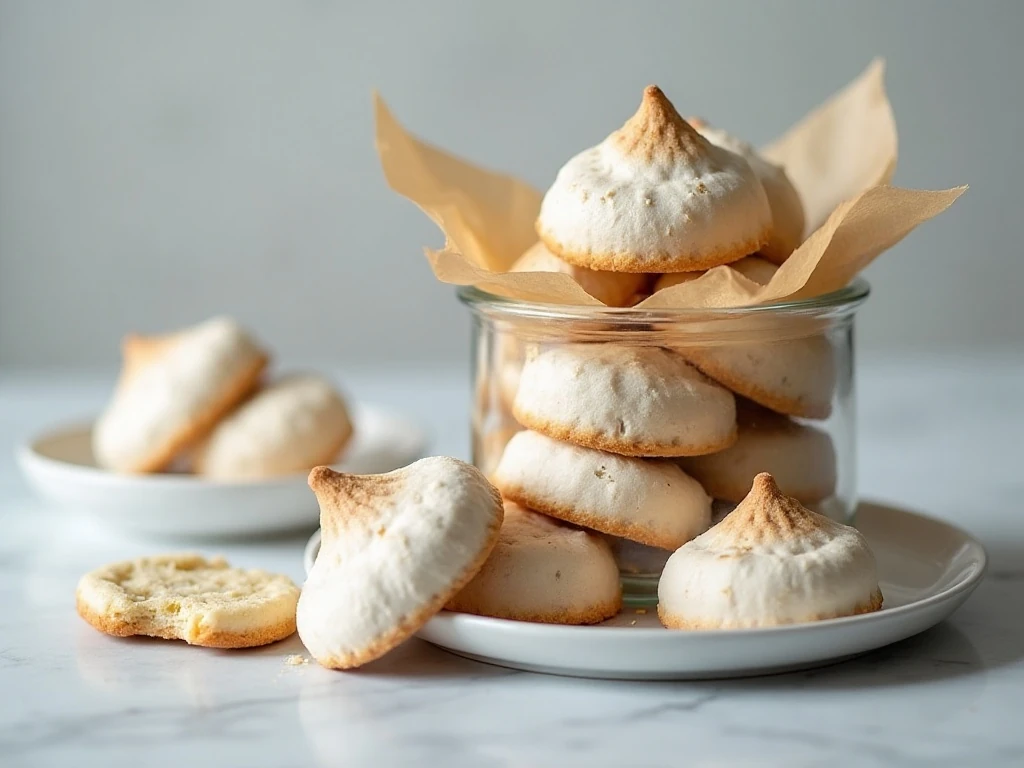
Store completely cooled cookies in an airtight container at room temperature. Place parchment between layers if stacking them, and keep the container away from steam, sunlight, and humid areas of the kitchen.
Avoid refrigeration because the moisture inside a refrigerator can make meringues soft. If the cookies lose some crispness, briefly returning them to a low oven may help, but the best protection is a tightly sealed container from the beginning.
- If the whites will not whip: Check for traces of yolk or grease and transfer the whites to a clean bowl if necessary.
- If the meringue looks gritty: The sweetener may not have dissolved fully. Add it more slowly next time and choose a finely powdered product.
- If the cookies are soft: They may need additional drying time in the switched-off oven. Humidity can also make finished meringues lose their crisp texture.
- If the cookies spread: The mixture may not have reached stiff peaks, or the sweetener may have been added too quickly.
For a bread-and-cookie themed gathering, our leopard bread recipe makes an interesting centerpiece, while these almond meringues provide a petite, crisp dessert alongside it.
Make-Ahead and Serving Notes
Meringues are ideal for preparing ahead because they need a long cooling period and hold well once fully dry. Bake them earlier in the day, let them finish drying in the switched-off oven, and transfer them to an airtight container only after they have cooled completely.
Since sweetener blends vary in sweetness and bulk, the flavor can differ slightly from one brand to another. The specified one-half cup amount follows the common low-carb formula, but always use a powdered product and remember that the final net-carb count can vary with the sweetener and almonds selected.
For the neatest cookies, use a piping bag with a plain tip, although a spoon works perfectly well for a rustic appearance. Keep the portions small, and try to make each mound similar in size so they finish at the same time.
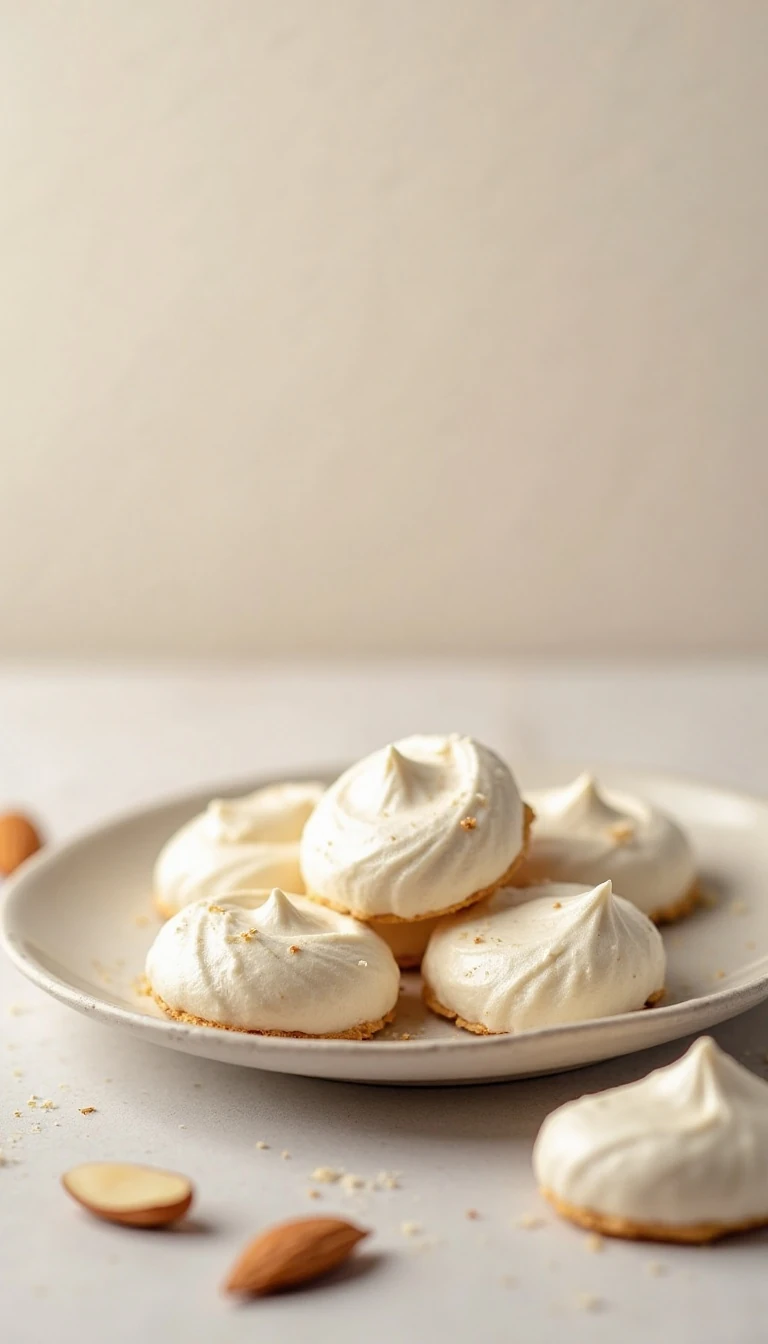
Low-Carb Almond Meringue Cookies
Ingredients
Method
- Heat the oven to 225°F (110°C) and line one or two baking sheets with parchment paper.
- Place the room-temperature egg whites in a completely clean, dry, grease-free mixing bowl. Add the cream of tartar and optional salt, then beat until soft peaks form.
- Add the powdered sweetener gradually, about 1 tablespoon at a time, while continuing to beat. Keep whipping until the meringue is glossy and forms stiff peaks.
- Beat in the almond extract, then gently fold in the chopped or sliced almonds if using them.
- Pipe or spoon small mounds onto the prepared baking sheets, leaving a little space between them. Smaller cookies dry more evenly.
- Bake for 60-75 minutes, or until the cookies feel dry and lift easily from the parchment.
- Turn off the oven and leave the cookies inside for at least 1 hour, preferably until completely cool and crisp. Store the finished cookies in an airtight container at room temperature.
Notes
Final Thoughts
These Low-Carb Almond Meringue Cookies prove that a short ingredient list can produce an impressive dessert. The combination of stable whipped egg whites, powdered sweetener, almond extract, and slow baking creates a crisp, fragrant cookie that feels wonderfully light.
Give the cookies their full baking and drying time, protect them from humidity, and you will have a beautiful batch for coffee breaks, holiday platters, or after-dinner nibbling. With about 24–30 small cookies per batch and typically less than 1 gram of net carbs each, they are an easy treat to keep in your low-carb dessert rotation.