This kid-friendly peanut butter chicken recipe is a quick, mild dinner made with tender chicken, smooth peanut butter, low-sodium soy sauce, coconut milk or chicken broth, honey, lime, and garlic. It takes 10 minutes to prepare and 18–22 minutes to cook, making a creamy, family-friendly meal in about 30 minutes.
The sauce is rich and silky without being spicy, with a gentle sweet-salty flavor that children usually enjoy and enough lime and garlic to keep it interesting for adults. Serve the chicken over rice or noodles, then add cucumber, shredded carrot, scallions, or cilantro for a colorful dinner everyone can customize.
Jump to RecipeWhy You’ll Love This Recipe
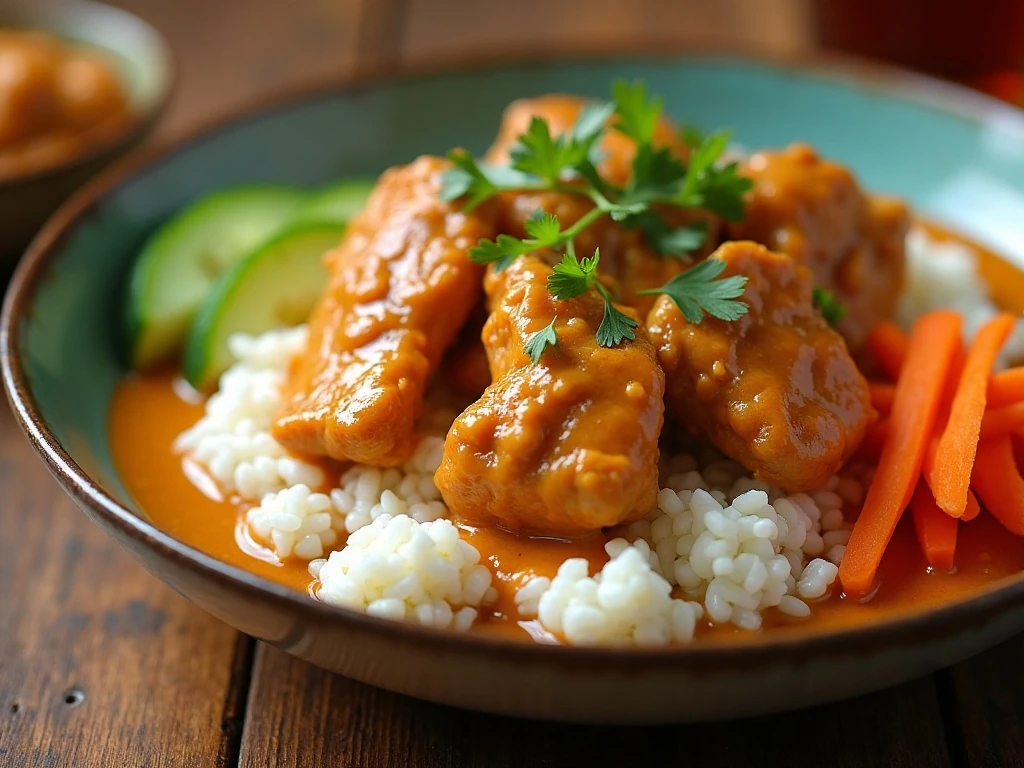
Busy evenings call for dinners that are simple, comforting, and familiar, and this peanut butter chicken checks every box. The chicken cooks in one skillet while the sauce comes together in a bowl, so there is very little cleanup and no complicated preparation.
Children often like the sauce because it is creamy and gently sweet rather than hot or heavily spiced. Adults appreciate the balance of savory soy sauce, tangy lime, fragrant garlic, and nutty peanut butter.
You can also choose the character of the sauce based on what you have available. Unsweetened coconut milk makes it creamy and satay-like, while chicken broth creates a lighter sauce that still clings beautifully to the chicken.
If your family enjoys comforting skillet meals, you may also like these garlic butter pork chops for another easy dinner option.
Ingredients You’ll Need
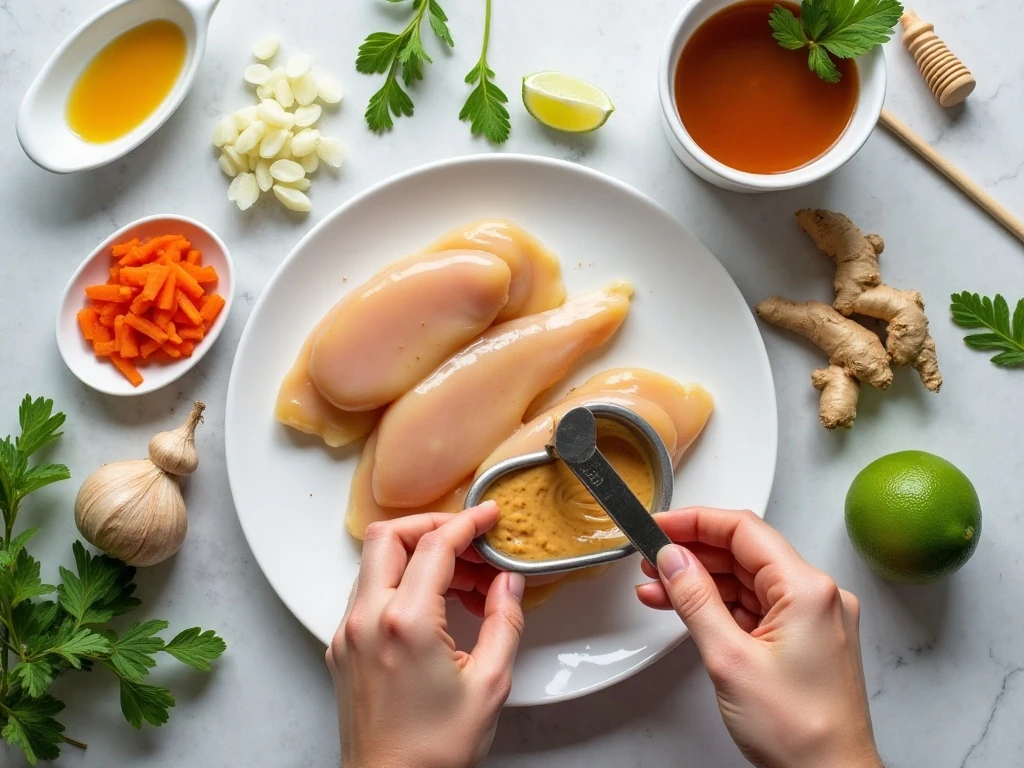
The ingredient list is short, but each item has an important job. Choose boneless, skinless chicken breasts or thighs and cut them into evenly sized 1-inch pieces so they cook at the same rate.
- Chicken: One pound of breasts or thighs provides four servings. Thighs stay especially tender, while breasts have a leaner texture.
- Peanut butter: Use smooth, unsweetened peanut butter for a sauce that blends easily without becoming too sweet.
- Soy sauce: Low-sodium soy sauce supplies savory flavor while giving you better control over the final seasoning.
- Coconut milk or broth: Coconut milk creates a fuller, creamier sauce, while chicken broth keeps it lighter.
- Honey or maple syrup: One tablespoon rounds out the salty and tangy flavors without making the dish taste like dessert.
- Lime and vinegar: Lime juice adds freshness, and optional rice vinegar gives the sauce a subtle clean tang.
- Garlic and ginger: Garlic is essential for fragrance, while ginger is optional and pleasantly warm without adding heat.
For the best balance, use unsweetened peanut butter, unsweetened coconut milk, and low-sodium soy sauce. Since brands vary, taste the finished sauce before adding any extra salt.
For a sweet follow-up after dinner, keep our peanut butter chocolate chip cookies in mind.
How to Make It Step-by-Step
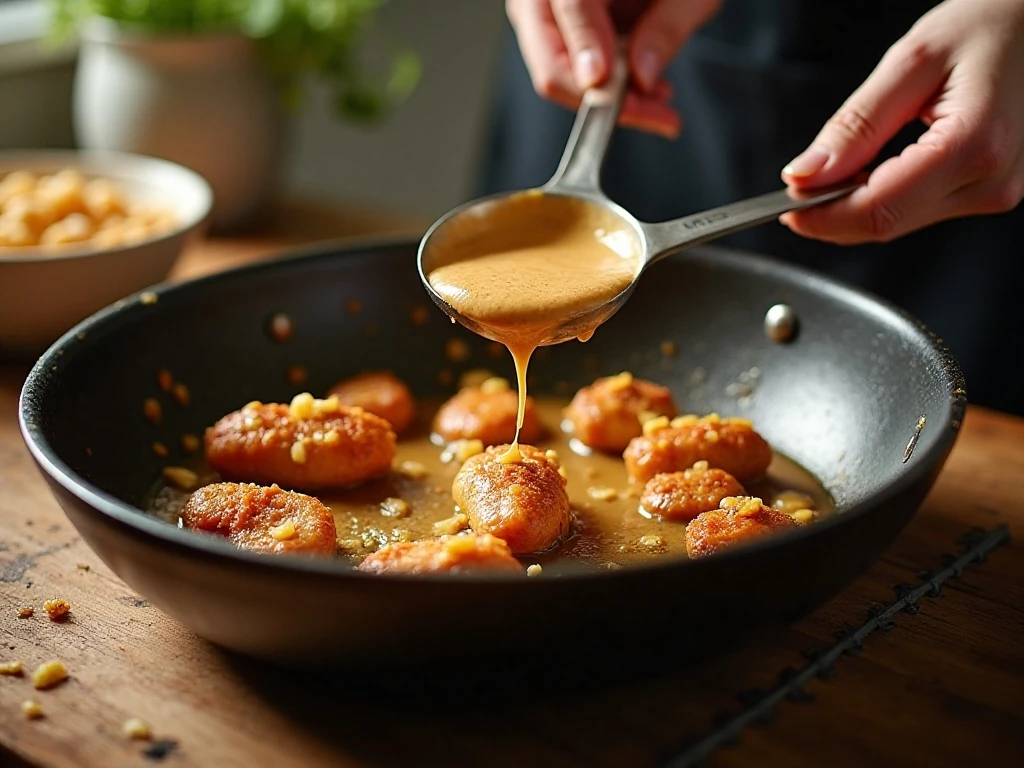
Step 1: Prepare the peanut sauce first so it is ready when the chicken finishes browning. In a medium bowl, whisk together the smooth peanut butter, low-sodium soy sauce, unsweetened coconut milk or chicken broth, honey or maple syrup, fresh lime juice, and optional rice vinegar.
If the peanut butter is stiff or has been stored in a cool place, the mixture may look lumpy at first. Warm it briefly or whisk in 1–2 tablespoons of water until the sauce is smooth and pourable.
Step 2: Pat the chicken pieces dry with a paper towel, then heat the neutral oil in a large skillet over medium-high heat. Add the chicken in a single layer, leaving a little space between pieces so they brown instead of steaming.
Cook for 5–7 minutes, turning the pieces occasionally with tongs or a spatula. They do not need to be fully cooked at this stage because they will finish gently in the sauce.
Step 3: Add the finely minced garlic and optional freshly grated ginger to the browned chicken. Stir and cook for about 30 seconds, just until the aromatics smell fragrant.
Keep this step brief because garlic can become bitter if it darkens too much. Stir constantly so the small pieces do not stick to the hot skillet.
Step 4: Pour the prepared peanut sauce into the skillet and immediately reduce the heat to medium-low. Stir gently to coat every piece of chicken and loosen any flavorful browned bits from the bottom of the pan.
Let the mixture simmer gently for 8–10 minutes, stirring occasionally. Avoid an aggressive boil, because a calm simmer helps the peanut butter stay smooth and keeps the sauce from separating.
Step 5: Check the thickest piece of chicken with an instant-read thermometer. It should reach 165°F (74°C) for safe serving.
If the sauce becomes thicker than you prefer, stir in a little water until it reaches a glossy, spoon-coating consistency. Taste carefully before serving, remembering that the soy sauce already provides salt.
Step 6: Spoon the chicken and plenty of sauce over cooked rice or noodles. Finish with optional cucumber, shredded carrot, scallions, or chopped cilantro so everyone can choose the toppings they like.
Serve the dish warm while the sauce is silky and the chicken is tender. For younger children, cut the chicken into smaller bites after cooking and allow the food to cool to a comfortable temperature.
Serving Ideas for a Family Dinner
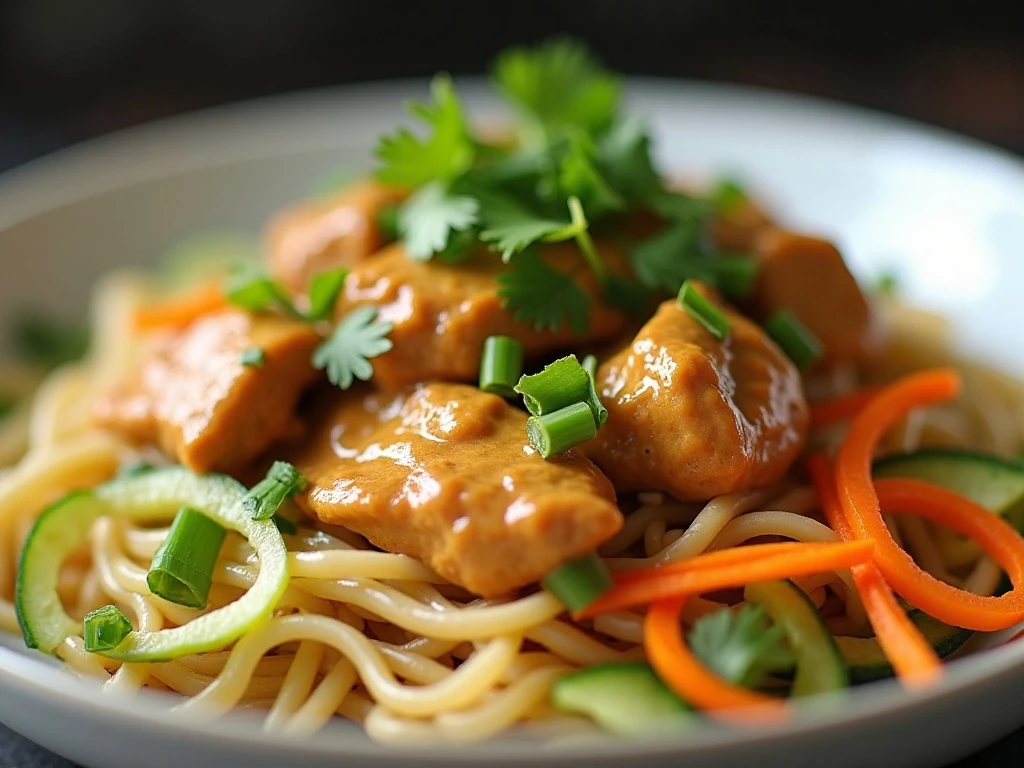
Steamed white rice is the easiest pairing because it absorbs the creamy peanut sauce and keeps the meal mild. Brown rice, rice noodles, or wheat noodles are also good choices when your family enjoys a little more texture.
For vegetables, offer simple toppings separately instead of mixing everything into the skillet. Cool cucumber, shredded carrot, and thinly sliced scallions add freshness and color without changing the sauce.
- Serve over fluffy rice with cucumber ribbons for a cool contrast.
- Toss with noodles and add shredded carrot for a lunchbox-friendly bowl.
- Offer chopped cilantro at the table for adults and adventurous eaters.
- Keep the sauce mild for children and add heat only to individual adult portions.
For another chicken dinner to add to your weekly rotation, try this mustard roasted chicken idea, which brings a completely different flavor profile to the table.
Pro Tips for Smooth Peanut Sauce
The texture of the peanut butter matters. Smooth peanut butter melts into the liquid more easily than chunky peanut butter, creating a sauce that coats the chicken evenly.
Do not pour cold, stiff peanut butter directly into a very hot skillet and then crank up the heat. Whisking the sauce separately and adding it after the chicken has browned gives you more control and helps prevent scorching.
A gentle simmer is the most important cooking detail. High heat can cause the sauce to separate, while medium-low heat allows the chicken to finish cooking as the sauce thickens gradually.
If the sauce tastes too salty, add a small splash of coconut milk, broth, or water rather than more sweetener. If it tastes too rich, a little extra lime juice can brighten it, but add it gradually so the sauce does not become sour.
For an adult-only variation, chili flakes, curry powder, or sriracha can be added to individual portions. Keep those ingredients out of the main skillet when serving young children.
When you want a sweet peanut butter dessert for another day, our old-fashioned peanut butter cake makes a cozy choice.
Storage, Reheating, and Freezing
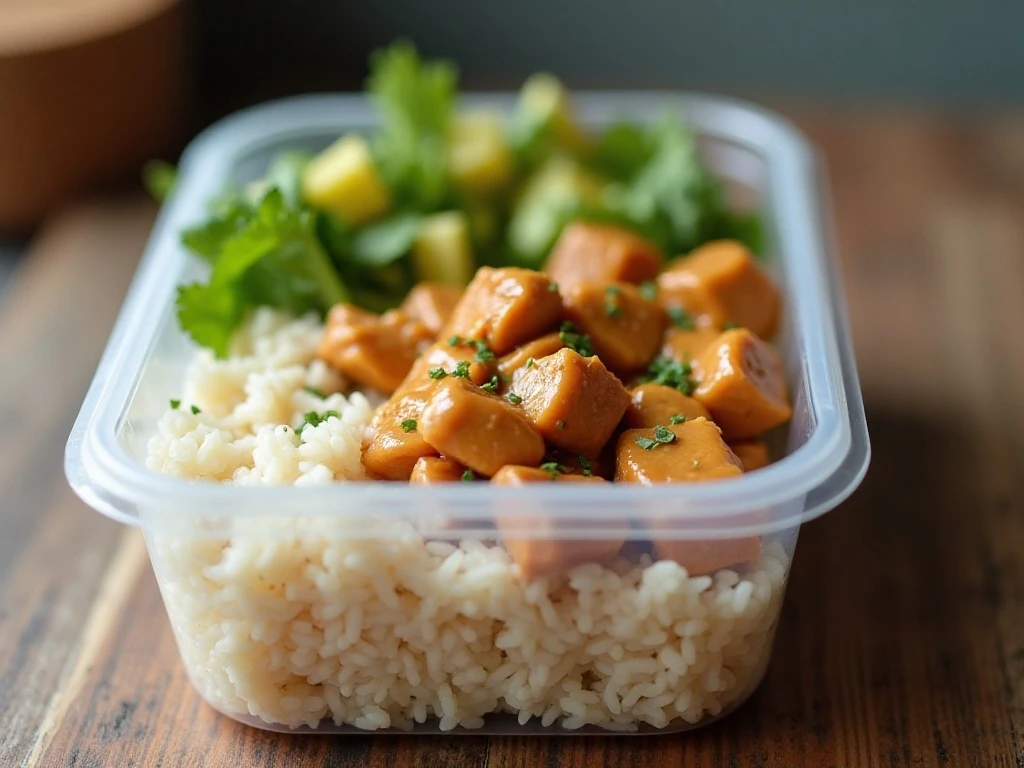
Cool leftovers promptly, transfer them to an airtight container, and refrigerate them. The chicken and sauce are best enjoyed within a few days for the freshest flavor and texture.
To reheat, place a serving in a skillet or microwave-safe bowl and warm it gently. Add a splash of water, coconut milk, or chicken broth while reheating because the peanut sauce naturally thickens as it cools.
Stir occasionally until the chicken is hot throughout. Avoid bringing the sauce to a hard boil, since gentle heat keeps its texture creamy.
Rice and noodles are often best stored separately from the chicken. This prevents them from absorbing all the sauce and makes it easier to adjust each portion when reheating.
Allergen Information and Easy Substitutions
This recipe contains peanuts and soy. Before serving, check labels for peanut butter, soy sauce, broth, noodles, and any packaged toppings, especially when cooking for someone with a serious allergy.
For a peanut-free version, use sunflower-seed butter and confirm that the soy sauce and every other ingredient are allergen-safe. The flavor will be slightly different, but the same creamy skillet method still works well.
If using coconut milk, choose an unsweetened variety so the sauce does not become overly sweet. If using chicken broth, select a low-sodium option when possible because the soy sauce already contributes plenty of savory flavor.
For a different comforting baked meal, you can also browse these baked stuffed shells with grilled chicken.
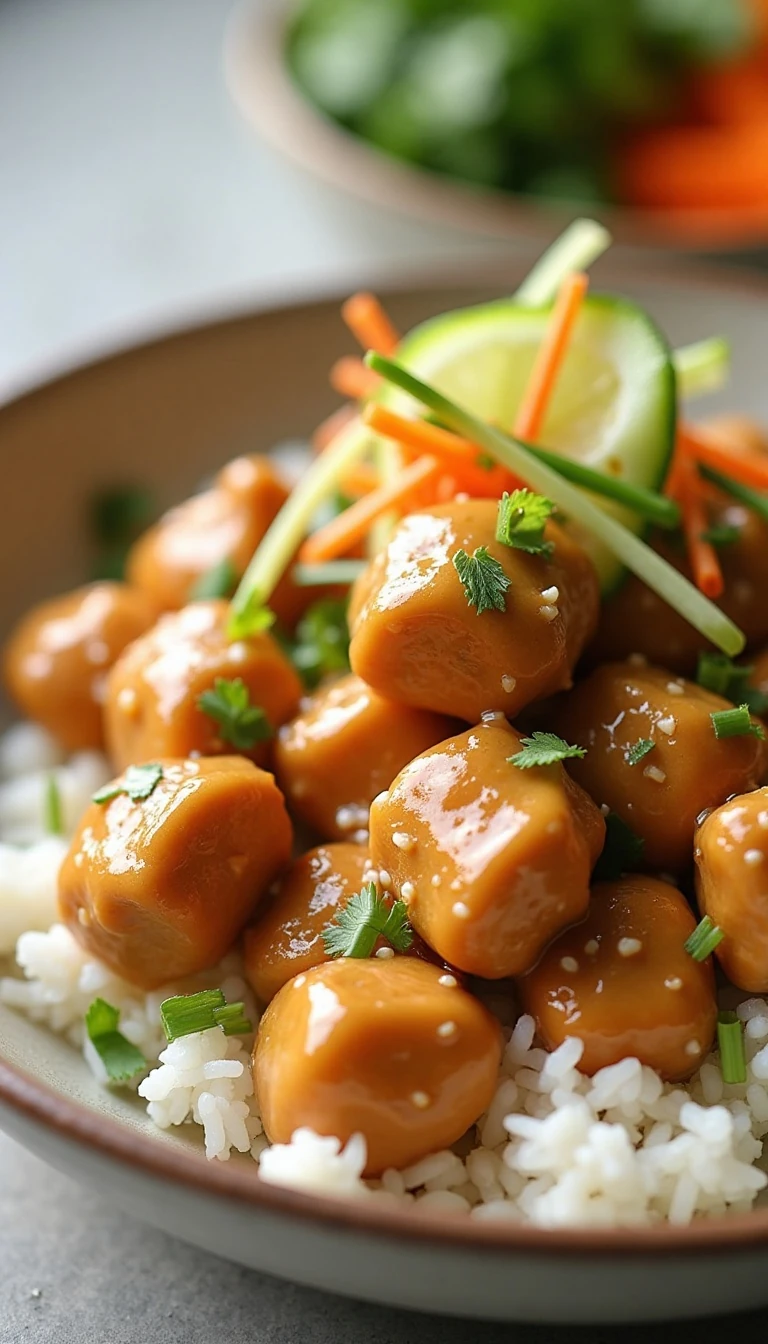
Kid-Friendly Peanut Butter Chicken
Ingredients
Method
- Whisk together the peanut butter, soy sauce, coconut milk or chicken broth, honey or maple syrup, lime juice, and optional rice vinegar until smooth. If the peanut butter is stiff, warm the mixture briefly or whisk in 1–2 tablespoons of water.
- Heat the oil in a large skillet over medium-high heat. Add the chicken in a single layer and cook for 5–7 minutes, turning occasionally, until lightly browned.
- Add the minced garlic and optional ginger to the skillet. Cook for about 30 seconds, just until fragrant.
- Pour in the peanut sauce and reduce the heat to medium-low. Simmer gently for 8–10 minutes, stirring occasionally, until the chicken is cooked through and the sauce has thickened slightly.
- Check that the thickest piece of chicken reaches 165°F (74°C). Thin the sauce with a little water if necessary, then serve over cooked rice or noodles with mild vegetables.
Notes
Final Thoughts
This kid-friendly peanut butter chicken is the kind of dinner that earns a regular place on the family menu. It is fast enough for a busy weeknight, mild enough for young eaters, and flavorful enough that adults will happily return for seconds.
Keep the chicken pieces even, whisk the sauce until smooth, and simmer gently rather than boiling it hard. With rice or noodles underneath and a few fresh toppings on the side, you have a warm, creamy, satisfying meal ready in about 30 minutes.
Most importantly, this recipe is flexible. Choose coconut milk for a richer satay-style sauce or broth for a lighter one, leave out the ginger if needed, and let each person add the vegetables and toppings they enjoy.