This easy old-fashioned Irish potato candy recipe makes about 30–40 small candies from one little boiled potato, confectioners’ sugar, sweetened shredded coconut, vanilla, and cinnamon. The potato is cooked until tender, mashed without butter or milk, combined with sugar to form a thick dough, rolled into bite-size balls, and chilled for 30–60 minutes.
Each candy is soft, sweet, coconutty, and warmly spiced with a cinnamon coating. Despite its name, Irish potato candy usually contains no chocolate and is not a potato-flavored confection; it is a beloved Pennsylvania and Philadelphia-area treat traditionally shaped like tiny potatoes for St. Patrick’s Day.
Jump to RecipeWhy You’ll Love This Recipe

Old-fashioned Irish potato candy is one of those recipes that sounds surprising until you taste it. A small amount of plain potato gives the dough body, while confectioners’ sugar supplies sweetness and coconut brings a tender, chewy texture.
The finished candy tastes much more like a coconut truffle or a soft fondant than a potato dessert. Cinnamon adds a fragrant, slightly spicy finish that makes every bite feel especially cozy.
This recipe is also wonderfully practical. It requires no thermometer, caramel stage, melted chocolate, or stovetop candy cooking; the only cooking involved is boiling the potato until soft.
Because the candies are small and easy to make ahead, they are ideal for a St. Patrick’s Day tray, a cookie exchange, an afternoon coffee table, or a homemade food gift. For another comforting way to use potatoes, you might also enjoy this loaded baked potato soup on a chilly day.
Ingredients You’ll Need

The ingredient list is short, but each item has an important job. Use a small russet or baking potato weighing about 5–6 ounces, or 140–170 grams, rather than a large potato.
- One small russet or baking potato: This provides moisture and structure for the candy dough.
- Four cups sifted confectioners’ sugar: This is the main sweetener and helps transform the mashed potato into a rollable dough.
- Two cups sweetened shredded coconut: Coconut creates the classic texture and flavor of this traditional candy.
- One-half teaspoon vanilla extract: Vanilla rounds out the sweetness and adds a gentle bakery aroma.
- One tablespoon ground cinnamon: Cinnamon is used as the outer coating, giving the candies their familiar potato-like appearance.
- Lightly salted water: A small amount of salt seasons the potato while it boils, though the water will be drained away.
Sift the confectioners’ sugar before measuring or adding it. Sifting breaks up lumps and makes it much easier to blend the sugar smoothly into the warm mashed potato.
You may need slightly more or slightly less sugar than the listed amount. Potato size, cooking time, and moisture all affect the dough, which is why the sugar should be added gradually.
How to Make It Step-by-Step
Step 1: Peel the small potato and cut it into evenly sized chunks so the pieces cook at the same rate. Place them in a saucepan of lightly salted water and boil for 15–20 minutes, until a fork slides through the centers without resistance.
Step 2: Drain the potato exceptionally well in a colander. Let it sit for a moment so steam can escape, because excess water will make the candy dough loose and may force you to add substantially more sugar.
Step 3: Mash the hot potato until it is completely smooth and free of lumps. Do not add butter or milk, since the candy needs plain potato and extra dairy would make the mixture too soft; let the mash cool until warm rather than hot.
Step 4: Stir the vanilla extract into the warm potato. Begin adding the sifted confectioners’ sugar about 1 cup at a time, mixing thoroughly after each addition so you can judge the texture as it develops.
Step 5: Watch for the mixture to change from stiff and sticky into a thick dough. Once it is holding together, mix in the sweetened shredded coconut until it is evenly spread throughout the dough.
Step 6: Test the consistency by pinching off a small piece and rolling it between your palms. If it is too wet or sticky, add a little more confectioners’ sugar; if it seems very dry, knead it briefly until the dough comes together.
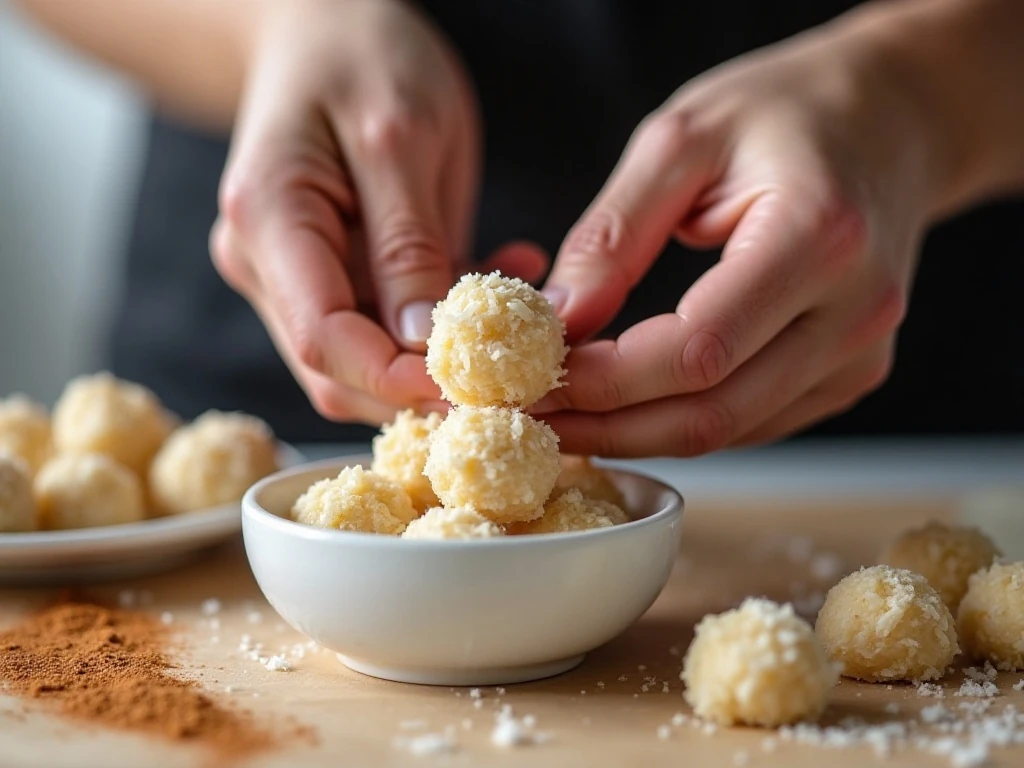
Step 7: Portion the dough into small pieces, using roughly 1 teaspoon to 1 tablespoon for each candy. Roll each portion between your palms into a smooth ball, keeping the candies fairly small to reach a yield of about 30–40.
Step 8: Pour the ground cinnamon into a shallow bowl or plate. Roll each candy in the cinnamon until the outside is fully coated, turning it gently so the coating clings to every surface.
Step 9: Arrange the coated candies in a single layer on a plate or small tray. Refrigerate them for 30–60 minutes, until firm enough to serve, then keep any leftovers covered in the refrigerator.
Pro Tips for Perfect Candy
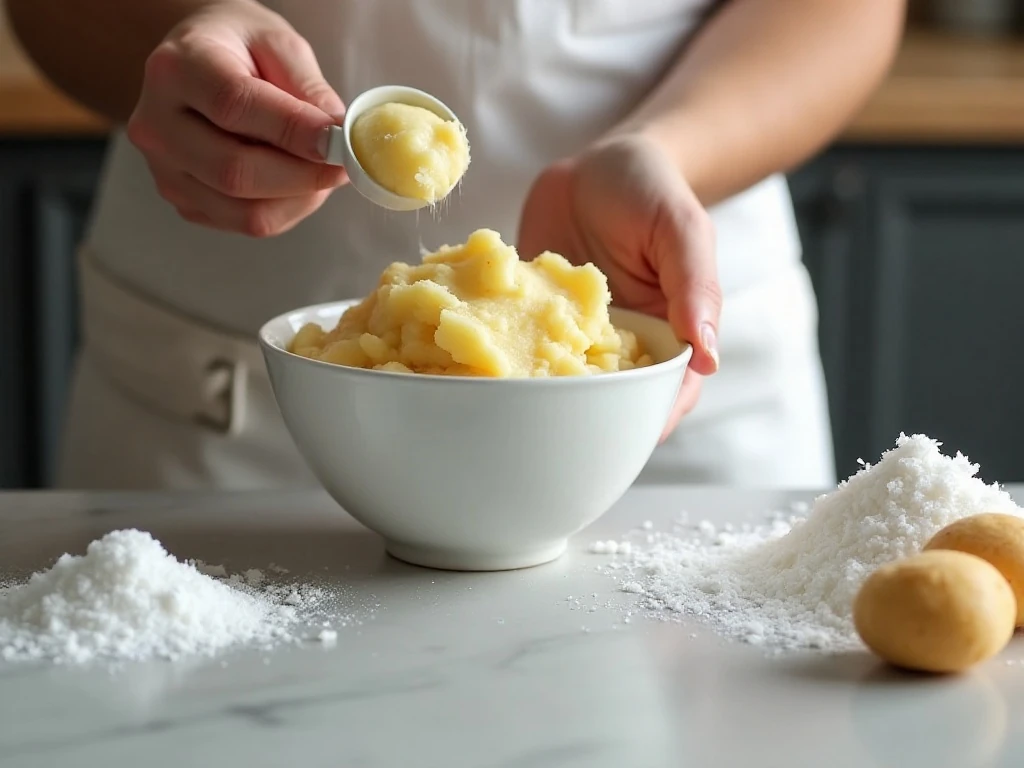
The most important detail is draining the potato thoroughly. Potatoes hold steam and water after boiling, so do not rush straight from the colander to the mixing bowl; give the chunks time to release moisture before mashing.
Choose a small potato. A large potato may seem convenient, but too much potato can produce a gummy mixture, overwhelm the coconut, and require a surprising amount of additional sugar.
Add sugar slowly, even though the recipe lists about four cups. The mixture will look awkward at first, becoming stiff and sticky before it turns into a thick dough, so keep mixing before deciding that the consistency needs correction.
For tidy, evenly sized candies, use a small cookie scoop or measuring spoon. Lightly dust your fingertips with confectioners’ sugar if the dough clings to your hands, but avoid adding large amounts of extra sugar at once.
For a traditional look, keep the cinnamon coating generous enough to cover the pale dough completely. If you prefer a gentler cinnamon flavor, roll the candies lightly and add a second dusting only where needed.
For a savory meal before dessert, pair your candy-making day with an easy oven-braised pot roast. The contrast between a hearty dinner and these cool, sweet coconut candies makes a memorable family meal.
Storage, Serving, and Make-Ahead Advice

Refrigerate the finished candies for 30–60 minutes before serving so the dough firms and the coating settles. They are best stored covered in the refrigerator, where their texture stays pleasantly soft but sliceable and easy to handle.
Place parchment or wax paper between layers if you are stacking the candies in a container. This keeps the cinnamon coating from rubbing off and prevents the pieces from sticking together.
Serve the candies chilled or let them stand briefly at room temperature before eating. A short rest softens the center slightly while preserving the lovely cinnamon aroma.
These treats are convenient for parties because they can be prepared ahead and kept covered until guests arrive. Arrange them in miniature paper candy cups for a festive presentation, or pile them in a vintage bowl for a simple old-fashioned look.
Since this recipe is candy rather than a baked dessert, there is no reheating step. Keep the candies cold, and return the serving plate to the refrigerator if it will be sitting out for an extended period.
Variations and Troubleshooting
The classic version uses coconut and cinnamon, and that combination is worth trying first. The coconut gives the candy its signature chew, while the cinnamon coating creates the visual effect that inspired the “potato” name.
If the dough is too wet, first confirm that the potato was drained well, then add confectioners’ sugar a little at a time. Avoid adding a large amount immediately, because an overly sweet, dense candy is harder to correct than a soft dough.
If the dough is very dry, knead it briefly with clean hands. A few moments of gentle kneading can bring the ingredients together without needing to add another liquid.
If the candies seem too large, divide each portion before rolling. Small pieces are easier to coat evenly and offer the best balance of soft center, coconut texture, and cinnamon flavor.
For a larger candy table, serve these alongside other nostalgic sweets such as our classic cracker candy. The crisp texture of cracker candy makes a nice contrast to the tender potato coconut centers.


Easy Old-Fashioned Irish Potato Candy
Ingredients
Method
- Peel the potato and cut it into even chunks. Place the chunks in lightly salted water and boil for 15–20 minutes, or until completely tender.
- Drain the potato exceptionally well, allowing steam to escape. Mash it while hot until perfectly smooth, without adding butter or milk, then let it cool until warm rather than hot.
- Stir the vanilla extract into the warm mashed potato. Add the sifted confectioners’ sugar gradually, about 1 cup at a time, mixing after each addition.
- Continue mixing as the potato mixture changes from sticky and stiff to a thick dough. Add the shredded coconut and mix until evenly distributed.
- If the dough is too wet to shape, add a little more confectioners’ sugar. If it feels very dry, knead it briefly until it comes together.
- Roll the dough into small balls, using roughly 1 teaspoon to 1 tablespoon of dough for each candy. Keep the portions small so the batch produces approximately 30–40 candies.
- Place the ground cinnamon in a shallow dish and roll each candy through it until completely coated. Refrigerate the candies for 30–60 minutes to firm before serving.
Notes
Final Thoughts
This easy old-fashioned Irish potato candy recipe is proof that memorable sweets do not need a long ingredient list or complicated candy technique. One small potato, gradually added confectioners’ sugar, coconut, vanilla, and cinnamon become a charming batch of soft, bite-size treats.
Take your time with the draining and cooling steps, and let the texture guide the sugar amount. Once the dough is thick enough to roll, the rest is simple: shape, coat, chill, and enjoy.
Whether you make these candies for St. Patrick’s Day or simply want to try a treasured Pennsylvania tradition, their sweet coconut flavor and cinnamon finish are sure to bring plenty of smiles. Keep them cold, share them generously, and save a few for an afternoon cup of tea.