Cooked BBQ lasts 3 to 4 days in the refrigerator when it is chilled promptly and stored at 40°F/4°C or below. Refrigerate it within 2 hours of cooking or serving, or within 1 hour when the outdoor or room temperature is above 90°F/32°C. If you will not eat it within that window, freeze it for longer storage.
Whether you are saving smoky pulled pork, tender brisket, saucy ribs, grilled chicken, or juicy sausages, proper storage helps preserve the meat’s flavor and texture. Cool large portions in shallow airtight containers, label them with the cooking date, and reheat leftovers to 165°F/74°C before serving.
Jump to RecipeWhy You’ll Love This Storage Guide
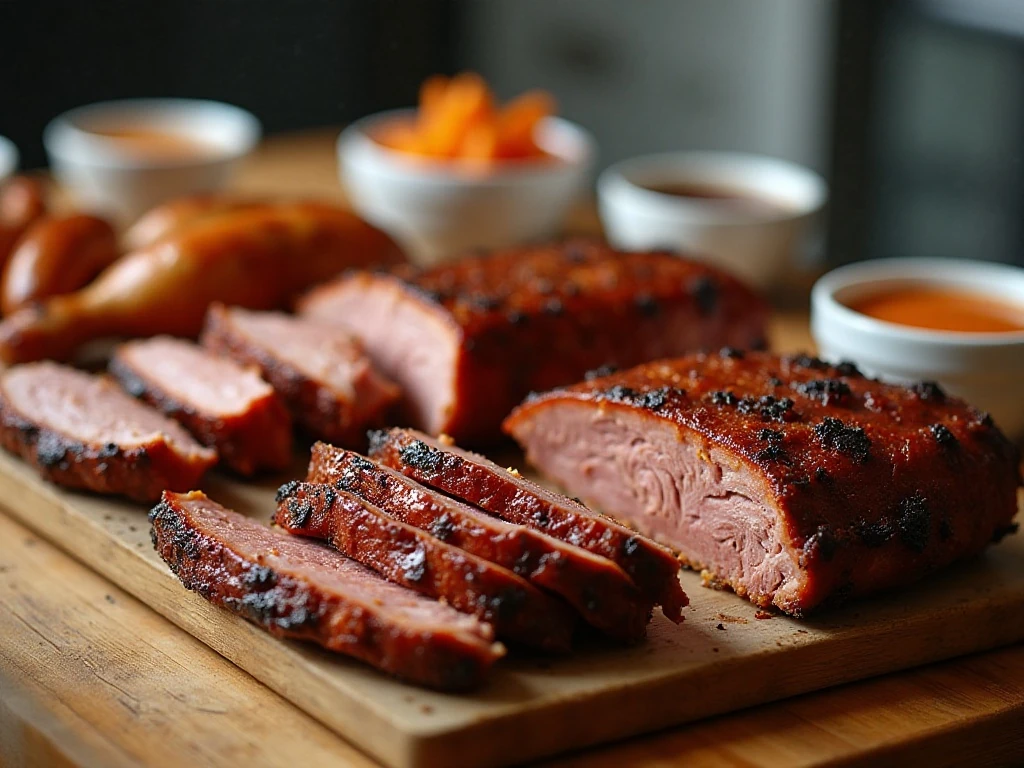
Leftover BBQ is one of the most useful foods to keep on hand. Pulled pork can become sandwiches, brisket can fill tacos, and ribs or chicken can be warmed for a quick dinner without starting the grill again.
The important detail is that cooked meat needs to move from the temperature danger zone into the refrigerator quickly. FoodSafety.gov identifies that danger zone as 40°F–140°F/4°C–60°C, where bacteria can multiply rapidly when food sits too long.
This guide applies broadly to cooked barbecue meats, including pulled pork, brisket, ribs, chicken, and sausages. For another pork-centered meal idea, you can also visit our air fryer pork chops recipe.
How Long Does BBQ Last in the Fridge?
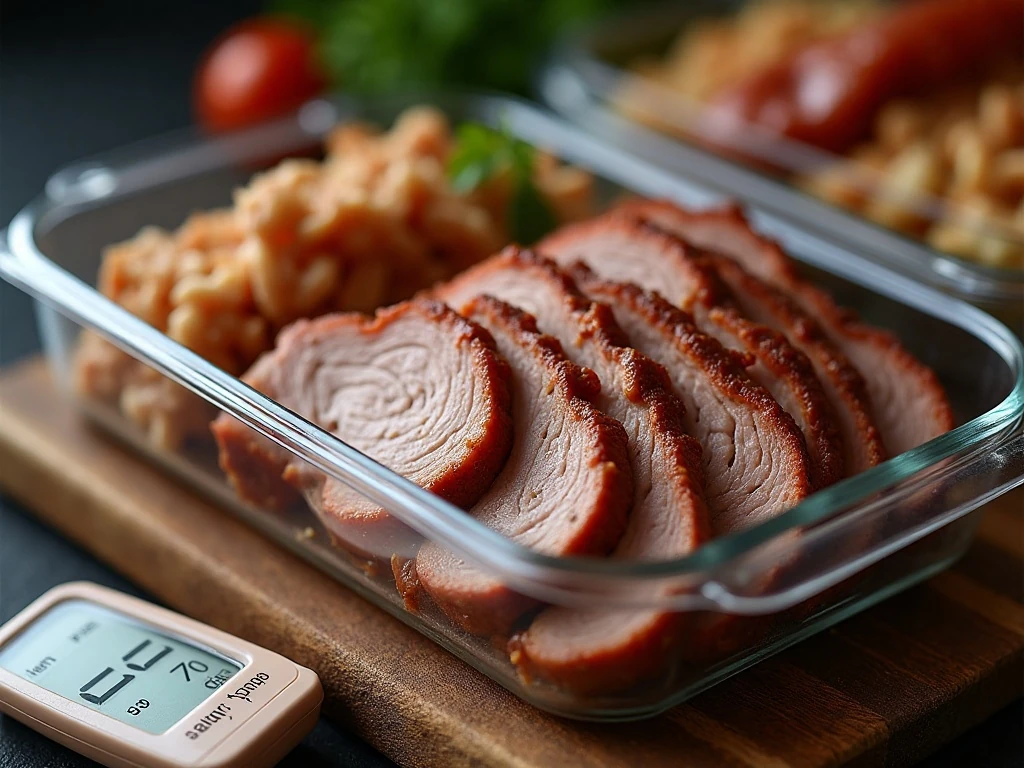
Properly refrigerated cooked BBQ should be used within 3 to 4 days. This timeframe follows USDA Food Safety and Inspection Service and FoodSafety.gov guidance for cooked meat and leftovers.
The clock begins when the food is cooked or served, not when you remember to put it away. BBQ that sat on a buffet, picnic table, or kitchen counter for several hours should not be treated as freshly chilled food.
When the ambient temperature is above 90°F/32°C, such as during a hot outdoor gathering, refrigerate the meat within 1 hour. In cooler conditions, the maximum unrefrigerated time is 2 hours.
- Refrigerator limit: 3 to 4 days.
- Room temperature limit: 2 hours.
- Hot-weather limit: 1 hour above 90°F/32°C.
- Refrigerator setting: 40°F/4°C or below.
These limits are safety guidelines rather than a promise that every container will taste perfect on the final day. Clean handling, prompt chilling, and a cold refrigerator all matter.
Best Containers and Cooling Method
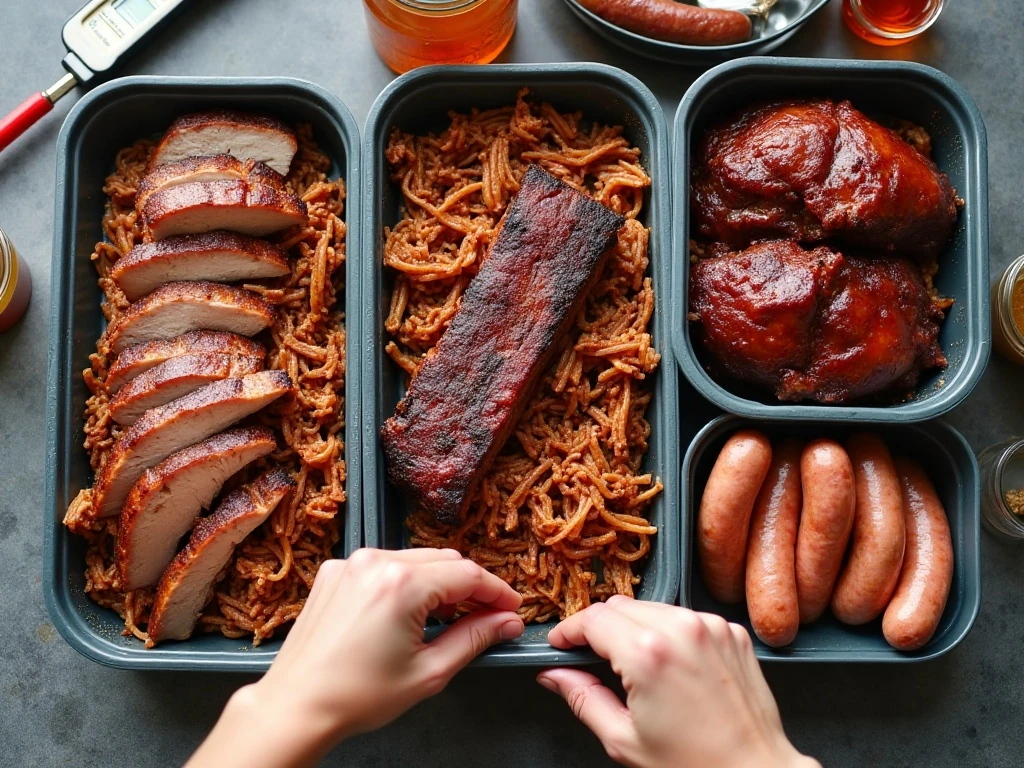
Large trays and deep pots hold heat in the center, which can slow cooling. Instead, divide leftover BBQ into shallow airtight containers so the food cools more quickly and evenly.
Keep portions reasonably small, especially when storing a full pan of pulled pork or a large batch of sliced brisket. Place the containers in the refrigerator once portioned rather than leaving them on the counter until they reach room temperature.
A tight lid protects the meat from drying out and helps prevent it from picking up odors from other foods. Label each container with the cooking or serving date so you can track the 3-to-4-day window accurately.
- Choose shallow, airtight food-safe containers.
- Separate very large quantities into multiple portions.
- Write the storage date on a label.
- Keep raw foods below or away from cooked leftovers.
- Store barbecue sauce separately when practical.
Keeping sauce separate is especially helpful for ribs, chicken, and pulled pork. The meat retains a better texture, and you can reheat it more evenly before adding sauce at the table.
For a sweet finish after a smoky meal, our quick no-sugar microwave jam can be served with breakfast toast or a simple dessert plate.
How to Make It Step-by-Step
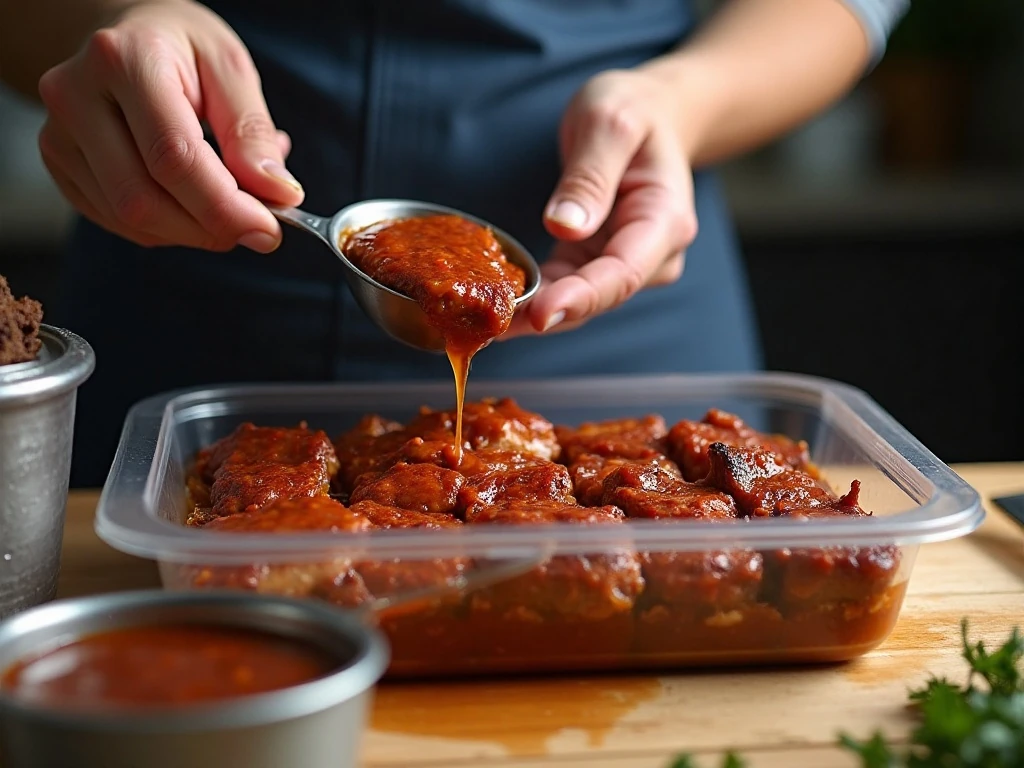
Step 1: Finish serving and assess how much BBQ will be eaten immediately. Set aside the leftovers as soon as the meal is over, keeping in mind that cooked meat should not remain at room temperature for more than 2 hours, or more than 1 hour when the temperature is above 90°F/32°C.
Step 2: Divide the pulled pork, brisket, ribs, chicken, or sausages into shallow airtight containers. Smaller portions cool faster than one deep container, making this a safer choice for a large cookout batch.
Step 3: Add the lids and place the containers in a refrigerator maintained at 40°F/4°C or below. Do not wait for a large portion to cool completely on the counter before refrigerating it.
Step 4: Label every container with the cooking or serving date. Plan to eat the refrigerated BBQ within 3 to 4 days, and freeze any portion that will not be used during that period.
Step 5: When ready to eat, remove only the amount needed for that meal. Reheat it until the thickest part reaches 165°F/74°C, checking with a food thermometer rather than relying only on the surface temperature.
Step 6: Serve the reheated BBQ promptly and refrigerate any newly handled leftovers using the same time and temperature rules. Avoid repeatedly warming and cooling the entire batch.
How to Tell If Leftover BBQ Should Be Discarded
Smell and appearance are not reliable safety tests. Meat can contain harmful bacteria without showing an unusual odor, sliminess, discoloration, or visible mold.
When in doubt, use the storage date and handling history as your guide. Discard BBQ if you know it remained unrefrigerated beyond the recommended limit, if the refrigerator was not cold enough, or if the food has been stored longer than 3 to 4 days.
Do not taste a questionable leftover to decide whether it is safe. A small bite cannot confirm safety, and tasting it may expose you to foodborne illness.
For a dessert that is best made fresh rather than held for too long, try these double chocolate chip cookies after dinner.
Freezing BBQ for Longer Storage
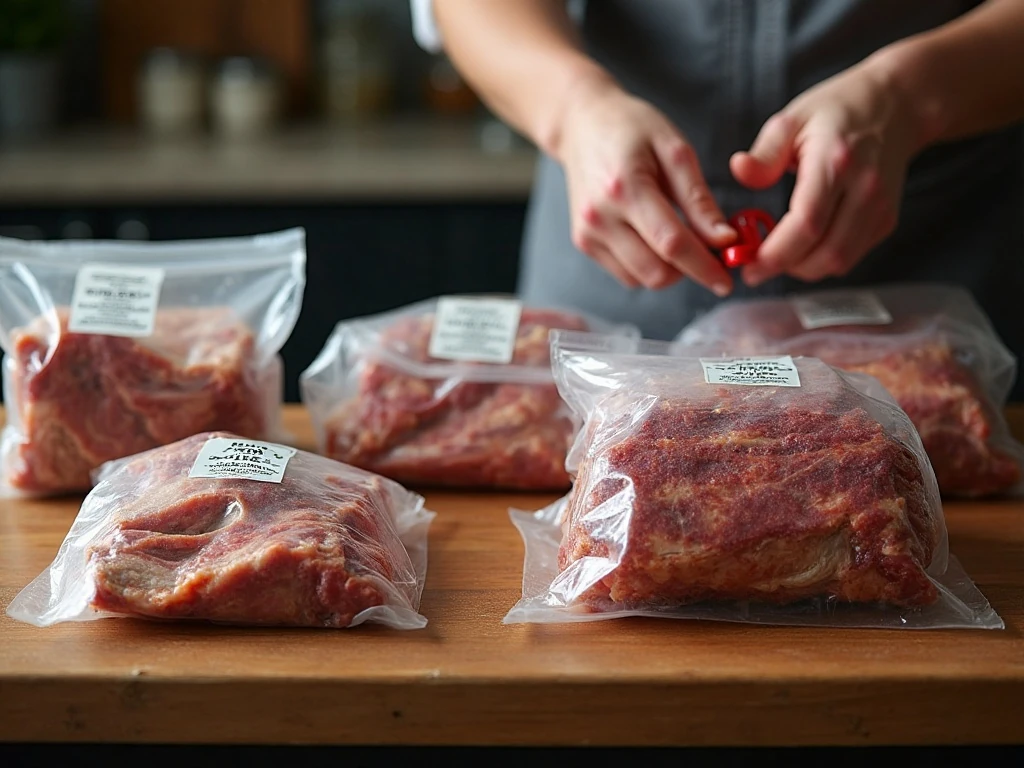
Freeze cooked BBQ when you know it will not be eaten within 3 to 4 refrigerated days. Freezing pauses bacterial growth, but it does not improve meat that was already mishandled or left warm too long.
For best quality, use frozen cooked meat within approximately 2 to 6 months, depending on the cut and packaging. Pulled pork and chopped chicken often freeze well with a little sauce or cooking liquid, while sliced brisket benefits from careful wrapping to limit air exposure.
- Package meat in meal-size portions.
- Use freezer-safe airtight containers or heavy freezer bags.
- Remove excess air where possible.
- Label the package with the meat type and freezing date.
- Thaw frozen BBQ safely in the refrigerator before reheating when possible.
Freezer burn affects quality rather than making properly frozen food automatically unsafe, but it can leave dry, pale patches and a stale taste. Good wrapping and limited air space help protect the smoky flavor.
Reheating BBQ Without Drying It Out
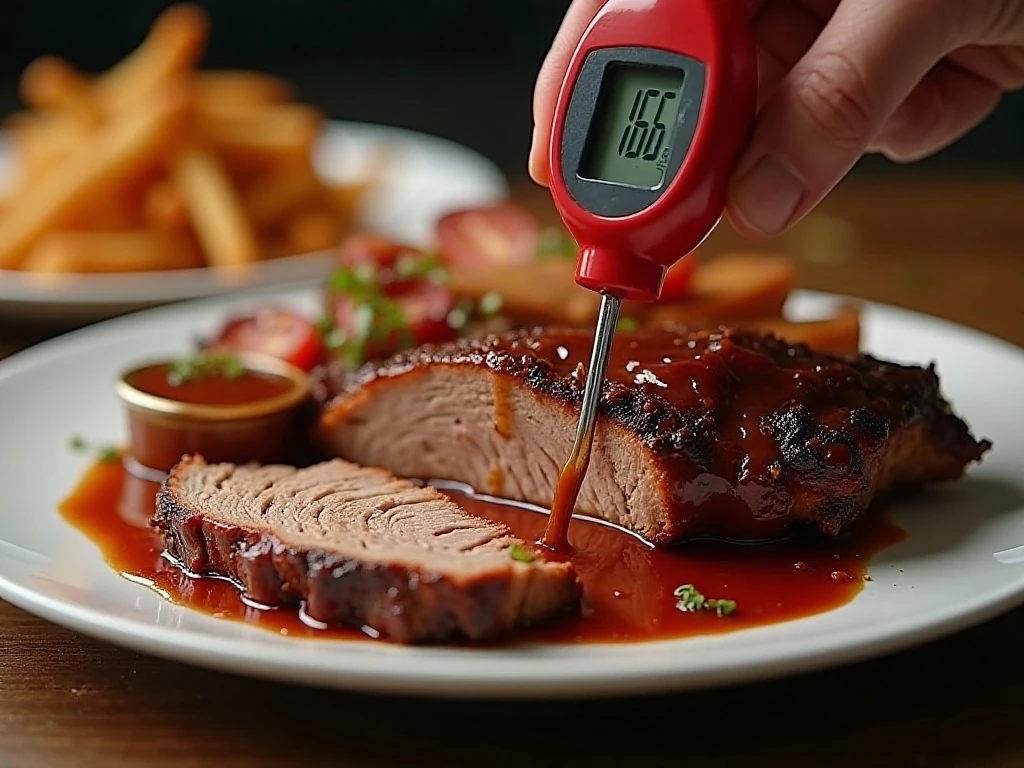
Reheat only the portion you plan to eat. Repeatedly warming the full container can dry the meat and creates more opportunities for unsafe temperature changes.
For pulled pork or chopped chicken, add a small amount of reserved sauce or cooking liquid before covering and warming. Brisket slices can be reheated gently with a splash of broth, while ribs and sausages should be warmed until hot throughout without scorching the exterior.
Regardless of the reheating method, the center of the meat must reach 165°F/74°C. A food thermometer gives a more dependable answer than steam, sizzling edges, or a hot-looking surface.
Warm sauce separately when practical, then spoon it over the meat just before serving. This keeps the barbecue flavor bright and helps prevent the sauce from becoming overly thick or sticky during reheating.
For another fun, make-ahead-friendly treat to serve at a gathering, see this easy chocolate chip monkey bread.
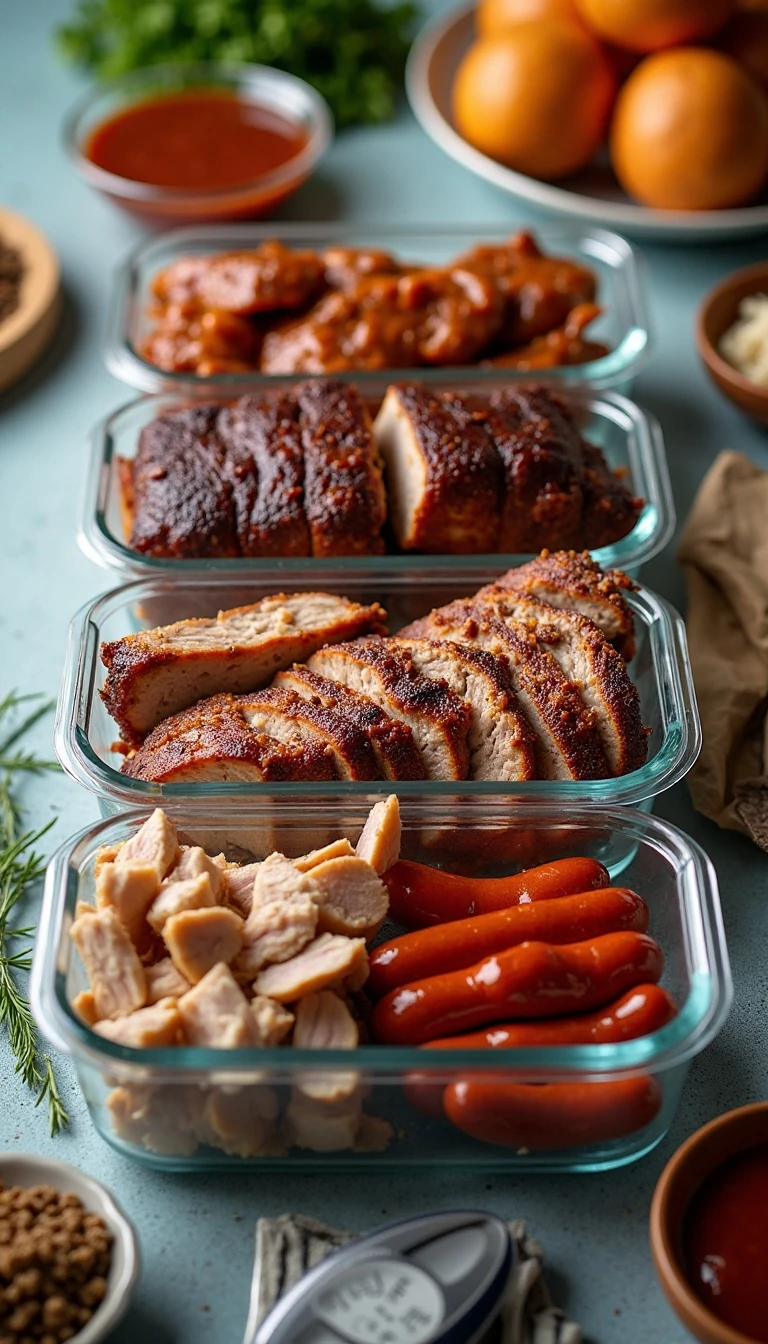
BBQ Leftovers Freshness & Storage Guide
Method
- Refrigerate cooked BBQ within 2 hours of cooking or serving, or within 1 hour if the ambient temperature is above 90°F/32°C.
- Divide large portions into shallow airtight containers so the meat cools quickly, then place the containers in a refrigerator kept at 40°F/4°C or below.
- Eat refrigerated cooked BBQ within 3 to 4 days, or freeze it if it will not be used during that period.
- Reheat only the portion you plan to serve and bring it to an internal temperature of 165°F/74°C.
Notes
Final Thoughts
Cooked BBQ lasts 3 to 4 days in a refrigerator kept at 40°F/4°C or below, provided it is chilled within 2 hours or within 1 hour in temperatures above 90°F/32°C. Shallow airtight containers, date labels, and separate sauce storage help protect both safety and quality.
Freeze anything you will not eat within that refrigerated window, using it within approximately 2 to 6 months for the best quality. Reheat only what you need and bring it to 165°F/74°C before serving.
With these simple habits, yesterday’s smoky cookout can become today’s satisfying sandwich, bowl, or quick family meal. If you are planning a brunch spread alongside your BBQ leftovers, consider adding stuffed French toast for a rich sweet option.