This easy traditional Filipino chicken adobo recipe combines bone-in chicken, soy sauce, cane vinegar, garlic, bay leaves, and black pepper in one deeply savory braise. Brown the chicken first, simmer it gently for 30–40 minutes, then reduce the sauce for another 5–10 minutes and serve it over steamed white rice for a comforting dinner that takes about 1 hour, excluding optional marinating.
Filipino chicken adobo is tender, garlicky, tangy, and lightly peppery rather than strongly sweet. Cane vinegar gives the most traditional flavor, while distilled white vinegar works well, and a small teaspoon of brown sugar is optional for cooks who prefer a slightly rounder, darker sauce.
Jump to RecipeWhy You’ll Love This Recipe
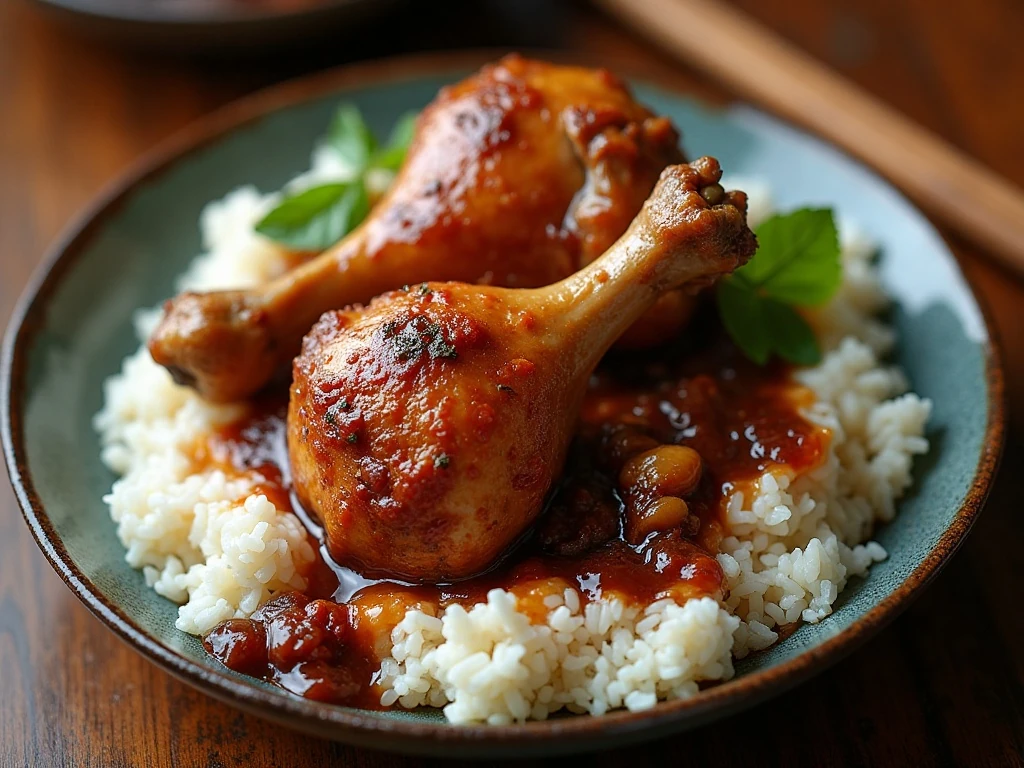
Chicken adobo is one of the most welcoming Filipino dinner recipes because it uses a short ingredient list to create remarkable depth. The chicken cooks in a fragrant braising liquid that is salty from soy sauce, bright from vinegar, warm with black pepper, and richly aromatic from plenty of garlic.
Bone-in, skin-on thighs and drumsticks are especially well suited to this method. They remain juicy during the long simmer, while the skin contributes savory chicken flavor to the sauce as it cooks.
The recipe is also flexible without losing its identity. You can marinate the chicken for 30 minutes or overnight, or skip marinating when dinner needs to happen quickly.
If you enjoy savory chicken dinners with a sweet-and-tangy finish, you may also like this sweet-and-savory pineapple chicken. It has a different flavor profile, but it makes another excellent weeknight option.
Ingredients You’ll Need
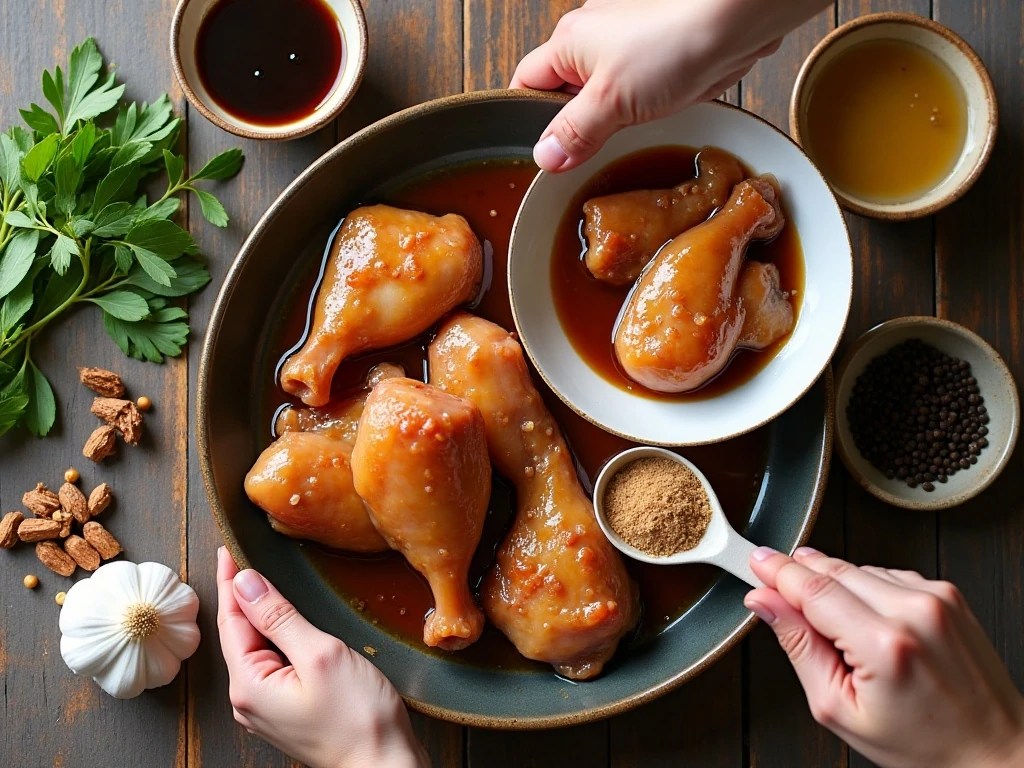
Traditional adobo depends on balance rather than a long shopping list. Measure the main ingredients before you begin so the browning and braising stages move smoothly.
- Chicken: Use 2 1/2 to 3 pounds of bone-in, skin-on thighs and/or drumsticks. The bone adds flavor, and the skin helps protect the meat during simmering.
- Soy sauce: Filipino-style soy sauce is ideal, though regular light soy sauce is a useful substitute. It supplies the dish’s savory saltiness and deep color.
- Vinegar: Cane vinegar gives the most traditional result. Distilled white vinegar is common and provides the necessary clean acidity.
- Garlic: Six to eight cloves may sound generous, but garlic is a central part of adobo’s character. Lightly crush the cloves rather than finely mince them.
- Aromatics: Three bay leaves and whole black peppercorns create the recognizable herbal and peppery background.
- Liquid: One cup of water or unsalted chicken stock keeps the braise moist while the chicken cooks.
- Oil and sugar: One tablespoon of neutral oil helps brown the chicken. One teaspoon of brown sugar is optional and can soften the sharpness of the vinegar without making the dish dessert-sweet.
For a seafood dish with similarly bold, salty notes, keep our spicy salmon poke idea in mind for another dinner or lunch.
How to Make It Step-by-Step
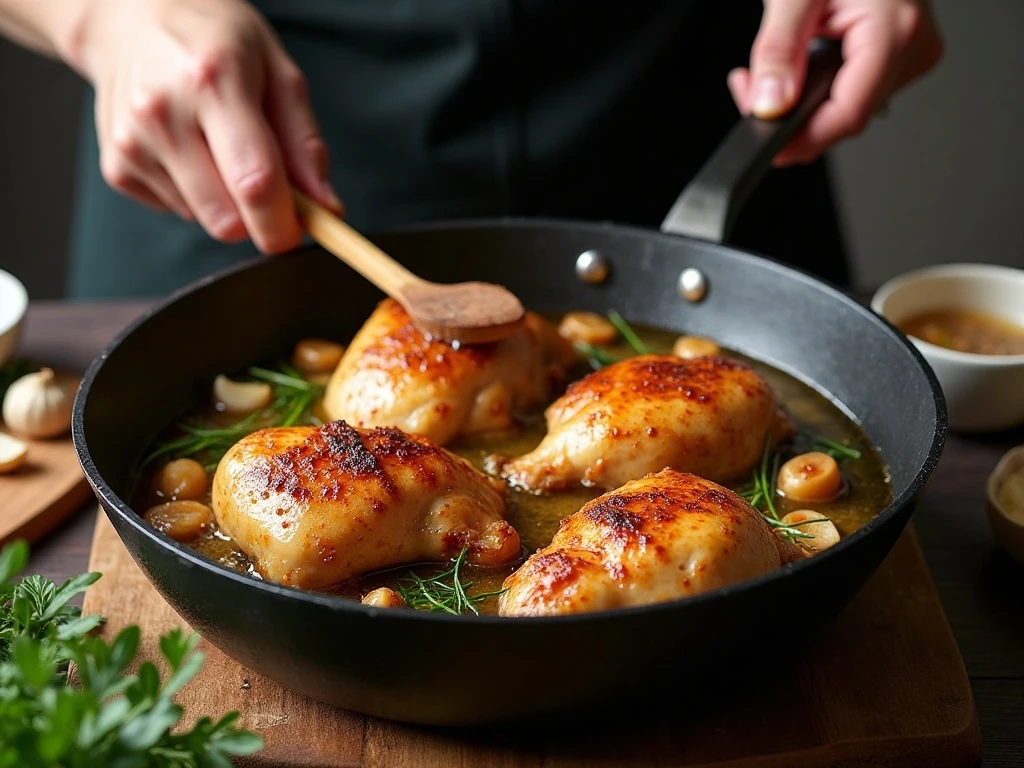
Step 1: Pat the chicken thoroughly dry with paper towels, especially around the skin. Excess moisture can slow browning, while dry skin makes better contact with the hot pot.
Step 2: For optional marinating, place the chicken in a bowl with the soy sauce, vinegar, crushed garlic, bay leaves, and peppercorns. Let it stand for 30 minutes, or cover and refrigerate it overnight; if time is short, proceed without marinating.
Step 3: Heat the oil in a wide, heavy pot or Dutch oven over medium-high heat. Lift the chicken from the marinade and reserve the liquid, then place the pieces skin-side down and brown them for about 3–5 minutes per side.
Step 4: Brown the chicken in batches if the pot looks crowded. A little space allows the skin to sear instead of steam, and the browned bits left on the bottom will flavor the sauce.
Step 5: Return every chicken piece to the pot and pour in the reserved marinade along with the water or unsalted chicken stock. Add the brown sugar now if you are using it.
Step 6: Bring the mixture to a boil, but do not stir the vinegar immediately after adding it. Let the liquid boil for a few minutes first, which helps soften its raw sharpness before the flavors are mixed together.
Step 7: Reduce the heat to low and partially cover the pot. Simmer for 30–40 minutes, turning the chicken once or twice so the pieces cook evenly and absorb the seasoned braising liquid.
Step 8: Use an instant-read thermometer to check the thickest part of the chicken without touching the bone. It must reach at least 165°F (74°C), although bone-in pieces are often more tender around 175–185°F (79–85°C).
Step 9: Remove the lid and simmer for another 5–10 minutes so the sauce can concentrate. If you want an especially glossy finish, lift out the chicken briefly and reduce the liquid until it coats a spoon, then return the chicken to the pot.
Step 10: Taste the sauce before serving. Add a little water if it is too intense, or continue simmering if it tastes thin and needs more concentration.
Step 11: Spoon the chicken over hot cooked white rice and pour plenty of sauce on top. Include some softened garlic, a bay leaf for visual appeal if desired, and a few peppercorns in each serving.
Chef’s Tips for Better Adobo
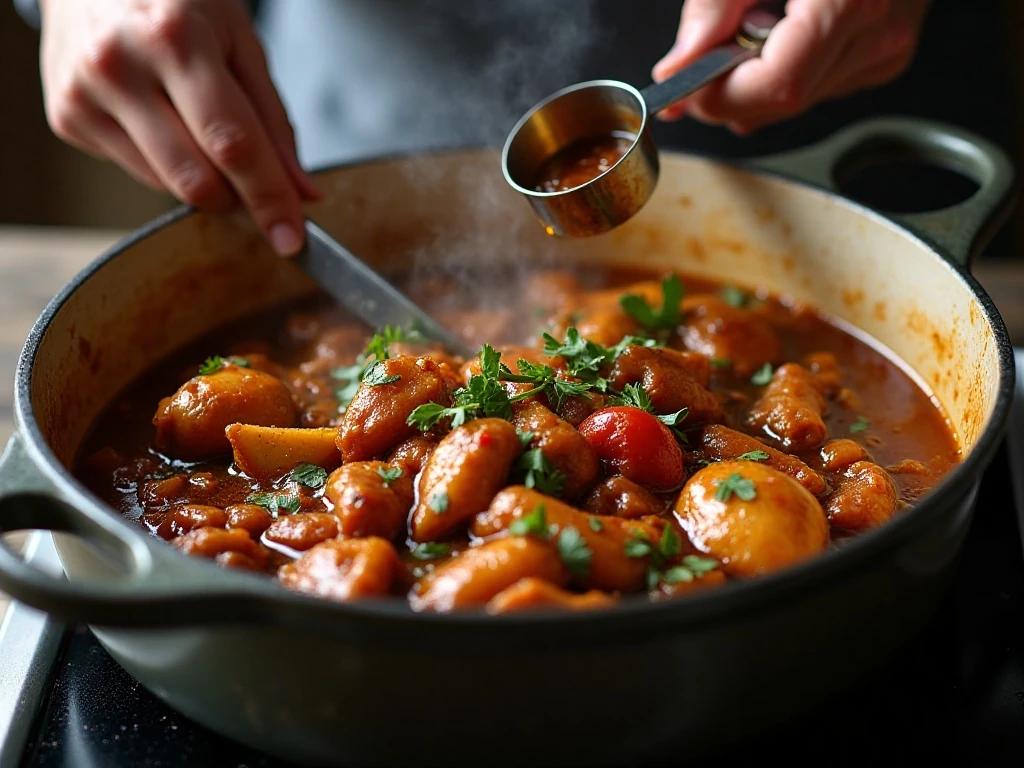
Do not skip the browning stage unless you truly need a one-pot shortcut. Browning renders some of the chicken skin fat and gives the finished dish a fuller roasted flavor.
Keep the heat gentle after the initial boil. A low simmer allows the connective tissue in bone-in chicken to soften gradually, producing tender meat instead of dry meat exposed to aggressive boiling.
Vinegar can taste powerful at the beginning of cooking, so avoid making a final judgment too early. The acidity mellows as it boils and blends with the soy sauce, chicken juices, garlic, and stock.
For crispier skin, transfer the cooked chicken to a plate while reducing the sauce separately. Spoon the glossy sauce over the chicken just before serving rather than leaving the skin submerged.
Adobo is not normally a strongly sweet dish. If you use brown sugar, keep it to the specified one teaspoon so the sauce remains savory, tangy, garlicky, and lightly peppery.
Serving Suggestions
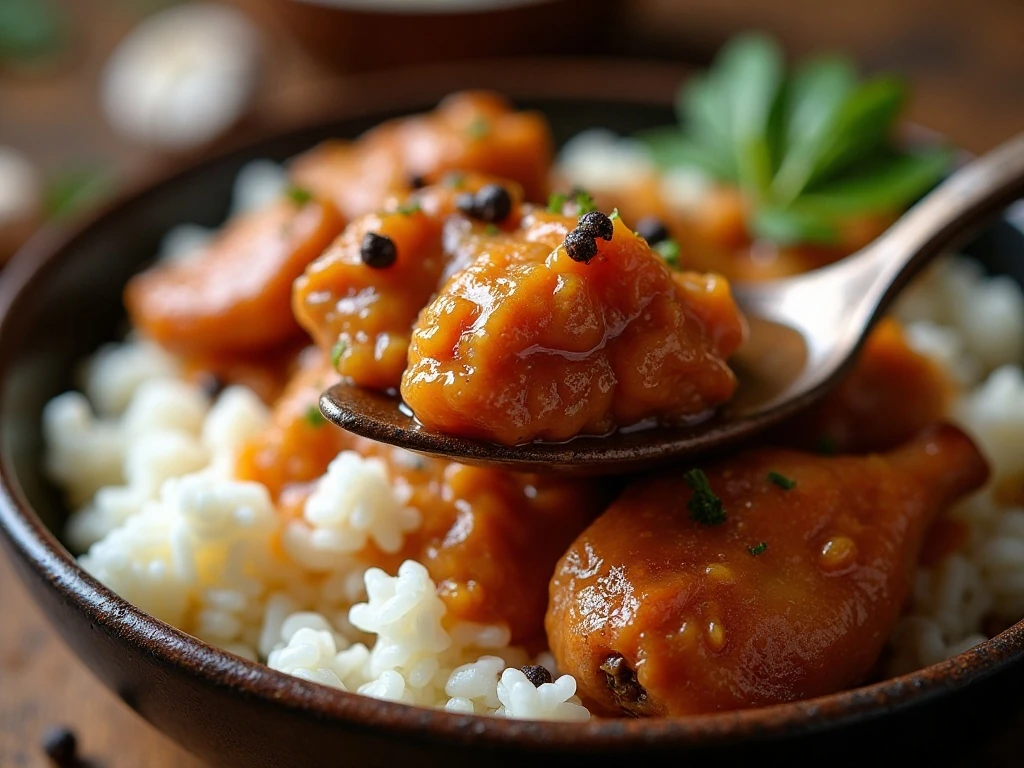
Steamed white rice is the classic partner because it absorbs every drop of the salty, tangy sauce. Serve the chicken with extra sauce instead of treating it as a small finishing drizzle; the rice and braising liquid are meant to be enjoyed together.
A simple vegetable side keeps the meal balanced. Try steamed greens, sautéed cabbage, or crisp cucumber slices dressed with a little vinegar, but keep the side lightly seasoned so it does not compete with the adobo.
This dinner also works well as part of a casual Filipino-inspired spread. For a different comforting chicken meal on another night, try these smothered baked chicken burritos, which bring a saucy, satisfying style to the table.
Storage and Reheating
Let leftover adobo cool promptly, then place the chicken and sauce in a covered container in the refrigerator. The flavors often become even more pronounced after resting overnight because the chicken continues to absorb the braising liquid.
Reheat gently in a saucepan over low to medium-low heat, adding a small splash of water if the sauce has thickened too much. Warm the chicken until steaming hot throughout, and avoid prolonged high heat that could dry the meat.
Store the rice separately when possible so it does not absorb all of the sauce. Reheat the rice according to safe food-handling practices and spoon the hot adobo over it just before serving.
For a complete comfort-food rotation, our easy tortellini soup is another cozy dinner to save for a chilly evening.
Common Questions
Can I use only chicken thighs? Yes. Thighs are an excellent choice because they stay moist during braising, and the specified 2 1/2 to 3 pounds keeps the sauce-to-chicken balance consistent.
Can I use chicken drumsticks? Absolutely. Drumsticks work well with the same simmering time, though always confirm doneness with a thermometer and look for meat that is tender near the bone.
Is marinating required? No. Marinating is common and adds extra seasoning, but the chicken will still develop strong flavor while it braises in the soy-vinegar mixture.
Why should I wait before stirring the vinegar? Allowing the vinegar to boil for a few minutes helps soften its raw, sharp acidity. After that initial boil, you can stir and continue the low simmer.
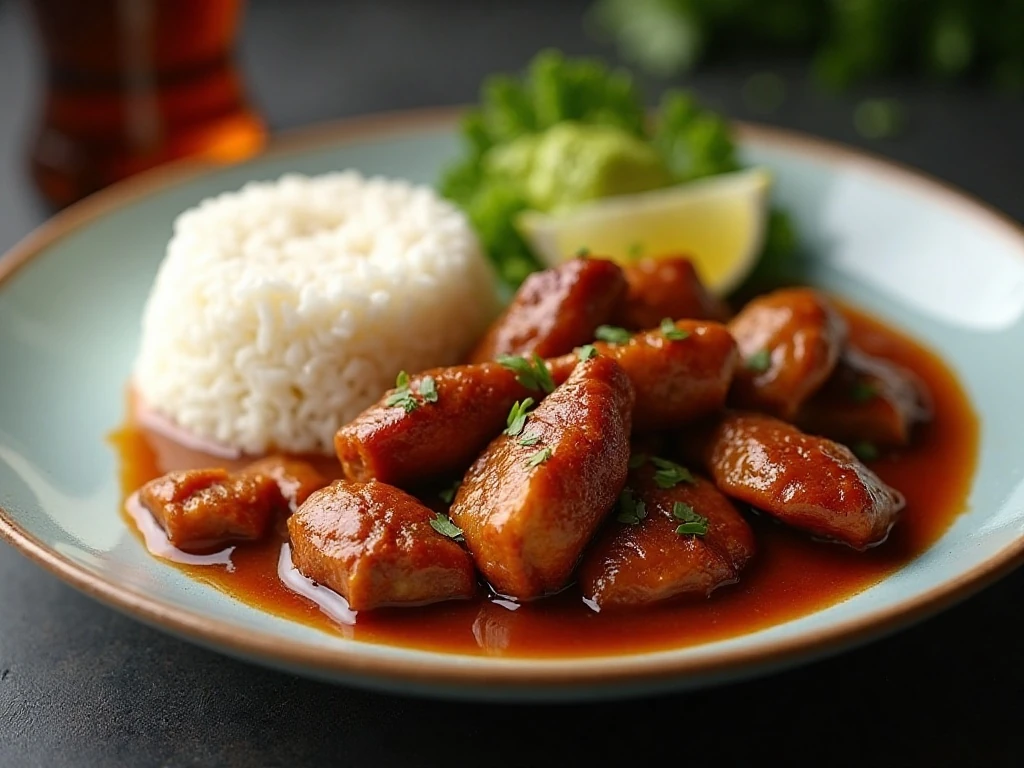
Easy Traditional Filipino Chicken Adobo Recipe
Ingredients
Method
- Pat 2 1/2 to 3 pounds of chicken dry. If desired, combine the chicken with the soy sauce, vinegar, garlic, bay leaves, and peppercorns in a bowl, then marinate for 30 minutes or refrigerate overnight.
- Heat the neutral oil in a wide, heavy pot or Dutch oven over medium-high heat. Remove the chicken from the marinade, reserve all the liquid, and brown the chicken skin-side down first for about 3–5 minutes per side, working in batches if needed.
- Return all the browned chicken to the pot. Add the reserved marinade and the water or unsalted chicken stock, then add the optional brown sugar.
- Bring the liquid to a boil without stirring immediately after adding the vinegar. Let it boil for a few minutes, then reduce the heat to low, partially cover the pot, and simmer for 30–40 minutes, turning the chicken once or twice.
- Check that the chicken reaches at least 165°F (74°C) internally; bone-in pieces are often best cooked to about 175–185°F (79–85°C) for tenderness. Remove the lid and simmer for another 5–10 minutes to reduce the sauce.
- For a more concentrated sauce, briefly remove the chicken and continue reducing the liquid until glossy, then return the chicken to the pot. Taste and adjust with a little water if the sauce is too strong, or simmer longer if it needs more concentration.
- Spoon the chicken and plenty of sauce over cooked white rice. Serve hot, with extra sauce passed at the table.
Notes
Final Thoughts
This easy traditional Filipino chicken adobo recipe is a dependable dinner built on a beautifully simple foundation: chicken, soy sauce, vinegar, garlic, bay leaves, and black pepper. Browning the pieces first and patiently reducing the sauce are the two steps that give the dish its deep color, tender texture, and glossy finish.
Serve it over plenty of steamed white rice, where the savory sauce can soak into every grain. Whether you marinate overnight for maximum flavor or cook it immediately for a practical weeknight meal, the result is comforting, aromatic, and unmistakably adobo.
Make a generous batch if you can, because the leftovers are often even more delicious the next day. Reheat the chicken gently, spoon the sauce over fresh rice, and enjoy a classic Filipino dinner with very little fuss.
For a sweet tropical finish after this savory meal, save these pina colada bars for dessert.
2 thoughts on “Easy Traditional Filipino Chicken Adobo Recipe”