Old-Fashioned Fried Cabbage and Noodles, commonly called haluski, is a simple and satisfying comfort-food recipe made with wide egg noodles, tender butter-fried cabbage, and soft onions. This classic version serves about six people and takes approximately 10 to 15 minutes to prepare and 25 to 35 minutes to cook.
Every bite brings together silky noodles, sweet caramelized onion, buttery cabbage, and plenty of black pepper. Add chopped bacon for a savory, lightly smoky version, or leave it out and use the full amount of butter for a traditional meatless dish that is just as cozy and delicious.
Jump to RecipeWhy You’ll Love This Recipe
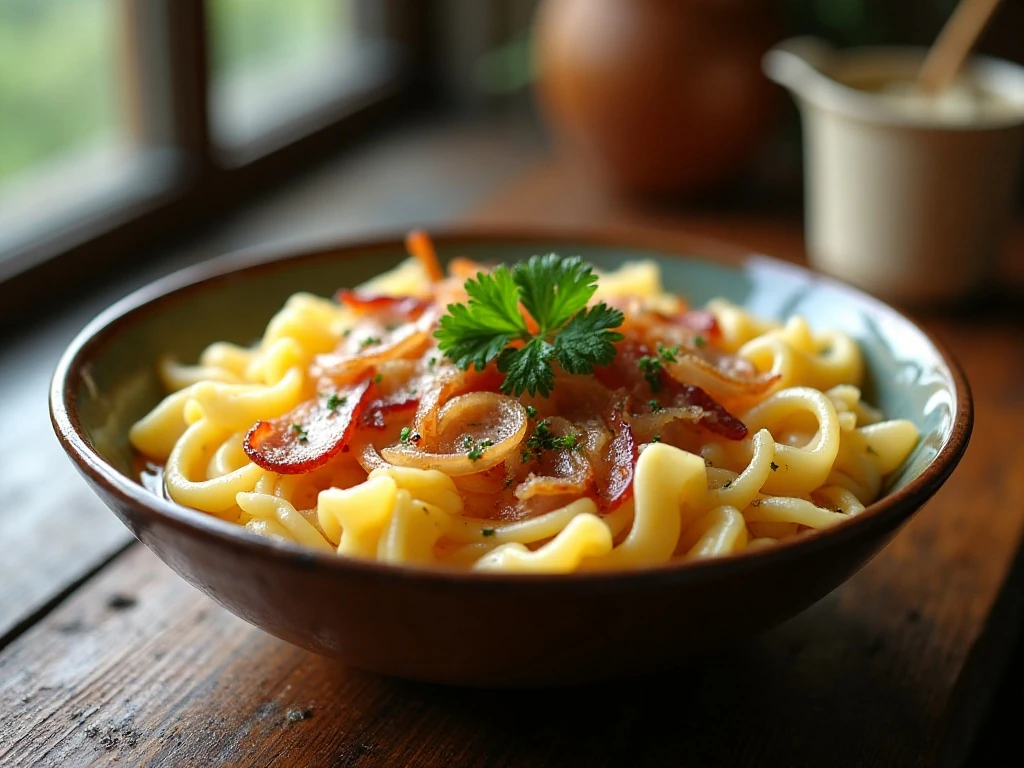
Haluski is proof that a short ingredient list can create a deeply comforting meal. Cabbage becomes tender and sweet in the skillet, onions turn soft and fragrant, and butter coats every wide noodle with a rich, savory gloss.
The recipe is also wonderfully flexible. Serve it as a filling meatless supper, spoon it beside roasted meat, or stir in bacon when you want extra saltiness and a little crisp texture.
Unlike a complicated casserole, this dish comes together in one large skillet plus a pot for the noodles. The vegetables cook while the pasta boils, so the entire meal fits comfortably into a busy weeknight schedule.
If you enjoy simple noodles with a buttery finish, you may also like these brown butter garlic noodles for another cozy pantry-friendly dinner.
Ingredients You’ll Need
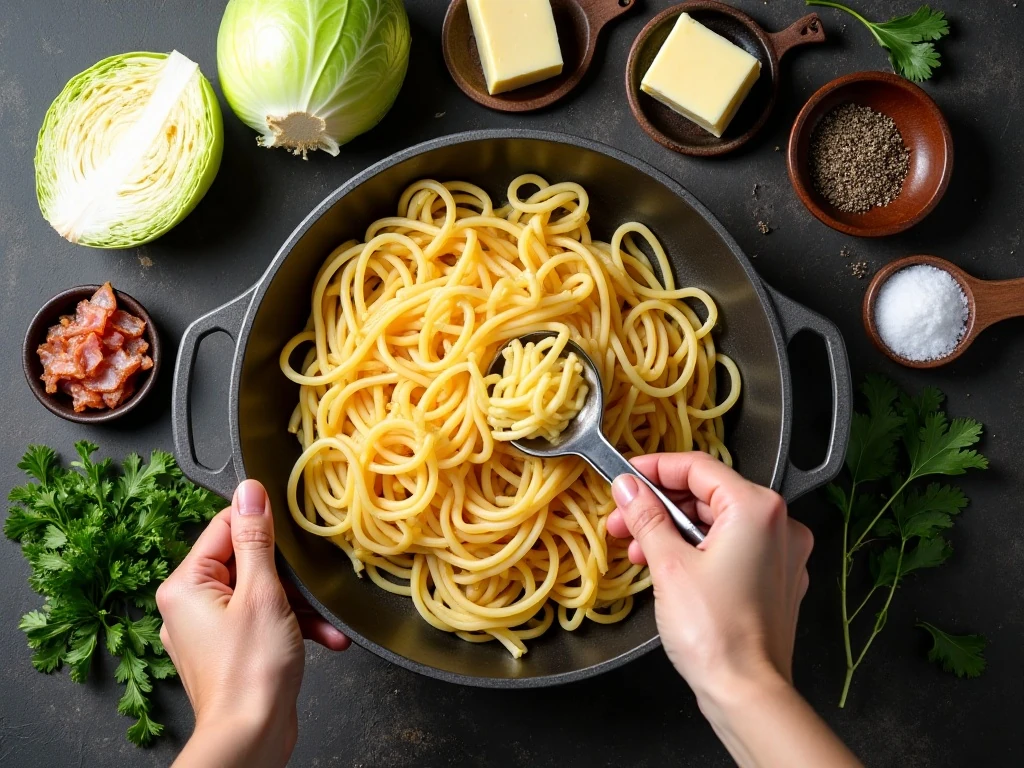
Start with 12 ounces of wide egg noodles. Their broad shape is ideal because it catches the soft cabbage, onion, butter, and seasonings in every forkful.
Choose one medium green cabbage weighing about 2 pounds. Remove the tough outer leaves, cut out the core, and slice the cabbage thinly so it cooks at a similar rate throughout the skillet.
One large yellow onion adds sweetness and depth. Thin slices melt into the cabbage, while a rough chop gives the finished dish slightly more noticeable onion pieces.
- Six tablespoons unsalted butter
- Four to six slices chopped bacon, optional
- One teaspoon kosher salt, plus extra for the pasta water
- One-half teaspoon freshly ground black pepper
- One-quarter teaspoon garlic powder or one to two minced garlic cloves, optional
- Two to four tablespoons reserved noodle water, as needed
- Chopped fresh parsley for serving, optional
For a bacon-free haluski, omit the bacon and use all six tablespoons of butter. If you do include bacon, its rendered fat can remain in the pan, but remove excess grease so the finished noodles taste buttery rather than heavy.
How to Make It Step-by-Step
Step 1: Bring a large pot of salted water to a full boil, then add the wide egg noodles. Cook them according to the package directions until just al dente, since they will continue to soften when mixed with the hot cabbage. Before draining, scoop out a small cup of the starchy noodle water.
Step 2: While the noodles cook, heat a large skillet or Dutch oven over medium heat. If using bacon, add it directly to the dry pan and cook until browned and lightly crisp, turning and stirring as needed. Remove excess grease if necessary, leaving about 1 to 2 tablespoons behind for flavor.
Step 3: Add the butter and sliced or chopped onion to the skillet. Cook for about 5 minutes, stirring from time to time, until the onion softens and starts to take on a sweet, translucent appearance. If you are making the meatless version, the butter becomes the main cooking fat and brings a lovely rounded flavor.
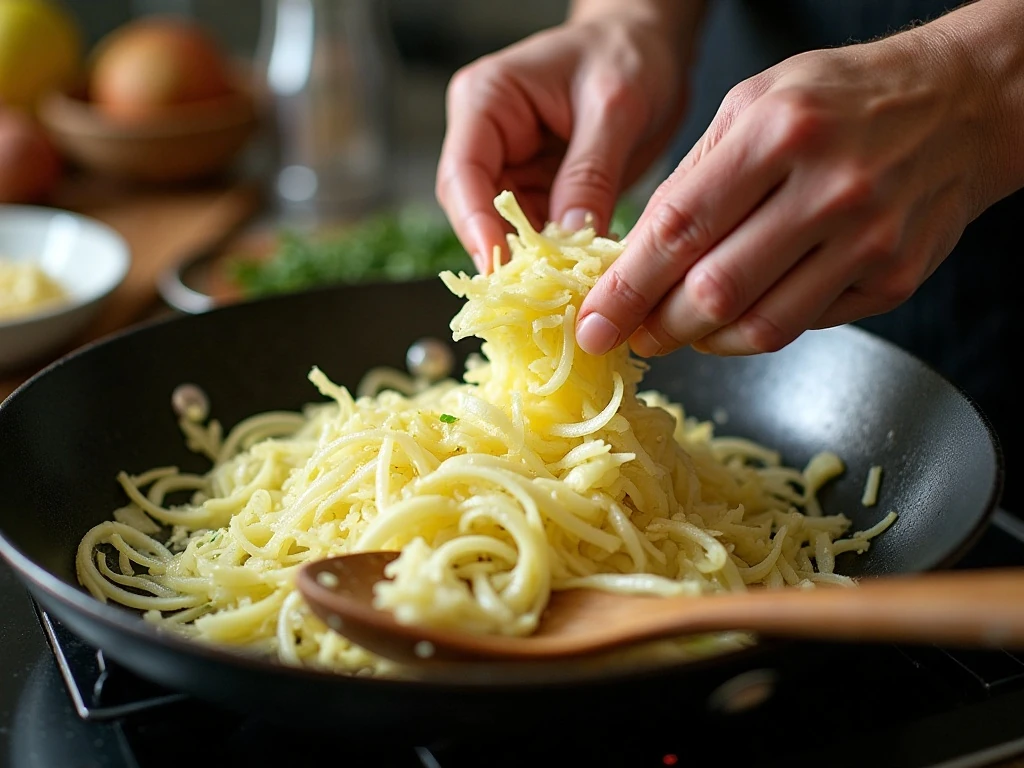
Step 4: Add the thinly sliced cabbage, kosher salt, black pepper, and optional garlic. Stir well so the seasonings and butter distribute throughout the vegetables. Cook uncovered for 10 to 15 minutes, stirring regularly, until the cabbage is tender and lightly browned.
Step 5: For especially flavorful cabbage, let it sit undisturbed for short periods between stirs. This gives the cut edges time to make contact with the hot skillet and develop golden-brown spots instead of allowing the cabbage to steam constantly.
Step 6: Add the drained noodles and the cooked bacon, if using, to the skillet. Toss gently with tongs or two wooden spoons until the noodles are evenly coated and the cabbage is distributed throughout. Avoid vigorous stirring, which can break the tender egg noodles.
Step 7: Check the texture and add 2 to 4 tablespoons of reserved noodle water if the mixture seems dry. The starchy water helps the butter cling to the noodles and creates a cohesive coating without making the dish greasy.
Step 8: Taste the haluski and adjust the salt and black pepper. Serve hot, with chopped fresh parsley scattered over the top if you like a fresh contrast to the rich butter and browned cabbage.
How to Brown the Cabbage Properly
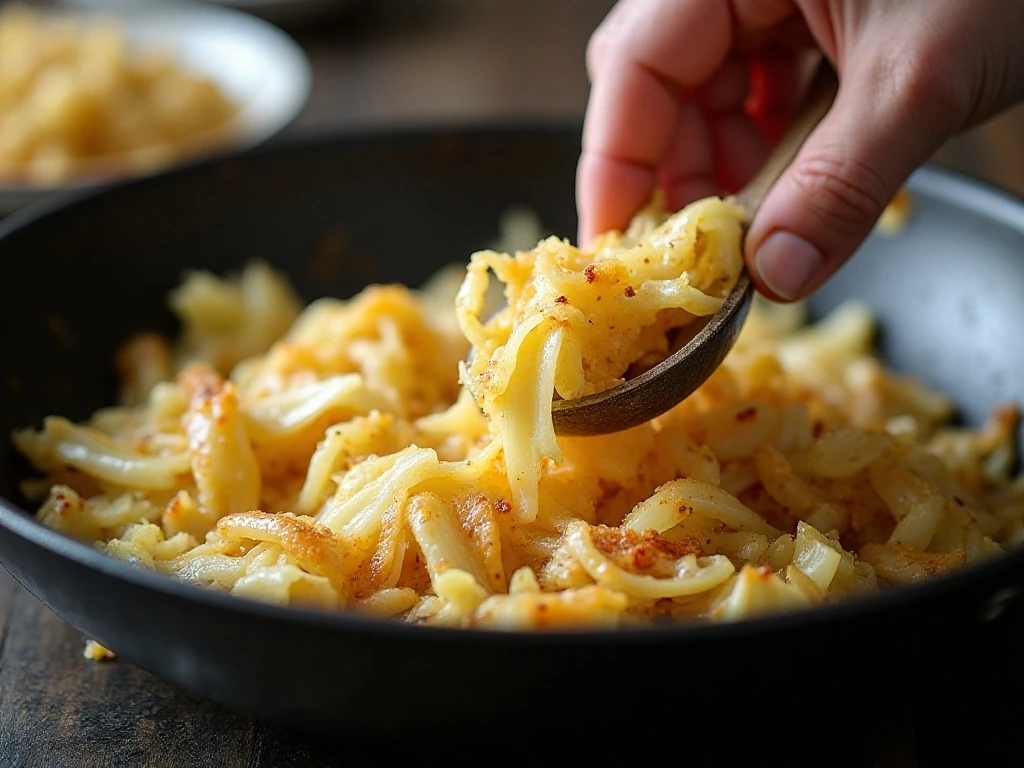
The cabbage is the heart of this recipe, so do more than simply cook it until it wilts. Keep the skillet uncovered, use medium heat, and allow the cabbage to soften gradually while its edges pick up color.
Stir often enough to prevent scorching, but not so often that every piece is constantly moving. Brief pauses between stirs help the cabbage caramelize and create the sweet, nutty flavor that makes old-fashioned haluski memorable.
If the skillet looks crowded at first, do not worry. The cabbage will lose volume as it cooks, giving you more room to toss everything together at the end.
For another cabbage-centered meal, take a look at this slow cooker kielbasa and cabbage recipe, which uses similar comforting flavors in a different format.
Chef’s Tips for the Best Haluski
- Cook the noodles only until just al dente. Soft noodles can become mushy after they spend several minutes in the hot skillet.
- Salt the pasta water generously so the noodles are seasoned from the inside, then taste the finished dish before adding more salt.
- Slice the cabbage evenly. Thin, consistent strips become tender at roughly the same time and are easier to combine with the noodles.
- Use unsalted butter when possible. It gives you better control over the final seasoning, especially when bacon is included.
- Reserve noodle water before draining. Even a few tablespoons can loosen the skillet and help the buttery sauce cling to the noodles.
- Add parsley at the end rather than cooking it. Its color and fresh flavor make a pleasant contrast to the browned cabbage.
Some regional versions include sour cream, browned kielbasa, or caraway seed. Those additions can be enjoyable, but they are not necessary for this basic old-fashioned recipe.
For a light, tangy side dish alongside haluski, serve a crisp old-fashioned wilted lettuce salad. Its bright dressing balances the buttery noodles and cabbage.
Serving Ideas and Variations
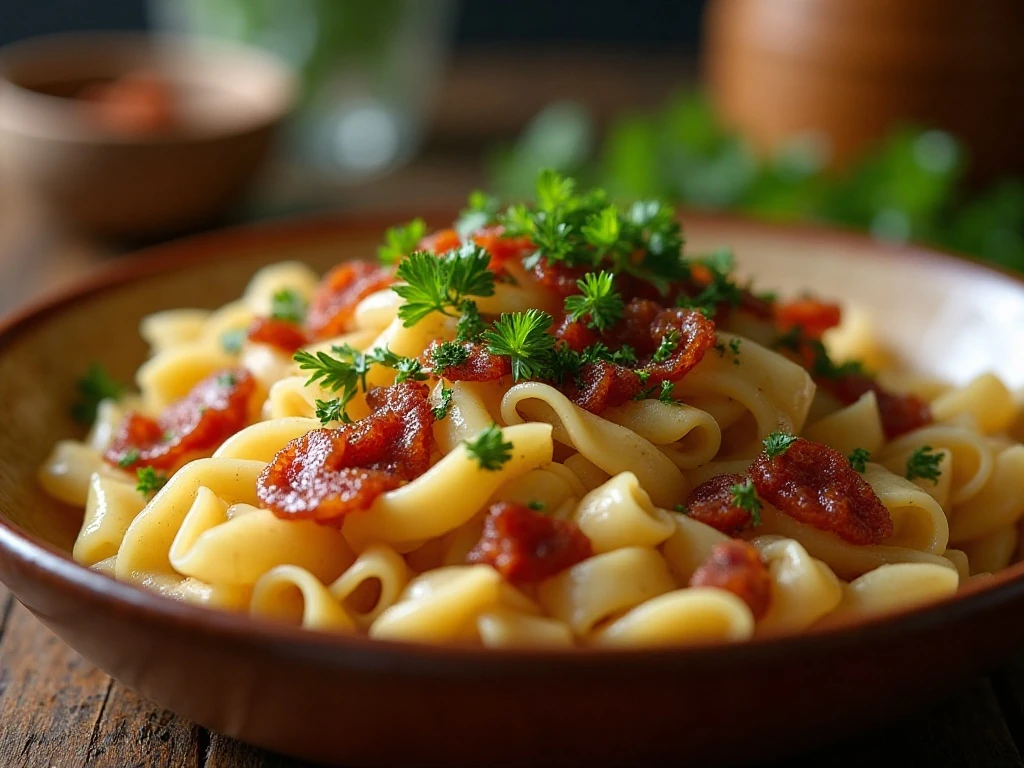
Serve haluski in generous bowls as a complete meatless meal, or place it beside roasted chicken, pork, sausage, or baked ham. The noodles are particularly good with anything that has savory pan juices, because the cabbage and pasta can catch every flavorful bite.
Bacon is the most common optional addition in published versions. Cook it first, leave a little rendered fat in the pan, and fold the crisp pieces back in with the noodles so they retain some texture.
You can also make the dish more noodle-heavy by using 8 ounces to 1 pound of egg noodles, although 12 ounces gives a balanced combination of cabbage and pasta for about six servings. Keep the cabbage quantity the same if you prefer generous vegetable portions.
A small amount of sour cream stirred in at the end creates a tangy, creamy variation, while browned kielbasa makes the dish heartier. Caraway seed can add a distinctive regional note, but the classic butter, cabbage, onion, and noodle combination needs no extra additions.
For a contrasting appetizer before dinner, these crispy fried shrimp wontons offer a crunchy start before the soft, buttery main course.
Storage and Reheating
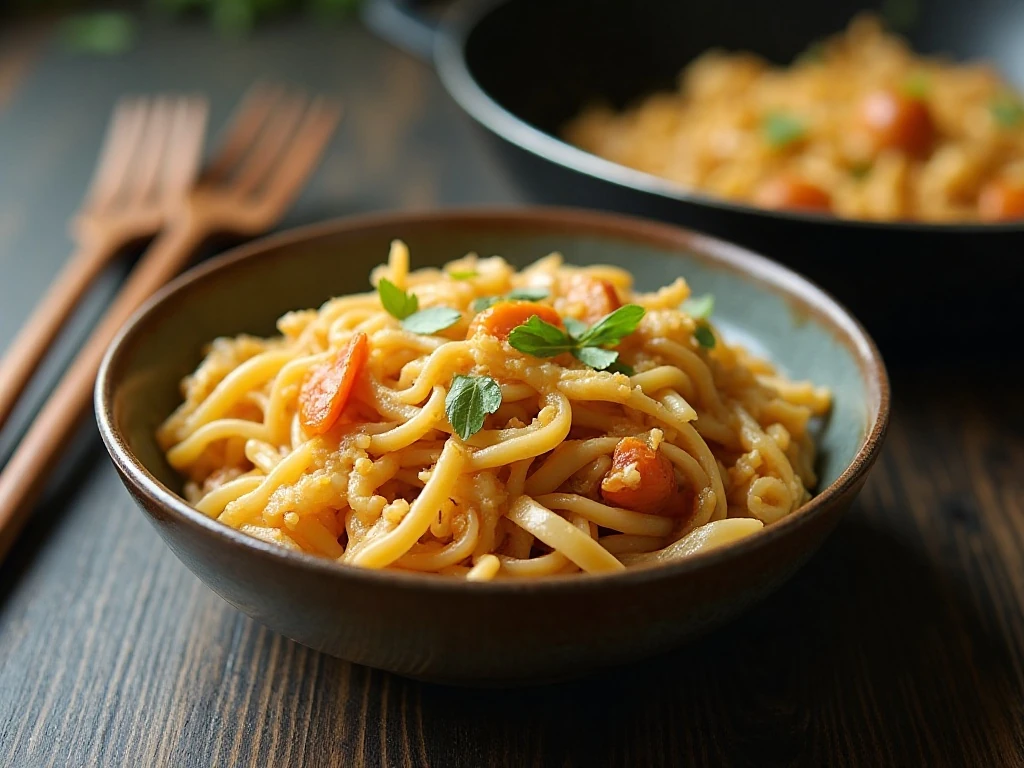
Cool leftover haluski promptly and transfer it to an airtight container. Refrigerate it and enjoy within a few days for the best texture and flavor.
Reheat individual portions in the microwave in short intervals, stirring between each one. You can also warm the leftovers in a skillet over medium-low heat with a small pat of butter or a splash of water.
The noodles may absorb some of the butter and moisture while chilled. Gentle reheating restores softness without overcooking the cabbage, while a little added butter helps bring back the dish’s glossy finish.
Frequently Asked Questions
Can haluski be made without bacon? Yes. Bacon is optional and the meatless version is traditional; simply use the full six tablespoons of butter and omit the bacon.
Why should I save pasta water? The water contains starch released from the noodles. Adding two to four tablespoons helps the butter and cabbage cling to the pasta without requiring extra oil.
Can I prepare the cabbage ahead of time? You can slice the cabbage and onion several hours ahead and refrigerate them separately in covered containers. For the freshest texture, cook the noodles and cabbage close to serving time.
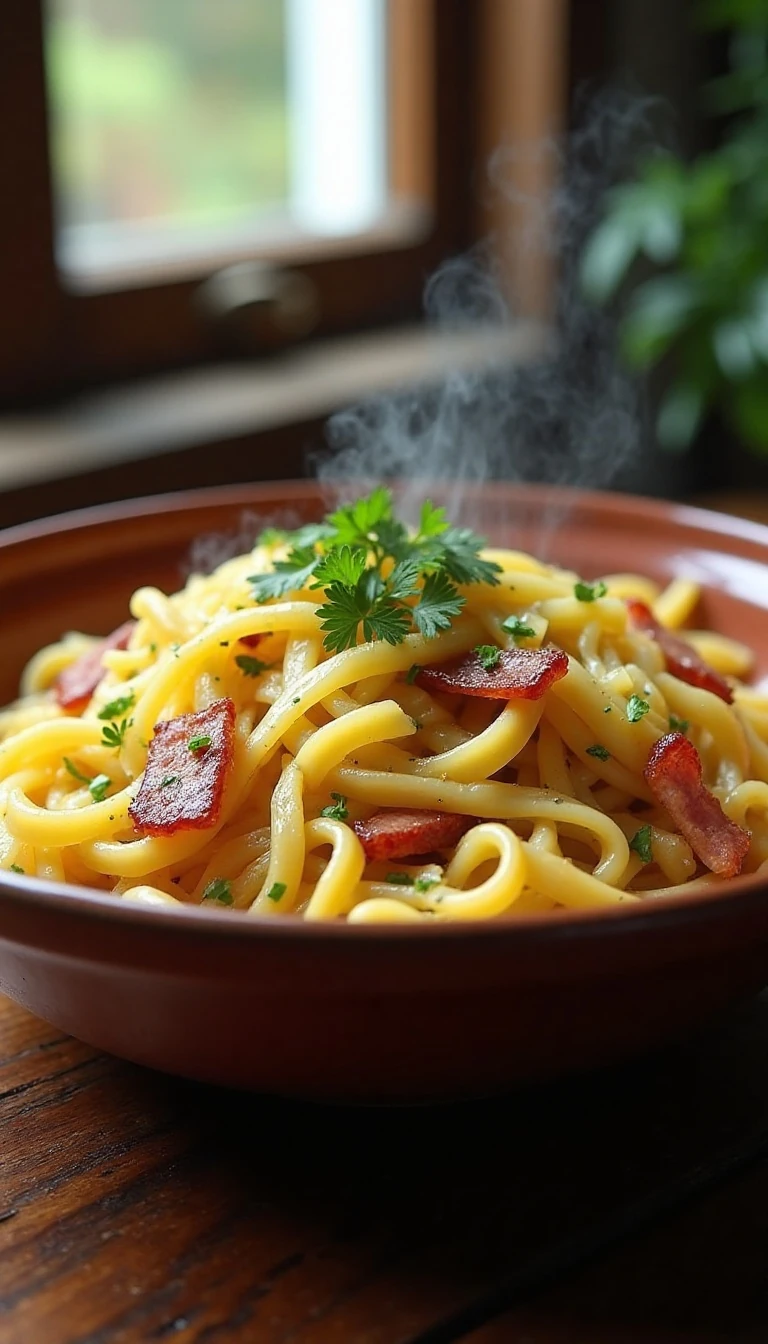
Old-Fashioned Fried Cabbage and Noodles (Haluski Recipe)
Ingredients
Method
- Bring a large pot of generously salted water to a boil. Cook the wide egg noodles according to the package directions until just al dente, then reserve a small cup of the cooking water before draining.
- If using bacon, place it in a large skillet or Dutch oven over medium heat and cook until browned and lightly crisp. Remove excess grease if needed, leaving about 1 to 2 tablespoons in the pan.
- Add the butter and onion to the skillet. Cook for about 5 minutes, stirring occasionally, until the onion softens and begins to smell sweet.
- Add the sliced cabbage, kosher salt, black pepper, and optional garlic powder or minced garlic. Cook uncovered for 10 to 15 minutes, stirring regularly, until the cabbage is tender and lightly browned.
- Add the drained noodles and cooked bacon, if using, to the cabbage mixture. Toss gently until everything is evenly combined and hot, adding 2 to 4 tablespoons of reserved noodle water if the mixture seems dry.
- Taste and adjust the salt and pepper. Serve immediately with chopped parsley if desired.
Notes
Final Thoughts
Old-Fashioned Fried Cabbage and Noodles is the kind of recipe that feels familiar from the first bite. With tender cabbage, sweet onion, buttery egg noodles, and optional crisp bacon, it turns everyday ingredients into a generous meal for family and friends.
Remember the three details that matter most: keep the noodles just al dente, brown the cabbage instead of merely steaming it, and save a little noodle water for the final toss. Serve it hot with parsley, and expect the skillet to empty quickly.
Finish the meal with a nostalgic treat such as these oatmeal Milky Way cookies for a sweet ending to a cozy dinner.
1 thought on “Old-Fashioned Fried Cabbage and Noodles (Classic Haluski Recipe)”