Balsamic salmon is an easy weeknight meal made with four salmon fillets, balsamic vinegar, honey or maple syrup, Dijon mustard, garlic, and olive oil. The fish needs only 10 minutes of preparation, an optional 15 to 30 minutes of marinating, and about 12 to 15 minutes in a 400°F oven, making dinner possible in roughly 25 to 45 minutes.
This baked salmon comes out tender and flaky beneath a glossy sauce that balances sweet, tangy, savory, and garlicky flavors. Serve it with a crisp green salad, roasted vegetables, or loaded smashed baby potatoes for a satisfying meal that feels special without demanding much effort.
Jump to RecipeWhy You’ll Love This Recipe
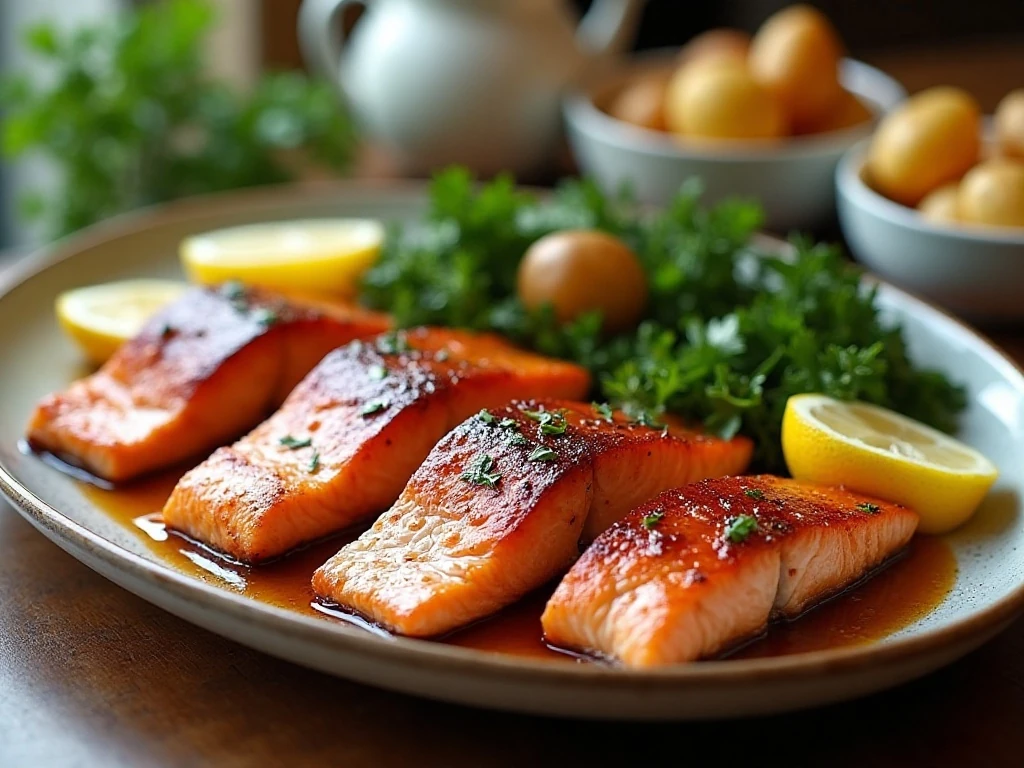
This balsamic salmon has the kind of flavor that tastes far more involved than the preparation suggests. Balsamic vinegar brings bright acidity and a gentle fruitiness, while honey or maple syrup softens its sharp edge and helps the sauce turn shiny in the oven.
Dijon mustard adds savory depth and helps the ingredients come together into a cohesive coating. Garlic gives every bite a warm, aromatic note, and a little rosemary or thyme adds a fresh herbal finish without overpowering the fish.
The recipe is also wonderfully flexible. You can marinate the salmon for extra flavor when you have time, or brush and bake it immediately when dinner needs to happen quickly. Since the fish cooks in one pan, cleanup is refreshingly simple.
For another comforting main-dish idea, keep our easy Salisbury steak in your dinner rotation for nights when you are craving something hearty rather than seafood.
Ingredients You’ll Need
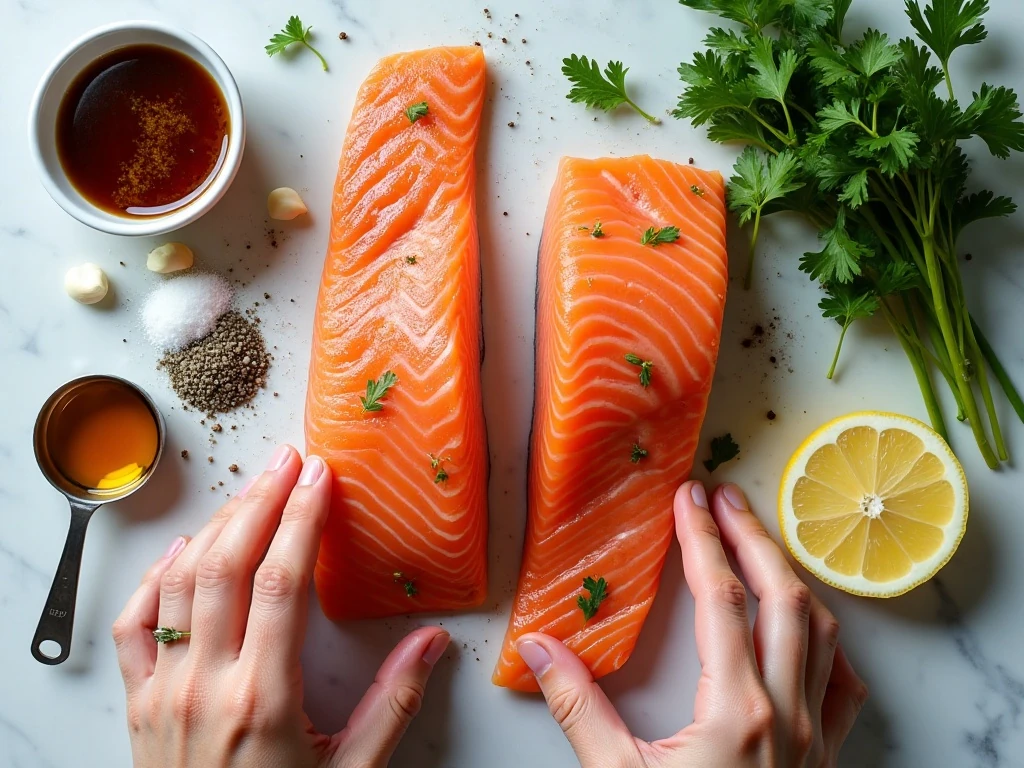
Choose four salmon fillets weighing about 6 ounces, or 170 grams, each. Skin-on fillets work especially well because the skin helps protect the fish from the hot pan, although skinless pieces can also be used.
- Salmon: Four fillets, ideally similar in thickness so they finish cooking at the same time.
- Balsamic vinegar: The tangy foundation of the sauce and the source of its deep color.
- Honey or pure maple syrup: Use either one to balance the vinegar and encourage light caramelization.
- Extra-virgin olive oil: Adds richness and helps the sauce coat the salmon.
- Dijon mustard: Brings a subtle sharpness and savory complexity.
- Garlic, salt, and pepper: The essential seasonings that make the glaze taste rounded.
- Fresh rosemary or thyme: Optional, but especially good if you enjoy an herbal accent.
For finishing, chopped parsley adds color, lemon wedges brighten the plate, and a drizzle of reduced balsamic glaze gives the salmon an even more polished appearance. If your balsamic vinegar is already very thick and sweet, use a light hand with any extra glaze.
Gather your side dishes before the salmon goes into the oven. Rice, quinoa, steamed green beans, asparagus, or roasted broccoli can all be prepared while the fish cooks.
How to Make It Step-by-Step
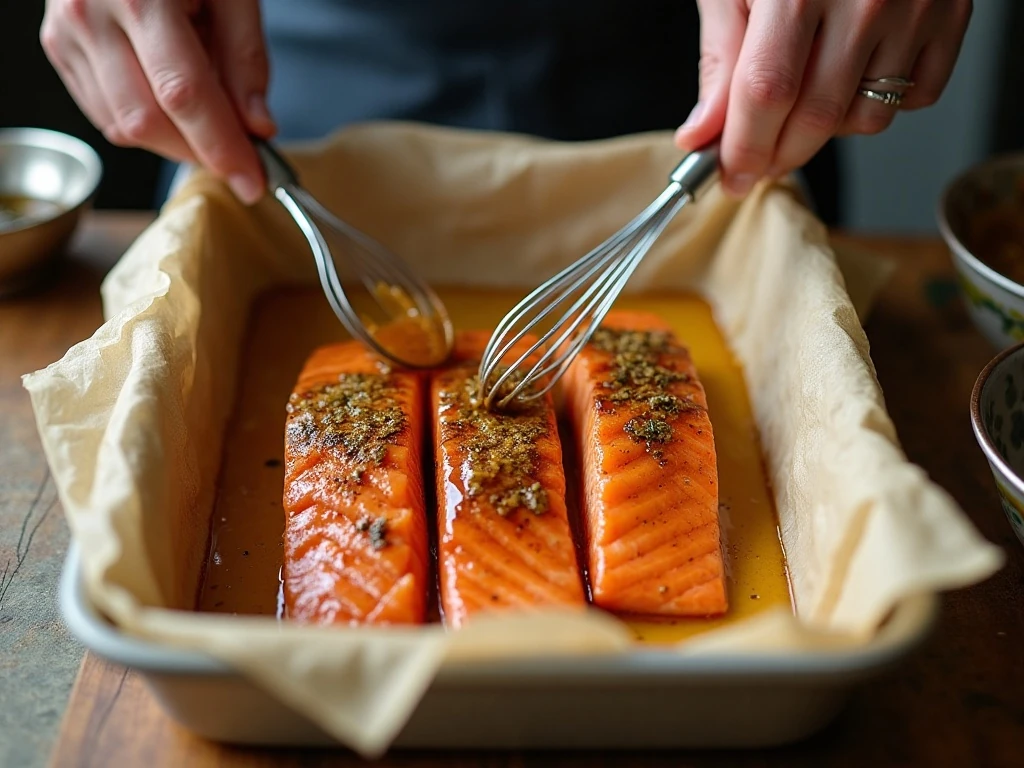
Step 1: Heat the oven to 400°F (200°C), then line a baking sheet or shallow baking dish with parchment paper or foil. The lining prevents the sticky balsamic sauce from baking onto the pan and makes cleanup much easier.
Step 2: Add the balsamic vinegar, honey or maple syrup, olive oil, Dijon mustard, minced garlic, kosher salt, freshly ground black pepper, and optional chopped herbs to a bowl. Whisk until the sauce looks smooth and the mustard is fully blended.
Step 3: Before the sauce touches the raw fish, pour or spoon a few tablespoons into a separate clean container for finishing. This simple food-safety step means the reserved sauce can be brushed on the cooked salmon without boiling it first.
Step 4: Place the salmon fillets skin-side down in the lined pan. Brush the remaining sauce generously over the tops and sides, then refrigerate the fish for 15 to 30 minutes if you want a more pronounced balsamic flavor.
Step 5: Bake the salmon for 12 to 15 minutes when the fillets are approximately 1 inch thick. Start checking early because salmon thickness varies, and remove the fish when a thermometer inserted into the thickest section reads 145°F (63°C).
Step 6: Brush the reserved sauce over the hot salmon just before serving. For a darker, more caramelized finish, place the pan under the broiler for 1 to 2 minutes, watching constantly because the honey or maple syrup can darken quickly.
Step 7: Finish with parsley, lemon wedges, or a small drizzle of reduced balsamic glaze. Let the salmon rest briefly while you bring the side dishes to the table, but serve it while it is still warm and moist.
Smart Cooking Tips
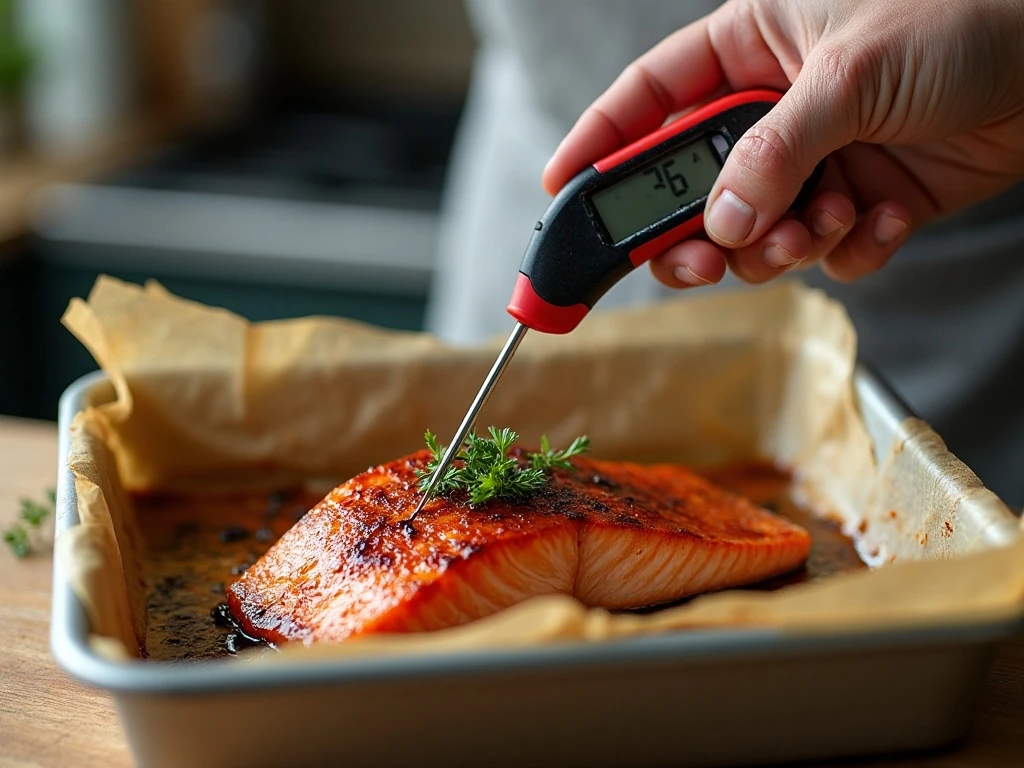
A thermometer is the most dependable way to judge doneness. Cooking time is only a guide because one fillet may be thin and delicate while another is much thicker in the center.
Do not pour the sweet balsamic sauce into a very hot skillet too early. Honey and maple syrup can burn over high heat, so the sauce is best added during the last few minutes when using the stovetop method.
For stovetop balsamic salmon, sear the fillets in a lightly oiled skillet for about 3 to 4 minutes per side. Add the sauce during the final few minutes and let it reduce until glossy, turning the heat down if it begins to darken too quickly.
If you prefer a thicker glaze, simmer a separate balsamic mixture for 3 to 5 minutes until it reduces slightly. Brush it over the cooked salmon rather than reducing sauce that has been in contact with raw fish.
Pat the salmon dry before adding the sauce. A dry surface helps the glaze cling better, while bringing the fish out of the refrigerator just long enough to prepare it promotes more even cooking.
Take the salmon out of the oven promptly at 145°F (63°C). Carryover cooking will continue briefly, and leaving the fish in the hot pan for too long can turn a tender center dry.
Serving Ideas
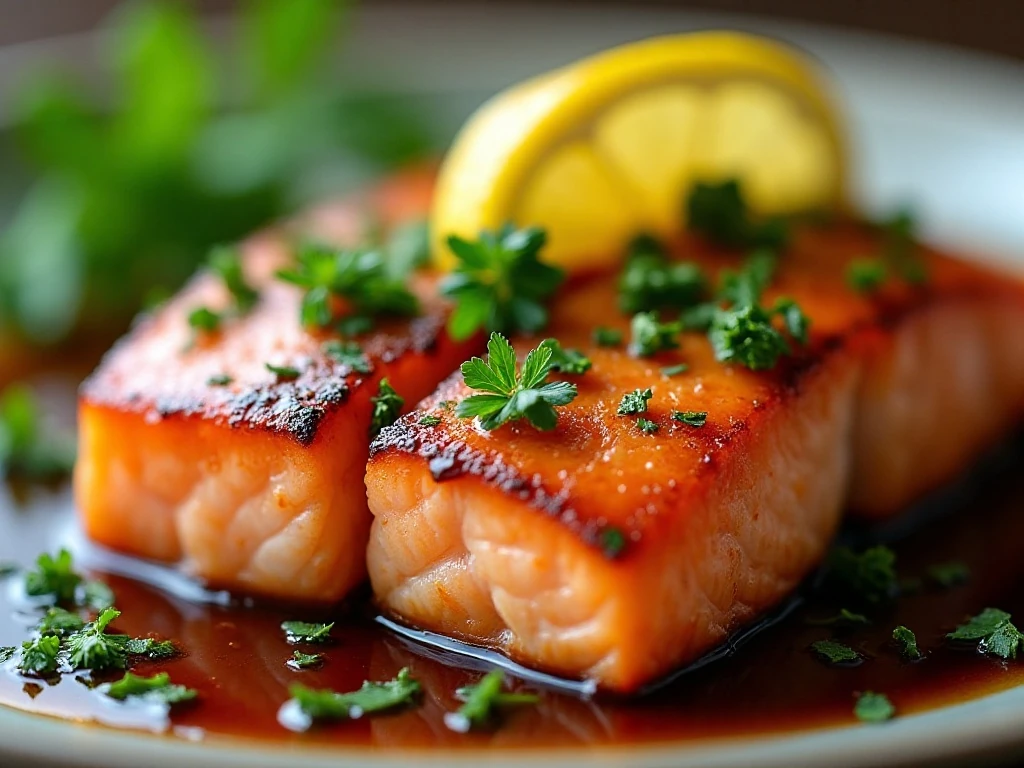
Balsamic salmon pairs beautifully with sides that can absorb its sweet-tangy juices. Try fluffy rice, creamy mashed potatoes, couscous, quinoa, or crusty bread for a complete plate.
For vegetables, choose bright and simple options such as roasted asparagus, green beans, broccoli, zucchini, or a lemony arugula salad. A cool cucumber salad also provides a pleasant contrast to the warm glaze.
For a full menu, start with a crisp salad and finish with a fruit-forward dessert. Our homemade apple pie is a cozy choice, while blueberry oatmeal muffins work well for a relaxed weekend brunch featuring leftover salmon.
Keep garnishes restrained so the balsamic flavor remains the focus. A few parsley leaves, a lemon wedge, and a small amount of glaze are enough to make the dish look inviting.
Storage and Reheating
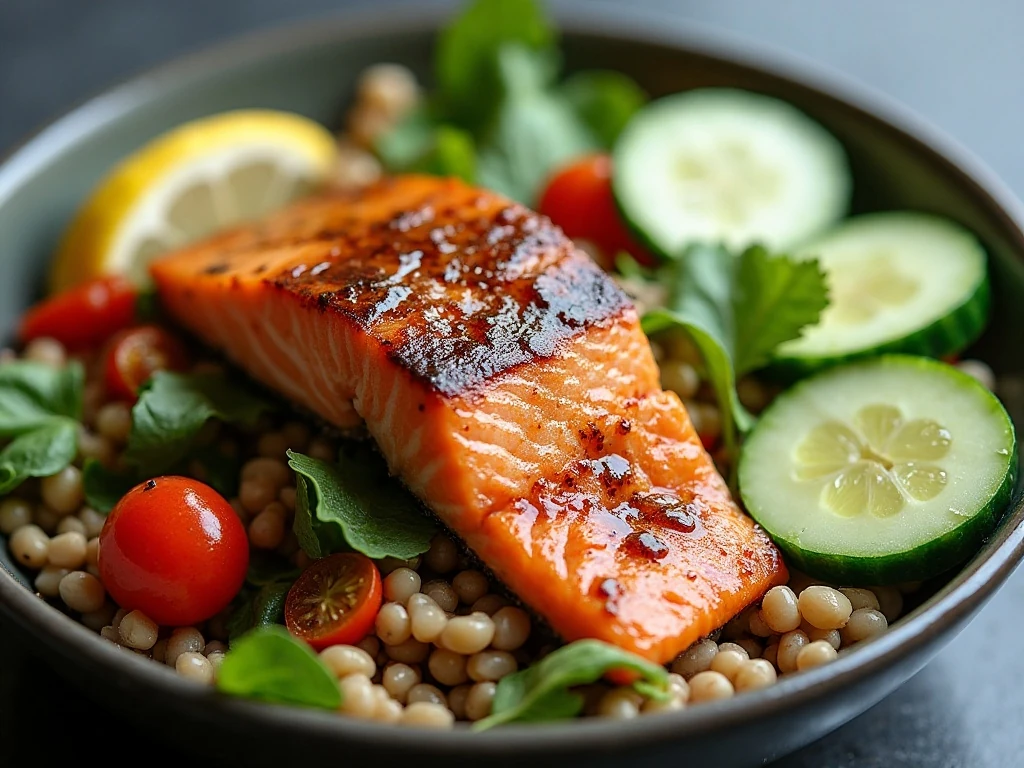
Cool leftover salmon promptly, place it in an airtight container, and refrigerate it. Enjoy it within a few days for the best texture and flavor.
Reheat gently in a low oven until warmed through, or use short intervals in the microwave with the fish covered. Avoid high heat, which can dry the salmon and make the glaze sticky.
Cold leftovers are also delicious flaked over a green salad, tucked into a grain bowl, or mixed with a little dressing for a quick lunch. Add lemon just before eating to refresh the flavors.
If you are planning a breakfast or brunch after dinner, consider serving something sweet alongside coffee, such as this quick cinnamon muffin recipe. It is an easy way to round out a relaxed food-focused weekend.
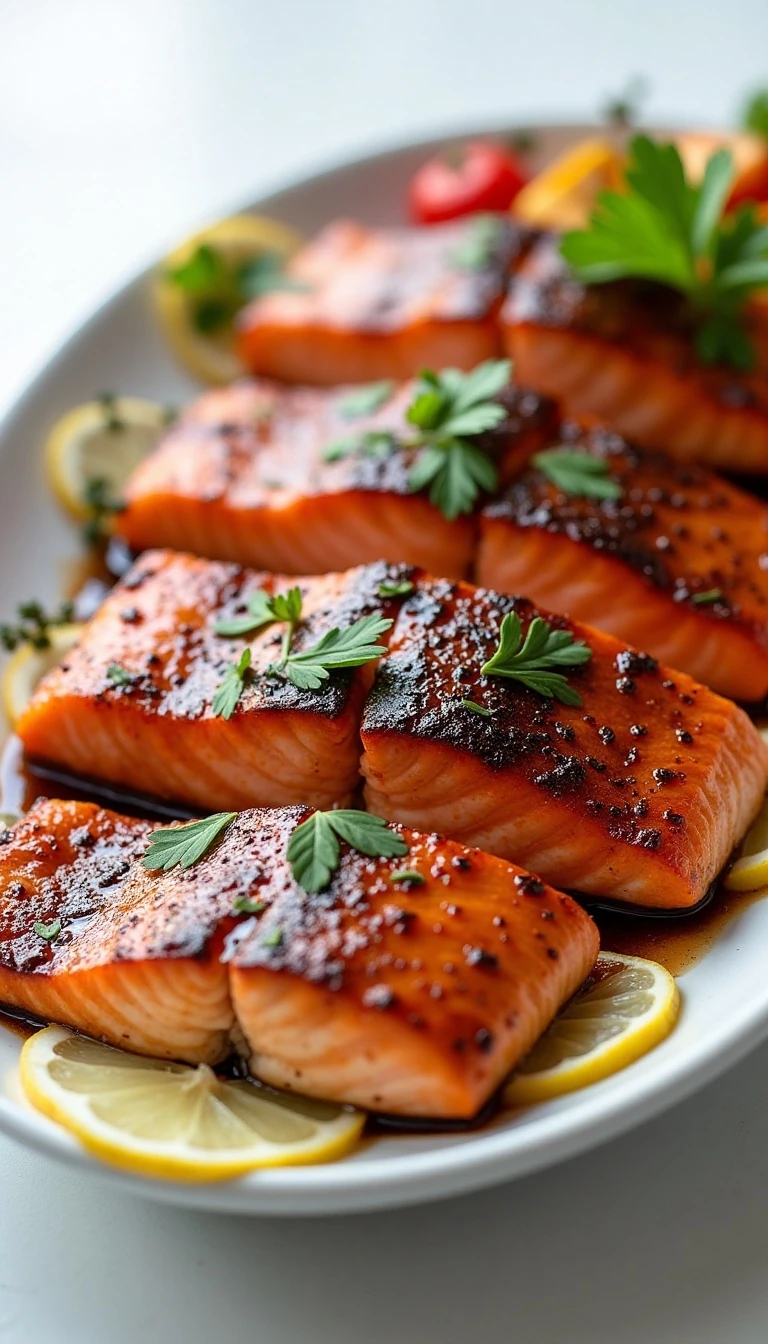
Balsamic Salmon
Ingredients
Method
- Heat the oven to 400°F (200°C). Line a baking sheet or shallow baking dish with parchment paper or foil.
- Whisk the balsamic vinegar, honey or maple syrup, olive oil, Dijon mustard, minced garlic, kosher salt, black pepper, and optional rosemary or thyme in a bowl. Reserve a few tablespoons of the sauce before it touches the raw salmon.
- Place the salmon skin-side down in the prepared pan and brush with the remaining sauce. For additional flavor, cover and refrigerate the salmon for 15 to 30 minutes before baking.
- Bake for 12 to 15 minutes for fillets about 1 inch thick, or until the fish flakes easily and reaches 145°F (63°C) in the thickest part. Thicker pieces may need more time, so use a thermometer rather than relying only on the clock.
- Brush the cooked salmon with the reserved sauce. If you want a more caramelized surface, broil for 1 to 2 minutes while watching closely.
- Garnish with parsley, lemon wedges, or a small drizzle of reduced balsamic glaze. Serve immediately while the salmon is moist and the glaze is glossy.
Notes
Final Thoughts
Balsamic salmon is a dependable answer to the question of what to make on a busy evening. The ingredient list is short, the cooking method is straightforward, and the finished fish delivers a beautiful combination of tangy balsamic flavor, gentle sweetness, garlic, and fresh herbs.
Reserve the sauce before marinating, check the thickest part of the fish with a thermometer, and remove the salmon promptly at 145°F (63°C). With those few details in mind, you can put a polished, nourishing dinner on the table with very little fuss.
Whether you serve it with roasted vegetables and potatoes or turn leftovers into a fresh lunch bowl, this recipe is practical enough for a weeknight and delicious enough to repeat often.