Vanilla Poke Cake with Salted Caramel and Buttercream is a from-scratch 9 x 13-inch dessert made with tender vanilla cake, homemade salted caramel tucked into small holes, and fluffy vanilla buttercream. The cake takes about 35 minutes to prepare, bakes for 25–32 minutes, and needs at least 1 hour of chilling before serving, making 12–16 generous portions.
Every bite brings together soft, buttery vanilla cake, rich caramel, a delicate salty finish, and creamy frosting. It is an excellent choice for birthdays, potlucks, holidays, and any gathering where a beautiful sheet cake needs to travel and serve easily.
Jump to RecipeWhy You’ll Love This Recipe
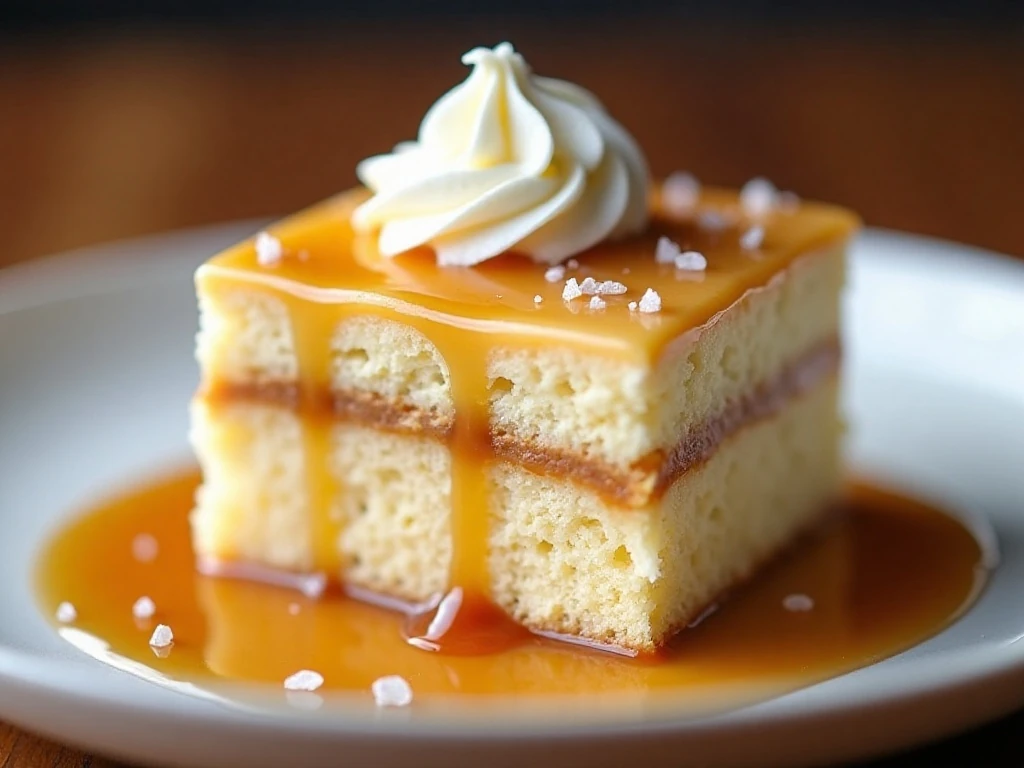
This cake has the comfort of a classic vanilla sheet cake but includes a luscious surprise in every forkful. The salted caramel travels through the holes, creating pockets of buttery sweetness rather than sitting only on top.
Vanilla buttercream gives the cake a soft, creamy finish that balances the deeper caramel flavor. A sprinkle of flaky sea salt keeps the dessert from tasting overly sweet and adds a pleasant little crunch.
- Serves a crowd: One 9 x 13-inch pan makes 12–16 servings.
- Made from scratch: The cake, caramel, and buttercream all use simple baking staples.
- Make-ahead friendly: Chilling improves the texture and makes slicing easier.
- Celebration ready: Caramel ribbons and sea salt make a simple sheet cake look special.
If you enjoy trying different frosting flavors, our pumpkin buttercream variation is another delicious option for seasonal cakes.
Ingredients You’ll Need
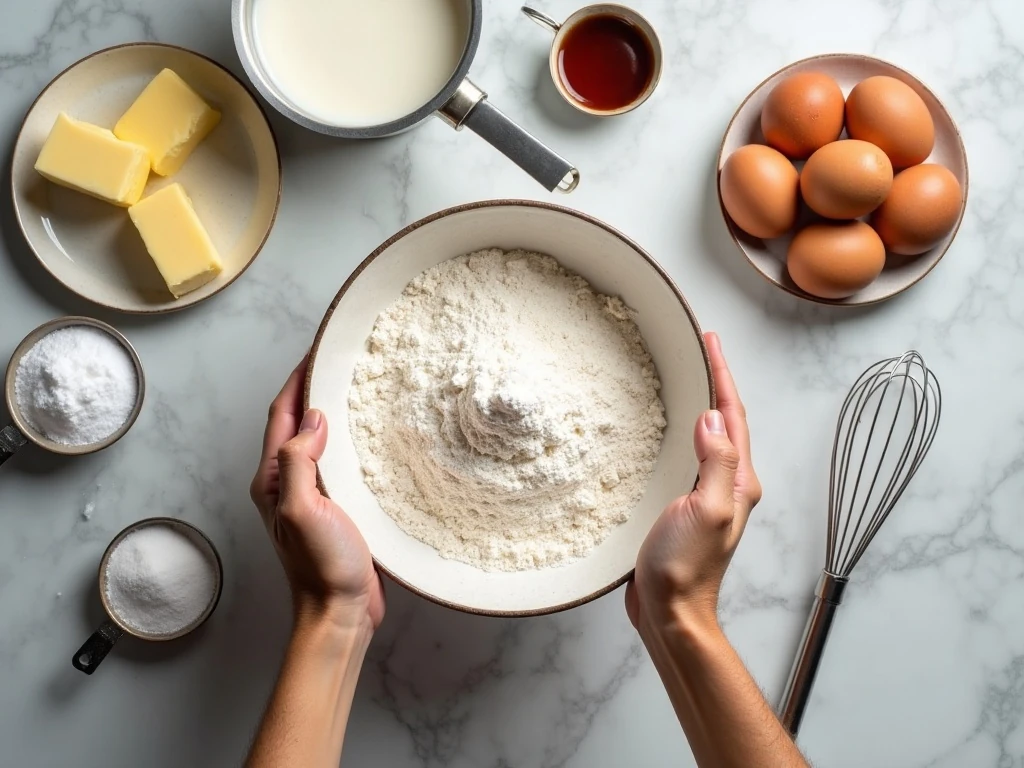
The vanilla cake starts with all-purpose flour, baking powder, salt, softened unsalted butter, granulated sugar, eggs, vanilla extract, and whole milk. Bring the eggs and milk to room temperature before mixing so the batter comes together smoothly and the butter stays properly aerated.
The caramel uses granulated sugar and water as its base, followed by butter, warm heavy cream, and sea salt. Flaky sea salt gives the finished dessert attractive crystals and a gentle texture, while fine sea salt can be used in a smaller amount if that is what you have available.
For the frosting, use genuinely softened butter rather than melted butter. Sift the confectioners’ sugar to reduce lumps, and have a little extra cream or milk available in case the buttercream needs loosening.
How to Make It Step-by-Step
Step 1: Heat the oven to 350°F (175°C), then grease and line a 9 x 13-inch baking pan if desired. Parchment makes lifting or serving easier, although the cake can also be served directly from the pan.
Step 2: Whisk the flour, baking powder, and fine salt in a bowl. In a larger bowl, beat the softened butter and sugar for 3–4 minutes, until the mixture looks pale, creamy, and fluffy.
Step 3: Beat in the eggs one at a time, allowing each egg to blend in before adding the next. Mix in the vanilla extract, then add the dry ingredients in three additions, alternating with the milk and stopping as soon as no obvious streaks remain.
Step 4: Spread the batter evenly in the prepared pan, paying attention to the corners. Bake for 25–32 minutes, checking for a center that springs back lightly and a toothpick that comes out clean or with a few moist crumbs.
Step 5: Let the cake cool in the pan for about 20–30 minutes. It should be warm but not hot when you make holes, because a very hot cake can cause the caramel to become too thin and run toward the bottom.
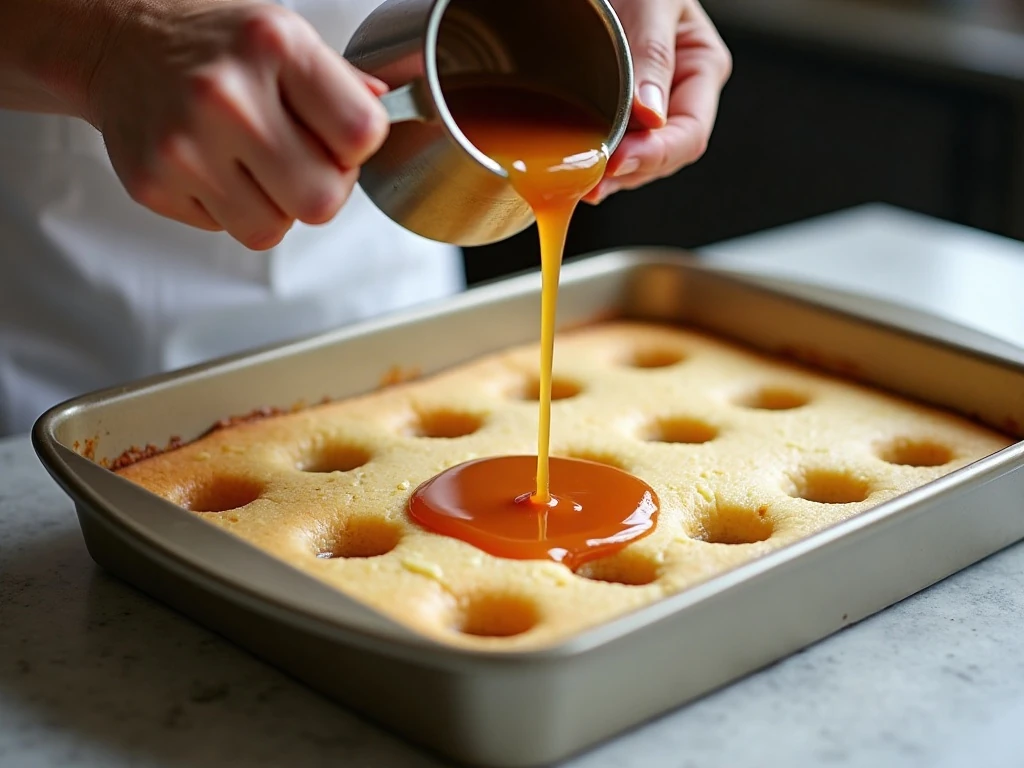
Step 6: Use the handle of a wooden spoon or a large round straw to poke holes approximately 1 inch apart across the cake. Make the holes deep enough to hold caramel, but avoid pushing all the way through the bottom of the pan.
Step 7: Place the sugar and water in a heavy saucepan over medium heat. Stir only until the sugar dissolves, then stop stirring and let the syrup boil until it turns a medium amber color.
Step 8: Remove the pan from the heat and carefully whisk in the butter pieces. Slowly pour in the warmed cream while whisking; the caramel will bubble vigorously, so keep your hands and face away from the rising steam.
Step 9: Stir the salt into the caramel and let it cool for 10–15 minutes. Pour it over the cake, aiming for the holes first, then spread any remaining caramel across the surface.
Step 10: Refrigerate the cake for at least 1 hour so the caramel can soak in and firm slightly. This rest also gives the cake enough structure to support the buttercream.
Step 11: Beat the softened butter for 2–3 minutes until smooth. Add the confectioners’ sugar gradually on low speed, then mix in the vanilla, fine salt, and cream.
Step 12: Beat the buttercream on medium-high speed for 3–5 minutes, until light and fluffy. Spread it over the chilled cake, add a drizzle of leftover caramel, and finish with a small pinch of flaky sea salt.
Caramel and Buttercream Success Tips
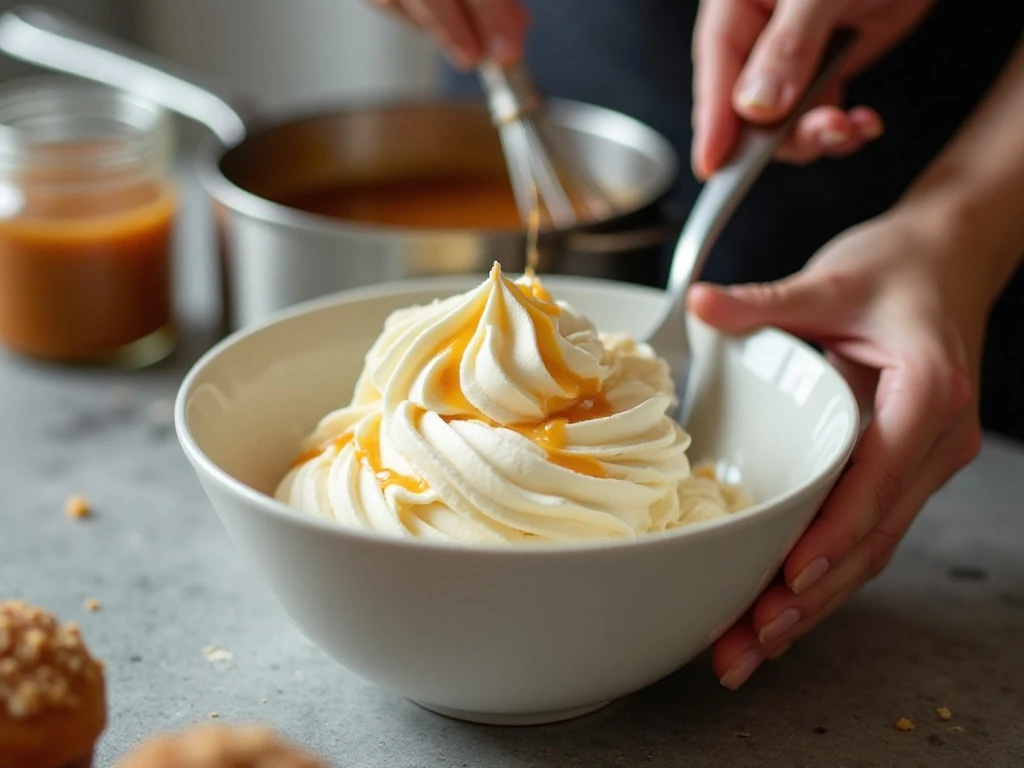
Warm the cream before adding it to the caramel. Cold cream causes a sharper temperature change, which makes the hot sugar mixture more likely to seize or form stubborn lumps.
Watch the caramel closely as it changes color. Medium amber is the target: pale caramel can taste one-dimensional, while very dark caramel may become bitter. Remove the saucepan from the heat before adding butter and cream, and remember that residual heat will continue cooking the syrup briefly.
Do not pour caramel over a hot cake. Cooling the cake for 20–30 minutes helps the caramel stay in the holes instead of becoming excessively runny.
Softened butter is essential for the frosting. Melted butter cannot hold the same light texture, so allow the butter to sit at room temperature until it presses easily but still feels cool and thick.
If the buttercream seems stiff, add a small amount of extra cream or milk and beat again. If it seems too soft, chill it briefly before spreading it over the cake.
For a thinner frosting layer, use about 3 cups of confectioners’ sugar and 3/4 cup of butter. The full buttercream quantity listed in this recipe is intended for a generous topping on a 9 x 13-inch cake.
Serving, Storage, and Variations
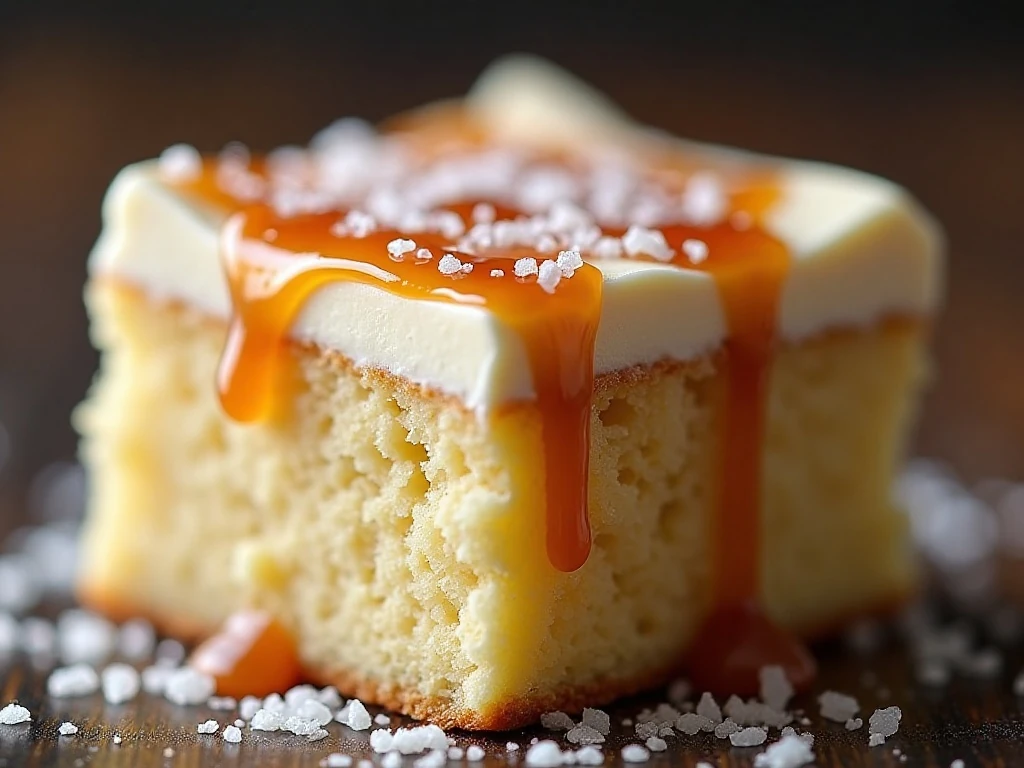
For the cleanest slices, chill the finished cake for at least 1 hour. Use a sharp knife and wipe the blade clean between cuts so the caramel and frosting do not drag across the next piece.
Keep the covered cake refrigerated. Let individual servings sit at room temperature briefly before eating so the buttercream softens and the vanilla aroma becomes more noticeable.
For a shortcut, some bakers use a boxed vanilla or white cake mix, keeping the same poke-and-fill method. Prepared dulce de leche or store-bought caramel sauce can also replace the homemade caramel, although homemade salted caramel provides the freshest flavor.
To explore another creamy celebration cake, take a look at this lemon mousse cake. Its bright citrus profile offers a refreshing contrast to the buttery caramel notes in this dessert.
When you want an easy fruit-forward bake for a casual gathering, this peach dump cake is another dependable choice.
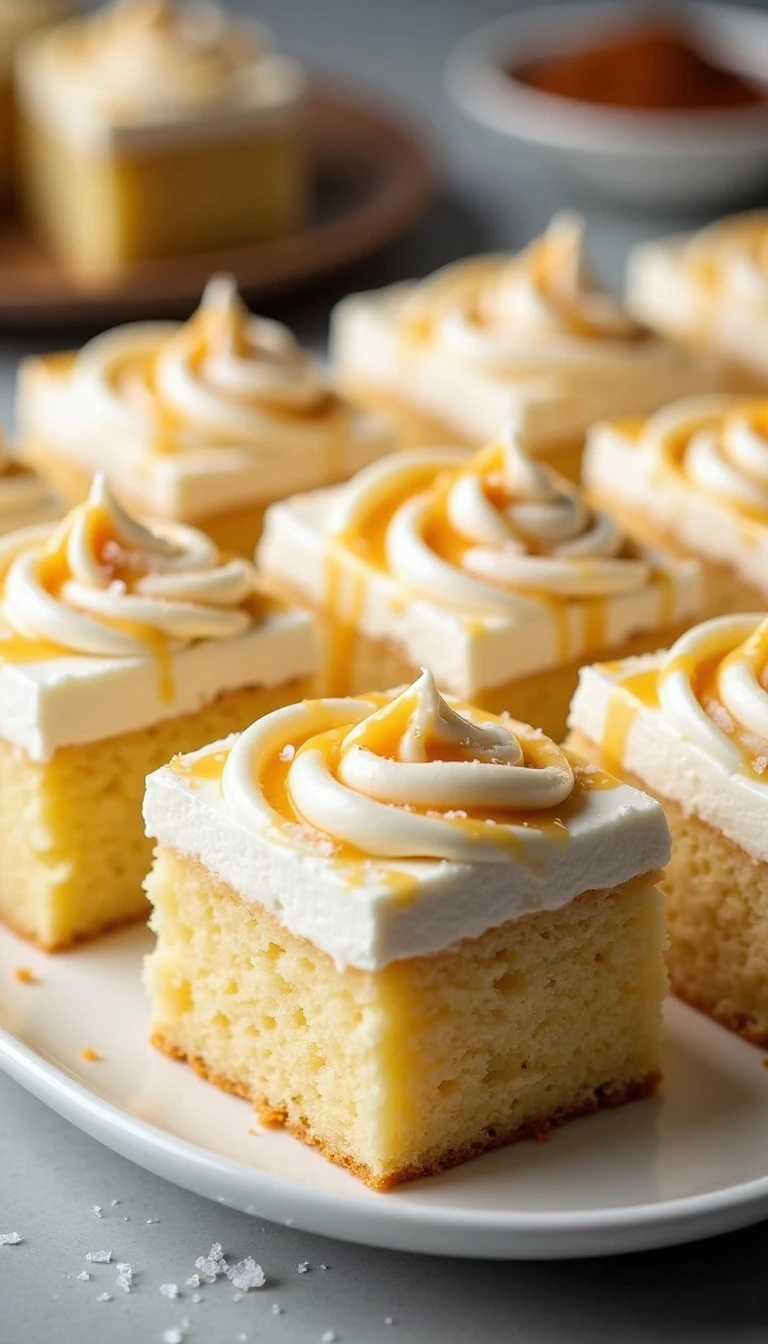
Vanilla Poke Cake with Salted Caramel and Buttercream
Ingredients
Method
- Heat the oven to 350°F (175°C). Grease a 9 x 13-inch baking pan with baking spray, or butter and flour it, and line it with parchment if desired.
- Whisk the flour, baking powder, and fine salt together in a medium bowl. In a separate bowl, beat the softened butter and sugar for 3–4 minutes until pale and fluffy.
- Beat in the eggs one at a time, then mix in the vanilla. Add the dry ingredients in three additions, alternating with the milk, and mix only until the batter is combined.
- Spread the batter evenly in the prepared pan. Bake for 25–32 minutes, until the center springs back and a toothpick comes out clean or with a few moist crumbs.
- Cool the cake in the pan for about 20–30 minutes. Use the handle of a wooden spoon or a large round straw to make holes approximately 1 inch apart across the cake.
- For the caramel, combine the sugar and water in a heavy saucepan over medium heat. Stir only until the sugar dissolves, then let the syrup boil without stirring until it reaches a medium amber color.
- Remove the caramel from the heat and carefully whisk in the butter. Slowly add the warm cream while whisking, remembering that the mixture will bubble vigorously, then stir in the sea salt.
- Let the caramel cool for 10–15 minutes, then pour it over the holes in the cake. Spread any remaining caramel over the surface, and refrigerate the cake for at least 1 hour.
- For the buttercream, beat the softened butter for 2–3 minutes until smooth. Gradually add the sifted confectioners’ sugar on low speed, then add the vanilla, fine salt, and cream.
- Beat the frosting on medium-high speed for 3–5 minutes, until light and fluffy. Spread it over the chilled cake, drizzle with leftover caramel, and finish with a small pinch of flaky sea salt if desired.
Notes
Final Thoughts
Vanilla Poke Cake with Salted Caramel and Buttercream is the kind of dessert that looks impressive while relying on straightforward techniques. The key details are simple: use room-temperature cake ingredients, cool the cake before filling it, warm the cream for the caramel, and start the buttercream with softened butter.
Give the completed cake plenty of chilling time, then finish it with caramel ribbons and a few flakes of sea salt. The result is a tender, creamy, buttery dessert with enough contrast to keep every bite interesting.
Make it for a birthday, holiday table, bake sale, or Sunday dinner, and cut it into generous squares just before serving. Once you taste those caramel-filled pockets beneath the vanilla frosting, this homemade poke cake is sure to become a favorite.
1 thought on “Vanilla Poke Cake with Salted Caramel and Buttercream Recipe”