This easy white velvet cake recipe makes a tender, soft, and wonderfully moist two-layer 8-inch cake. The fine crumb comes from cake flour and a reverse-creaming method, while buttermilk, vegetable oil, and softened butter keep every slice delicate instead of dry.
Made with egg whites and vanilla, this cake has a light color, gentle vanilla flavor, and a plush texture that pairs beautifully with vanilla buttercream, cream cheese frosting, or ermine frosting. It yields approximately 10–12 servings and takes about 20–30 minutes to prepare, 25–32 minutes to bake, and at least 45–60 minutes to cool before frosting.
Jump to RecipeWhy You’ll Love This Recipe
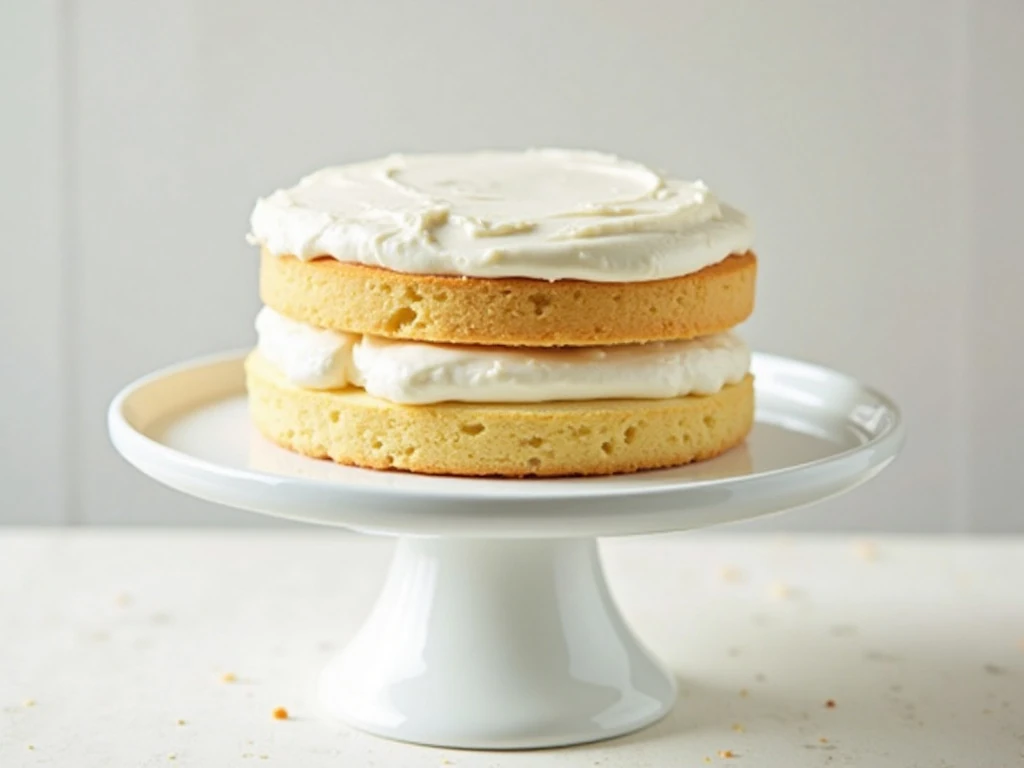
White velvet cake is the dessert to make when you want something lighter in color than a classic yellow cake but still rich, moist, and satisfying. The crumb is fine and tender, yet the cake has enough structure to stack into two beautiful layers.
The secret is the combination of ingredients rather than one single trick. Cake flour keeps the texture delicate, egg whites preserve the pale color, buttermilk adds a subtle tang, and a mixture of butter and oil supplies both flavor and lasting moisture.
This cake is also wonderfully adaptable. Serve it with vanilla buttercream for a traditional birthday cake, cream cheese frosting for a tangy finish, or ermine frosting for a soft, silky option.
If you enjoy fruit-forward layer cakes, you may also like this blueberry cake with whipped lemon frosting, which offers a bright contrast to this elegant vanilla dessert.
Ingredients You’ll Need
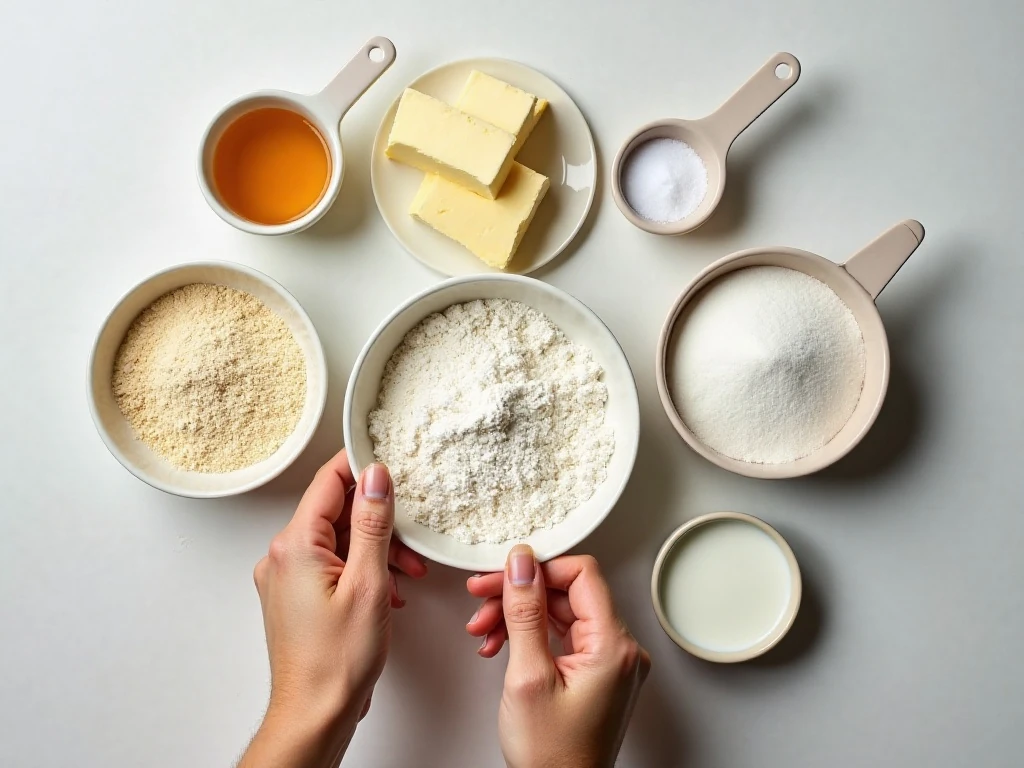
Gather the ingredients before beginning, and pay special attention to temperature and measuring. Room-temperature buttermilk and egg whites blend more evenly into the fat-based batter, helping prevent a dense or uneven result.
- Cake flour: Its lower protein content helps create the fine, delicate crumb associated with velvet cake.
- Granulated sugar: Sugar sweetens the cake while also contributing tenderness and moisture.
- Baking powder and salt: Baking powder provides lift, while salt keeps the vanilla flavor from tasting flat.
- Butter and vegetable oil: Butter contributes a pleasant dairy flavor, and neutral oil keeps the cake soft for longer.
- Buttermilk: This adds gentle tang and moisture while working with the baking powder to support the cake’s rise.
- Egg whites: Six whites give the cake its pale appearance and provide structure without the deeper color of egg yolks.
- Vanilla extract: Vanilla gives the cake its familiar bakery-style fragrance and flavor.
For the most consistent result, weigh the cake flour if you have a kitchen scale. Too much flour is one of the main causes of a dry white cake, especially when flour is packed into a measuring cup.
For another cozy homemade cake idea, keep this honey banana snack cake in mind when you want a simpler one-pan dessert.
How to Make It Step-by-Step
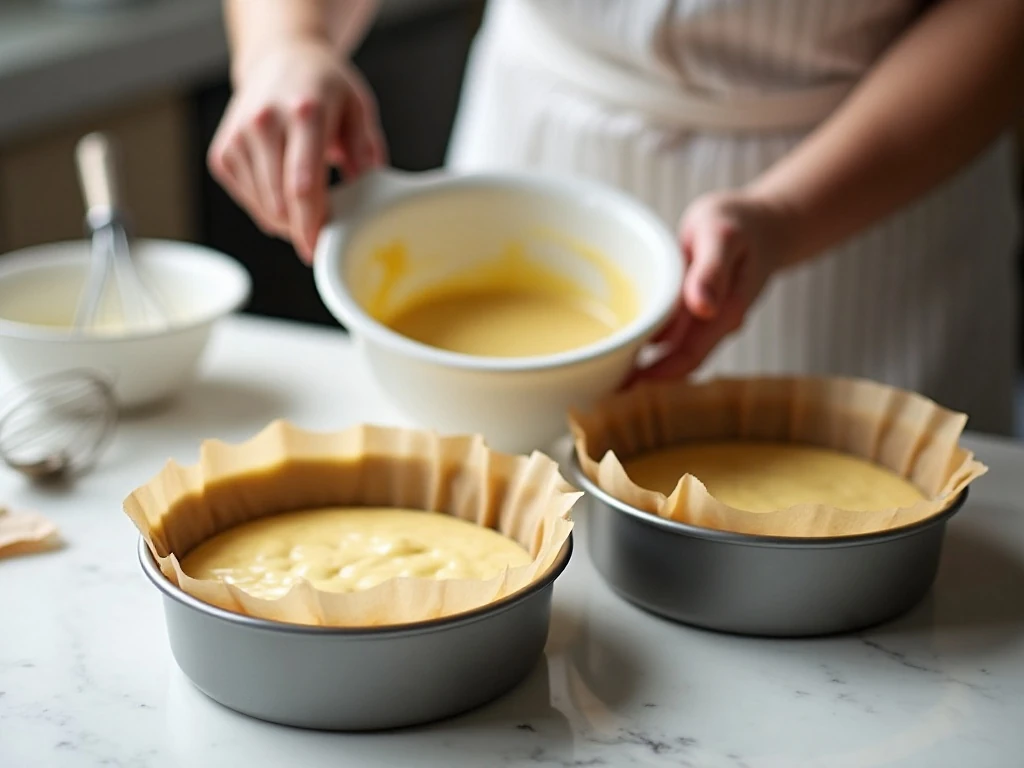
Step 1: Heat the oven to 350°F (175°C), then prepare two 8-inch round cake pans. Grease the pans thoroughly, line the bottoms with parchment, and lightly flour the sides if you like; the parchment makes releasing the delicate layers much easier.
Step 2: Add the cake flour, sugar, baking powder, and salt to a large bowl and whisk until evenly combined. This distributes the leavening and salt before the wet ingredients are added, reducing the chance of bland or uneven pockets.
Step 3: Add the softened butter and vegetable oil to the dry mixture. Beat on low to medium speed until the ingredients look like damp sand or fine crumbs, a reverse-creaming step that coats the flour with fat and helps produce a fine, tender crumb.
Step 4: In a second bowl, whisk together the room-temperature egg whites, buttermilk, and vanilla. Make sure the egg whites are fully incorporated and the mixture looks uniform before adding it to the flour mixture.
Step 5: Pour the liquid mixture into the dry ingredients in two or three additions. Mix only until smooth after each addition, scraping down the sides and bottom of the bowl as needed; stopping once the batter is combined helps protect the cake from becoming tough.
Step 6: Divide the batter evenly between the prepared pans. If you want especially even layers, use a kitchen scale to portion the batter, then gently smooth the tops without pressing out the air.
Step 7: Bake for 25–32 minutes. The tops should spring back lightly when touched, and a toothpick inserted in the center should come out with a few moist crumbs rather than wet batter.
Step 8: Let the cakes cool in their pans for 10 minutes. Turn them out onto a wire rack, remove the parchment paper, and cool completely for at least 45–60 minutes before filling and frosting.
Step 9: Once cool, place one layer on a cake board or serving plate, add your chosen frosting, and top with the second layer. Cover the cake with a smooth coating of frosting, then finish with simple swirls, piped borders, or a clean minimalist design.
Pro Tips for the Softest Cake
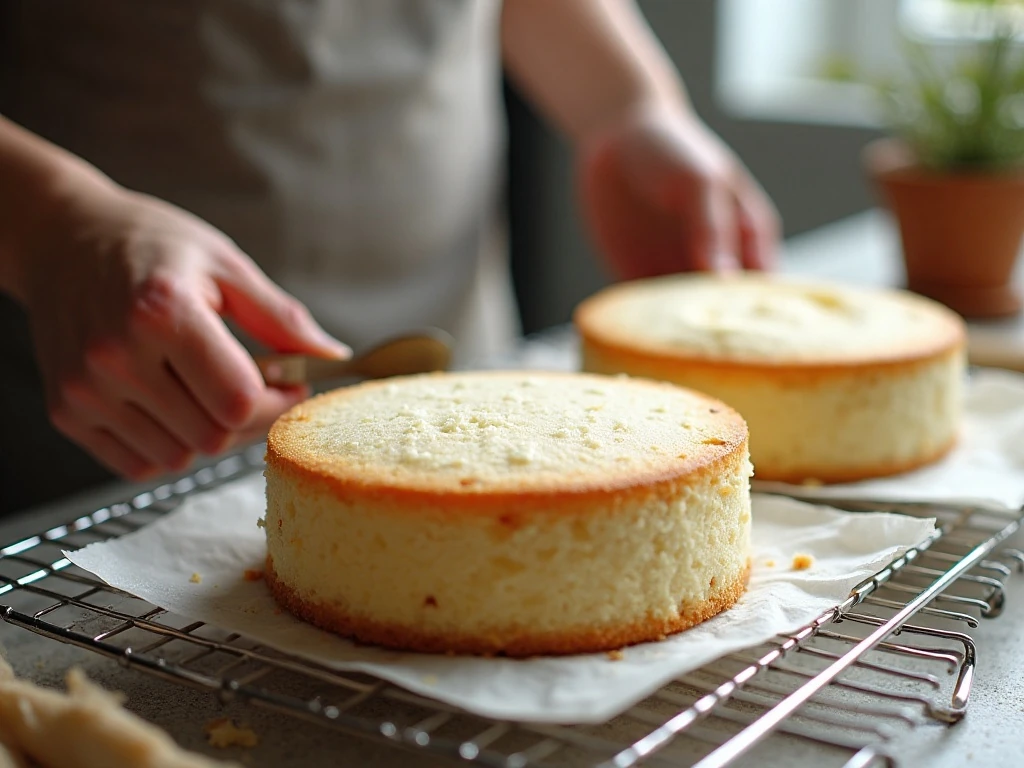
Ingredient temperature matters more than many bakers expect. Cold buttermilk can make the fats firm up and may cause the batter to mix unevenly, so set the buttermilk and egg whites out ahead of time.
Do not beat the batter longer than necessary after the liquids are added. Once the mixture is smooth and no dry streaks remain, stop mixing; excess mixing can develop gluten and reduce the delicate texture.
Watch the cake closely during the final minutes of baking. White cakes can dry quickly, so remove the pans as soon as the centers are set and the tester shows moist crumbs.
- Use a light-colored metal pan when possible for even browning.
- Rotate the pans only if your oven bakes unevenly, and do so carefully after the batter has begun to set.
- Allow the layers to cool completely before frosting so the icing does not melt or slide.
- Use clear vanilla extract if the palest possible crumb is important to you.
- Choose white or ivory frosting when you want the finished cake to retain its bright appearance.
For a dessert with a more pronounced Southern-style flavor profile, you can also browse this Southern-style bourbon cake recipe. It is a different kind of celebration cake, but it is useful inspiration when planning a dessert table.
Frosting and Decorating Ideas
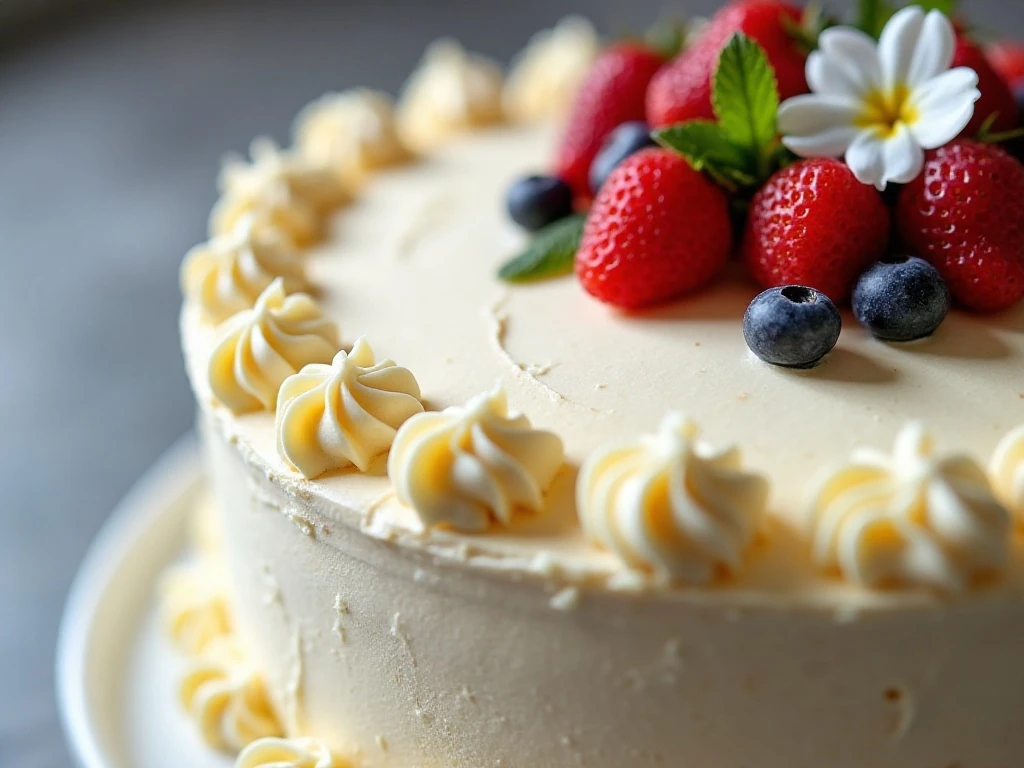
Vanilla buttercream is the most familiar partner for white velvet cake. Its creamy sweetness highlights the vanilla flavor and gives you a firm enough finish for borders, rosettes, and simple piping.
Cream cheese frosting brings a gentle tang that balances the sweetness, while ermine frosting offers a lighter, silky texture. Any light-colored frosting will work well if you want the cake to look especially white.
Keep the decorations understated to let the soft crumb take center stage. Try white chocolate curls, a dusting of fine coconut, tiny vanilla meringues, fresh berries, or a few edible flowers arranged just before serving.
For a casual dessert, skip elaborate piping and spread the frosting in loose swoops with an offset spatula. For birthdays and formal gatherings, smooth the sides and add a simple piped border around the top and bottom edges.
Storage, Serving, and Make-Ahead Advice
Once frosted, keep the cake covered so the exposed crumb does not lose moisture. If your frosting requires refrigeration, store the cake chilled and let it sit at room temperature briefly before serving for the best flavor and texture.
Unfrosted layers can be wrapped well after they have cooled completely. If you are preparing ahead, keep each layer protected from air, then frost the cake once you are ready to serve.
Slice with a sharp knife for neat portions, wiping the blade between cuts. This recipe makes approximately 10–12 servings, depending on how generously the cake is cut.
Although this is a sweet dessert, a balanced menu can include something savory beforehand, such as vegetarian ramen with rich savory broth. For a party spread, this easy fiesta dip is another handy option to serve before dessert.
Troubleshooting White Velvet Cake
If the cake turns out dry, the most likely causes are too much flour or too much time in the oven. Weigh the cake flour when possible, and begin checking the layers at the earlier end of the 25–32 minute baking range.
If the cake is dense, check that the baking powder is fresh and that the batter was not overmixed after the liquid ingredients were added. Cold ingredients can also make the mixture less uniform, so room-temperature egg whites and buttermilk are important.
If the layers stick to the pans, allow them to cool for the full 10 minutes, run a thin spatula around the edges, and invert them carefully onto a rack. Parchment on the pan bottoms provides extra insurance for these tender layers.
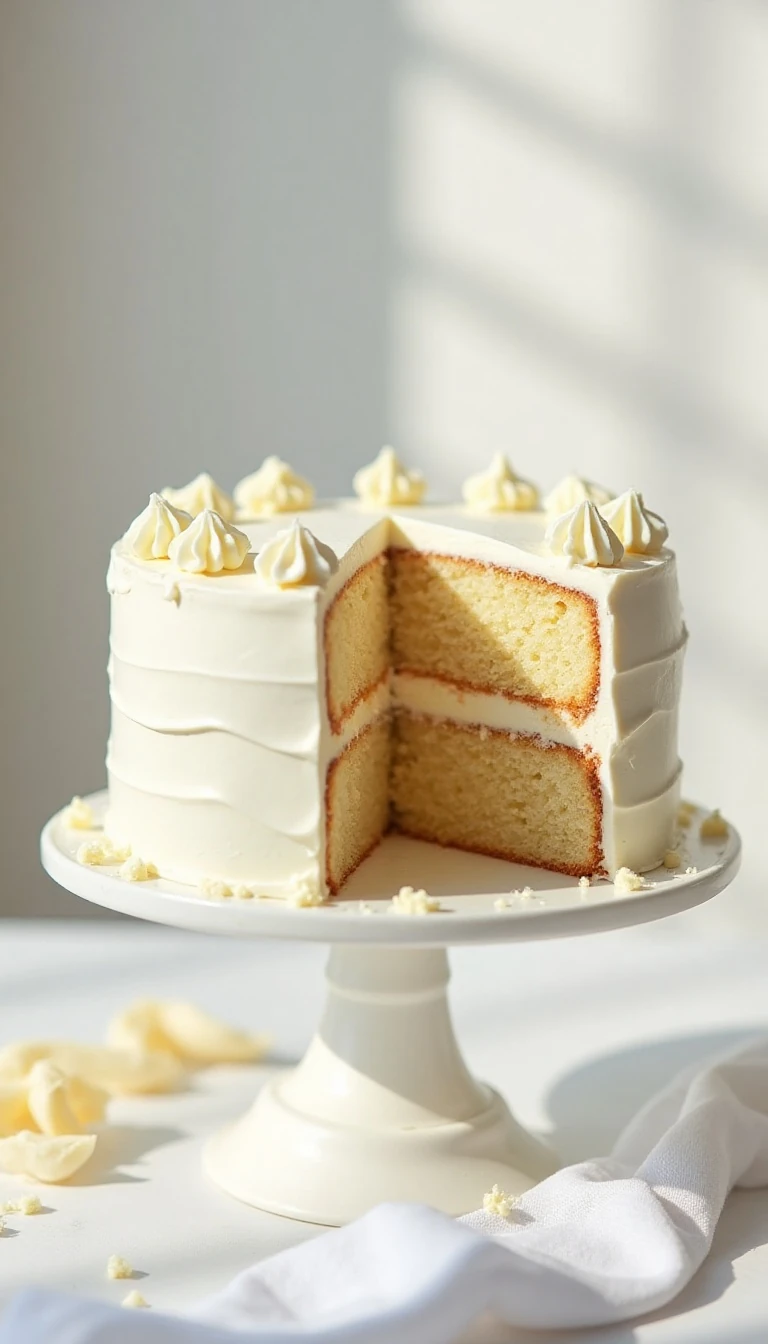
Easy White Velvet Cake Recipe
Ingredients
Method
- Heat the oven to 350°F (175°C). Grease two 8-inch round cake pans, line the bottoms with parchment paper, and lightly flour the sides if desired.
- Whisk the cake flour, granulated sugar, baking powder, and salt together in a large mixing bowl. Add the softened butter and vegetable oil, then beat on low to medium speed until the mixture resembles damp sand or fine crumbs.
- In a separate bowl, whisk together the room-temperature egg whites, buttermilk, and vanilla extract. Add this liquid mixture to the dry ingredients in two or three additions, mixing only until smooth after each addition and scraping down the bowl as needed.
- Divide the batter evenly between the prepared pans. Bake for 25–32 minutes, until the tops spring back lightly and a toothpick inserted in the centers comes out with a few moist crumbs.
- Cool the cakes in their pans for 10 minutes. Turn them out onto a wire rack, remove the parchment, and cool completely for at least 45–60 minutes before filling and frosting.
Notes
Final Thoughts
This easy white velvet cake is soft, moist, and polished enough for a celebration while still being straightforward for a home baker. The reverse-creaming method is simple once you understand the texture you are looking for, and the combination of butter, oil, buttermilk, and egg whites creates a crumb that stays tender from the first slice to the last.
Use room-temperature ingredients, measure the flour carefully, and resist the temptation to overbake. Finish the cooled layers with your favorite light-colored frosting, add a few delicate decorations, and you will have a beautiful homemade cake with a tender bakery-style bite.
Save this recipe for birthdays, showers, anniversaries, or any day that calls for a classic vanilla dessert. One taste of the soft, moist crumb will make this white velvet cake a recipe you return to often.