Pool noodles are useful far beyond the swimming pool. Their lightweight foam, flexible shape, bright colors, and easy-to-cut design make them handy for organizing, protecting, decorating, and creating simple household solutions.
This is a DIY and home-use guide rather than a dinner recipe. The title appears to have been placed in the Dinner category by mistake, and there is no verified food ingredient list, cooking time, serving size, or culinary method associated with it. If you came here expecting an edible noodle dish, our cabbage and noodles recipe is a better match for the kitchen.
Jump to RecipeWhy You’ll Love These Pool Noodle Ideas
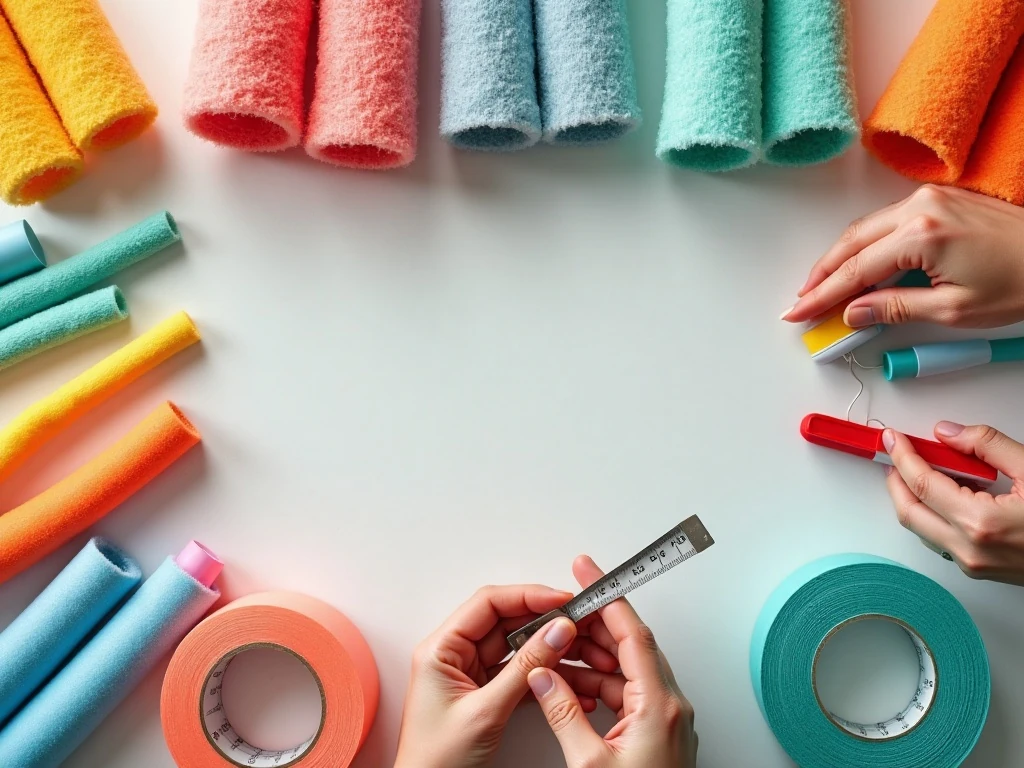
A pool noodle costs very little, weighs almost nothing, and can be cut into rings, strips, wedges, or long protective sections. The foam is soft enough to cushion edges while still holding a useful shape for many quick home projects.
These ideas are especially helpful when you want a temporary fix, a colorful organizing aid, or a simple craft that does not require specialized equipment. Because every project is different, use the material list as a starting point rather than a fixed recipe.
- Choose clean, dry noodles without cracks or crumbling foam.
- Use a sharp tool only with adult supervision and a stable cutting surface.
- Test adhesives on a small hidden area before committing to a finished project.
If you were searching for edible noodles instead, browse our butternut squash noodles for a genuine dinner idea made with food ingredients.
Materials and Safety Notes
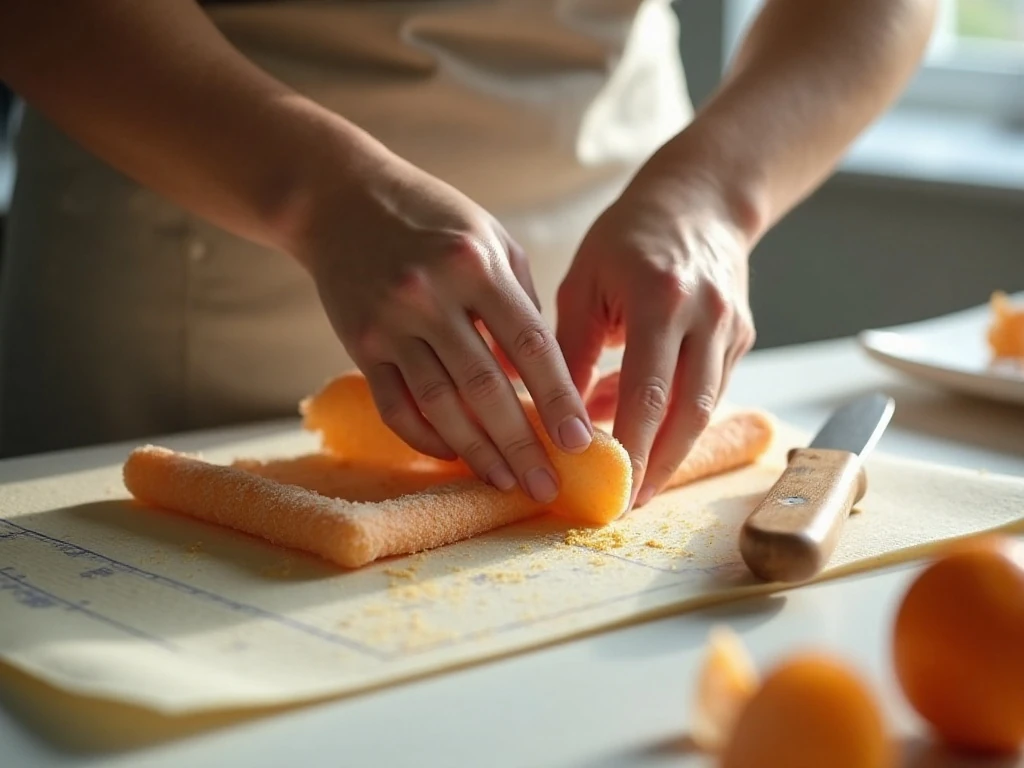
Common supplies may include one or more pool noodles, a craft or utility knife, strong tape, adhesive, cord, fabric, PVC pipe, markers, and measuring tools. The exact amount depends entirely on the project, so there is no honest universal quantity list for all twelve uses.
Work on a protected surface and keep the blade pointed away from your body. Foam can compress while cutting, so make slow, controlled passes rather than forcing the knife through the noodle in one motion.
Adhesive fumes and small foam pieces should be kept away from children and pets. Do not use a repurposed noodle around food preparation areas unless it is specifically clean, suitable for that purpose, and kept separate from raw or cooked ingredients.
How to Make It Step-by-Step

Step 1: Make a cord and cable organizer by slicing the noodle into short rings. Cut a slit through one side of each ring, then tuck charging cords, extension cords, or bundled ribbons inside the opening.
Step 2: Protect sharp furniture corners by cutting short sections and making a lengthwise opening. Fit the foam over a table edge, shelf corner, or workbench point, securing it with tape if the section tends to move.
Step 3: Create a garage or workshop wall bumper by splitting a noodle lengthwise. Attach it to a wall where doors, tool handles, or stored equipment may bump into the surface, using an attachment method appropriate for the wall material.
Step 4: Build a simple boot shaper by cutting two pieces slightly shorter than the boot shafts. Place one piece inside each boot after cleaning them so the footwear stands upright and has room to air.
Step 5: Make a soft hanger spacer by cutting a slit along a long section of noodle. Place the foam over a hanger bar or around a delicate garment area to reduce sharp pressure points, checking that the clothing stays dry and stable.
Step 6: Turn a noodle into a garden kneeling pad by cutting a broad section from the foam. Use it on clean, dry ground while weeding or planting, and replace it if the surface becomes torn or unstable.
Step 7: Create a lightweight door draft blocker by placing a long noodle section along the bottom edge of an interior door. Secure it with fabric or removable fasteners so the foam remains in place without interfering with the door hinges.
Step 8: Make a simple paintbrush or tool rest by cutting a shallow channel across a short noodle piece. Set it on a protected work surface and use the groove to keep handles from rolling into wet paint or debris.
Step 9: Protect bicycle, stroller, or moving equipment frames by splitting a noodle and wrapping it around a bar. Hold the foam with reusable ties or tape, making sure it cannot slip into wheels, chains, hinges, or brakes.
Step 10: Create a decorative wreath base by shaping a noodle into a circle and joining the ends with sturdy tape or another suitable connector. Wrap it with fabric, ribbon, or seasonal décor, keeping the finished piece away from heat sources.
Step 11: Make a toy sword, baton, or imaginative-play prop by trimming the ends into a comfortable shape and covering the foam with fabric or tape. Keep play gentle, avoid pointed additions, and supervise children so the prop is not used near faces or breakable objects.
Step 12: Build a simple storage divider by cutting several equal sections and placing them inside a drawer, bin, or open shelf. Arrange the sections to separate scarves, small tools, craft supplies, or rolled fabric, adjusting the layout until items are easy to remove.
Creative Ways to Customize Each Project
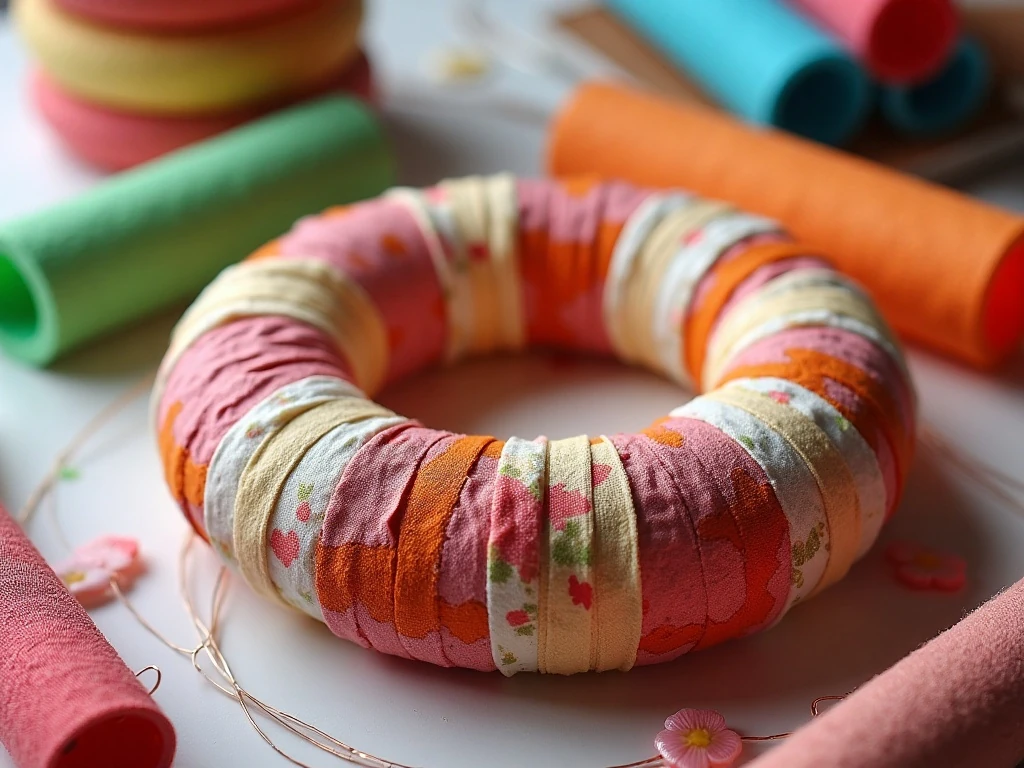
Color is one of the best features of a pool noodle, so you can coordinate projects by room or purpose. Use one color for garage storage, another for garden equipment, and a third for seasonal decorations.
Fabric can soften the appearance of foam used indoors, while removable tape makes sense for temporary protection. Labels written on tape help identify cords, craft materials, or tool sections without marking the noodle permanently.
For a cleaner finish, measure each section before cutting and use a straightedge to guide the line. Rounded ends are generally safer and more attractive than rough, uneven cuts, especially when the project will be handled often.
For another kind of noodle inspiration, our Thai peanut chicken and noodles is a proper savory meal, while this article remains focused on household reuse.
Where to Use the 12 Repurposed Projects
In the entryway, pool noodle sections can organize umbrellas, protect wall corners, or keep boots standing. In a craft room, they can separate ribbons, cushion tools, and stop containers from rolling across a shelf.
The garage is a natural location for wall bumpers, frame protectors, cord rings, and drawer dividers. In the garden, a kneeling pad and soft tool rest can make routine tasks more comfortable without adding much weight to a supply basket.
Bedrooms and closets benefit from boot shapers, hanger spacers, and draft blockers. For a seasonal display, a covered noodle wreath base can be stored flat and refreshed with different fabric or decorations throughout the year.
If your search was actually for handmade pasta, visit our guide to homemade egg noodles for a food-safe recipe with culinary instructions.
Storage, Cleaning, and Maintenance
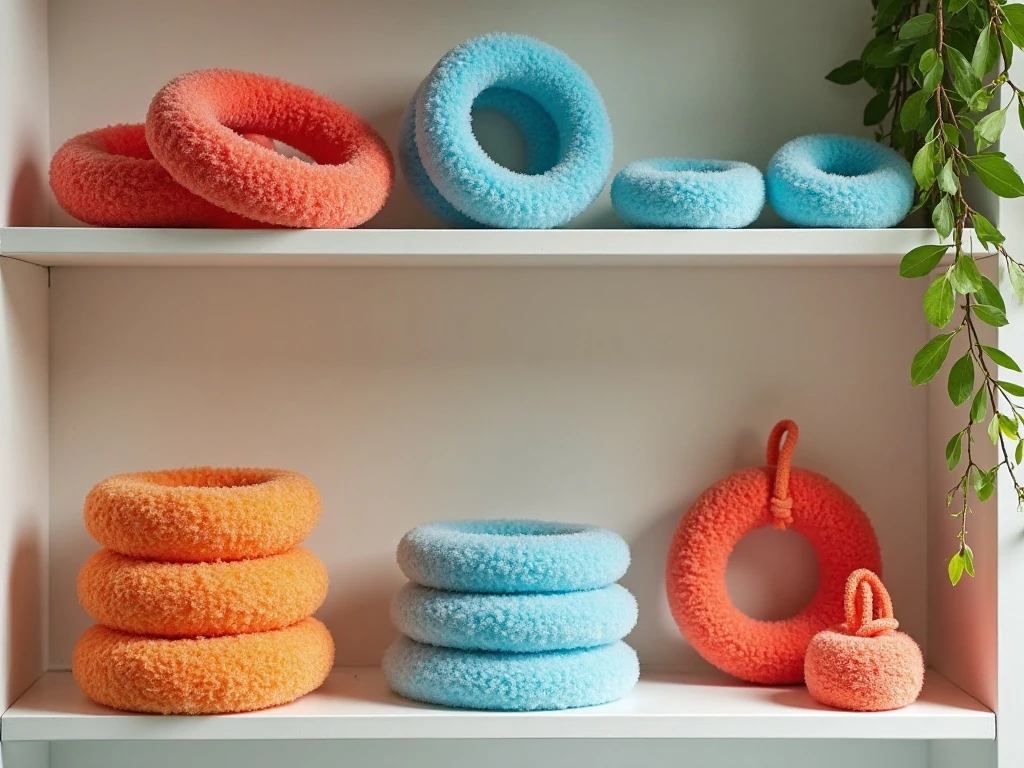
Wipe finished projects with a damp cloth and mild soap, then allow the foam to dry fully before storing it. Avoid soaking assembled pieces when they contain fabric, cardboard, unsealed tape, or materials that may trap moisture.
Keep repurposed foam away from direct flames, hot pans, heaters, and high temperatures. Pool noodles are not designed to support heavy loads, replace safety equipment, or act as structural materials.
Inspect each project periodically for splitting, crumbling, loose tape, or exposed sharp edges. Replace damaged pieces rather than continuing to use them in areas where people, pets, vehicles, or valuable belongings could be affected.
Store unused noodles horizontally in a cool, dry place. Do not compress them under heavy boxes, since long-term pressure can deform the foam and make later projects less effective.
Common Questions Before You Start
Can any pool noodle be used? Most clean foam noodles can work for light organizing and cushioning, but density, diameter, and flexibility vary. Test a small piece first when the project requires a snug fit or a specific amount of firmness.
Are these projects waterproof? The foam itself may resist brief contact with water, but seams, adhesives, fabric coverings, and fasteners may not. Use outdoor projects only in conditions appropriate for the materials you select.
Can children make these crafts? Children can help plan, decorate, and arrange finished pieces, but an adult should handle cutting tools, adhesives, and any attachment hardware. Always inspect the completed project before use.
Can pool noodles be used with food? The supplied research does not verify them as food-safe materials, so they should not be treated as culinary equipment or ingredients. For a sweet recipe instead, see our eggnog fudge.
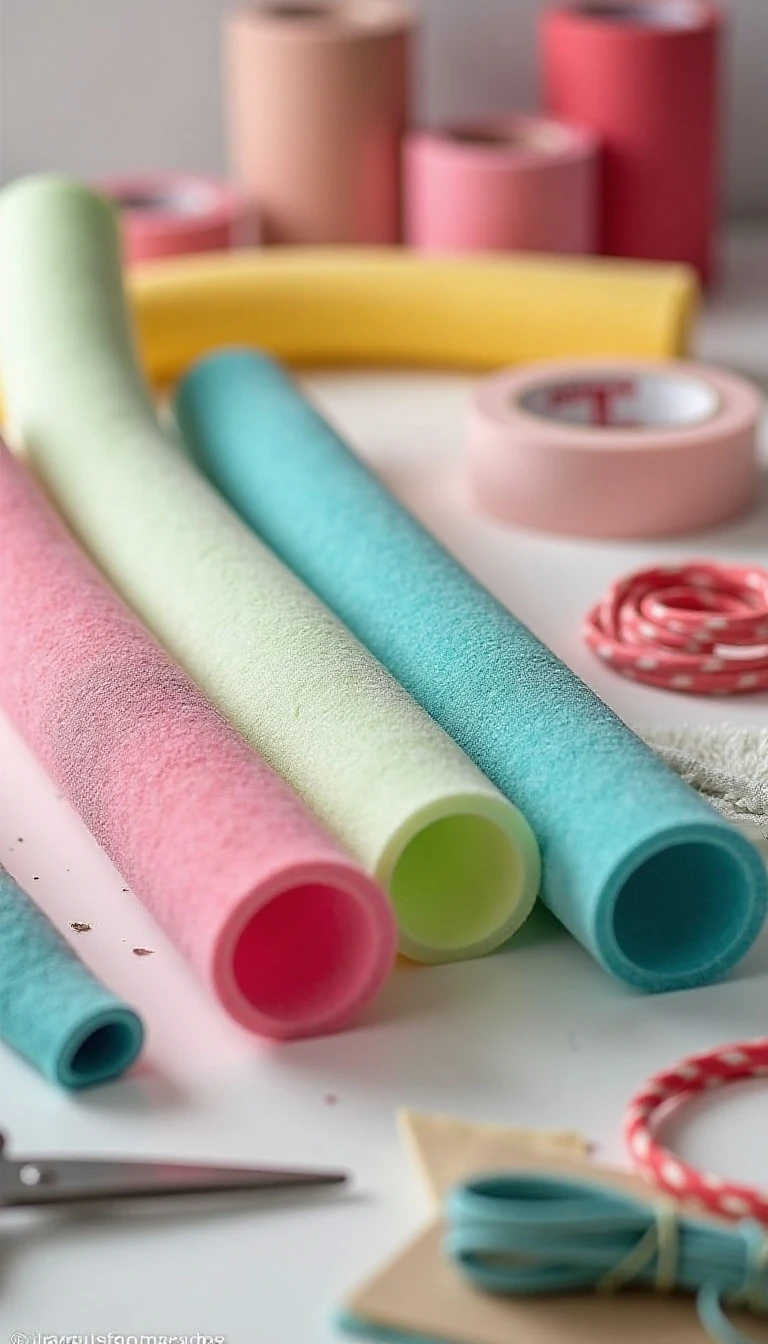
12 Creative Ways to Use Pool Noodles Outside the Pool
Ingredients
Method
- Choose one household project, inspect the foam noodle, gather only the materials required for that use, and follow safe cutting and adhesive practices. Exact steps and quantities cannot be verified from the supplied title because no original publication or source link was provided.
Notes
Final Thoughts
These twelve pool noodle projects show how a simple piece of foam can solve small household problems, add color to storage, and provide a useful base for crafts. Start with a clean noodle, choose one modest project, and adapt the shape to your space rather than expecting one fixed set of measurements to fit every use.
Remember that this title is not connected to a verified dinner recipe. The Dinner category appears to be a cataloging error, and an original source link would be needed to confirm any specific published materials, quantities, times, steps, or tips.
For now, keep the foam projects in the home-and-craft category, and turn to the linked noodle dishes when you are ready to cook an actual meal.