This easy butternut squash noodles recipe turns one medium squash into tender, golden vegetable noodles in about 25 to 30 minutes. Sautéed with extra-virgin olive oil, garlic, fresh sage, Parmesan, and a touch of lemon, it makes four servings as a side dish or two to three servings as a satisfying main dish.
The noodles are lightly sweet, savory, buttery-tasting, and fragrant with sage, while Parmesan adds a salty finish and optional red pepper flakes bring gentle heat. Serve them beside roasted chicken or fish, or enjoy a generous bowl on their own when you want a wholesome meal with plenty of comforting flavor.
Jump to RecipeWhy You’ll Love This Recipe
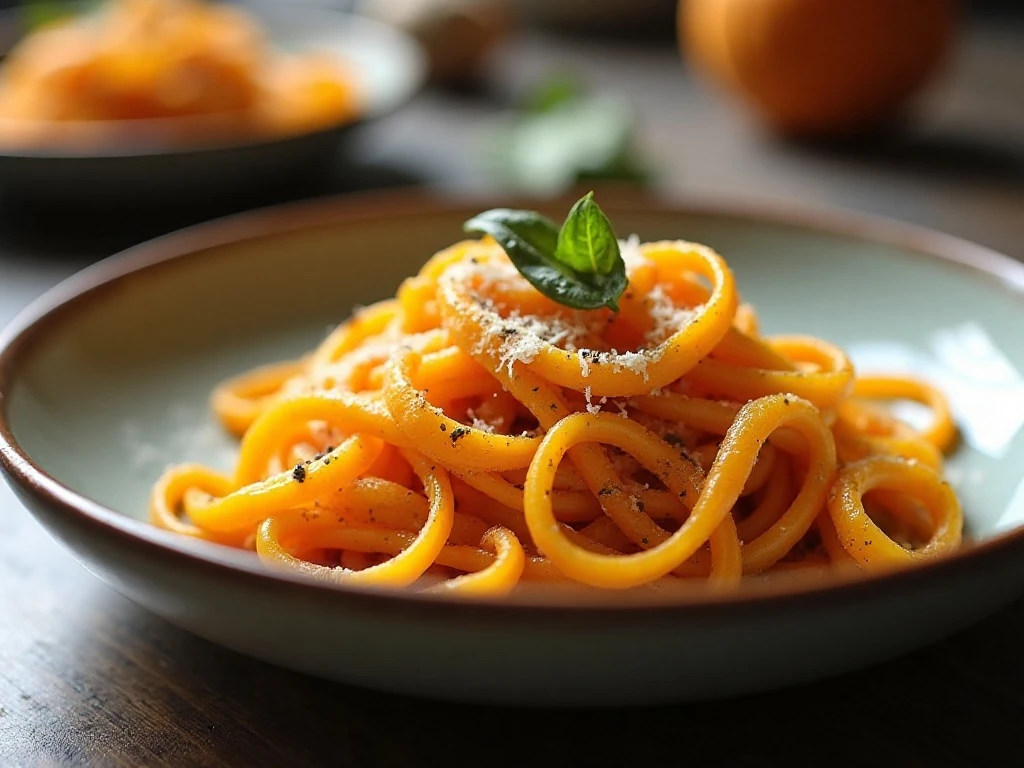
Butternut squash noodles are a wonderful way to enjoy the cozy flavor of winter squash in a lighter, vegetable-forward format. Instead of a heavy cream sauce, this recipe relies on olive oil, aromatic garlic, woodsy sage, and a modest amount of Parmesan to create a dish that tastes rich without feeling weighed down.
The squash becomes tender in just 5 to 8 minutes in a hot skillet, so it remains practical for a weeknight. The natural sweetness of the squash also pairs beautifully with the salty cheese and mild heat from red pepper flakes.
- Fast: The complete recipe takes about 25 to 30 minutes.
- Flexible: Serve it as a side dish or a light main course.
- Comforting: Garlic, sage, and Parmesan bring classic savory flavor.
- Healthy-minded: The noodles are made primarily from whole butternut squash and olive oil.
For another simple, vegetable-friendly dish to serve with a meal, try our homemade hummus as an appetizer or snack.
Ingredients You’ll Need
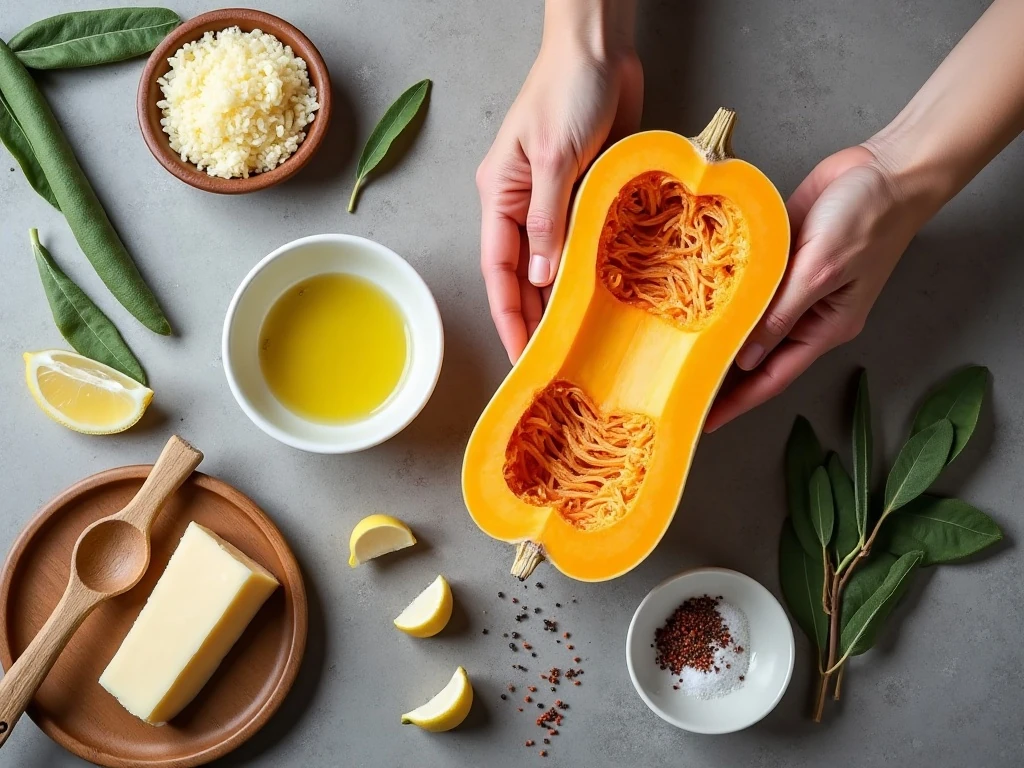
The ingredient list is short, but each item has an important role. Choose a firm medium butternut squash weighing about 2 1/2 to 3 pounds, since the solid neck is the part that produces the best noodles.
- Butternut squash: The firm neck spiralizes into long, sturdy strands.
- Extra-virgin olive oil: One tablespoon cooks the noodles, while the remaining tablespoon carries the garlic and sage flavor.
- Garlic: Two finely minced cloves provide a savory aromatic base.
- Sage: Eight thinly sliced fresh leaves give the dish its classic autumn flavor; 1 teaspoon dried rubbed sage may be used instead.
- Parmesan: A quarter cup of finely grated cheese melts lightly over the hot noodles and adds saltiness.
- Seasonings: Kosher salt, black pepper, optional red pepper flakes, and optional lemon juice balance the sweetness.
Fresh sage and Parmesan supply much of the personality in this recipe, so add salt gradually and taste before adding more. Finely grating the cheese helps it cling to the warm noodles instead of falling to the bottom of the bowl.
How to Make It Step-by-Step
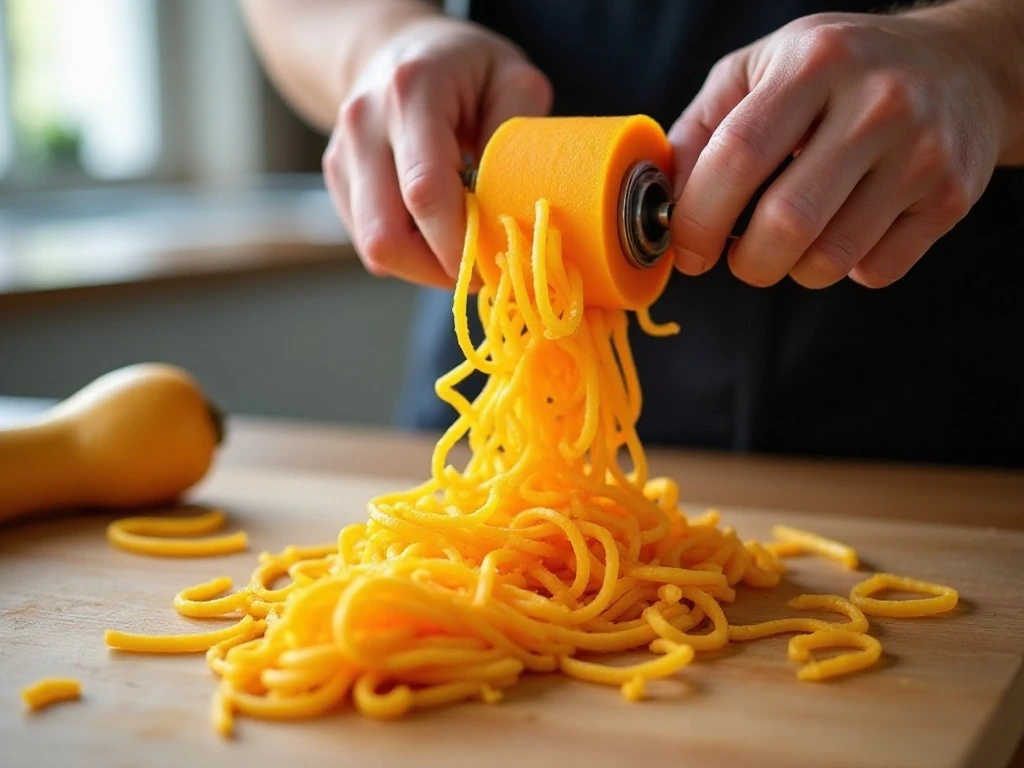
Step 1: Peel the butternut squash and cut off the bulbous lower section that contains the seeds. Reserve that portion for roasting, puréeing, or adding to soup, then cut the solid neck into pieces that fit comfortably into your spiralizer.
Step 2: Spiralize the squash using a medium or large noodle blade. If the strands become extremely long, snip or cut them into easier-to-eat lengths, then gently pat them dry to remove excess surface moisture.
Step 3: Place a large skillet over medium-high heat and add 1 tablespoon of the olive oil. Once the oil is hot, add the squash noodles in an even layer and sauté for 5 to 8 minutes, tossing frequently so they cook evenly without scorching.
Step 4: Watch the texture closely as the noodles cook because thickness affects the timing. They should be tender enough to pierce with a fork but still hold their shape; remove them promptly if they begin to look soft or watery.
Step 5: Push the noodles to one side of the skillet or use a small separate skillet for the remaining tablespoon of olive oil. Add the minced garlic, sliced sage, and optional red pepper flakes, then cook for 30 to 60 seconds, just until the mixture smells fragrant.
Step 6: Season the squash with the kosher salt and black pepper, keeping in mind that Parmesan contributes additional salt. Turn off the heat, add the Parmesan and optional lemon juice, and toss gently until the cheese is distributed.
Step 7: Transfer the noodles to warm serving bowls or a platter and serve immediately. Finish with an extra sprinkle of Parmesan, a few sage ribbons, or freshly ground pepper if you like.
Skillet or Roasted Noodles?
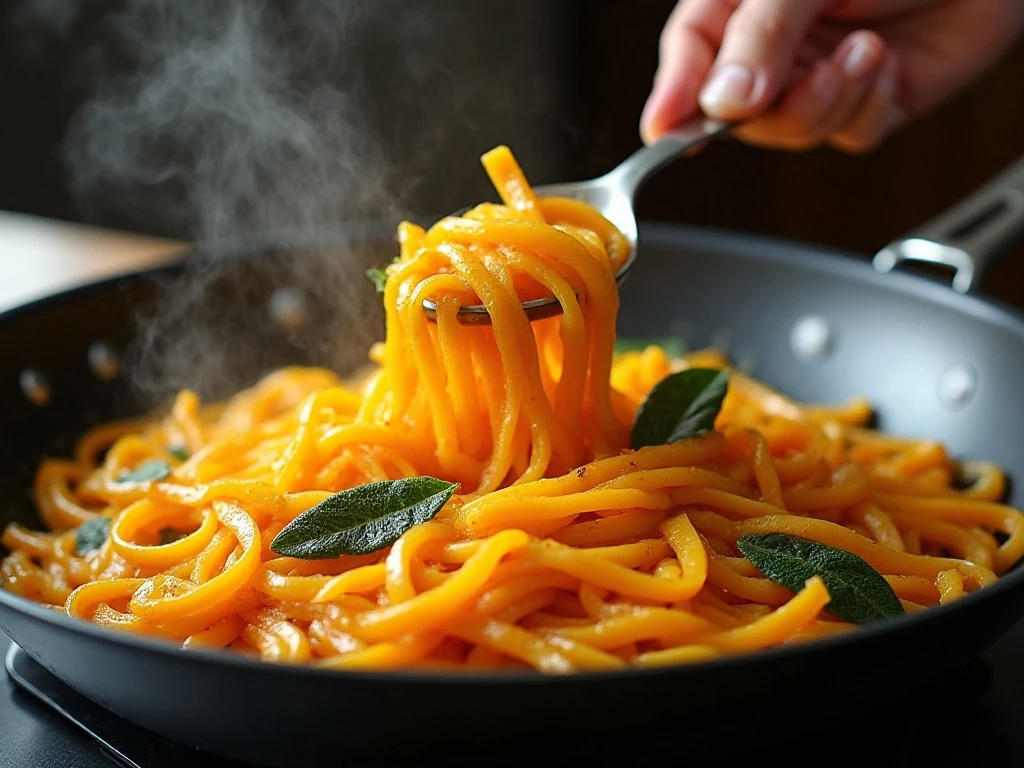
The skillet method is the quickest option and gives the noodles a tender, lightly glossy finish. It is especially convenient when you want dinner on the table quickly, but the pan should be large enough to keep the squash from steaming in a crowded pile.
Roasting creates drier noodles with a more concentrated squash flavor. Toss the spiralized squash with 1 tablespoon olive oil, salt, and pepper, spread it on a large sheet pan, and roast at 425°F for approximately 10 to 15 minutes, tossing once; finish with the sautéed garlic, sage, and Parmesan.
For either method, the goal is tender noodles rather than soft strands. Butternut squash naturally releases moisture, so stopping as soon as the noodles are fork-tender gives the best texture.
If you enjoy light meals with bold seasoning, our spicy salmon poke is another fresh option to add to your weekly menu.
Pro Tips for Perfect Squash Noodles
- Use the neck only: The lower seeded section is irregular and difficult to spiralize cleanly, while the neck produces more consistent strands.
- Choose the right blade: A medium or large noodle blade creates strands that are sturdy enough to sauté without breaking apart.
- Dry the strands: Patting the noodles with a clean kitchen towel or paper towel helps reduce excess moisture.
- Use a roomy pan: A large skillet allows the noodles to contact the hot surface and cook rather than steam.
- Toss often: Frequent tossing prevents uneven browning and helps distribute the oil.
- Season at the end: Taste after adding Parmesan before reaching for more salt.
- Finish with lemon: One teaspoon of fresh lemon juice is optional, but it adds a bright note that balances the squash’s sweetness.
Do not worry if the noodles are not perfectly uniform. Slightly thinner strands will become tender first, while thicker strands retain a pleasant bite, giving the finished dish a rustic homemade character.
Serving Suggestions
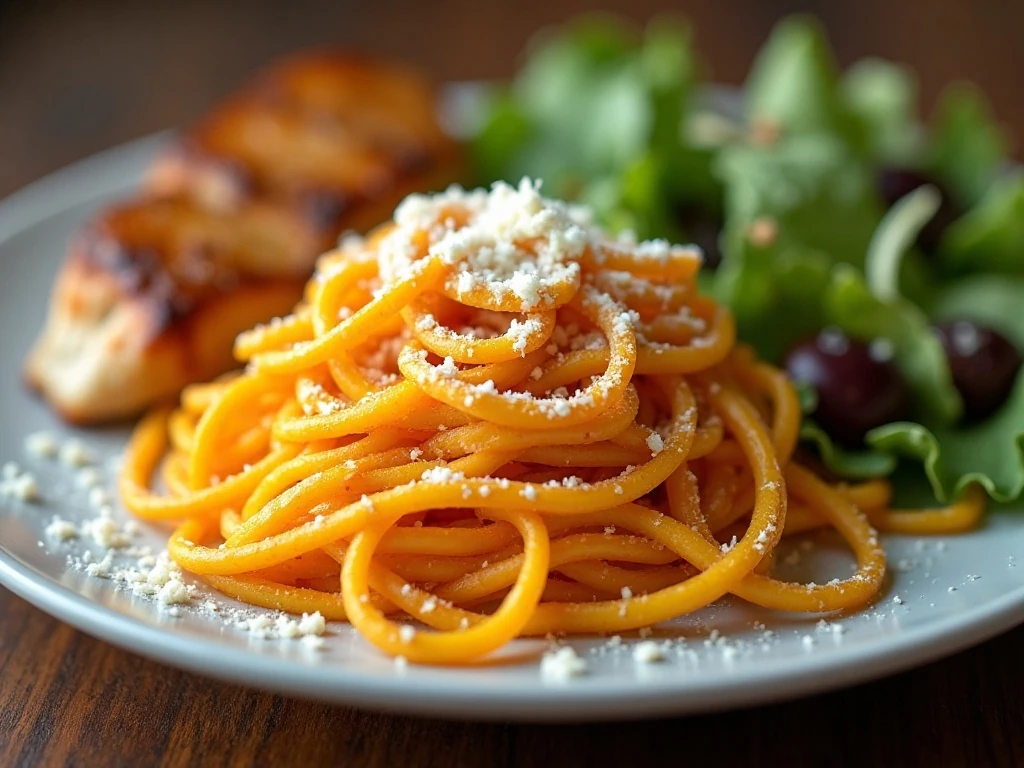
These noodles work beautifully as a side dish with roasted chicken, pork, turkey, or simply prepared fish. Their sweet-savory flavor also makes them a lovely companion to a crisp green salad and warm crusty bread.
For a fuller bowl, serve the squash noodles with a protein or another vegetable side. They can also be placed beneath grilled chicken or folded into a broader autumn dinner spread.
If you are planning a comforting menu, pair this dish with our easy tortellini soup or a bowl of healthy potato soup. Keep dessert simple with these delicious piña colada bars for a tropical contrast.
Storage and Reheating
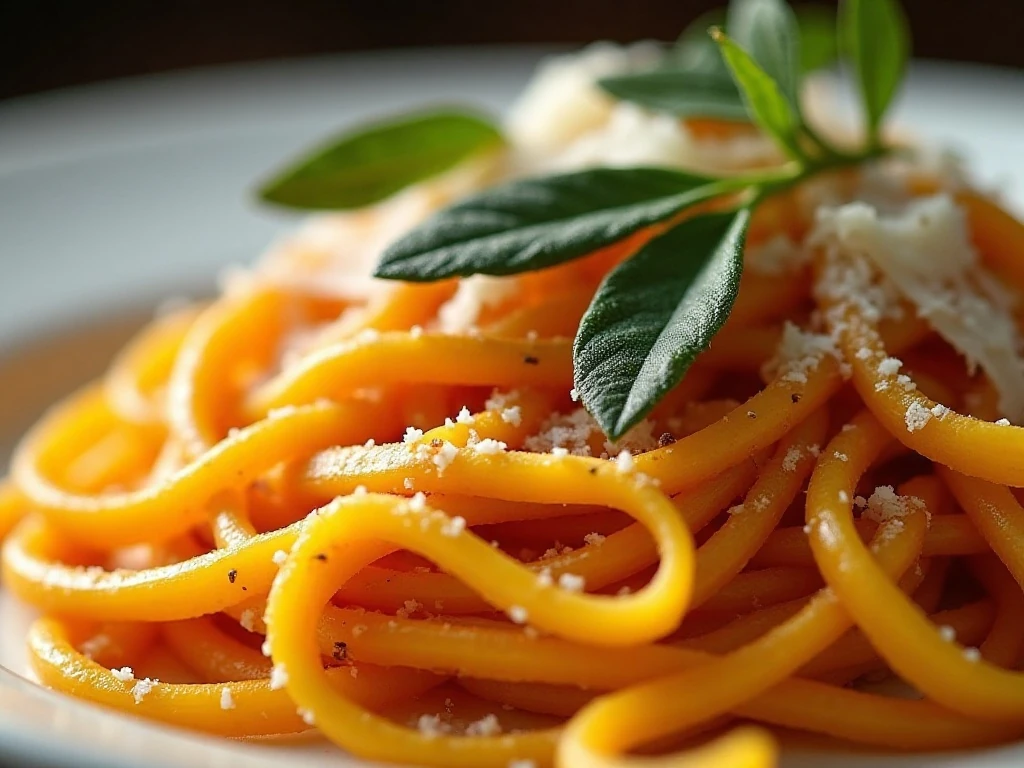
Butternut squash noodles are best served right away, when their texture is freshest and the Parmesan is still lightly coating the strands. If you have leftovers, cool them promptly and store them in a covered container in the refrigerator.
Reheat gently in a skillet over medium-low heat until warmed through. Avoid prolonged cooking, since the noodles may release more moisture and become softer than they were when freshly prepared.
For the best make-ahead results, spiralize the firm squash neck in advance and keep the noodles covered and chilled. Pat them dry again before cooking so they enter the skillet as dry as possible.
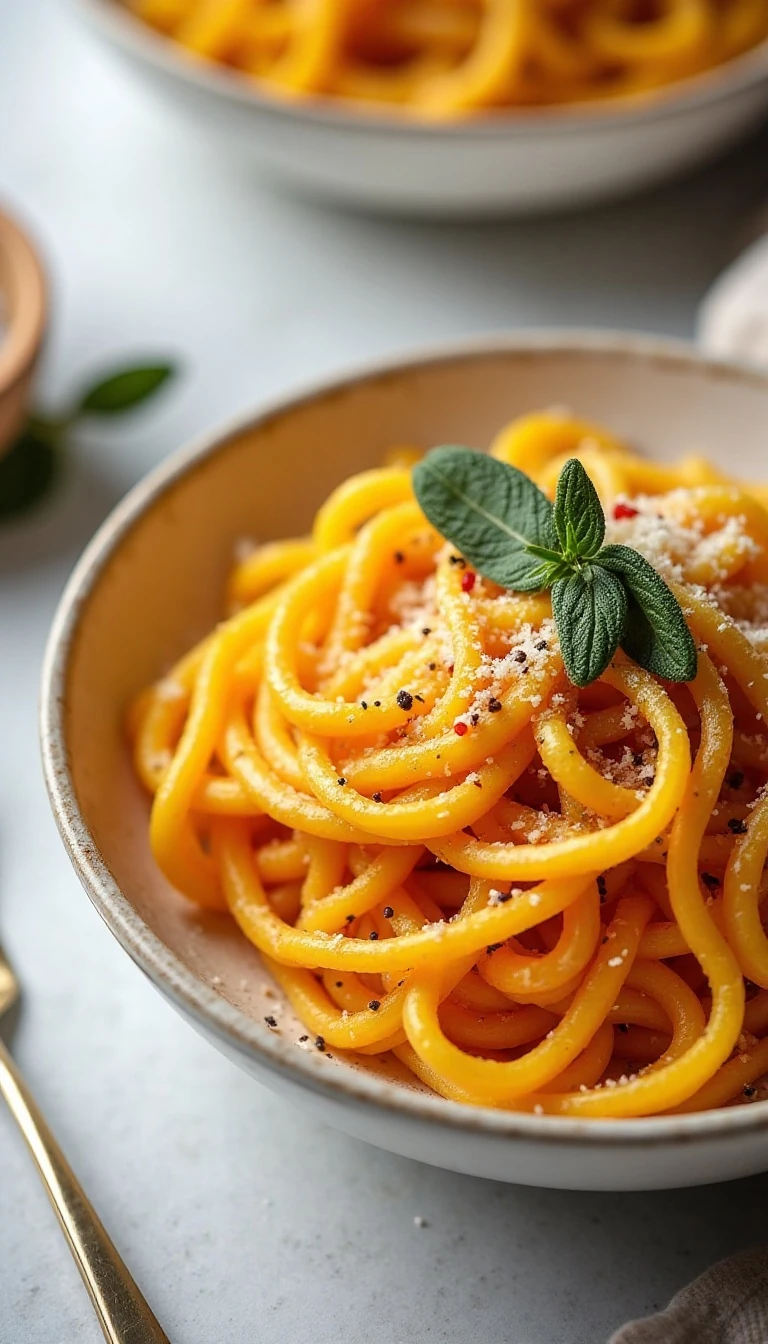
Easy Butternut Squash Noodles Recipe
Ingredients
Method
- Peel the butternut squash, cut away the bulbous seed-containing section, and reserve that portion for another use. Cut the firm neck into pieces that fit your spiralizer.
- Spiralize the squash pieces with a medium or large noodle blade. Trim especially long strands into manageable lengths and pat them dry if they seem moist.
- Heat 1 tablespoon of olive oil in a large skillet over medium-high heat. Add the squash noodles and sauté for 5-8 minutes, tossing frequently, until fork-tender but not mushy.
- Add the remaining tablespoon of oil to a small skillet or an open area of the same pan. Stir in the garlic, sage, and optional red pepper flakes, cooking for 30-60 seconds until fragrant.
- Season the noodles with kosher salt and black pepper, tasting carefully because the Parmesan will add more salt. Remove the pan from the heat and toss in the Parmesan and optional lemon juice.
- Serve the butternut squash noodles immediately while they are warm and glossy. Add a little extra Parmesan, sage, or black pepper at the table if desired.
Notes
Final Thoughts
This easy butternut squash noodles recipe proves that a short ingredient list can produce a deeply satisfying dish. Tender squash, fragrant sage, golden garlic, Parmesan, and a little lemon come together in a bowl that feels cozy, colorful, and fresh.
Remember to spiralize only the firm neck, cook in a spacious skillet, and stop at fork-tender. Once you taste the sweet squash with savory sage and Parmesan, this quick recipe is likely to become a regular part of your cool-weather cooking.
1 thought on “Easy Butternut Squash Noodles Recipe (Healthy & Delicious)”