Growing 100 pounds of tomatoes in 20 square feet is an ambitious target, but the best path is clear: choose a productive variety, build fertile soil, plant deeply, train vines vertically, and maintain steady water and feeding throughout the season. Full sun, careful pruning, mulch, and frequent harvesting help a small garden produce far more than a sprawling, unmanaged tomato patch.
This is a gardening plan rather than a culinary recipe, so there are no cooking ingredients or oven directions. The reward is a delicious supply of juicy, sun-ripened tomatoes for salads, sauces, sandwiches, and suppers such as tortellini with tomatoes, although actual harvest weight will depend on weather, variety, sunlight, pests, spacing, and the length of your growing season.
Jump to RecipeWhy This Small-Space Tomato Plan Works
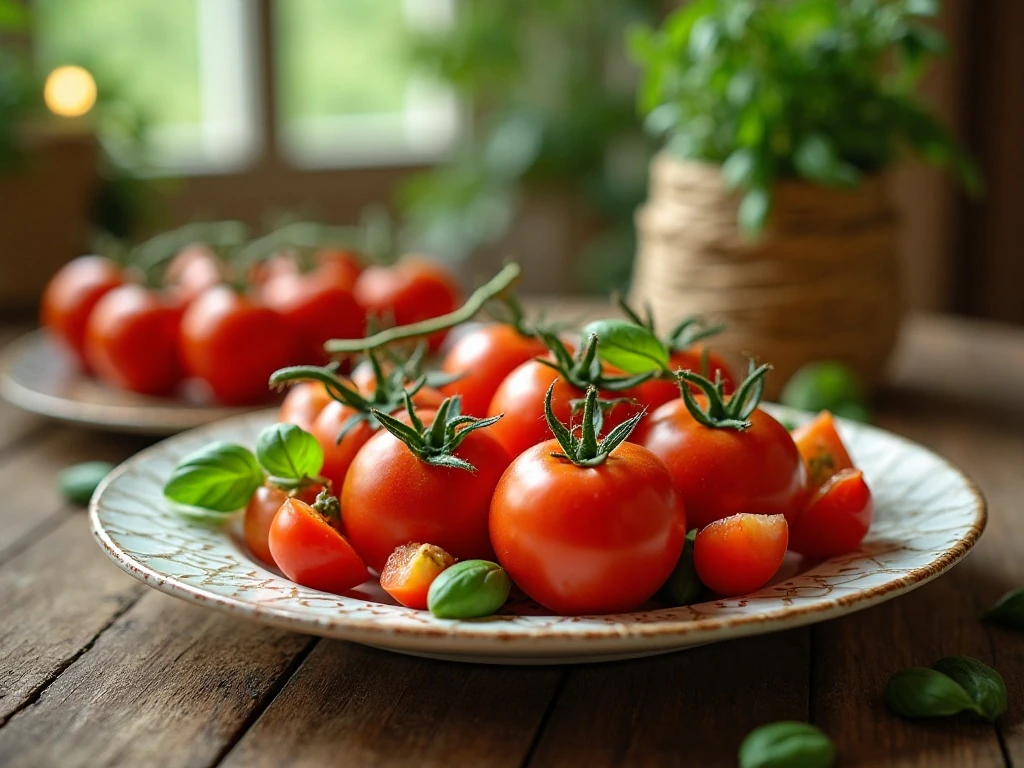
Twenty square feet sounds modest, but tomatoes do not need to occupy every inch horizontally. Their vines can climb, allowing sunlight and air to reach a productive canopy while the bed remains organized and accessible.
The central idea is to grow upward instead of letting plants sprawl across the ground. A sturdy trellis, cage, or stake keeps stems supported, fruit cleaner, and the growing area easier to inspect.
Still, 100 pounds is a goal rather than a promise. A long, sunny season with healthy plants may produce an impressive harvest, while cool weather, disease, poor soil, or limited light can reduce the total considerably.
Fresh tomatoes also make a generous garden harvest useful at the dinner table. Serve them simply with herbs, fold them into pasta, or pair them with hearty meals such as black bean stew.
Secret 1: Choose the Right Variety and Location
Start with a productive variety suited to your local climate. Garden centers, seed companies, and local extension services can help identify tomatoes that perform well in your region and finish fruiting within your growing season.
Indeterminate varieties are commonly chosen for compact vertical gardens because they continue growing and producing along an extended stem. They do require firm support and regular training, so choose them only if you can provide consistent attention.
Give the bed about 6–8 hours of full sun each day. Morning and afternoon light both matter, and nearby fences, buildings, or tall crops should not cast long shadows over the planting area.
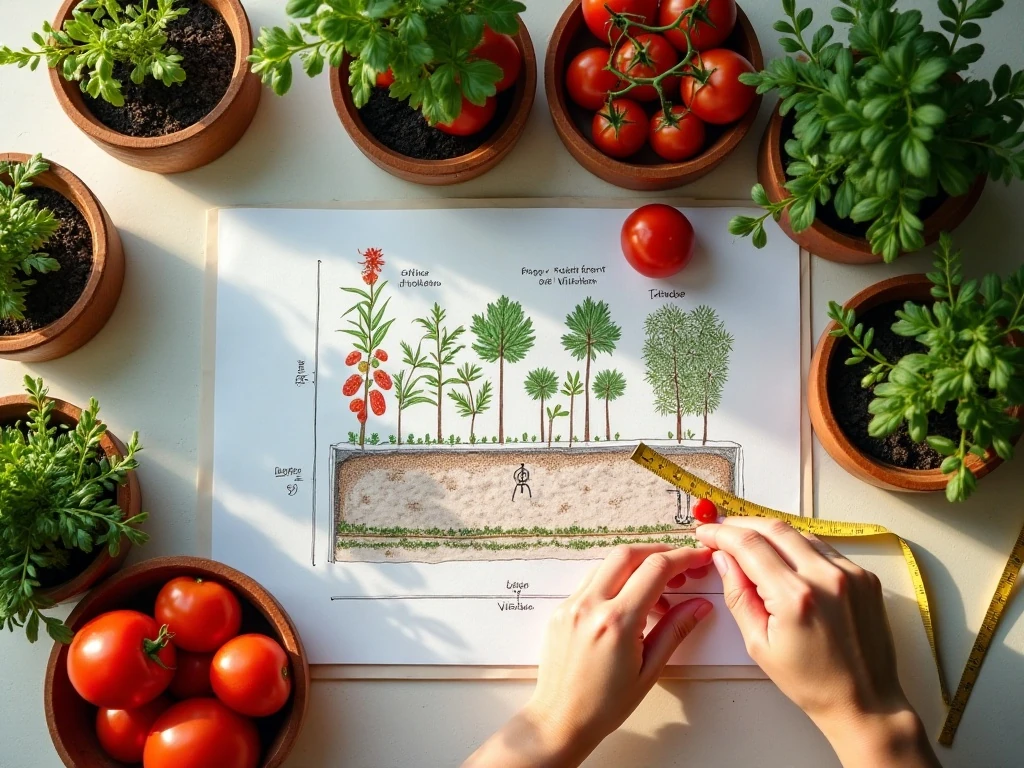
Before planting, sketch the bed and decide where supports will stand. Planning the layout first prevents overcrowding and leaves enough room to reach the soil, tie stems, inspect leaves, and harvest fruit.
Secret 2: Build Fertile, Well-Drained Soil
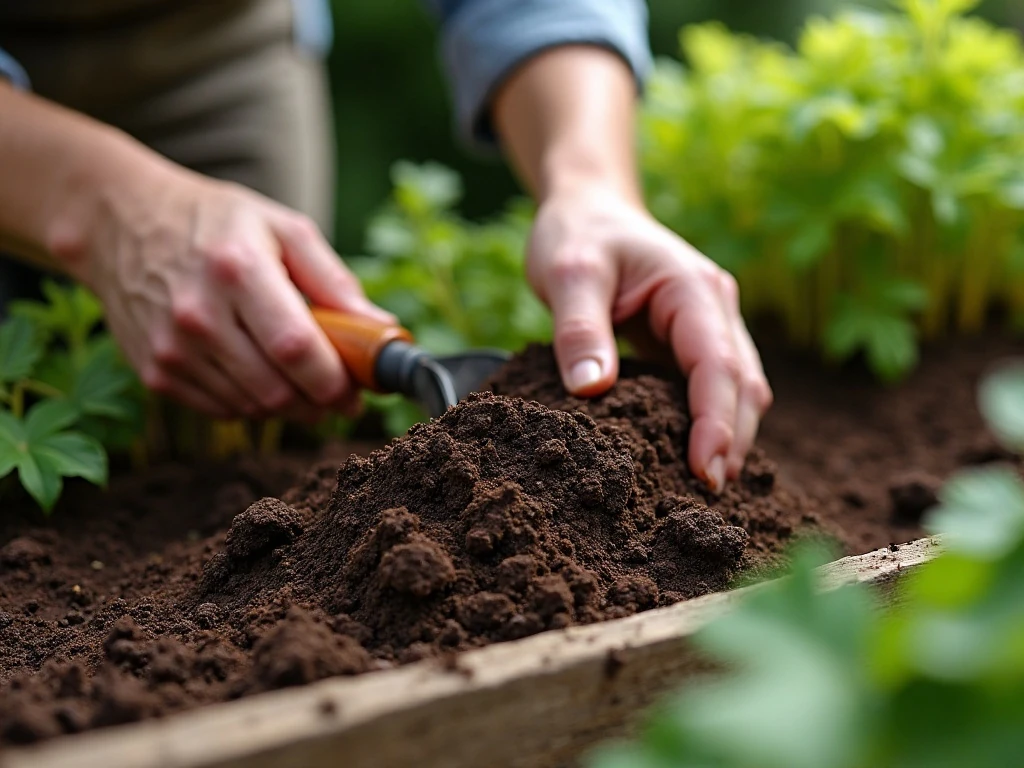
Healthy roots are the foundation of a heavy crop. Prepare the soil several weeks before planting, breaking up compacted areas and incorporating mature compost so the bed can settle before seedlings go in.
Good drainage is just as important as fertility. Tomatoes dislike sitting in saturated soil, so correct drainage problems before planting rather than trying to solve them after the roots become stressed.
Use soil amendments only when needed based on a soil test or reliable local recommendations. Too much of any amendment can upset nutrient balance, and excessive nitrogen often creates abundant leaves with disappointing fruit production.
Do not treat compost as a substitute for observation. Check plant color, growth, flowering, and fruit development throughout the season, then follow fertilizer directions and your soil’s actual needs.
For another practical way to use a homegrown harvest, keep slow-cooker chicken and bean soup in mind when tomato season arrives.
Secret 3: Plant Deeply After Frost
Plant only after the danger of frost has passed. Tomatoes are warm-season plants, and setting them into cold soil or exposing them to a late freeze can delay growth or damage tender foliage.
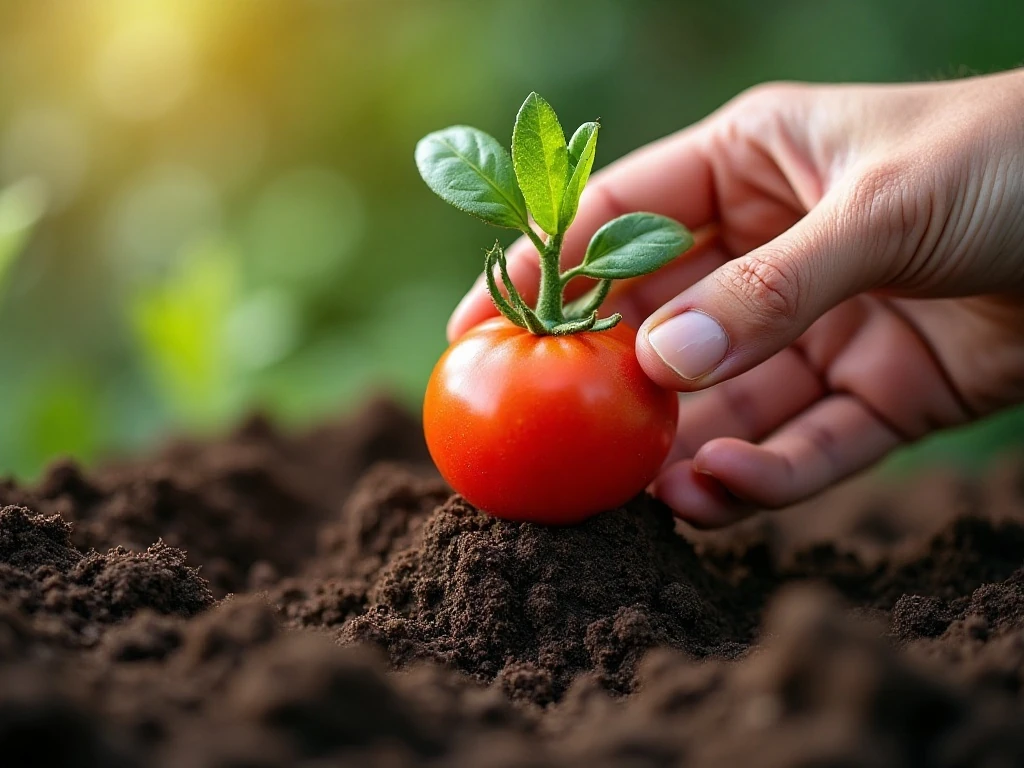
Remove the lower leaves from each transplant and bury part of the stem. Tomatoes can develop additional roots along the buried stem, giving the plant a larger root system for absorbing water and nutrients.
Set the plant carefully so the remaining leaves sit above the soil and receive good light. Water the planting area thoroughly at soil level to settle the soil around the roots without splashing mud onto the foliage.
Install the support immediately, even if the young plant looks small. Waiting until vines are large can disturb roots and may leave stems unsupported during wind or heavy rain.
Secret 4: Train Every Vine Vertically
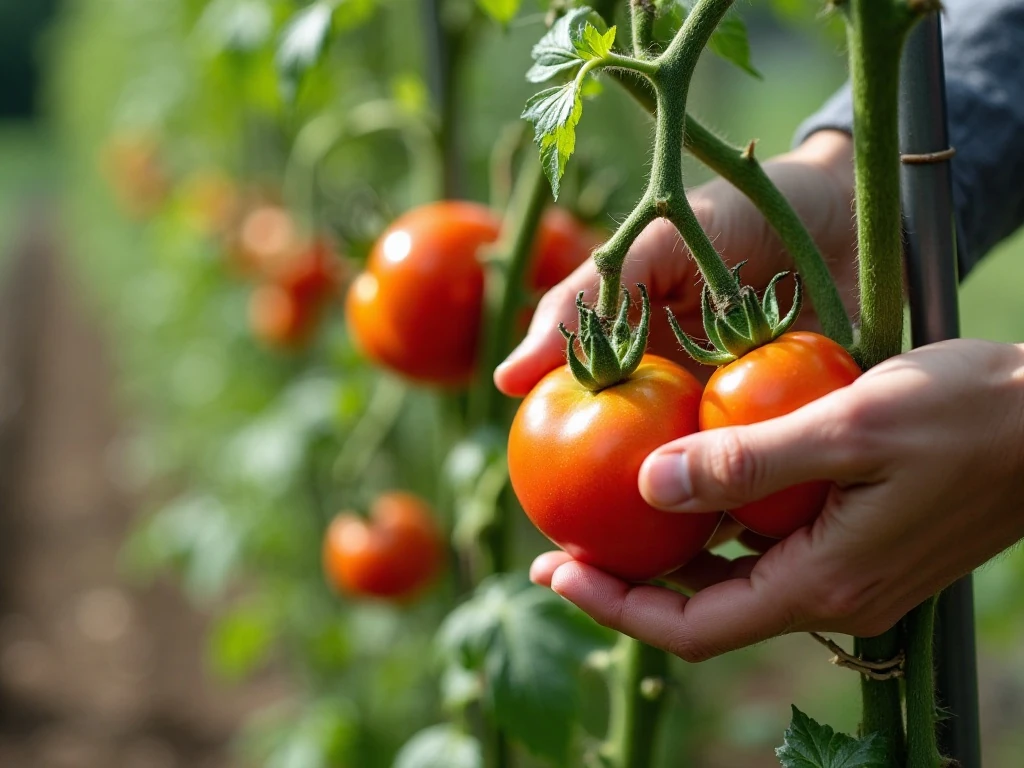
Vertical training is the space-saving heart of this plan. Use a stake, cage, or trellis that can handle the mature plant, heavy fruit clusters, and occasional strong weather.
Tie stems with soft material, placing ties loosely so they support the plant without cutting into expanding growth. Check the ties often because a stem that is comfortable in early summer can become constricted later.
Prune according to the variety and the structure you selected. If you are using a single- or double-leader system, remove unwanted suckers while they are small, but avoid stripping away healthy foliage that shades fruit and supports photosynthesis.
Keep the canopy orderly rather than bare. The goal is to direct growth upward, improve access and airflow, and maintain enough leaves to power a long season of fruit production.
Once your tomatoes begin ripening, use them in a comforting vegetable casserole or slice them alongside a simple dinner.
Secret 5: Master Water, Mulch, Feeding, and Harvest
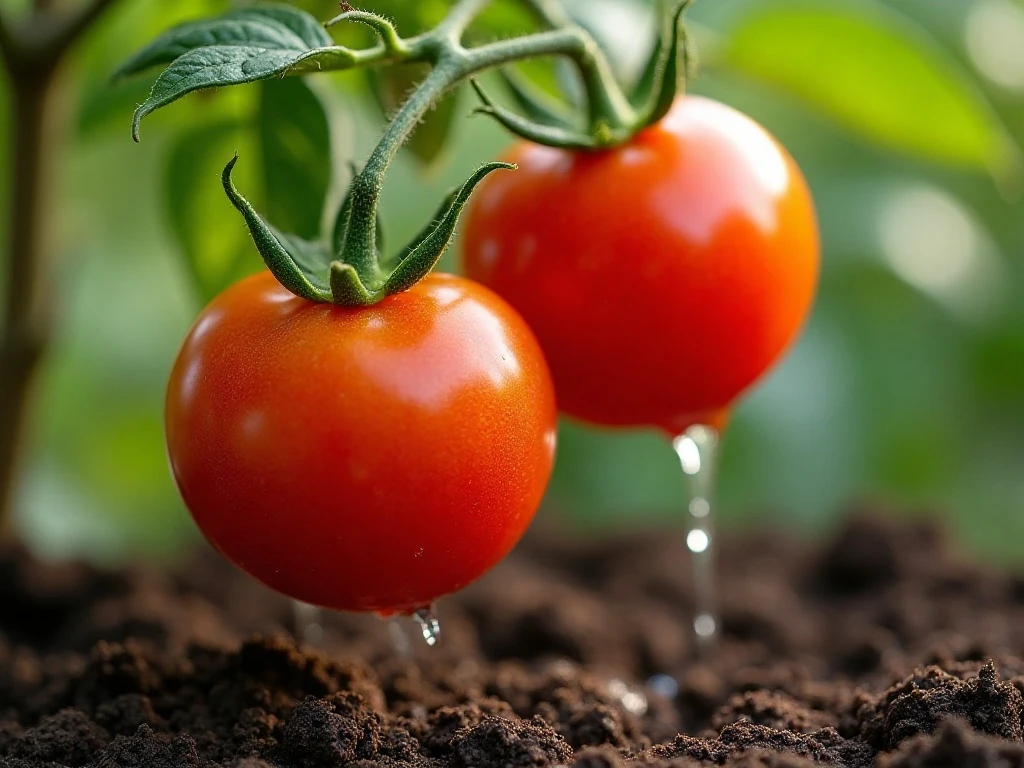
Water consistently at the soil line instead of wetting the leaves. Extension guidance commonly suggests about 1–1½ inches of water per week, but rainfall, heat, wind, soil type, and plant size all affect the amount your bed needs.
Apply a 2–3-inch layer of organic mulch around the plants. Keep it slightly away from each main stem, because direct contact can retain too much moisture against the stem and create an inviting place for problems.
Mulch slows moisture loss, suppresses weeds, and reduces soil splashing onto foliage. It also makes the bed easier to maintain during hot weather when containers and small beds can dry quickly.
Feed plants during the season according to soil fertility and the fertilizer label. Avoid the temptation to add extra nitrogen for faster growth; tomatoes may respond with foliage instead of the flowers and fruit you need for a heavy harvest.
Inspect plants several times each week for wilt, damaged leaves, pests, and fruit that is beginning to ripen. Regular observation lets you respond early and keeps a small issue from taking over a compact planting.
Harvest ripe tomatoes regularly rather than leaving every fruit on the plant. Frequent picking encourages continued production, reduces the weight on branches, and gives you a steady supply for fresh meals, preserving, and sharing.
Planning the Harvest Without Overpromising
A 100-pound harvest from 20 square feet requires excellent conditions and careful management. Variety choice, plant spacing, sunlight, soil fertility, weather, pest pressure, and the length of the growing season all influence the final result.
Record what you plant and weigh the harvest as it comes in. Notes about planting dates, watering, pruning, disease pressure, and weekly harvest totals will help you refine the plan for the following year.
If your first season produces less than 100 pounds, treat the result as useful information rather than failure. You can improve support, adjust varieties, amend soil based on testing, or change spacing while keeping the same compact growing strategy.
A productive tomato bed can also inspire a dessert finish after dinner. When the garden is especially generous, keep these simple five-ingredient sweets on hand for an easy seasonal menu.
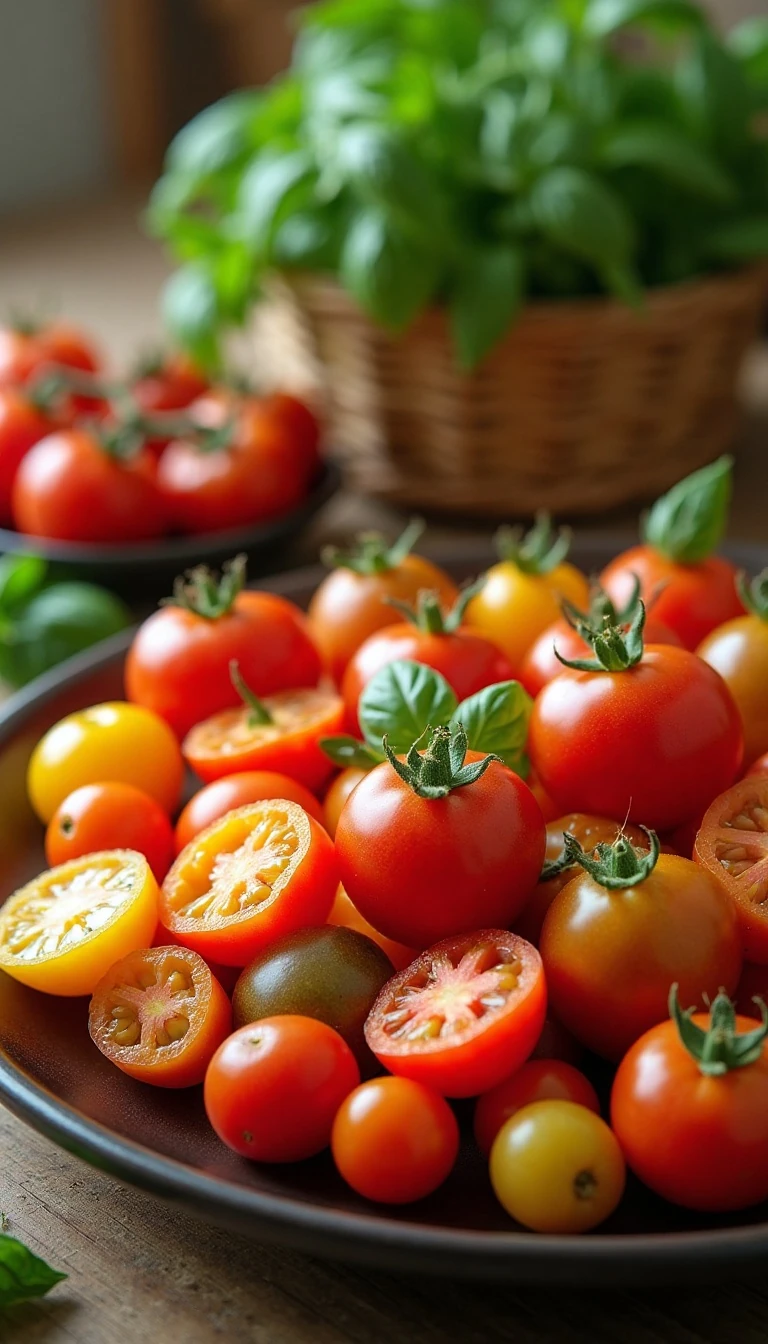
5 Secrets to Grow 100 Pounds of Tomatoes in 20 Square Feet
Ingredients
Method
- Choose a productive tomato variety that matches your local climate and growing season. Indeterminate varieties are especially useful when vines will be trained upward, but the final choice should also suit your available sunlight and expected weather.
- Prepare a fertile, well-drained 20-square-foot bed several weeks before planting. Work mature compost into the soil and use additional soil amendments only when a soil test or local guidance shows they are needed.
- Wait until the danger of frost has passed before planting. Set each tomato deeply, removing the lower leaves so part of the stem is underground; buried stems can form additional roots.
- Install stakes, cages, or trellises at planting time so growing roots are not disturbed later. Keep the support strong enough for heavy vines and clusters of fruit.
- Train vines upward with soft ties and prune according to the variety and your chosen system. When using a single- or double-leader system, remove unwanted suckers regularly while retaining healthy growth needed for fruit production.
- Apply a 2–3-inch layer of organic mulch around the plants, leaving a little space around each main stem. Mulch helps conserve moisture, reduce weeds, and limit soil splashing onto foliage.
- Water consistently at the soil line rather than wetting the leaves. Aim for roughly 1–1½ inches per week, adjusting for rainfall, heat, and soil type, and feed during the season according to soil fertility and the fertilizer label.
- Inspect plants often and harvest ripe tomatoes regularly. Picking fruit promptly encourages continued production and gives you an opportunity to notice pest, disease, or watering problems before they spread.
Notes
Final Thoughts
The five secrets are straightforward: select a productive climate-appropriate variety, prepare fertile well-drained soil, plant deeply after frost, train vines vertically, and maintain steady water, mulch, feeding, and harvesting.
That combination gives a 20-square-foot garden its best chance to produce a remarkable crop without pretending that a specific yield is guaranteed. Watch the plants closely, adjust to your weather, and let each season’s harvest teach you how to grow more successfully next time.
With healthy vines climbing into the sun and ripe tomatoes picked regularly, even a very small bed can supply weeks of vibrant flavor for dinner. The garden may be compact, but the harvest can be wonderfully abundant.