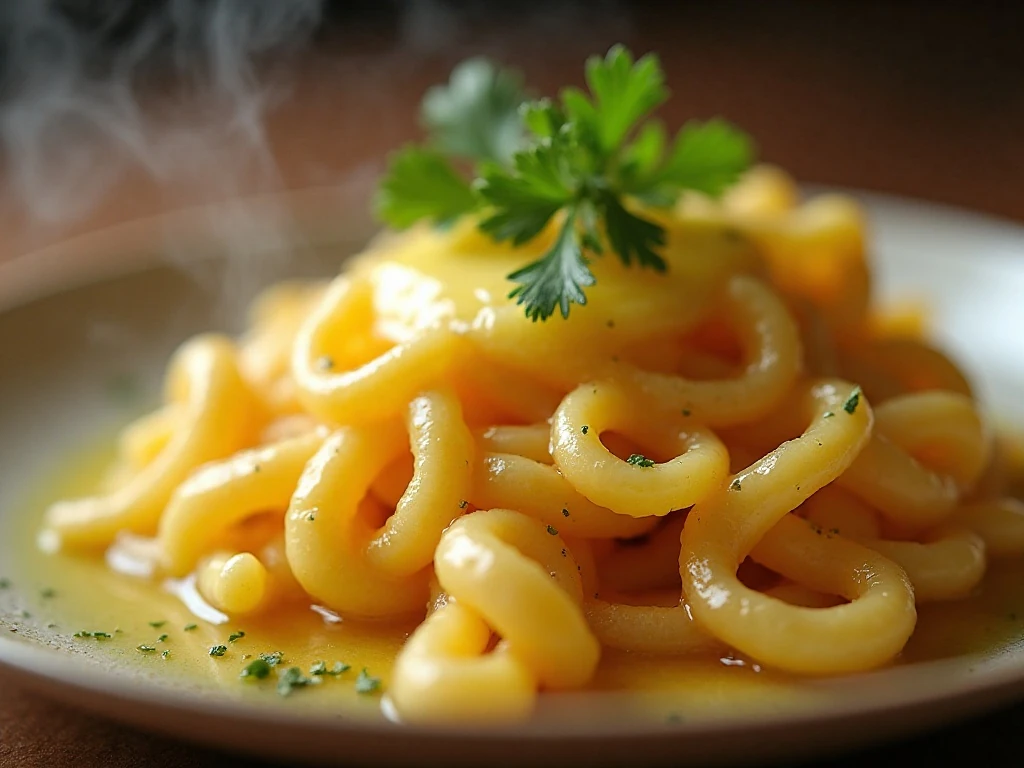
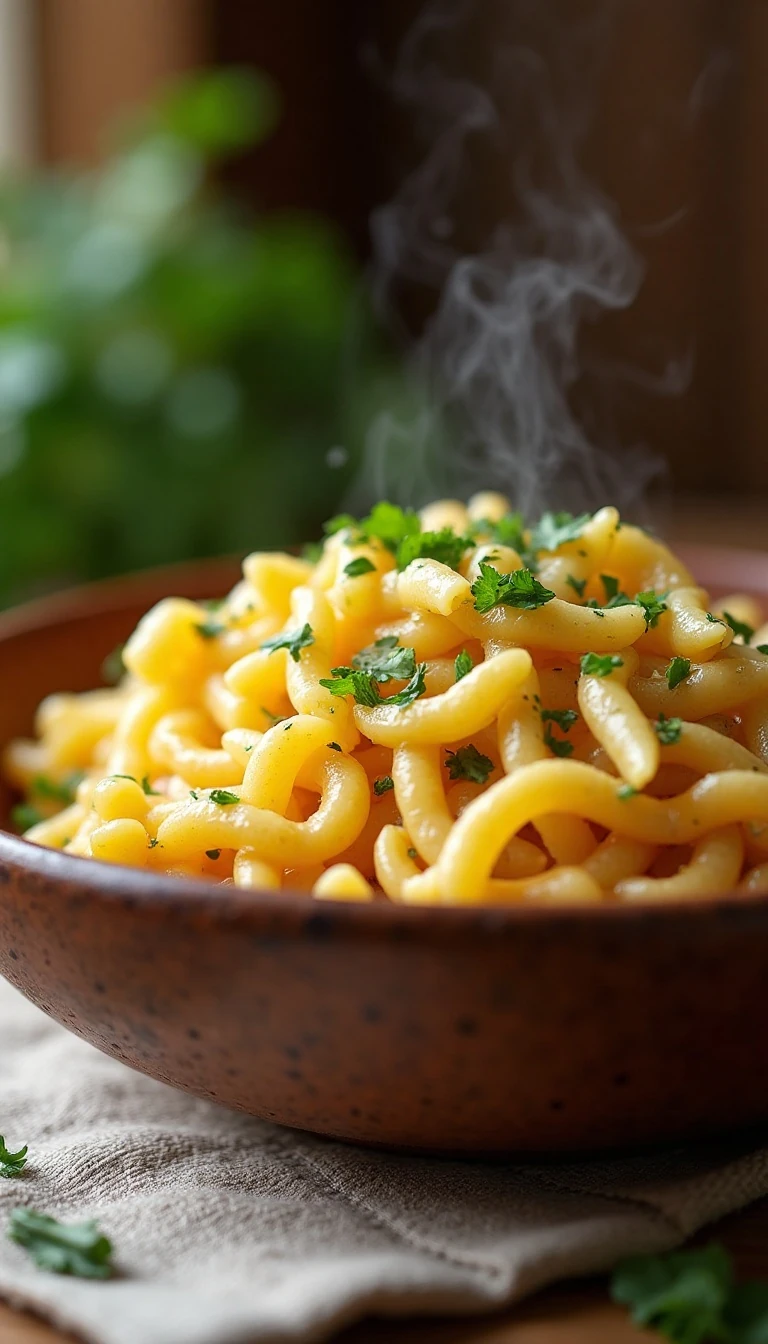
This homemade German spaetzle recipe makes tender, chewy egg-noodle dumplings with just flour, eggs, milk, salt, and optional nutmeg. The thick, sticky batter is pressed into gently boiling salted water, cooked until the dumplings float, and finished with butter in about 30 to 40 minutes.
Each bite is soft in the center, pleasantly springy, and rich with buttery flavor. This recipe yields about 4 servings as a side dish, making it an excellent partner for saucy meats, roasted vegetables, or any dinner that needs a comforting homemade touch.
Jump to RecipeWhy You’ll Love This Recipe
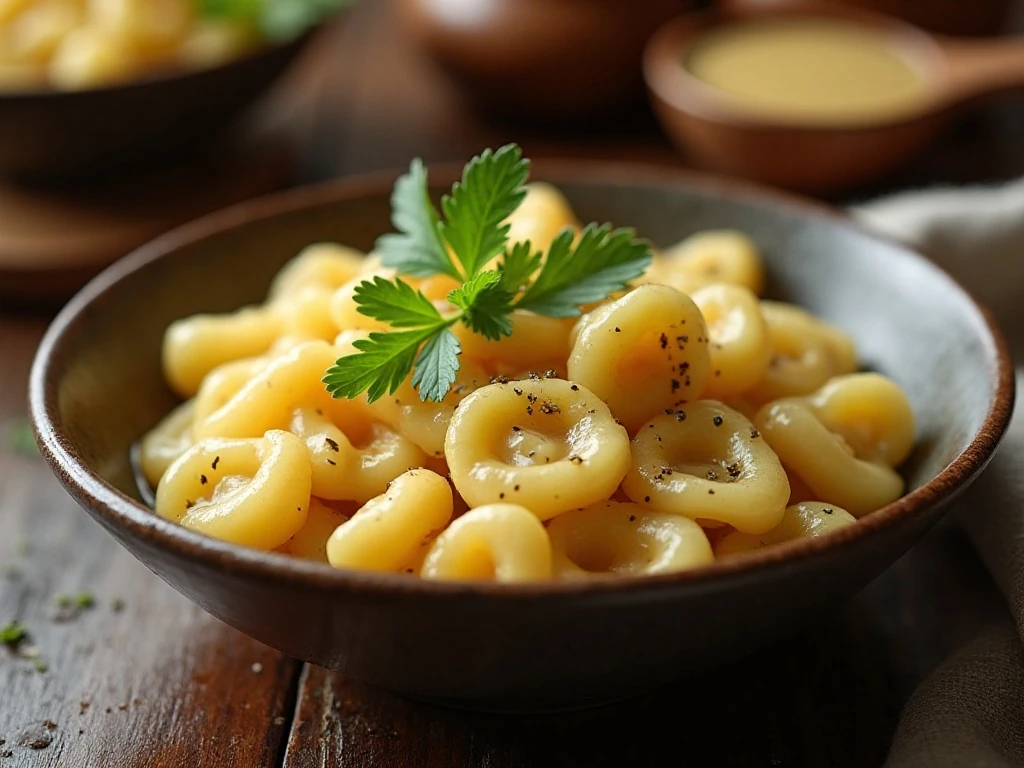
German spaetzle is one of those homemade comfort foods that looks rustic but tastes wonderfully special. Unlike dried noodles, these dumplings have irregular shapes and tender, chewy edges that hold onto butter, gravy, pan juices, and creamy sauces.
The batter comes together in one bowl after the eggs and milk are whisked separately. There is no rolling, cutting, or complicated pasta equipment required, so this is a practical dinner recipe even when you are cooking on a busy evening.
A spaetzle maker is useful, but it is not essential. A large-holed colander, sturdy box grater, or even a scraper can help shape the batter directly over the pot. The imperfect pieces are part of the charm and give the finished dish its traditional appearance.
For another homemade bread side to serve with hearty dinners, take a look at these easy artisan bread ideas. Spaetzle and rustic bread offer different textures, so either one can complete a comforting meal.
Ingredients You’ll Need
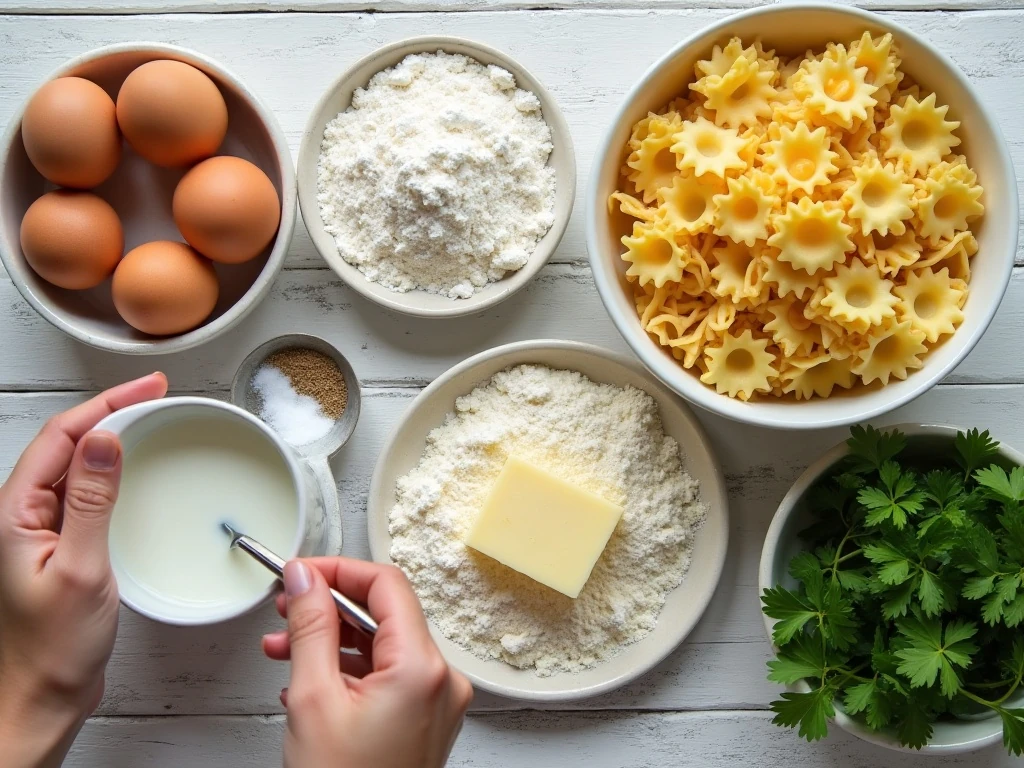
The ingredient list is short, but each item has an important job. Flour gives the dumplings structure, eggs provide richness and tenderness, and milk loosens the batter enough to press or scrape through a shaping tool.
- All-purpose flour: Use 2 cups, or about 250 to 260 grams. Spoon it into a measuring cup and level it for the most consistent result.
- Fine salt: One teaspoon seasons the batter from the inside.
- Eggs: Four large eggs create the signature color, flavor, and elastic texture.
- Milk: Begin with 1/2 cup, or 120 milliliters. Keep 1 to 2 extra tablespoons available only if the batter needs loosening.
- Nutmeg: One-quarter teaspoon is optional, though it adds a traditional warm note.
- Butter: Two tablespoons are used for finishing, and a little extra can be used if you choose to brown the dumplings in a skillet.
- Parsley: Chopped fresh parsley is optional and adds color and a clean herbal finish.
Do not be tempted to make the batter thin like pancake batter. Proper spaetzle batter is thick, sticky, and elastic, which allows it to form small dumplings instead of dissolving into the cooking water.
How to Make It Step-by-Step
Step 1: Whisk the flour, salt, and ground nutmeg together in a large bowl. Mixing the dry ingredients first distributes the salt and nutmeg evenly, so every dumpling receives balanced seasoning.
Step 2: In a separate bowl, whisk the four eggs and milk until combined. Pour this mixture into the flour and stir vigorously with a wooden spoon or sturdy whisk until the batter becomes thick, elastic, and slightly sticky.
Step 3: Check the consistency before shaping the dumplings. The batter should be softer than pasta dough but much thicker than pancake batter; if it is too stiff to press or scrape, add milk one tablespoon at a time, stopping as soon as it loosens.
Step 4: Let the batter rest for 10 to 15 minutes if your schedule allows. This short pause gives the flour time to absorb the liquid and makes the batter easier to handle without changing the simple character of the recipe.
Step 5: Bring a large pot of generously salted water to a gentle boil. Avoid a violent boil because rough bubbling can break apart the fresh dumplings before they set.
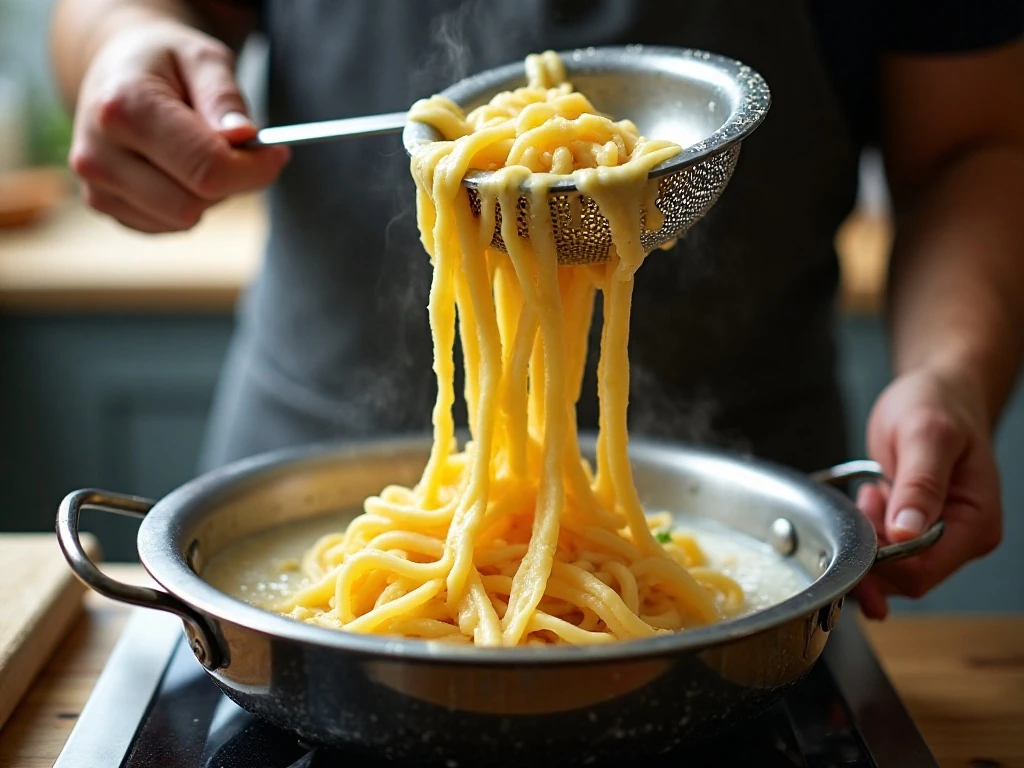
Step 6: Working in batches, press the batter through a spaetzle maker, large-holed colander, or sturdy box grater directly over the simmering water. Keep the portions small enough that the pot is not overcrowded, since too many dumplings at once can lower the water temperature.
Step 7: Cook the dumplings until they float, then continue cooking for about 1 to 2 minutes. Depending on the batch size, each round usually takes 2 to 3 minutes in total.
Step 8: Remove the cooked spaetzle with a slotted spoon and drain thoroughly. Transfer it to a bowl, then toss with the butter and optional parsley while it is still warm.
Step 9: For a lightly browned finish, melt the butter in a skillet and sauté the drained dumplings for a few minutes. Stir occasionally so some edges turn golden while the centers remain tender.
How to Get the Batter Just Right
Consistency is the most important part of making good spaetzle. When you lift the spoon, the batter should fall slowly and heavily rather than run in a thin stream. It should cling to the spoon and stretch slightly, showing that the eggs and flour have developed enough elasticity.
If the batter is too stiff, the dumplings will be difficult to press through a maker or scrape from a grater. Add only 1 tablespoon of milk at a time, mix thoroughly, and test again. Too much liquid produces soft, ragged pieces that may lose their shape in the pot.
If the batter seems too loose, give it a few extra minutes of stirring and resting before adding flour. Flour absorbs moisture as it sits, so the texture may improve without any adjustment.
A short resting period of 10 to 15 minutes is optional but helpful. It also gives you time to prepare the water and organize your shaping tool without rushing.
Cooking and Browning Tips
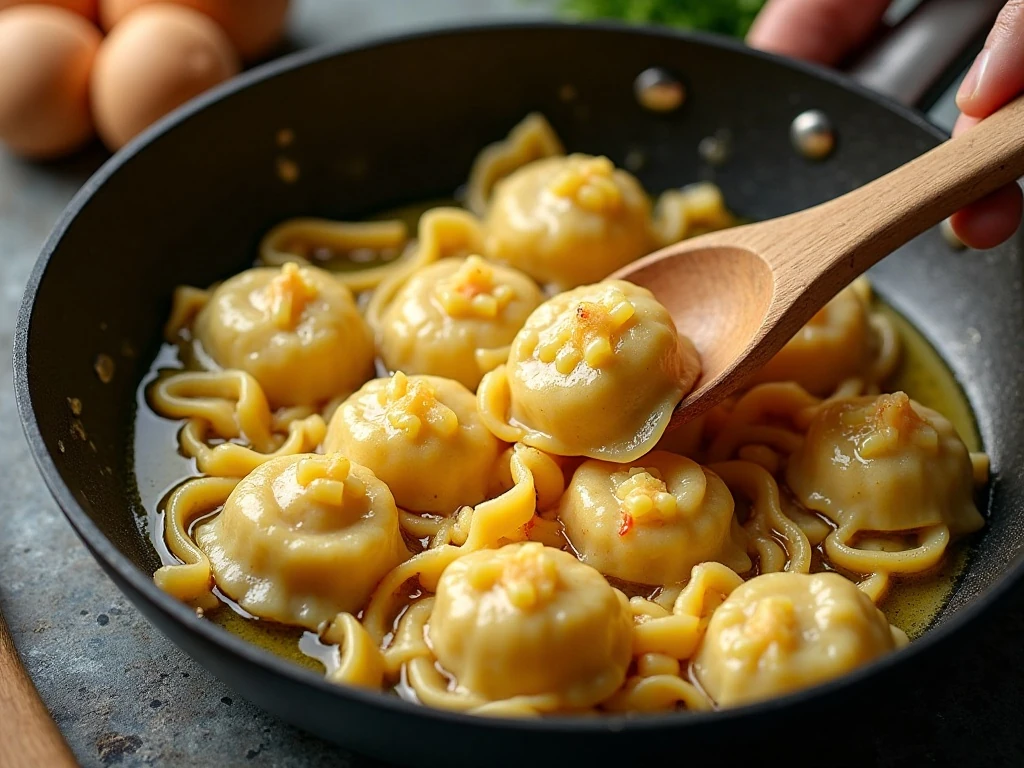
Use a large pot so the dumplings have room to move. Cook in batches and return the water to a gentle boil between rounds if needed. The floating test is useful, but do not remove the pieces immediately; the extra 1 to 2 minutes helps the centers cook through.
Drain each batch well before adding it to melted butter. Excess water can dilute the flavor and cause splattering if you transfer the dumplings to a hot skillet.
Plain buttered spaetzle is soft, comforting, and traditional. Sautéed spaetzle has more contrast, with tender centers and lightly browned edges that make the dish especially satisfying alongside gravy or roasted meat.
For a simple family dinner with another style of saucy beef, you can pair this side with our slow cooker teriyaki beef. The sweet-savory sauce clings nicely to the dumplings, creating a filling meal with very little last-minute work.
What to Serve with German Spaetzle
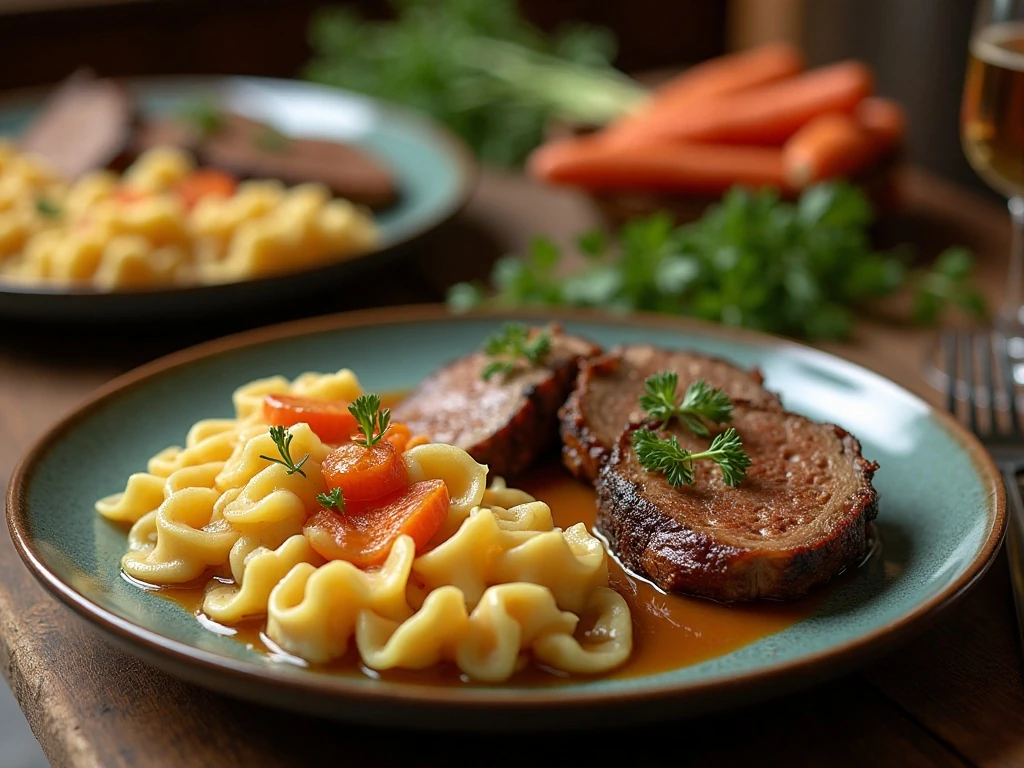
German spaetzle is traditionally served as a side dish, and its mild, buttery flavor makes it flexible enough for many dinners. Spoon it under braised beef, roasted chicken, pork, or mushrooms so the dumplings can absorb the cooking juices.
- Serve with beef gravy or pan sauce for a classic comfort-food plate.
- Add roasted mushrooms and onions for a hearty meatless dinner.
- Pair with roasted pork or chicken and a crisp green salad.
- Serve beside glazed vegetables, such as these orange-glazed carrots, for a colorful family meal.
- Top with extra parsley, cracked black pepper, or a little grated cheese if desired.
If you are serving a large dinner, spaetzle can take the place of potatoes, rice, or ordinary noodles. For a bread-focused spread, these homemade breadsticks are another inviting option, though you may want to choose one starch rather than serving both.
Storage and Reheating
Fresh spaetzle tastes best right after it is cooked, especially when it has been tossed with butter or briefly browned. If you have leftovers, cool them and refrigerate them in a covered container.
Reheat the dumplings gently in a buttered skillet over medium-low heat, stirring occasionally until hot. You can also warm them in a saucepan with a small amount of butter, but avoid overcooking because the texture can become chewy.
When preparing spaetzle for a dinner party, cook it in batches, drain well, and keep it warm briefly while you finish the meal. Sautéing just before serving refreshes the texture and brings back the pleasant golden edges.
Common Questions
Can I make spaetzle without a spaetzle maker? Yes. A large-holed colander or sturdy box grater works well, and you can scrape small pieces of batter directly over the simmering water. Choose equipment that is stable and heat-safe.
Why did my dumplings turn ragged? The batter may have been too wet, or the water may have been boiling too aggressively. Add less milk next time, work in smaller batches, and keep the water at a gentle boil.
Why are my dumplings dense? Very stiff batter is usually the cause. Add milk gradually until it becomes elastic and pressable, but do not thin it to pancake consistency.
Is nutmeg required? No. Nutmeg is optional, but the small amount listed gives the dumplings a classic traditional flavor without overpowering the butter.
Can I serve spaetzle as a main dish? Absolutely. Toss it with sautéed onions and mushrooms, or serve it with a rich sauce and vegetables for a satisfying meatless dinner. The listed yield is about 4 servings as a side dish.
Homemade German Spaetzle Recipe Made Simple
Ingredients
Method
- Whisk the flour, salt, and optional nutmeg together in a large mixing bowl.
- Whisk the eggs and milk in a separate bowl, then add them to the dry ingredients and stir vigorously until a thick, elastic, slightly sticky batter forms.
- Let the batter rest for 10 to 15 minutes if time allows.
- Bring a large pot of salted water to a gentle boil. Press or scrape the batter into the water in batches using a spaetzle maker, large-holed colander, or sturdy box grater.
- Cook each batch until the dumplings float, then continue cooking for about 1 to 2 minutes. Remove with a slotted spoon and drain well.
- Toss the cooked spaetzle with butter and parsley, or sauté it in butter for a few minutes until lightly golden.
Notes
Final Thoughts
This homemade German spaetzle recipe proves that a memorable dinner side does not need a long ingredient list or special culinary training. Once the batter reaches the right thick, sticky consistency, the process is straightforward: press it into salted water, cook until the dumplings float, and finish with butter.
Serve the spaetzle immediately for its soft, springy texture, or give it a few minutes in a skillet for lightly browned edges and deeper buttery flavor. Add parsley for freshness, pair it with gravy or roasted meat, and make this simple German classic part of your regular dinner rotation.
Finish the meal with a special sweet treat such as these raspberry chocolate cream puffs. The bright fruit and chocolate make a lovely contrast to the warm, savory comfort of homemade spaetzle.