This easy cream puff recipe makes 12–16 light, crisp, golden pastries filled with sweet vanilla whipped cream. The pâte à choux dough comes together on the stovetop with water, butter, flour, salt, and four eggs, then bakes in two stages for shells that puff dramatically and hold their shape.
Each pastry has a delicate crackly exterior and a tender, airy center that pairs beautifully with cool, silky whipped cream. Follow the key details—cook the dough briefly, add the last egg gradually, and keep the oven closed during the first 25–30 minutes—for dependable cream puffs at home.
Jump to RecipeWhy You’ll Love This Recipe
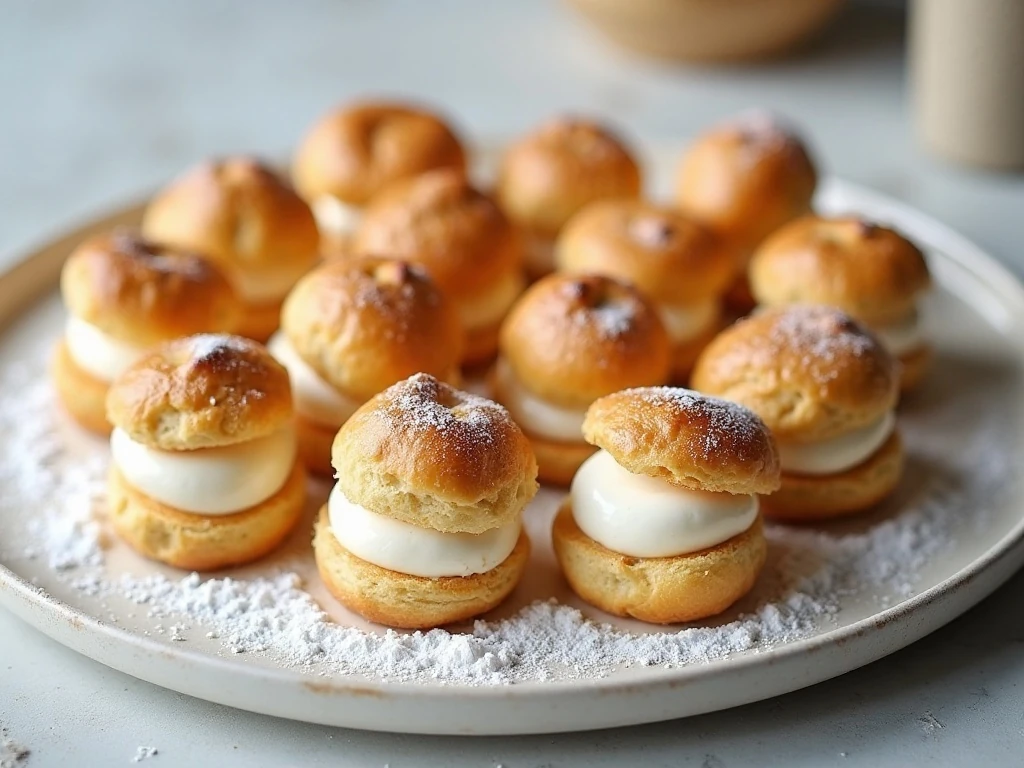
These cream puffs look like they came from a French pastry shop, but the ingredient list is wonderfully simple. There is no yeast, laminated dough, or complicated rolling technique; the pastry rises because steam expands inside the cooked flour mixture.
The result is a hollow shell with a crisp golden surface and a soft interior perfect for filling. Vanilla whipped cream keeps the dessert light, while confectioners’ sugar or chocolate adds just enough sweetness for a special finish.
- Simple ingredients: Water, butter, flour, eggs, cream, sugar, and vanilla create the complete dessert.
- Flexible presentation: Slice the pastries for a classic look or pipe filling through a small opening.
- Make-ahead friendly: The unfilled shells can cool while you prepare the filling and toppings.
For another cream-filled dessert with seasonal character, you can also try our pumpkin cream puff variation when autumn flavors are calling.
Ingredients You’ll Need
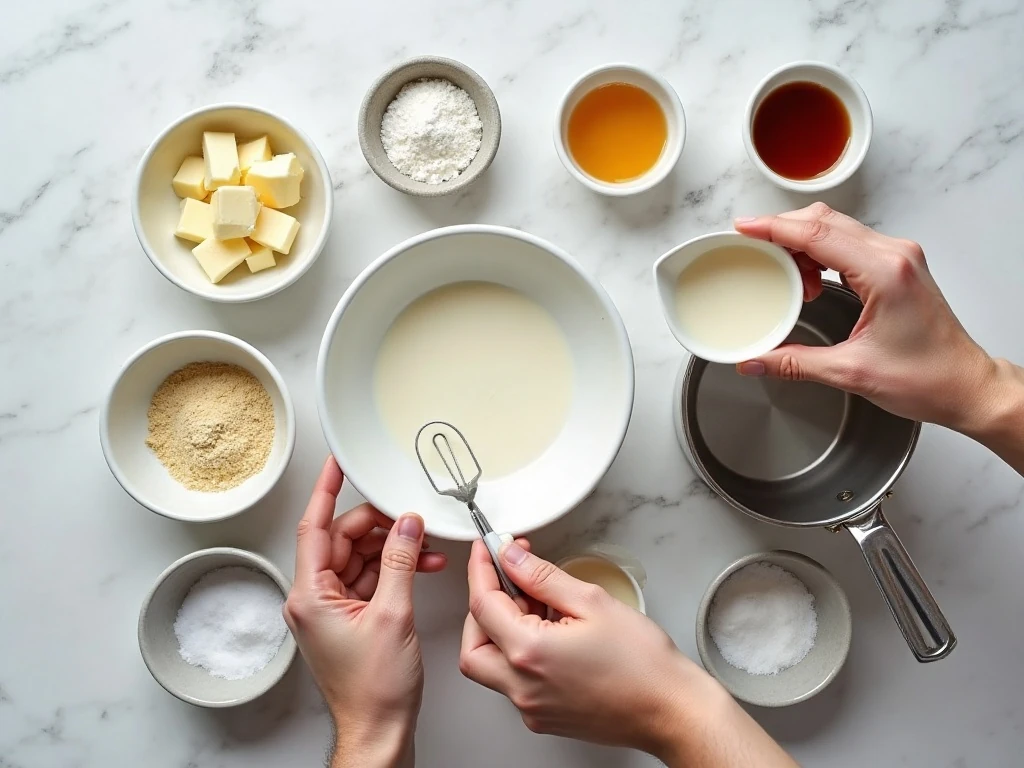
Water creates steam, while butter adds flavor and helps form the tender pastry structure. Use unsalted butter so the small amount of salt remains balanced, and cut the butter into pieces so it melts evenly before the water reaches a boil.
All-purpose flour is the foundation of the choux dough. Measure 1 cup, or weigh 120–125 grams, and add it all at once to the boiling butter mixture so it cooks evenly and forms a cohesive paste.
Four large eggs provide moisture, richness, and structure. Room-temperature eggs blend more easily, but the most important rule is to add the final egg gradually because the dough may not require every last bit.
For the filling, use 1 cup of cold heavy whipping cream, 2 tablespoons of granulated or confectioners’ sugar, and 1 teaspoon of vanilla extract. Confectioners’ sugar dissolves quickly, while granulated sugar works perfectly when added gradually during whipping.
How to Make It Step-by-Step
Step 1: Heat the oven to 425°F (220°C) and line a baking sheet with parchment paper. Have all of the pastry ingredients ready before beginning, because the flour must go into the hot liquid immediately after the butter melts.
Step 2: Place the water, butter pieces, and salt in a saucepan over medium heat. Bring the mixture to a full boil and check that no solid butter remains, since unevenly melted butter can affect the dough’s consistency.
Step 3: Remove the pan from the heat and add the flour all at once. Stir vigorously with a sturdy spoon until the mixture becomes smooth and pulls together into a thick dough.
Step 4: Return the saucepan to medium-low heat and stir for about 1–2 minutes. This brief cooking period removes excess moisture, and the dough is ready when it pulls away from the sides and leaves a thin film on the bottom of the pan.
Step 5: Transfer the hot dough to a mixing bowl and let it cool for 5–10 minutes. It should still be warm, but not so hot that it cooks the eggs as they are added.
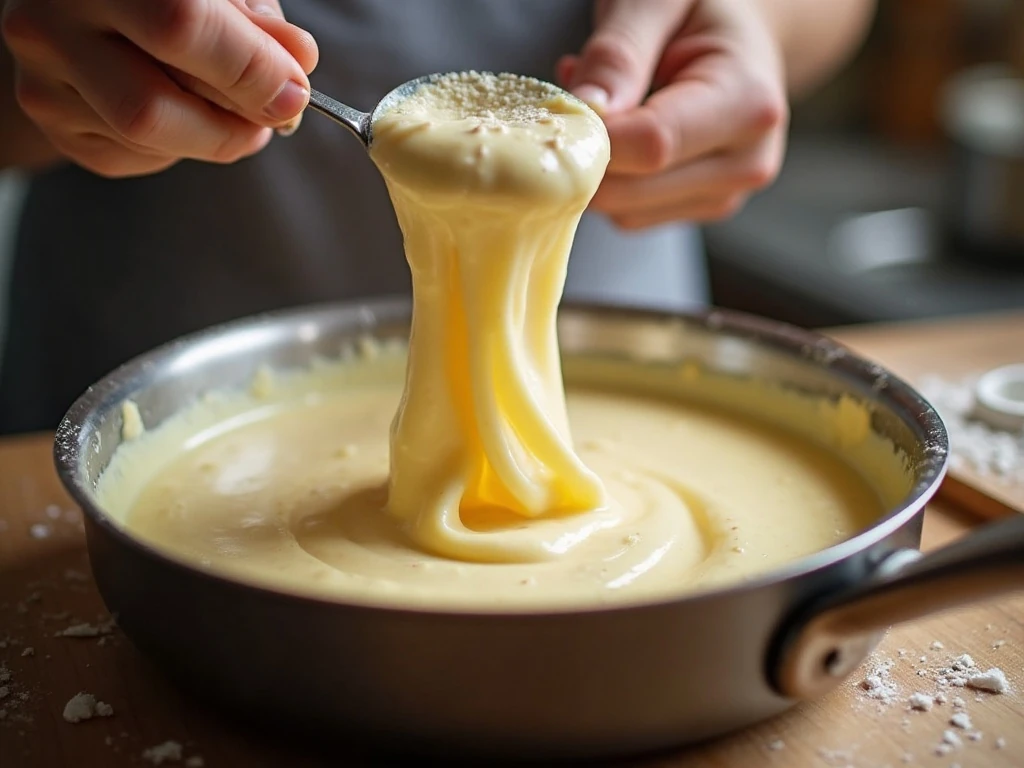
Step 6: Beat in the eggs one at a time, mixing thoroughly after each addition before adding the next. The finished dough should be smooth, glossy, and thick enough to hold a mound; when lifted with a spoon, it should fall slowly and form a smooth V shape.
Step 7: Pipe or spoon the dough into 12–16 mounds on the parchment-lined sheet, leaving space between each one for expansion. If the tops have points or peaks, lightly smooth them with a damp fingertip so they brown evenly.
Step 8: Bake the mounds at 425°F for 15 minutes. Reduce the temperature to 375°F (190°C) and continue baking for 20–25 minutes, until the pastries are deeply golden, firm, and visibly puffed.
Step 9: Turn off the oven and pierce each puff once with a skewer or knife to release trapped steam. Leave the pastries in the turned-off oven for 5–10 minutes, then move them to a cooling rack and let them cool completely.
Step 10: Prepare the filling by whipping the cold heavy cream with the sugar and vanilla until medium-stiff peaks form. Slice each cooled puff horizontally or make a small opening in the side or bottom, pipe in the whipped cream, and finish with confectioners’ sugar.
For a chocolate finish, drizzle the filled pastries with melted chocolate or spoon over a little chocolate ganache. Add the topping just before serving so the shells maintain their delicate texture.
How to Get Light, Fluffy Pastry Shells
The flour-and-butter mixture needs a short stovetop cooking period after it comes together. This step is easy to rush, but removing enough moisture helps the dough rise properly and prevents a wet or collapsed interior.
Egg consistency matters more than automatically using all four eggs. Add the fourth egg in small portions, stopping when the dough is glossy, holds its shape, and falls slowly from a spoon in a V shape.
Give the pastry room on the baking sheet, because each mound expands significantly in the oven. If you are using a piping bag, keep the tip close to the parchment and pipe straight upward for rounded, even shapes.
Most importantly, do not open the oven during the first 25–30 minutes of baking. A sudden temperature drop can cause the delicate shells to collapse before their structure has set.
Filling and Decorating Ideas
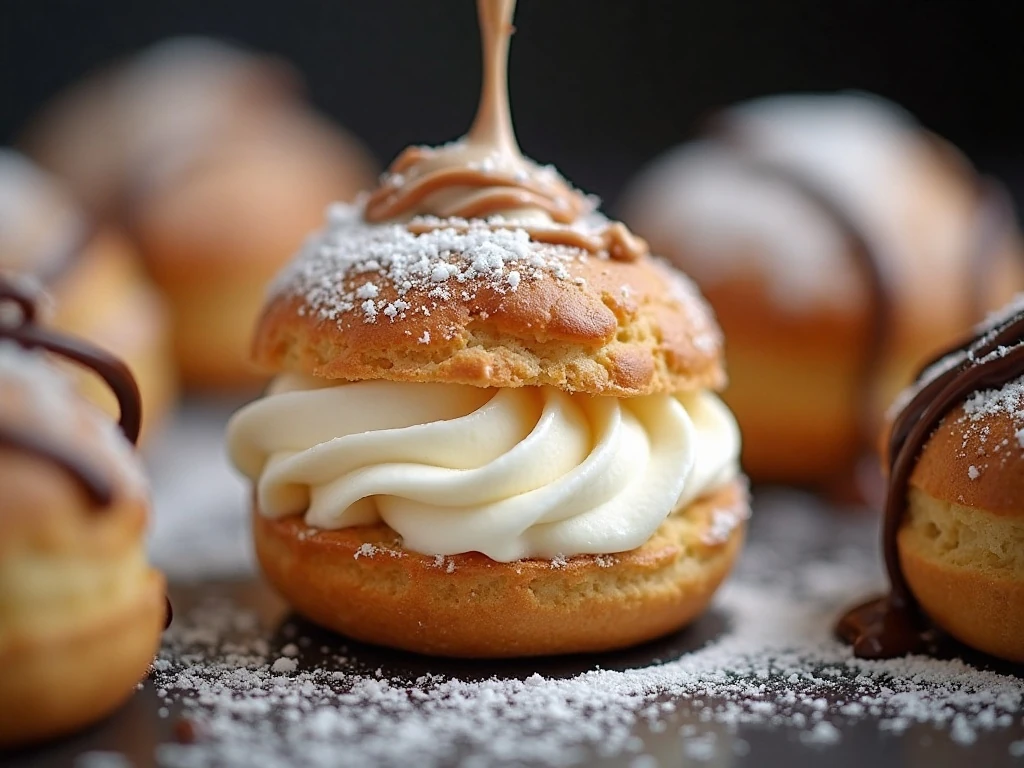
Vanilla whipped cream is the fastest filling and brings a cool, soft contrast to the crisp shells. Whip only to medium-stiff peaks so the cream remains smooth and pipeable rather than grainy or overworked.
For a traditional variation, replace the whipped cream with about 2 cups of pastry cream for 12–16 shells. Pastry cream creates a richer, custard-like center, while whipped cream gives the dessert a lighter bite.
Keep the decoration simple with a snowfall of confectioners’ sugar. Melted chocolate or chocolate ganache adds a glossy finish and a gentle bitterness that balances the sweet cream.
If you are planning a dessert spread, a slice of almond cream cake makes a lovely companion to these airy pastries. For a broader menu, balance the sweets with savory favorites such as this ravioli pizza idea.
Storage, Serving, and Make-Ahead Advice
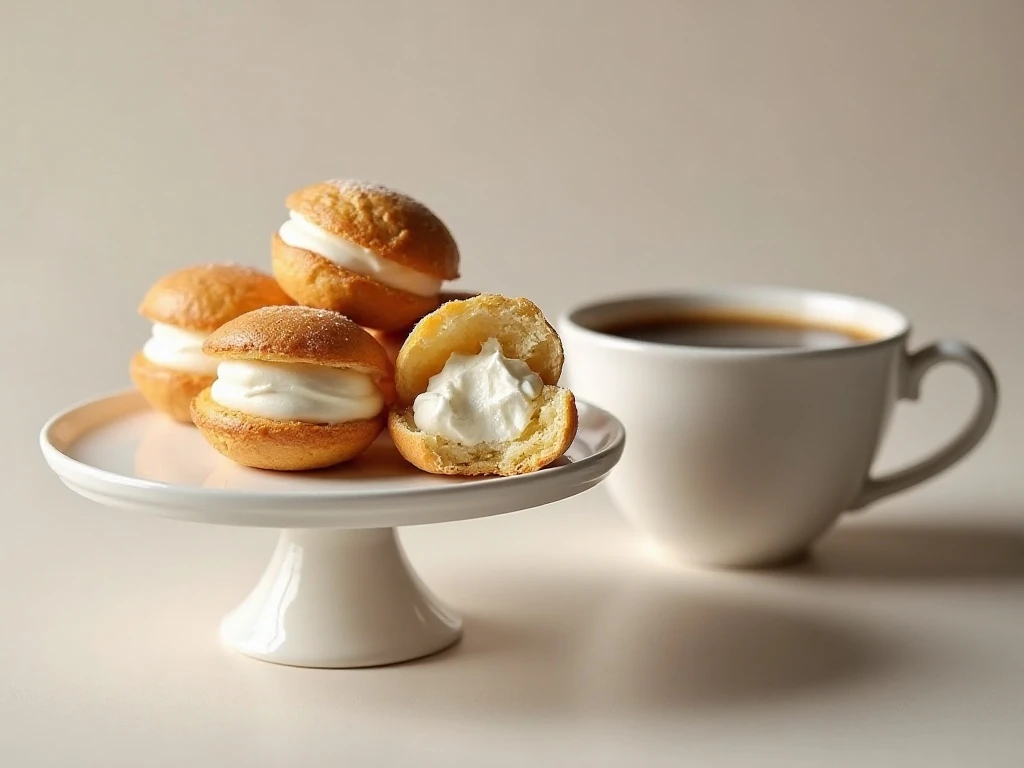
Unfilled cream puff shells are best served the day they are baked, once they have cooled completely. Store them in an airtight container at room temperature for up to 1 day, keeping them away from humidity that can soften the crust.
To restore some crispness, place unfilled shells in a 300°F oven for a few minutes, then cool them before filling. Do not reheat filled pastries, because the whipped cream can soften and lose its shape.
Fill the puffs as close to serving time as possible. If you need to prepare ahead, bake and cool the shells, whip the cream shortly before serving, and keep the components separate until assembly.
Serve them with coffee, tea, or a small dessert spoon for easy eating. Their light texture also makes them a charming finish after a comforting meal such as chicken Marsala soup.
Frequently Asked Questions
Why did my cream puffs collapse? The usual causes are undercooked stovetop dough, insufficient oven time, or opening the oven too early. Cook the flour mixture until a film forms on the pan, bake until deeply golden and firm, and release steam before cooling.
Can I use milk instead of water? Some versions use 1 cup of milk for a richer, more tender puff. This recipe follows the water-based method, which produces a classic, light shell with a crisp finish.
Why is my dough too runny? Too much egg may have been added. The final egg should be incorporated gradually, and the dough should remain thick enough to hold its piped or spooned shape.
Can I make smaller cream puffs? Yes, smaller mounds can be piped for bite-size pastries, but watch them closely as baking time may change. The stated yield of 12–16 is intended for medium cream puffs.
For a savory contrast at another meal, keep our Thai green curry recipe in your dinner rotation, then return to these cream puffs when you want a crisp, cream-filled dessert.
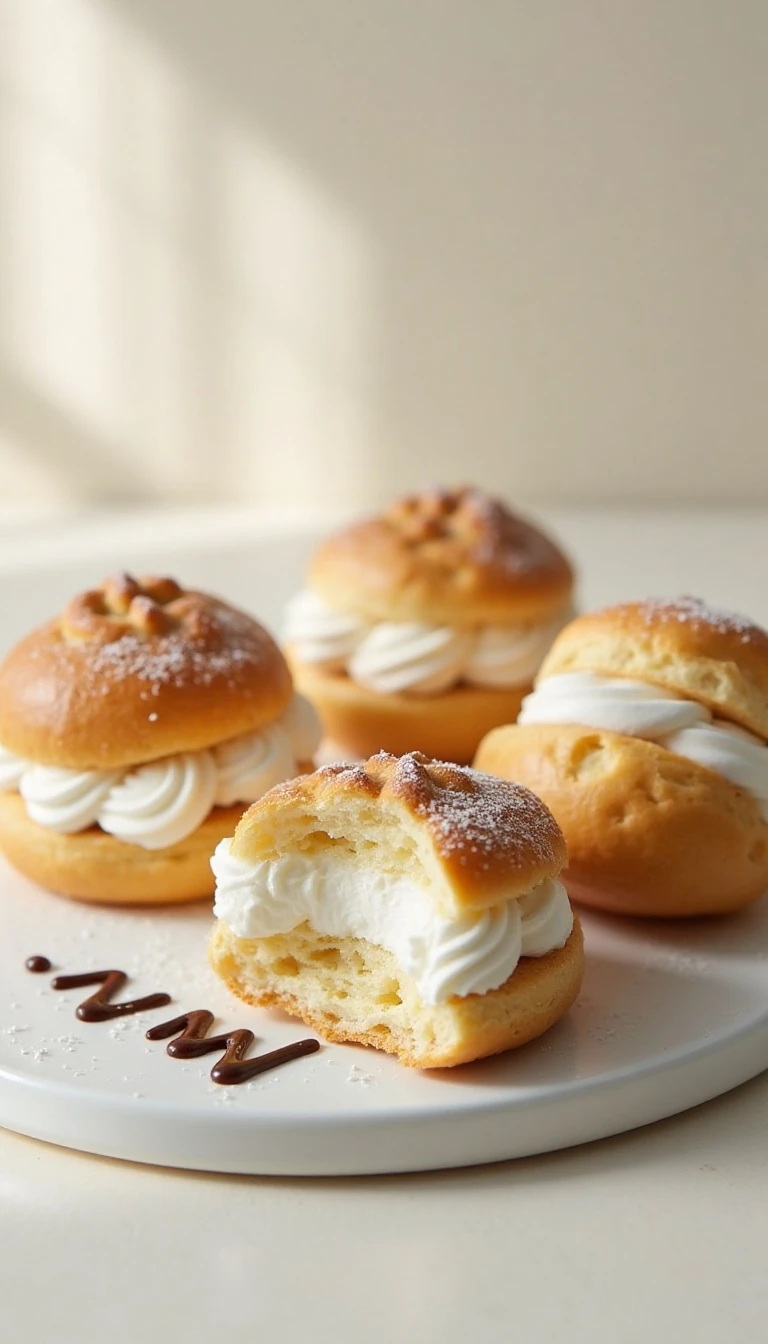
Easy Cream Puff Recipe for Light, Fluffy Pastries
Ingredients
Method
- Heat the oven to 425°F (220°C) and line a baking sheet with parchment paper. Place the water, butter, and salt in a saucepan and bring the mixture to a full boil over medium heat, making sure the butter has completely melted.
- Remove the saucepan from the heat and add the flour all at once. Stir vigorously until the ingredients form a smooth dough with no visible dry flour.
- Return the pan to medium-low heat and stir the dough for 1–2 minutes. It should pull away from the sides of the pan, and a thin film should form on the bottom.
- Transfer the dough to a mixing bowl and let it cool for 5–10 minutes. Beat in the eggs one at a time, mixing thoroughly after each addition; add the final egg gradually because you may not need every last portion.
- Pipe or spoon the dough into 12–16 mounds on the prepared baking sheet, leaving space between them. Smooth any peaks with a damp fingertip.
- Bake at 425°F for 15 minutes, then reduce the oven to 375°F (190°C) and bake for another 20–25 minutes. The shells should be deeply golden and firm.
- Turn off the oven, pierce each puff once with a skewer or knife to release steam, and leave the pastries in the turned-off oven for 5–10 minutes. Transfer them to a rack and cool completely.
- Whip the cold cream with the sugar and vanilla until medium-stiff peaks form. Slice the cooled puffs horizontally or make a small hole in the side or bottom, fill them with whipped cream, and dust with confectioners’ sugar.
Notes
Final Thoughts
This easy cream puff recipe proves that a handful of everyday ingredients can create an impressive French pastry. The essential techniques are straightforward: boil the butter and water fully, cook the flour paste briefly, add eggs according to texture, and bake without disturbing the oven too soon.
Once the shells are cool, fill them with vanilla whipped cream and add a dusting of sugar or a chocolate drizzle. Serve them the same day for the best contrast between crisp pastry and soft, cool filling.
Whether you make a dozen for afternoon tea or prepare a platter for a celebration, these light, fluffy pastries are sure to disappear quickly. Save the recipe, follow the visual cues, and enjoy the satisfaction of watching simple pâte à choux rise into beautiful cream puffs.