This Decadent Pear, Fig & Gouda Tart is a simple 8-serving dessert made with one sheet of all-butter puff pastry, firm pears, dried figs, aged Gouda, honey, and lemon. It takes 20–25 minutes to prepare and 25–30 minutes to bake at 400°F (200°C), making it a polished treat without the work of a traditional pastry crust.
Every slice balances buttery, crisp pastry with tender fruit, nutty melted cheese, bright lemon, and a golden honey finish. The aged Gouda brings a savory caramel note that makes the tart especially memorable, while thyme and optional walnuts add a fragrant, pleasantly rustic touch.
Jump to RecipeWhy You’ll Love This Recipe
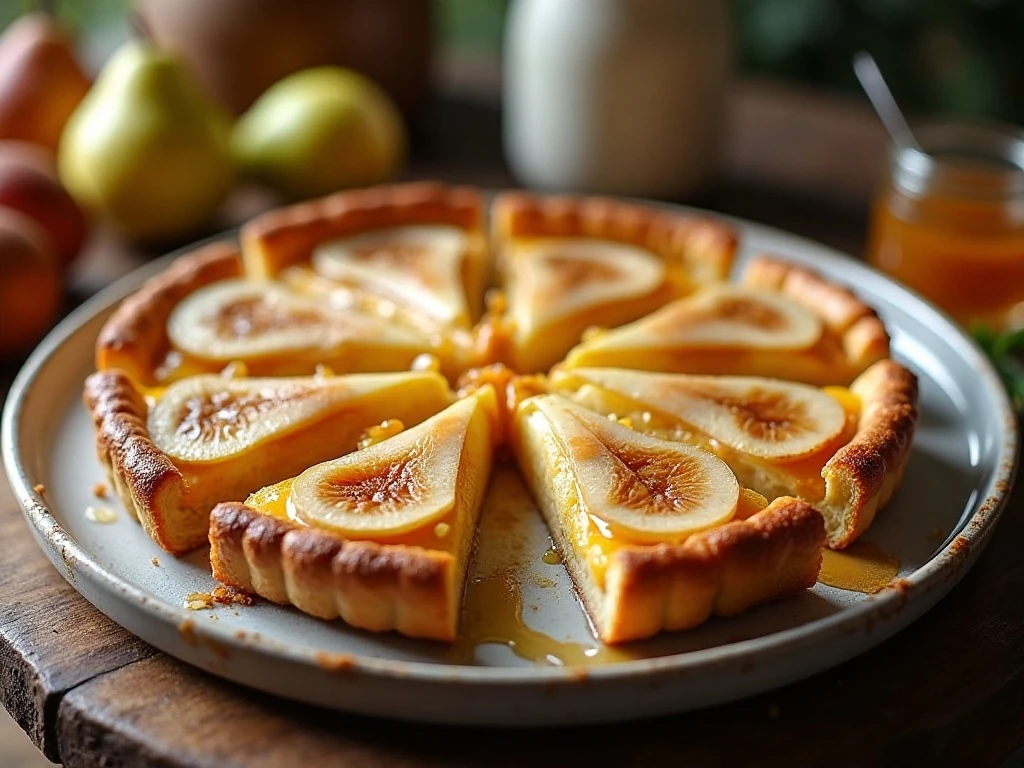
This pear and fig tart looks like something from a bakery window, yet the method is wonderfully approachable. Store-bought all-butter puff pastry supplies a crisp, flaky foundation, so your attention can stay on choosing beautiful fruit and arranging the layers.
The flavor is especially satisfying because it refuses to be only sweet. Honey and ripe pears provide floral sweetness, dried figs contribute a jammy chew, and aged Gouda adds a nutty, savory depth that keeps each bite interesting.
The tart also works across several occasions. Serve it as a dinner-party dessert, bring it to a brunch gathering, or cut it into small squares for an afternoon coffee break.
If you enjoy baking with a savory cheese accent, our cheddar bread recipe is another rewarding choice for your recipe collection, though this tart is the sweeter option.
Ingredients You’ll Need
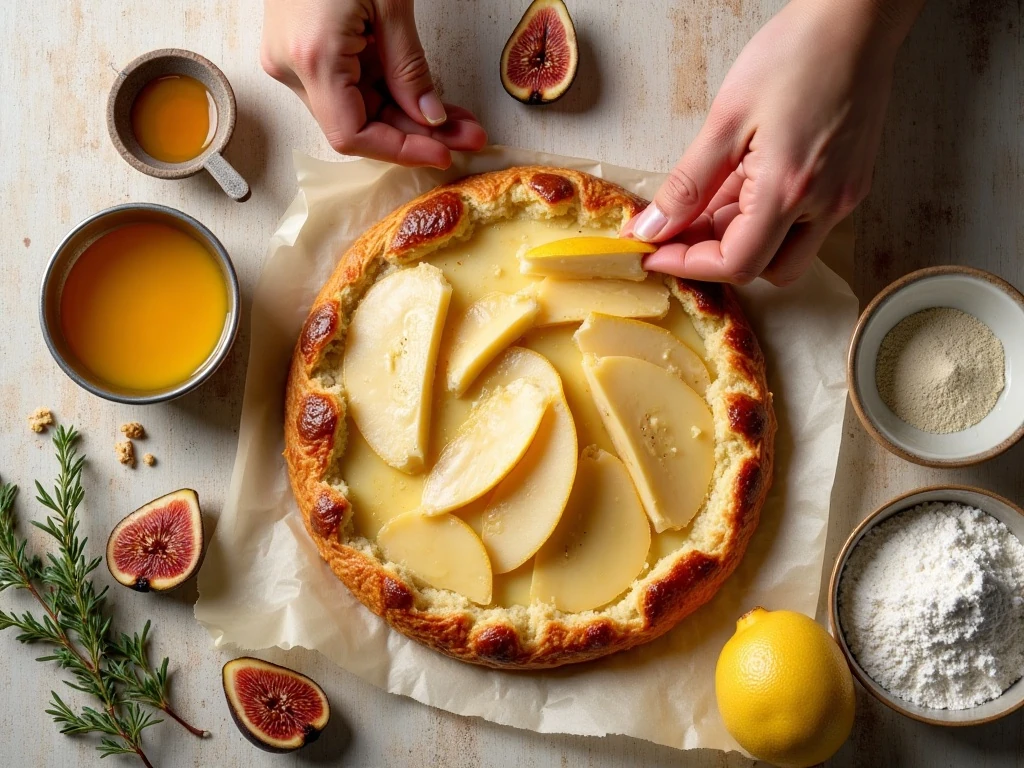
The ingredient list is short, but each component has a clear purpose. Choose the best-quality butter puff pastry you can find, and keep it cold so the layers remain distinct when the tart enters the oven.
- Puff pastry: One thawed sheet, about 8 ounces (225 grams), creates the crisp base and raised border.
- Pears: Use two medium firm-ripe pears, about 12 ounces (340 grams), cored and thinly sliced. They should yield gently under pressure but not feel soft.
- Dried figs: Six to eight figs, about 4 ounces (115 grams), bring concentrated fruit flavor. Soak them briefly only if they are unusually firm.
- Gouda: Four ounces (115 grams) of aged Gouda produce a bolder taste; young Gouda is a softer, milder alternative.
- Honey and lemon: Honey sweetens the fruit, while lemon juice and zest add brightness and help keep the filling from tasting heavy.
- Thickener: A tablespoon of flour or cornstarch absorbs excess pear juices and protects the pastry from becoming wet.
- Finishers: Egg wash and sugar help the border turn glossy and crisp. Thyme and chopped walnuts or pecans are optional but delicious.
For another fruit-forward pastry idea, take a look at these easy apple hand pies. Their portable format makes them a nice companion for picnics and casual gatherings.
How to Make It Step-by-Step
Step 1: Thaw the puff pastry according to the package directions, then return it to the refrigerator if it becomes soft. Cold pastry is easier to unfold and shape, and its butter layers puff more effectively in the hot oven.
Step 2: Prepare the dried figs if needed by placing them in hot water for 5 minutes. Drain and pat them completely dry, since extra water can add unnecessary moisture to the pastry.
Step 3: Place the thinly sliced pears in a bowl and add the lemon juice, lemon zest, flour or cornstarch, honey, and pinch of kosher salt. Toss gently until the fruit is evenly coated, taking care not to bruise the pears or turn the mixture into a thick mash.
Step 4: Heat the oven to 400°F (200°C), then line a baking sheet with parchment paper. Unfold the pastry onto the sheet and score a ¾-inch border around the edge without slicing all the way through; prick the center several times with a fork to limit excessive puffing beneath the filling.
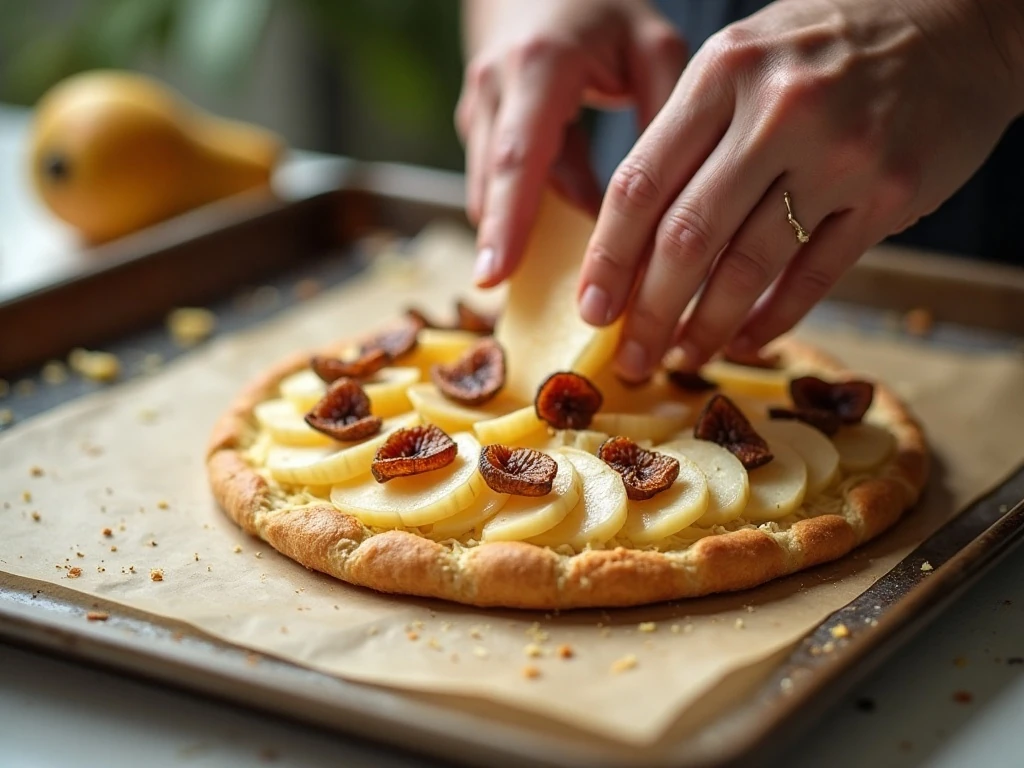
Step 5: Cover the center of the pastry with the Gouda, keeping the scored border clear. Arrange the pear slices in slightly overlapping rows, scatter the sliced figs across the top, and add thyme and nuts if using.
Step 6: Whisk the egg with 1 tablespoon of water, then brush it over the exposed pastry border. Sprinkle the border with turbinado or granulated sugar for a delicate crunch and a glossy golden finish.
Step 7: Chill the assembled tart for 10–15 minutes before baking. This short rest helps the pastry rise higher and keeps the butter from leaking while the tart begins to bake.
Step 8: Bake for 25–30 minutes, watching for deeply golden pastry, tender fruit, and bubbling cheese. If the edges color too quickly, loosely cover them with foil while the center finishes cooking.
Step 9: Let the tart cool for 10–15 minutes before cutting it into eight servings. Finish each portion with a fine drizzle of honey, and serve warm or at room temperature.
Chef’s Tips for Crisp, Flavorful Results
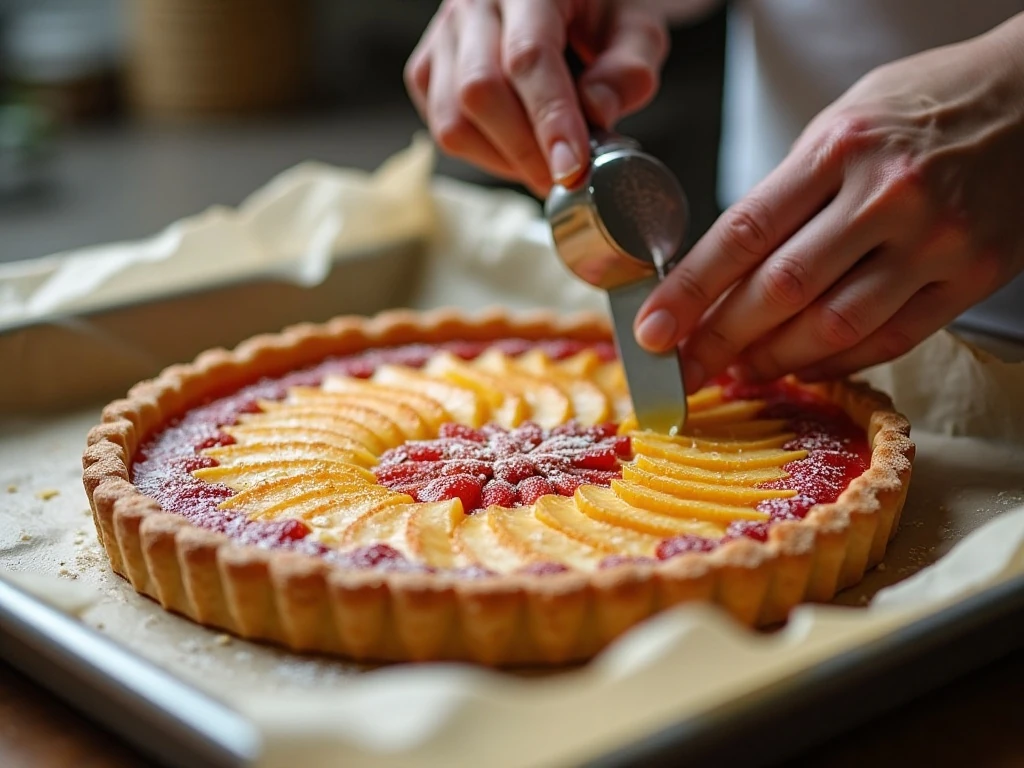
Firm pears are the most important choice for texture. Very ripe pears release more juice and may soften the pastry base before the crust has time to become crisp.
Slice the pears thinly and consistently so they cook at the same rate. A mandoline can help, but a sharp chef’s knife works well when you want slightly more rustic slices.
Do not cover the entire pastry with cheese or fruit. Leaving the border open gives the puff pastry room to rise and creates a defined frame around the filling.
Aged Gouda has a pronounced nutty, caramel-like flavor that complements figs particularly well. If you prefer a gentler dessert, use young Gouda, which melts smoothly and has a milder profile.
Watch the final minutes closely because honey-coated fruit can darken quickly. The tart is ready when the pastry is crisp and deeply golden, not merely when the cheese has melted.
For a little more contrast, add the optional walnuts or pecans before baking. Their toasted crunch is especially pleasant beside the soft figs and buttery crust.
Serving Suggestions
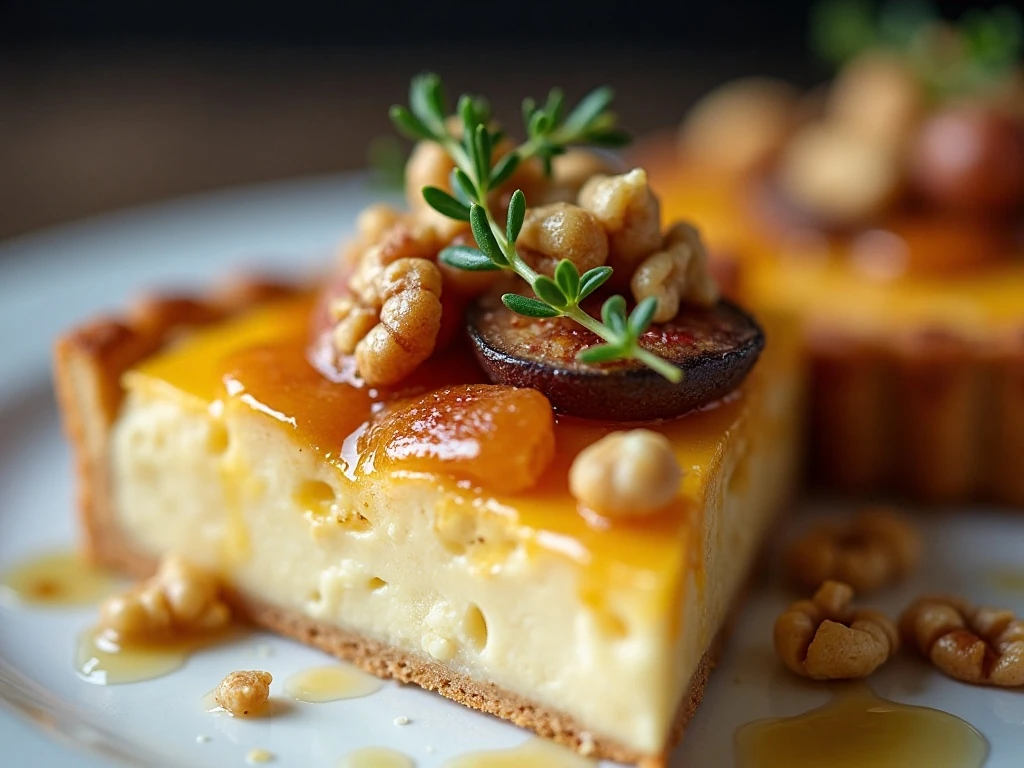
Serve slices slightly warm with the final honey drizzle still glistening on top. A spoonful of lightly sweetened whipped cream, vanilla ice cream, or cool crème fraîche can provide a creamy contrast, although the tart is flavorful enough to stand on its own.
Fresh thyme makes the presentation look polished and reinforces the gentle herbal note in the filling. For a festive table, arrange the tart on a wooden board with extra pear wedges, figs, and a small bowl of honey.
This dessert is also a lovely end to a savory meal. After a richly seasoned dinner such as an easy Thai green curry, serve small tart slices so the fruit and lemon bring a bright finish.
Storage and Reheating
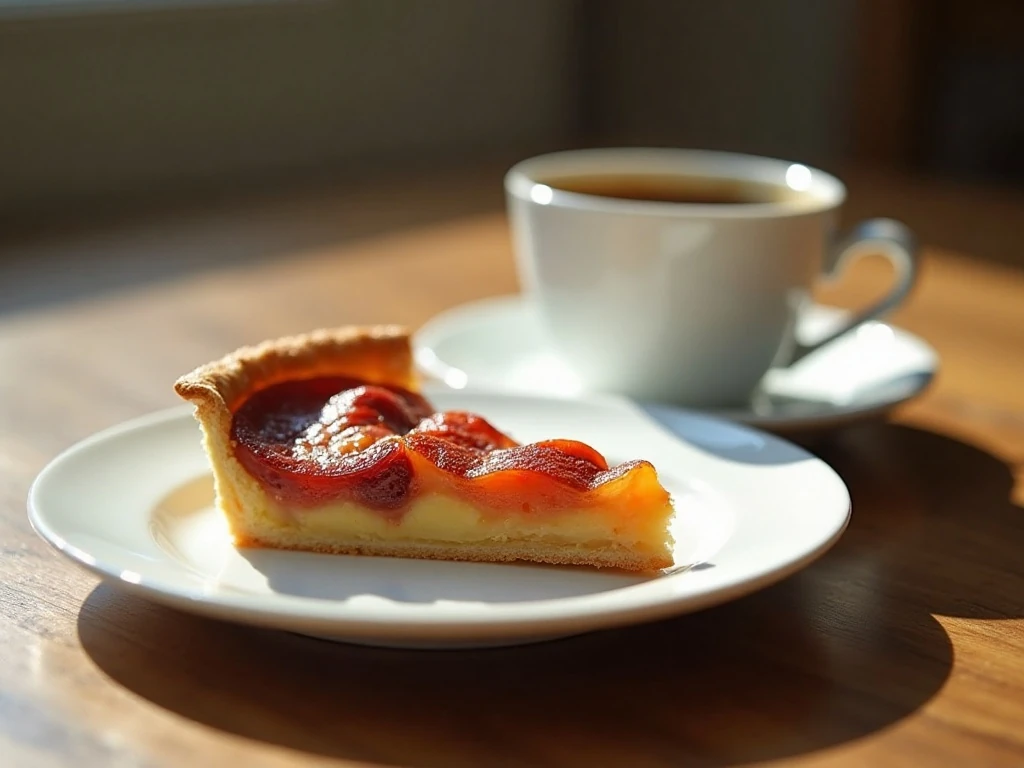
Allow leftovers to cool completely, then store them covered in the refrigerator. The tart is best within two days, although the pastry will gradually lose some of its original crispness as it absorbs moisture from the fruit.
Reheat individual slices in a 350°F oven or toaster oven until warmed and lightly crisp. Avoid microwaving when possible, because it can make puff pastry soft and chewy.
If you plan to serve the tart later the same day, keep it at room temperature for a short period after cooling and add the finishing honey just before serving. Do not drizzle the extra honey too early, since it can soften the crust.
For a small, no-bake sweet to serve alongside coffee after dessert, these three-ingredient cheesecake bites offer a creamy contrast to the crisp fruit tart.
Variations to Try
Fresh figs can replace dried figs when they are in season. Use approximately six fresh figs, quartered, and omit the soaking step; their delicate texture will create a softer, more jammy layer.
You can also experiment with the pear variety while keeping the same quantity. Bosc pears hold their shape beautifully, while Anjou pears offer a tender texture and gentle sweetness when they are still firm-ripe.
For a different pastry direction, some versions use a homemade sweet tart crust instead of puff pastry. Puff pastry remains the more typical choice for this quick, rustic format, especially when you want a tall, flaky edge with minimal preparation.
Keep the topping balanced if you customize the tart. Too many nuts or too much fruit can weigh down the pastry and prevent the center from baking evenly.
When planning a full meal, browse these garlic shrimp tortellini for another dinner idea, then finish with this pear, fig, and Gouda tart.
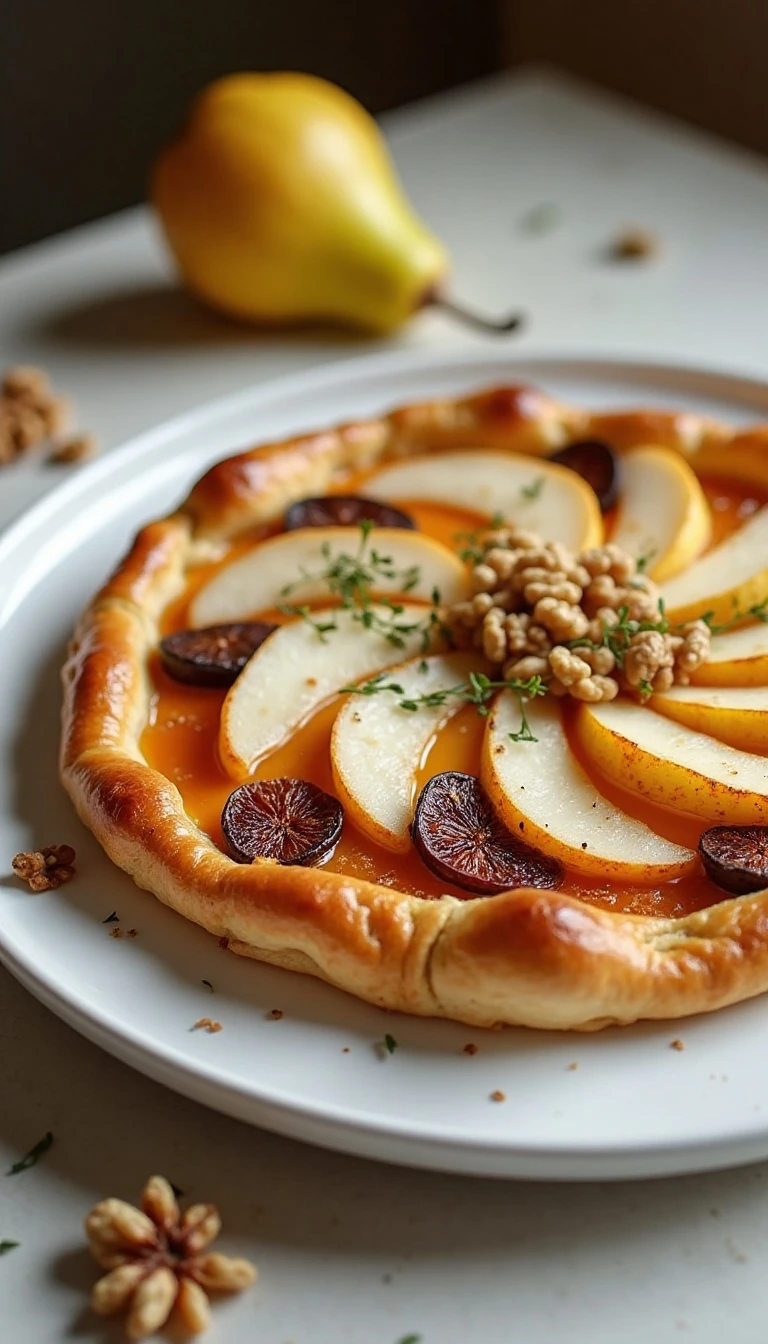
Decadent Pear, Fig & Gouda Tart
Ingredients
Method
- Thaw the puff pastry according to the package directions, keeping it chilled until you are ready to assemble the tart.
- If the dried figs feel very firm, soak them in hot water for 5 minutes. Drain them thoroughly and pat them dry before slicing.
- Toss the pear slices with the lemon juice, lemon zest, flour or cornstarch, honey, and kosher salt. Mix gently so the pears are coated without breaking their thin slices.
- Heat the oven to 400°F (200°C) and line a baking sheet with parchment. Unfold the chilled pastry on the sheet, score a ¾-inch border without cutting through, and prick the center several times with a fork.
- Arrange the Gouda over the pastry center, leaving the border uncovered. Layer the pears and figs over the cheese, then sprinkle with thyme and the optional nuts.
- Brush the pastry border with the beaten egg and water mixture, then sprinkle the border with the sugar. Chill the assembled tart for 10–15 minutes before baking.
- Bake for 25–30 minutes, until the pastry is deeply golden, puffed, and crisp and the fruit is tender. If the edges brown too quickly, loosely cover them with foil.
- Cool the tart for 10–15 minutes before slicing. Drizzle with additional honey if desired and serve while slightly warm or at room temperature.
Notes
Final Thoughts
This Decadent Pear, Fig & Gouda Tart proves that an impressive dessert does not require complicated pastry work. With chilled puff pastry, carefully chosen pears, chewy figs, and fragrant Gouda, you can create a golden centerpiece in under an hour.
Remember the essentials: keep the pastry cold, use firm-ripe pears, protect the border, chill the assembled tart for 10–15 minutes, and allow it to cool for 10–15 minutes before slicing. Finish with honey just before serving for a glossy, fragrant touch.
Whether served after dinner, alongside coffee, or as part of a celebratory brunch, this tart offers a delicious meeting point between sweet fruit and savory cheese. It is rustic, elegant, and richly satisfying from the first crisp bite to the last tender piece of fig.