The best short ribs recipe is a slow oven braise made with deeply seared bone-in beef, red wine, beef stock, tomato paste, onions, carrots, celery, garlic, and fresh herbs. Cooked at 325°F for 3 to 3½ hours, the ribs become exceptionally tender while the cooking liquid transforms into a rich, savory sauce.
This red-wine-braised method delivers bold beef flavor, a silky sauce, and meat that nearly falls from the bone. Serve the ribs over mashed potatoes, creamy polenta, egg noodles, or with crusty bread for a comforting dinner that tastes special enough for guests but is straightforward enough for a relaxed weekend meal.
Jump to RecipeWhy You’ll Love This Recipe
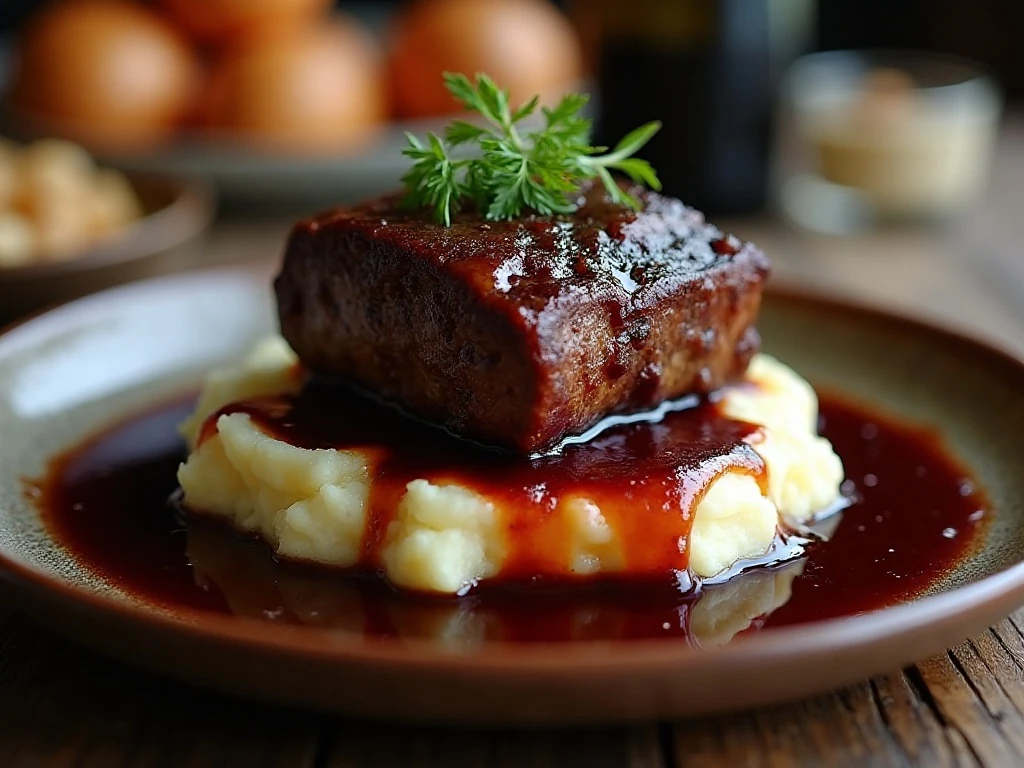
Short ribs are one of the most rewarding cuts for slow cooking because they contain generous marbling and connective tissue. A long, gentle braise gives that connective tissue time to soften, resulting in meat that is succulent, fork-tender, and full of beefy flavor.
The sauce is just as memorable as the ribs. Red wine adds fruit, acidity, and depth, while tomato paste contributes savory richness and a beautiful dark color.
This is also a practical make-ahead dinner. The flavors become even more rounded after resting overnight, and chilling makes it easy to lift away the layer of solidified fat before reheating.
If you are planning a full comfort-food menu, a quick pasta dish such as these sausage stuffed shells can be saved for another evening when you want something hearty with less cooking time.
Ingredients You’ll Need
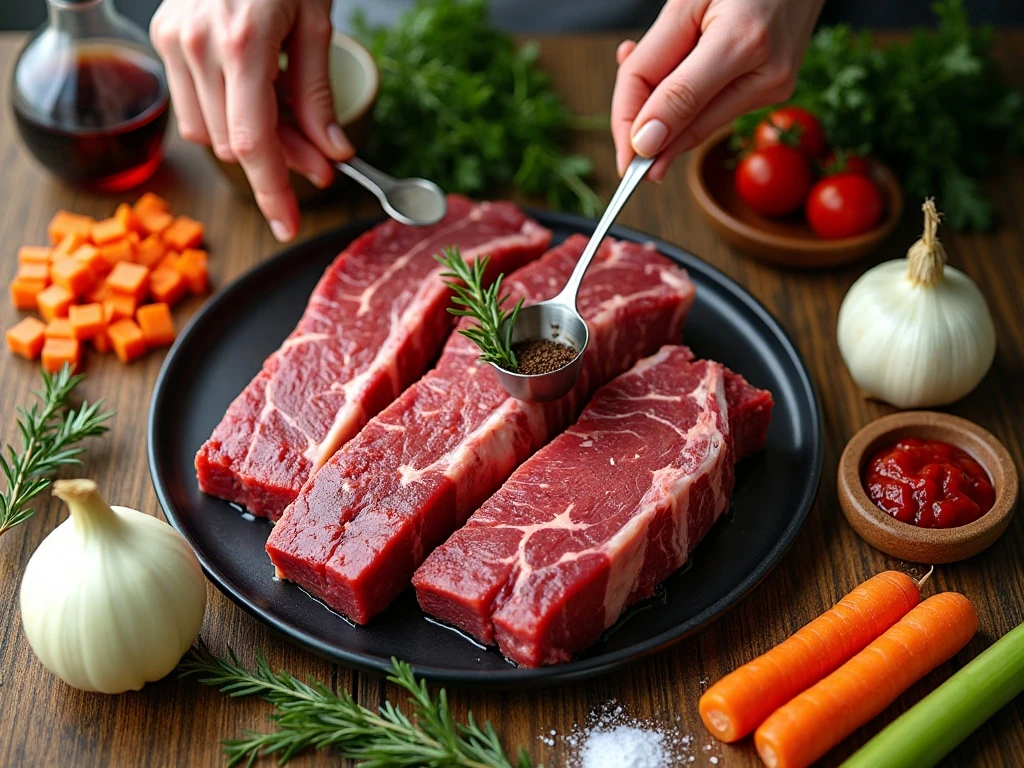
Choose meaty, bone-in short ribs, preferably English-cut. English-cut ribs are thick pieces of beef resting on one bone, which makes them especially suitable for a long Dutch oven braise.
- Beef short ribs: Five pounds provide 4-6 generous servings.
- Aromatics: Onion, carrots, celery, and garlic create a rounded savory foundation.
- Tomato paste: Two tablespoons add concentrated umami and help deepen the sauce.
- Red wine: Use two cups of a dry wine you would enjoy drinking, such as Cabernet Sauvignon, Merlot, or Pinot Noir.
- Beef stock and herbs: Low-sodium stock, bay leaves, thyme, and optional rosemary complete the braising liquid.
- Finishing ingredients: Optional flour can thicken the sauce, while chopped parsley adds freshness.
Because the stock is low in sodium and the ribs are seasoned before searing, you have better control over the final flavor. Taste the sauce only after it has reduced, then add more salt if necessary.
For a simple dessert after this rich main course, serve a small spoonful of bright homemade lemon curd with berries or shortbread.
How to Make It Step-by-Step
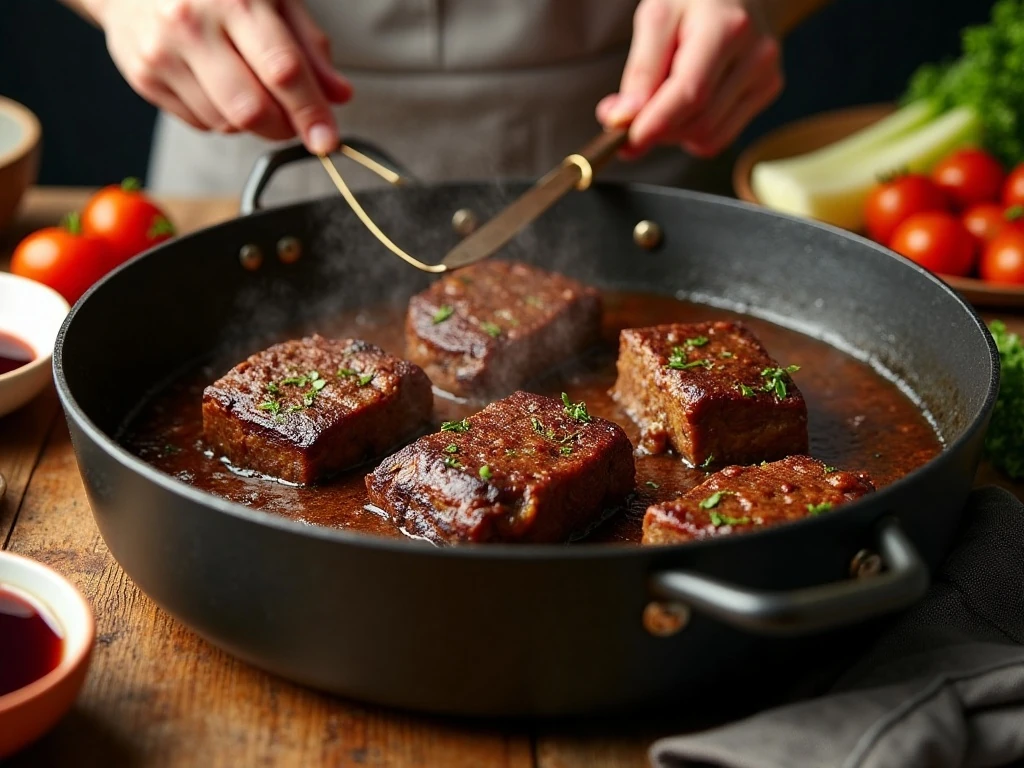
Step 1: Heat the oven to 325°F (165°C), then pat the ribs thoroughly dry with paper towels. Season every surface generously with the kosher salt and black pepper, since a well-seasoned crust builds the first layer of flavor.
Step 2: Heat the oil in a large Dutch oven over medium-high heat. Brown the ribs in batches on all sides for about 8-12 minutes total per batch, making sure not to crowd the pot; transfer each browned batch to a plate.
Step 3: Add the onion, carrots, and celery to the same pot. Cook them for 5-8 minutes, stirring from time to time, until they soften and pick up light golden color from the fond left by the ribs.
Step 4: Stir in the garlic and tomato paste and cook for 1-2 minutes. The paste should darken slightly and coat the vegetables, but watch carefully so the garlic and tomato do not scorch.
Step 5: Pour in the red wine and immediately scrape the bottom of the Dutch oven with a wooden spoon. Simmer for 5-10 minutes, allowing the wine to reduce somewhat and concentrate its flavor.
Step 6: Return the browned ribs to the pot, arranging them as evenly as possible. Add enough beef stock to come about halfway to two-thirds up the meat, then tuck in the bay leaves, thyme, and optional rosemary.
Step 7: Bring the liquid to a gentle simmer, cover the Dutch oven tightly, and place it in the oven. Braise for 3-3½ hours, turning the ribs once if needed, until a fork slips easily into the meat and it is nearly falling from the bones.
Step 8: Carefully transfer the ribs to a platter and skim excess fat from the surface of the cooking liquid. Simmer the liquid uncovered if you want a more concentrated sauce, or whisk in a small amount of flour for additional thickness.
Step 9: Remove the bay leaves and herb sprigs, then taste the sauce for seasoning. Spoon the sauce over the short ribs, sprinkle with chopped parsley, and serve while hot.
Pro Tips for Tender, Flavorful Ribs
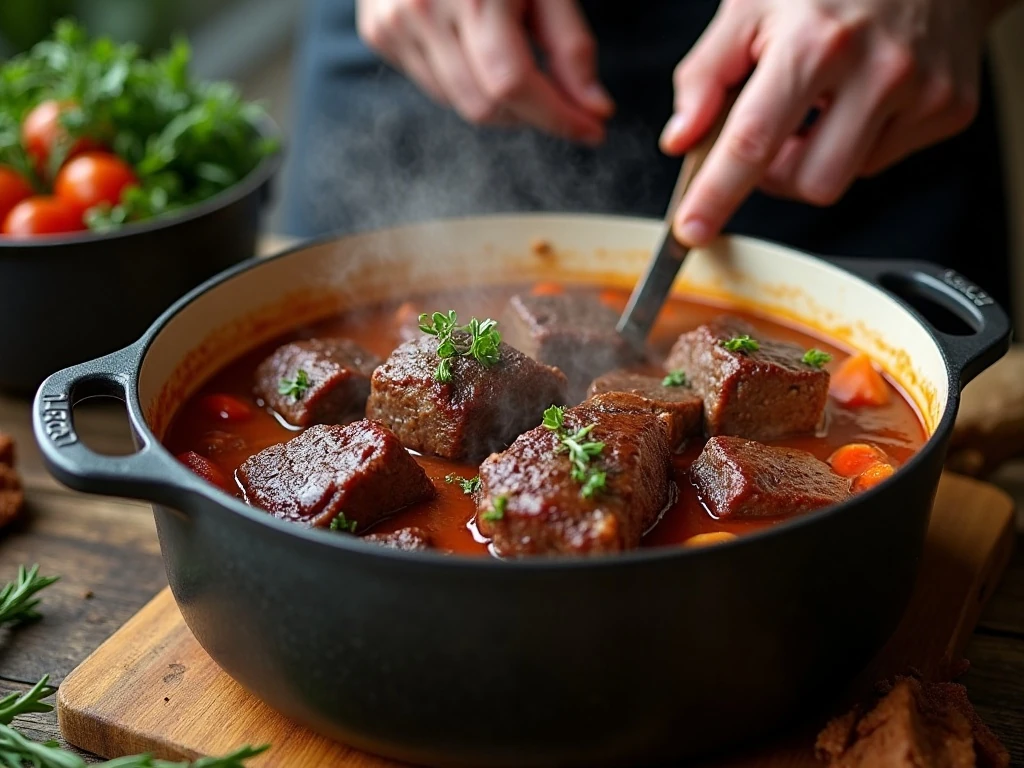
Dry the meat well: Moisture creates steam in the pot and interferes with browning. Patting the ribs completely dry helps them form a dark, savory crust.
Do not rush the sear: Brown the ribs in batches and allow each side to develop color. That browned coating and the caramelized bits on the pot are major contributors to the finished sauce.
Keep the braise gentle: The liquid should barely simmer rather than boil rapidly. Slow collagen breakdown makes the meat tender, while aggressive boiling can leave the meat tougher and the sauce greasy.
Use the right amount of stock: The liquid should come halfway to two-thirds up the meat, not completely cover it. The covered oven environment provides plenty of moist heat without turning the ribs into boiled beef.
Plan ahead when possible: After chilling overnight, the fat solidifies on top and can be lifted away easily. Reheat the ribs gently in their sauce so the meat stays moist.
For another savory baking project to serve alongside future dinners, try these jalapeño buttermilk biscuits. Their buttery crumb is excellent for catching any extra sauce.
Serving Suggestions
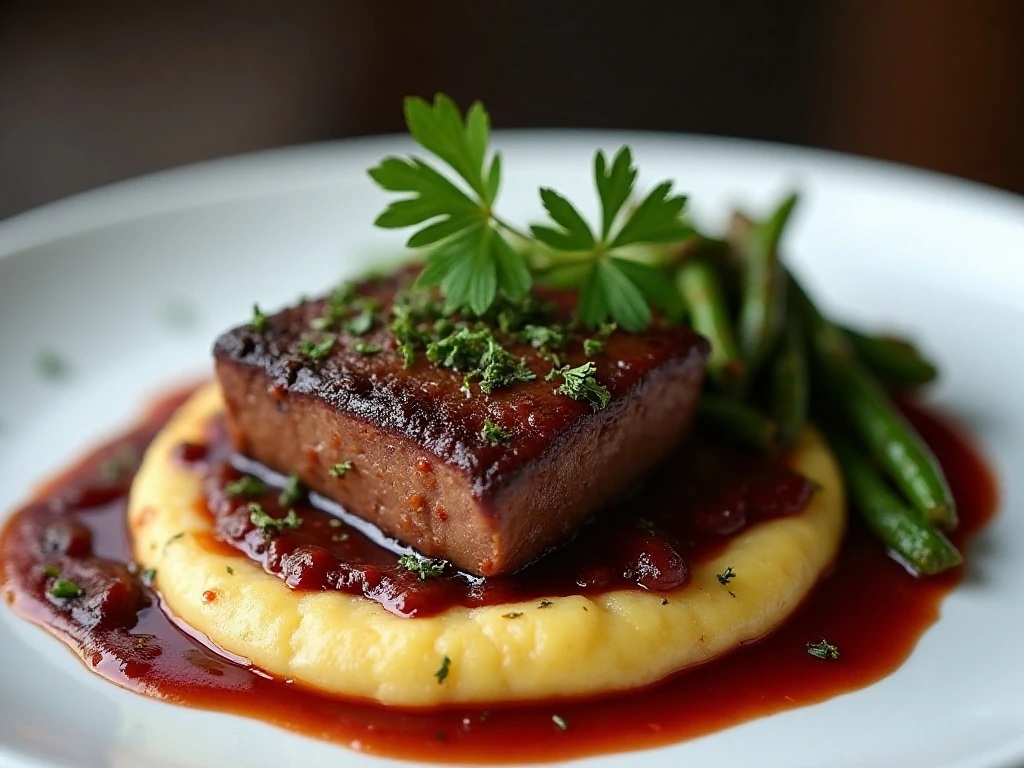
Creamy mashed potatoes are the classic partner for short ribs because they absorb the red-wine sauce beautifully. Spoon a rib and plenty of sauce over each portion, then finish with parsley for color and a fresh herbal note.
Polenta, egg noodles, and crusty bread are also excellent choices. If serving bread, choose a sturdy loaf with enough structure to soak up the sauce without falling apart.
- Pair with roasted green beans or broccolini for a crisp vegetable contrast.
- Add a simple bitter-greens salad dressed with lemon to balance the richness.
- Serve smaller portions with plenty of sauce for an elegant dinner party presentation.
Keep dessert simple after such a substantial meal. Small squares of festive peppermint brownies or a light fruit dessert provide a pleasant finish.
Storage and Reheating
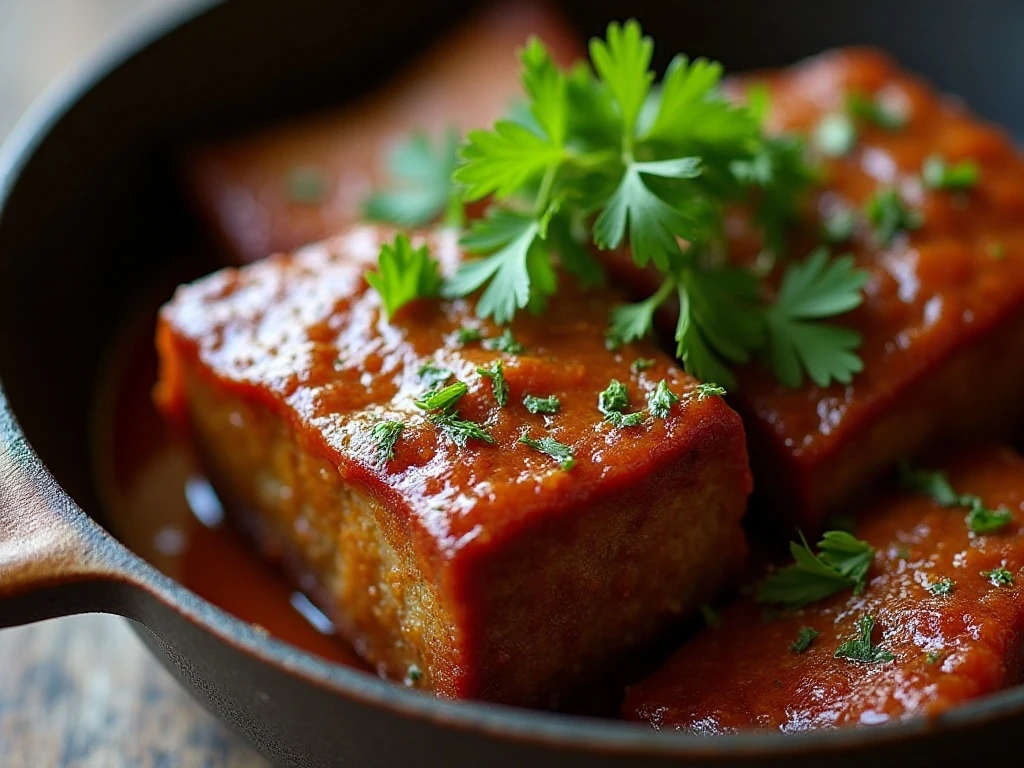
Let the cooked ribs cool in their sauce, then refrigerate them in a tightly covered container. They are best used within a few days, and the overnight rest gives the flavors additional time to come together.
To reheat, remove the chilled fat from the surface and warm the ribs gently in the sauce until heated through. Avoid a hard boil, which can dry the meat and break the sauce.
You can also portion the ribs and sauce for convenient future meals. Reheat slowly on the stovetop or in a covered oven-safe dish, adding a small splash of stock only if the sauce has become unusually thick.
A sweet make-ahead treat such as homemade pumpkin fudge can be prepared while the ribs chill, giving you an easy dessert ready for serving.
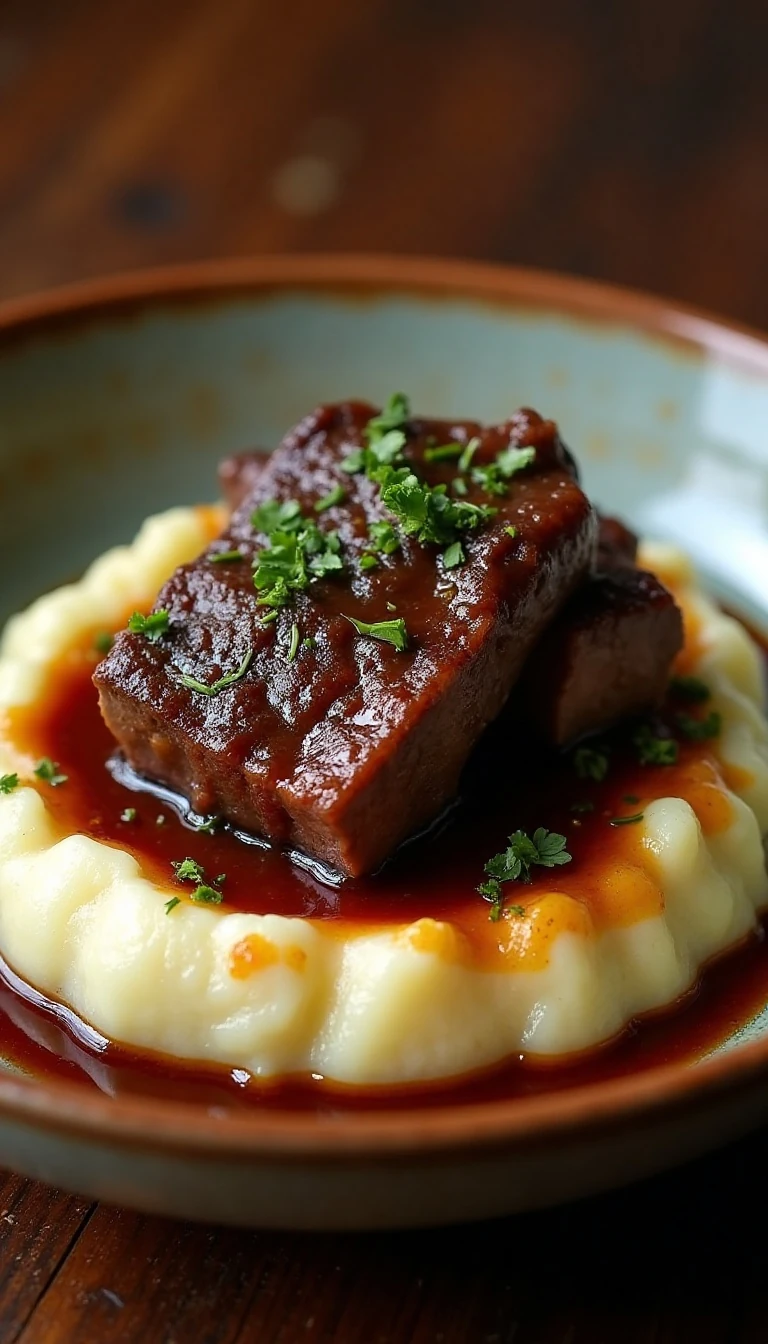
The Best Short Ribs Recipe for Rich, Tender Flavor
Ingredients
Method
- Heat the oven to 325°F (165°C). Pat the short ribs very dry, then season all over with the kosher salt and freshly ground black pepper.
- Heat the oil in a large Dutch oven over medium-high heat. Brown the ribs in batches on every side, about 8-12 minutes total per batch, then transfer them to a plate.
- Add the diced onion, carrots, and celery to the pot. Cook for 5-8 minutes, stirring occasionally, until the vegetables soften and develop light browning.
- Add the garlic and tomato paste. Stir for 1-2 minutes, allowing the tomato paste to darken slightly without burning.
- Pour in the red wine and scrape the browned bits from the bottom of the Dutch oven. Simmer for 5-10 minutes so the wine reduces somewhat.
- Return the ribs to the pot and add enough beef stock to reach about halfway to two-thirds up the meat. Add the bay leaves, thyme, and optional rosemary.
- Bring the liquid to a gentle simmer, cover the pot tightly, and transfer it to the oven. Braise for 3-3½ hours, turning the ribs once if needed, until the meat is very tender and nearly falling from the bones.
- Transfer the ribs to a platter and skim excess fat from the cooking liquid. For a thicker sauce, simmer the liquid uncovered until reduced, or whisk in a small amount of flour if desired.
- Remove the herbs and bay leaves, then taste the sauce and adjust the seasoning as needed. Spoon the sauce over the ribs, garnish with chopped parsley, and serve immediately.
Notes
Final Thoughts
This short ribs recipe succeeds because every stage has a purpose: dry meat creates better browning, browned vegetables build a savory base, reduced red wine adds depth, and a slow covered braise transforms a tough cut into tender, luxurious beef.
Give yourself the full 4 to 4½ hours for preparation, cooking, resting, and sauce finishing. The oven does most of the work, leaving you with a deeply flavored meal that feels wonderfully generous when ladled over mashed potatoes, polenta, or noodles.
For the most polished result, make the ribs a day ahead, remove the chilled fat, and reheat them gently in the sauce. Finish with parsley, bring the Dutch oven to the table, and enjoy every last spoonful.