Chicken chow mein is an easy 35–40-minute dinner made with tender marinated chicken, wheat-based chow mein noodles, crisp vegetables, and a savory soy-oyster sauce. This four-serving recipe uses a quick high-heat stir-fry method so every noodle is coated without turning soft or watery.
Expect springy noodles, juicy browned chicken, crunchy cabbage and bean sprouts, and a glossy sauce with deep savory flavor, gentle sweetness, and toasted sesame aroma. Prepare all the ingredients before you heat the wok, because the cooking moves quickly once the pan is hot.
Jump to RecipeWhy You’ll Love This Recipe
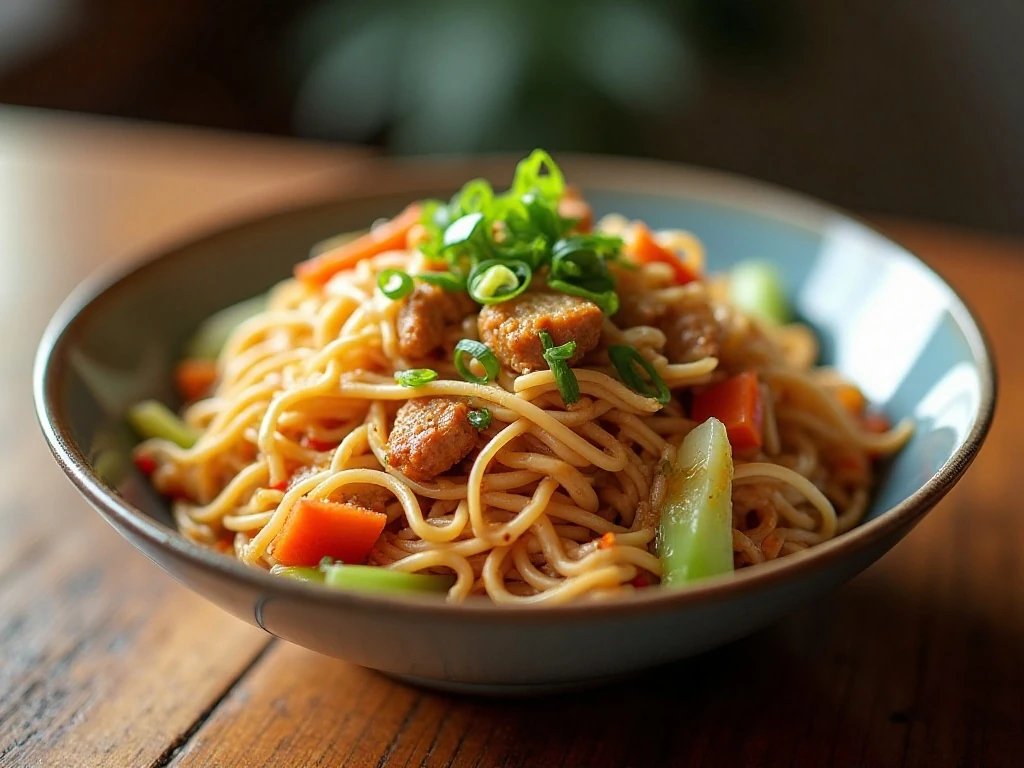
This chicken chow mein delivers the comfort of takeout with the speed and control of a home-cooked dinner. The chicken is lightly coated with cornstarch before frying, which helps it develop a browned exterior while staying tender inside.
The sauce balances salty light soy sauce, rich oyster sauce, fragrant Shaoxing wine, nutty sesame oil, sugar, and white pepper. It is flavorful enough to season the noodles and vegetables without drowning them.
Every bite also has contrast: soft, springy noodles meet crisp cabbage, carrot, celery, and bean sprouts. If you enjoy quick chicken dinners, you may also like our honey garlic chicken for another weeknight-friendly option.
Ingredients You’ll Need
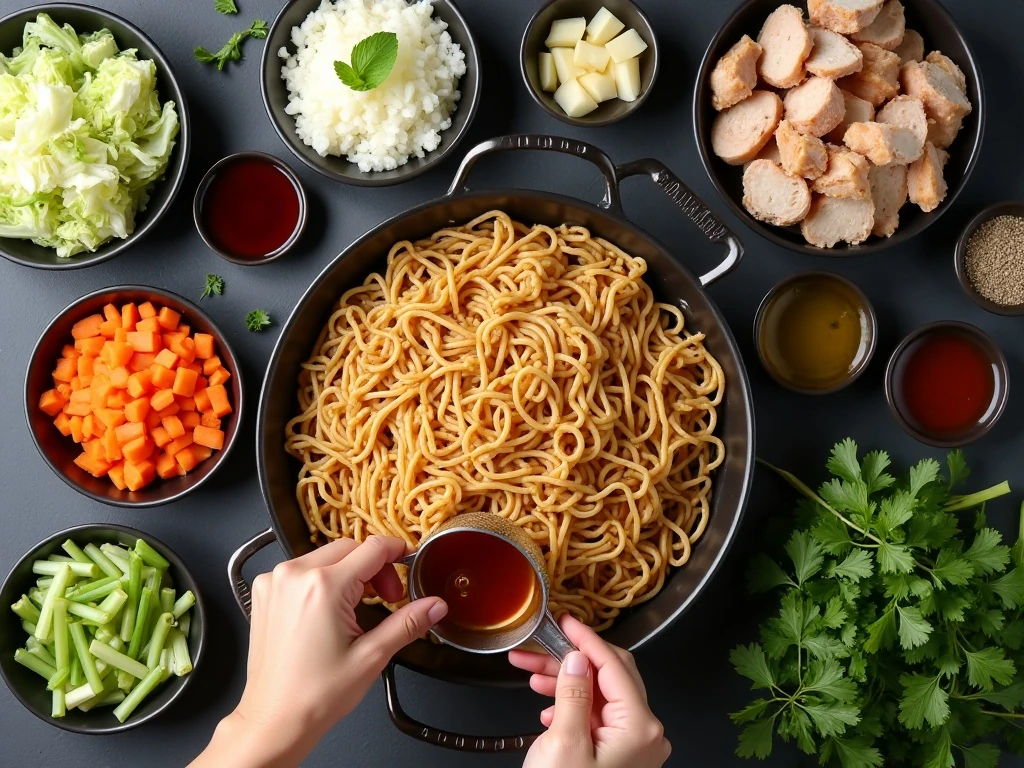
Use fresh chow mein or fresh wheat noodles when available. Chow mein is generally made with wheat-based or egg noodles rather than rice noodles, and their firm texture holds up well during tossing.
- Chicken: Choose boneless, skinless breast or thighs and slice them thinly for quick cooking.
- Noodles: Use 14 ounces of fresh noodles, or about 8 ounces of dried noodles cooked just until barely tender.
- Vegetables: Onion, cabbage, carrot, celery, bean sprouts, garlic, ginger, and green onions provide color, freshness, and crunch.
- Sauce: Soy sauce supplies salt and color, while oyster sauce gives the characteristic savory depth.
- Oil: A neutral oil is best for high-heat cooking, with toasted sesame oil reserved for the sauce.
Measure the sauce ingredients into one bowl and arrange the vegetables in the order they will enter the pan. This small amount of preparation makes the cooking calm and prevents the aromatics from scorching.
How to Make It Step-by-Step
Step 1: Toss the thinly sliced chicken with 1 tablespoon light soy sauce, 1 teaspoon cornstarch, and 1 teaspoon neutral oil. Let it rest for 10–15 minutes so the seasoning reaches the surface and the cornstarch can cling to each piece.
Step 2: Mix 3 tablespoons light soy sauce, 1 tablespoon oyster sauce, 1 tablespoon Shaoxing wine or dry sherry, 1 teaspoon toasted sesame oil, 1 teaspoon sugar, 1/4 teaspoon white pepper, and 2 tablespoons water. Stir until the sugar is mostly dissolved, then keep the bowl close to the stove.
Step 3: Prepare the noodles according to their type. Briefly blanch or rinse fresh noodles in hot water, while dried noodles should be cooked according to the package directions until barely tender; drain thoroughly and add a little oil only if they are sticking.
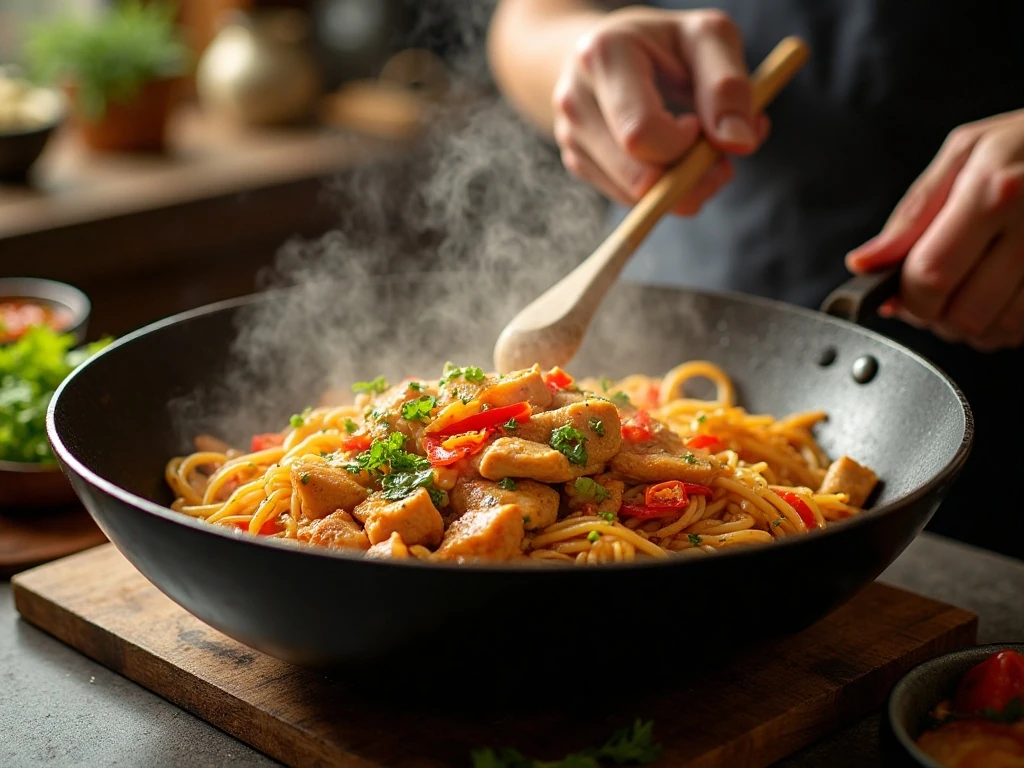
Step 4: Heat a large wok or skillet over high heat and add 1 tablespoon neutral oil. Stir-fry the chicken in a single layer for about 3–4 minutes, turning once or twice, until browned and cooked through; remove it immediately so it does not overcook.
Step 5: Pour in the remaining oil, then add the onion, carrot, celery, cabbage, garlic, and ginger. Stir-fry for 2–3 minutes, moving the ingredients constantly so the vegetables soften slightly while retaining their bite.
Step 6: Add the noodles and pour the prepared sauce around the sides of the hot pan. Toss continuously for 2–3 minutes, using two utensils if helpful, until the noodles take on a glossy color and absorb the seasoning.
Step 7: Return the chicken to the pan, then add the bean sprouts and most of the green onions. Toss for another 1–2 minutes, just until the chicken is hot and the sprouts are warmed but still crisp.
Step 8: Taste one noodle and remove the pan from the heat as soon as the texture is springy and the sauce is evenly distributed. Garnish with the remaining green onions and serve immediately.
Chef’s Tips for Better Chow Mein
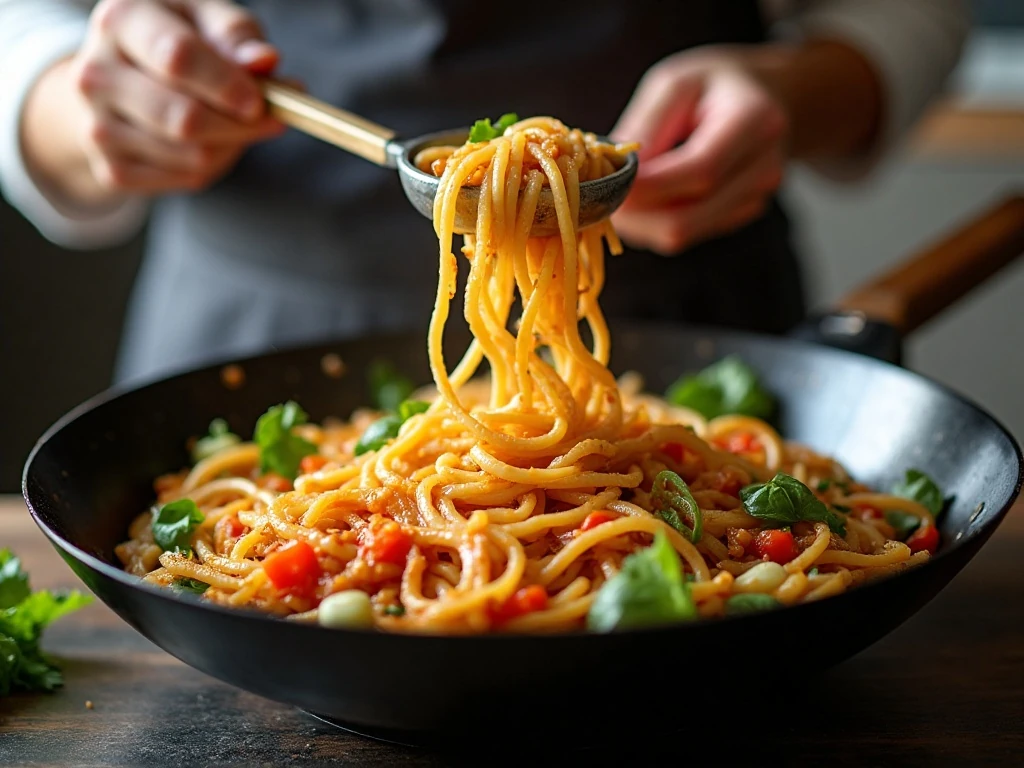
The most important technique is managing moisture. A crowded pan traps steam, so the chicken should be cooked separately and the noodles should be drained very well before they reach the wok.
- Slice evenly: Thin, similarly sized chicken pieces cook at the same rate and are easier to distribute through the noodles.
- Keep the heat high: High heat creates quick browning and helps the vegetables stay crisp.
- Do not overcook the noodles: They continue cooking for several minutes in the sauce, so barely tender noodles are ideal.
- Toss instead of stirring slowly: Lift the noodles and turn them through the vegetables so they do not sit against the hot pan.
- Use a large pan: A wide wok or skillet gives the ingredients room to contact the heat instead of steaming.
For a complete meal, serve the chow mein on its own or pair it with a small vegetable starter. Our roasted eggplant dip offers a smoky appetizer when you want to begin dinner with something shareable.
Serving, Storage, and Reheating
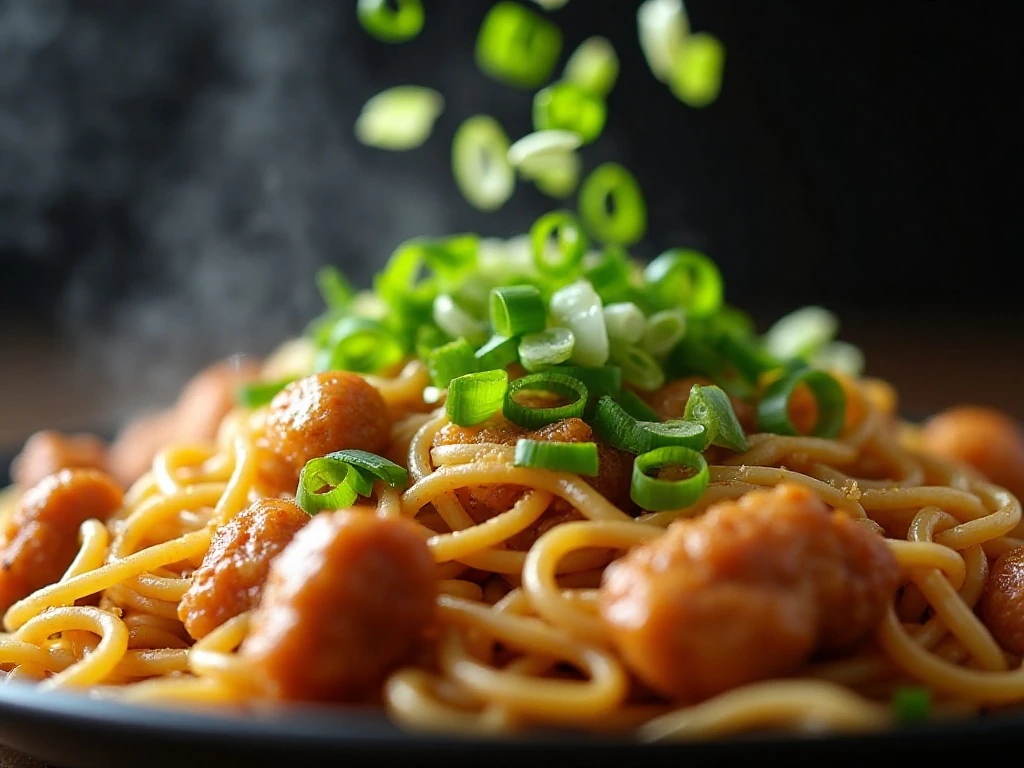
Serve chicken chow mein immediately, while the noodles are glossy and the vegetables are crisp. A final scattering of green onions adds a fresh, lightly sharp flavor that cuts through the savory sauce.
Leftovers can be refrigerated promptly in an airtight container. For the best texture, reheat them in a hot skillet with a small splash of water, tossing just until warmed through rather than microwaving for a long period.
Because the noodles absorb sauce as they sit, the next-day texture will be a little softer. Even so, the dish remains satisfying for lunch, especially when reheated quickly over medium-high heat.
For more chicken-centered dinner inspiration, try these bacon-wrapped chicken strips or keep crispy orange chicken wings in mind for a casual weekend meal.
Easy Variations
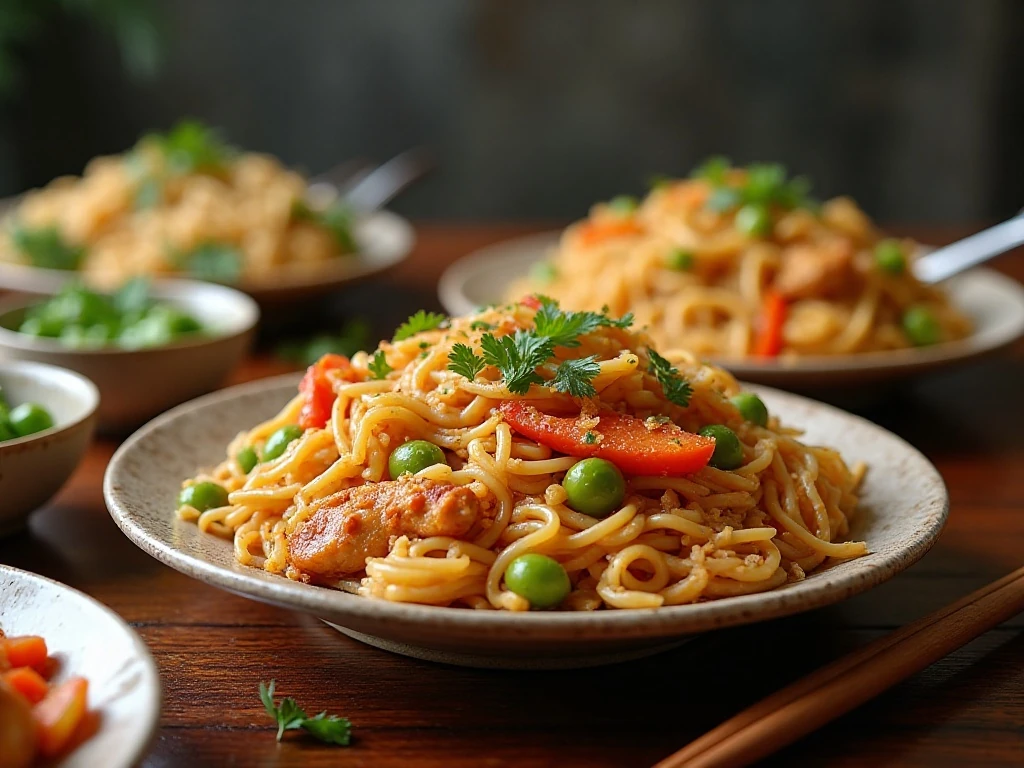
The listed vegetables create a classic combination, but the method is flexible. Keep the total amount of vegetables close to the recipe quantity so the pan does not become too crowded or watery.
- Use chicken thighs for a slightly richer, juicier result.
- Add more cabbage if you prefer extra vegetable volume and crunch.
- Replace part of the carrot with another crisp vegetable while keeping the sauce quantities unchanged.
- Use dry sherry when Shaoxing wine is unavailable.
- Serve smaller portions alongside another dish for a family-style dinner.
Keep the noodles as the foundation of the dish. Rice noodles will produce a different texture and are not the traditional choice for this wheat-noodle chow mein formula.
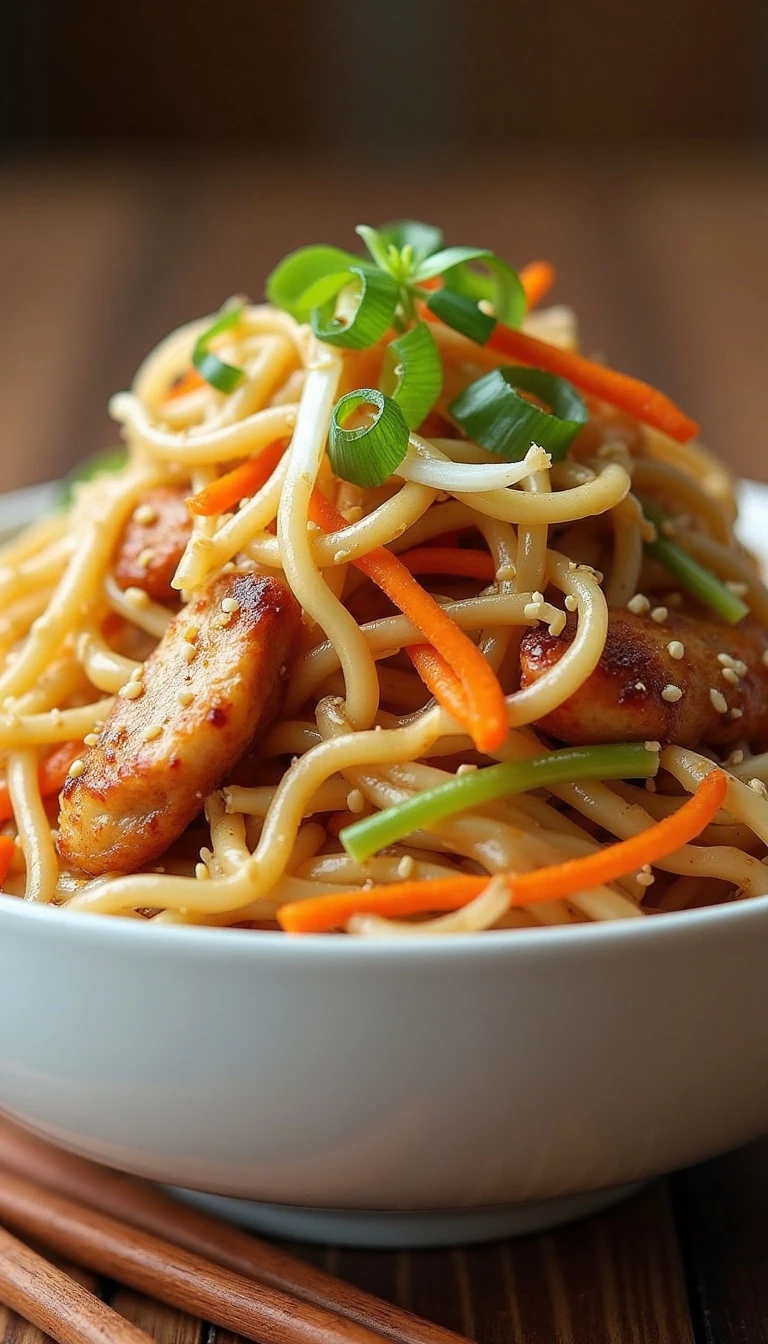
Chicken Chow Mein
Ingredients
Method
- Slice the chicken thinly and toss it with 1 tablespoon light soy sauce, 1 teaspoon cornstarch, and 1 teaspoon neutral oil. Let it stand for 10–15 minutes while you prepare the remaining ingredients.
- Whisk the 3 tablespoons light soy sauce, oyster sauce, Shaoxing wine or dry sherry, sesame oil, sugar, white pepper, and water in a small bowl. Set the sauce beside the stove so it is ready for the fast stir-fry.
- Briefly blanch or rinse fresh noodles in hot water, then drain thoroughly. If using dried noodles, cook them according to the package directions until barely tender, drain well, and toss with a little oil if sticky.
- Heat a large wok or skillet over high heat, add 1 tablespoon oil, and stir-fry the chicken in a single layer for about 3–4 minutes. Turn the pieces as needed until browned and cooked through, then remove them from the pan.
- Add the remaining 1 tablespoon oil, followed by the onion, carrot, celery, cabbage, garlic, and ginger. Stir-fry for 2–3 minutes, keeping the vegetables slightly crisp rather than soft.
- Add the prepared noodles and pour in the sauce. Toss continuously for 2–3 minutes, lifting and turning the noodles so they absorb the sauce without breaking.
- Return the cooked chicken to the wok and add the bean sprouts and most of the sliced green onions. Toss for another 1–2 minutes, just until everything is hot and the sprouts remain pleasantly crisp.
- Transfer the chow mein to serving bowls and scatter the remaining green onions over the top. Serve immediately while the noodles are glossy, hot, and springy.
Notes
Final Thoughts
This easy chicken chow mein is a dependable dinner when you want bold flavor without a long ingredient list or an elaborate cooking process. Marinating the chicken, preparing the noodles carefully, and cooking in stages are the details that make the finished dish taste fresh rather than heavy.
Once everything is chopped and the sauce is mixed, the meal comes together in about 12–15 minutes at the stove. Serve it hot with the remaining green onions, and enjoy a colorful, savory bowl of homemade chow mein that is every bit as comforting as your favorite restaurant version.