Chicken Francese is a quick Italian-American dinner made with thin chicken cutlets coated in flour and egg, pan-fried until golden, then finished in a bright lemon-butter sauce. This simple recipe serves four and takes about 40 minutes total, including 15 minutes of preparation and 25 minutes of cooking.
The result is tender chicken with a delicate, crispy coating and a silky sauce made from browned pan juices, dry white wine, chicken broth, fresh lemon juice, and butter. Serve it immediately with pasta, rice, roasted vegetables, or crusty bread so every drop of the glossy sauce has a place to go.
Jump to RecipeWhy You’ll Love This Recipe
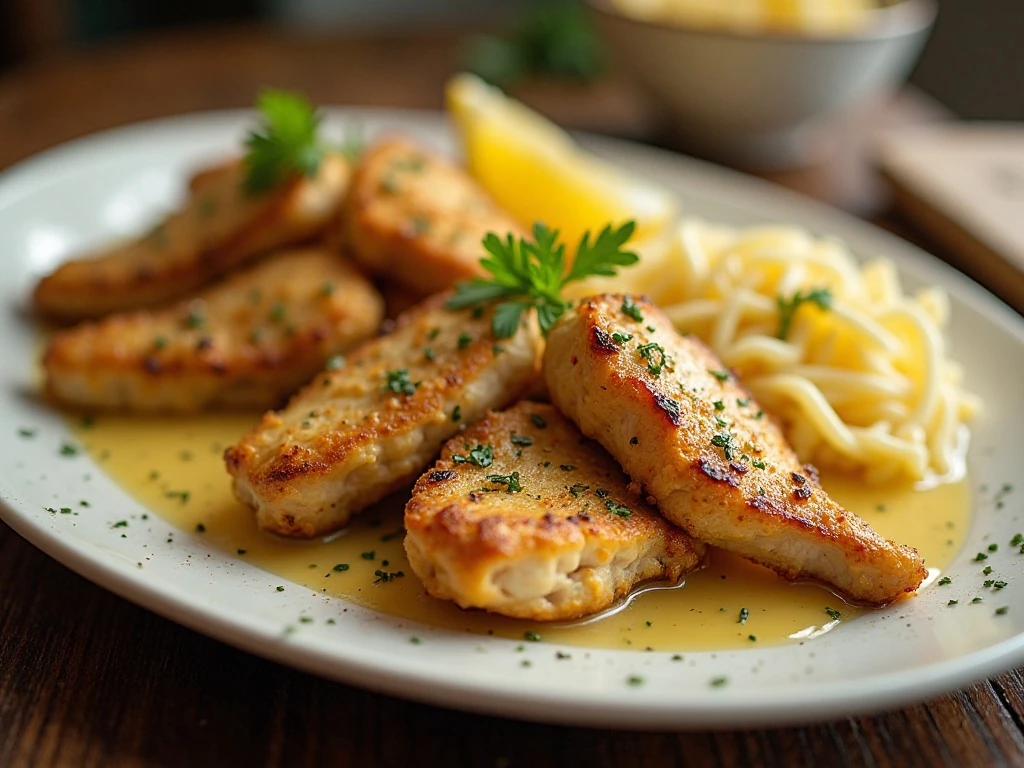
Chicken Francese delivers the kind of restaurant-style flavor that is surprisingly easy to create at home. The chicken is not covered in breadcrumbs; instead, a light flour coating is followed by an egg wash, creating a tender, golden layer that feels delicate rather than heavy.
Its greatest appeal is the pan sauce. Dry white wine loosens the flavorful browned bits left in the skillet, while chicken broth adds savory depth and lemon juice brings a clean, lively finish. Cold butter whisked in at the end turns those ingredients into a smooth sauce that clings beautifully to every cutlet.
This dinner is also flexible enough for a busy weeknight. The chicken cooks in only a few minutes per side, and the sauce comes together in the same skillet, so there is no need for a long list of pots and pans.
If you enjoy bright, buttery skillet meals, you may also like our garlic butter pork chops, another fast dinner built around a savory pan sauce.
Ingredients You’ll Need
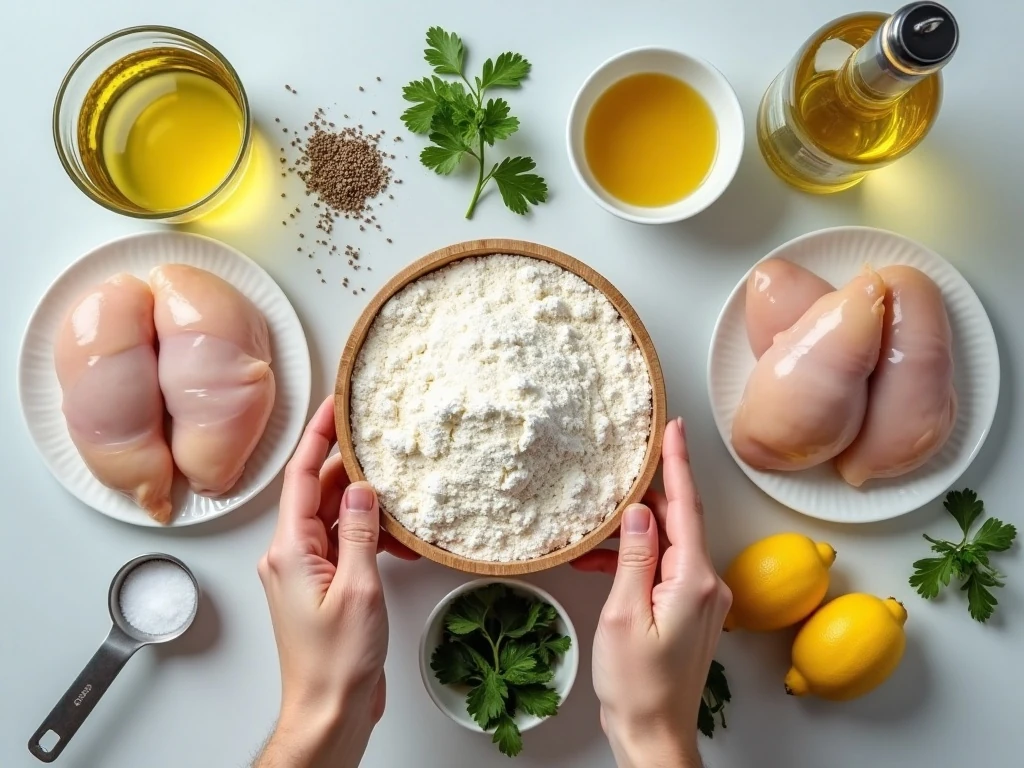
The ingredient list is short, but each item has a clear purpose. Choose chicken breasts that are similar in size so the cutlets cook at nearly the same rate.
- Chicken breasts: Four boneless, skinless halves weighing about 6–8 ounces each provide four generous servings. Slice and pound them to about 1/4 inch thick.
- Flour and eggs: The flour gives the egg something to cling to, while the egg coating forms the signature golden crust. A tablespoon of water loosens the eggs for easier dipping.
- Olive oil and butter: Olive oil supports the pan-frying, while the first tablespoon of butter adds flavor during browning. The remaining butter belongs in the sauce.
- Wine, broth, and lemon: Dry white wine, low-sodium chicken broth, and fresh lemon juice create a balanced sauce with savory, acidic, and fruity notes.
- Parsley and lemon slices: Fresh parsley adds color, and lemon slices or wedges make the finished platter look inviting while reinforcing the citrus flavor.
For the best flavor, use freshly squeezed lemon juice rather than bottled juice. A dry white wine such as Sauvignon Blanc, Pinot Grigio, or an unoaked Chardonnay works well because it adds freshness without making the sauce sweet.
How to Make It Step-by-Step
Step 1: Prepare the chicken by slicing each breast horizontally into thinner cutlets if necessary. Place the pieces between sheets of plastic wrap and pound them gently to about 1/4-inch thickness, working from the center outward so they cook evenly. Season both sides with the divided kosher salt and freshly ground black pepper.
Step 2: Set up the coating station before heating the skillet. Put the all-purpose flour in one shallow dish, then whisk the three eggs with 1 tablespoon of water in another shallow dish until the mixture is smooth and unified.
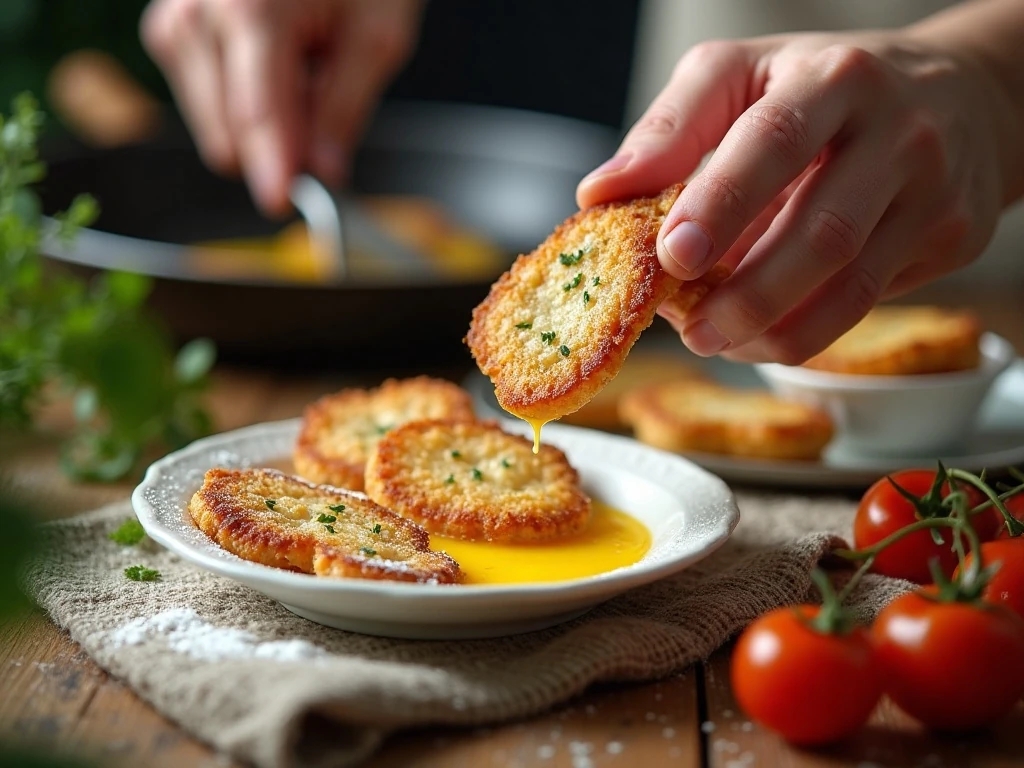
Step 3: Coat the chicken one piece at a time. Lightly dredge a cutlet in flour, shake away the excess, and then dip it into the egg mixture so the surface is fully covered without becoming thick or drippy.
Step 4: Heat the olive oil and 1 tablespoon of unsalted butter in a large skillet over medium to medium-high heat. The fat should shimmer, but it should not smoke; if it becomes too hot, lower the heat briefly before adding the chicken.
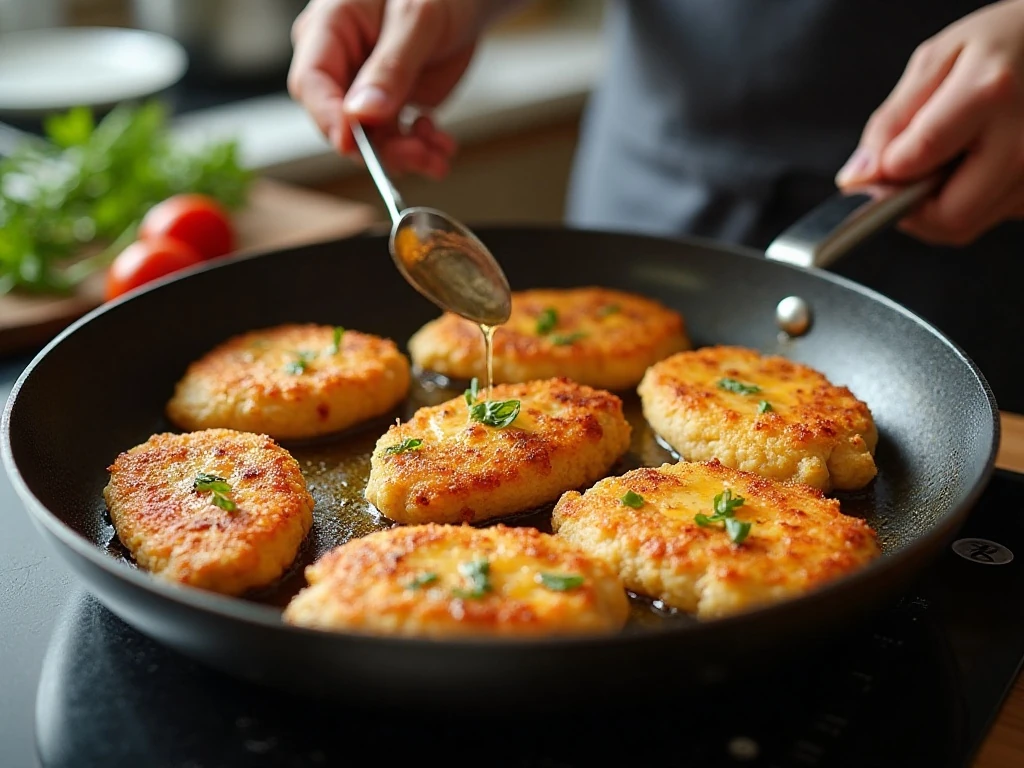
Step 5: Cook the cutlets in batches, leaving room between them. Fry each piece for about 2–3 minutes per side, turning once, until the coating is golden and the chicken is cooked through. Transfer the finished chicken to a plate while you cook the remaining pieces, adding a little more olive oil only if the pan looks dry.
Step 6: Check the skillet before making the sauce. Pour off excess fat if needed, but keep the browned bits stuck to the bottom because they contain concentrated flavor. Add the dry white wine and scrape the skillet with a wooden spoon as the wine simmers for 1–2 minutes and reduces slightly.
Step 7: Pour in the low-sodium chicken broth and fresh lemon juice. Let the mixture simmer for about 3–5 minutes, watching for the liquid to reduce lightly and become more aromatic without disappearing from the pan.
Step 8: Lower the heat before adding the remaining 3 tablespoons of butter. Whisk the butter in gradually until the sauce looks glossy and lightly thickened; gentle heat helps the butter blend into the liquid instead of separating into an oily layer.
Step 9: Return the chicken to the skillet for a brief warming period. Spoon the lemon-butter sauce over the cutlets, turn them once if desired, and remove the skillet from the heat as soon as the chicken is hot and coated.
Step 10: Finish the dish with chopped fresh parsley and lemon slices or wedges. Bring the skillet or platter to the table immediately, while the coating is still at its crispest and the sauce is warm.
For another chicken dinner with a different flavor profile, our mustard-roasted chicken is a comforting option to save for another night.
Pro Tips for Golden, Tender Chicken
Pound evenly: Thin, consistent cutlets are the foundation of this recipe. Thick centers take longer to cook, while thin edges can dry out before the middle is ready.
Shake off excess flour: A light dusting is enough. Too much flour can make the coating pasty and may prevent the egg from forming an even layer.
Do not crowd the skillet: When chicken pieces touch, the temperature of the pan drops and moisture becomes trapped. Cooking in batches gives every cutlet space to brown properly.
Protect the fond: The browned bits are a valuable part of the sauce. Scrape them into the wine rather than washing them away, and adjust the heat so they loosen without scorching.
Finish gently: The final butter should be whisked in over low heat or with the pan briefly off the burner. Avoid vigorously boiling the finished sauce, which can cause it to separate.
Serve right away: The egg-and-flour coating is at its best immediately after cooking. If you need to hold the chicken for a few minutes, keep it uncovered on a plate rather than trapping steam beneath a lid.
Chicken Francese and Chicken Francaise are commonly used names for the same dish. Some variations replace the wine with additional broth, while others add a small amount of lemon zest or capers, but the defining flour-and-egg coating and lemon-butter pan sauce remain the same.
What to Serve With Chicken Francese
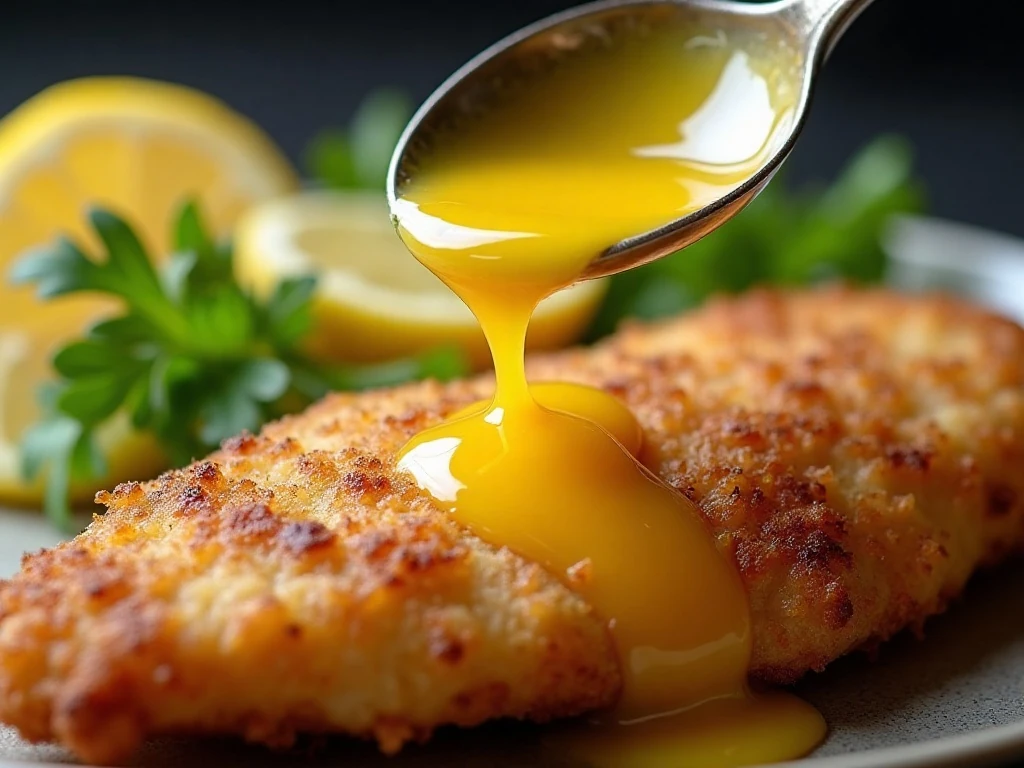
The sauce makes this chicken especially friendly to simple side dishes. Spoon it over angel hair pasta, rice, or mashed potatoes, or serve crusty bread alongside the skillet to catch the last buttery drops.
- For a light plate: Pair the chicken with a green salad, steamed asparagus, or roasted broccoli.
- For a comforting dinner: Add buttered noodles, rice, or roasted baby potatoes.
- For a complete Italian-American spread: Serve with a simple tomato salad and warm bread.
If you are planning a family-style menu, our baked stuffed shells with grilled chicken can provide another hearty pasta-centered dinner idea. For a completely different weeknight direction, these teriyaki chicken tacos bring sweet-savory flavor to the table.
Storage and Reheating
Chicken Francese is best served immediately, but leftovers can be refrigerated in a covered container. Store the chicken with its sauce for up to a short refrigerated holding period, then reheat gently in a skillet over low heat.
Add a small splash of chicken broth or water if the sauce has thickened in the refrigerator. Avoid high heat and prolonged boiling, since the coating can toughen and the butter sauce may separate.
The chicken can also be sliced and served over greens or tucked into a warm roll for lunch. If you are planning dessert after dinner, a slice of our butter pecan pound cake would provide a rich finish after the lemony main course.
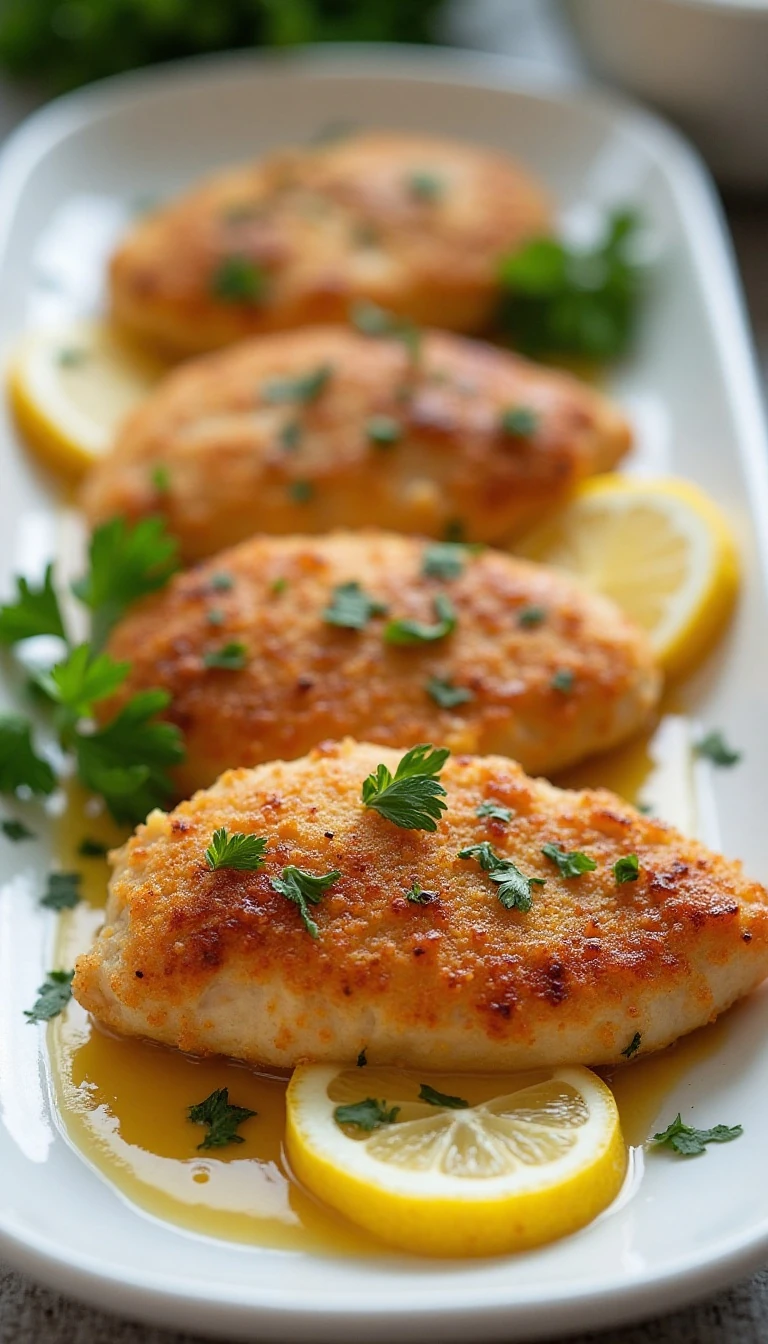
Chicken Francese
Ingredients
Method
- Slice the chicken breasts horizontally into thinner cutlets if needed. Place the cutlets between sheets of plastic wrap and pound them to about 1/4-inch thickness, then season with the salt and black pepper.
- Place the flour in one shallow dish. In a second shallow dish, whisk the eggs with the water until evenly combined.
- Dredge each cutlet lightly in flour, shaking off the excess, and then coat it in the egg mixture.
- Heat the olive oil and 1 tablespoon of butter in a large skillet over medium to medium-high heat.
- Cook the chicken in batches, without crowding the skillet, for about 2–3 minutes per side until golden brown and cooked through. Transfer the cooked cutlets to a plate.
- Pour off excess fat if necessary while leaving the browned bits in the skillet. Add the white wine, scrape up the fond, and simmer for 1–2 minutes to reduce slightly.
- Add the chicken broth and lemon juice. Simmer for about 3–5 minutes, until the sauce is lightly reduced.
- Lower the heat and whisk in the remaining 3 tablespoons of butter until the sauce is glossy. Return the chicken to the skillet briefly to warm it and coat it with sauce.
- Garnish with chopped parsley and lemon slices or wedges. Serve immediately.
Notes
Final Thoughts
Chicken Francese proves that an impressive dinner does not require complicated equipment or a long preparation list. With evenly pounded chicken, a light flour-and-egg coating, and a carefully finished lemon-butter sauce, you can create a golden skillet meal in about 40 minutes.
Keep the chicken pieces thin, cook them in batches, and add the final butter over low heat for the smoothest sauce. Garnish with parsley and lemon, serve it while hot, and let the bright pan sauce turn an ordinary weeknight into a memorable dinner.