Tip the Refrigerator Soup is the cheapest, easiest dinner for turning ordinary vegetables, pantry staples, beans, pasta, grains, and cooked leftovers into a satisfying meal. Sauté onion, carrots, celery, and garlic, add stock, tomatoes, firm vegetables, beans, and herbs, then finish the pot with greens, cooked leftovers, and a bright splash of lemon juice or vinegar.
Every spoonful is savory, colorful, and comforting, with tender vegetables, creamy beans, chewy pasta or grains, and a rich tomato-stock broth. The recipe makes 4–6 servings in approximately 45–60 minutes, making it perfect for a busy weeknight, a budget-conscious family dinner, or a no-waste refrigerator clean-out.
Jump to RecipeWhy You’ll Love This Recipe

This soup has no strict personality beyond being warm, nourishing, and wonderfully adaptable. It gives tired vegetables, a lonely can of beans, leftover roast chicken, or a container of cooked rice a delicious second life.
The method is simple enough for a first-time cook but rewarding enough for an experienced one. The vegetables build the base, tomatoes add savory sweetness, beans contribute substance, and lemon juice or vinegar keeps the finished broth from tasting heavy.
It is also an excellent family dinner because everyone can customize a bowl. Keep the pot vegetarian, add cooked chicken to only part of it, or put Parmesan, herbs, and bread on the table so each person can finish their serving.
If you enjoy flexible vegetable soups, our easy minestrone recipe is another comforting option with the same pantry-friendly spirit.
Ingredients You’ll Need

Start with the classic aromatic trio of one diced yellow onion, two diced carrots, and two diced celery stalks. Two to three minced garlic cloves add depth, while two tablespoons of olive oil give the vegetables a flavorful base.
For the liquid, use 6–8 cups of vegetable or chicken stock and one 14–15 ounce can of diced tomatoes with their juices. Vegetable stock makes the soup vegetarian, while chicken stock gives it a fuller savory character.
Choose about 2 cups of firm vegetables from what you have available. Potatoes, sweet potatoes, squash, cauliflower, and green beans all work well, though you should cut denser vegetables into reasonably small pieces so they cook at a similar pace.
The pantry additions make this a filling meal: one drained and rinsed 15-ounce can of cannellini beans, chickpeas, or kidney beans, plus 1 cup of small dry pasta or cooked rice or grains. You may also add 1–2 cups of cooked leftover meat, poultry, or vegetables.
Season with 1 teaspoon of dried Italian seasoning or dried thyme, 1 teaspoon kosher salt, and ½ teaspoon black pepper. Finish with 2 cups of chopped leafy greens and 1 tablespoon of lemon juice or red-wine vinegar, then serve with Parmesan, herbs, or crusty bread.
- Use spinach for the quickest wilt, or kale, chard, and cabbage for more texture.
- Use tomato paste when you want a deeper, more concentrated tomato flavor.
- Keep cooked rice and grains ready if you want to avoid adding dry pasta to the pot.
How to Make It Step-by-Step
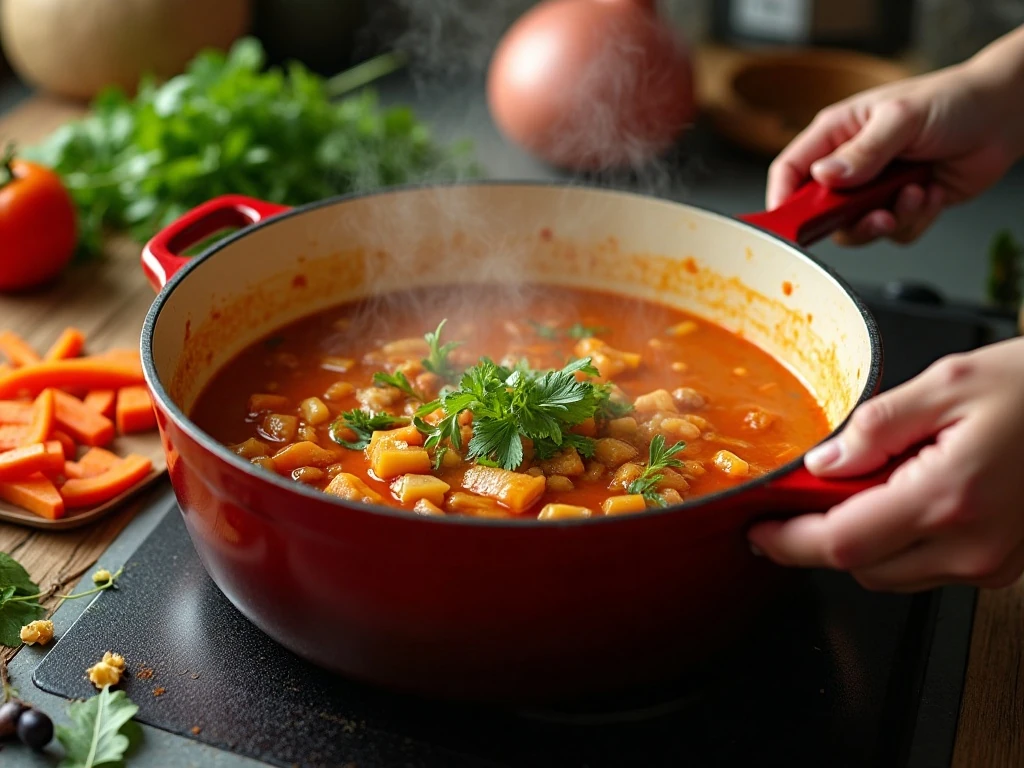
Step 1: Heat the olive oil in a large Dutch oven or soup pot over medium heat. Add the onion, carrots, celery, and a pinch of salt, then cook for 5–8 minutes, stirring occasionally, until the vegetables look glossy and softened.
Step 2: Add the minced garlic and tomato paste if you are using it. Cook for about 1 minute, stirring constantly, so the garlic becomes fragrant and the tomato paste lightly toasts without scorching.
Step 3: Pour in the stock and the diced tomatoes with their juices. Add the firm vegetables, dried seasoning, salt, and black pepper, then bring the mixture to a boil before reducing it to a gentle simmer.
Step 4: Simmer the soup for 15–25 minutes. Check a potato, squash cube, or piece of cauliflower with a fork; the vegetables should be nearly tender before you add the quicker-cooking ingredients.
Step 5: Stir in the drained beans and any cooked meat or leftover cooked vegetables. Continue simmering for 5–10 minutes, giving the beans and leftovers enough time to heat through without turning soft or dry.
Step 6: Add dry pasta early enough for it to cook for 8–12 minutes, following its package directions. If you are using cooked rice or grains, add them close to the end because they only need to warm through and can absorb too much broth.
Step 7: Stir in the leafy greens during the last 2–3 minutes. Spinach will wilt quickly, while kale, chard, and cabbage may need the full time to become tender while retaining some pleasant texture.
Step 8: Taste the soup carefully and adjust the salt and pepper. Stir in lemon juice or red-wine vinegar just before serving, then ladle into bowls and top with Parmesan, herbs, or a thick slice of crusty bread.
For another comforting soup idea that welcomes leftover poultry, take a look at this chicken noodle soup. Its familiar flavors pair well with the same cozy dinner mood.
Pro Tips for the Best Refrigerator Soup
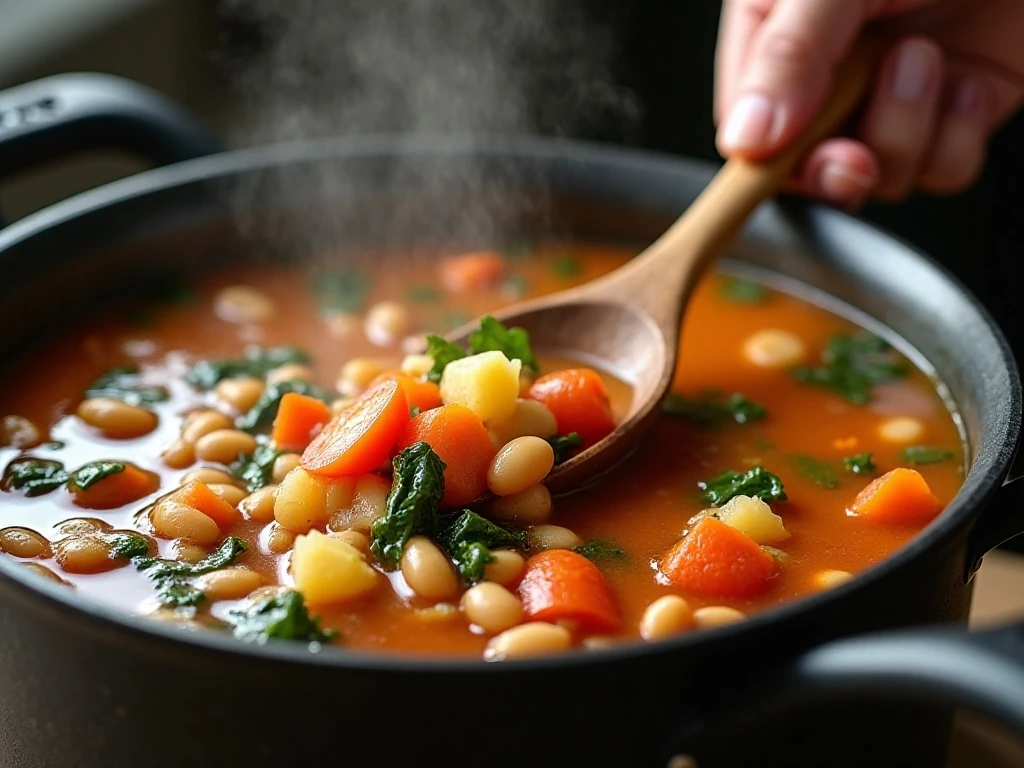
The most important rule is to add ingredients according to cooking time. Firm vegetables belong near the beginning, beans and cooked leftovers go in later, and delicate greens and fresh herbs should be added at the very end.
Cut everything into bite-size pieces, but do not worry about making every cube identical. A rustic soup is forgiving, and slightly varied shapes make the bowl look homemade and inviting.
Cook pasta or rice separately when possible, especially if you expect leftovers. Pasta and grains continue absorbing broth in the refrigerator, so storing them apart lets you reheat a soup that still has a spoonable consistency.
Do not skip the final acidic ingredient. A tablespoon of lemon juice or red-wine vinegar brightens the tomatoes and vegetables, balances the savory stock, and makes assorted leftovers taste like one carefully planned recipe.
Season in layers rather than adding all the salt at once. The stock, canned beans, tomatoes, leftover meat, and Parmesan may already contain salt, so taste after each major addition and make the final adjustment only after simmering.
For a richer bowl, mash a few beans against the side of the pot before serving. This naturally thickens a small portion of the broth without needing cream or flour.
Easy Variations for Any Night

Make a vegetarian version with vegetable stock, beans, extra vegetables, and cooked grains. It is hearty enough for dinner, especially when served with Parmesan and crusty bread.
For a poultry variation, add leftover chicken or turkey during the final 5–10 minutes. If you have cooked rice waiting in the refrigerator, stir it in near the end for a comforting combination similar to our turkey soup with rice.
Turn the pot into an Italian-style dinner by using cannellini beans, small pasta, kale, tomatoes, and Parmesan. When you want a more specifically Italian bowl, compare the method with this one-pot lasagna soup.
For a creamy direction, use potatoes as one of the firm vegetables and finish individual bowls with Parmesan. Seafood lovers can explore a richer alternative with this creamy potato shrimp soup, while keeping this refrigerator version flexible and economical.
You can also divide the finished soup into two pots before adding meat. Leave one vegetarian and add cooked chicken, sausage, or another leftover protein to the second pot.
Storage and Reheating

Let the soup cool promptly, then refrigerate leftovers in covered containers. For the best texture, store cooked pasta or rice separately whenever possible, particularly if the soup will be eaten over several days.
Reheat the soup gently on the stovetop until hot throughout, adding a little extra stock if the broth has thickened. If using a microwave, heat in short intervals and stir between intervals so the center warms evenly.
Add a fresh squeeze of lemon juice or a small splash of vinegar after reheating. This restores the brightness that can soften during chilling and makes the leftovers taste freshly cooked.
Freeze the broth and vegetables without pasta or rice when possible. Thaw gently, warm through, and add freshly cooked pasta or grains just before serving for the best texture.

Tip the Refrigerator Soup
Ingredients
Method
- Heat the olive oil in a large Dutch oven or soup pot over medium heat. Add the diced onion, carrots, celery, and a pinch of salt, then cook for 5–8 minutes until the vegetables soften.
- Stir in the minced garlic and optional tomato paste. Cook for about 1 minute, stirring often, until the garlic smells fragrant and the tomato paste darkens slightly.
- Pour in the stock and diced tomatoes with their juices. Add the firm vegetables, dried Italian seasoning or thyme, remaining salt, and black pepper, then bring the soup to a boil.
- Reduce the heat to a steady simmer and cook for 15–25 minutes, or until the firm vegetables are nearly tender when pierced with a fork.
- Add the drained beans and optional cooked meat or leftover cooked vegetables. Simmer for another 5–10 minutes so the new ingredients warm through and share their flavor with the broth.
- If using dry pasta, add it early enough to cook for 8–12 minutes according to its package directions. If using cooked rice or grains, stir them in near the end to keep them from becoming mushy.
- Stir in the chopped leafy greens during the final 2–3 minutes. Taste the soup and adjust the salt and pepper, then finish with lemon juice or red-wine vinegar.
- Ladle the soup into bowls and serve with grated Parmesan, chopped herbs, or crusty bread. Offer extra lemon or vinegar at the table for anyone who enjoys a brighter finish.
Notes
Final Thoughts
Tip the Refrigerator Soup proves that an inexpensive dinner can still be colorful, hearty, and deeply satisfying. With a dependable base of aromatics, stock, tomatoes, and firm vegetables, you can use nearly any suitable leftovers without making the meal feel random.
Follow the cooking order, keep pasta or grains under control, and finish with lemon juice or vinegar for a balanced bowl. Add Parmesan and crusty bread, and you have a complete dinner that is comforting today and just as useful for tomorrow’s lunch.