This easy Cuban roasted Cornish hens recipe delivers tender, juicy birds with crisp golden skin in about 50 to 65 minutes of roasting. The hens are marinated in sour orange juice, garlic, olive oil, cumin, oregano, salt, and pepper, then roasted first at 425°F and finished at 375°F for a flavorful dinner that serves four.
The flavor is classic Cuban mojo: bright and citrusy, deeply garlicky, lightly earthy from cumin and oregano, and wonderfully savory. Marinating for at least two hours is recommended, while an overnight marinade and a short uncovered refrigerator rest help the skin brown beautifully.
Jump to RecipeWhy You’ll Love This Recipe
These Cuban roasted Cornish hens look special enough for a celebration, yet the preparation is simple enough for a regular dinner. Each person gets an individual golden bird, making the meal feel generous and beautifully presented without requiring complicated carving.
The marinade does most of the flavor work. Sour orange brings a distinctive tang, garlic adds richness and perfume, and cumin and oregano give the chicken a warm, unmistakably Cuban character.
The roasting method is easy to remember: begin at 425°F to encourage browning, then lower the oven to 375°F so the meat cooks through without scorching the skin. Since hens can vary in size, an instant-read thermometer is the most dependable way to know when dinner is ready.
If you enjoy bright, flavorful poultry dinners, you may also like our easy baked chicken tacos for another family-friendly option.
Ingredients You’ll Need
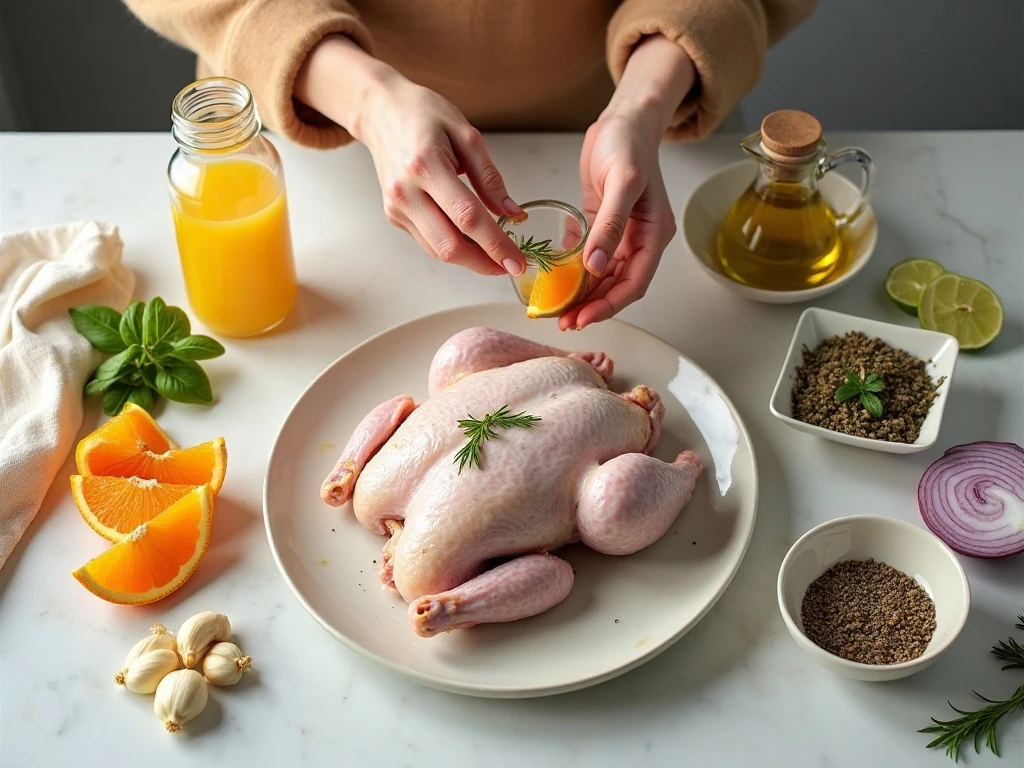
The star ingredient is sour orange juice, also called naranja agria. It is commonly available in Latin grocery stores and some larger supermarkets, often in bottles or in the refrigerated juice section.
If sour orange is unavailable or lacks enough tartness, use the listed sour orange juice and add 1 tablespoon of fresh lime juice as directed. Traditional substitutes often combine orange juice and lime juice, but the recipe quantities here keep sour orange as the main citrus foundation.
- Cornish hens: Choose four thawed hens weighing about 1 1/4 to 1 1/2 pounds each.
- Garlic: Use eight cloves, finely minced or mashed, for a bold mojo flavor.
- Olive oil: This carries the aromatics across the skin and helps the hens brown.
- Seasonings: Cumin, dried oregano, kosher salt, and freshly ground black pepper provide the savory backbone.
- Optional additions: Thinly sliced onion can roast in the pan, while orange or lime wedges add a fresh finishing touch.
Use a nonreactive dish, such as glass, stainless steel, or food-safe plastic, for the citrus marinade. Avoid marinating in unlined aluminum because acidic ingredients can react with the metal.
How to Make It Step-by-Step

Step 1: Pat the hens dry with paper towels, then check each cavity for giblets and remove them. Trim only obvious excess fat, since a little fat helps keep the meat moist while roasting.
Step 2: For more even cooking, lightly press down on the breastbone of each hen to flatten it. You can also split the hens in half if you prefer smaller portions or want more exposed skin for browning.
Step 3: Add the sour orange juice, olive oil, minced or mashed garlic, cumin, oregano, kosher salt, black pepper, and optional lime juice to a bowl. Whisk until the oil is dispersed and the seasonings are evenly distributed.
Step 4: Put the hens in a nonreactive baking dish or resealable bag and pour the marinade over them. Turn each hen thoroughly so the citrus and garlic mixture coats the breast, thighs, and underside.
Step 5: Cover the dish or seal the bag and refrigerate for at least two hours, though overnight marination gives the best flavor. Turn the hens once or twice while they marinate to keep the seasoning balanced.
Step 6: Remove the hens from the refrigerator about 20 to 30 minutes before roasting. For especially crisp skin, pat them completely dry after marinating and leave them uncovered in the refrigerator for several hours or overnight before roasting.
Step 7: Heat the oven to 425°F and arrange the hens breast-side up in a roasting pan or on a rimmed sheet pan. Add the thinly sliced onion around the hens if using, then roast at 425°F for 15 minutes.
Step 8: Lower the oven temperature to 375°F and roast for approximately 35 to 50 minutes more. The total roast time will be about 50 to 65 minutes, depending on the size of the hens.
Step 9: Baste the hens once or twice with the pan juices during roasting. Begin checking the temperature toward the earlier end of the cooking range, especially if the hens are closer to 1 1/4 pounds.
Step 10: Insert a thermometer into the thickest part of the thigh without touching bone. The hens are done at 165°F, with clear juices, and should rest for 10 minutes before you spoon the garlic-citrus pan juices over them.
For food safety, never pour the uncooked marinade directly over the finished hens. If you want to turn it into a sauce, strain it and boil it separately for at least 1 minute, or simply use the flavorful juices collected in the roasting pan.
For another dinner built around bold, simple seasoning, try this easy shrimp recipe when you are planning a seafood night.
Pro Tips for Juicy Hens and Crisp Skin
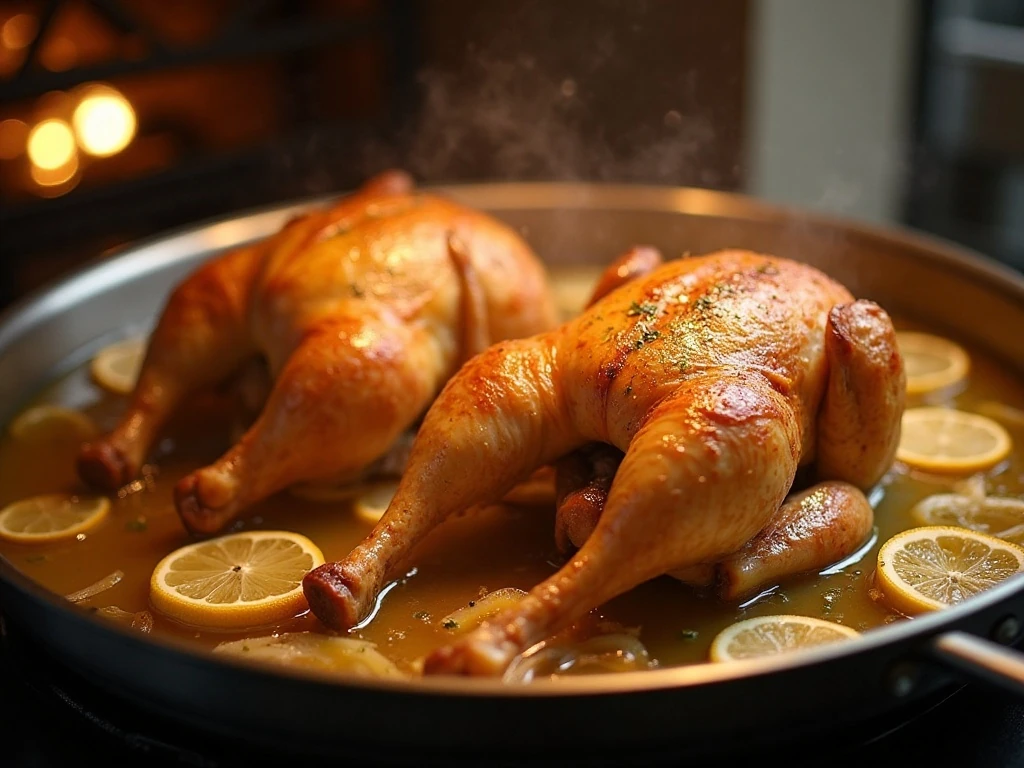
Drying the hens is one of the most useful steps for better browning. Moisture on the skin must evaporate before the skin can crisp, so pat the hens dry both before marinating and again after they come out of the marinade.
Do not skip the resting period. Ten minutes allows the hot juices to settle back into the meat, making each portion more succulent and reducing the amount of juice lost when you cut or serve the hens.
Flattening the hens is optional, but it promotes more even cooking because the breast and legs sit at a similar height. If you split the hens, arrange them skin-side up and begin checking early because smaller pieces may cook faster.
- Use a rimmed sheet pan so the citrusy juices stay contained.
- Leave space between the hens so hot air can circulate and the skin can brown.
- Baste only once or twice to avoid repeatedly lowering the oven temperature.
- Use a thermometer instead of relying only on the clock.
- Watch the pan juices during roasting; if they begin to darken too quickly, add a small splash of water to the pan.
The sliced onion is optional, but it becomes soft, sweet, and fragrant as it cooks beneath the hens. Spoon some of it onto each plate along with the pan juices for an easy side element.
What to Serve with Cuban Cornish Hens
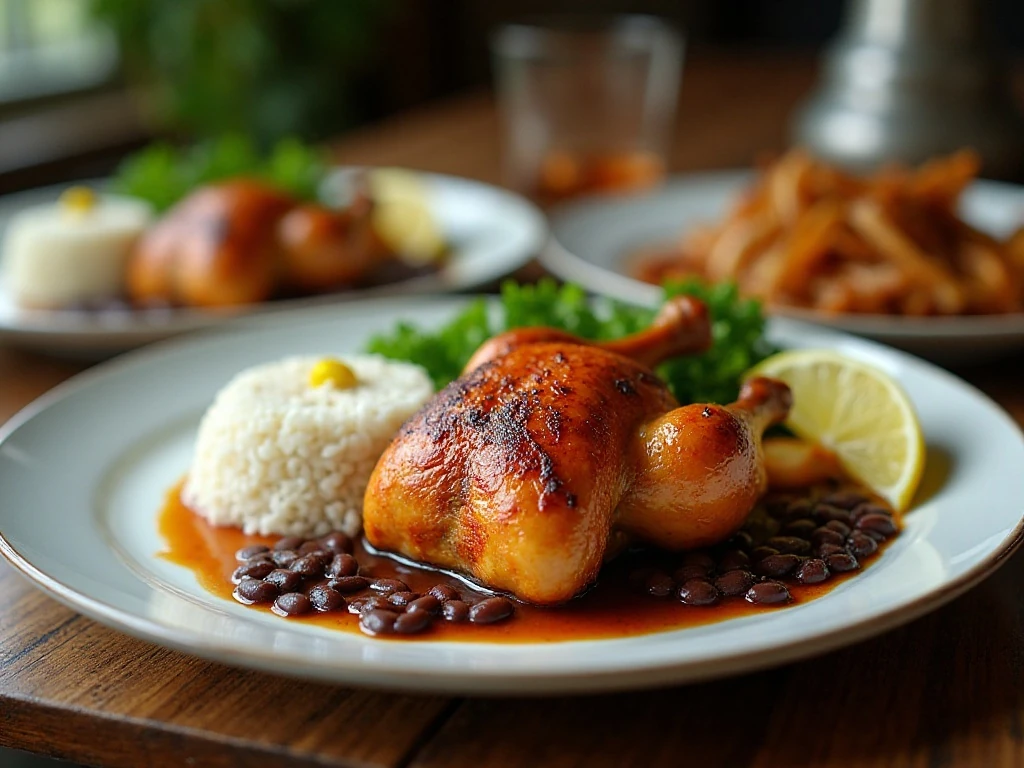
Serve each hen with white rice, black beans, roasted potatoes, or a crisp green salad. The mild sides are ideal because they let the sour orange, garlic, cumin, and oregano remain the focus of the meal.
For a more colorful plate, add sautéed greens, avocado slices, or grilled vegetables. Lime or orange wedges provide a fresh squeeze of citrus just before eating and make the presentation especially inviting.
A small spoonful of the strained pan juices over rice is wonderfully savory. If you prepare a separate boiled sauce from the marinade, keep it in a serving bowl so everyone can add as much citrus-garlic flavor as they like.
Finish the meal with something cool and fruity, such as our easy berry ice box cake. Its creamy texture and berry flavor make a refreshing contrast to the warm, savory hens.
Storage & Reheating
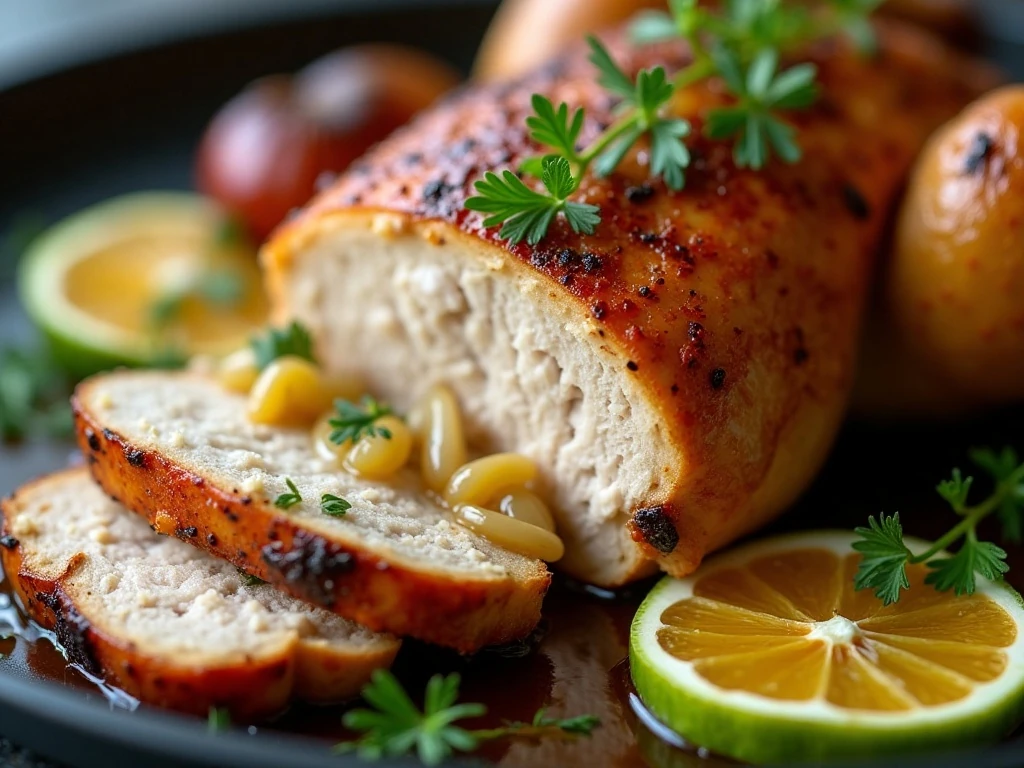
Cool leftover hens promptly and store them in an airtight container in the refrigerator. They are best enjoyed within three to four days, with the meat removed from the bones if you plan to use it in salads, sandwiches, or rice bowls.
Reheat portions in a covered baking dish at 325°F until warmed through, adding a splash of water or reserved pan juices to help prevent dryness. Uncover for the final few minutes if you want the skin to regain some texture.
Store pan juices separately when possible, and reheat them until steaming. Discard any raw marinade that has not been boiled or cooked.

Easy Cuban Roasted Cornish Hens Recipe
Ingredients
Method
- Pat the thawed Cornish hens dry, remove any giblets, and trim away excess fat. For more even cooking, lightly press the breastbone to flatten each hen, or split the hens in half.
- Whisk together the sour orange juice, olive oil, garlic, cumin, oregano, kosher salt, black pepper, and lime juice if needed. Place the hens in a nonreactive dish or resealable bag, pour the marinade over them, and turn to coat.
- Cover the dish or seal the bag and refrigerate for at least 2 hours, preferably overnight. Turn the hens once or twice during marination so the citrus-garlic mixture seasons every surface.
- Let the hens stand at room temperature for about 20 to 30 minutes before roasting. For crisper skin, pat them thoroughly dry after marinating and leave them uncovered in the refrigerator for several hours or overnight before this step.
- Preheat the oven to 425°F and arrange the hens breast-side up in a roasting pan or on a rimmed sheet pan. Scatter the sliced onion around them if using, then roast at 425°F for 15 minutes.
- Reduce the oven temperature to 375°F and continue roasting for approximately 35 to 50 minutes, depending on the size of the hens. Baste once or twice with the pan juices, taking care not to let too much oven heat escape.
- Check the thickest part of the thigh with an instant-read thermometer; the hens are ready when it reaches 165°F and the juices run clear. Transfer the hens to a platter and let them rest for 10 minutes before serving.
- Spoon the garlic-citrus pan juices over the rested hens and serve with orange or lime wedges. If you want to serve leftover marinade as a sauce, strain it and boil it separately for at least 1 minute before serving.
Notes
Final Thoughts
This easy Cuban roasted Cornish hens recipe brings restaurant-style presentation and vibrant mojo flavor to the home kitchen. With a short ingredient list, an overnight marinade option, and a reliable two-temperature roasting method, it is a practical dinner that still feels wonderfully memorable.
Remember the essentials: use sour orange when you can, dry the hens well for crisp skin, roast at 425°F before reducing to 375°F, and confirm that the thickest part of the thigh reaches 165°F. After a 10-minute rest, finish with the fragrant pan juices and citrus wedges.
Set the platter in the center of the table, add your favorite Cuban-inspired sides, and let everyone enjoy a tender individual hen. The combination of crisp skin, juicy meat, garlic, oregano, cumin, and bright citrus is sure to make this dinner a repeat favorite.