This soft and chewy Italian ricotta cookies recipe makes tender, cake-like cookies with a delicate lemon-vanilla flavor and a smooth lemon glaze. Made with whole-milk ricotta, butter, sugar, eggs, and a short chill, the cookies bake in 12–15 minutes and yield approximately 36–48 cookies.
Unlike crisp butter cookies, these Italian ricotta cookies stay pale, plush, and moist in the center. The lemon glaze adds a fresh finish, while nonpareils or colored sprinkles make them especially festive for Christmas cookie trays, birthdays, showers, and everyday dessert plates.
Jump to RecipeWhy You’ll Love This Recipe

Italian ricotta cookies have a texture all their own: soft, tender, and gently chewy with a light cake-like crumb. Ricotta gives the batter moisture and richness, while butter supplies a classic bakery flavor and helps the edges become lightly golden.
The flavor is balanced rather than overly sweet. Vanilla makes the cookies warm and fragrant, lemon zest adds a traditional citrus note, and the lemon glaze brings just enough tang to keep every bite bright.
This is also a wonderfully practical holiday cookie. The dough comes together in one mixing bowl after the dry ingredients are whisked, and the simple glaze turns plain-looking cookies into a colorful dessert worthy of a cookie exchange.
If your dessert table includes several textures, pair these tender cookies with the crisp, buttery texture of our classic Danish butter cookies.
Ingredients You’ll Need
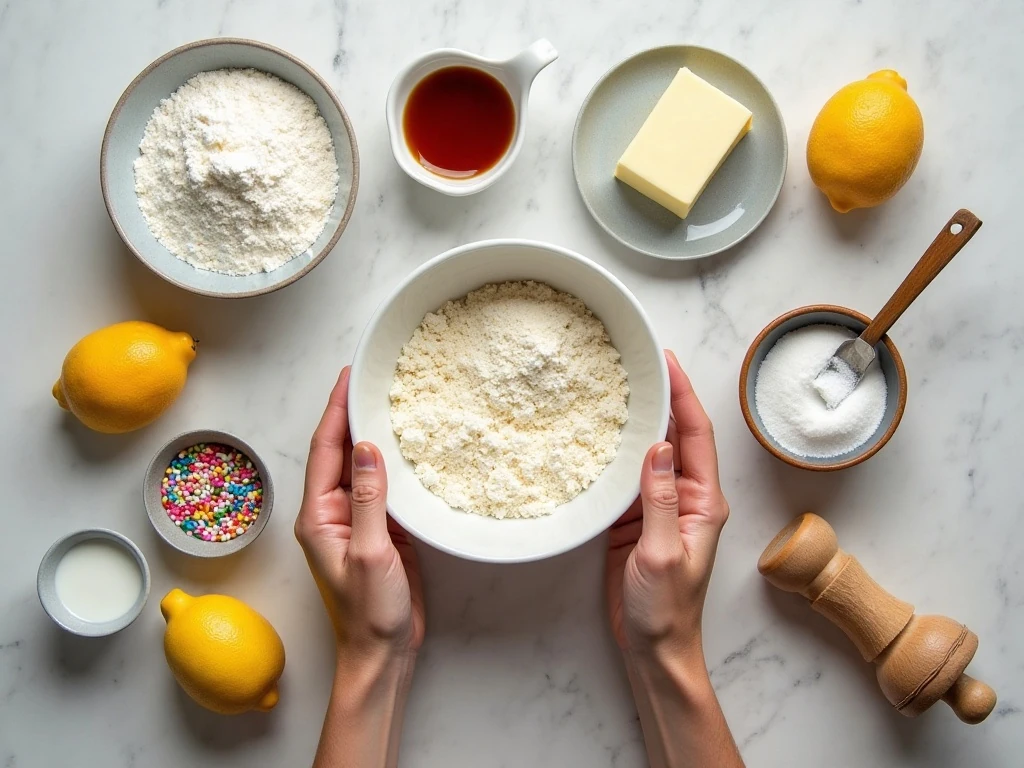
The foundation of this recipe is 2 1/2 cups (315 g) of all-purpose flour, 2 teaspoons of baking powder, and 3/4 teaspoon of fine salt. These dry ingredients provide structure and lift without making the cookies dense.
You will also need 1 cup (226 g) of softened unsalted butter, 1 3/4 cups (350 g) of granulated sugar, and 2 large eggs at room temperature. Soft butter blends more easily with the sugar, and room-temperature eggs help the batter mix evenly.
The signature ingredient is 15 ounces (425 g) of whole-milk ricotta. Choose whole-milk ricotta for the fullest texture, and drain it briefly if it looks watery because excess liquid can make the dough too loose and encourage spreading.
For flavor, measure 2 teaspoons of vanilla extract and finely grate the zest of 1 lemon. The zest is optional, but it gives the cookies the traditional fresh citrus character that works so well with the glaze.
The glaze needs 1 1/2 cups (170–180 g) of confectioners’ sugar, 2–3 tablespoons of fresh lemon juice, and 1–2 tablespoons of milk as needed. Keep nonpareils, colored sprinkles, or extra lemon zest nearby if you want a decorative finish.
How to Make It Step-by-Step
Step 1: Whisk together the flour, baking powder, and fine salt in a medium bowl. Breaking up any lumps now makes it easier to incorporate the dry ingredients evenly later without overmixing the soft batter.
Step 2: Place the softened butter and granulated sugar in a large mixing bowl and beat for 2–3 minutes. Stop when the mixture looks light, creamy, and fluffy rather than merely blended.
Step 3: Beat in the eggs one at a time, mixing after each addition until the first egg disappears before adding the second. Add the ricotta, vanilla, and lemon zest, then mix until the wet ingredients are evenly combined.
Step 4: Gradually add the flour mixture to the ricotta mixture. Mix only until the flour disappears, because prolonged mixing can make the cookies less tender.
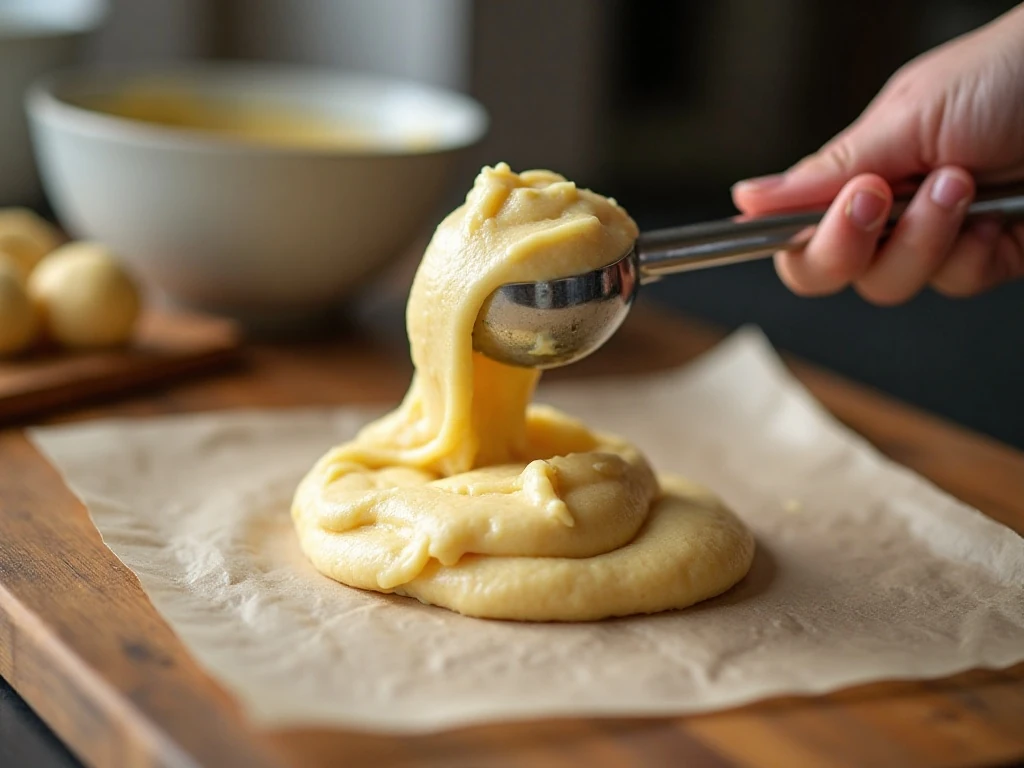
Step 5: Examine the batter before scooping. It should be thick and soft rather than firm like traditional cookie dough, so chill it for at least 30 minutes if it feels too loose to hold a rounded scoop.
Step 6: Heat the oven to 350°F (175°C) and line your baking sheets with parchment paper. Scoop rounded tablespoons of dough onto the prepared sheets, leaving about 2 inches between each cookie so they have room to bake evenly.
Step 7: Bake each tray for 12–15 minutes. The edges should be set and the bottoms lightly golden, while the tops remain pale; do not wait for deep browning as that is a common cause of dry ricotta cookies.
Step 8: Leave the cookies on the baking sheet for about 5 minutes after they come out of the oven. Transfer them to a wire rack and cool completely, since warm cookies can cause the glaze to melt and run.
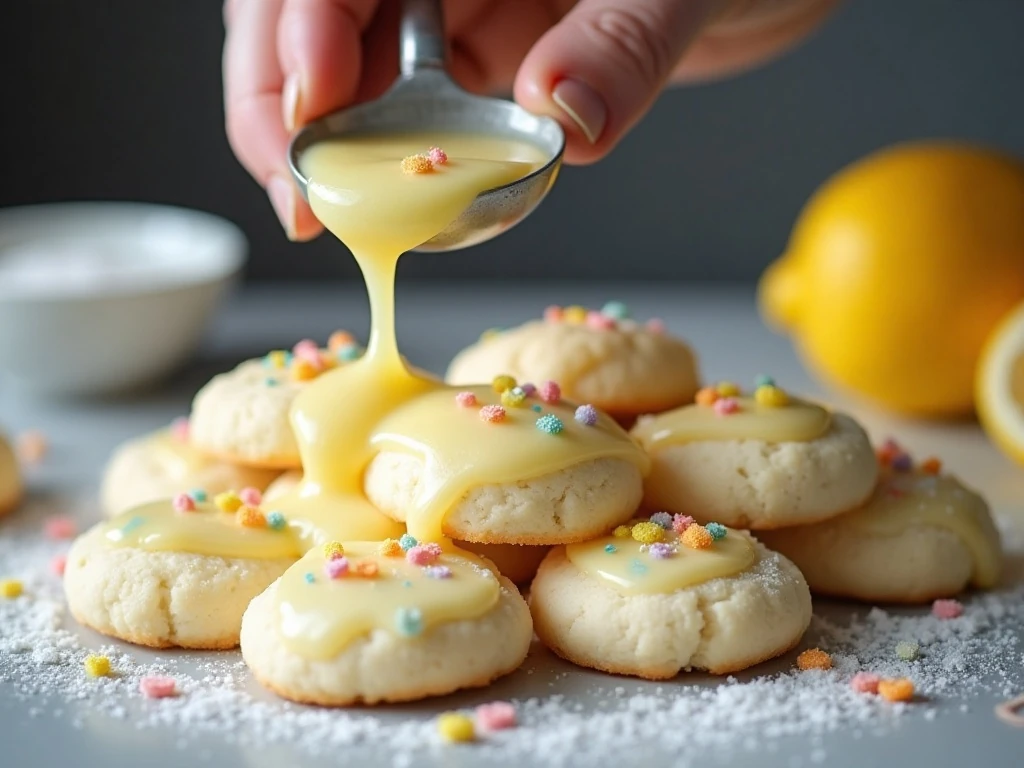
Step 9: Whisk the confectioners’ sugar with the lemon juice, adding milk gradually until the glaze is thick but pourable. Dip the tops or spread the glaze over each cookie, then immediately add sprinkles or lemon zest.
Step 10: Let the glaze set before arranging the cookies in an airtight container. Depending on scoop size, this batch makes approximately 36–48 cookies.
How to Get the Softest Texture
Start with properly softened butter, not melted butter. Soft butter creams with sugar and helps create a light batter, while melted butter can change the structure and encourage excessive spreading.
Ricotta moisture is important, but puddles of liquid are not. If the ricotta looks very watery, drain it briefly in a fine-mesh strainer before measuring or adding it to the bowl.
Most importantly, stop mixing as soon as the flour is incorporated. The batter should look thick and soft, and a 30–60 minute chill gives it enough body to scoop neatly and retain a rounded shape.
For another tender cookie option with a rich, familiar flavor, try our soft peanut butter chocolate chip cookies alongside this lemony batch.
Baking and Glazing Tips
Use parchment-lined baking sheets and scoop consistent portions so the cookies finish at the same time. Leaving about 2 inches between scoops prevents neighboring cookies from touching as they spread.
Do not use top browning as your doneness test. Ricotta cookies are meant to stay pale on top, so look for set edges and lightly golden bottoms instead.
For the glaze, begin with 2 tablespoons of lemon juice and add more only if needed. Add milk a little at a time because a small amount can change the consistency from thick and spreadable to thin and drippy.
Apply sprinkles while the glaze is still wet. Once the glaze sets, decorations will not adhere as well, and the finished cookies will have a cleaner, more polished appearance.
When planning a colorful Christmas platter, you can also include our festive peanut butter sugar cookies for a contrasting nutty flavor.
Serving Suggestions
Serve these cookies with coffee, espresso, black tea, or a glass of cold milk. Their soft texture makes them especially pleasant as an afternoon sweet, but the lemon glaze also gives them enough sparkle for a holiday dessert spread.
Arrange them in a single layer on a platter if the glaze is freshly made. Once the surface has set, you can stack them carefully with parchment between layers.
For a varied cookie box, place the ricotta cookies beside chocolate-forward treats such as these chocolate pistachio cookies. The pale lemon cookies add color and a fresh flavor against darker chocolate desserts.
Storage and Freezing
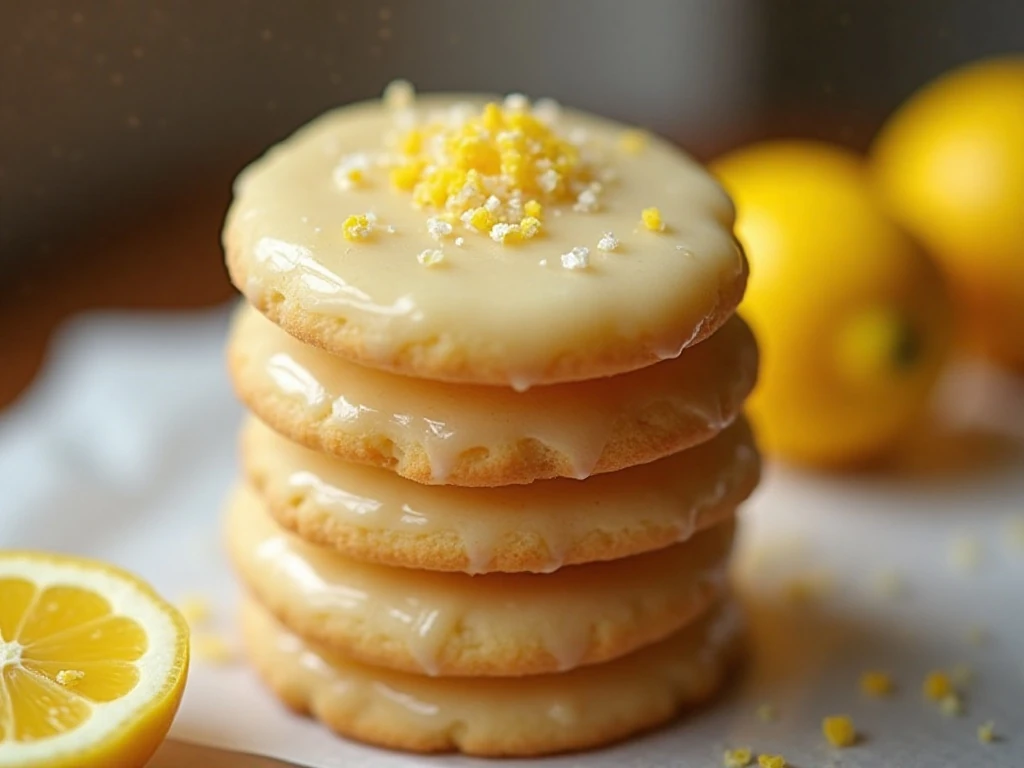
Store glazed Italian ricotta cookies in an airtight container at room temperature for 2–3 days. If you prefer to keep them longer, refrigerate them for up to 5 days, allowing them to come closer to room temperature before serving for the best texture.
Unglazed cookies can be frozen for about 2 months. Thaw them completely on a rack or plate before glazing so condensation does not thin the icing or make the decorations slide.
If you are preparing these for a party, bake the cookies ahead, freeze them unglazed, and make the lemon glaze after thawing. This keeps the topping fresh and makes it easier to decorate shortly before serving.
Common Questions
Can I skip the lemon zest? Yes. Lemon zest is optional, and a vanilla-only cookie is still delicious, especially when finished with the lemon glaze.
Why are my cookies spreading? Watery ricotta, very warm batter, or insufficient chilling can make the dough loose. Drain visibly wet ricotta and chill the batter for at least 30 minutes before scooping.
Why are the tops pale? Pale tops are expected for this style of cookie. Judge doneness by set edges and lightly golden bottoms rather than waiting for the tops to brown.
Can I glaze them while warm? Wait until the cookies are completely cool. Warm cookies soften the glaze and prevent it from setting into the smooth finish that makes these cookies so appealing.

Soft and Chewy Italian Ricotta Cookies
Ingredients
Method
- Whisk the flour, baking powder, and salt together in a medium bowl. Set the dry mixture aside while you prepare the rich ricotta batter.
- Beat the softened butter and granulated sugar for 2–3 minutes, until light and creamy. Add the eggs one at a time, mixing well after each addition.
- Mix in the ricotta, vanilla, and optional lemon zest until the mixture is smooth and evenly combined. Gradually add the dry ingredients and mix only until no visible streaks of flour remain.
- Chill the soft dough for at least 30 minutes if it is difficult to scoop. Chilling also helps the cookies keep a rounded shape in the oven.
- Heat the oven to 350°F (175°C) and line baking sheets with parchment paper. Scoop rounded tablespoons of dough onto the sheets, leaving about 2 inches between cookies.
- Bake for 12–15 minutes per tray, until the edges are set and the bottoms are lightly golden. Keep in mind that the tops should remain pale; baking until the tops are brown can make the cookies dry.
- Cool the cookies on the baking sheet for about 5 minutes, then move them to a wire rack. Let them cool completely before adding the glaze.
- Whisk the confectioners’ sugar with 2–3 tablespoons of lemon juice and enough milk to create a thick but pourable glaze. Dip or spread the glaze over the cooled cookies, then add sprinkles or lemon zest while the glaze is wet.
- Allow the glaze to set fully before stacking or storing the cookies. Keep glazed cookies in an airtight container at room temperature for 2–3 days or refrigerated for up to 5 days.
Notes
Final Thoughts
These soft and chewy Italian ricotta cookies are proof that a simple ingredient list can produce a memorable homemade dessert. Whole-milk ricotta keeps the centers tender, vanilla and lemon bring gentle fragrance, and the glossy glaze adds a fresh, colorful finish.
Remember the key details: drain watery ricotta, mix only until the flour disappears, chill the soft batter when needed, and remove the cookies while the tops are still pale. With those steps in place, you will have a generous batch of delicate cookies that stay moist and inviting.
Make them for a holiday exchange, a family gathering, or an ordinary afternoon when you want something special with coffee. Once the glaze sets, these Italian ricotta cookies are ready to share, stack, and enjoy.
For a final addition to your cookie assortment, our chewy Christmas chocolate chip cookies bring a familiar chocolate finish to the dessert table.
1 thought on “Soft and Chewy Italian Ricotta Cookies Recipe with Lemon Glaze”