This ultimate kitchen sink cookies recipe makes about 24 large, chewy cookies loaded with semisweet chocolate, white chocolate, butterscotch or peanut-butter chips, oats, pretzels, and potato chips. The dough takes about 20–25 minutes to prepare, benefits from a 30–60 minute chill, and bakes at 350°F (175°C) for 11–14 minutes per tray.
Every bite brings together buttery brown-sugar chewiness, lightly crisp edges, melted chocolate, creamy chips, hearty oats, and the irresistible sweet-salty crunch of pretzels and potato chips. If you love a generously filled cookie with plenty of contrasting textures, this is the recipe to make when choosing just one mix-in feels impossible.
Jump to RecipeWhy You’ll Love This Recipe
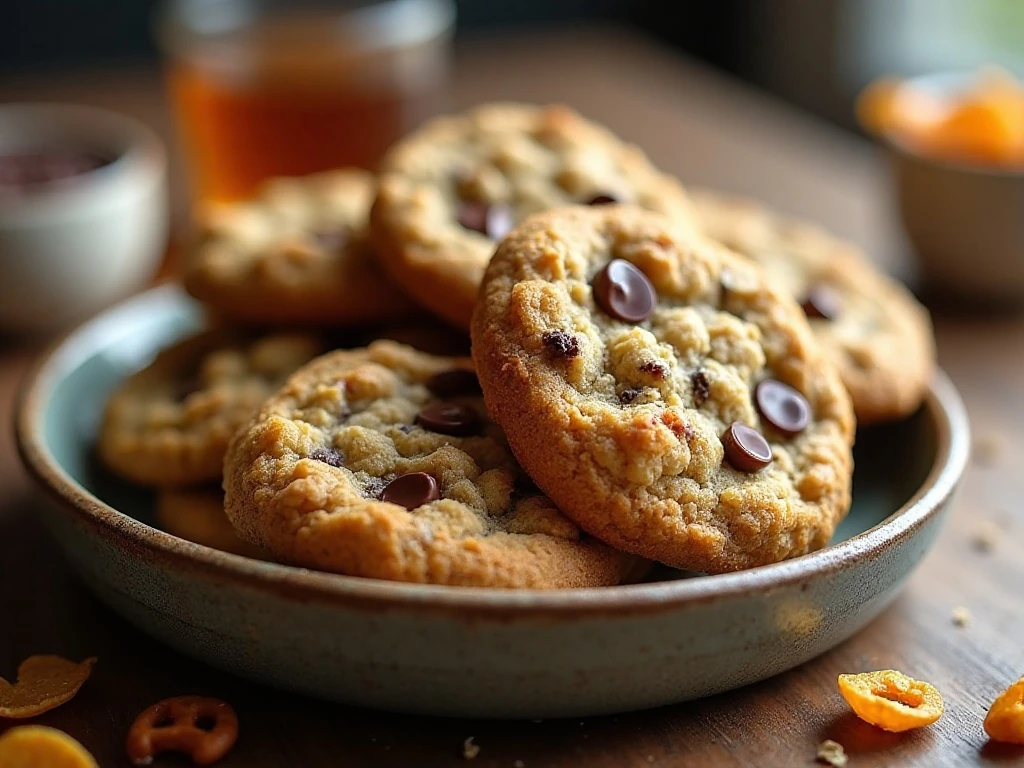
Kitchen sink cookies are designed for abundance. Instead of asking you to choose between chocolate, salty snacks, oats, and candy, this dough welcomes them all into one thick, bakery-style cookie.
The texture is especially satisfying. Brown sugar adds moisture and chewiness, while the smaller amount of white sugar helps the edges brown and develop a delicate crispness.
These cookies are also wonderfully flexible without losing their character. You can use butterscotch chips for a warm caramel note, peanut-butter chips for a nutty finish, or add the optional M&Ms, toffee bits, or chopped nuts when you want even more variety.
For another dependable chewy cookie, take a look at these classic chewy chocolate chip cookies. They are simpler, but they share the same soft-center appeal.
Ingredients You’ll Need
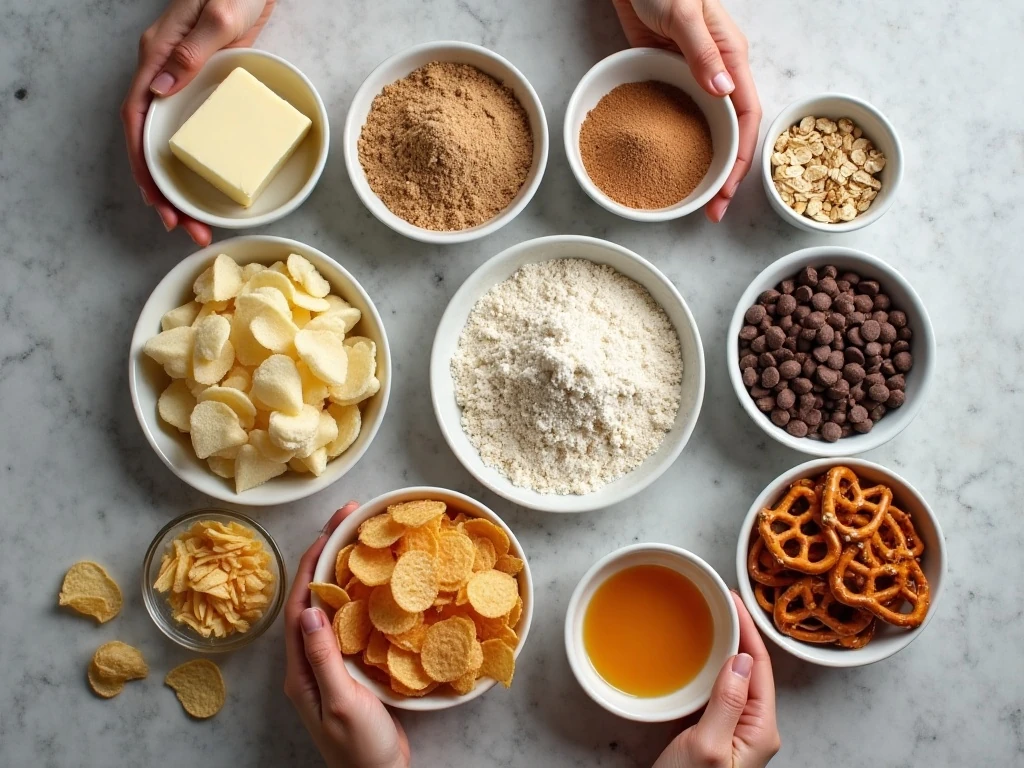
Start with softened unsalted butter, packed light brown sugar, and granulated sugar. Softened butter should be pliable enough to press with a finger but not melted or greasy, because melted butter can encourage excessive spreading.
Room-temperature eggs blend more smoothly into the creamed butter and sugars. Pure vanilla extract rounds out the flavor and makes the chocolate and caramel-like chips taste fuller.
- Dry foundation: all-purpose flour, baking soda, and fine salt.
- Chocolate: semisweet chocolate chips or chunks and white chocolate chips.
- Sweet-salty additions: butterscotch or peanut-butter chips, rolled oats, coarsely crushed pretzels, and coarsely crushed potato chips.
- Optional extras: M&Ms, toffee bits, or chopped nuts.
For the best result, measure the flour by weight. If using measuring cups, spoon the flour in lightly and level it rather than scooping directly from the bag, since too much flour can make a heavily loaded cookie dry and crumbly.
If peanut butter is your favorite cookie flavor, you may also enjoy these chewy peanut butter chocolate chip cookies for a more focused combination.
How to Make It Step-by-Step
Step 1: Heat the oven to 350°F (175°C), then line your baking sheets with parchment paper. The parchment helps prevent sticking and makes it easier to move the cookies after their brief cooling period.
Step 2: In a medium bowl, whisk together the all-purpose flour, baking soda, and fine salt. Mixing these ingredients first distributes the leavener and salt evenly, so every cookie bakes consistently.
Step 3: Place the softened butter, packed light brown sugar, and granulated sugar in a large mixing bowl. Beat for about 2–3 minutes, until the mixture looks creamy and slightly lighter in color, but do not continue far beyond that point.
Step 4: Add the room-temperature eggs one at a time, beating after each addition until incorporated. Mix in the vanilla extract, scraping down the sides of the bowl if needed.
Step 5: Add the flour mixture to the wet ingredients. Mix just until no dry flour remains, because overmixing can develop too much gluten and make the cookies less tender.
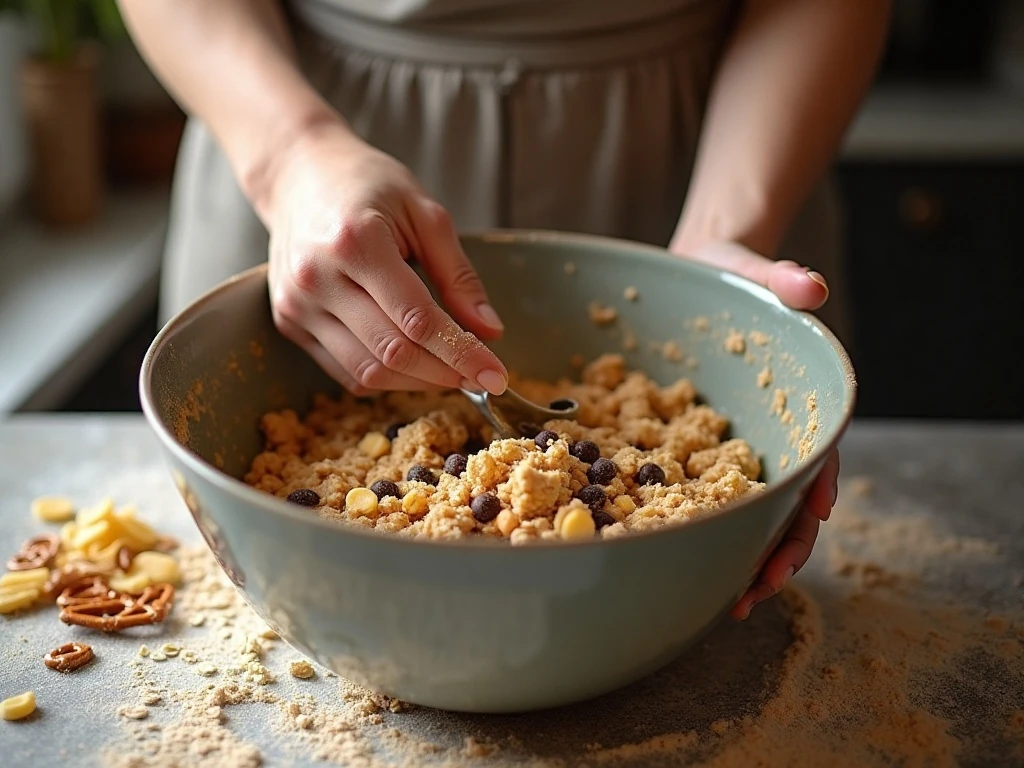
Step 6: Fold in the rolled oats, semisweet chocolate, white chocolate or butterscotch chips, pretzels, potato chips, and any optional additions. Keep the pretzels and potato chips in noticeable pieces rather than crushing them into fine crumbs, and reserve a little of each topping for the cookie surfaces.
Step 7: Cover and chill the dough for 30–60 minutes. This pause gives the flour time to hydrate and helps the softened-butter dough hold its shape, producing thicker, chewier cookies.
Step 8: Scoop approximately 3 tablespoons of dough for each cookie and arrange the portions about 2 inches apart on the prepared sheets. For an especially attractive finish, press a few reserved chocolate chips, pretzel pieces, or potato chip shards into the tops.
Step 9: Bake for 11–14 minutes, preferably one sheet at a time on the center oven rack. The edges should be golden, while the centers should still appear slightly soft and underdone.
Step 10: Leave the cookies on the baking sheet for 5–10 minutes before transferring them to a cooling rack. Press any extra toppings onto the warm surfaces immediately, then allow the cookies to finish setting as they cool.
How to Get Thick, Chewy Cookies
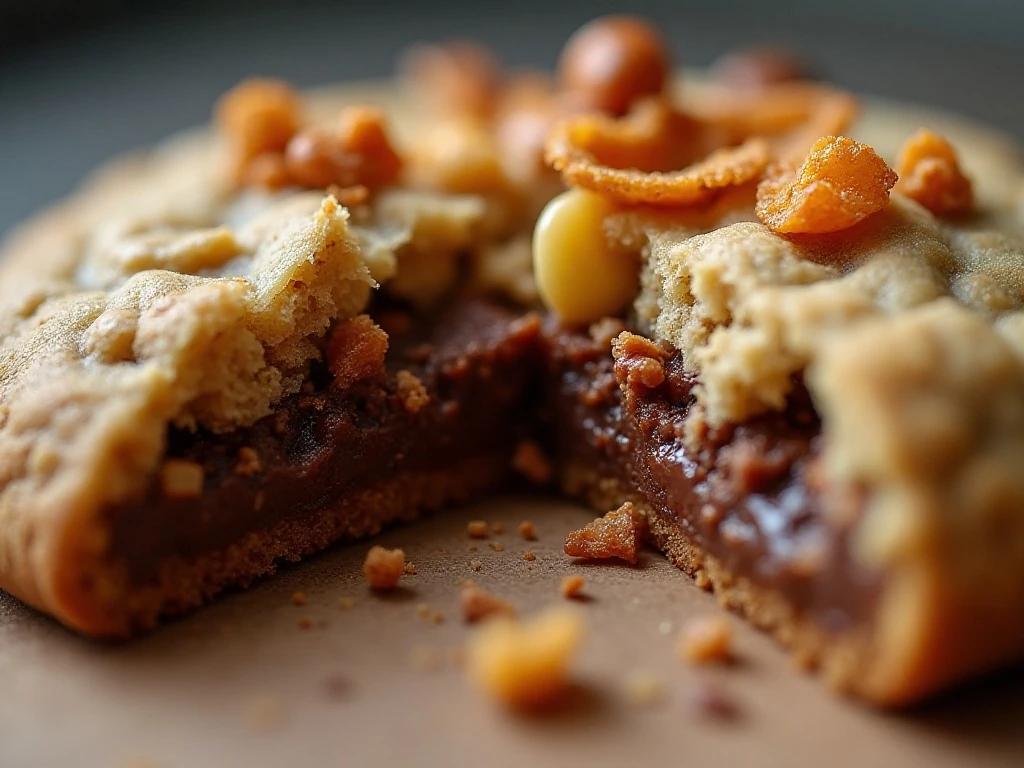
Chilling is the most important texture step in this recipe. Because the dough contains softened butter and a generous amount of mix-ins, baking it immediately can lead to flatter cookies and less defined edges.
A 30-minute chill is helpful, while a full 60 minutes is especially useful if your kitchen is warm or the butter became very soft. Scoop the dough after chilling so each portion remains consistent and bakes at the same rate.
Do not judge doneness by the center looking fully firm. These cookies continue cooking from residual heat on the baking sheet, so removing them when the middle is slightly underbaked is what keeps them soft rather than dry.
The type of baking sheet also affects the result. Parchment-lined, light-colored sheets encourage even browning, while baking one sheet at a time on the center rack gives the cookies the most predictable bake.
Mix-In Ideas and Easy Swaps
The listed combination creates the signature sweet-salty kitchen sink profile, but the mix-ins can be adapted to what you already have. Keep the total balance generous and use pieces that are large enough to remain noticeable after baking.
- Replace or supplement the optional addition with chopped pecans, walnuts, or almonds.
- Add toffee pieces for extra buttery crunch.
- Use caramel bits for a soft, candy-like pocket.
- Try raisins or coconut for a fruitier, old-fashioned cookie variation.
- Use peanut-butter chips when you want a stronger roasted, nutty flavor.
- Scatter M&Ms over the tops for bright color and a crisp candy shell.
When swapping chips, retain the measured semisweet chocolate if possible because it anchors the flavor. White chocolate, butterscotch, and peanut-butter chips are especially good partners for the salty pretzels and potato chips.
For a festive batch, these chewy Christmas cookies offer another colorful idea for holiday baking.
Serving, Storage, and Make-Ahead Tips
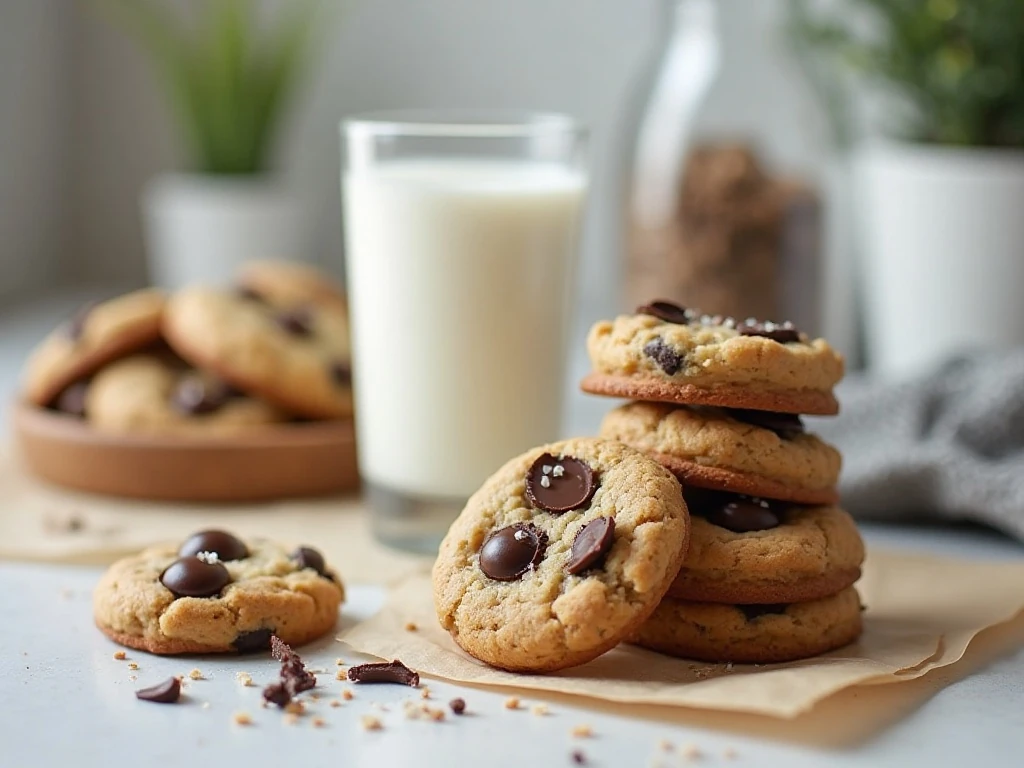
Serve the cookies slightly warm for soft centers and melting chocolate, or let them cool completely for a firmer chew and more pronounced crunch from the salty pieces. A glass of cold milk, hot coffee, or vanilla ice cream makes an excellent pairing.
Store fully cooled cookies in an airtight container at room temperature. For the best texture, keep them protected from air and enjoy them within several days.
The dough can be portioned before baking, making it convenient for small-batch treats. Arrange the scooped portions on a parchment-lined tray, chill them thoroughly, and bake only what you need while keeping the remaining portions cold.
To refresh baked cookies, warm them briefly until the chocolate softens. Avoid overheating, since the pretzels and potato chips can lose their crunch and the centers may become overly soft.
If you prefer a tender, tangy cookie style, compare this recipe with our soft cream cheese cookies. They have a different texture, but they are equally useful for a varied cookie platter.
Common Questions About Kitchen Sink Cookies
Why did my cookies spread? The butter may have been too warm, the dough may not have chilled long enough, or the flour may have been undermeasured. Chill the shaped dough for closer to 60 minutes and measure the flour carefully next time.
Why are the cookies crumbly? Too much flour or overbaking is usually responsible. Weighing the flour, mixing only until combined, and taking the cookies out while the centers still look soft will help.
Can I crush the snacks finely? It is better to crush them coarsely. Larger pretzel pieces and potato chip shards provide the salty crunch that makes these cookies distinctive.
Can I use only one kind of chocolate? Yes. The mix-ins are flexible, although the combination of semisweet and white chocolate gives the most varied flavor and appearance.
For a dessert to serve after your cookie platter, our ultimate chocolate Bundt cake is a rich option that works beautifully for celebrations.
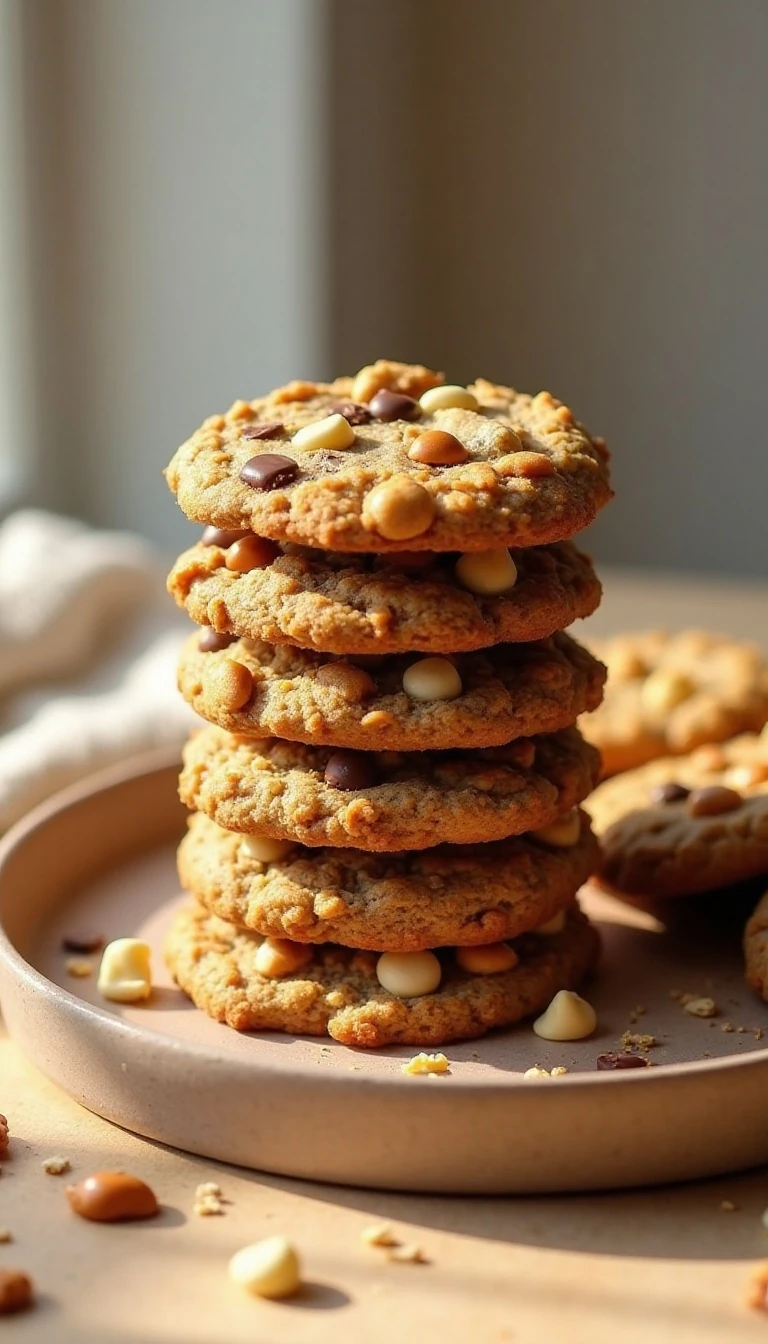
Ultimate Kitchen Sink Cookies Recipe (Chewy & Loaded)
Ingredients
Method
- Heat the oven to 350°F (175°C) and line baking sheets with parchment paper.
- Whisk the flour, baking soda, and fine salt together in a medium bowl.
- Beat the softened butter, brown sugar, and granulated sugar for 2–3 minutes, until creamy and slightly lightened.
- Beat in the eggs one at a time, then mix in the vanilla extract.
- Add the dry ingredients and mix only until no dry flour remains.
- Fold in the oats, chocolate chips, white chocolate or butterscotch chips, pretzels, potato chips, and optional additions. Reserve a few pieces for topping.
- Chill the dough for 30–60 minutes. Scoop approximately 3 tablespoons per cookie and place portions about 2 inches apart.
- Bake for 11–14 minutes, until the edges are golden and the centers still look slightly soft.
- Cool on the baking sheet for 5–10 minutes, then transfer to a rack. Press reserved toppings onto the warm cookies.
Notes
Final Thoughts
This ultimate kitchen sink cookies recipe is all about contrast: chewy and crisp, sweet and salty, soft chocolate and crunchy snack pieces. The brown-sugar dough provides a dependable base, while the oats, pretzels, potato chips, and assorted chips turn every cookie into a generous handful of favorite treats.
For the best batch, measure the flour carefully, chill the dough for 30–60 minutes, scoop generous 3-tablespoon portions, and remove the cookies when the centers still look slightly underdone. Those simple details produce thick cookies with golden edges and soft, chewy middles.
Make the recipe exactly as written for the full kitchen sink experience, or use it as a flexible template for clearing out your baking cabinet. Either way, reserve a few toppings for the warm cookie tops, because the finished cookies should look just as loaded as they taste.