This old-fashioned iced oatmeal cookies recipe makes about 4 dozen tender, chewy cookies with lightly crisp edges and a traditional vanilla icing. The cookies come together in about 20 minutes, bake for 10–12 minutes per batch at 350°F (175°C), and need another 20–30 minutes for cooling and icing.
Each bite has buttery brown-sugar flavor, warm cinnamon, and the pleasantly rustic texture of quick-cooking oats. The sweet icing dries into a pretty crackly coating, making these cookies just right for holiday trays, lunchboxes, bake sales, afternoon coffee, or a simple nostalgic dessert.
Jump to RecipeWhy You’ll Love This Recipe

There is something especially comforting about an oatmeal cookie finished with white icing. The combination recalls classic bakery cases and old family recipe boxes, but the method is simple enough for an ordinary afternoon.
These cookies are soft in the middle, lightly crisp around the edges, and full of buttery brown-sugar flavor. Cinnamon gives them a gentle warmth without overpowering the oats, while the icing adds a smooth sweetness and an attractive old-fashioned finish.
The dough uses quick-cooking oats, so the cookies have a pleasant oatmeal chew without becoming overly coarse. You can leave the oats as they are for a rustic bite or pulse them briefly in a food processor for a finer, more even texture.
If you enjoy classic spiced desserts, serve these alongside a platter of old-fashioned spiced apple rings for a cozy dessert table. The cinnamon and brown sugar in both recipes make them natural companions.
Ingredients You’ll Need
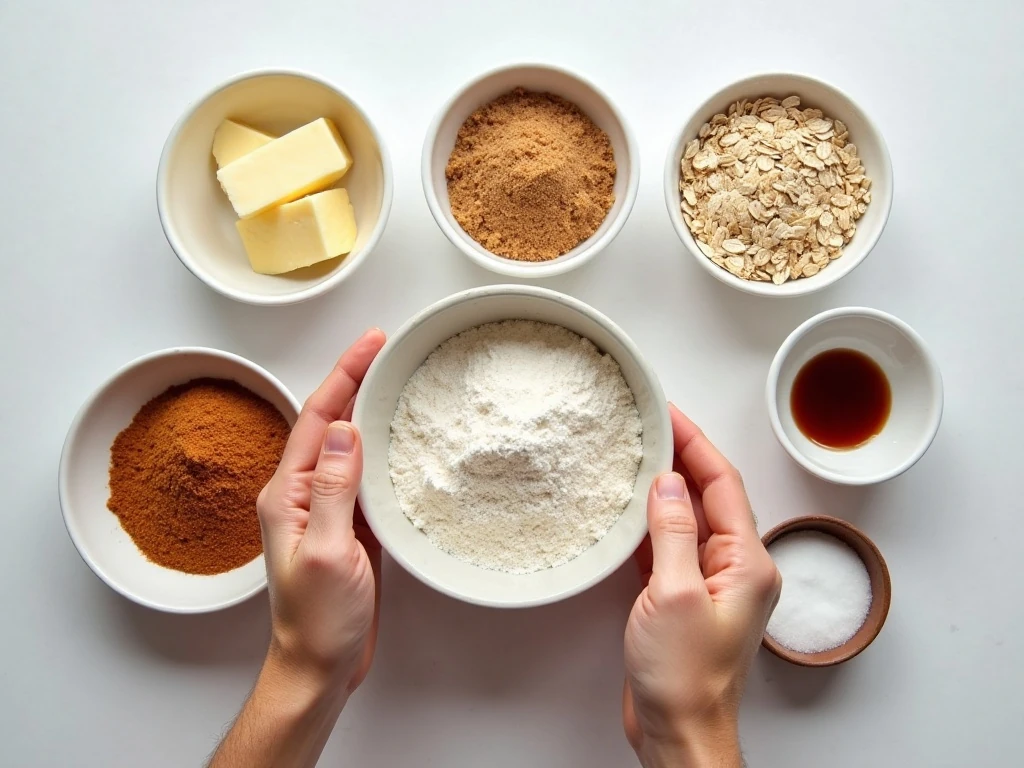
The cookie base begins with softened unsalted butter, packed light brown sugar, and granulated sugar. Brown sugar brings moisture and a deeper caramel note, while granulated sugar helps the edges bake with a delicate crispness.
- Butter: Use 1 cup, or 226 grams, softened to room temperature so it creams smoothly with the sugars.
- Sugars: Measure 1 cup packed light brown sugar and 1/2 cup granulated sugar.
- Eggs and vanilla: Two large eggs bind the dough, and 1 teaspoon vanilla rounds out the flavor.
- Oats and flour: Three cups of quick-cooking oats and 1 1/2 cups all-purpose flour create the cookie’s hearty structure.
- Leavening and spice: Baking soda, cinnamon, and salt keep the flavor balanced and the texture tender.
The icing needs only confectioners’ sugar, milk, and a small amount of vanilla. Whole milk or 2% milk gives the glaze a creamy consistency, but the important detail is thickness: it should cling to the cookie tops instead of running off.
Gather parchment-lined baking sheets, a mixing bowl for the dry ingredients, a large bowl for the dough, a mixer or sturdy spoon, and a wire rack. Having the equipment ready keeps the process moving once the butter and sugar are creamed.
How to Make It Step-by-Step

Step 1: Heat the oven to 350°F (175°C), then line your baking sheets with parchment paper. The parchment prevents sticking and makes it easier to lift the cookies away once their centers have finished setting.
Step 2: Place the softened butter, packed light brown sugar, and granulated sugar in a large mixing bowl. Cream them until the mixture looks lighter and well blended, scraping the sides of the bowl as needed so no pockets of butter remain.
Step 3: Beat in the eggs one at a time, allowing the first egg to blend in before adding the second. Mix in 1 teaspoon vanilla extract, stopping to scrape the bowl so the wet mixture stays even.
Step 4: In a separate bowl, combine the quick-cooking oats, all-purpose flour, baking soda, cinnamon, and salt. Stir thoroughly so the baking soda and cinnamon are distributed throughout the flour and oats.
Step 5: Gradually add the dry ingredients to the butter mixture. Mix only until the ingredients are combined; overmixing can make the finished cookies less tender.
Step 6: Drop rounded tablespoons of dough onto the prepared baking sheets. Leave about 2 inches between portions because the cookies need room to spread and bake evenly.
Step 7: Bake each batch for 10–12 minutes. Look for lightly browned edges and centers that appear set but still soft, since the cookies continue firming as they cool.
Step 8: Let the cookies rest on the baking sheet for about 5 minutes. Transfer them carefully to a wire rack and wait until they are completely cool before preparing the icing.
Step 9: Whisk the confectioners’ sugar, milk, and 1/4 teaspoon vanilla extract in a bowl until smooth. If the icing is too thick, add a few drops of milk; if it is too loose, whisk in a little extra confectioners’ sugar.
Step 10: Dip the tops of the cooled cookies into the icing or drizzle it over them with a spoon. Set the cookies aside until the coating firms, then arrange them on a platter or store them in an airtight container.
Pro Tips for Tender Oatmeal Cookies
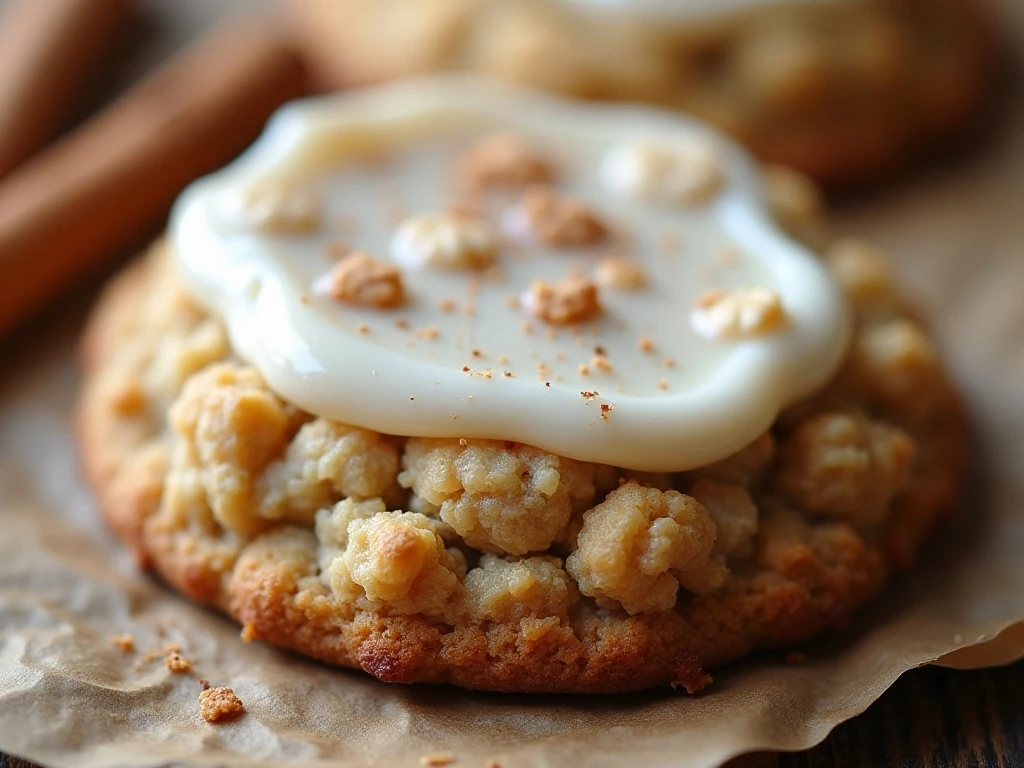
The most important rule is to avoid overbaking. The edges should be lightly browned while the centers remain slightly soft and look just set; if the middle looks completely dry in the oven, the cooled cookie may be firmer than intended.
Softened butter should be pliable but not melted. Melted butter changes how the dough spreads, while cold butter will not cream properly with the sugars and may leave the dough uneven.
For a more uniform, bakery-style texture, pulse the quick-cooking oats briefly in a food processor before adding them to the dry ingredients. Do not process them into flour; retaining some oat pieces gives the cookies their recognizable chew.
Ice only completely cooled cookies. Warm cookies soften the icing and can make it slide off, while fully cooled tops allow the coating to set into the traditional crackly layer.
For a warmer spice profile, add 1/2 teaspoon ground nutmeg along with the cinnamon. If you like oatmeal cookie variations, compare this classic version with these chewy spicy oatmeal raisin cookies for a fruit-filled alternative.
Storage and Make-Ahead Advice
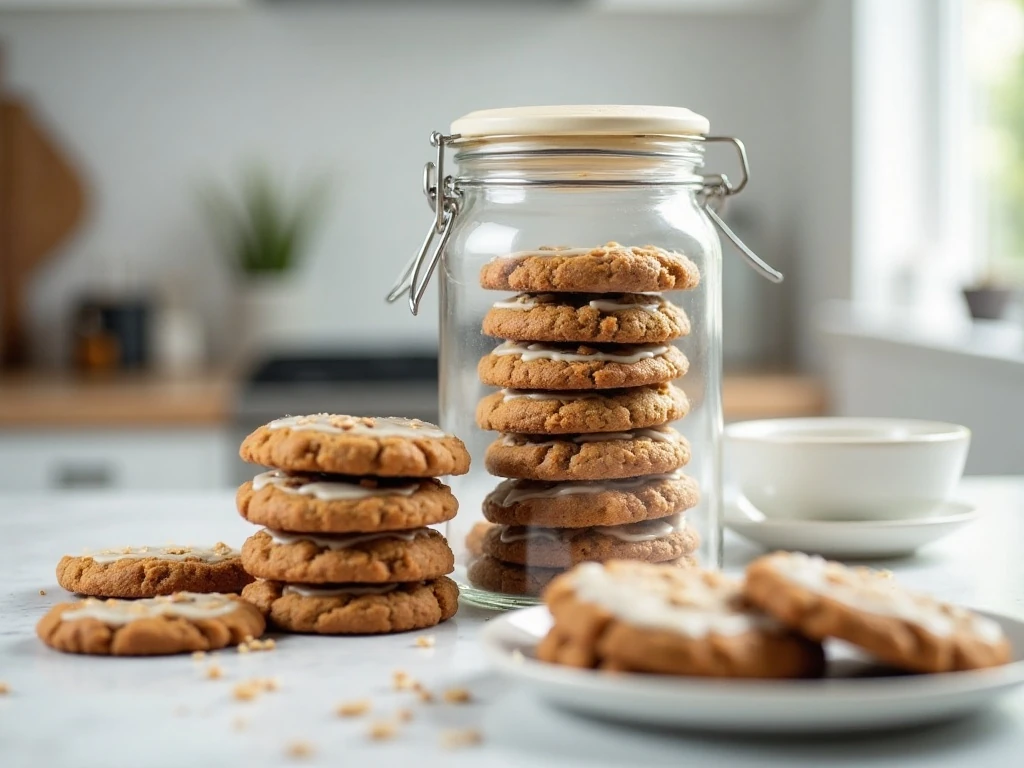
Allow the icing to set before stacking the cookies. Once the coating is firm, place the cookies in an airtight container with parchment between layers to help protect the icing and prevent sticking.
Keep the container at room temperature and enjoy the cookies within the usual span for homemade iced cookies. Avoid storing them while they are still warm, because trapped steam can soften the edges and make the icing tacky.
The dough is easiest to handle immediately after mixing, when it is soft enough to portion with a spoon. If you need to pause, cover the bowl and keep it chilled, then allow the dough to become workable before portioning; baking time may need close attention as chilled dough can spread differently.
These cookies also fit beautifully into a mixed holiday assortment. Add white chocolate cranberry oatmeal cookies for a bright, fruity contrast, or include a batch of classic gingerbread cookies when you want deeper molasses and spice.
Serving Ideas and Flavor Pairings

Serve the cookies with coffee, black tea, hot chocolate, or a cold glass of milk. The icing melts slightly on the tongue, so a warm drink makes the cinnamon and brown sugar taste especially inviting.
For an attractive dessert tray, arrange the cookies in a single layer with the iced tops visible. Their simple white coating looks lovely beside fruit desserts, chocolate treats, and warmly spiced baked goods.
Although these are unmistakably dessert cookies, their oatmeal texture makes them satisfying enough for an afternoon snack. Pack a few for a picnic, tuck one into a lunchbox, or serve them after a casual family meal.
If you are planning a full comfort-food menu, keep dessert simple after a savory entrée such as this authentic chicken teriyaki. The sweet cinnamon cookies make a pleasant finish after a flavorful dinner.
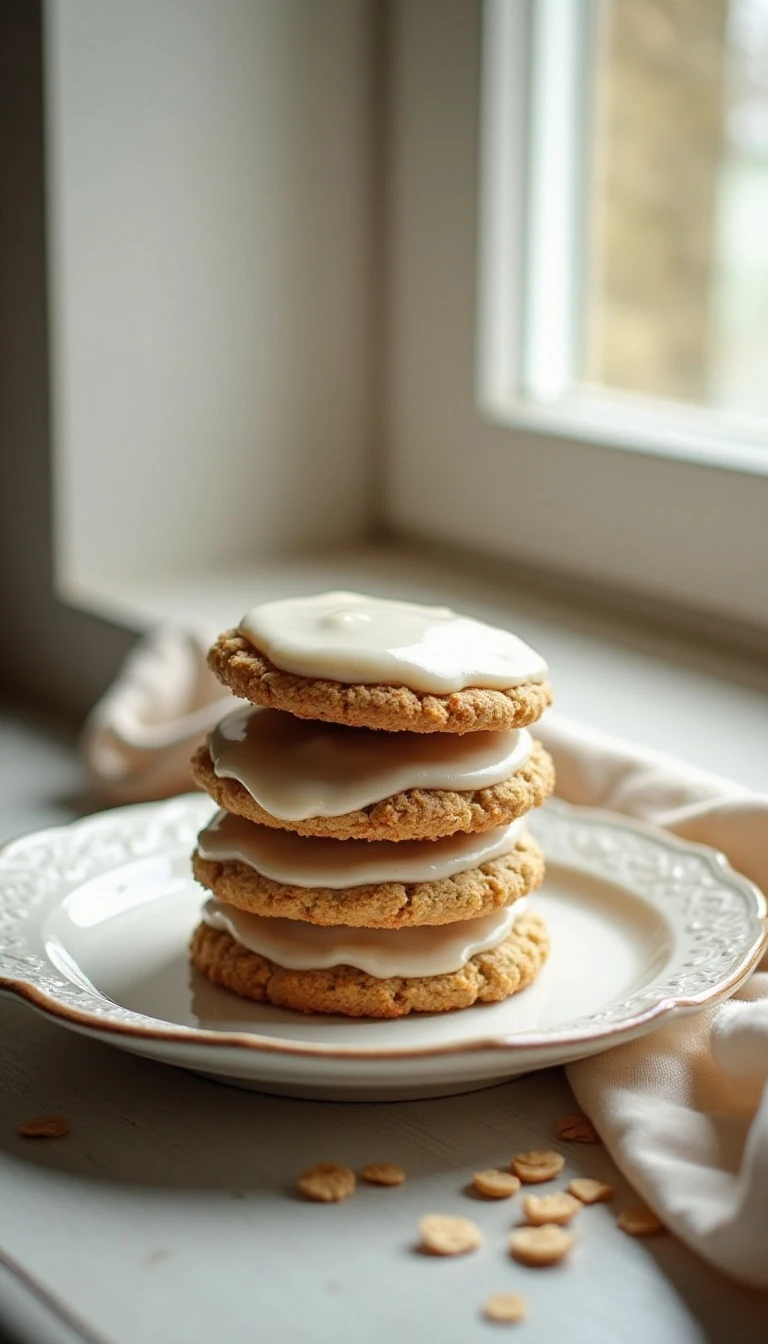
Old-Fashioned Iced Oatmeal Cookies
Ingredients
Method
- Heat the oven to 350°F (175°C) and line baking sheets with parchment paper.
- Cream the softened butter, packed light brown sugar, and granulated sugar until light and well blended.
- Beat in the eggs one at a time, then mix in the vanilla extract.
- In a separate bowl, combine the quick-cooking oats, all-purpose flour, baking soda, cinnamon, and salt.
- Gradually add the dry ingredients to the butter mixture, mixing only until combined.
- Drop rounded tablespoons of dough onto the prepared baking sheets, leaving about 2 inches between cookies.
- Bake for 10–12 minutes, until the edges are lightly browned and the centers look set but still soft.
- Cool the cookies on the baking sheet for about 5 minutes, then transfer them to a rack to cool completely.
- Whisk the confectioners’ sugar, milk, and vanilla until smooth. Adjust the consistency with a few drops of milk or a little extra confectioners’ sugar if needed.
- Dip the tops of the completely cooled cookies into the icing or drizzle the icing over them. Let the coating set before storing.
Notes
Final Thoughts
Old-fashioned iced oatmeal cookies are proof that a modest ingredient list can produce a memorable homemade treat. With buttery dough, quick-cooking oats, cinnamon, and a thick vanilla icing, every cookie offers a balance of chew, crispness, and sweetness.
Watch the baking time carefully, cool the cookies fully, and keep the icing thick enough to cling to the tops. Follow those simple details and you will have about 4 dozen nostalgic cookies ready for sharing, gifting, or enjoying with your next cup of coffee.
1 thought on “Old-Fashioned Iced Oatmeal Cookies Recipe”