This Old Fashioned Tweed Cake Recipe with Chocolate Flakes makes one moist 9 x 13-inch Canadian-style snack cake in about 1 hour and 45 minutes, including cooling and icing. A light vanilla cake batter is folded with whipped egg whites and finely grated semisweet chocolate, then finished with a smooth cocoa icing.
Every bite is soft, tender, and gently chocolatey, with tiny flakes scattered through the crumb like woven tweed fabric. It is an excellent choice for afternoon coffee, school lunches, family celebrations, or any dessert table that calls for a simple homemade cake with old-fashioned charm.
Jump to RecipeWhy You’ll Love This Recipe
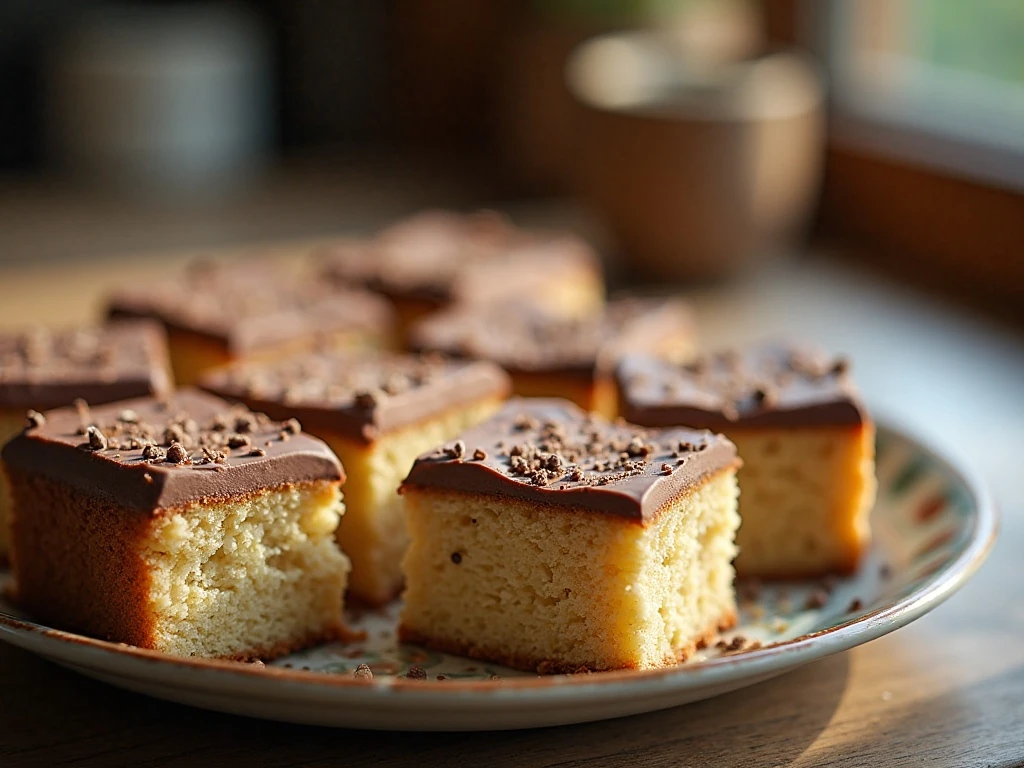
Tweed Cake has the cozy appeal of a community-cookbook classic: familiar ingredients, a straightforward method, and a finished cake that feels special without being fussy. The separated eggs are the small extra step that gives this version its airy, traditional texture.
Finely grated semisweet chocolate melts into the batter as the cake bakes. Some flakes disappear into the crumb, while others remain as delicate dark flecks, creating the signature tweed pattern and adding little pockets of chocolate flavor.
The cocoa icing is smooth, rich, and just sweet enough to complement the mild vanilla cake. Cut the finished cake into 12 generous pieces or 16 smaller squares for a party, luncheon, or afternoon treat.
If your household enjoys deeply chocolate-forward desserts, our rich chocolate cake is another wonderful recipe to keep nearby. Tweed Cake, however, offers a lighter crumb and a more delicate balance between vanilla and chocolate.
Ingredients You’ll Need
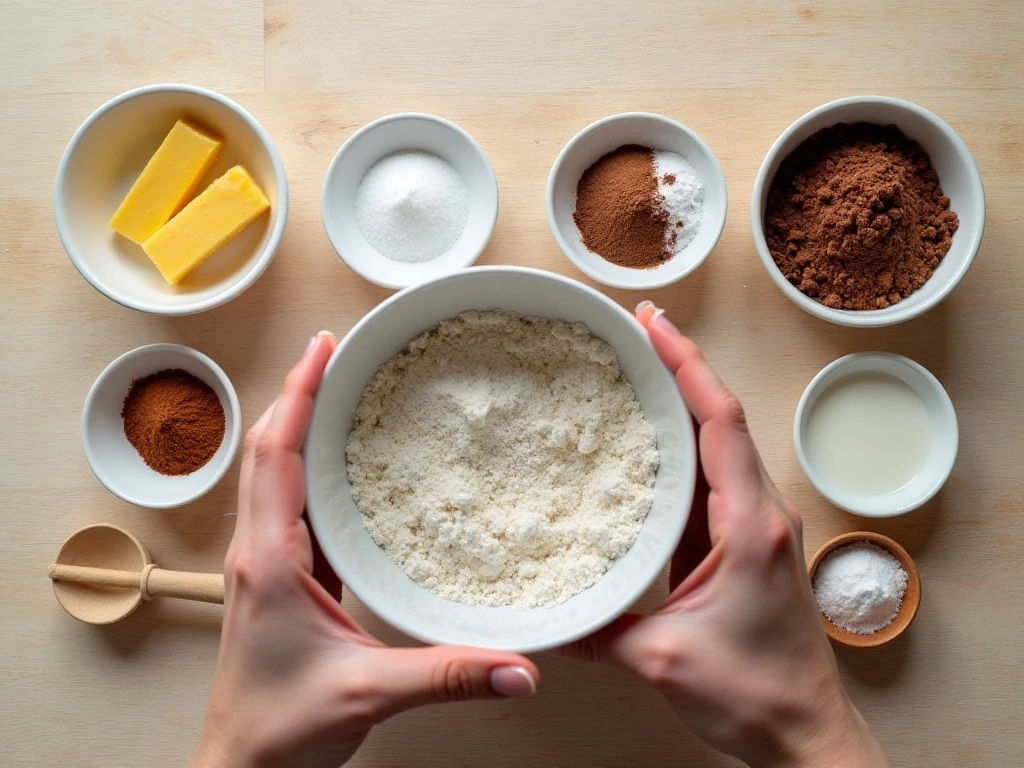
The ingredient list is uncomplicated, but each item has an important role in the cake’s texture. Use softened butter rather than melted butter so it can hold air while creaming with the sugar.
- Butter and sugar: These create the flavorful, tender base of the batter.
- Separated eggs: The yolks enrich the mixture, while the beaten whites help the cake bake up light.
- Flour, baking powder, and salt: This simple dry mixture gives the cake structure and balanced flavor.
- Milk and vanilla: Milk loosens the batter and keeps the crumb soft, while vanilla rounds out the taste.
- Semisweet chocolate: Two ounces, or about 1/2 cup finely grated, provides the characteristic flakes.
- Icing ingredients: Butter, milk, cocoa, sifted icing sugar, and vanilla make a quick cooked-style chocolate topping.
For the chocolate, choose a semisweet bar rather than large chocolate chips. A chilled bar grates into fine, dry shavings that distribute more evenly throughout the batter.
For another fruit-based dessert with a classic baking-pan format, try these old-fashioned spiced apple rings when you want a different kind of nostalgic treat.
How to Make It Step-by-Step
Step 1: Heat the oven to 350°F (175°C), then grease a 9 x 13-inch baking pan. Line the bottom with parchment if you would like easier lifting and cleaner slices after the cake cools.
Step 2: Place the softened butter and granulated sugar in a large mixing bowl. Beat them until the mixture is noticeably lighter in color and fluffy, scraping the sides of the bowl once or twice so the texture stays even.
Step 3: Add the two egg yolks and the vanilla extract to the creamed butter mixture. Beat until smooth and fully incorporated, but do not worry if the mixture looks slightly soft at this stage.
Step 4: In a separate bowl, whisk the all-purpose flour, baking powder, and salt. Add the dry ingredients to the butter mixture in portions, alternating with the milk, and mix only until the batter comes together.
Step 5: In a clean, dry bowl, beat the egg whites to firm peaks. The whites should hold their shape when the beaters are lifted, giving the finished cake the light structure that makes traditional Tweed Cake so tender.
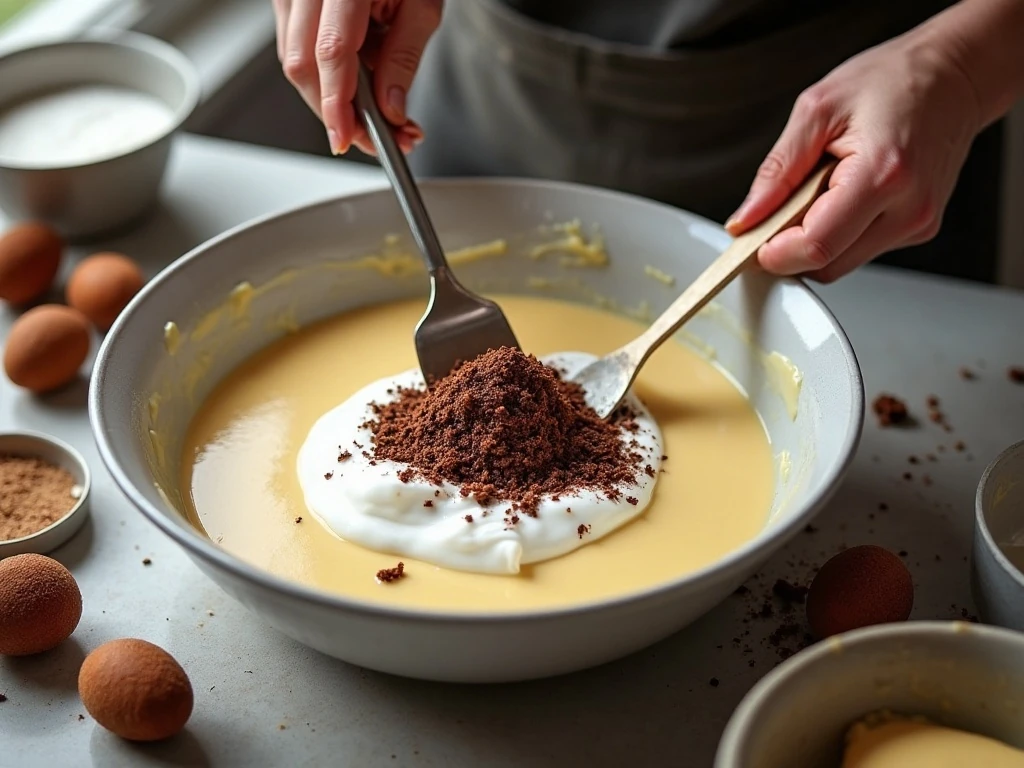
Step 6: Fold the beaten egg whites gently into the batter in two or three additions. Use a spatula and broad scooping motions, stopping as soon as no large white streaks remain so you do not lose the air you worked into the whites.
Step 7: Fold in the finely grated semisweet chocolate. Work carefully and briefly; overmixing can make the cake denser and may cause the chocolate flakes to clump instead of spreading through the batter.
Step 8: Transfer the batter to the prepared pan and spread it evenly into the corners. Bake for 30 to 35 minutes, watching closely near the end because the ideal cake is moist and just set rather than dry.
Step 9: Test the center with a cake tester or thin skewer. It should come out clean, and the center should spring back lightly when touched; let the cake cool completely in the pan before icing.
Step 10: Prepare the icing by melting the butter with the milk in a small saucepan or microwave-safe bowl. Remove it from the heat, then whisk in the cocoa powder, sifted icing sugar, and vanilla until smooth, adding a teaspoon or two of milk if the icing needs loosening.
Step 11: Spread the chocolate icing over the completely cooled cake. Allow the topping to settle for a few minutes before slicing into squares, using a sharp knife and wiping the blade between cuts for tidy edges.
Pro Tips for the Best Tweed Cake
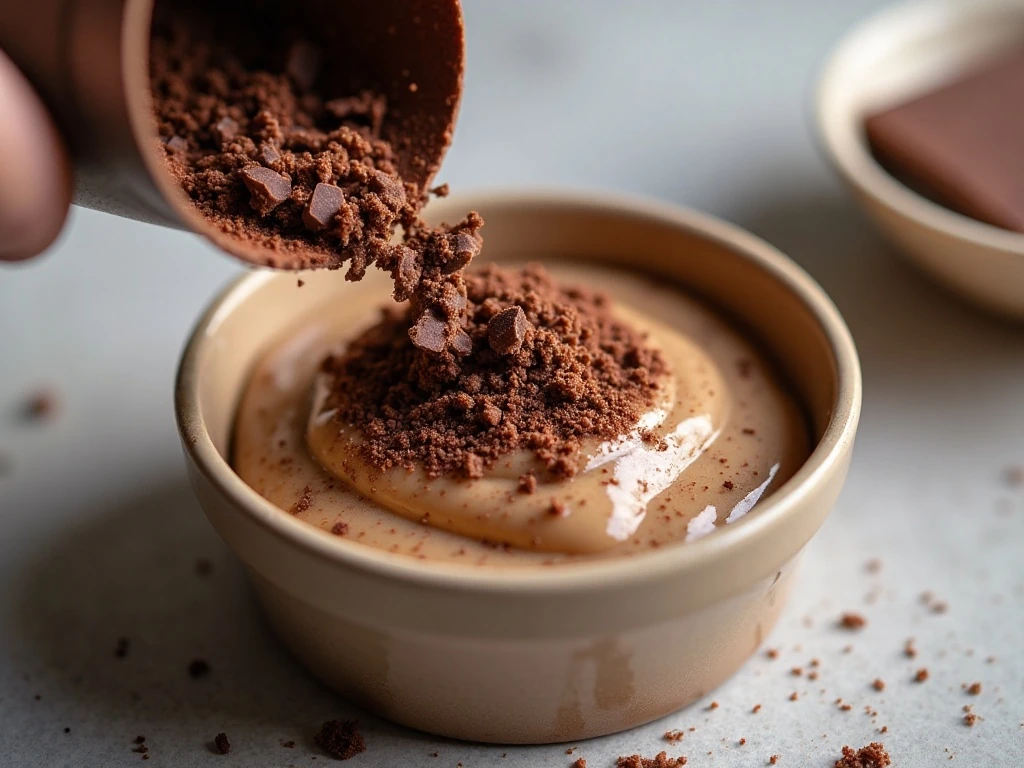
The most important preparation trick is chilling the chocolate before grating it. Place the chocolate in the refrigerator or briefly in the freezer, then grate it with the fine side of a box grater; the colder chocolate produces dry flakes that are easier to fold through the batter.
Make sure the bowl and beaters used for the egg whites are clean and free from grease. Even a little yolk or butter can prevent the whites from reaching firm peaks.
- Measure flour carefully: Spoon it into a measuring cup and level the top, or use a kitchen scale for the listed 190 grams.
- Alternate patiently: Adding milk and dry ingredients in portions helps the batter stay smooth without requiring excess mixing.
- Fold, do not stir: Gentle folding protects the air in the egg whites and keeps the crumb light.
- Watch the baking time: Begin checking at 30 minutes, especially if your pan is dark or your oven runs hot.
- Cool fully: Warm cake can make the icing melt and slide instead of spreading into a smooth layer.
The icing should be thick enough to sit on the cake but soft enough to spread easily. If it seems stiff, add milk a teaspoon at a time; if it is too loose, whisk in a little more sifted icing sugar.
For a bright alternative with fruit and citrus, you can also browse this blueberry cake with lemon frosting. It has a completely different flavor profile but the same welcoming homemade-dessert spirit.
Serving, Storage, and Make-Ahead Advice
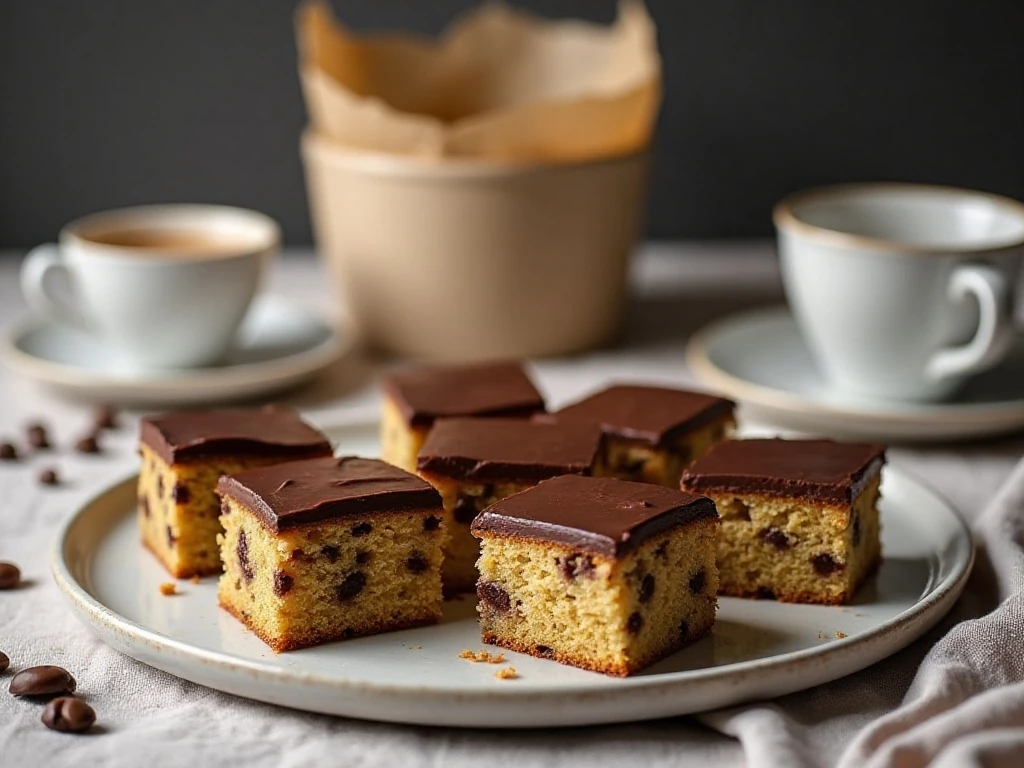
Serve Tweed Cake at room temperature so the butter-based crumb is soft and the chocolate icing tastes creamy. A cup of coffee, black tea, or cold milk pairs especially well with the gentle vanilla and cocoa flavors.
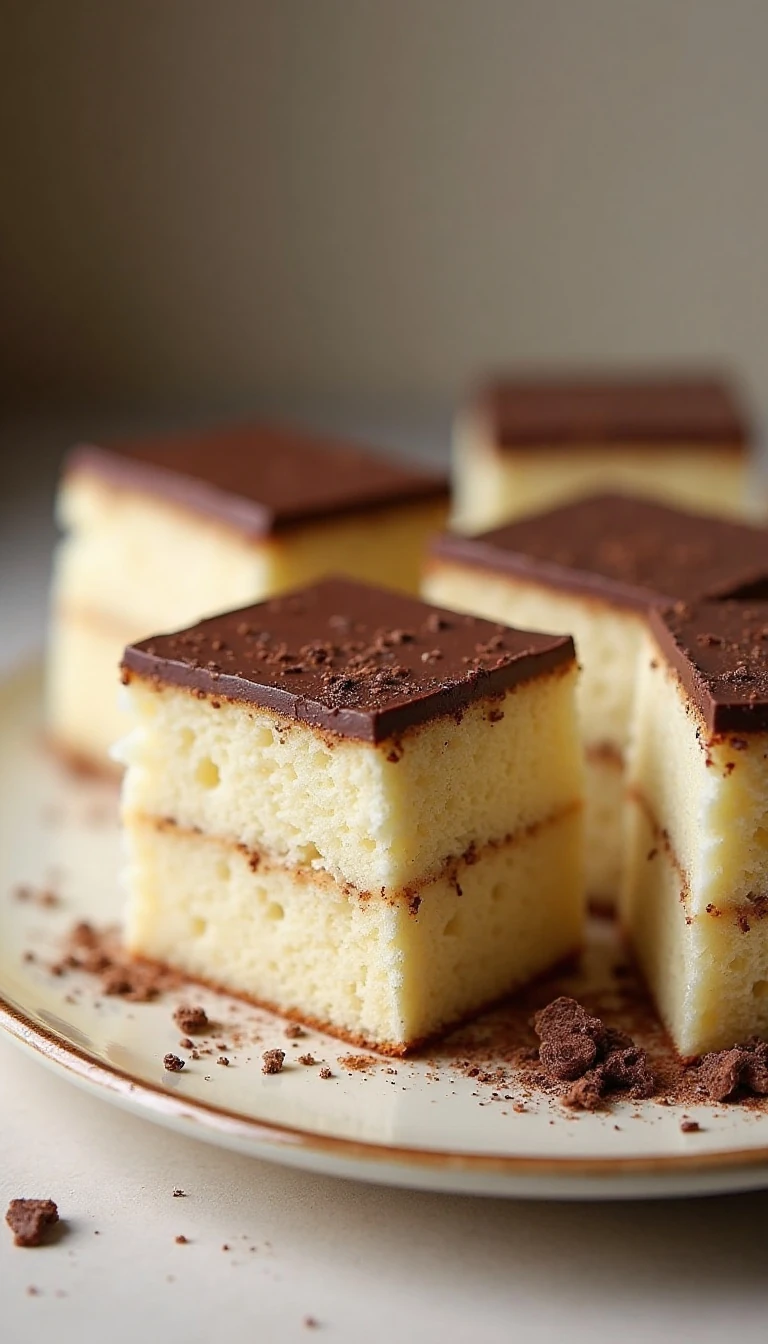
For neat portions, chill the iced cake briefly before cutting, then let the squares sit at room temperature for a few minutes before serving. This firms the icing for clean slicing without making the cake feel cold or firm.
- Store the covered cake at room temperature for up to 2 days in a cool kitchen.
- Refrigerate it in an airtight container for longer storage, then bring portions to room temperature before eating.
- Freeze uniced cake tightly wrapped, or freeze individual iced squares in a sealed container with parchment between layers.
- Thaw frozen cake in the refrigerator, then let it stand at room temperature before serving.
Because the cake is moist and lightly textured, avoid leaving it uncovered. Exposure to air can dry the edges and dull the smooth finish of the icing.
If you are planning a dessert spread, a chilled layered option such as this four-layer chocolate dessert can be prepared alongside the cake without using the oven.
Easy Variations and Decorating Ideas
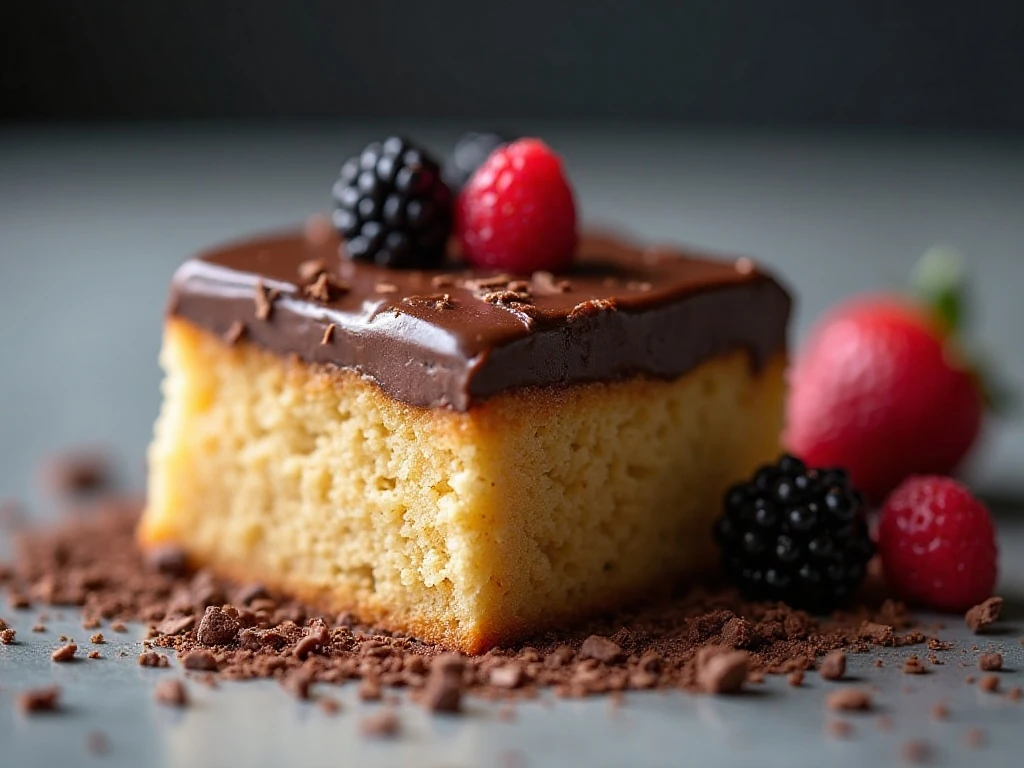
The classic recipe is best enjoyed as written, but a few simple presentation choices can make it fit different occasions. Keep the icing smooth for a traditional community-cookbook look, or sprinkle a small amount of finely grated semisweet chocolate over the top while the icing is still soft.
For a birthday or casual celebration, cut the cake into smaller squares and place each one in a paper liner. A light dusting of cocoa powder around the platter adds contrast without changing the recipe.
You can also serve the cake with lightly sweetened whipped cream or a few fresh berries. Keep additions modest so the chocolate flakes and soft vanilla crumb remain the main attraction.
When a special occasion calls for a more dramatic chocolate dessert, our triple dark chocolate Bundt cake is a richer choice. Tweed Cake is better suited to everyday baking, potlucks, and nostalgic family gatherings.
Old Fashioned Tweed Cake with Chocolate Flakes
Ingredients
Method
- Heat the oven to 350°F (175°C). Grease a 9 x 13-inch baking pan and line the bottom with parchment if desired.
- Cream the softened butter and granulated sugar until light and fluffy. Beat in the egg yolks and vanilla.
- Whisk together the flour, baking powder, and salt. Add the dry mixture to the butter mixture in portions, alternating with the milk, and mix only until combined.
- Beat the egg whites in a clean bowl to firm peaks. Fold them gently into the batter, followed by the finely grated semisweet chocolate.
- Spread the batter evenly in the prepared pan. Bake for 30-35 minutes, until the center springs back lightly and a tester comes out clean.
- Cool the cake completely. For the icing, melt the butter with the milk, remove from the heat, and whisk in the cocoa, icing sugar, and vanilla until smooth; add a teaspoon or two of milk if needed, then spread over the cake.
Notes
Final Thoughts
This Old Fashioned Tweed Cake Recipe with Chocolate Flakes is proof that a modest ingredient list can create a memorable dessert. The whipped egg whites give the cake its soft, light bite, while chilled grated chocolate creates the pretty speckled crumb that gives Tweed Cake its name.
Take care not to overmix after adding the egg whites, and remove the cake from the oven as soon as the center is lightly set. Once it has cooled, the smooth cocoa icing turns a simple pan cake into a polished treat that is easy to slice, share, and enjoy.
Make it for a weekend baking project, pack it for a gathering, or serve it beside coffee after dinner. Its tender texture and gentle chocolate flavor are the kind of old-fashioned comforts that keep a recipe in the family for years.