This easy Portuguese malasadas recipe makes about 18–24 fluffy sugar donuts with a soft, yeast-raised center and a delicate golden crust. The egg-enriched dough comes together with warm milk, melted butter, sugar, and flour, then rises twice before being fried for just 2–3 minutes per batch and rolled in granulated sugar.
Fresh malasadas are warm, tender, and lightly crisp on the outside, with an airy, irregular crumb inside. They are wonderful for breakfast, brunch, afternoon coffee, or dessert, and this straightforward recipe brings the beloved Portuguese and Hawaiian-style treat to your own kitchen.
Jump to RecipeWhy You’ll Love This Recipe
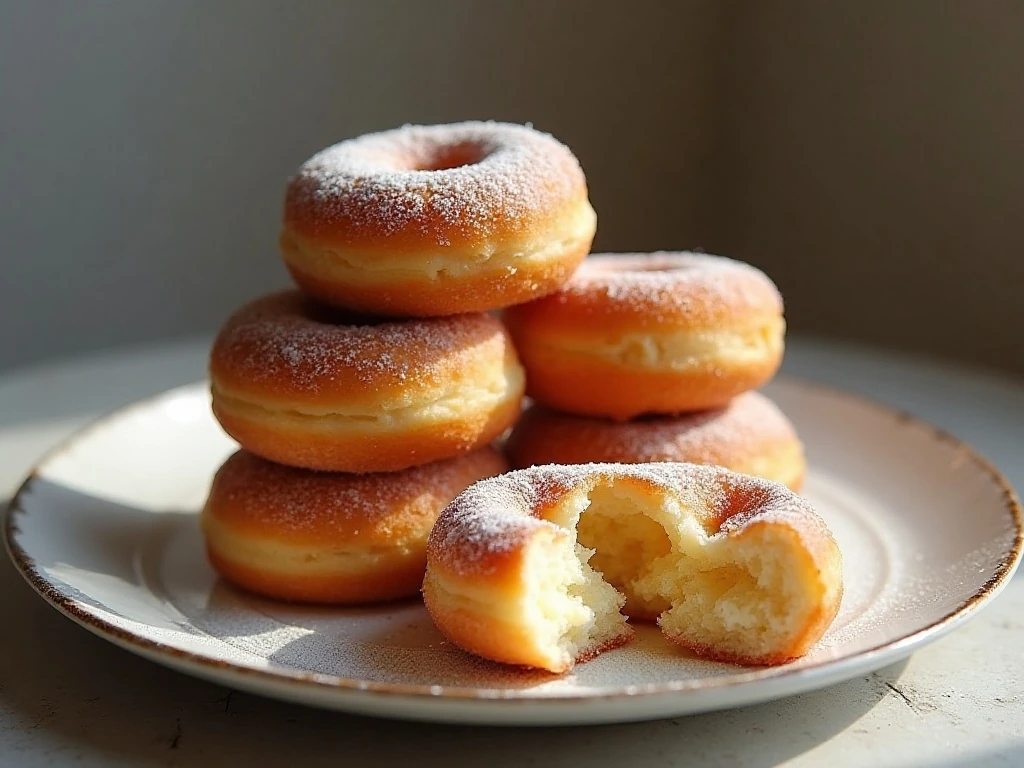
Malasadas are often described as Portuguese donuts, but their texture makes them especially memorable. Unlike a firm cake donut, a good malasada has a tender, yeast-raised interior that feels almost cloudlike when you bite into it.
The dough includes eggs, whole milk, butter, and sugar, giving every bite a gently rich flavor without needing a glaze. A simple coating of granulated sugar clings to the warm surface and creates the perfect contrast between crisp, sweet edges and a soft center.
This recipe is also flexible enough for a relaxed weekend kitchen project. While the total time is about 2½–3 hours, much of that is hands-off rising time, leaving you free to prepare coffee or another brunch favorite such as these soft Hawaiian rolls.
Ingredients You’ll Need
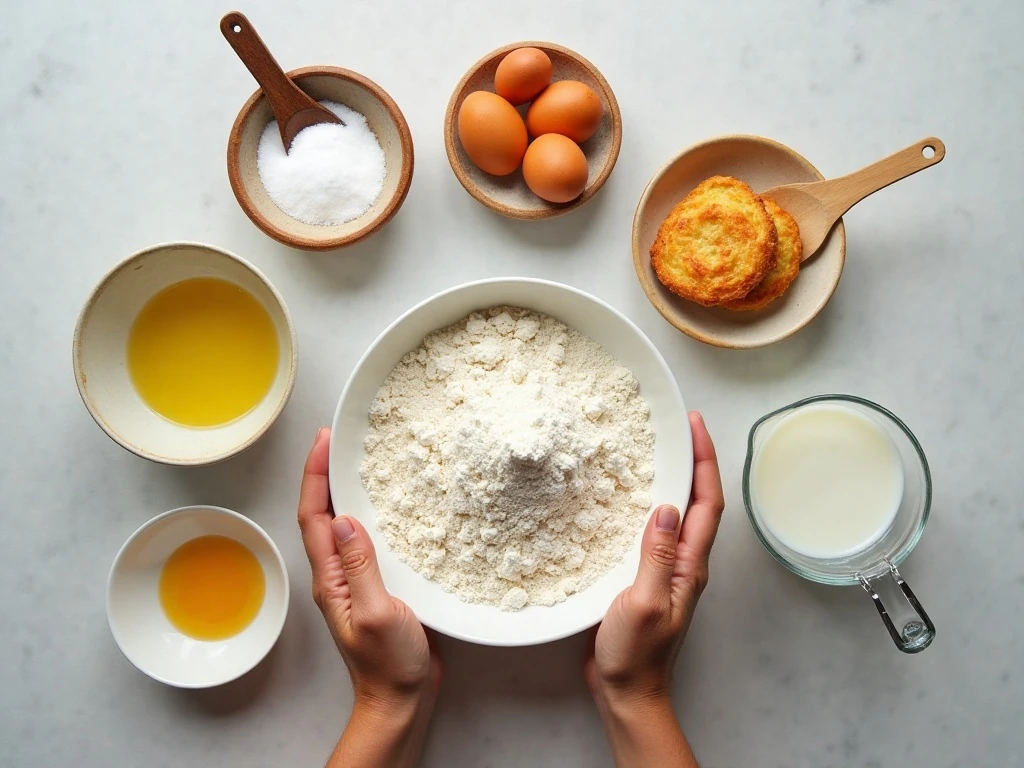
The ingredient list is simple, but each component has an important job. Warm water activates the yeast, while scalded milk contributes tenderness and a pleasant dairy flavor once it has cooled to a warm temperature.
- Active dry yeast: Use one packet, or 2¼ teaspoons, for the two-stage rise.
- Whole milk and butter: These give the dough its soft, rich texture.
- Eggs: Three lightly beaten eggs add color, tenderness, and structure.
- All-purpose flour: Four cups is the starting point, but avoid automatically adding more.
- Neutral oil: Vegetable, canola, or peanut oil works well for frying.
- Granulated sugar: Some sweetens the dough, and ½–1 cup coats the hot malasadas.
Have a thermometer, a large heavy pot or Dutch oven, a slotted spoon, and a tray ready before you begin. A wide bowl of coating sugar also makes the final step quick while the donuts are still warm.
How to Make It Step-by-Step
Step 1: Activate the yeast by stirring it with 1 teaspoon of granulated sugar into ¼ cup warm water. The water should be about 105–110°F (40–43°C), and the mixture should become foamy after 5–10 minutes; if it does not, the yeast may be inactive.
Step 2: In a large mixing bowl, combine the warm scalded milk, melted butter, ½ cup sugar, and salt. Let the mixture cool slightly if necessary, then whisk in the eggs and foamy yeast mixture so the eggs do not meet liquid that is too hot.
Step 3: Add the flour gradually, mixing after each addition until a soft, sticky dough forms. The mixture should be wetter and more delicate than ordinary bread dough, so resist the urge to make it easy to knead by adding lots of extra flour.
Step 4: Cover the bowl with plastic wrap or a clean kitchen towel and set it in a warm, draft-free place. Let the dough rise for about 1 hour, or until it has doubled in size and looks airy throughout.
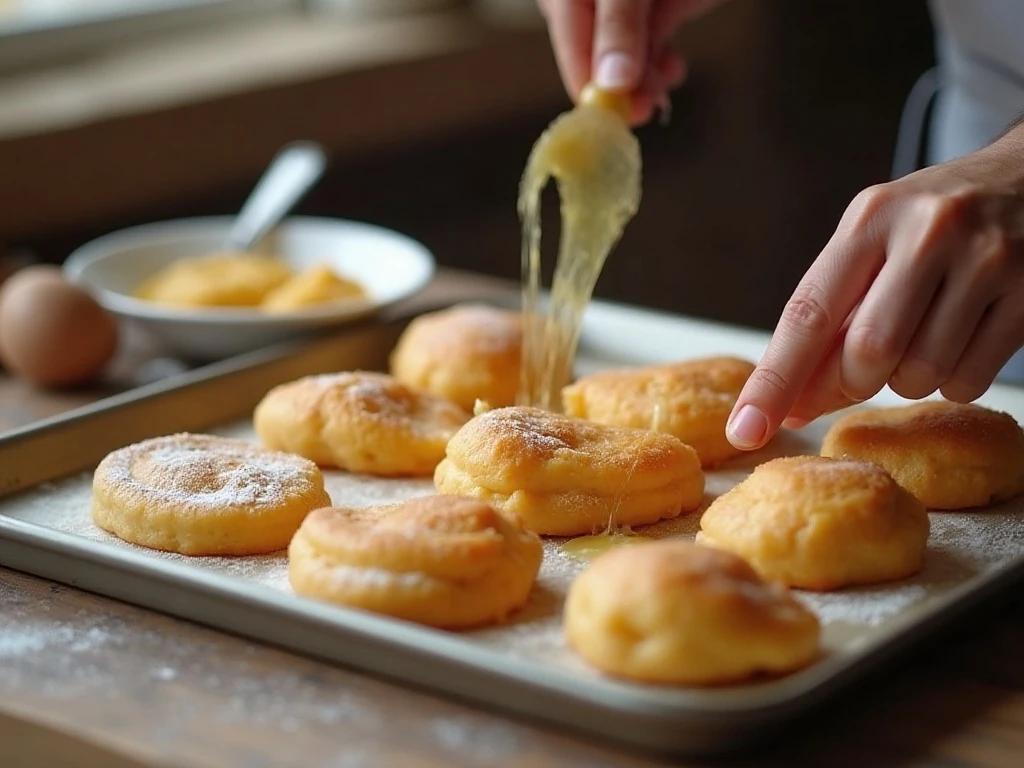
Step 5: Deflate the risen dough gently to release some of the larger air pockets. Scoop or pinch off portions about 2–3 tablespoons each, then shape them into loose balls with oiled or lightly floured hands.
Step 6: Arrange the dough balls on a lightly floured or greased tray, leaving room between them for expansion. Cover the tray and let the portions rise for another 30–45 minutes, until they look puffy and delicate.
Step 7: Pour the neutral oil into a deep, heavy pot and heat it to 350°F (175°C). Fry only a few malasadas at a time, turning them once or twice, until they are evenly golden and cooked through in approximately 2–3 minutes total.
Step 8: Lift the malasadas from the oil with a slotted spoon and drain them on paper towels or a wire rack. Roll each one in granulated sugar while hot, then serve immediately for the softest crumb and brightest sugar coating.
How to Get a Light, Fluffy Texture
The most important rule is to keep the dough sticky. It may look too loose when compared with standard bread dough, but that soft consistency is what helps create the irregular, airy crumb associated with malasadas.
Use lightly oiled hands rather than burying the dough in flour. If shaping feels difficult, scoop the portions with a greased spoon or small scoop and gently round them without pressing out all of the air.
Both rises matter. The first rise develops volume in the bowl, while the second rise gives the shaped portions enough puffiness to fry into light donuts rather than compact balls.
For another sweet, tropical-inspired treat to serve after brunch, keep these pina colada bars on your dessert list.
Frying Tips for Golden Malasadas
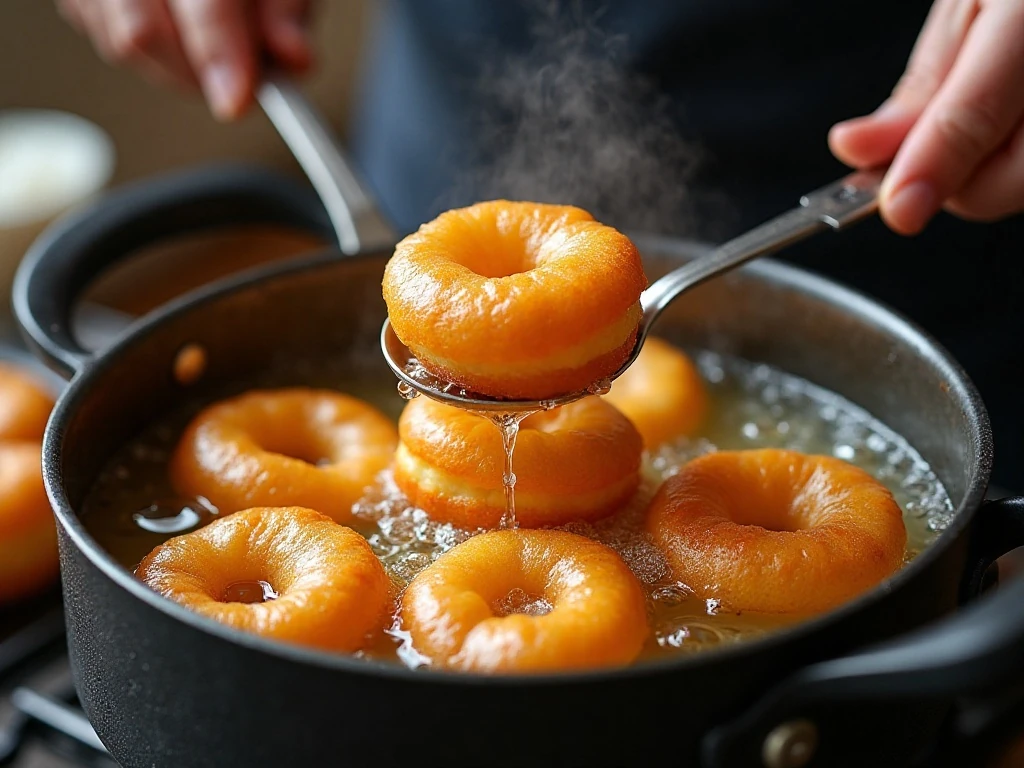
Oil temperature determines the final texture. At approximately 350°F (175°C), the outside browns steadily while the interior has time to cook; oil that is too cool can make the donuts greasy, while oil that is too hot can darken the surface before the center is ready.
- Use a deep pot and fill it only to a safe level, allowing plenty of room for bubbling oil and expanding dough.
- Fry a small number at once so the oil temperature does not drop sharply.
- Turn each malasada once or twice for an even golden color.
- Let excess oil drain briefly before coating, but do not wait too long because warm sugar adheres best.
- Check the oil between batches and allow it to return to 350°F before adding more dough.
Never leave hot oil unattended, and keep water away from the pot. A long-handled slotted spoon makes it easier to turn and remove the malasadas without crowding the cooking area.
Serving Ideas and Flavor Variations
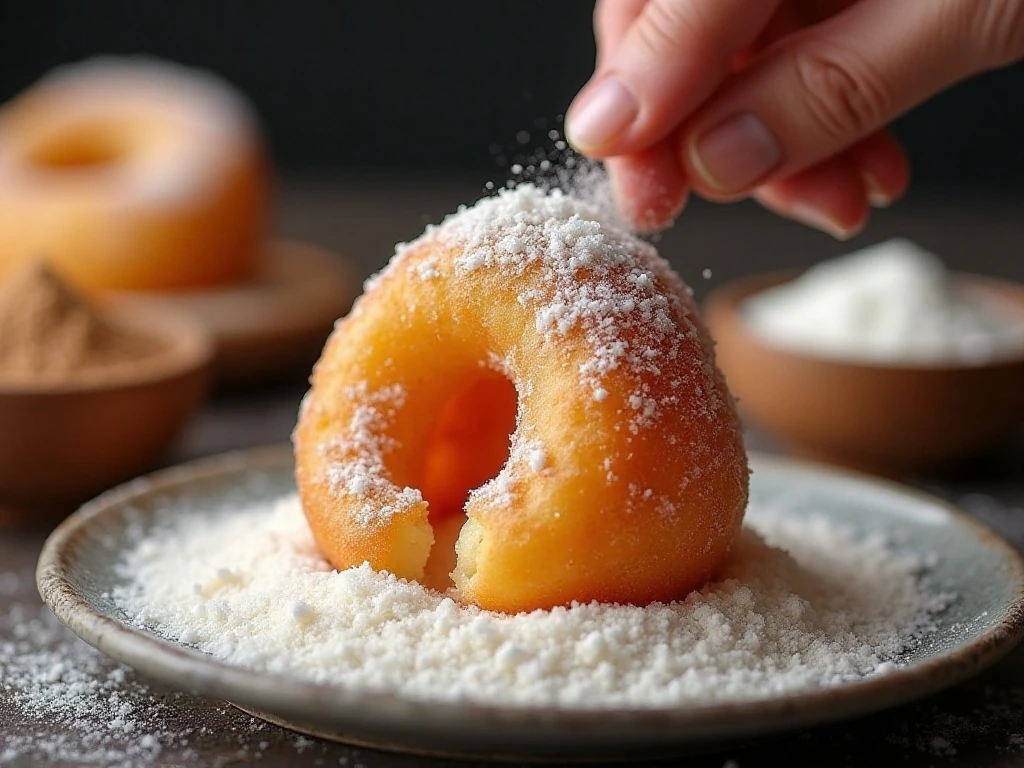
Plain granulated sugar is the classic finish, and its clean sweetness lets the buttery dough stand out. For a gentle spice note, mix part of the coating sugar with cinnamon, or dust cooled malasadas with powdered sugar.
Once the malasadas have cooled enough to handle, they can also be filled with custard or fruit filling. Use a piping bag with a narrow tip and add the filling from the side, taking care not to overfill the delicate dough.
For a savory-sweet party spread, serve the donuts after a meal of brown sugar pineapple chicken. Their warm, sugary flavor also pairs nicely with strong coffee, black tea, or a cold glass of milk.
Storage, Reheating, and Make-Ahead Advice
Malasadas are at their best shortly after frying, when the coating is fresh and the center is especially tender. If you have leftovers, keep them in an airtight container at room temperature for up to 1 day, although the sugar may soften slightly.
Reheat them briefly in a warm oven or toaster oven until just warmed through. Avoid overheating, which can dry the crumb, and add a fresh dusting of sugar if the original coating has dissolved.
The un-fried dough is best handled through the recipe’s planned rise and shaping schedule. Because the dough is soft and yeast-raised, keeping it at room temperature for too long can affect its texture and flavor.
For a Hawaiian-style menu, pair a batch of malasadas with spicy salmon poke as part of a casual island-inspired gathering. A comforting meal of ground beef chili in bread bowls also makes a fun contrast to these sweet, airy donuts.
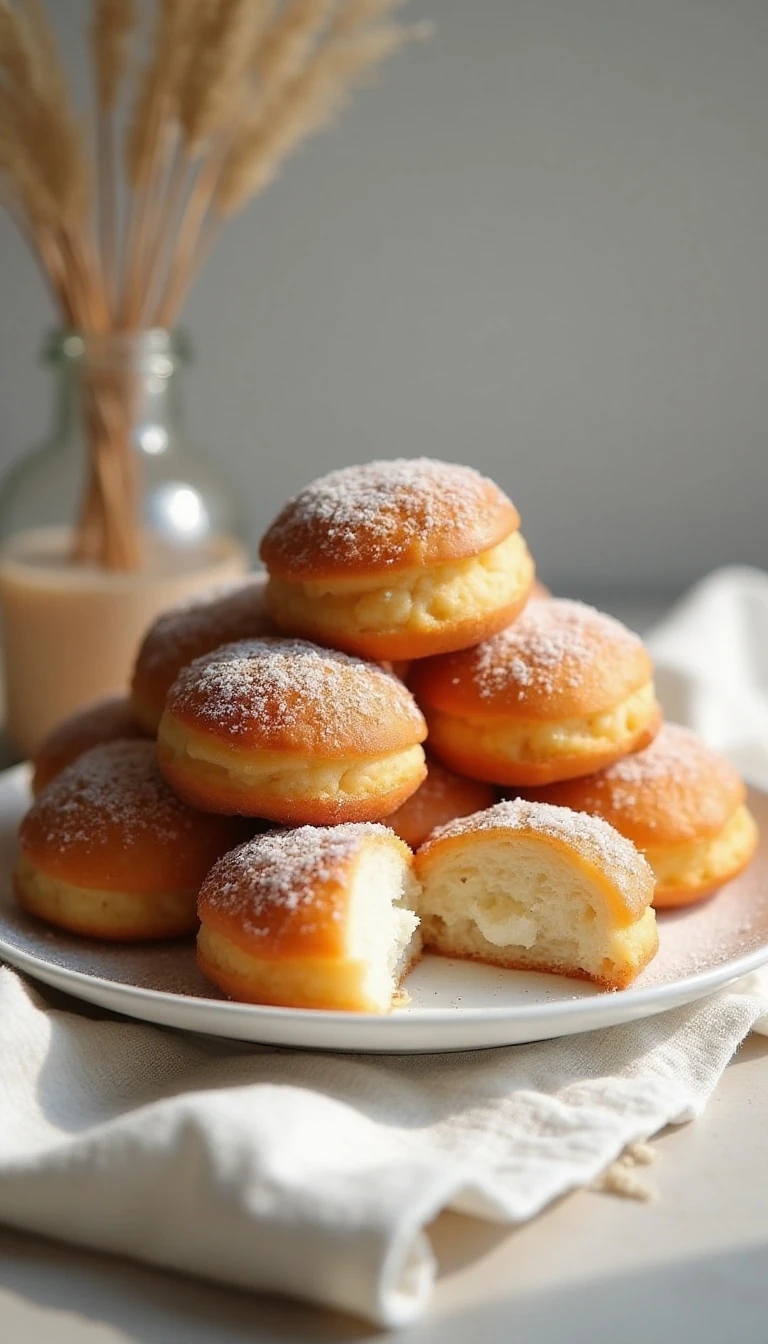
Easy Portuguese Malasadas Recipe (Fluffy Sugar Donuts)
Ingredients
Method
- Stir the yeast and 1 teaspoon sugar into the warm water. Let it stand for 5–10 minutes, until the surface becomes foamy.
- In a large bowl, combine the warm milk, melted butter, ½ cup sugar, and salt. Cool slightly if needed, then whisk in the lightly beaten eggs and activated yeast.
- Add the flour gradually, mixing until a soft, sticky dough forms. Stop adding flour when the dough is much softer and wetter than standard bread dough.
- Cover the bowl and let the dough rise in a warm, draft-free place for about 1 hour, or until doubled in size.
- Deflate the dough gently. Scoop or pinch off portions of roughly 2–3 tablespoons each and form them into loose balls, using oiled or lightly floured hands.
- Place the shaped dough on a lightly floured or greased tray. Cover and let it rise again for about 30–45 minutes, until visibly puffy.
- Heat the oil to 350°F (175°C). Fry the malasadas in batches, turning once or twice, for approximately 2–3 minutes total, until evenly golden brown.
- Drain the fried malasadas on paper towels or a rack. While still hot, roll them in granulated sugar and serve warm.
Notes
Final Thoughts
These easy Portuguese malasadas deliver everything a homemade sugar donut should: a golden exterior, a tender yeast-raised center, and a coating that sparkles with every bite. The secret is not complicated technique; it is respecting the sticky dough, allowing both rises to finish, and keeping the frying oil close to 350°F.
Serve them warm and plain for the traditional experience, or try cinnamon sugar, powdered sugar, custard, or fruit filling when you want variety. Once you taste a freshly fried malasada with coffee, this recipe is likely to become a favorite for relaxed breakfasts, celebrations, and weekend baking.
1 thought on “Easy Portuguese Malasadas Recipe (Fluffy Sugar Donuts)”