This easy Garlic Parmesan Spaghetti recipe turns everyday ingredients into a comforting dinner in about 20–25 minutes. Spaghetti is tossed with melted unsalted butter, fragrant minced garlic, freshly grated Parmesan, parsley, black pepper, and a little reserved pasta water for a glossy sauce that lightly coats every noodle.
The result is buttery, savory, garlicky, and pleasantly cheesy without being heavy. Serve this four-serving pasta on its own for a quick meatless meal, or pair it with grilled seafood, roasted vegetables, or a crisp salad when you want a simple dinner that tastes special.
Jump to RecipeWhy You’ll Love This Recipe
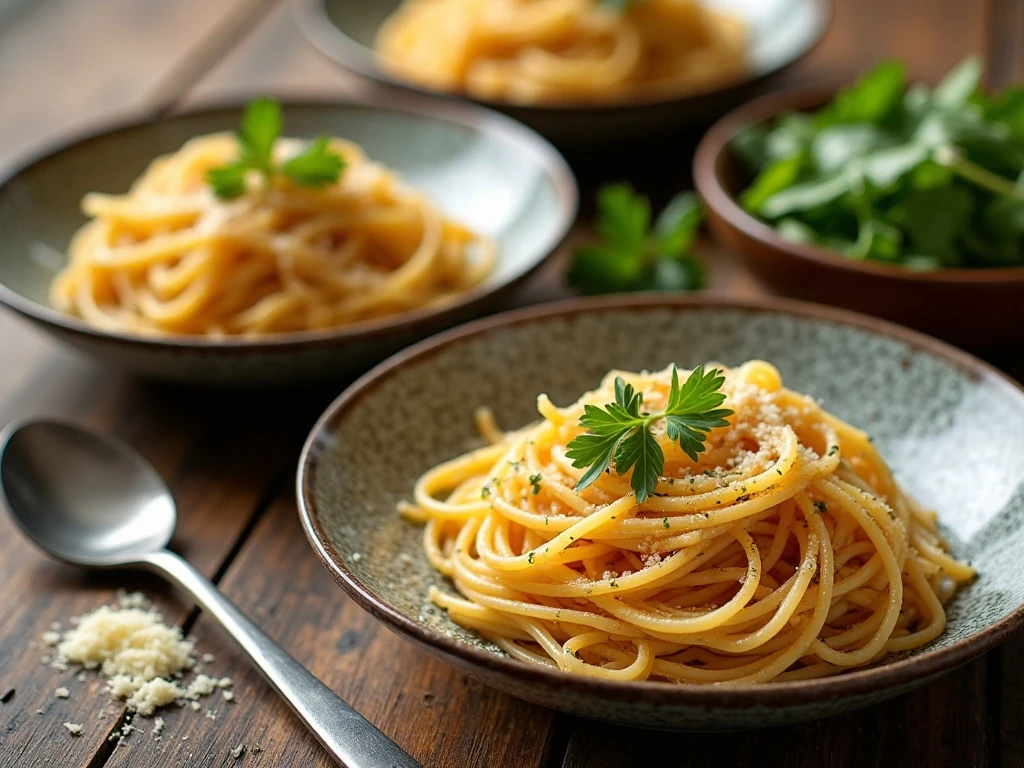
There is a reason garlic-butter pasta remains a favorite weeknight dinner: it asks very little from the cook while delivering plenty of flavor. This recipe uses familiar pantry staples, one skillet for the finishing sauce, and a short ingredient list that lets every component taste fresh.
The spaghetti is coated rather than drenched, so the finished dish feels silky instead of greasy. Butter brings richness, garlic adds warmth, Parmesan contributes salty nuttiness, and parsley supplies a fresh finish that keeps the bowl from tasting too heavy.
It is also an excellent flexible meal. You can serve it as a vegetarian main course, place it beside roasted chicken, or pair it with seafood such as the buttery flavors in our garlic-butter grilled scallops.
- Fast: The complete dinner takes about 20–25 minutes.
- Approachable: No complicated sauce or special equipment is needed.
- Customizable: Add optional olive oil or red pepper flakes for a different finish.
- Family-friendly: The mild garlic and Parmesan flavor is easy to adjust.
Ingredients You’ll Need
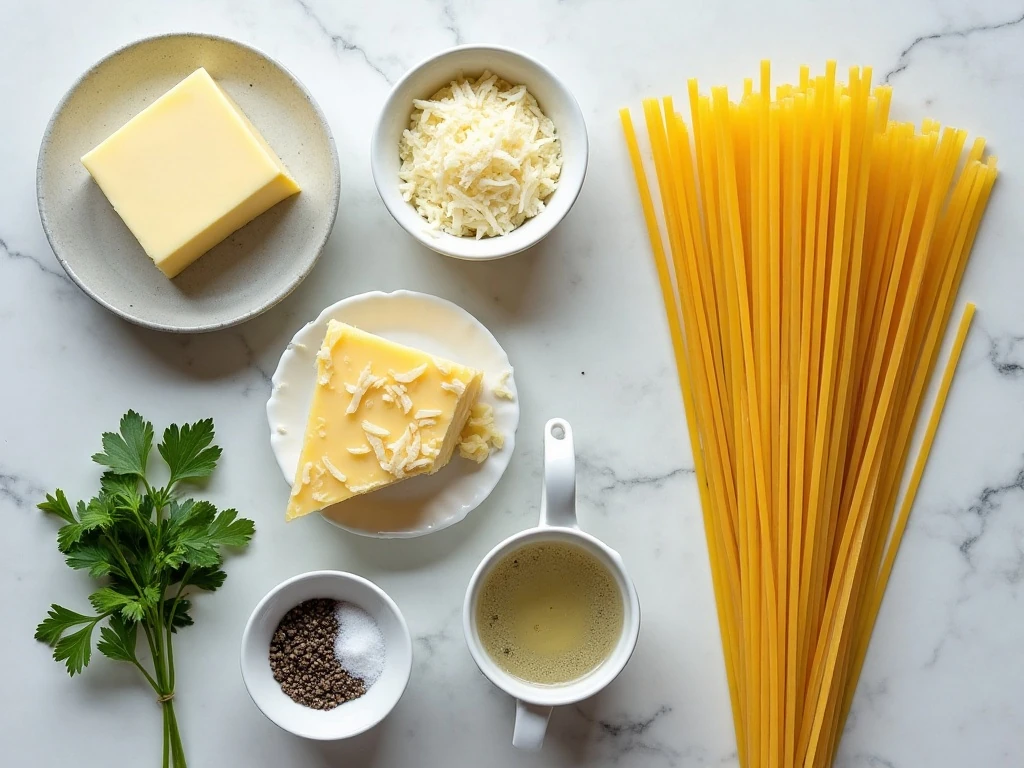
Use 12 ounces to 1 pound of dried spaghetti, depending on how generous you want the portions to be. The recipe serves four, and either amount works well as long as you adjust the final seasoning and sauce texture by taste.
Four tablespoons of unsalted butter form the base of the sauce. Unsalted butter gives you better control over the finished seasoning because the Parmesan and salted pasta water already contribute salt.
Choose 3–4 finely minced garlic cloves. Mince them small so they cook quickly and spread evenly across the spaghetti, but keep the heat moderate because garlic can go from fragrant to bitter in a short time.
Freshly grated Parmesan is one of the most important ingredients here. Grating Parmesan from a wedge allows it to melt more smoothly than shelf-stable powdered cheese and gives the sauce a pleasant, savory texture.
Fresh parsley adds color and a clean herbal note. You will also need 1/2 teaspoon kosher salt, 1/4 teaspoon freshly ground black pepper, and up to 1/2 cup reserved pasta water. The water is added gradually, not necessarily all at once.
For optional extra flavor, use 1–2 tablespoons olive oil or 1/4 teaspoon red pepper flakes. If you enjoy building a complete comfort-food menu, a spoonful of pasta followed by our Parmesan pumpkin fritters makes a particularly cozy seasonal combination.
How to Make It Step-by-Step
Step 1: Bring a large pot of water to a vigorous boil and season it generously with salt. Add the spaghetti and cook according to the package directions until al dente, stirring occasionally during the first minute to prevent sticking.
Step 2: Before draining the pasta, remove about 1/2 cup of the cooking water with a heatproof measuring cup. Drain the spaghetti without rinsing it, since the remaining starch on the noodles helps the butter and cheese form a sauce that clings.
Step 3: While the spaghetti cooks, place a large skillet over medium-low heat and melt the butter. Add the minced garlic and cook for about 30–60 seconds, stirring often, until it smells fragrant; the garlic should remain pale rather than brown.
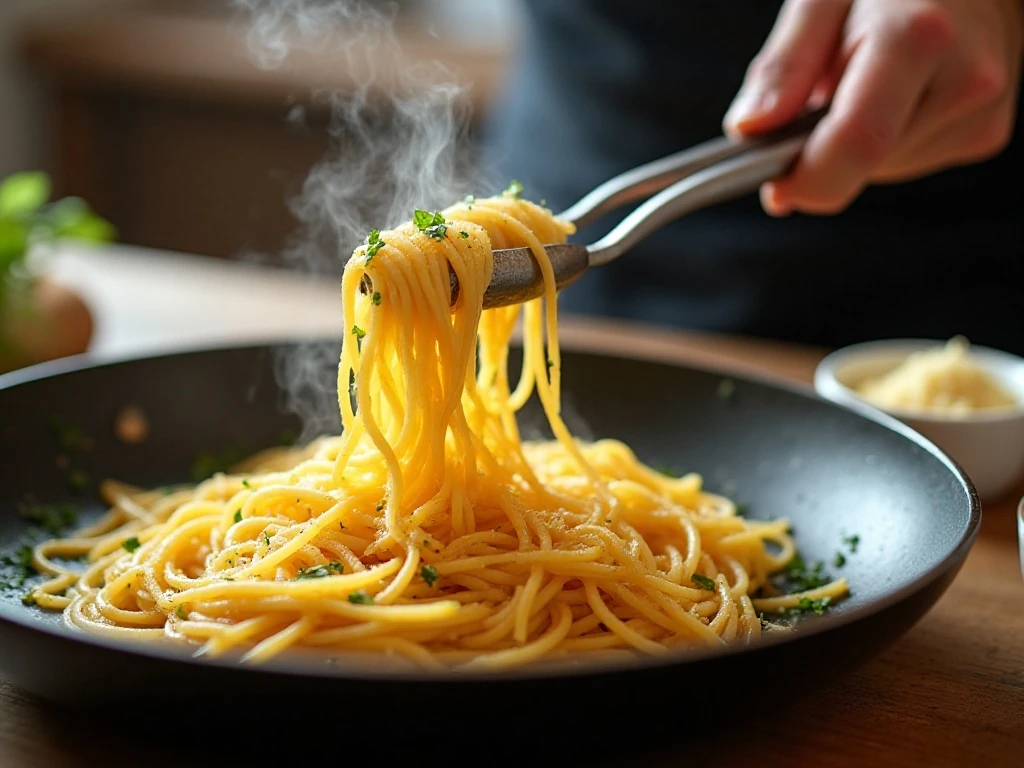
Step 4: Add the drained spaghetti directly to the skillet and toss with tongs until the noodles are evenly covered in garlic butter. If you are using olive oil or red pepper flakes, add them now so the optional ingredients disperse throughout the pasta.
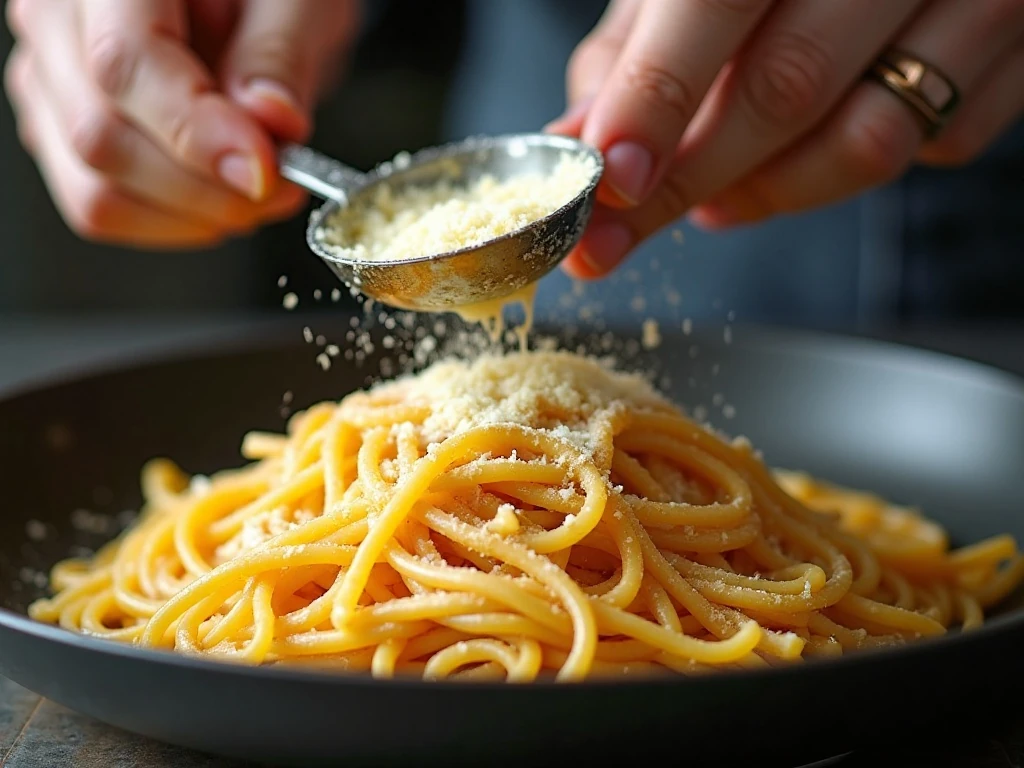
Step 5: Turn the heat to low or remove the skillet from the burner before adding Parmesan, black pepper, and parsley. Toss continuously, adding reserved pasta water one or two tablespoons at a time until the butter and cheese turn glossy and lightly coat the spaghetti.
Step 6: Taste a strand and adjust the salt only after the Parmesan and pasta water have been incorporated. Divide the spaghetti among four bowls and finish with additional Parmesan and parsley before serving immediately.
Pro Tips for Silky Garlic Parmesan Pasta
The pasta water is not just a backup ingredient; it is part of the sauce. Its starch helps bind the butter, melted cheese, and garlic, giving the noodles a smooth coating instead of leaving fat at the bottom of the pan.
Add the water slowly. Start with a tablespoon or two, toss vigorously, and look at the noodles before adding more. You want a light, glossy coating, not a watery sauce.
Keep the skillet over low or no heat when adding the Parmesan. Excessive heat can cause grated cheese to clump, while gentle tossing with warm noodles and pasta water helps it blend into the butter.
Freshly grate the cheese just before using it. A wedge of Parmesan has a more appealing flavor and melting quality than powdered cheese, and a fine grate distributes quickly through the spaghetti.
Do not brown the garlic for this particular recipe. Golden garlic can be delicious in other dishes, but the short cooking time here is designed to produce a mellow, fragrant flavor that blends with the butter.
- Have the Parmesan grated before the pasta is ready.
- Reserve the pasta water before the colander reaches the sink.
- Use tongs to toss the noodles thoroughly.
- Serve as soon as the sauce is mixed for the best texture.
Serving Ideas and Variations
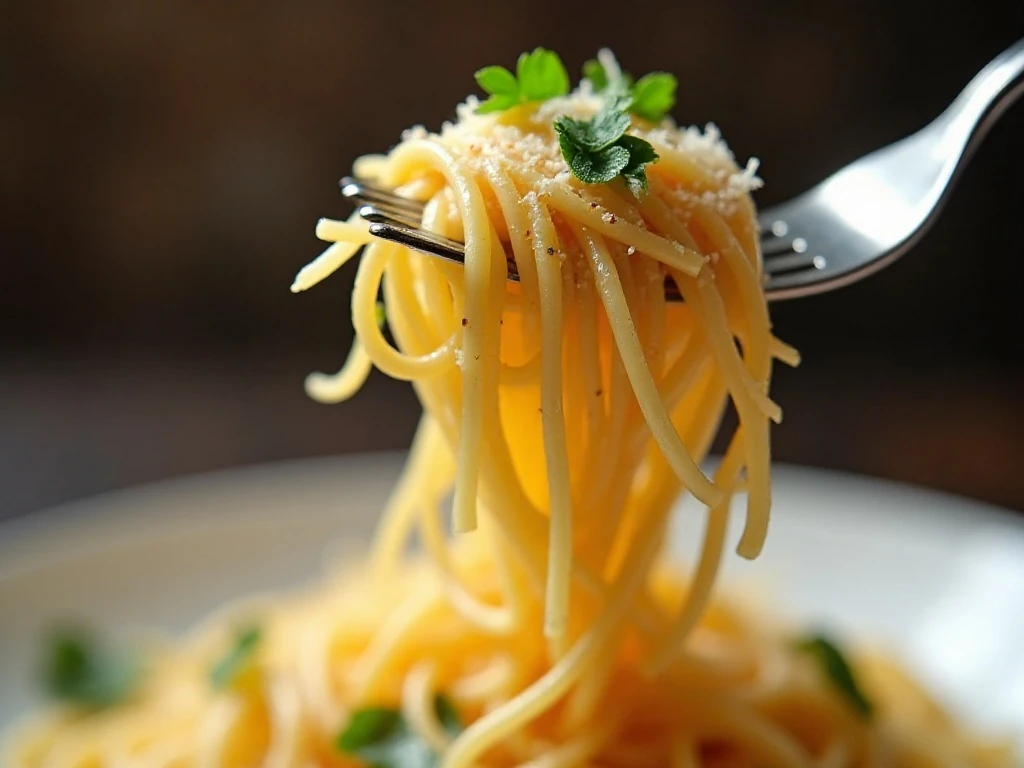
This spaghetti is satisfying by itself, especially with extra Parmesan and parsley scattered over the top. For a complete dinner, serve it with a crisp green salad, steamed vegetables, roasted broccoli, or warm bread for catching any remaining garlic butter.
A small amount of red pepper flakes adds gentle heat without changing the character of the dish. Begin with the optional 1/4 teaspoon, then use more only if everyone at the table enjoys a spicier pasta.
Olive oil can be added alongside the butter for a slightly lighter-feeling sauce with a fruitier flavor. Keep the butter quantity at 4 tablespoons and use only 1–2 tablespoons of oil so the final coating remains balanced.
For a dinner-party menu, this pasta works well as a first course before a simple protein. For a holiday-inspired spread, pair it with our easy bread stuffing as a savory side, then finish with bright lime bars for dessert.
Storage and Reheating
Garlic Parmesan spaghetti is at its best immediately after tossing, but leftovers can be refrigerated in an airtight container. Cool the pasta promptly, cover it, and enjoy it within a few days for the best flavor and texture.
To reheat, place a portion in a skillet over low heat with a small splash of water. Toss gently until warmed through, adding another splash if the noodles look dry; avoid high heat, which can make the cheese tighten and the pasta become tough.
You can also reheat it briefly in the microwave, stirring between short intervals. Finish with fresh Parmesan and parsley to refresh the flavor.
Because this recipe is so quick, another option is to cook only the amount you expect to eat. That approach gives you the smoothest sauce and the springiest noodles every time.
For another comforting sweet-and-savory idea after dinner, keep our stovetop caramel apples in mind for a simple treat.
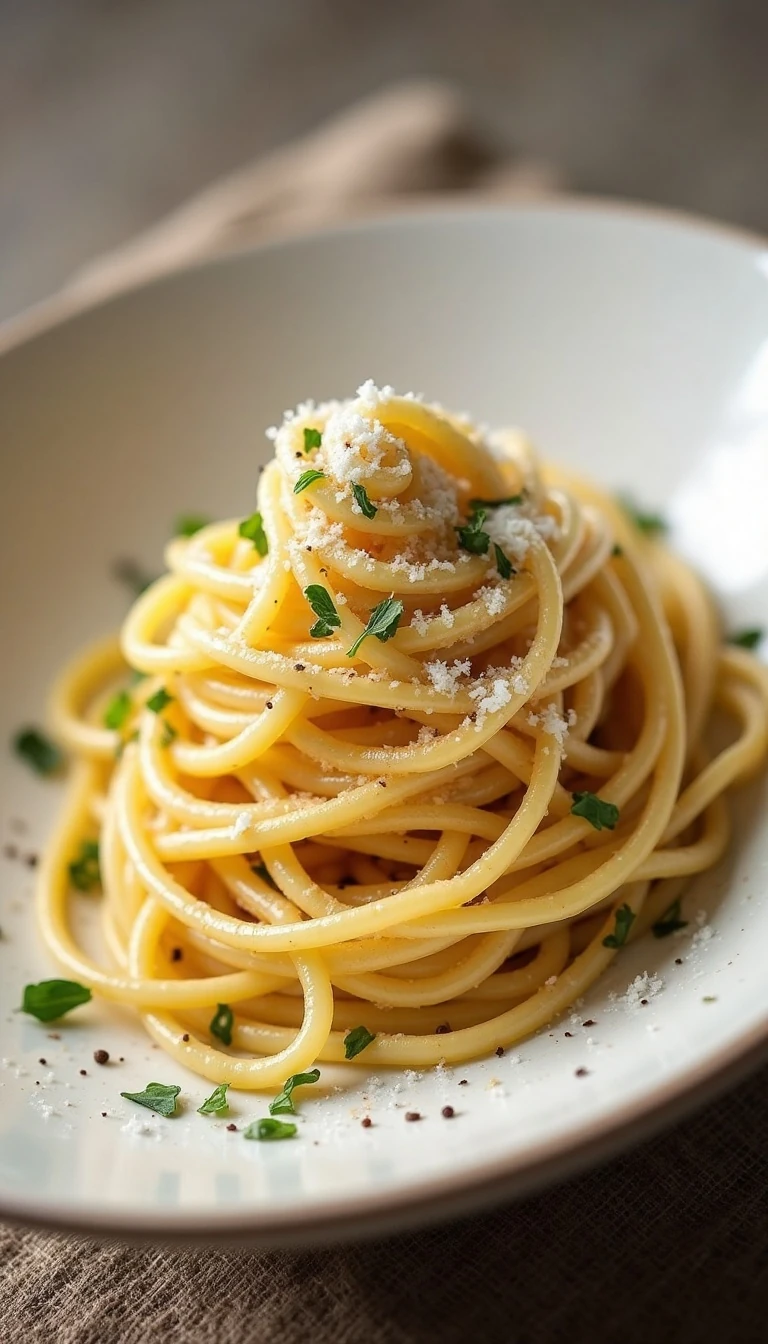
Easy Garlic Parmesan Spaghetti Recipe
Ingredients
Method
- Bring a large pot of generously salted water to a boil. Cook the spaghetti according to the package directions until al dente, keeping the noodles tender but still slightly firm in the center.
- Before draining, scoop out about 1/2 cup of the pasta cooking water and set it aside. Drain the spaghetti well, but do not rinse it because the surface starch helps the sauce cling to the noodles.
- While the pasta cooks, melt the butter in a large skillet over medium-low heat. Add the minced garlic and cook for 30–60 seconds, just until fragrant; do not let it brown or burn.
- Add the drained spaghetti to the skillet and toss until each strand is coated in the garlic butter. If using olive oil or red pepper flakes, add them at this stage and toss to distribute.
- Take the skillet off the heat or reduce it to very low, then add the Parmesan, black pepper, and parsley. Toss thoroughly while adding reserved pasta water one or two tablespoons at a time until the sauce looks glossy and lightly coats the noodles.
- Taste the spaghetti and adjust the salt as needed. Serve immediately with extra Parmesan and parsley, adding a final twist of black pepper if desired.
Notes
Final Thoughts
Easy Garlic Parmesan Spaghetti proves that a memorable dinner does not require a long ingredient list. With properly salted pasta water, gently cooked garlic, freshly grated Parmesan, and a little starchy cooking water, you can create a glossy, flavorful sauce in the time it takes to cook the noodles.
Keep the heat low when the cheese goes in, toss generously, and serve the pasta right away with extra Parmesan and parsley. It is a dependable recipe for busy evenings, relaxed family meals, and any night when a warm bowl of buttery, garlicky spaghetti sounds exactly right.