This authentic homemade pasta recipe makes tender, silky egg pasta with just 200 g of Italian 00 flour and two large eggs. The dough takes about 25–35 minutes of active preparation, rests for 30 minutes, and cooks in only 2–4 minutes, making fresh pasta an achievable dinner for two generous servings or three smaller servings.
Fresh pasta has a wonderfully soft bite and a delicate eggy flavor that dried pasta cannot quite match. Cut the sheets into tagliatelle or fettuccine, then toss the ribbons immediately with butter and Parmesan, tomato and basil, pesto, brown butter and sage, or your favorite Bolognese sauce.
Jump to RecipeWhy You’ll Love This Recipe
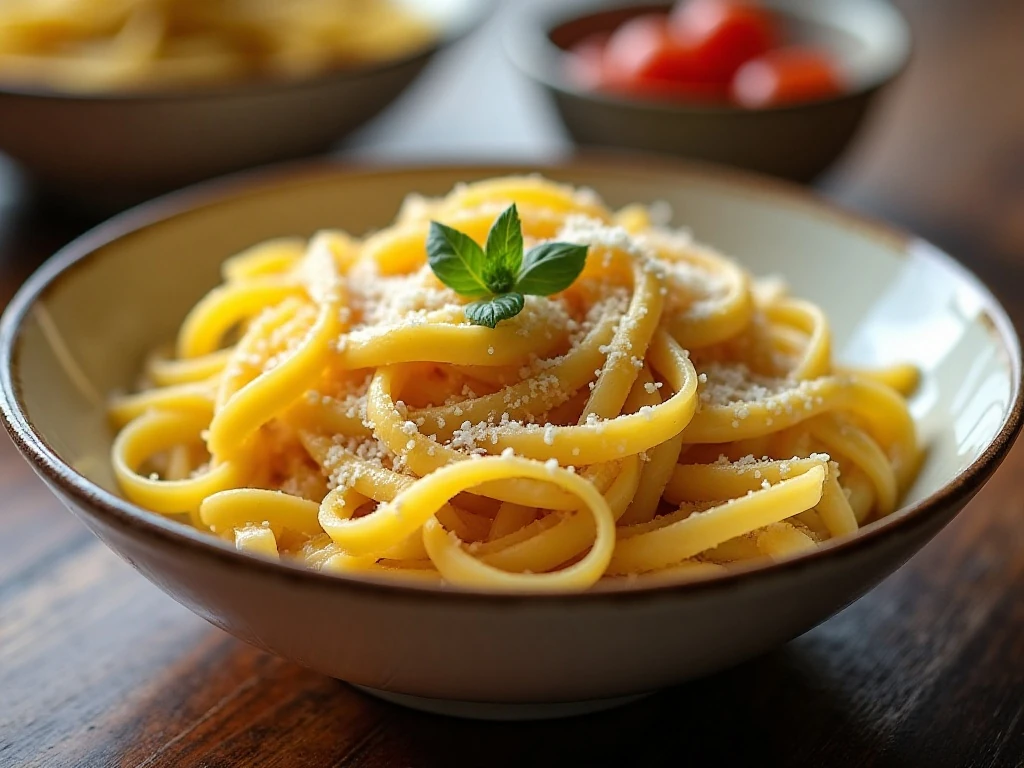
There is something deeply satisfying about turning two simple ingredients into a bowl of fresh pasta. The dough is made with a traditional approximate ratio of 100 g flour to one large egg, so a kitchen scale makes the process especially reliable.
The texture is the real reward. Homemade egg pasta cooks quickly and has a tender, lightly chewy bite, while its porous surface welcomes sauce instead of letting it slide to the bottom of the bowl.
This recipe is also flexible. Make broad fettuccine, narrower tagliatelle, or use the sheets for another pasta shape. If you are planning a full comfort-food menu, you can also save our chicken potpie recipe for another cozy dinner.
- Simple ingredients: 00 flour, eggs, optional salt, and flour for dusting.
- Quick cooking: Fresh noodles are usually done in 2–4 minutes.
- Adaptable: Pair the pasta with creamy, tomato, herb, or meat sauces.
Ingredients You’ll Need
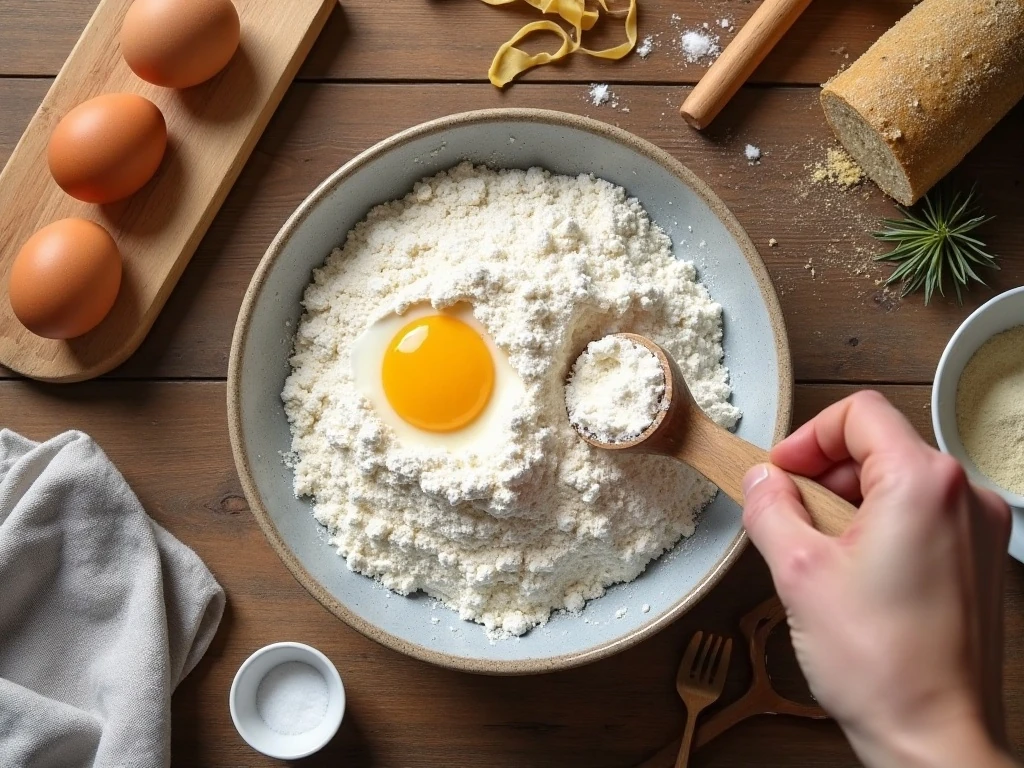
Use 200 g of Italian 00 flour, which is about 1 2/3 cups, and two large eggs weighing approximately 100 g without their shells. The flour gives the dough a fine, smooth structure, while the eggs provide richness, color, and the moisture needed to bring everything together.
Add 1/4 teaspoon of fine salt if you like a lightly seasoned dough. Salt is optional here because the cooking water and sauce will also season the finished dish.
Keep semolina flour or extra 00 flour nearby for dusting. Use only a light coating: enough to stop sheets and noodles from sticking, but not so much that dry flour builds up on the pasta.
A kitchen scale is the most dependable tool for this recipe. Measuring by cups can vary depending on how tightly flour is packed, while the approximate 100 g flour to one large egg ratio gives you a dough that is easier to manage.
- 200 g Italian 00 flour, about 1 2/3 cups
- 2 large eggs, approximately 100 g without shells
- 1/4 teaspoon fine salt, optional
- Semolina flour or extra 00 flour, for dusting
How to Make It Step-by-Step
Step 1: Place the flour on a clean work surface and use your fingers to create a wide, sturdy well in the middle. Crack the eggs into the center and sprinkle in the optional salt, keeping the flour walls high enough to contain the liquid.
Step 2: Beat the eggs with a fork, slowly drawing flour in from the inside edge. Continue gradually rather than scraping in all the flour at once, because a slow start helps prevent the eggs from escaping across the counter.
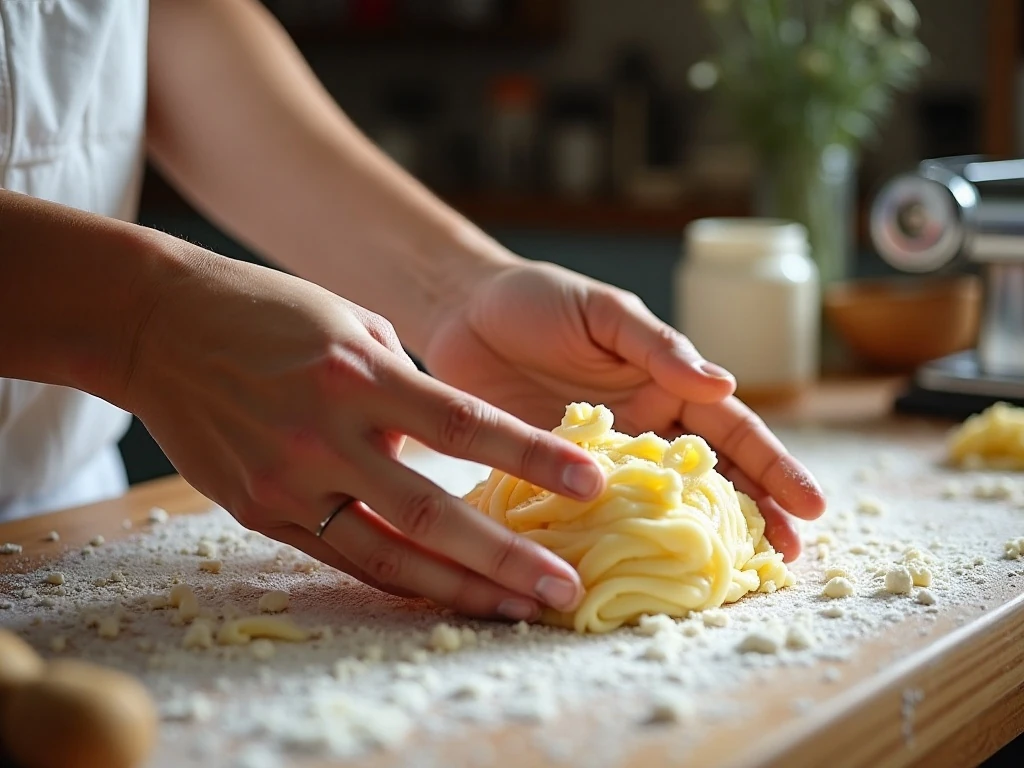
Step 3: Once the center becomes thick and a shaggy dough forms, bring the remaining flour into the mixture with your hands. Press and fold the dough until no large wet patches remain.
Step 4: Knead by hand for about 8–10 minutes. Push the dough away with the heel of your palm, fold it back toward you, turn it, and repeat until it feels smooth, elastic, and only slightly tacky.
Step 5: Check the texture before wrapping. If the dough is dry or crumbly, wet your hands or add a few drops of water; if it is sticky, knead in a small amount of flour. Avoid adding large amounts, since a stiff dough can produce tough noodles.
Step 6: Shape the dough into a neat ball and wrap it tightly. Let it rest at room temperature for at least 30 minutes. This pause allows the gluten to relax, making the dough easier to roll and helping prevent the sheets from shrinking.
Step 7: Divide the rested dough into 2–4 pieces. Keep every piece you are not working with covered so its surface does not dry out. Flatten one piece with your palm before rolling.
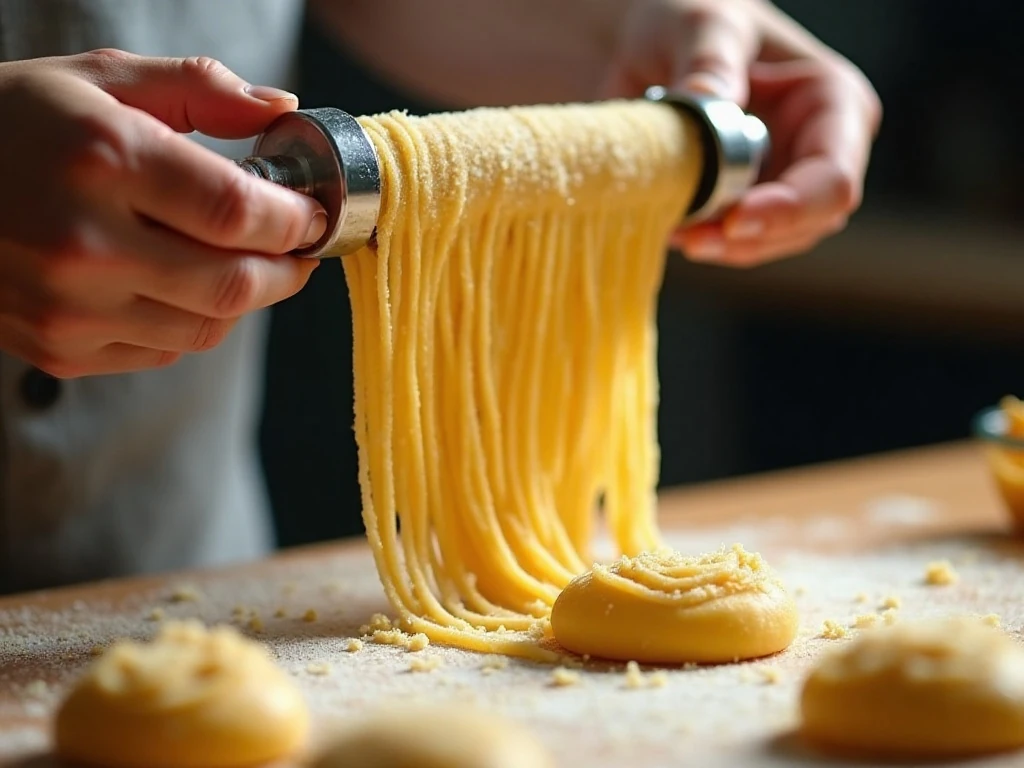
Step 8: If using a pasta machine, begin on the widest setting and pass the dough through. Fold or adjust as needed, then gradually move to thinner settings, dusting lightly only when the dough begins to stick.
Step 9: For tagliatelle or fettuccine, roll the sheet to approximately 1 mm thick. Dust it lightly with semolina or 00 flour, fold it loosely rather than tightly, and cut it into even strips with a sharp knife or pasta cutter.
Step 10: Unfold and separate the noodles gently. Leave them lightly dusted while you shape the remaining dough, taking care not to pile damp strands together for too long.
Step 11: Bring a large pot of water to a rapid boil and season it generously with salt. Add the fresh pasta and begin testing after about 2 minutes, since thin noodles can become overcooked quickly.
Step 12: When the pasta is tender but still slightly firm, drain it and reserve a little pasta water. Toss the noodles immediately with your sauce, adding a spoonful of pasta water if needed to help the sauce coat every ribbon.
Pro Tips for Silky Fresh Pasta
Resting is not an optional luxury; it is one of the most important steps. Freshly kneaded dough tends to spring back when rolled, but 30 minutes of rest makes it calmer, more cooperative, and less likely to shrink.
Keep your hands and work surface clean, and resist the temptation to bury the dough in flour. A small amount prevents sticking, while too much can make the cooked pasta tough and can stop sauce from clinging properly.
If you do not have a pasta machine, use a rolling pin and work patiently from the center outward. Turn the sheet often and continue until it is approximately 1 mm thick for fettuccine or tagliatelle.
Fresh pasta is best judged by tasting rather than by the clock alone. Start checking at 2 minutes, especially if your sheet is thin, and remember that the noodles will continue cooking slightly as they meet the hot sauce.
For four servings, double the ingredients: use 400 g flour and four large eggs. Keep the same method, but work in batches so the dough remains easy to roll and cut.
For additional dinner inspiration, this homemade ham glaze is useful when you are building a larger comfort-food spread around your pasta course.
Best Sauces and Serving Ideas
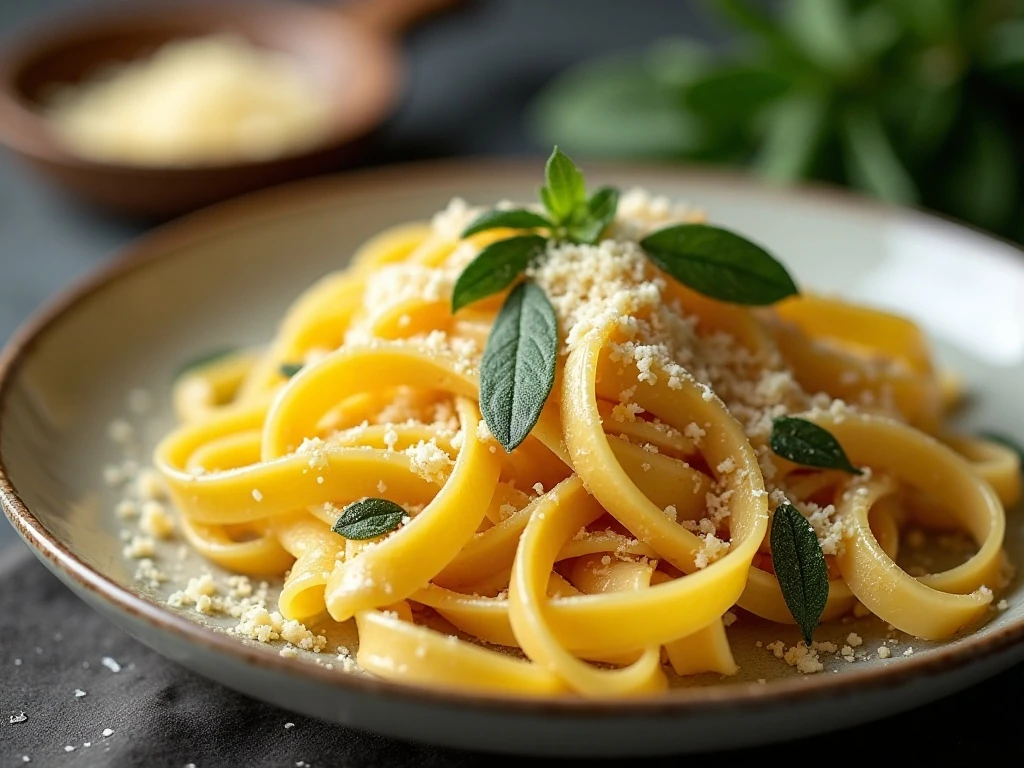
Butter and Parmesan are an excellent first pairing because they allow the fresh egg flavor to shine. Melt butter in a warm pan, add the drained noodles, and toss with grated Parmesan and enough reserved pasta water to create a glossy coating.
Tomato and basil bring brightness, while pesto adds fresh herb flavor and a nutty richness. Add either sauce immediately after draining so the noodles stay hot and absorb the seasoning.
Brown butter and sage is especially good with wide ribbons. Let the butter turn golden, add sage until fragrant, and toss in the pasta with a splash of reserved water.
Bolognese and other meat sauces are hearty choices for a substantial dinner. The broad, lightly textured noodles hold onto rich sauce beautifully, making each bite balanced rather than watery.
Serve the pasta in warmed bowls with Parmesan, cracked black pepper, or a few fresh herbs. Keep the garnish restrained so it supports the handmade noodles instead of hiding their texture.
If you are collecting classic family-style meals, our oven-braised pot roast is another satisfying option for a future dinner menu.
Storage and Reheating
Freshly cut pasta can be cooked right away, which gives the best texture. If you need to hold it briefly, keep the noodles lightly dusted and separated so they do not form a sticky mass.
The kneaded dough may be wrapped tightly and refrigerated for up to 24 hours. Bring it back to a workable temperature before rolling, and keep it covered while you prepare each piece.
For leftovers, reheat the pasta gently in a skillet with its sauce and a splash of water. Since fresh noodles are delicate and cook quickly, avoid prolonged boiling, which can make them soft and fragile.
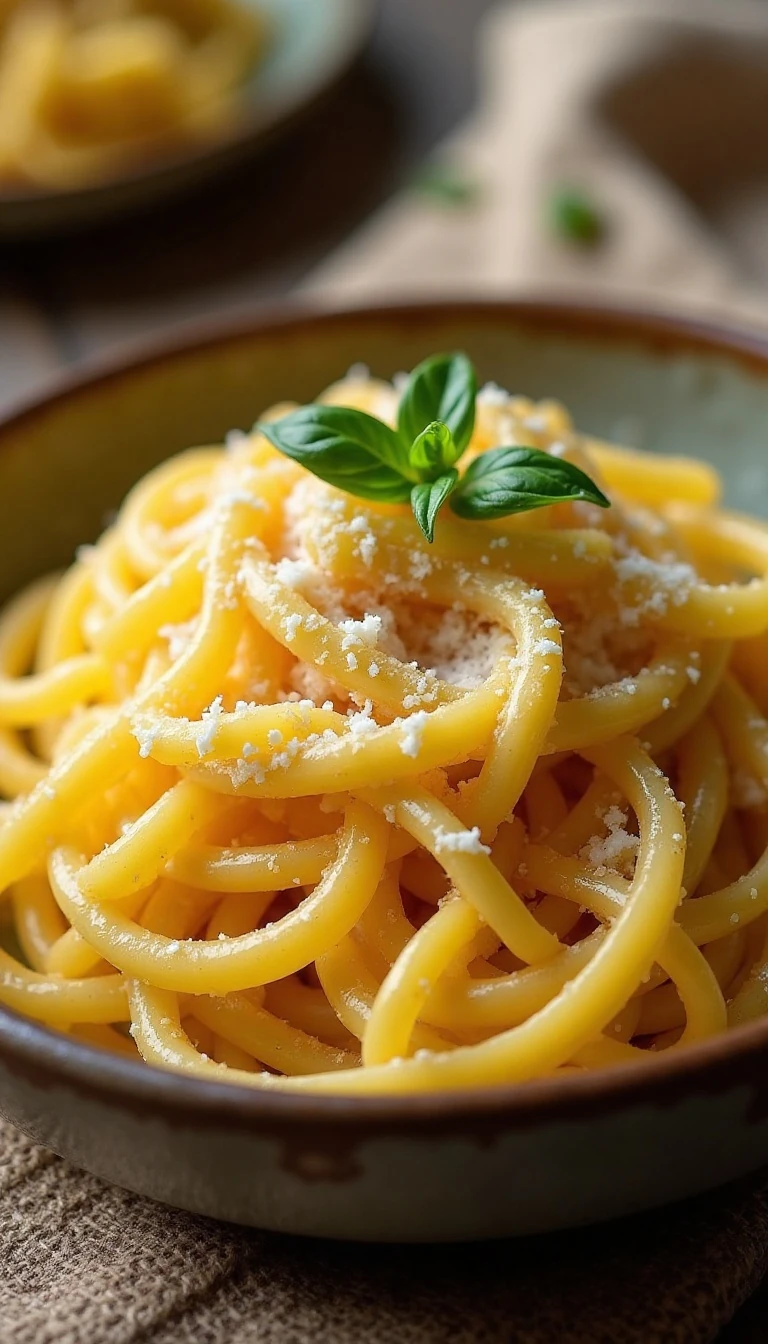
Authentic Homemade Pasta Recipe
Ingredients
Method
- Place the 00 flour on a clean work surface and form a wide well in the center. Crack in the eggs and add the optional salt.
- Beat the eggs with a fork, gradually pulling flour in from the inside edge of the well until a shaggy dough begins to form.
- Knead the dough by hand for about 8–10 minutes, using the heel of your palm. It should become smooth and elastic, with only a slight tackiness.
- If the dough feels dry, wet your hands or add a few drops of water. If it feels sticky, knead in a small amount of flour, avoiding large additions.
- Shape the dough into a ball, wrap it tightly, and rest it at room temperature for at least 30 minutes. It may also be refrigerated for up to 24 hours.
- Divide the rested dough into 2–4 pieces, keeping unused portions covered. Flatten one piece and roll it through a pasta machine from the widest setting toward thinner settings.
- For tagliatelle or fettuccine, roll the sheet to approximately 1 mm thick. Dust it lightly, fold it loosely, and cut it into strips.
- Separate the noodles and leave them lightly dusted while shaping the remaining dough. Boil the pasta in plenty of rapidly boiling, generously salted water for 2–4 minutes.
- Begin testing after about 2 minutes. When tender but still slightly firm, drain the pasta, reserving a little pasta water, and toss it immediately with sauce.
Notes
Final Thoughts
Once you learn the basic flour-and-egg method, homemade pasta becomes a practical dinner rather than a special-occasion project. Give the dough its full rest, roll it with a light hand, and cook the noodles only until tender with a slightly firm center.
The finished pasta is at its best when served immediately with a sauce that matches its delicate texture. Start with butter and Parmesan for simplicity, then try tomato and basil, pesto, brown butter and sage, or a rich meat sauce as your confidence grows.
For two generous servings, this recipe is just the right size for a relaxed evening meal. Double the ingredients for four servings, invite someone into the kitchen, and enjoy the unmistakable pleasure of eating pasta you made from scratch.
1 thought on “Authentic Homemade Pasta Recipe: Easy Step-by-Step Guide”