This easy rosa lasagna recipe combines hearty meat sauce, tangy marinara, creamy Alfredo, ricotta, mozzarella, and tender noodles in a comforting 9 x 13-inch baked pasta dish. The recipe makes 8–10 servings, requires about 30 minutes of prep, and bakes in 45–55 minutes before a short resting period.
Rosa sauce gets its pretty pink color and rich flavor from blending tomato sauce with Alfredo and a little cream. Every bite is creamy, savory, cheesy, and satisfying, while the gentle seasoning keeps the dish family-friendly with an optional touch of red pepper heat.
Jump to RecipeWhy You’ll Love This Recipe
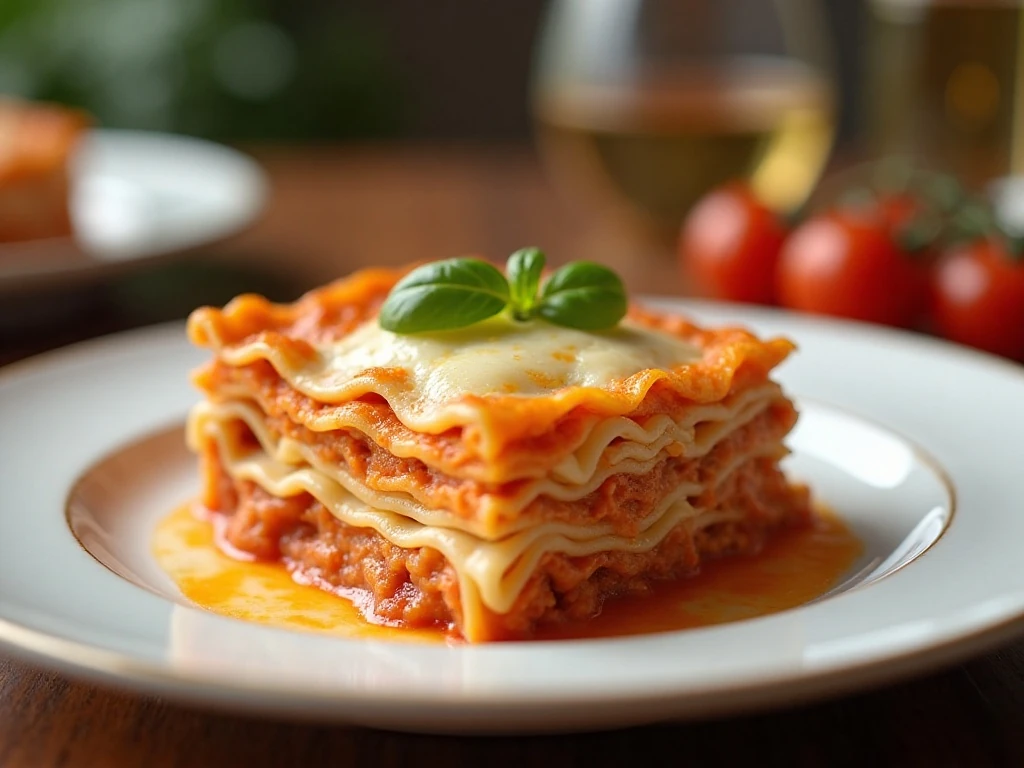
Rosa lasagna is a wonderful choice when you want the comfort of classic lasagna with a creamier, more delicate sauce. The combination of marinara and Alfredo creates a pink sauce that tastes rich without requiring a complicated homemade white sauce.
The meat adds savory depth, while ricotta gives the middle layers a soft, creamy texture. Mozzarella melts across the top and between the layers, creating those irresistible stretchy bites everyone looks forward to.
This is also a practical make-ahead dinner. You can prepare the sauce and ricotta mixture earlier in the day, assemble the casserole, and bake it when your family or guests are ready to eat.
For another creamy pasta idea on your menu, try this garlic scallop spaghetti with bacon as a separate dinner inspiration.
Ingredients You’ll Need
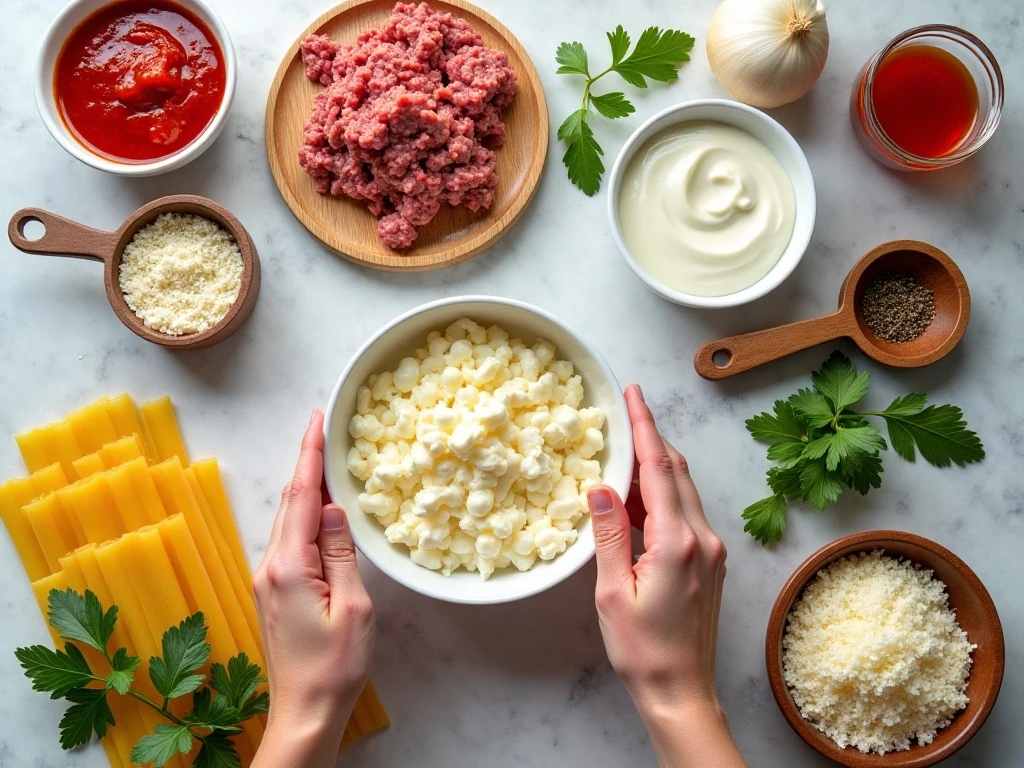
The ingredient list is straightforward, but each component has an important job. Choose ground beef for a classic hearty flavor or mild Italian sausage for extra seasoning and a slightly richer sauce.
- Rosa sauce: Marinara, Alfredo, cream or whole milk, Italian seasoning, garlic, onion, and meat form the flavorful foundation.
- Ricotta filling: Whole-milk ricotta, egg, Parmesan, parsley, salt, and pepper create a creamy layer that holds together after baking.
- Noodles and cheese: Twelve lasagna noodles, shredded mozzarella, and Parmesan complete the casserole.
Whole-milk ricotta is especially pleasant here because it stays creamy and lush in the oven. If you prefer a lighter result, whole milk can replace the heavy cream in the sauce, but do not remove the liquid entirely because the noodles need moisture.
Fresh parsley gives the filling a clean herbal note, while dried parsley works well when that is what you have available. A small amount of red pepper flakes is optional and adds warmth without making the entire dish spicy.
How to Make It Step-by-Step
Step 1: Heat the olive oil in a large skillet over medium heat, then add the ground beef or mild Italian sausage and finely chopped onion. Cook for 6–8 minutes, breaking the meat into small pieces, until it is browned and the onion is soft.
Step 2: Add the minced garlic to the skillet and stir for about 30 seconds. The garlic should smell fragrant but should not become dark or bitter.
Step 3: Stir in the marinara, Alfredo, heavy cream or whole milk, Italian seasoning, salt, black pepper, and optional red pepper flakes. Let the mixture simmer gently for 8–10 minutes, keeping the heat moderate because an aggressive boil can cause the cream-based sauce to separate.
Step 4: While the sauce simmers, make the cheese filling. Combine the ricotta, egg, 1/2 cup Parmesan, parsley, salt, and pepper in a medium bowl, stirring until the mixture is smooth and evenly seasoned.
Step 5: If using regular noodles, cook them according to the package directions until just al dente. Drain them and lay them flat on a clean surface so they remain easy to handle and do not stick together.
Step 6: Grease a 9 x 13-inch baking dish, then spread about 1 cup of rosa sauce over the bottom. This thin layer adds moisture beneath the first noodles and helps keep the casserole from sticking.
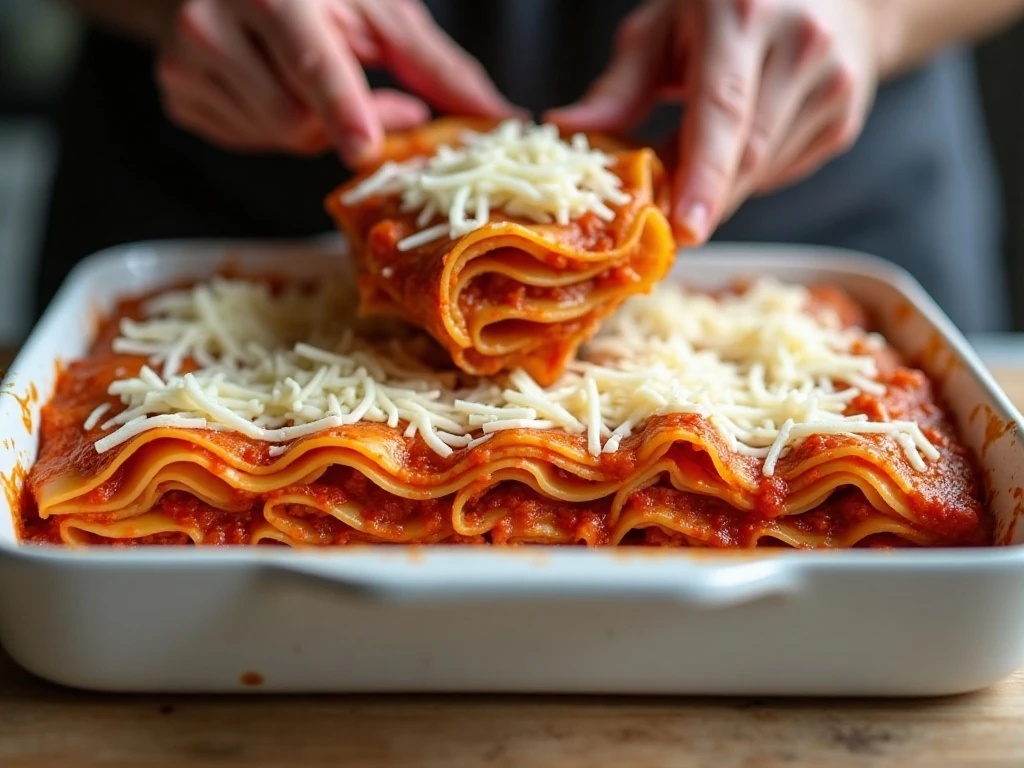
Step 7: Arrange 3–4 noodles over the sauce. Spread on about one-third of the remaining rosa sauce, one-third of the ricotta mixture, and about 1 cup of mozzarella, taking the filling close to the edges.
Step 8: Repeat the noodle, sauce, ricotta, and mozzarella layers twice more. The final layer should receive the remaining sauce, the remaining mozzarella, and 1/4 cup Parmesan for a beautifully browned top.
Step 9: Cover the dish tightly with aluminum foil and bake at 375°F (190°C) for 25–30 minutes. The covered baking stage traps steam, helping the noodles soften and allowing the center to heat through.
Step 10: Remove the foil and continue baking for 15–20 minutes. The lasagna is ready when the cheese is melted, bubbling, and lightly browned across the surface.
Step 11: Rest the casserole for 10–15 minutes before slicing. Use a sharp knife or sturdy spatula to cut portions, and garnish with chopped parsley or fresh basil if desired.
Chef Tips for the Best Rosa Lasagna
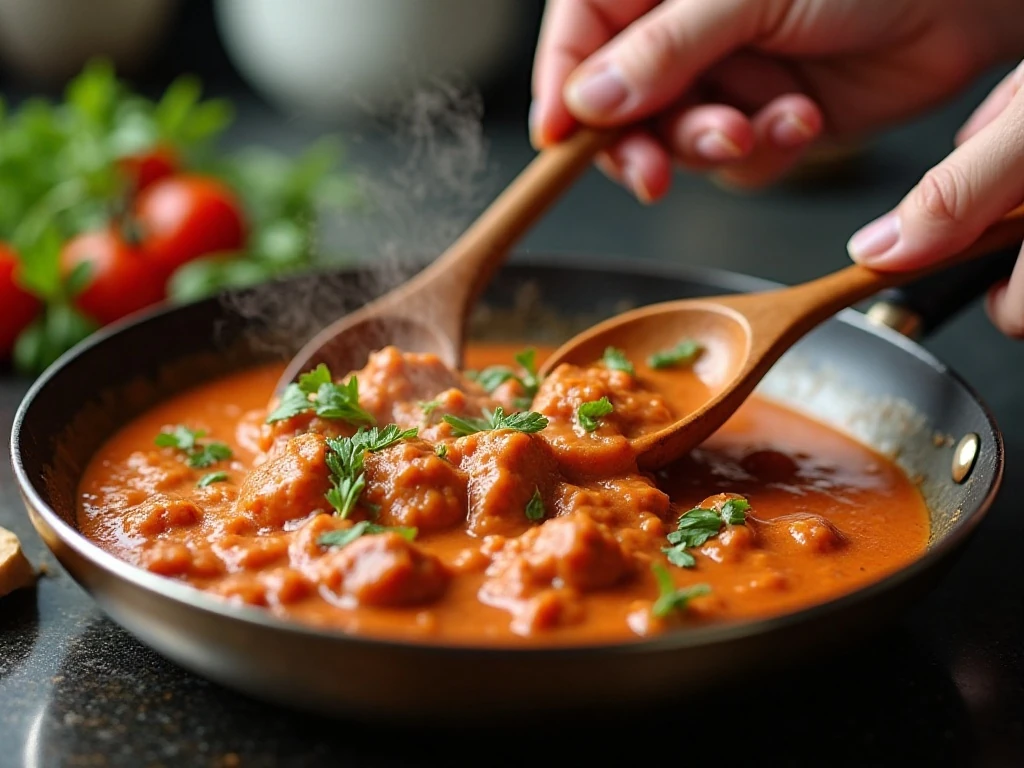
The consistency of the sauce is one of the most important details. Keep it slightly loose rather than thick, since the noodles absorb moisture during baking and a thick sauce can leave the edges dry.
- Do not rush the simmer: Eight to ten minutes gives the meat and seasonings time to blend with the pink sauce.
- Avoid hard boiling: Gentle heat helps the marinara, Alfredo, and cream stay smooth.
- Cover first: Foil protects the cheese while the center cooks, then uncovering allows the top to brown.
- Rest before cutting: Ten to fifteen minutes makes the layers easier to serve.
- Use a cheese blend: Substitute part of the mozzarella with provolone for a deeper, slightly sharper flavor.
If you are serving a crowd, place the lasagna on a large tray to catch any bubbling sauce. A crisp green salad or roasted vegetables provide a fresh contrast to the creamy casserole.
For a contrasting side or potluck dish, this creamy cranberry salad brings a cool, sweet-tart flavor to the table.
Serving Ideas and Pairings
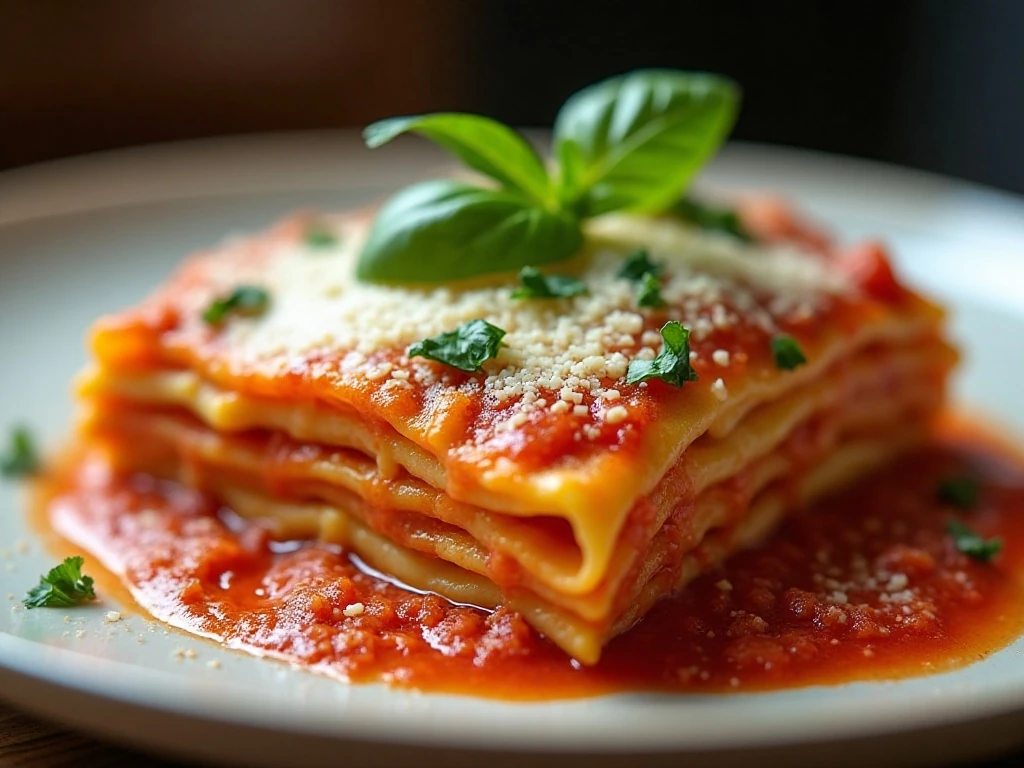
Serve each slice warm with a little extra grated Parmesan and chopped fresh basil. The basil adds a bright finish that cuts through the richness of the sauce without changing the recipe’s comforting character.
Garlic bread is an obvious partner because it can scoop up every bit of pink sauce left on the plate. You can also serve simple steamed broccoli, green beans, or a crisp salad dressed with lemon and olive oil.
This lasagna is filling enough to stand on its own, making it a strong choice for Sunday dinner, a family celebration, or a casual gathering. Since the recipe yields 8–10 servings, it is also useful for planned leftovers.
For a second hearty option at a party, consider adding these bacon-wrapped chicken strips to the menu.
Storage, Freezing, and Reheating
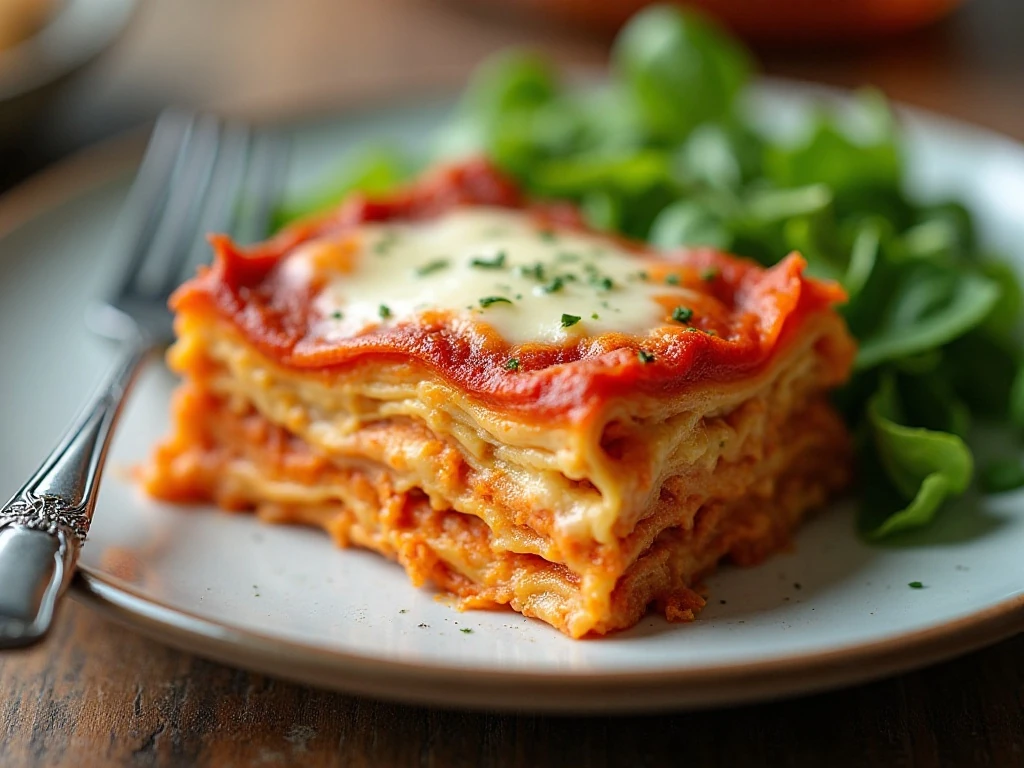
Cool leftover lasagna and refrigerate it in a covered container. Properly chilled portions are convenient for lunches and quick dinners, and the flavors often taste even more blended the next day.
Reheat individual portions until hot throughout, covering them loosely if needed to keep the cheese from drying. For a larger amount, place the lasagna in an oven-safe dish and warm it gently until heated through.
You can assemble the casserole ahead of time and keep it covered in the refrigerator until ready to bake. If preparing it for the freezer, use a freezer-safe baking dish, wrap it carefully, and label it with the recipe name and date.
Let a chilled casserole sit out briefly while the oven preheats, then bake until the center is hot and the cheese is bubbling. Always allow the finished lasagna to rest before serving, whether it was freshly assembled or reheated.
Finish dinner with a simple sweet treat such as this easy cinnamon bread, or offer a lighter dessert like this banana cream pie.
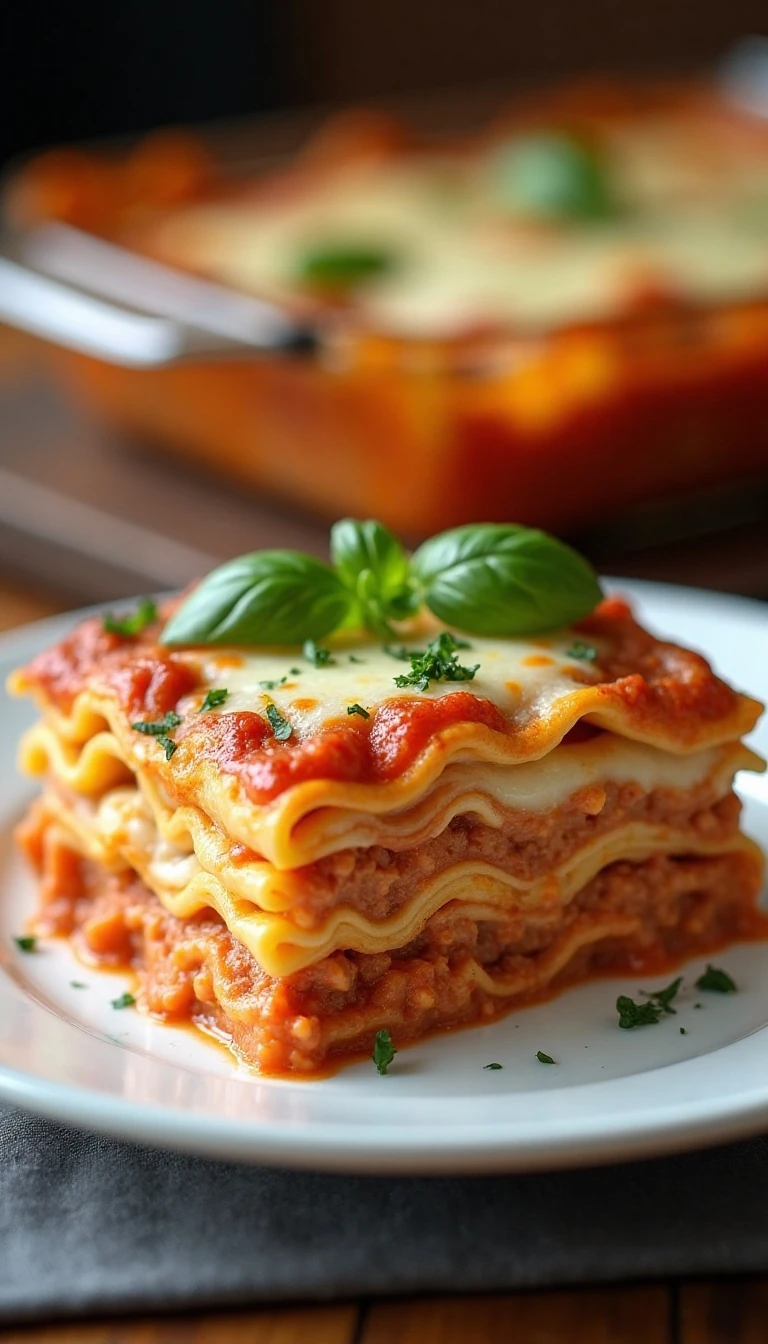
Rosa Lasagna Recipe
Ingredients
Method
- Heat olive oil in a large skillet over medium heat. Add the ground beef or mild Italian sausage and chopped onion, then cook for 6–8 minutes, breaking up the meat until browned and the onion is soft.
- Add the minced garlic and cook for about 30 seconds, stirring constantly so it becomes fragrant without browning.
- Stir in the marinara sauce, Alfredo sauce, heavy cream or whole milk, Italian seasoning, salt, black pepper, and optional red pepper flakes. Simmer gently for 8–10 minutes, avoiding an aggressive boil.
- While the sauce simmers, combine ricotta, egg, Parmesan, parsley, salt, and black pepper in a bowl. Stir until evenly blended.
- Cook regular lasagna noodles until just al dente according to the package directions. Drain and lay them flat so they do not stick together; oven-ready noodles can be used without boiling.
- Grease a 9 x 13-inch baking dish and spread about 1 cup of rosa sauce across the bottom. This first layer helps keep the noodles tender and prevents sticking.
- Add 3–4 noodles, about one-third of the remaining sauce, one-third of the ricotta mixture, and about 1 cup of mozzarella. Spread each layer as evenly as possible.
- Repeat the noodle, sauce, ricotta, and mozzarella layers twice more. Finish with the remaining sauce, the remaining mozzarella, and 1/4 cup Parmesan.
- Cover the baking dish tightly with aluminum foil and bake at 375°F (190°C) for 25–30 minutes. Keeping the dish covered helps the center cook evenly and prevents the noodles from drying.
- Remove the foil and bake for another 15–20 minutes, until the cheese is melted, bubbling, and lightly browned. Watch the top during the final minutes so the cheese reaches a rich golden color.
- Let the lasagna rest for 10–15 minutes before slicing. This short pause allows the layers to set, making cleaner portions with less sauce running onto the plate.
Notes
Final Thoughts
This rosa lasagna recipe delivers everything you want from a baked pasta dinner: tender noodles, seasoned meat, creamy ricotta, a smooth pink sauce, and a bubbling blanket of cheese. Because the method uses familiar ingredients and clear layering steps, it is easy enough for a weeknight while still feeling special for guests.
Remember to simmer the sauce gently, keep it slightly loose, cover the dish for most of the bake, and rest the lasagna for 10–15 minutes before slicing. Serve it with a crisp salad, warm bread, or vegetables, and enjoy a comforting meal that is creamy, flavorful, and wonderfully satisfying.