The best raspberry sauce recipe is quick, easy, and ready in about 15 to 20 minutes. Simmer 12 ounces of fresh or frozen raspberries with 1/2 cup sugar and 1 tablespoon lemon juice, then thicken the mixture with a simple cornstarch slurry for a glossy sauce that makes cheesecake, pancakes, ice cream, and cakes taste special.
This homemade raspberry sauce is bright, sweet, slightly tart, and packed with real berry flavor. Strain it while warm for a smooth, seedless finish, or leave it rustic for a more textured spoonable topping that is perfect for everyday breakfasts and elegant desserts.
Jump to RecipeWhy You’ll Love This Recipe

There is a reason raspberry sauce appears on everything from restaurant cheesecakes to weekend pancakes: it adds vivid color, fresh flavor, and just enough acidity to balance rich foods. This version delivers all of that without complicated equipment or a long ingredient list.
The recipe uses only a saucepan, a spoon, a small bowl, and an optional fine-mesh strainer. Fresh raspberries work beautifully, while frozen raspberries make this a practical year-round recipe that does not require thawing first.
- Fast: Prep takes 5 minutes, and cooking takes 8 to 12 minutes.
- Flexible: Use fresh or frozen raspberries and choose a smooth or rustic texture.
- Bright-tasting: Lemon juice keeps the sugar from tasting heavy and brings out the berry flavor.
- Useful: Spoon it over breakfast dishes, cakes, ice cream, yogurt, and chocolate desserts.
The finished sauce is thick enough to sit beautifully on a plate but still fluid enough to drizzle. As it cools, the cornstarch gives it a luscious consistency that works equally well warm, at room temperature, or chilled.
If you enjoy adding homemade sauces and toppings to a dessert table, this recipe is an easy companion to freshly made beignets. The tart raspberry flavor cuts through their rich, tender dough.
Ingredients You’ll Need
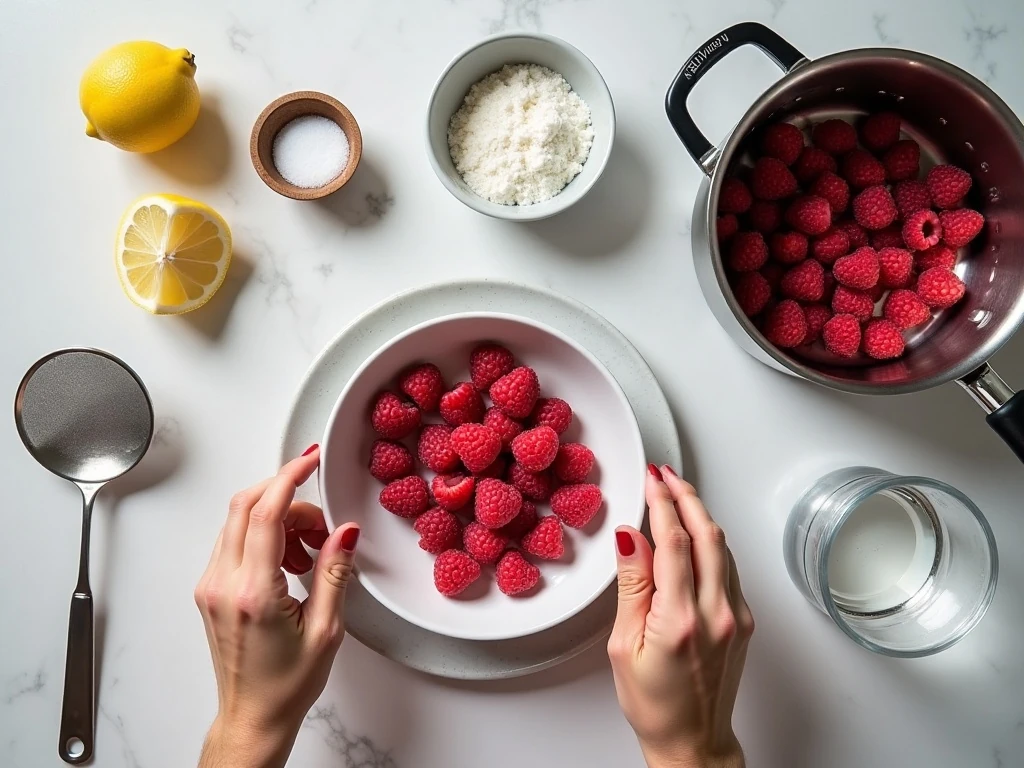
You need 12 ounces, or 340 grams, of raspberries. Fresh berries cook slightly faster, but frozen berries can go directly into the pan and often create a particularly juicy sauce.
Granulated sugar sweetens the berries and helps draw out their juices. The standard amount is 1/2 cup, or 100 grams, which creates a balanced sauce rather than an overly sugary syrup.
One tablespoon of lemon juice is an important ingredient, even though it may seem small. Its acidity sharpens the raspberry flavor and keeps the finished topping lively; you can increase it slightly if you prefer a tarter sauce.
To thicken the sauce, combine 1 tablespoon cornstarch with 2 tablespoons cold water. Always mix these two ingredients separately before adding them to the pan, because dry cornstarch added directly to hot fruit can form stubborn lumps.
One teaspoon of vanilla extract is optional. It rounds out the berry flavor and adds a gentle dessert-like aroma, but the sauce is delicious without it.
- 12 ounces fresh or frozen raspberries
- 1/2 cup granulated sugar
- 1 tablespoon lemon juice
- 1 tablespoon cornstarch
- 2 tablespoons cold water
- 1 teaspoon vanilla extract, optional
How to Make It Step-by-Step

Step 1: Add the raspberries, sugar, and lemon juice to a small saucepan. Set the pan over medium heat and stir occasionally as the berries warm, soften, and begin releasing their juices.
Step 2: Cook the raspberry mixture for 5 to 8 minutes. Fresh berries may break down a little sooner, while frozen berries can take an extra minute or two and may release more liquid as they heat.
Step 3: While the berries cook, place the cornstarch and cold water in a small bowl. Stir until the mixture is smooth and milky with no visible dry pockets or clumps.
Step 4: Once the berries are simmering and beginning to break down, slowly stir in the cornstarch slurry. Keep stirring so the thickener spreads evenly through the fruit rather than settling on the bottom.
Step 5: Continue cooking for 1 to 2 minutes, stirring constantly. The sauce should become glossy and visibly thicker; avoid prolonged boiling, which can make the texture overly firm.
Step 6: Remove the saucepan from the heat and stir in the vanilla extract if you are using it. Taste carefully once the sauce has cooled slightly, remembering that the flavor becomes more rounded as it rests.
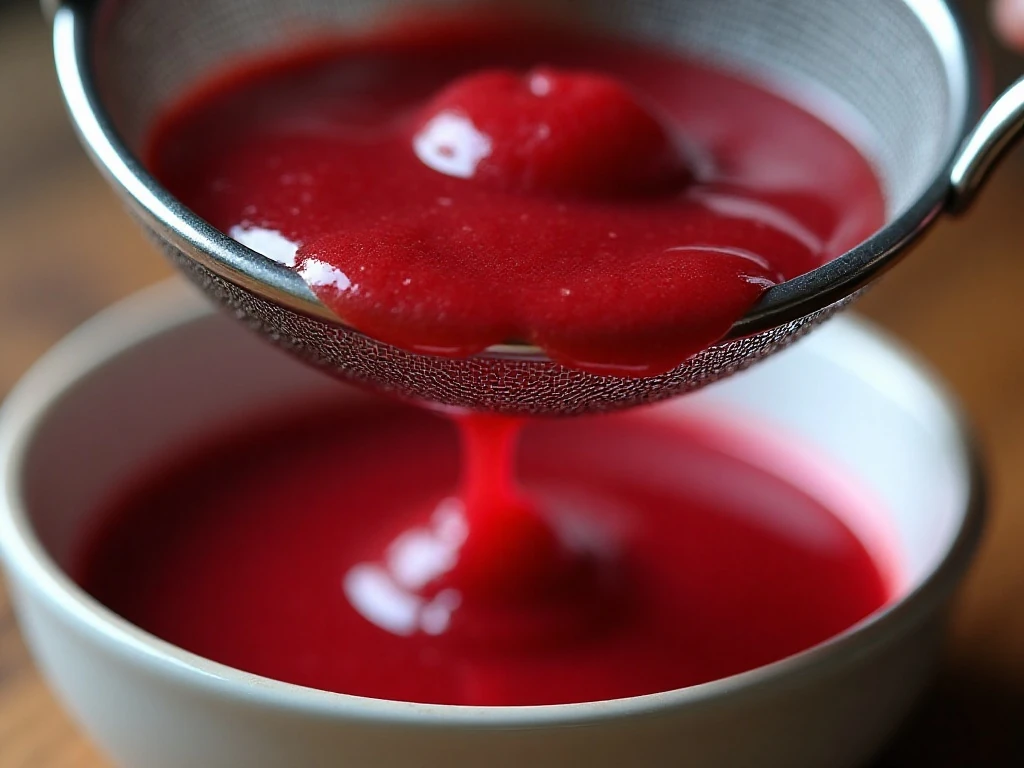
Step 7: For a smooth, seedless sauce, place a fine-mesh strainer over a bowl and press the warm raspberry mixture through it with the back of a spoon. For a rustic topping, skip straining and keep the berry pieces and seeds.
Step 8: Cool the sauce slightly before serving. It thickens further as it cools, so give it a gentle stir before drizzling or spooning it over your chosen dish.
For a smooth restaurant-style finish, strain the sauce while it is still warm. Warm raspberry pulp passes through the sieve more easily than chilled sauce, saving effort and producing a silky result.
How to Get the Best Texture and Flavor
Use medium heat rather than high heat. Raspberries contain delicate juices that can scorch at the edges if the pan becomes too hot, especially after the sugar melts.
Stir occasionally during the first cooking stage, then stir constantly after adding the slurry. This gives the fruit time to soften while protecting the cornstarch from sticking or cooking unevenly.
Do not judge the final thickness while the sauce is piping hot. It will look somewhat loose in the pan and then become thicker as it cools, so avoid adding extra cornstarch too early.
The seeds are a matter of preference, not quality. A strained sauce is ideal for cheesecake, plated desserts, and delicate crepes, while an unstrained sauce has a homemade appearance and more noticeable berry texture.
If your berries are especially tart, the listed 1/2 cup sugar provides a reliable balance. If they are very sweet, the lemon juice will keep the sauce from tasting flat without requiring a major change to the sugar.
This colorful sauce also pairs well with savory-sweet menus. After serving a rich appetizer such as creamy cheeseburger dip, a raspberry-topped dessert offers a fresh, tangy finish.
Ways to Serve Raspberry Sauce
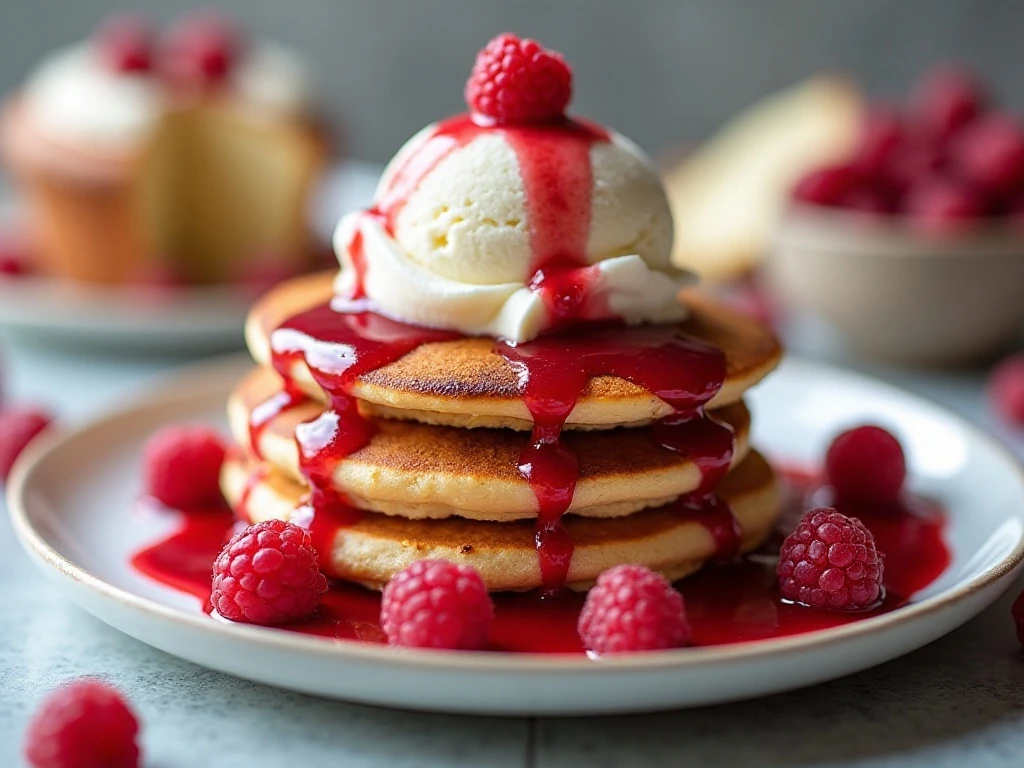
Pour the warm sauce over vanilla ice cream and let it run down the sides. Add chopped nuts, chocolate shavings, or a few fresh raspberries for a simple dessert that looks carefully prepared.
For cheesecake, spoon the sauce over individual slices rather than covering the entire cake. This keeps the crust crisp and lets each person choose how much berry flavor they want.
At breakfast, drizzle it over pancakes, waffles, French toast, or oatmeal. A spoonful stirred into plain yogurt makes an easy fruit topping, and a ribbon folded into whipped cream creates a quick berry mousse-like accompaniment.
- Cheesecake and pound cake
- Ice cream and frozen yogurt
- Pancakes, waffles, and French toast
- Chocolate cakes, brownies, and flourless desserts
- Greek yogurt, oatmeal, and chia pudding
- Whipped cream, pavlova, and meringue desserts
Try layering the sauce with yogurt and granola in a glass for a colorful breakfast parfait. You can also make a pretty dessert plate by dragging a spoonful across the dish and placing cake or ice cream on top.
For a summer meal, keep the sauce chilled and serve it beside grilled fruit or a simple vanilla dessert. It is also a lovely sweet contrast after a savory side such as grilled corn on the cob.
Storage, Reheating, and Make-Ahead Tips
Let leftover sauce cool, then transfer it to a clean, covered container and refrigerate it. The sauce is easiest to use within several days for the freshest raspberry flavor and best texture.
Chilled sauce becomes thicker, especially after the cornstarch has fully set. Stir it before serving, and add a small splash of water only if you need to loosen it for drizzling.
To warm it, place the sauce in a small saucepan over low heat and stir gently until it becomes pourable. You can also warm a serving briefly in the microwave, using short intervals and stirring between each one.
For entertaining, make the sauce earlier in the day and strain it while warm. Store it covered in the refrigerator, then gently rewarm it before serving or use it cold as a thick dessert topping.
The recipe is especially convenient when you already have a cake or breakfast bake prepared. Spoon it over slices of tender peach bread for a fruit-forward dessert plate with very little extra work.
Common Questions
Can I use frozen raspberries? Yes. Add them straight to the saucepan without thawing. Frozen berries generally provide more liquid, so they may need an extra minute or two during the first cooking stage.
Do I have to strain the seeds? No. Straining is optional and depends on the texture you prefer. Press the warm sauce through a fine-mesh strainer for a smooth finish, or keep it unstrained for a rustic sauce.
Why is my sauce lumpy? The cornstarch was likely added directly to the fruit or was not mixed thoroughly with cold water first. Always make a smooth slurry before stirring it into the simmering berries.
Can I make it tarter? Yes. Increase the lemon juice slightly to sharpen the flavor, but taste as you go so the sauce remains balanced with the amount of sugar.
Why did my sauce become too thick? Cornstarch continues to set as the sauce cools. Stir in a little water while gently reheating until it reaches the consistency you want.
Serve this sauce with a simple roasted dinner followed by dessert, especially if your menu includes crispy roasted potatoes and you want an uncomplicated sweet course afterward.

The Best Raspberry Sauce Recipe (Quick & Easy)
Ingredients
Method
- Put the raspberries, sugar, and lemon juice in a small saucepan over medium heat. Cook for 5 to 8 minutes, stirring occasionally, until the berries release their juices and begin to break down.
- In a small bowl, stir the cornstarch and cold water together until completely smooth. This slurry prevents lumps from forming in the sauce.
- Stir the cornstarch slurry into the simmering raspberry mixture. Continue cooking for 1 to 2 minutes, stirring constantly, until the sauce is glossy and thickened.
- Remove the saucepan from the heat and stir in the vanilla extract, if using. For a smooth sauce, press the warm mixture through a fine-mesh strainer; leave it unstrained for a rustic texture.
- Cool the sauce slightly before serving. It will thicken further as it cools.
Notes
Final Thoughts
This quick raspberry sauce turns a short list of everyday ingredients into a glossy, intensely fruity topping. In just 5 minutes of prep and 8 to 12 minutes of cooking, you get about 1 to 1 1/2 cups of sauce that can transform both simple breakfasts and special desserts.
Use fresh or frozen raspberries, add the vanilla if you like, and decide between a silky strained finish or a rustic berry texture. The lemon juice keeps the flavor bright, while the cornstarch slurry gives the sauce enough body to cling beautifully to cheesecake, ice cream, pancakes, and cake.
Once you make it, keep a batch in the refrigerator for quick dessert plates, yogurt parfaits, or weekend brunch. This is the kind of reliable homemade topping that makes an ordinary dish feel thoughtfully finished without adding extra stress to the kitchen.
2 thoughts on “The Best Raspberry Sauce Recipe (Quick & Easy)”